

Note: This article contains affiliate links. If you click on these links and make a purchase, I may earn a small commission at no extra cost to you. This helps support my research and content. Read my full affiliate disclosure here.
If you own a 1998-2011 Ford Ranger, choosing the right engine oil matters for reliability, longevity, and day-to-day drivability. The right oil helps control wear, manage operating temperatures, and maintain oil pressure across varied mileage and climates. Whether your Ranger sees highway miles, heavy loads, or city driving, matching viscosity and oil type to the engine condition is key.This guide highlights seven top engine oils shortlisted for the 1998-2011 Ford Ranger and explains the technical factors we used to evaluate them. You will get practical guidance on viscosity choices, synthetic versus conventional oils, and considerations for higher-mileage engines before the product list that follows.
Looking for other parts? See all Ford Ranger parts & accessories.
Top Picks at a Glance
| Best Overall Engine Oil A top all-around oil balancing protection, viscosity, and value | Valvoline Advanced Full Synthetic 5W-30 Motor Oil, 5 qt |  |
| Best Budget Engine Oil Low-cost option that still meets basic protection standards | Castrol GTX High Mileage 5W-30 Synthetic Blend Motor Oil, 5 qt |  |
| Best Premium Full Synthetic Oil Highest-performance full-synthetic formula for maximum protection and longevity | Mobil Full Synthetic Motor Oil 5W-30, 5 Quart |  |
| Best High‑Mileage Engine Oil Formulated with additives to condition seals and reduce oil consumption | Valvoline High Mileage 150K with MaxLife Plus Technology 5W-30 Motor Oil, 5 qt |  |
| Best OEM Motorcraft Oil Manufacturer-formulated oil and packaging made to factory specifications | Motorcraft 5W-30 Engine Oil, 5-Quart Jug (XO5W305Q3SP) |  |
| Best 5W‑20 Viscosity Oil Specifically chosen 5W‑20 oils for engines requiring lower-viscosity fluids | Motorcraft 5W-20 Synthetic Blend Motor Oil, 5-Quart Jug |  |
| Best Oil Change Kit Complete kit with oil plus filter and essentials for a DIY change | Factory Racing Parts 5W-20 Full Synthetic Oil Change Kit (4 Quarts) |  |
1. Valvoline Advanced Full Synthetic 5W-30 Motor Oil, 5 qt
Best Overall Engine Oil

| SAE J300 Viscosity Grade | 5W-30 |
|---|---|
| Container Type | Jug |
| Compatible with Vehicle Type | Car, Truck |
| Liquid Volume | 5 Quarts |
| Meets | ILSAC GF-7A, API SP, API SQ, API SN |
Valvoline Advanced Full Synthetic 5W-30 is a do-it-all engine oil aimed at protecting modern gasoline engines during typical daily use and DIY maintenance. It is used like any refill oil for oil changes and offers a full synthetic base with additive boosters designed to reduce wear, resist deposits, and tolerate higher operating temperatures. Notable features include claims of significantly stronger wear protection and improved heat resistance compared with industry baselines, plus engineering for good cold-start flow so the oil reaches critical parts quickly at low temperatures. For a 1998–2011 Ford Ranger running a 5W-30 recommendation, this oil provides a balanced mix of protection and drivability, helping preserve engine life while supporting fuel economy. Limitations include that the product description targets gasoline engines generally rather than offering Ranger-specific testing, and buyers should confirm the 5W-30 grade meets the truck's factory service specs and any manufacturer fluid approvals before use.
Best for: DIYers and home mechanics who want a single, broadly protective 5W-30 full synthetic suitable for routine oil changes on a 1998–2011 Ford Ranger and value engine longevity and easier cold starts.
Less Ideal for: Owners who require a factory-specified alternative viscosity or unique OEM-branded fluid, or those running heavily modified engines needing specialty lubricants.
- Full synthetic formula for improved wear protection and thermal stability
- Engineered for better low-temperature flow to reduce cold-start wear
- Claims improved deposit control to help keep older engines cleaner during normal driving
- Meets current API and ILSAC gasoline specifications and several OEM service specs
- Marketing comparisons reference 'industry standards' rather than vehicle-specific dyno or fleet testing
- Product copy lists broad vehicle compatibility but does not show Ford Ranger–specific validation
Verdict: Choose this as the single best all-purpose engine oil that balances wear protection, cold‑start flow, and broad vehicle compatibility for most DIY maintenance jobs.
2. Castrol GTX High Mileage 5W-30 Synthetic Blend Motor Oil, 5 qt
Best Budget Engine Oil

| SAE Viscosity Grade | 5W-30 |
|---|---|
| Compatible Vehicle Type | For use in vehicles with over 75,000 miles, passenger cars, trucks, and SUVs |
| Automotive Fit Type | Universal Fit |
| Liquid Volume | 160 Fluid Ounces |
| Meets Specs | API SP/SN PLUS/SN/SM | ILSAC GF-6 |
Castrol GTX High Mileage 5W-30 is a synthetic blend designed for vehicles with more than 75,000 miles and suits routine oil changes on older engines. It combines detergents and dispersants to fight sludge and deposits, plus additives marketed to protect timing components and reduce corrosion and oil volatility. The formula includes a phosphorus replacement technology intended to limit harm to the catalytic converter while still delivering wear protection. In practice this oil works as a straightforward, economical option for keeping an aging engine cleaner between services and helping control leaks with seal conditioners. It is not a full synthetic, so it balances performance and cost rather than maximizing high-temperature stability or extended drain intervals. For a Ford Ranger from 1998 to 2011 this oil meets common viscosity and API/ILSAC specifications and is appropriate for scheduled maintenance, but drivers seeking maximum synthetic protection or long-change intervals should consider a full synthetic alternative.
Best for: Owners of 1998–2011 Ford Ranger trucks prioritizing a dependable, lower-cost oil that helps keep older engines clean and protects emission components during normal service intervals.
Less Ideal for: Drivers who want the best high-temperature stability or longest possible oil-change intervals should choose a full synthetic oil instead.
- Formulated specifically for high-mileage engines to reduce sludge and deposits
- Phosphorus replacement additive to help protect the catalytic converter
- Contains detergents and dispersants that support cleaner engine internals
- Seal conditioners to help limit minor oil leaks common in older engines
- Synthetic blend rather than full synthetic so it offers less extreme high-temperature and long-drain performance
Verdict: Pick this when you want a reliable, inexpensive oil that meets API/ACEA minimums and keeps routine oil-change costs down.
3. Mobil Full Synthetic Motor Oil 5W-30, 5 Quart
Best Premium Full Synthetic Oil
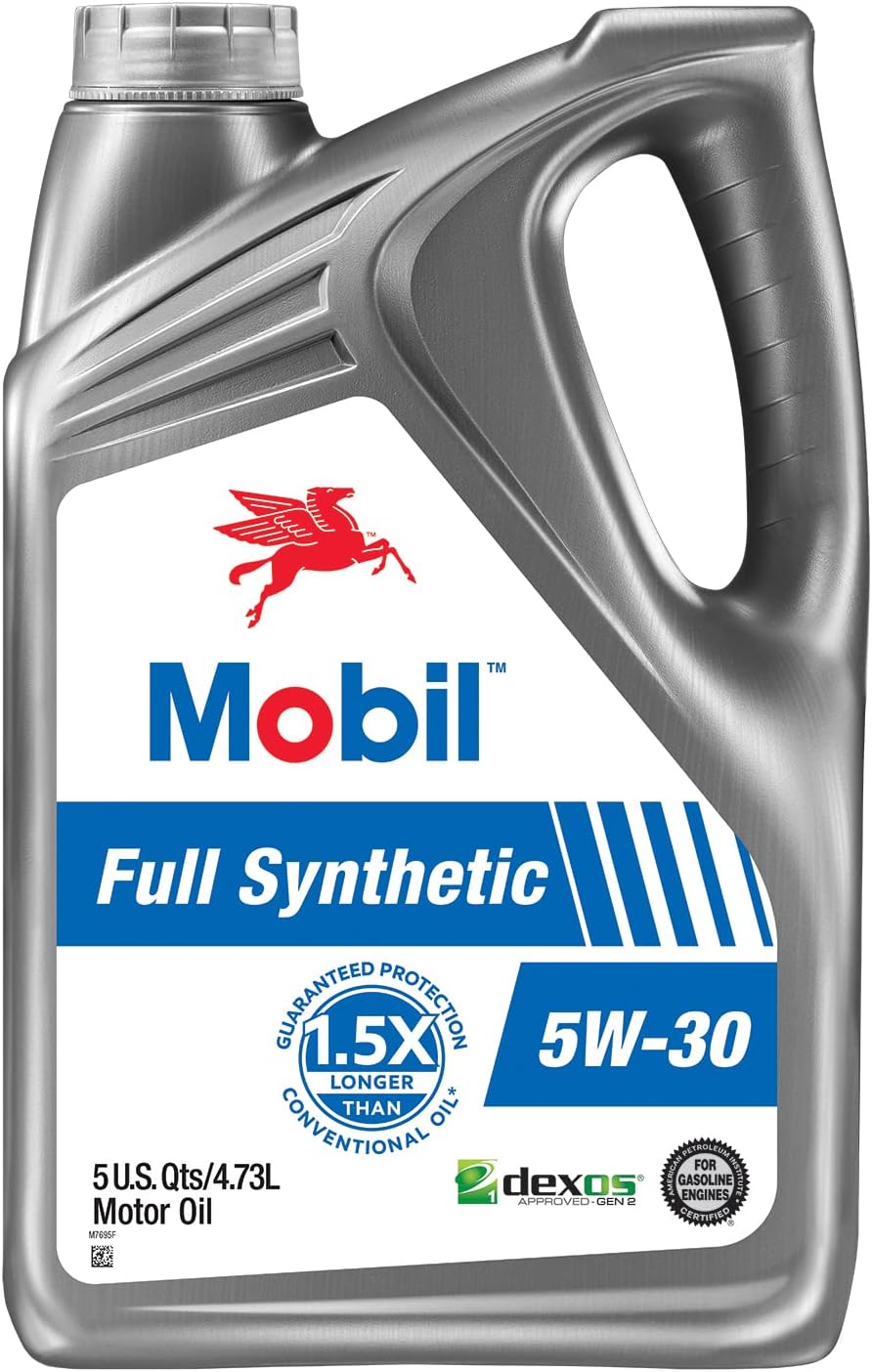
| Viscosity grade | 5W-30 |
|---|---|
| Liquid Volume | 5 quarts |
| Compatible with Vehicle Type | Car |
| Automotive Fit Type | Universal Fit |
Mobil Full Synthetic 5W-30 is a factory-quality full synthetic engine oil aimed at drivers who want longer drain intervals and robust protection for modern gasoline engines. It is used as a direct replacement for conventional or synthetic-blend oils and is suitable for daily driving, highway miles, and turbocharged applications. Notable features include a formulation that resists oil breakdown at high temperatures, helps prevent sludge and deposit formation, and maintains viscosity under stress for improved shear stability. For a 1998-2011 Ford Ranger this oil provides consistent cold-start flow and high-temperature protection during towing or heavier loads. The practical benefits are reduced engine wear over time and the potential to stretch service intervals compared with conventional oils. Limitations are that precise drain-interval extension depends on driving conditions and manufacturer recommendations, and you should follow the Ranger owner manual for specified viscosity and interval guidance. Overall it delivers dependable protection for owners seeking a premium full synthetic 5W-30.
Best for: Buyers who want a top-tier full synthetic 5W-30 that prioritizes long-term engine protection and the option to extend service intervals for a gasoline-powered compact truck.
Less Ideal for: Drivers who prefer strictly factory-recommended short-interval oil changes or those whose Ranger requires a different viscosity or specification should choose a product that matches their specific manual.
- Full synthetic formula engineered to resist oil breakdown at high operating temperatures
- Helps prevent sludge and deposit formation to reduce long-term engine wear
- Supports extended drain potential compared with conventional oils
- Recommended for turbocharged and modern gasoline engines
- Actual extended drain intervals vary with driving style and should follow vehicle manufacturer guidance
Verdict: Use this slot for top-tier full synthetic oils designed for longer drains, improved shear stability, and superior wear protection under heavy use.
4. Valvoline High Mileage 150K with MaxLife Plus Technology 5W-30 Motor Oil, 5 qt
Best High‑Mileage Engine Oil

| SAE J300 Viscosity Grade | 5W-30 |
|---|---|
| Compatible with Vehicle Type | Car, Truck |
| Container Type | Bottle |
| Liquid Volume | 5 Quarts |
Valvoline High Mileage 150K with MaxLife Plus Technology is a synthetic blend motor oil aimed at protecting older engines by reducing wear, combating deposits, and helping stop minor leaks. It is typically used as an oil change fill for high-mileage vehicles and contains seal conditioners plus a molybdenum-based Moly Additive that forms a protective film on critical surfaces to lower friction and heat. The boosted detergent and antioxidant package helps keep engines cleaner by reducing sludge and deposits, while the formulation is available in common viscosities including 5W-30 for broad temperature coverage. In practice this oil benefits aging engines that show moderate oil consumption, minor seepage, or reduced compression due to wear by improving sealing and reducing internal friction. The main limitations are that it is a synthetic blend rather than full synthetic and it is designed specifically for high-mileage care, so drivers seeking maximum fuel-economy gains or full-synthetic protection in extreme performance applications may prefer a different grade.
Best for: Owners keeping a 1998–2011 Ford Ranger running reliably who prioritize stopping small leaks, reducing oil consumption, and extending service life on a high-mileage engine.
Less Ideal for: Drivers rebuilding an engine, running heavy-duty towing, or chasing maximum fuel-economy and extreme-temperature protection who should consider a premium full synthetic or performance-specific oil instead.
- Formulated for engines over 150,000 miles with seal conditioners to reduce leaks and oil consumption
- Moly Additive antiwear system creates a protective film to reduce friction and heat
- Boosted detergents and antioxidants help keep older engines cleaner and control sludge
- Available in common SAE grades including 5W-30 for everyday temperature ranges
- Synthetic blend rather than a full synthetic, so peak thermal stability and longevity are lower than top-tier full synthetics
Verdict: Select a high‑mileage formula when you’re maintaining an older engine and want seal conditioners and anti‑wear additives to reduce leaks and oil burn.
5. Motorcraft 5W-30 Engine Oil, 5-Quart Jug (XO5W305Q3SP)
Best OEM Motorcraft Oil
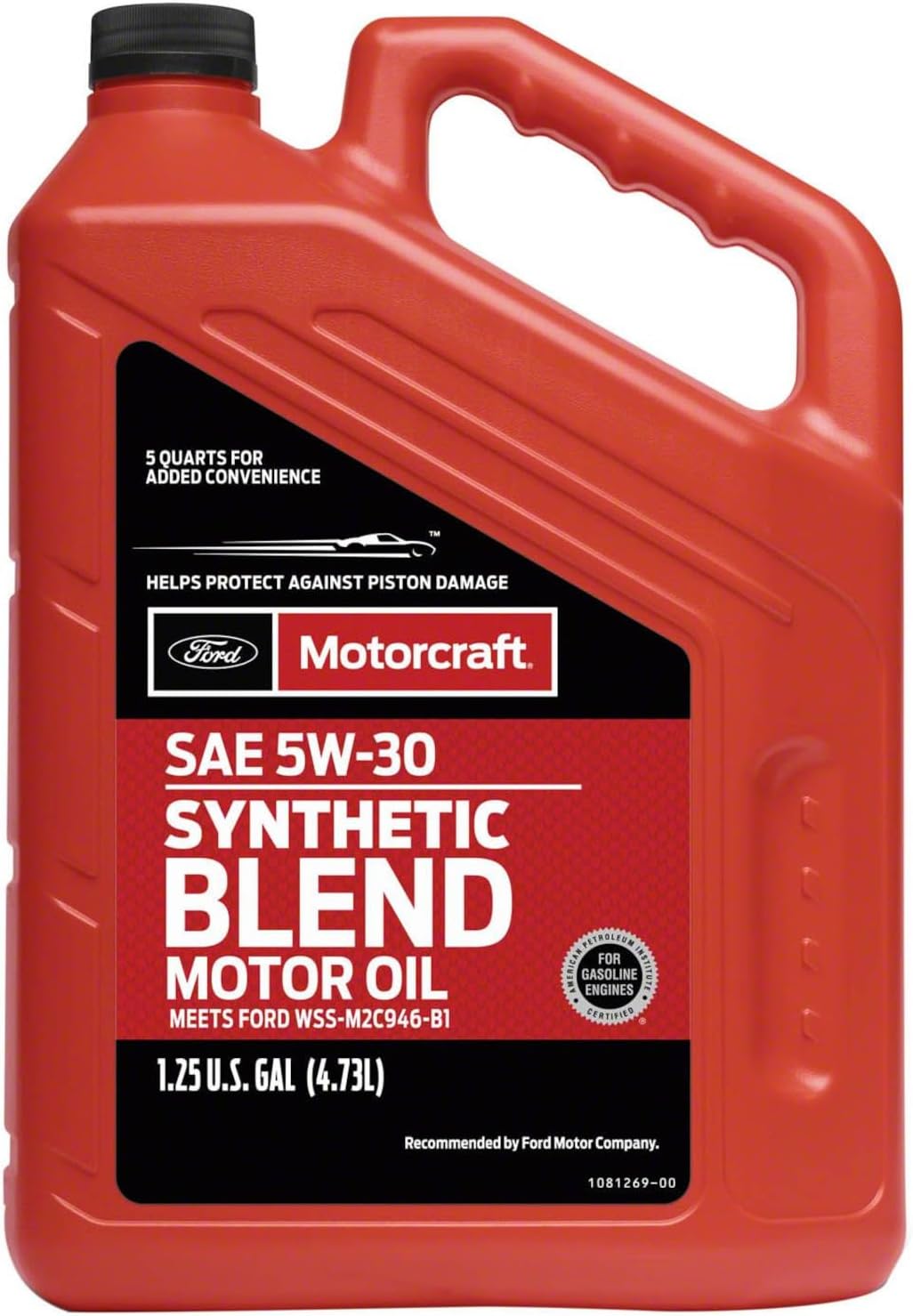
| Viscosity | 5W-30 SAE Grade |
|---|---|
| Vehicle Service Type | Car, SUV, Truck, Van |
| Size | 5-Quart Jug |
| Flash Point | 446 Degrees Fahrenheit |
This Motorcraft 5W-30 comes in a 5-quart jug and is positioned as the factory-branded engine oil for Ford and Lincoln vehicles. It is used like any full-synthetic or synthetic blend 5W-30: pour into the crankcase during routine oil changes to meet manufacturer viscosity recommendations. Notable features include Motorcraft branding and a formulation that matches SAE J300 5W-30 requirements, plus packaging intended for easy handling and standard fill volumes. The practical benefit is confidence in compatibility with Ford-recommended service intervals and simpler recordkeeping for warranty-conscious owners. Limitations are that the listing does not specify whether this is full synthetic or a synthetic blend, so buyers who require a specific base stock type or extended drain intervals should verify before purchase. This oil is a straightforward choice for owners who want factory-specified fluid and familiar packaging without hunting third-party equivalents.
Best for: Buyers who prioritize using factory-branded fluids to meet manufacturer guidance and keep maintenance records aligned with warranty expectations for a 1998–2011 Ford Ranger.
Less Ideal for: Drivers seeking a clearly labeled full-synthetic oil with extended drain intervals or specialized performance additives should consider alternatives that state base oil type and service life explicitly.
- Factory-branded formulation aligned with Ford/Lincoln service intent
- Sold in a 5-quart jug that matches a standard oil change quantity
- SAE J300 5W-30 viscosity grade suitable for typical temperate driving
- Packaging and labeling simplify service records for warranty-minded maintenance
- Product details do not clearly state whether the oil is full synthetic or a synthetic blend
Verdict: Choose an OEM-branded oil when you prefer factory-specified formulations and packaging for exact-fit confidence and warranty-minded maintenance.
6. Motorcraft 5W-20 Synthetic Blend Motor Oil, 5-Quart Jug
Best 5W‑20 Viscosity Oil

| SAE Viscosity Grade | 5W-20 |
|---|---|
| Liquid Volume | 5 Quarts |
| Fit Type | Vehicle Specific Fit |
| Performance Specs | WSS-M2C960-A1, SN PLUS |
This Motorcraft 5W-20 synthetic blend is designed to deliver reliable lubrication for Ford-family gasoline and flex fuel engines where 5W-20 viscosity is specified. It is typically used as a drain-and-fill service oil for passenger cars, trucks, and SUVs and comes in a single 5-quart jug that covers most routine oil changes. The formulation uses hydro-processed base stocks and performance additives to reduce high-temperature oxidation, control deposits, limit turbocharger buildup, and resist low-temperature gelling so the engine starts and protects during cold starts. Friction-reducing technology helps lower internal wear and can improve fuel economy versus heavier 5W-30 or 10W-30 grades. It meets Ford WSS-M2C960-A1 and API SN PLUS performance claims, which also addresses concerns about low-speed pre-ignition. The main limitation is that it is a synthetic blend rather than a full synthetic, so drivers seeking the absolute top thermal stability and longest drain intervals may prefer a full synthetic alternative.
Best for: Drivers maintaining Ford-family vehicles that require 5W-20 viscosity who want a factory-backed oil that matches vehicle specifications and supports routine oil change intervals.
Less Ideal for: Owners who prioritize the longest possible oil change intervals or the highest-temperature stability should consider a full synthetic 5W-20 instead.
- Factory-recommended formulation for many Ford, Lincoln, and Mercury gasoline engines
- Designed to reduce deposits, oxidation, and turbocharger buildup
- Improved cold-start protection and low-temperature flow at 5W grade
- Friction-reducing additives that can help improve fuel economy versus heavier grades
- Synthetic blend rather than full synthetic, so maximum drain intervals and high-temperature protection are more limited
Verdict: Pick this category when your engine calls for 5W‑20 viscosity to ensure correct cold-start flow and factory-recommended lubrication behavior.
7. Factory Racing Parts 5W-20 Full Synthetic Oil Change Kit (4 Quarts)
Best Oil Change Kit

| SAE Grade | 5W-20 |
|---|---|
| Oil Type | Full Synthetic |
| API Spec | API SP |
| Kit Contents | 4 Quarts of Oil, 1 Oil Filter |
| Liquid Volume | 128 fluid ounces |
This oil change kit bundles everything a DIYer needs to refresh a Ford Ranger 2.3L engine: four quarts of SAE 5W-20 full synthetic oil and a filter sized to replace the factory element numbers listed by the manufacturer. The oil is formulated to API SP standards and is produced in an ISO 9001 facility, so it should meet factory-quality performance and help protect internals and reduce wear between services. The seller claims the blend lasts up to 7,500 miles, which makes it suitable for routine commuting and moderate highway use where extended synthetic intervals are wanted. Practical benefits include the correct oil grade for many 2.3L Rangers, an included filter to avoid fitment guesswork, and fewer trips to buy separate parts. Limitations are that the kit contains only oil and a single filter with no drain plug, funnel, gloves, or used-oil disposal materials, so beginners may need extra supplies to complete the job cleanly.
Best for: Buyers who want a single, vehicle-focused kit that supplies the right oil quantity and a compatible filter for routine DIY oil changes on the specified Ranger engine.
Less Ideal for: People who prefer a complete workshop kit with drain tools and spare hardware or those who plan very long interval or severe-duty service without consulting their vehicle maintenance schedule.
- Includes correct oil grade (SAE 5W-20) matched to Ford Ranger 2.3L engines
- Comes with one oil filter that lists compatible OEM replacement numbers to simplify fitment
- Full synthetic formula meeting API SP produced in an ISO 9001 facility
- Supplies enough oil (4 quarts) for a single oil change without buying separate containers
- Kit lacks common service extras such as a drain plug, funnel, gloves, or a collection pan
Verdict: Opt for an oil-change kit when you want a single purchase that includes the correct oil quantity plus a compatible oil filter and basic supplies for a DIY service.
Choosing the Right 1998-2011 Ford Ranger Engine Oil: Key Factors to Consider
Viscosity and Temperature Performance
Viscosity grade determines how the oil flows at cold starts and at operating temperature. For the 1998-2011 Ford Ranger, selecting the correct SAE grade ensures adequate oil pressure at low RPM and protects moving parts when the engine is hot.
Cold-weather viscosity affects startup wear. A thinner cold-grade lets oil circulate faster at startup, reducing metal-on-metal contact during the first seconds after ignition. At operating temperature, the high-temperature side of the grade controls film strength and lubrication under load. Consider local climate and how you use the truck when choosing between common grades such as 5W-30 and 10W-30, and be aware that older engines with higher clearances may tolerate slightly thicker operating viscosities better.
Synthetic Vs Conventional Base Oils
Synthetic oils generally offer better thermal stability, lower volatility, and improved shear resistance compared with conventional mineral oils. That translates to more consistent viscosity over time, reduced oil consumption, and longer drain intervals when conditions permit.
For Rangers used in towing, high-temperature duty, or long highway runs, synthetic or synthetic-blend oils often maintain protective properties longer. Conventional oils can still be suitable for low-mileage, low-stress usage, but you will likely trade off change interval length and high-temperature protection. Consider whether extended drains or severe-duty conditions make the benefits of synthetic chemistry worthwhile for your vehicle.
Wear Protection and Additive Packages
Additives control critical functions such as anti-wear, corrosion inhibition, detergent action, and dispersancy. For an older Ranger, strong anti-wear and detergent additives help protect lifters, cam lobes, and crankshaft bearings while keeping deposits in suspension.
A balanced additive package reduces varnish and sludge formation, which is especially important if the engine has a history of extended drain intervals or intermittent short-trip use. Some formulations include friction modifiers for fuel economy or seal conditioners for leak-prone engines. Match the additive emphasis to the engine condition you are protecting.
High-Mileage Formulations
High-mileage oils are formulated with additives intended to rejuvenate seals, reduce oil consumption, and counteract wear patterns found in older engines. For Rangers in the 1998-2011 range that have significant miles, these oils can help reduce external seepage and improve compression retention over time.
They often include higher concentrations of anti-wear agents and seal-swelling additives to address common age-related issues. However, not every high-mileage engine benefits equally; if the engine has known leaks or extensive wear, high-mileage oil can be a practical mitigation, but it is not a substitute for mechanical repairs.
Oil Change Intervals and Maintenance Habits
How often you change the oil affects which formulation makes sense. Longer intervals favor synthetics with better oxidation resistance, while shorter, frequent changes reduce the need for premium base stocks. Consider how you perform maintenance and whether you track oil condition with manual checks.
If you tend to tow, haul, or do many short trips where the engine does not fully warm up, plan for shorter service intervals and choose oils with strong detergency. For owners who perform regular oil analysis or frequent changes, a conventional or blend oil can be a cost-effective choice without sacrificing engine protection.
Compatibility With Engine Seals and Emissions Systems
Some formulations interact differently with older valve stem seals and crank seals. Oils containing seal conditioners can reduce leaks on aging Rangers, but overly aggressive detergent chemistry can reveal weak seals by cleaning deposits that previously limited seepage.
Additionally, consider the condition of the emissions control system and PCV components. Oils that promote cleaner ring and PCV performance can reduce blow-by and maintain combustion chamber cleanliness, which helps older engines run more efficiently and reduces smoking or deposit buildup.
Choosing Viscosity for Different Climates
Climate is a primary determinant of the right viscosity choice for the 1998-2011 Ford Ranger. Colder regions benefit from lower winter grades to improve cold starts, while warmer regions and heavy-load applications require stable high-temperature viscosity to preserve film strength.
If you drive year-round in an area with freezing winters, select an oil with a lower cold-grade number to ensure quicker lubrication at startup. Conversely, if the truck routinely tows or carries heavy loads in warm weather, prioritize the oil's high-temperature performance.
- Cold climates: prioritize lower winter grade for faster oil flow
- Hot climates or towing: prioritize high-temperature film strength
- Mixed use: a multi-grade that balances cold start flow and hot protection
When to Consider High-Mileage Oil
High-mileage oils are designed to address problems that appear as engines age, such as seal hardening, minor leaks, and increased oil consumption. If your Ranger has over 75,000 miles or shows signs of seepage, a high-mileage formulation can be a pragmatic choice.
Use high-mileage oils as part of a broader maintenance plan that includes checking valve cover gaskets, timing cover seals, and the PCV system. These oils can help manage symptoms but will not reverse major mechanical wear.
- Good for engines with mild leaks or higher oil consumption
- Often include seal conditioners to reduce seepage
- Not a replacement for mechanical repairs
Synthetic, Synthetic-Blend, or Conventional: Trade-Offs
Synthetic oils offer superior thermal stability and lower volatility, enabling longer drain intervals and better protection under stress. Synthetic-blends provide some of those benefits at a lower cost, while conventional oils remain a viable option for low-stress, low-mileage usage.
Decide based on how you use the Ranger and your maintenance discipline. Frequent towing and high-mileage operation tilt the balance toward synthetic options; infrequent, gentle driving makes conventional or blend oils acceptable.
- Synthetic: best for high-stress, high-temperature, or extended drains
- Blend: compromise between performance and cost
- Conventional: acceptable for low-stress, short-interval maintenance
How Oil Choice Affects Fuel Economy and Emissions
Viscosity and friction modifiers influence pumpability and internal drag, which in turn affect fuel economy. Choosing a properly rated viscosity can marginally improve fuel consumption, especially in stop-and-go traffic.
Cleaner oils with good detergent packages also help maintain combustion efficiency and minimize deposit buildup that can harm emissions over time. For older Rangers, keeping the engine clean internally helps sustain factory emission control performance as components age.
- Right viscosity reduces mechanical drag and can help MPG
- Detergent additives keep rings and injectors cleaner
- Regular oil maintenance supports long-term emissions performance
Practical Tips for Oil Changes and Checks
Regular physical checks of oil level and color can reveal early problems. Check the dipstick before long trips and top off with the same viscosity and type if needed. Record the mileage and date at every change to spot changes in consumption rate.
When changing oil, inspect the drain plug and filter area for metal particles or sludge. If you plan to switch between conventional and synthetic, follow recommended procedures and consider a shorter interval for the first change to clear residual deposits.
- Inspect oil for unusual odor, metal flakes, or milky appearance
- Keep records of changes to monitor consumption trends
- Replace oil filter at every service and check PCV components
Still looking for the perfect fit?
Select your Ford Ranger configuration to see the most relevant Engine Oils recommendations
How We Chose the Best 1998-2011 Ford Ranger Engine Oil
We focused on criteria that matter specifically to 1998-2011 Ford Ranger owners and used a consistent editorial framework to narrow the field. First, we prioritized viscosity compatibility and manufacturer-recommended grades for engines used across the 1998-2011 Ranger model years because proper viscosity is essential for cold starts and maintaining oil pressure. Second, we evaluated base oil type and additive chemistry, with emphasis on multi-grade synthetics and blend technology that improve thermal stability and wear protection.Third, we assessed high-mileage formulations and seal-conditioning additives for Rangers with elevated miles to address leaks and compression retention. Fourth, we considered shear stability and volatility ratings that affect oil consumption and change intervals under towing and high-load conditions. Fifth, we reviewed compatibility with common engine designs from this Ranger range, including tolerance for older valve seals and PCV-system conditions.We excluded oils targeted solely at modern turbocharged engines or specialty racing applications because they do not match the typical Ranger owner use cases. The final shortlist reflects a balance of viscosity choices, protection characteristics, longevity, and suitability for both lower- and higher-mileage examples of the 1998-2011 Ford Ranger.
Our full evaluation process is outlined in our review methodology.
FAQ
What viscosity is best for a 1998-2011 Ford Ranger in cold climates?
For cold climates, choose a lower winter-grade multi viscosity to improve cold start circulation. A 5W-rated oil improves cold flow compared with 10W grades, helping maintain oil pressure and reducing startup wear.
Can I switch from conventional oil to full synthetic in an older Ranger?
You can switch, and many owners do to gain thermal stability and lower consumption. After switching, monitor for leaks or changes in consumption; if seals are marginal, synthetic can sometimes reveal existing seepage that was previously masked by heavier conventional oil.
How often should I change oil in a Ranger used for towing?
Towing places higher thermal and mechanical stress on the oil, so follow a shorter service interval than standard highway driving. Many owners reduce intervals and perform more frequent checks rather than relying on extended-drain schedules.
Is high-mileage oil necessary for a Ranger with 100,000 miles?
High-mileage oil can help address seal conditioning and mild leaks common in older engines, but it is not mandatory. Evaluate engine condition: if you notice seepage, increased consumption, or loss of compression, high-mileage formulations may be beneficial.
Will a different oil viscosity harm my Ranger engine?
Using the manufacturer-recommended viscosity is safest. Temporary use of a slightly different viscosity for seasonal conditions is common, but large deviations from recommended grades can affect oil pressure and wear, so avoid major departures without consulting specifications.
How do I know if an oil is reducing engine wear over time?
Track oil consumption, check for metal particles on the drain plug, monitor compression and power, and inspect for reduced noise or lifter tapping. Consistent oil color and reduced accumulation of varnish after several changes also indicate effective detergency and protection.
Final Verdict
Choose an oil that matches the Ranger's age, mileage, and how you use the truck. For most 1998-2011 Rangers, selecting the correct viscosity and a formulation with robust anti-wear and detergent chemistry delivers the best balance of protection and longevity. High-mileage formulations and synthetics offer specific benefits for older or heavily used engines, but maintenance habits and oil change frequency remain critical to overall engine health.Prioritize the factors discussed here—viscosity, base oil type, additive package, and maintenance rhythm—when making a final decision to ensure reliable operation across a variety of driving conditions.
Explore More:
- Check out all Ford Ranger parts & accessories
- Explore Fluids & Chemicals
- Browse all Accessories
