

Note: This article contains affiliate links. If you click on these links and make a purchase, I may earn a small commission at no extra cost to you. This helps support my research and content. Read my full affiliate disclosure here.
If you drive a Subaru Forester, choosing the right catalytic converter matters for engine performance, emissions compliance, and long-term reliability. A properly matched converter helps your vehicle run cleaner, reduces the chance of emission-related faults, and can prevent performance losses that affect daily driving.This guide highlights seven shortlisted catalytic converters selected for the Subaru Forester. We evaluated fitment accuracy, emissions reduction capability, and installation readiness to help you identify units that meet common repair and compliance needs. Read on for the selection criteria and factors to weigh before you decide.
Looking for other parts? See all Subaru Forester parts & accessories.
Top Picks at a Glance
| Best Reviewed A top-rated pick with lots of positive feedback | pulcherflow Catalytic Converter — Direct-Fit for 1999–2005 Subaru Forester 2.5L (EPA Compliant) |  |
| Most Popular A crowd favorite that many people choose with confidence | PHILTOP Front Catalytic Converter for Subaru Forester 2.5L (2006–2010) |  |
| Best Quality Built to a higher standard if you want something more solid | A-Premium Rear Catalytic Converter (Direct-Fit) for Subaru Forester 2011–2018 |  |
| Best Budget The cheapest option that still gets the job done reliably | FortunaFlow Rear Catalytic Converter for Subaru Forester 2009–2010 (2.5L) |  |
| Most Sold A high-volume bestseller chosen again and again | maXpeedingrods Catalytic Converter for Subaru 2.5L H4 (EPA Compliant) |  |
| Best Value for Money The sweet spot between price and what you get | pulcherflow Catalytic Converter for 2011–2016 Subaru Forester and compatible Subaru 2.5L/2.0L models |  |
| Best Overall The best all-around choice for most situations | Walker Ultra 55585 Direct-Fit Catalytic Converter for Subaru Forester |  |
1. pulcherflow Catalytic Converter — Direct-Fit for 1999–2005 Subaru Forester 2.5L (EPA Compliant)

| Vehicle Fitment | 1999–2005 Subaru Forester 2.5L H4 (non-turbo) |
|---|---|
| EPA Compliance | Federal emissions models (46-state legal) |
| Shell Material | Stainless steel |
| Manufacturer Part Number | SRCZ007 |
This pulcherflow catalytic converter is a direct-fit replacement for non-turbo 2.5L Subaru Forester models from 1999 through 2005 and is intended to restore catalytic function and clear related fault codes. It installs using the supplied gaskets and hardware and is built with a stainless steel shell and a large honeycomb substrate that the manufacturer says increases precious metal loading for better conversion efficiency. In practice the unit is used as a factory-style forward cat replacement to stop P0420/P0422 codes and reduce tailpipe emissions on federal-emissions vehicles. Buyers report generally good fitment and that the check-engine light cleared after installation, though some installers needed washers or minor fabrication to address bolt hole size or tubing geometry. This converter is EPA certified for 46-state use but is not legal for certain states with stricter emissions rules. Expect a robust, lower-cost alternative to a factory replacement, but be prepared to adapt shielding or fasteners on some vehicles and to confirm local inspection requirements before relying on it for emissions testing.
Best for: Reliability-focused buyers who prioritize getting a dependable, EPA-certified replacement that restores emissions function and clears catalytic-related codes without paying dealer prices.
Less Ideal for: Drivers in states with strict emissions rules or anyone who needs a guaranteed, inspection-ready factory-equivalent part without any on-vehicle adjustments.
- Direct-fit design with included gaskets and hardware simplifies installation on compatible Forester models.
- EPA-compliant for federal-emissions vehicles and built with a stainless steel shell for corrosion resistance.
- Large ceramic substrate and increased precious metal loading aim to improve conversion efficiency and clear P0420-style codes.
- Multiple buyers report reliable performance and significant cost savings versus dealer replacements.
- Not legal for sale or use in certain states with stricter emissions regulations.
- Some units require minor adjustments such as additional washers or trimming of heat shielding to fully match factory geometry.
- A few reviewers reported rattling or check-engine light recurrence on some vehicles, indicating variability in fit or effectiveness.
Verdict A budget-friendly, EPA-certified direct-fit forward catalytic converter that restores emissions function on 1999–2005 Foresters but may need small on-car adjustments and is not legal in all states.
2. PHILTOP Front Catalytic Converter for Subaru Forester 2.5L (2006–2010)

| Model fit | Forester 2.5L 2006-2010 |
|---|---|
| Position | Front |
| Manufacturer | PHILTOP |
| EPA status | EPA Compliant |
This PHILTOP front catalytic converter replaces the factory front converter on Subaru Forester 2.5L models from 2006 to 2010. It is built from stainless steel with welded joints and comes with gaskets and hardware so a professional or experienced DIYer can install it without modifying the exhaust. The listing notes EPA compliance and the unit is supplied as a two-piece assembly that fits the Forester's exhaust layout. In practice the converter restores emissions control, can clear OBD-II codes tied to catalyst efficiency, and reduces exhaust noise compared with a failed unit. Reports from buyers indicate it usually fits well and simplifies passing emissions checks. Limitations to consider are mixed longevity reports and occasional fitment ambiguity for hobbyist installers because the two-piece construction and instructions are not always clear. Because catalytic cores can fail, some buyers have experienced premature ceramic breakage, which would require replacement and towing in severe cases. For convenience-focused Forester owners this is a practical, ready-to-install replacement when matched to the correct year and engine, but expect to use a shop if you prefer a guaranteed factory-quality outcome.
Best for: A convenience-driven Forester owner who wants a ready-to-fit front converter that reduces downtime and minimizes fabrication or custom work and is comfortable using a shop for installation if needed.
Less Ideal for: Buyers seeking a lifetime factory-quality replacement or those in states with restrictive aftermarket converter rules should consider dealer or certified OEM options instead.
- Direct-fit design for Subaru Forester 2.5L 2006–2010 to replace the front catalytic converter
- Includes gaskets and installation hardware to simplify replacement
- Stainless steel construction with welded joints for corrosion and heat resistance
- EPA compliant for states where aftermarket EPA converters are permitted
- Some users report premature ceramic honeycomb failure after road miles
- Two-piece assembly and brief instructions can make DIY installation unclear for average owners
- Not legal for sale or installation in certain states that prohibit aftermarket EPA converters under specific circumstances
Verdict A convenient, direct-fit front converter for 2006–2010 Forester 2.5L that simplifies replacement but may require professional installation and carries mixed longevity reports.
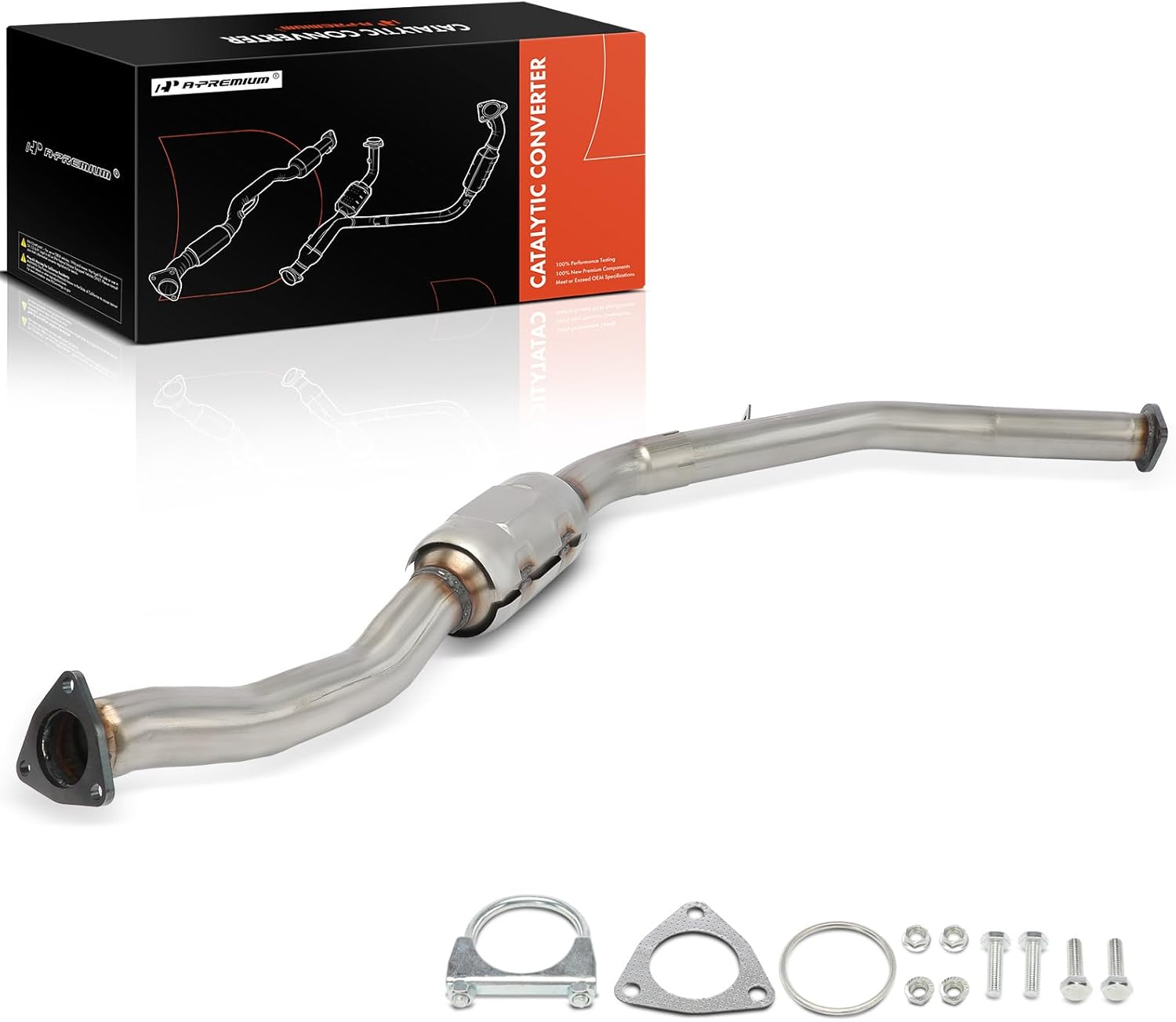
3. A-Premium Rear Catalytic Converter (Direct-Fit) for Subaru Forester 2011–2018
| Fitment | Subaru Forester 2011-2018 H4 2.5L (rear) |
|---|---|
| EPA Compliance | Federal emissions (restricted in CA, NY, CO, ME) |
| Position | Rear |
| Body Material | Stainless Steel |
| Inlet Type | 3-bolt welded flange |
This A-Premium rear catalytic converter is a direct replacement for the factory rear converter on Subaru Forester 2011–2018 H4 2.5L engines and is intended to restore emissions control and exhaust flow after the original unit fails. It installs at the rear position with welded 3-bolt inlet and 2-bolt outlet flanges for a bolt-on fitment to the factory exhaust system. Constructed from stainless steel and labeled EPA-compliant for federal emissions, it offers corrosion resistance and should hold up well under normal road use. Typical use is a shop or home replacement when the vehicle fails emissions testing or shows reduced performance and increased backpressure. Practical benefits include factory-style fitment that simplifies installation and a one-year unlimited-mileage warranty for initial support. Limitations to consider are state restrictions where this converter cannot be sold or used and the supplied donut gasket and alignment may require adjustment or replacement during installation on some vehicles.
Best for: Performance-oriented Forester owners who prioritize restoring original emissions control and exhaust flow with a factory-style replacement that supports reliable on-road performance.
Less Ideal for: Drivers in states with stricter aftermarket emissions rules should avoid this unit and seek a compliant alternative sold for their state, and users wanting an upgraded high-flow or race-oriented converter should consider performance-specific models instead.
- Direct-fit design for Subaru Forester 2011–2018 which simplifies installation
- Stainless steel construction provides better corrosion resistance than mild steel units
- EPA-compliant for federal emissions standards where allowed
- Welded flanges match factory exhaust connections for a secure seal
- Backed by a one-year unlimited-mileage warranty for initial coverage
- Not legal for sale or installation in certain states with stricter emissions rules
- Some buyers report the supplied donut gasket or alignment needed modification during install
Verdict A factory-style, stainless-steel rear converter that restores emissions compliance and exhaust function on Forester 2011–2018 models where federal-compliant replacements are allowed.
4. FortunaFlow Rear Catalytic Converter for Subaru Forester 2009–2010 (2.5L)

| Vehicle fitment | Subaru Forester 2009-2010 2.5L |
|---|---|
| Position | Rear |
| Substrate | 400 CPI multi-porous |
| Exterior | Machined stainless steel |
This FortunaFlow rear catalytic converter is a direct-fit replacement for the Subaru Forester 2009–2010 2.5L intended to clear P0420/P0430 codes and restore proper emissions operation. It installs using factory-style flanges and includes the gaskets and hardware needed for a bolt-on replacement, so typical use is swapping it into the rear exhaust section during a repair or emissions-related service. The converter features a high-flow 400 CPI multi-porous substrate aimed at improving exhaust flow and reducing backpressure compared with heavily clogged units, and the stainless steel body and CNC MIG welds are specified for corrosion and heat resistance. Practical benefits include a straightforward install for a competent DIYer or mechanic and a design meant to pass OBD-II readiness checks when matched to the correct vehicle. Limitations to note are regulatory restrictions preventing sale to several states and that precise tube outlet dimensions are not listed, so confirm fitment before purchase if you need exact measurements.
Best for: Budget-conscious owners focused on restoring emissions function and clearing fault codes on a 2009–2010 Subaru Forester 2.5L with a straightforward, cost-effective replacement.
Less Ideal for: Owners in states where this unit cannot be sold or anyone needing verified outlet measurements for a custom exhaust setup should look for other options or confirm dimensions before buying.
- Direct-fit rear replacement designed for Subaru Forester 2009–2010 2.5L, simplifying install.
- High-flow 400 CPI substrate that helps reduce backpressure and clogging risk.
- Stainless steel construction with CNC MIG welds for improved heat and corrosion resistance.
- Includes gaskets and hardware for a bolt-on installation.
- Cannot be shipped to or sold in certain states due to regional regulatory restrictions.
- Tube outlet dimensions are not provided in the listing, requiring buyer confirmation for precise fitment.
Verdict A no-frills, budget-friendly rear catalytic converter made to clear emissions codes on the 2009–2010 Forester while offering improved flow over worn originals.
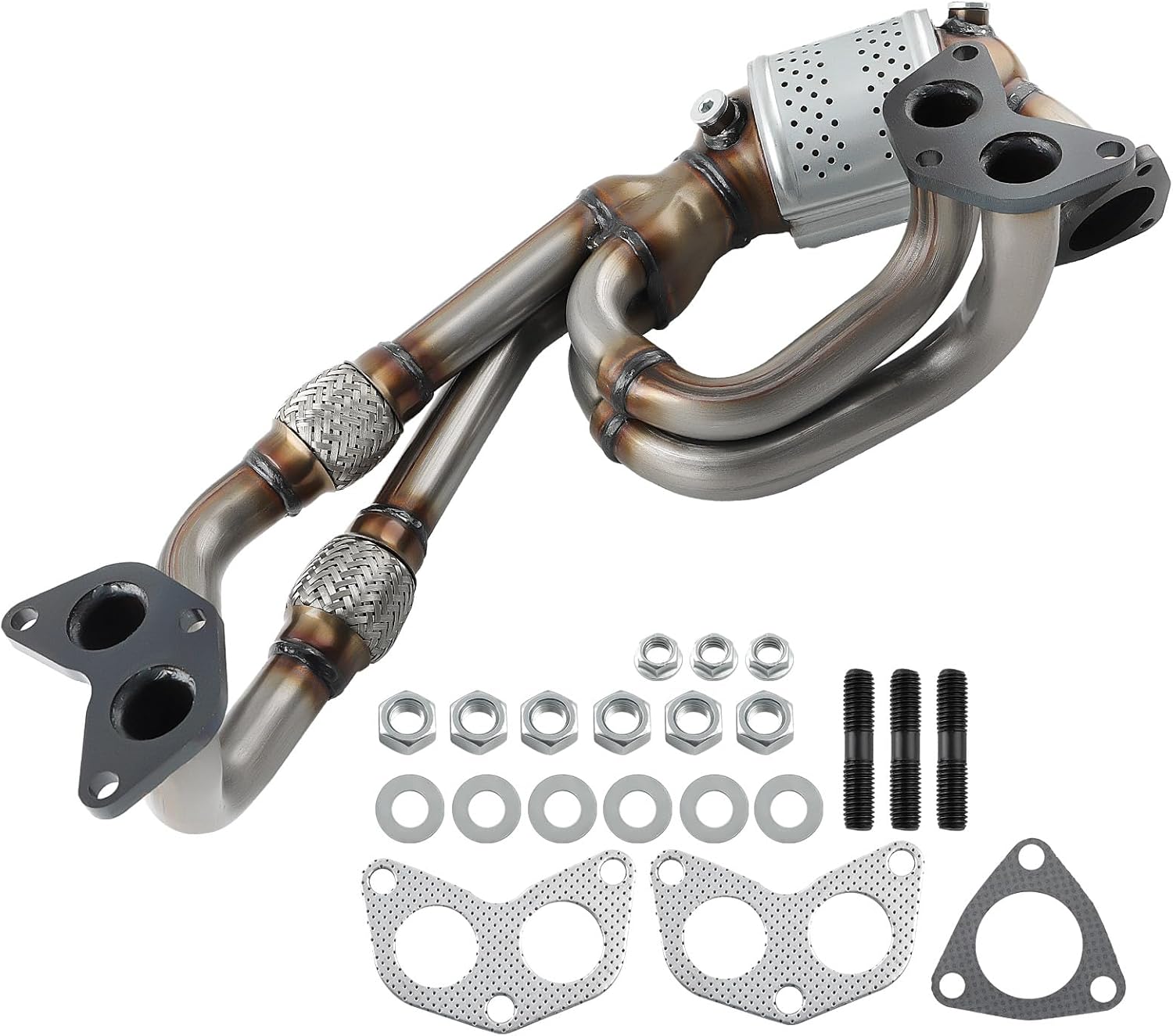
5. maXpeedingrods Catalytic Converter for Subaru 2.5L H4 (EPA Compliant)
| Compatibility | Subaru Forester/Impreza/Legacy/Outback 2.5L H4 (years listed) |
|---|---|
| EPA Compliance | Meets federal EPA standards (not CARB) |
| Material | Stainless steel construction |
| Includes | Gaskets and installation hardware |
This maXpeedingrods catalytic converter is a direct-replacement unit built to fit Subaru 2.5L H4 applications and restore emissions control and engine drivability. It installs into the existing exhaust system using the supplied gaskets and hardware, so a straightforward bolt-in swap at a shop or for a competent DIYer is possible. The converter uses a stainless steel shell and internal ceramic substrates with precious metal catalysts to reduce emissions and is labeled EPA compliant for federal testing. In practice this means it can clear a P0420 fault and keep the check engine light off when the underlying sensors and exhaust are otherwise healthy. Reviews point to accurate fitment, solid welds, and included mounting pieces that make installation quicker. Limitations include state restrictions where this unit is not legal for registration, and as with any aftermarket converter you should confirm oxygen sensor condition before diagnosing emissions codes. Expect improved emissions performance similar to a factory replacement but verify local compliance before purchase.
Best for: Risk-averse mainstream buyers who want a factory-style replacement that restores emissions compliance and drivability without experimental modifications.
Less Ideal for: Owners in states with stricter emissions rules who need a CARB-compliant part or buyers seeking performance upgrades rather than a stock replacement.
- Direct-fit design for Subaru 2.5L H4 applications supports straightforward installation into the existing exhaust system
- Comes with gaskets and hardware so no additional parts are typically required for installation
- Stainless steel construction and solid welds improve corrosion resistance and durability compared with cheaper alternatives
- EPA compliant for federal emissions testing which helps resolve P0420 codes when sensors are functioning properly
- Not legal for registration in certain states so it may not pass local vehicle compliance checks
- Performance depends on healthy oxygen sensors and exhaust condition so it may not fix codes caused by ancillary components
Verdict A well-made, direct-fit replacement that restores emissions function for Subaru 2.5L H4 cars where federal EPA compliance is acceptable.
6. pulcherflow Catalytic Converter for 2011–2016 Subaru Forester and compatible Subaru 2.5L/2.0L models

| Fitment | Select 2011–2016 Subaru Forester and compatible Subaru 2.0L/2.5L models |
|---|---|
| Material | Stainless steel |
| Certifications | EPA compliant (46 states) |
| Includes | Gaskets and mounting hardware |
This pulcherflow catalytic converter replaces the front catalytic section on compatible Subaru 2.0L and 2.5L models and is sold as a direct-fit, high-flow replacement. It is designed to arrive with gaskets and mounting hardware so installers can bolt it in place without fabricating parts. The unit uses stainless steel construction and mandrel-bent tubing for durability and improved flow, and the seller states it meets EPA criteria for emission control in 46 states. In real use buyers report the part often cures P0420/P0422 codes and fits without major modification, though several installers needed washers, extra time, or minor trimming of heat shields to get a perfect fit. Some users also reported rattles or return of check-engine lights on certain vehicles, so results vary by chassis and sensor condition. For a practical owner looking to restore emissions function at a lower cost, this converter delivers usable performance, but expect possible small fitment adjustments and to verify O2 sensor behavior after install.
Best for: Practical optimizers who want a lower-cost, factory-quality replacement to restore emissions function and avoid expensive dealer parts while accepting some hands-on fitment work.
Less Ideal for: Buyers in states with strict emissions rules or those who need a guaranteed bolt‑in, inspector‑ready part without any installation adjustments should look elsewhere.
- Direct-fit design with included gaskets and hardware for easier installation
- Stainless steel construction and mandrel bends aimed at durability and improved exhaust flow
- EPA-certified for use in 46 states, reducing tailpipe emissions compared with a gutted or illegal unit
- Frequently reported to eliminate P0420/P0422 codes when combined with functioning O2 sensors
- Not legal for sale or use in California, New York, or Maine emissions models
- Some vehicles require minor modifications such as washers, trimming heat shielding, or extra installation time
- A few users reported rattling or recurring check-engine lights indicating inconsistent sensor compatibility
Verdict A cost-conscious, EPA‑compliant direct-fit converter that often fixes emissions codes but may require minor fitment tweaks on some Subaru installations.
7. Walker Ultra 55585 Direct-Fit Catalytic Converter for Subaru Forester

| Compatibility note | Fits 2009-2010 Subaru Forester (check vehicle fitment)“},{ |
|---|
The Walker Ultra 55585 is a direct-fit catalytic converter designed for Subaru Forester applications and built to meet EPA OBDII emissions standards. It installs as a bolt-on replacement with factory-style hangers, flanges, brackets and heat shields so technicians can swap it in without cutting or welding. The unit uses a high-technology washcoat and an optimized precious metal load intended to reduce tailpipe emissions to the levels required for the vehicle. Its stainless-steel body and thick flanges aim to deliver long-term durability and protect the undercarriage where heat shielding was originally fitted. Real-world feedback shows reliable fit and alignment on Forester models, though occasional reports note variable weld durability and some fitment tolerances that require attention during installation. For a balanced buyer who needs a regulatory-compliant, ready-to-install replacement that mostly matches factory performance, this Walker converter provides a practical, installer-friendly solution.
Best for: Balanced, practical owners who want a factory-quality, ready-to-install replacement that restores emissions performance without fabrication and keeps the Forester road-legal.
Less Ideal for: Drivers seeking a lifetime performance upgrade or custom exhaust tuning should consider high-performance aftermarket options instead of a direct-fit replacement.
- Direct-fit bolt-on design with factory-style hangers and brackets for straightforward installation
- EPA-compliant for OBDII vehicles to meet emissions requirements
- Factory-style heat shields and robust flanges for undercarriage protection and strength
- High-technology washcoat and optimized precious metal load aimed at effective emissions reduction
- Some users report inconsistent weld durability in high-stress areas
- Occasional minor fitment angle differences that may need adjustment during installation
Verdict A mostly factory-matching, EPA-compliant direct-fit converter that makes a practical replacement for Forester owners who need a ready-to-install emissions solution.
Choosing the Right Subaru Forester Catalytic Converter: Key Factors to Consider
Fitment and Compatibility
Correct fitment is the most important factor because the converter must mate to the Forester's exhaust flanges and align with O2 sensor ports. A direct-fit unit reduces labor time and avoids exhaust leaks that can trigger fault codes.
Poorly matched geometry can require adapters or cutting, which increases cost and may affect backpressure. Always verify flange type, bolt pattern, and sensor bung locations to ensure the unit installs without modification and maintains proper exhaust routing.
Substrate Type and Cell Density
The internal substrate material and cell density determine how effectively the converter oxidizes hydrocarbons and reduces NOx and CO. Higher cell density substrates typically offer better conversion efficiency but can increase backpressure if not matched to the engine's flow characteristics.
Choosing the right substrate balances emissions performance with acceptable exhaust restriction. Consider media type and washcoat quality as these influence long-term conversion efficiency and resistance to contamination.
Emissions Certification and Performance
Look for converters that meet or exceed applicable emissions standards for the Forester's model year. Certification or documented test data indicates the unit was designed to achieve required reduction levels for regulated pollutants.
Reliable emissions performance helps prevent failed inspections and reduces the chance of recurring check-engine warnings related to the catalytic system. Prioritize units with verifiable performance claims rather than vague statements.
Durability and Materials
Durability affects service life, especially given the high heat and corrosive environment of the exhaust stream. Stainless steel housings, robust welds, and thermal-resistant insulation around the substrate extend longevity and resist cracking or rust-through.
Assess construction details like flange reinforcement and mounting points. A well-built converter minimizes the need for future replacements and reduces the risk of exhaust leaks that can lead to additional repairs.
Oxygen Sensor and Port Configuration
Proper O2 sensor placement is critical for the Forester's engine management system to monitor catalyst efficiency. Ensure the converter includes the required sensor bungs in the correct positions and thread types to accept stock sensors.
Incorrect port locations can prevent proper monitoring, trigger engine fault codes, or necessitate relocation of sensors. Choosing a unit with correct sensor accommodations preserves diagnostic accuracy and system function.
Installation and Maintenance Considerations
Consider whether the converter is a bolt-on direct-fit or requires welding and additional fabrication. Direct-fit units reduce installation complexity and the need for specialized tools, while welded or universal types may require professional installation.
Also think about accessibility for future service and whether the design allows for straightforward replacement. Units designed for easy installation can lower labor time and make routine maintenance less invasive.
FAQ
How do I know if my Subaru Forester catalytic converter is failing?
Symptoms often include reduced engine power, a rotten egg odor from the exhaust, or the check engine light illuminating with emissions-related codes. You may also notice poor fuel economy or uneven idling. These signs often indicate reduced conversion efficiency but can also stem from other exhaust or engine issues, so diagnostic testing is usually recommended.
Can I use a universal catalytic converter on a Subaru Forester?
Universal units are available but they often require cutting, welding, or adapters to fit the Forester's exhaust routing. Using a universal converter can increase installation complexity and the risk of leaks or backpressure issues. For most owners, a direct-fit or vehicle-specific unit reduces labor and preserves original exhaust geometry.
Will a bad catalytic converter cause the check engine light in my Forester?
Yes. A failing converter can trigger the check engine light when the engine control unit detects poor catalyst efficiency or abnormal oxygen sensor readings. However, similar codes can be caused by faulty sensors, exhaust leaks, or engine misfires, so a complete diagnostic check is important before replacing the converter.
How long does a catalytic converter typically last in a Subaru Forester?
Catalytic converters often last many years under normal conditions, but lifespan varies with driving patterns, exposure to contaminants, and engine health. Short trips, unburned fuel entering the exhaust, or coolant leaks can shorten service life. Regular engine maintenance helps preserve converter function.
Do I need a converter with specific emissions certification for my Forester?
It depends on local regulations and the Forester's model year. Choosing a converter with documented emissions performance or compliance information helps ensure it meets inspection requirements in many jurisdictions. If in doubt, check local emissions rules to confirm necessary certifications or standards.
Is replacing the catalytic converter a difficult job?
Difficulty depends on whether the replacement is a direct-fit bolt-on or requires welding and exhaust modifications. Direct-fit units are generally straightforward for experienced DIYers with basic tools, while welded or custom-fit replacements are better handled by a qualified technician. Proper sealing and sensor installation are important for reliable operation.
How We Chose the Best Subaru Forester Catalytic Converter
We focused on concrete, vehicle-specific criteria to identify catalytic converters suitable for the Subaru Forester. Key filters included precise OEM-equivalent fitment and flange geometry, substrate type and cell density as they affect conversion efficiency, and emissions reduction performance under typical driving loads. We also evaluated build quality, including heat-resistant materials and weld durability, to estimate service life and resistance to thermal stress. Installation practicality was reviewed by checking for bolt-on compatibility, availability of O2 sensor ports, and whether the unit fits stock exhaust routing without modification. Warranty coverage and documented manufacturing standards were considered to gauge long-term reliability.We excluded universal or generic converters that require significant cutting, welding, or custom fabrication, along with units lacking clear fitment specifications for the Forester. We did not consider aftermarket parts that intentionally alter emissions control beyond factory-equivalent performance.
Our full evaluation process is outlined in our review methodology.
Conclusion
When choosing a catalytic converter for a Subaru Forester, prioritize correct fitment, proper O2 sensor accommodation, and verified emissions performance. Balancing substrate type with acceptable backpressure and selecting durable materials will help ensure reliable function and fewer follow-up repairs.Consider installation complexity and whether you need a bolt-on direct-fit or a unit that requires fabrication. Focus on converters that clearly document fitment and emissions capabilities to reduce inspection risk and preserve vehicle performance.
Explore More:
- Check out all Subaru Forester parts & accessories
- Explore Catalytic Converters Maintenance & Repair Guides
- Explore Exhaust & Emissions
- Browse all Auto Parts
