

Note: This article contains affiliate links. If you click on these links and make a purchase, I may earn a small commission at no extra cost to you. This helps support my research and content. Read my full affiliate disclosure here.
Upgrading the cat-back exhaust on a 1998-2011 Ford Ranger can change how the truck sounds, breathes, and performs on the road. The right system improves exhaust flow and reduces backpressure while delivering a tone that fits your driving style. For many owners, a cat-back is the most practical exhaust upgrade because it replaces the pipe and muffler downstream of the catalytic converter without altering emissions equipment.This guide covers the top shortlisted cat-back exhaust systems that fit the 1998-2011 Ranger. We focus on fitment, construction material, hardware completeness, and installation considerations so you can pick a system that suits daily driving, towing, or a sportier sound. Read on for what mattered in our selection and practical details to consider before you buy.
Looking for other parts? See all Ford Ranger parts & accessories.
Top Picks at a Glance
| Best Overall The best all-around choice for most situations | MagnaFlow Off-Road Pro Series Cat-Back Performance Exhaust System |  |
| Best Quality Built to a higher standard if you want something more solid | Flowmaster 817529 American Thunder Cat-Back Exhaust System |  |
| Best Value The sweet spot between price and what you get | BRExhaust Direct-Fit Replacement Cat-Back Exhaust System Kit |  |
| Best Budget The cheapest option that still gets the job done reliably | MAC Cat-Back Exhaust System for Ford Ranger (118" Wheelbase) |  |
| Highest Rated A top-rated pick with lots of positive feedback | MAC Replacement Exhaust System for 2004–2011 Ford Ranger 2.3L (112" Wheelbase) |  |
1. MagnaFlow Off-Road Pro Series Cat-Back Performance Exhaust System

| Material Type | Stainless Steel |
|---|---|
| Main Piping Diameter | 2.5" |
| Tip Diameter | 3" |
| Inlet Connection Type | Bolt-On |
| Series | Off-Road Pro |
This MagnaFlow Off-Road Pro Series cat-back replaces the factory rear exhaust on 1998–2011 Ford Rangers to free up flow, reduce weight, and deliver a more aggressive exterior and interior exhaust note. It is a vehicle-specific, bolt-on system constructed from stainless steel with a 2.5" main pipe, straight-through muffler, and a turndown exit in front of the rear tire. Installation is typical bolt-on work and the design favors lifted or modified trucks by improving ground clearance and departure angle. The system is dyno-proven to add performance while keeping a usable sound for daily driving and a louder character under load for off-road use. Practical benefits include improved durability from stainless construction and a lighter assembly that can slightly improve responsiveness. Limitations are that the sound is noticeably louder than stock and the turndown exit places the tip forward of the rear wheel, which may not suit those wanting a subtle, factory-style appearance or a rear-exit look.
Best for: Buyers who want a durable, performance-oriented cat-back that improves flow and ground clearance on a modified or lifted Ranger while also delivering a pronounced off-road sound.
Less Ideal for: Drivers seeking a near-stock sound level and a factory rear-exit appearance should consider quieter or rear-exit systems instead.
- Stainless-steel construction for corrosion resistance and long service life
- Vehicle-specific bolt-on fitment for 1998–2011 Ford Ranger with V6 3.0L or 4.0L
- Lightweight, race-inspired design that improves ground clearance and departure angle
- Straight-through muffler and 2.5" piping for improved exhaust flow and proven power gains
- Louder, more aggressive exhaust note that may be too loud for street-focused buyers
- Turndown exit located in front of the rear tire rather than a rear-facing tip, which changes rear appearance
Verdict: Choose this system if you want a durable, bolt-on cat-back that boosts flow and off-road clearance while giving your Ranger a louder, performance-focused exhaust character.
2. Flowmaster 817529 American Thunder Cat-Back Exhaust System

| Installation Type | Bolt-On |
|---|---|
| Automotive Fit Type | Vehicle Specific Fit |
| Included Components | Hangers and Hardware |
| Material Type | Stainless steel tubing (mandrel-bent) |
The Flowmaster 817529 American Thunder cat-back swaps the factory rear exhaust for a mandrel-bent 16-gauge stainless steel system with a Super 50 series performance muffler and 3-inch tips to deliver a deeper, moderately aggressive exhaust note and improved flow. It installs as a bolt-on unit using the included hangers and hardware and connects after the factory catalytic converter, so installation is straightforward for a DIYer with basic tools or a muffler shop. The 16-gauge tubing and mandrel bends help maintain exhaust velocity and reduce backpressure compared with restrictive stock piping, which can aid throttle response on the 3.0L and 4.0L V6 Rangers. Expect increased sound and a sportier tone rather than a dramatic power gain; this setup favors audible performance and durability rather than peak horsepower gains. Fitment is vehicle-specific, and Flowmaster backs the system with a lifetime limited warranty, but buyers should plan for professional alignment of hangers and possible minor trimming during installation on older trucks.
Best for: Buyers who prioritize a stronger, factory-quality exhaust tone and improved flow on a 1998–2011 Ford Ranger V6 Extra Cab and want a bolt-on, durable replacement backed by a limited warranty.
Less Ideal for: Drivers seeking maximum horsepower gains or a completely different tone profile should consider performance headers, tuning, or alternative muffler choices instead.
- Vehicle-specific fit and bolt-on installation with included hangers and hardware
- Mandrel-bent 16-gauge stainless steel tubing for improved flow and corrosion resistance
- Super 50 series muffler produces a deeper, moderately aggressive tone without being overly loud
- Not designed to deliver large horsepower increases; primarily enhances sound and flow rather than peak power
- Item information lists material type as plastic in meta which may confuse buyers but actual exhaust components are stainless steel
Verdict: Choose this Flowmaster cat-back if you want a durable, bolt-on exhaust that gives your Ranger a deeper, factory-quality performance tone and better flow without chasing big horsepower gains.
3. BRExhaust Direct-Fit Replacement Cat-Back Exhaust System Kit

| Manufacturer | BRExhaust |
|---|---|
| Model | Direct-Fit Exhaust System Replacement Kit |
| Manufacturer Part Number | 106-0462 |
| OEM Part Number | 4L5Z-5230-AA, 7L5Z-5230-A, 5L5Z-5230-A |
| Coverage | Cat-back replacement from behind last catalytic converter |
This BRExhaust cat-back kit replaces the exhaust from just behind the last catalytic converter and is built as a multi-piece, mandrel-bent system to match factory flow and routing. It is intended for DIY installation: the bolt-on adjustable design and included clamps, gaskets, and hardware let you fit the sections around axles and brackets without fabrication. The aluminized steel construction targets long-term corrosion resistance while keeping the kit affordable. Packaging groups all components and installation instructions in one box, so you have the parts you need on hand. Limitations include that the kit is vehicle-specific and requires basic mechanical skill and tools to align and tighten connections; it will not change emissions equipment or dramatically alter sound or performance beyond restoring stock-style flow. For a practical replacement that prioritizes fit, completeness, and durability, this system does what most owners need without unnecessary complexity.
Best for: Buyers who want a practical, factory-style replacement that fits without fabrication and includes all necessary hardware for a straightforward DIY swap.
Less Ideal for: Those seeking significant power gains, a dramatic change in exhaust tone, or a polished stainless steel show-piece should consider other options.
- Direct-fit, multi-piece design simplifies installation around axles and brackets
- Includes all necessary clamps, gaskets, and hardware in one box
- Mandrel-bent sections preserve exhaust flow for factory-style performance
- Aluminized steel construction improves corrosion resistance for longer life
- Requires basic mechanical skills and tools for proper installation
- Does not alter emissions equipment or provide major performance gains
Verdict: A complete, direct-fit cat-back kit that gets your Ranger back to factory-style exhaust fit and durability with minimal fuss.
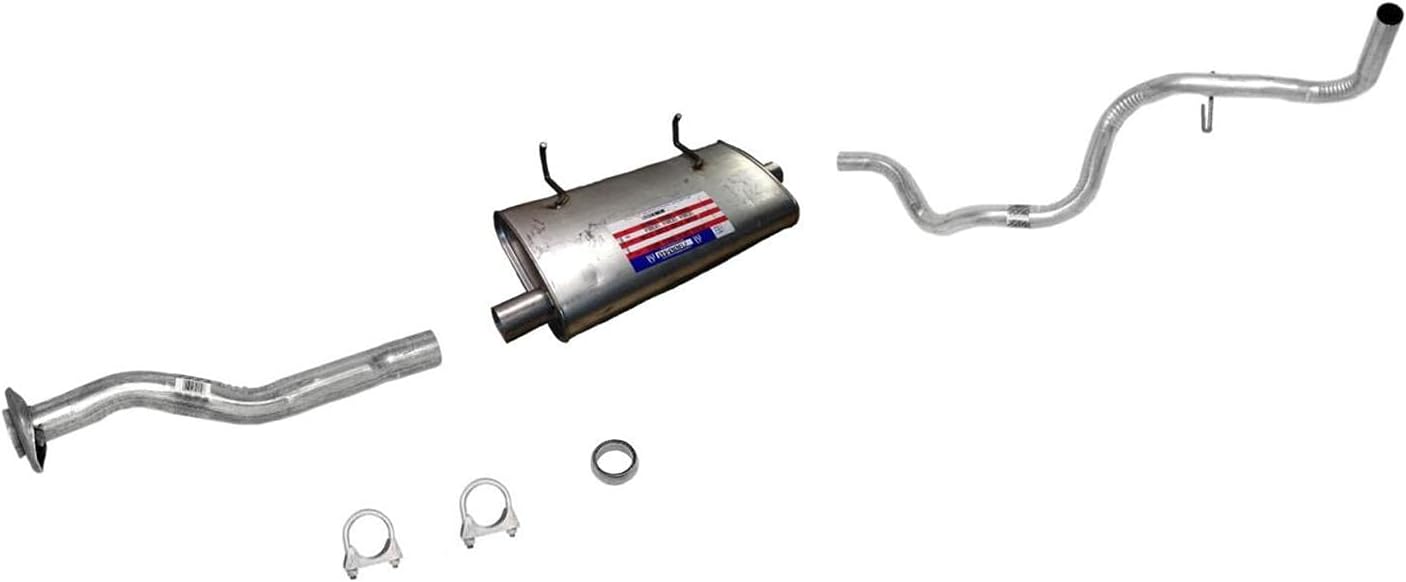
4. MAC Cat-Back Exhaust System for Ford Ranger (118" Wheelbase)
| Compatible Vehicle Type | Truck |
|---|---|
| Material Type | Stainless Steel |
| Shape | Oval |
| Manufacturer Part Number | 11561 |
This MAC cat-back exhaust replaces the factory rear section on 1998–2000 Ford Ranger trucks with a 118" wheelbase and 2.5L, 3.0L, or 4.0L engines. It includes the extension pipe, muffler, bracket, tailpipe section, clamps and gaskets needed to restore a complete cat-back path from the catalytic converter back. Constructed of stainless steel with an oval muffler shape, it aims to resist corrosion and provide a durable factory-style fit and sound. Typical use is direct replacement for a rusted or damaged rear exhaust or when restoring the original sound and flow after servicing the midpipe or catalytic converter. The main benefits are full kit completeness so you do not need to source extra hardware and a factory-style muffler tone for everyday driving. Limitations are fitment specificity to the 118" wheelbase Ranger and that the design focuses on replacement and durability rather than increased power or a very aggressive sound profile.
Best for: Buyers replacing a worn or rusted rear exhaust on a 1998–2000 Ford Ranger who prioritize a complete, factory-style replacement without extra parts hunting and prefer durability over performance upgrades.
Less Ideal for: Drivers seeking a performance-oriented exhaust with louder sound or measurable power gains should look at dedicated performance systems instead.
- Complete cat-back kit with extension pipe, muffler, bracket, tailpipe, clamps and gaskets included
- Stainless steel construction for improved corrosion resistance over mild steel
- Factory-style muffler and fitment aimed at straightforward bolt-in installation
- Fitment limited to Ford Ranger trucks with a 118" wheelbase and specified V6 engines
- Not designed to significantly increase horsepower or deliver an aggressive performance exhaust note
Verdict: Choose this MAC cat-back when you need a complete, durable stainless steel rear exhaust replacement for a 118" wheelbase Ford Ranger and want a straightforward factory-style swap.
5. MAC Replacement Exhaust System for 2004–2011 Ford Ranger 2.3L (112" Wheelbase)

| Compatible Vehicles | 2004–2011 Ford Ranger 2.3L with 112 inch wheelbase; 2005–2009 Mazda B2300 2.3L with 112 inch wheelbase |
|---|---|
| Includes | Front extension pipe, middle muffler, tail pipe, front gasket, clamps, rubber supports, bolt and spring kit |
| Material Type | Rubber (supports listed); muffler/exhaust metal not specified |
| Manufacturer | Mac Auto Parts |
This MAC replacement exhaust system provides a full cat-back style assembly including front extension pipe, middle muffler, tail pipe, gaskets, clamps and rubber supports to restore factory-style exhaust flow and sound on 2.3L Rangers with a 112 inch wheelbase. It is intended as a direct replacement so installation uses existing hangers and the supplied clamps and gasket reduce fabrication or modification for most installs. The muffler aims to match factory tone while the included hardware and rubber supports help secure the system and limit vibration. Built by ISO-certified factories, the kit is useful for repairing rusted or damaged factory components or returning a truck to stock performance after aftermarket changes. The system requires verifying wheelbase and basic mechanical familiarity for bolt-up installation and may not suit owners wanting a louder performance exhaust or custom flow tuning.
Best for: Buyers who prioritize restoring reliable, factory-style exhaust function on a 2.3L Ranger with a 112 inch wheelbase and want an easy replacement that uses supplied hardware for a straightforward install.
Less Ideal for: Owners looking for a performance-oriented or louder aftermarket system or those with non-112 inch wheelbase Rangers should look at performance or vehicle-specific alternatives.
- Complete kit includes extension pipe, muffler, tail pipe, gasket, clamps and rubber supports for a near plug-and-play replacement
- OEM-style sound and fit designed to match factory appearance and exhaust tone
- Manufactured in ISO-certified factories to meet fit and function standards
- Includes hardware that reduces the need for additional parts during installation
- Made for a specific 112 inch wheelbase so it will not fit other wheelbase variants
- Not targeted at users seeking increased performance or aggressive exhaust sound
Verdict: If you need a reliable, factory-style cat-back replacement for a 2.3L Ranger with a 112 inch wheelbase, this complete MAC kit restores fit and sound with minimal extra parts.
Choosing the Right 1998-2011 Ford Ranger Cat-back Exhaust System: Key Factors to Consider
Fitment and Year Coverage
Exact fitment is critical for the 1998-2011 Ford Ranger because exhaust hangers, frame clearances, and tailpipe exits vary across model years and occasional trim changes. Confirming that a cat-back system lists 1998 through 2011 compatibility prevents surprises such as misaligned flanges or the need for custom mounts.
Mismatched fitment often leads to additional modifications that add time and cost. When assessing options, look for systems that specify which cab and bed configurations they support and whether they require any bracket swaps. A good fit also reduces the chance of exhaust leaks and premature hanger wear.
Material and Corrosion Resistance
The construction material determines longevity and how the system responds to road salt, moisture, and heat cycles. Stainless steel alloys resist rust better than aluminized steel and will maintain appearance and structural integrity longer in harsh environments.
Consider the grade of stainless when available, and review flange and clamp materials too. Even with high-quality pipes, inexpensive hardware can corrode and lead to leaks. For a truck that sees year-round use, prioritize materials designed for long-term exposure to the elements.
Pipe Diameter and Flow Characteristics
Pipe diameter affects flow rate and backpressure; for the Ranger, choosing the right diameter balances low-end torque and top-end power. Oversized piping can reduce scavenging at low rpm, hurting towing and everyday drivability, while too-small piping restricts airflow and limits performance gains.
Look for systems that match the engine displacement and typical use case. Manufacturers will often recommend diameters based on engine size and whether you plan to tow or prioritize horsepower. Mandrel bends preserve cross-sectional area through curves and support smoother flow compared with crush-bent tubing.
Muffler Design and Sound
Muffler type largely determines exhaust tone and the presence of cabin drone. Chambered and turbo-style mufflers often provide a throaty sound without excessive resonance, while straight-through designs can be louder and more aggressive.
Think about how you use your Ranger: daily driving and highway cruising benefit from a tuned muffler that minimizes drone, while occasional spirited driving might tolerate a louder profile. Check the manufacturer's sound descriptions and, if available, look for decibel guidance or audio samples to set expectations.
Installation Complexity and Hardware
A cat-back that includes all necessary gaskets, clamps, and hangers reduces installation time and headaches. Systems that reuse factory hangers are typically faster to fit, while those needing bracket fabrication or additional parts increase labor.
Consider whether you will install the system yourself or use a shop. Bolt-on systems that match the Ranger's flange patterns and provide clear instructions are ideal for DIYers. Also factor in required tools and whether cutting or welding is necessary, which elevates complexity and cost.
Warranty and Support
Warranty terms indicate confidence in build quality and protect you against premature failures. Coverage that includes corrosion or cracking for a reasonable period helps mitigate long-term ownership costs.
Beyond written warranty, check for accessible customer support and availability of replacement parts such as clamps or tailpipe tips. A manufacturer that supplies clear fitment guides and responsive technical help can save time if questions arise during installation or initial fitment.
How a Cat-Back Changes Driving Character
A cat-back exhaust affects flow dynamics and the acoustic signature of your Ranger without altering emissions hardware. By replacing the piping and muffler downstream of the catalytic converter, you can reduce backpressure, which can slightly improve throttle response and perceived power under load.
The change in sound is often the most noticeable difference. Depending on muffler design and pipe diameter, you can move from a quiet factory tone to anything from a deeper, mellow rumble to a more assertive growl. Consider how the change will affect daily driving, highway comfort, and neighbor relations if you park on the street.
- Improved flow can enhance throttle response.
- Muffler choice controls loudness and drone.
- No changes to catalytic converter when properly fitted.
Installation Options: DIY Vs Professional
Some cat-back systems are designed for straightforward bolt-on installation, reusing factory hangers and existing flange connections. These are well suited for owners with moderate mechanical skill and basic tools. When a system comes with all necessary hardware and clear instructions, a weekend install is often possible.
Other systems may require cutting factory pipes, welding, or fabrication to achieve proper alignment. If a shop is needed, factor labor hours into the overall time to completion. A professional install can ensure correct hangar placement, leak-free joints, and optimal tip alignment.
- Bolt-on kits: lower complexity, good for DIY.
- Cut-and-weld kits: require professional tools or a shop.
- Check for included gaskets and clamps to avoid extra trips.
Selecting the Right Sound Profile
Decide how loud you want your Ranger to be in daily use. Manufacturers will often describe sound as mild, moderate, or aggressive. Mild systems emphasize smooth tone without cabin drone, moderate systems are more noticeable without being intrusive, and aggressive systems prioritize volume and an assertive character.
If you spend a lot of highway miles, prioritize mufflers engineered to reduce drone. If the truck is mainly for weekend driving or off-road use, you may prefer a bolder tone. Listening to audio clips or checking community feedback for 1998-2011 Ranger installs helps set realistic expectations.
- Mild: comfortable for daily driving and long trips.
- Moderate: distinct character while remaining usable daily.
- Aggressive: loud and performance-oriented, potential drone on cruise.
Tailpipe Exit Styles and Aesthetics
Tailpipe placement and tip style affect the visual finish of your exhaust upgrade. Options include single or dual outlets and a variety of tip shapes and finishes. Tip size and orientation should clear bumper cutouts and avoid heat contact with plastic trim.
Consider finishes that match the truck's look. Polished stainless tips add a refined appearance and resist discoloration, while black-coated tips deliver a stealthy finish. Ensure tips are centered or offset as appropriate for your Ranger's rear valance and avoid overly large tips that look disproportionate.
- Single vs dual exits change visual balance.
- Polished tips resist staining, coated tips hide soot.
- Check clearance to bumper and hitch if present.
Maintenance and Long-Term Care
Routine inspection of hangers, clamps, and welds keeps the cat-back functioning and prevents rattles or leaks. Clean off road salt and debris periodically, and check for early signs of corrosion if the system is not stainless steel.
If you live in a region with heavy winter road treatment, consider a higher-grade stainless option or a protective coating. Replacing worn gaskets and hardware promptly prevents exhaust leaks that can cause performance issues and noise.
- Inspect joints and hangers every few months.
- Rinse underside after winter to remove corrosive salts.
- Replace clamps and gaskets at first sign of wear.
Still looking for the perfect fit?
Select your Ford Ranger configuration to see the most relevant Cat-back Exhaust Systems recommendations
How We Chose the Best 1998-2011 Ford Ranger Cat-back Exhaust System
We narrowed the field using criteria that reflect the real-world needs of 1998-2011 Ford Ranger owners. Primary evaluation factors included exact fitment compatibility across the 1998-2011 model years and the availability of complete hardware kits to simplify installation. We prioritized construction materials that resist corrosion in road conditions common to Ranger use and checked whether systems used mandrel-bent piping for consistent flow.Sound profile and muffler design were assessed to provide a range of tonal options from mild to aggressive without excessive drone. We also looked at exhaust diameter and backpressure implications to determine likely effects on low-end torque and throttle response. Ease of installation was a key filter: systems that reused factory hangers or included clear instructions scored higher.Excluded from consideration were systems that required catalytic converter relocation, extensive cutting or welding, or any modifications that would impact emissions equipment. We focused on complete cat-back systems rather than tailpipe-only or axle-back components, and we favored assemblies with documented fitment for the Ranger years listed.
Our full evaluation process is outlined in our review methodology.
FAQ
Will a cat-back exhaust boost horsepower on my 1998-2011 Ranger?
A cat-back can modestly improve horsepower and throttle response by reducing backpressure, but gains are usually modest without other supporting modifications. Results depend on pipe diameter, muffler design, and engine condition.
Is catback exhaust installation difficult for a Ranger?
Many cat-back systems are bolt-on and reuse factory hangers, making them suitable for a competent DIYer. Some kits require cutting, welding, or professional alignment, which is better handled by an exhaust shop.
Do I need to replace the catalytic converter when installing a cat-back?
No. A true cat-back system replaces components downstream of the catalytic converter and does not require replacing or modifying the converter. Ensure the system specifically lists cat-back configuration and compatible years.
How do I choose between stainless steel and aluminized steel?
Stainless steel offers superior corrosion resistance and typically lasts longer in harsh environments, while aluminized steel is more affordable but may corrode sooner. Choose stainless if you prioritize longevity and live in areas with road salt.
Will a louder exhaust cause issues with vibration or drone?
Louder systems, especially straight-through designs, can introduce cabin drone at certain RPMs. Selecting a muffler tuned to minimize drone and checking for resonance during a test drive helps avoid unpleasant vibration.
Can a cat-back affect towing performance on the Ranger?
Yes. Pipe diameter and backpressure changes influence low-end torque, which matters for towing. Systems that maintain appropriate backpressure for your engine and towing needs will preserve drivability while offering improved flow.
Final Verdict
When choosing a cat-back for a 1998-2011 Ford Ranger, prioritize fitment, material quality, and the sound profile that matches how you drive. Match pipe diameter and muffler style to your engine and intended use to avoid sacrificing low-end torque for top-end noise.Balance longevity, ease of installation, and acoustic goals: a well-specified cat-back will deliver a satisfying tone and reliable fit without complicated modifications. Use the evaluation factors above to narrow choices and pick the system that best aligns with your daily driving and towing needs.
Explore More:
- Check out all Ford Ranger parts & accessories
- Explore Cat-back Exhaust Systems Maintenance & Repair Guides
- Explore Exhaust & Emissions
- Browse all Auto Parts
