

Note: This article contains affiliate links. If you click on these links and make a purchase, I may earn a small commission at no extra cost to you. This helps support my research and content. Read my full affiliate disclosure here.
If your 2005-2009 Dodge Dakota is showing a soft brake pedal, sinking pedal, or visible fluid around the firewall, replacing the brake master cylinder can restore safe braking performance. Choosing the right master cylinder matters because fitment, bore size, and seal quality directly affect pedal feel and braking response on this truck.This guide covers the top six brake master cylinders shortlisted for the 2005-2009 Dodge Dakota. We evaluated each option for correct fitment, seal durability, and long-term reliability so you can pick a unit that suits your repair approach. Below you will find the criteria we used, practical installation and maintenance considerations, and answers to common owner questions before the product list.
Looking for other parts? See all Dodge Dakota parts & accessories.
Top Picks at a Glance
| Best Overall The best all-around choice for most situations | PHILTOP Brake Master Cylinder Assembly with Reservoir and Sensor |  |
| Best Quality Built to a higher standard if you want something more solid | Dorman M630025 Brake Master Cylinder |  |
| Best Value The sweet spot between price and what you get | AngyMeck Brake Master Cylinder with Reservoir and Sensor for Dodge Dakota 2005-2010 |  |
| Best Budget The cheapest option that still gets the job done reliably | PHILTOP Brake Master Cylinder with Reservoir for Dodge/Ram Dakota and Mitsubishi Raider |  |
| Highest Rated A top-rated pick with lots of positive feedback | TRQ Brake Master Cylinder (Direct Replacement) |  |
| Most Popular A crowd favorite that many people choose with confidence | A-Premium Brake Master Cylinder with Removable Reservoir |  |
1. PHILTOP Brake Master Cylinder Assembly with Reservoir and Sensor

| Manufacturer Part Number | 4398BMC1168US |
|---|---|
| OEM Part Number | M630026, 5159992AA, 5183200AA |
| Material | Aluminum |
| Number of Outlets | 2 |
| Master Cylinder Bore Diameter | 1.125 in. |
This PHILTOP master cylinder is a bolt-in replacement intended for 2005–2010 Dodge Dakota and 2006 Mitsubishi Raider applications and includes the reservoir and brake fluid sensor for a straightforward swap. It is made from new aluminum casting to match factory performance and lists OE cross-references so technicians can confirm compatibility. Typical use is as a like-for-like replacement during a brake system refresh or when the original unit leaks or fails; including the sensor and reservoir reduces parts hunting and installation time. The machined exterior and specified outlet/thread sizes simplify brake-line connections, and the 1.125-inch bore suggests factory-style pedal feel. Expect a standard replacement-level fit and function rather than performance improvement. Buyers should verify vehicle fit with the confirmed-fit tool and be prepared to bench-bleed and properly torque hydraulic fittings during installation since brake work requires care and correct procedures.
Best for: Buyers who want a straightforward, factory-style replacement for a Dakota or Raider brake master cylinder and prefer receiving a complete assembly that minimizes additional parts and installation time.
Less Ideal for: Drivers seeking upgraded braking performance or lightweight racing components should consider performance-specific master cylinders instead.
- Complete assembly with reservoir and brake fluid sensor included for easier installation
- Made from new aluminum casting to match factory performance and avoid reman risks
- Direct-fit design with OE cross-reference numbers for straightforward compatibility checks
- Machined exterior and specified outlet/thread sizes simplify brake-line connections
- No performance enhancements over factory unit since it is a direct replacement
Verdict: Choose this PHILTOP assembly if you need a complete, new-material direct replacement that restores factory-style braking on the specified Dakota and Raider models.
2. Dorman M630025 Brake Master Cylinder

| Manufacturer Part Number | M630025 |
|---|---|
| Compatible Vehicles | Dodge Dakota 2005-2010; Mitsubishi Raider 2006-2009 |
| Construction | 100% new parts, painted housing |
| Seal Material | EPDM rubber compound |
The Dorman M630025 is a 100% new replacement brake master cylinder intended as a factory-quality swap for specific Dodge Dakota (2005–2010) and Mitsubishi Raider (2006–2009) applications. It reproduces the original casting and uses EPDM rubber components formulated to resist glycol-based brake fluid, which helps maintain seal life and system integrity. Typical installation replaces a failing or leaking master cylinder and restores firm pedal feel and proper hydraulic pressure for the vehicle's existing brake system. The part is made to SAE standards and arrives painted with new internals rather than being remanufactured, so you avoid unknown wear. Buyers should note fitment is vehicle-specific so confirming trim fitment is required, and this unit does not include additional hardware like reservoirs or proportioning valves beyond the listed assembly where applicable. For owners seeking a like-for-like replacement that prioritizes compatibility with factory braking behavior, this provides a straightforward fix; those wanting upgraded performance features beyond factory spec will need a different, performance-focused unit.
Best for: Buyers who want a reliable, factory-quality replacement to restore original brake feel and hydraulic performance on their Dodge Dakota from the 2005–2009 model years.
Less Ideal for: Drivers seeking increased braking performance, upgraded pedal feel, or race-oriented modifications should consider aftermarket performance master cylinders instead.
- Engineered to match original casting and function for the listed vehicle years
- All-new construction rather than remanufactured components
- EPDM rubber seals resistant to glycol-based brake fluid for longer service life
- Built to SAE specifications for predictable hydraulic performance
- Fitment is limited to the specific vehicle years and trims listed so confirmation is required
Verdict: Choose this Dorman master cylinder when you need a direct, factory-quality replacement to restore original brake function on a 2005–2009 Dodge Dakota.
3. AngyMeck Brake Master Cylinder with Reservoir and Sensor for Dodge Dakota 2005-2010

| Bore Diameter | 1.125 In. |
|---|---|
| Number of Outlets | 2 |
| Forward Outlet Size | M12 x 1.0 |
| Rearward Outlet Size | M10 x 1.0 |
| Reservoir Included | Yes |
This AngyMeck master cylinder replaces the factory unit on 2005–2010 Dodge Dakota models and comes with the reservoir and brake fluid level sensor pre-installed. It is built to match the original bore size and dual-outlet layout, so installation uses the vehicle's existing brake lines and mounting points; note mounting hardware is not included. The presence of both forward and rearward outlet threads in the listed sizes simplifies plumbing compatibility for common Dakota brake configurations, and the included reservoir removes the need to transfer the old container. Because it is a new aftermarket assembly made to factory-style dimensions, expect restoration of pedal feel and braking responsiveness comparable to a good factory replacement. Buyers should plan for a professional or experienced DIY install because bleed procedure and sensor wiring are required. This unit is a practical, no-frills replacement for owners wanting a straightforward fit and function rather than performance upgrades.
Best for: A practical owner repairing brakes on a 2005–2010 Dodge Dakota who wants a straightforward factory-style replacement that restores normal pedal feel without aftermarket performance changes.
Less Ideal for: Not a fit for buyers seeking upgraded performance brake components or those who prefer a part that includes full installation hardware and detailed support documentation.
- Designed to match factory bore and dual-outlet configuration for direct replacement
- Includes reservoir and fluid level sensor so those components do not need transferring
- Threaded outlet sizes specified (M12 x 1.0 forward, M10 x 1.0 rear) to simplify brake-line fitment
- Made as a new assembly rather than a reman, reducing risk of internal contamination or wear
- Installation hardware is not included so additional fasteners or fittings may be required
- No explicit manufacturer warranty information or installation instructions included in listing
Verdict: A practical, factory-style replacement master cylinder that restores normal braking function on 2005–2010 Dodge Dakota trucks without extra frills.
4. PHILTOP Brake Master Cylinder with Reservoir for Dodge/Ram Dakota and Mitsubishi Raider
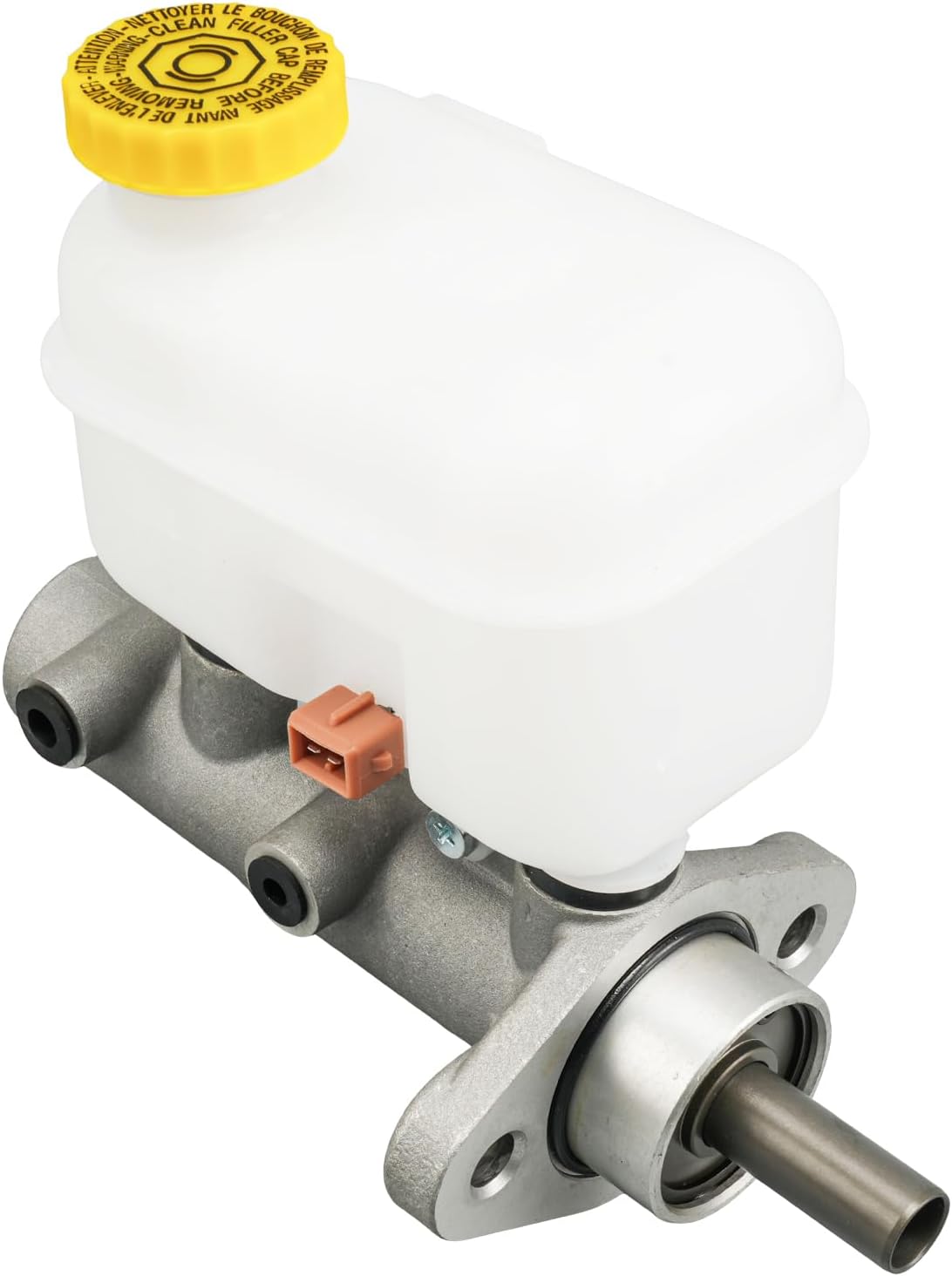
| Material | Aluminium |
|---|---|
| Master Cylinder Bore Diameter | 1.125(IN) |
| Number of Outlets | 2 |
| Rearward Outlet Size | M10 x 1.0 |
| Reservoir Included | Yes |
This PHILTOP master cylinder is a new aftermarket replacement that restores hydraulic braking function by housing the pistons and reservoir that supply brake fluid to the system. It is supplied as a complete unit with reservoir and sensor, and is intended as a direct-fit replacement for specific Dodge/Ram Dakota and Mitsubishi Raider models that use the listed reference numbers. Constructed from aluminum with EPDM rubber components, the unit resists glycol-based brake fluid and matches the casting material of the original for straightforward installation. In practice this part is useful for budget repairs where you need a ready-to-install master cylinder without rebuilding the old unit. Important limitations are that it is an aftermarket part rather than a factory part and fitment must be checked against the vehicle application and reference numbers; buyers should verify bore size and outlet thread before installing. For routine brake service on the specified Dakotas and Raider, it offers an economical way to restore function when the master cylinder fails.
Best for: Buyers looking for an affordable, ready-to-install replacement to get a 2005–2010 Dodge Dakota or 2006 Mitsubishi Raider back on the road quickly and on a budget.
Less Ideal for: Shoppers seeking an OEM-branded master cylinder for exact factory match or those who prefer a remanufactured core with manufacturer-backed warranty coverage.
- Complete assembly includes reservoir and sensor for plug-and-play replacement
- Aluminum housing and EPDM rubber parts resist brake fluid corrosion
- Direct-fit design matches original casting material for easier installation
- Includes common OEM reference numbers to simplify fitment checks
- Aftermarket unit rather than factory-brand which may differ slightly in finish or tolerances
- Limited to the listed vehicle applications so it is not a universal fit
Verdict: A cost-conscious, complete direct-fit replacement that restores braking function on the specified Dakota and Raider models without the complexity of a rebuild.
5. TRQ Brake Master Cylinder (Direct Replacement)
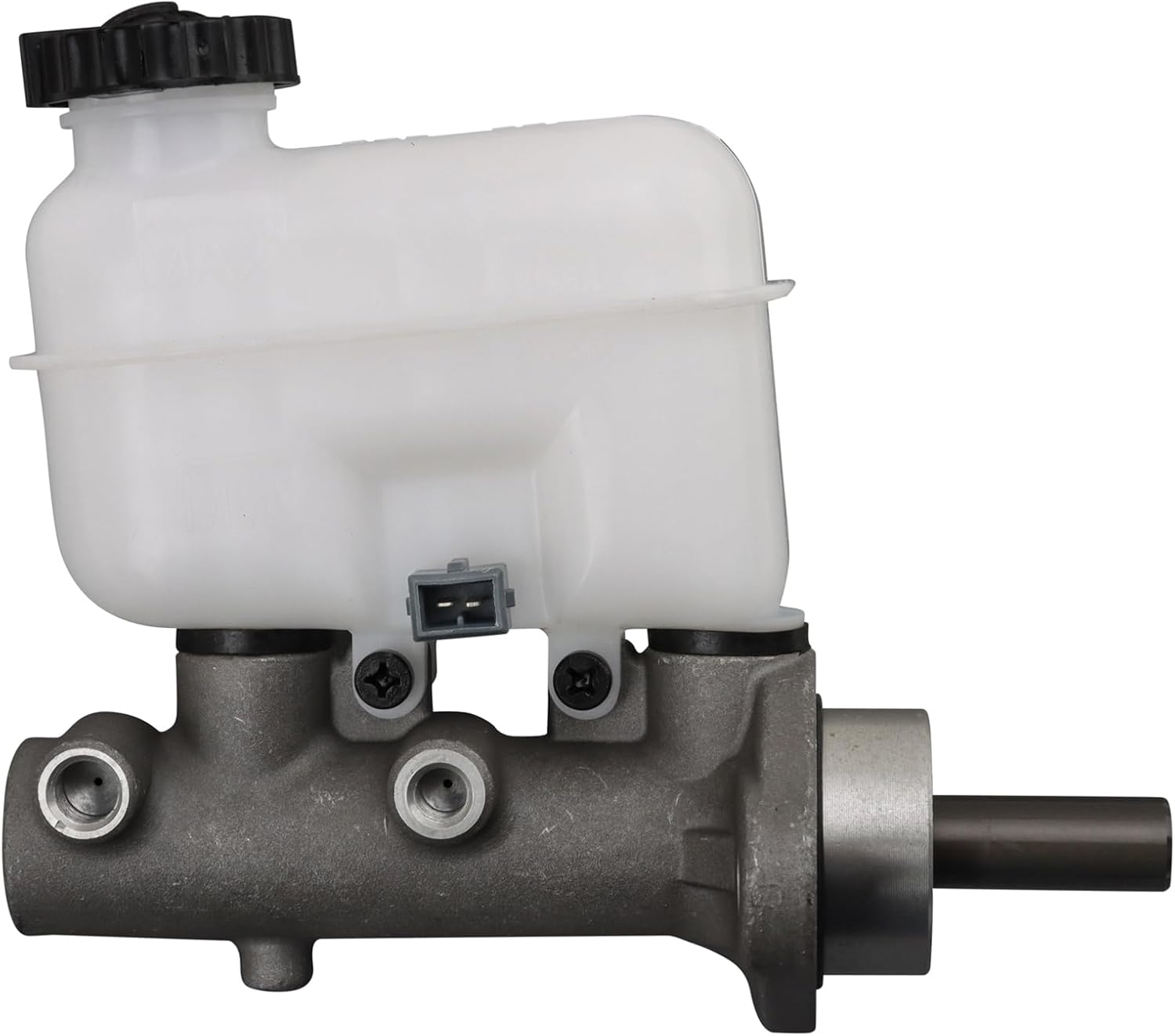
| Master Cylinder Bore Diameter | 28.58 mm |
|---|---|
| Master Cylinder Material | Aluminum |
| Sensor Included | Yes |
| Reservoir Included | Yes |
| Bleeder Kit Included | Yes |
This TRQ master cylinder is a factory-style replacement for Dodge Dakota models with a 1-1/8-inch bore and two-wheel ABS systems. It comes pre-assembled with the reservoir, cap, sensor, and a bleeder kit, which simplifies a DIY swap or professional install and reduces bench work. Constructed from machined aluminum with a 28.58 mm bore, the unit is built to match the original hydraulic geometry so pushrod travel and pedal feel remain familiar. Practical benefits include included hardware and an included bleeder kit to speed bleeding and reduce brake-shop time. The product is positioned as a standard replacement rather than a performance upgrade, so expect factory-quality stopping behavior rather than increased braking power or lighter pedal effort. Fitment is specific to the listed years and bore size, so verify the 1-1/8in cylinder bore and ABS configuration before buying. Installation videos from the maker can help less experienced installers complete the job cleanly.
Best for: Buyers who prioritize reliable, like-for-like brake repairs and want a mostly plug-and-play replacement that restores original pedal feel and system function.
Less Ideal for: Drivers seeking upgraded braking performance, motorsport use, or nonstandard modifications should look at performance-oriented master cylinders or system upgrades instead.
- Direct-fit, pre-assembled replacement reduces installation time and need for modifications
- Includes reservoir, cap, sensor and bleeder kit for a more complete repair
- Machined aluminum construction and matching bore diameter preserve factory braking behavior
- Designed as a standard replacement so it does not improve braking performance beyond factory levels
Verdict: A ready-to-install, factory-style replacement that restores reliable, stock brake function for Dakota models with the 1-1/8in bore.
6. A-Premium Brake Master Cylinder with Removable Reservoir

| Material | Aluminum Alloys 101 |
|---|---|
| Bore Diameter | 1.125 inch |
| Rearward Outlet Size | M10 x 1.0 |
| Secondary Outlet Thread | M12 x 1.0 |
This A-Premium master cylinder is a direct replacement-style assembly that supplies the hydraulic pressure and reservoir needed for a 2-wheel ABS braking system on compatible Dakota and Raider models. It ships as a complete unit with a removable reservoir and brake fluid level sensor, which simplifies installation and reduces the need to transfer components from the old unit. The aluminum-alloy housing and specified bore and outlet thread sizes match common factory dimensions, so it fits with standard brake lines and fittings when the listed reference numbers align with your vehicle. Practical benefits include a ready-to-install package and a one-year unlimited-mileage guarantee from the maker. Limitations to note are that fitment is restricted to the stated model years and 2-wheel ABS configurations, and some buyers may prefer an OEM-branded part for long-term peace of mind. Expect typical replacement-level performance suitable for routine repair rather than performance upgrades.
Best for: Buyers repairing a 2005–2009 Dodge Dakota who want a ready-to-install replacement that includes the reservoir and sensor and prefer a product with seller support and documented fit references.
Less Ideal for: Shoppers seeking a factory-branded replacement for long-term original-equipment continuity or those needing parts for vehicles with 4-wheel ABS or other years/configurations.
- Complete assembly with removable reservoir and fluid level sensor for simpler installation
- Aluminum alloy construction and specified bore/thread sizes that align with factory-style fitment
- Ships ready to install which reduces time spent swapping parts from the old unit
- Backed by a one-year unlimited-mileage guarantee
- Compatibility limited to Dodge Dakota 2005–2010 and Mitsubishi Raider 2006–2009 with 2-wheel ABS
- Third-party brand that some buyers may view as less reassuring than a factory replacement
Verdict: A practical, ready-to-install replacement master cylinder for 2005–2009 Dodge Dakota owners who want a complete assembly with reservoir and sensor backed by a one-year guarantee.
Choosing the Right 2005-2009 Dodge Dakota Brake Master Cylinder: Key Factors to Consider
Vehicle-Specific Fitment
Correct fitment matters because even small differences in bore diameter, mounting flange geometry, or port orientation can cause installation issues or compromised hydraulic performance. For the 2005-2009 Dodge Dakota, verify that the replacement master cylinder matches the truck's reservoir attachment, mounting bolt pattern, and pushrod interface so you do not need to modify brackets or lines.
Fitment also affects brake bias and pedal travel. A unit with the wrong bore size can change pedal feel and stopping behavior. Confirming OEM-equivalent ports keeps brake line routing and ABS connections consistent, reducing the chance of leaks or air ingress after installation.
Seal Quality And Materials
Seals are the most frequent point of failure in a master cylinder. High-quality seals made from brake-fluid-compatible elastomers resist swelling, cracking, and chemical breakdown, which reduces the risk of a brake fluid leak master cylinder owners often report. For Dakota owners, choose assemblies with OEM-grade or improved seal compounds to handle DOT 3/4 fluids and temperature cycles.
A robust sealing system also maintains pedal firmness. When seals wear or harden, internal bypass and fluid loss lead to a soft or sinking pedal. Prioritizing proven seal designs helps preserve hydraulic integrity and reduces the need for repeat repairs.
Bore Size And Hydraulic Match
Bore diameter controls hydraulic leverage and directly influences pedal effort and travel. A master cylinder bore that is too large typically gives a firmer pedal but less travel, while a smaller bore increases travel and pedal force. For a 2005-2009 Dodge Dakota, selecting a unit with the correct bore ensures the brake system keeps the intended balance between feel and stopping power.
Hydraulic match also includes how the master cylinder splits flow between front and rear circuits. Units designed specifically for the Dakota preserve the original brake bias and prevent premature locking or insufficient braking at one axle.
Reservoir Compatibility And Venting
Reservoir shape, capacity, and venting affect fluid capacity and bleeding. A replacement should accept the factory reservoir or provide an equivalent capacity to avoid frequent level drops. Proper venting prevents vacuum formation inside the reservoir, which can lead to spongy brakes or air ingestion during heavy use.
For trucks that tow or see heavier loads, a slightly larger reservoir can help maintain stable fluid levels during towing-induced brake heating. Confirm the cap sealing and vent paths match factory behavior to avoid contamination or pressure buildup.
Corrosion Resistance And Surface Treatment
Master cylinders are exposed to moisture, road salt, and brake fluid vapors that can accelerate corrosion. Look for units with corrosion-resistant finishes, plated pistons, and anodized or coated housings to extend service life. Corrosion on internal sliding surfaces increases wear and can damage seals, contributing to master cylinder seal leak scenarios.
Durable surface treatments keep internal tolerances stable over time, preserving smooth piston motion and consistent pedal feel. For a Dakota used in winter or off-road conditions, corrosion resistance is especially important to reduce the chance of early failure.
Serviceability And Repair Options
Some owners prefer repairability over replacement. A master cylinder that allows bench bleeding, accepts standard rebuild kits, or has readily available replacement seals gives more options if a minor issue arises. Master cylinder rebuild kit compatibility can save money and downtime when the problem is limited to seals or pistons rather than the entire housing.
Consider whether the unit's design makes in-vehicle bleeding straightforward and whether replacement parts are commonly stocked. Serviceable designs simplify future maintenance and allow independent shops to perform repairs without custom machining.
Common Symptoms That Point To The Master Cylinder
Many brake problems mimic each other, so it helps to know which signs specifically indicate the master cylinder may be at fault on a 2005-2009 Dodge Dakota. A soft or spongy brake pedal that does not firm up after bleeding, a pedal that slowly sinks to the floor when steady pressure is applied, or visible fluid pooling near the master cylinder are classic indicators.
Other clues include an unexplained drop in brake fluid level without external line leaks and inconsistent pedal travel under repeated braking. If ABS warnings are present along with these symptoms, internal leakage or improper pressure distribution from a failing master cylinder could be contributing.
- Spongy or soft pedal that persists after bleeding
- Brake pedal slowly sinks under steady pressure
- Fluid present around the firewall or base of the master cylinder
- Unexplained low fluid level with no external line damage
Installation Tips For Typical Home Mechanics
Replacing the master cylinder on a Dakota is a moderate-difficulty job. Key steps include disconnecting the brake lines with care to avoid contaminating the ABS unit, supporting the pedal pushrod to maintain correct free play, and bench bleeding the new unit before installation to minimize trapped air. Always use fresh, correct-spec brake fluid and follow a systematic bleeding sequence after installation.
Use proper flare wrenches or line tools to avoid rounding ports. Protect painted surfaces from spilled brake fluid. Torque mounting bolts to the vehicle specification and verify the pushrod-to-pedal clearance to prevent preload on the seals, which can cause premature wear.
- Bench-bleed the new unit before mounting
- Keep the reservoir capped to avoid contamination
- Support the brake pedal and check pushrod free play
- Bleed brakes in the recommended sequence after installation
When To Consider A Rebuild Versus Replacement
A rebuild can be an economical choice if the bore and housing are undamaged and the problem is limited to worn seals or pitted pistons. Inspect the cylinder bore for scoring and check internal surfaces; if damage is light and parts are available, a master cylinder rebuild kit can restore function. However, if the housing is corroded, warped, or the bores are out of round, a full replacement is safer.
For owners who need a quick, long-term fix or for vehicles showing external corrosion and multiple failures, replacement units with improved materials can be preferable. Evaluate the time, tools, and parts availability before committing to a rebuild on a Dakota.
- Rebuild when bores and housing are in good condition
- Replace if corrosion or bore damage is present
- Consider shop labor versus parts availability
Brake Fluid And Maintenance Best Practices
Regular fluid changes and system inspections prolong master cylinder life. Brake fluid absorbs moisture over time, which reduces boiling point and accelerates internal corrosion. Adhere to the recommended service interval for fluid replacement and use the correct DOT fluid specified for the vehicle.
During routine maintenance, inspect the reservoir cap, venting path, and surrounding area for signs of contamination or leaks. Address minor leaks early to avoid seal swelling and internal damage that lead to a brake pedal soft master cylinder scenario.
- Change brake fluid at recommended intervals
- Use manufacturer-specified DOT fluid
- Inspect reservoir cap and venting for contamination
- Address small leaks promptly
Cost Factors And Workshop Considerations
Master cylinder installation cost depends on whether you do the work yourself or hire a shop, which may also charge for bleeding and system checks. Labor time varies with experience and whether ABS system bleeding is required. Factor in the cost of new fluid, clamps, and any hoses or fittings disturbed during the job.
If you plan to use a rebuild approach, include the cost of a rebuild kit and bench-bleeding equipment. For shop repairs, confirm whether the quoted service includes a full road test to verify pedal feel and braking balance after the repair.
- DIY reduces parts-only cost but requires tools and time
- Shops typically include bleeding and system checks in labor
- Account for fluid, clamps, and possible hose replacement
Still looking for the perfect fit?
Select your Dodge Dakota configuration to see the most relevant Brake Master Cylinders recommendations
How We Chose the Best 2005-2009 Dodge Dakota Brake Master Cylinder
We focused on parts and attributes that directly affect braking performance and long-term serviceability on 2005-2009 Dodge Dakota trucks. Our selection criteria emphasized correct vehicle-specific fitment, which includes matched bore and port layouts, flange and mounting bolt alignment, and reservoir compatibility. Seal quality and materials were weighed heavily because premature seal failure is the most common cause of leaks and pedal degradation. We also examined internal machining tolerances and whether the unit is designed for full-vehicle hydraulic balance on this Dakota's brake system.Durability metrics included corrosion-resistant finishes and materials that withstand brake fluid exposure, plus any available improvements to piston plating or surface hardening. Serviceability and installation factors were considered such as whether the unit accepts the stock reservoir, uses standard bleeder port locations, and supports common repair procedures like bench bleeding or in-vehicle bleeding. We excluded any units without verified fitment for the 2005-2009 Dakota or those that required extensive modification to mounting or plumbing. Final choices balanced factory-compatible operation, long-term seal life, and straightforward installation for the typical truck owner or independent tech.
Our full evaluation process is outlined in our review methodology.
FAQ
How can I tell if the master cylinder is leaking?
Look for fluid pooling at the base of the master cylinder near the firewall, a dropping fluid level in the reservoir without external line damage, or wetness on the booster or firewall area. Internal leaks also show as a soft pedal or pedal that sinks under steady pressure.
Is it safe to drive with a failing master cylinder on a Dakota?
Driving with a failing master cylinder is risky because braking performance can be unpredictable. If you notice spongy pedal feel, sinking pedal, or visible fluid leaks, avoid regular driving and address the issue promptly to maintain safe stopping distances.
Can I rebuild the master cylinder myself?
You can rebuild it if you have the right tools and skill to inspect bores for scoring and measure tolerances. Rebuilds work well when damage is limited to seals or pistons, but any bore damage or heavy corrosion warrants full replacement.
Will replacing the master cylinder fix ABS warning lights?
Sometimes a failing master cylinder that causes internal pressure anomalies can trigger ABS-related faults, but ABS lights are often related to wheel sensors or the ABS module. Replacing a defective master cylinder can resolve pressure-related issues, but you should scan for stored codes to confirm the cause.
How long does a master cylinder replacement usually take?
For an experienced DIYer, replacement and bleeding can take a few hours. A professional shop may complete the job faster, but total time depends on whether ABS bleeding is required and the condition of line fittings.
What should I do if the pedal is still soft after installing a new unit?
Re-check for trapped air by performing a systematic bleed, confirm correct pushrod free play and mounting torque, and inspect for external leaks. If the issue persists, verify the replacement matches the Dakota's hydraulic specifications and bore size.
Final Verdict
Prioritize correct fitment, high-quality seals, and the right bore size when selecting a brake master cylinder for a 2005-2009 Dodge Dakota. Those three factors have the biggest impact on pedal feel, leak resistance, and long-term reliability. Consider serviceability or rebuild options if the housing is in good condition and parts are available.Balance the desire for a long-term repair with the practicalities of installation and bleeding. Choose a unit that minimizes modification and matches factory hydraulic characteristics to restore confident braking on your Dakota.
Explore More:
- Check out all Dodge Dakota parts & accessories
- Explore Brake Master Cylinders Maintenance & Repair Guides
- Explore Brake System
- Browse all Auto Parts
