

Note: This article contains affiliate links. If you click on these links and make a purchase, I may earn a small commission at no extra cost to you. This helps support my research and content. Read my full affiliate disclosure here.
If your 1997-2004 Dodge Dakota is showing a soft brake pedal, low pedal height, or visible fluid around the firewall, the brake master cylinder is a likely culprit. Choosing the right master cylinder matters because fitment, seal quality, and bore size directly affect pedal feel and braking response. This guide shortlists the top master cylinders that fit the 1997-2004 Dakota and explains the practical differences you need to know.We cover the most relevant evaluation criteria such as correct bore and reservoir configuration, sealing performance, and build quality. Below are the top picks that met those standards, followed by clear buying guidance and answers to common owner questions.
Looking for other parts? See all Dodge Dakota parts & accessories.
Top Picks at a Glance
| Best Overall The best all-around choice for most situations | PHILTOP Brake Master Cylinder Assembly (1.0 in Bore) |  |
| Best Quality Built to a higher standard if you want something more solid | Dorman M134437 Brake Master Cylinder |  |
| Best Value The sweet spot between price and what you get | BOXI Brake Master Cylinder (replacement) |  |
| Best Budget The cheapest option that still gets the job done reliably | PHILTOP Brake Master Cylinder with Reservoir for Dodge M134437 Direct Fit |  |
| Highest Rated A top-rated pick with lots of positive feedback | KAX Brake Master Cylinder with Reservoir for Dodge (Direct Fit) |  |
| Most Popular A crowd favorite that many people choose with confidence | TRQ Brake Master Cylinder BCA51869 |  |
1. PHILTOP Brake Master Cylinder Assembly (1.0 in Bore)

| Material | ZL101A Aluminum |
|---|---|
| Master Cylinder Bore Diameter | 1 inch/25.4 mm |
| Number of Outlets | 2 |
| Rearward Outlet Size | M10 x 1.0 |
| Reservoir Included | Yes |
This PHILTOP master cylinder is a direct-replacement style unit made from new materials to match factory casting and restore brake hydraulic function. It installs in place of the original assembly on compatible vehicles and includes the plastic reservoir but not a fluid sensor or mounting hardware. The aluminum housing and EPDM rubber components are specified to resist glycol-based brake fluid and meet SAE standards, which should give dependable sealing and corrosion resistance in normal road use. The 1.0 inch bore and two outlets with M10 x 1.0 threads reflect the original hydraulic layout for the listed fitment. Expect a straightforward swap for mechanics comfortable with brake system bleeding and line reconnection. Limitations: the part does not include a sensor or mounting bolts, so you may need to reuse factory hardware or source replacements, and fitment must be confirmed against the vehicle before purchase.
Best for: Buyers who want a reliable, factory-style replacement master cylinder to restore braking performance on the specified vehicle and prioritize correct fit and material compatibility.
Less Ideal for: If you need a complete plug-and-play kit with sensor and mounting bolts included, or prefer a remanufactured unit with different sourcing, look elsewhere.
- Constructed from new materials with aluminum housing to match factory casting for consistent fit and function
- EPDM rubber seals rated for glycol brake fluid for corrosion resistance and durability
- Includes reservoir so no separate reservoir purchase is required
- Bore diameter and outlet thread size match original hydraulic layout for compatible vehicles
- Does not include mounting hardware or fluid sensor, which may require reusing factory parts or buying extras
Verdict: A straightforward new-material replacement that restores factory-style braking for the listed Dodge Dakota and Jeep Wrangler applications when you need dependable, OEM-like fit and function.
2. Dorman M134437 Brake Master Cylinder
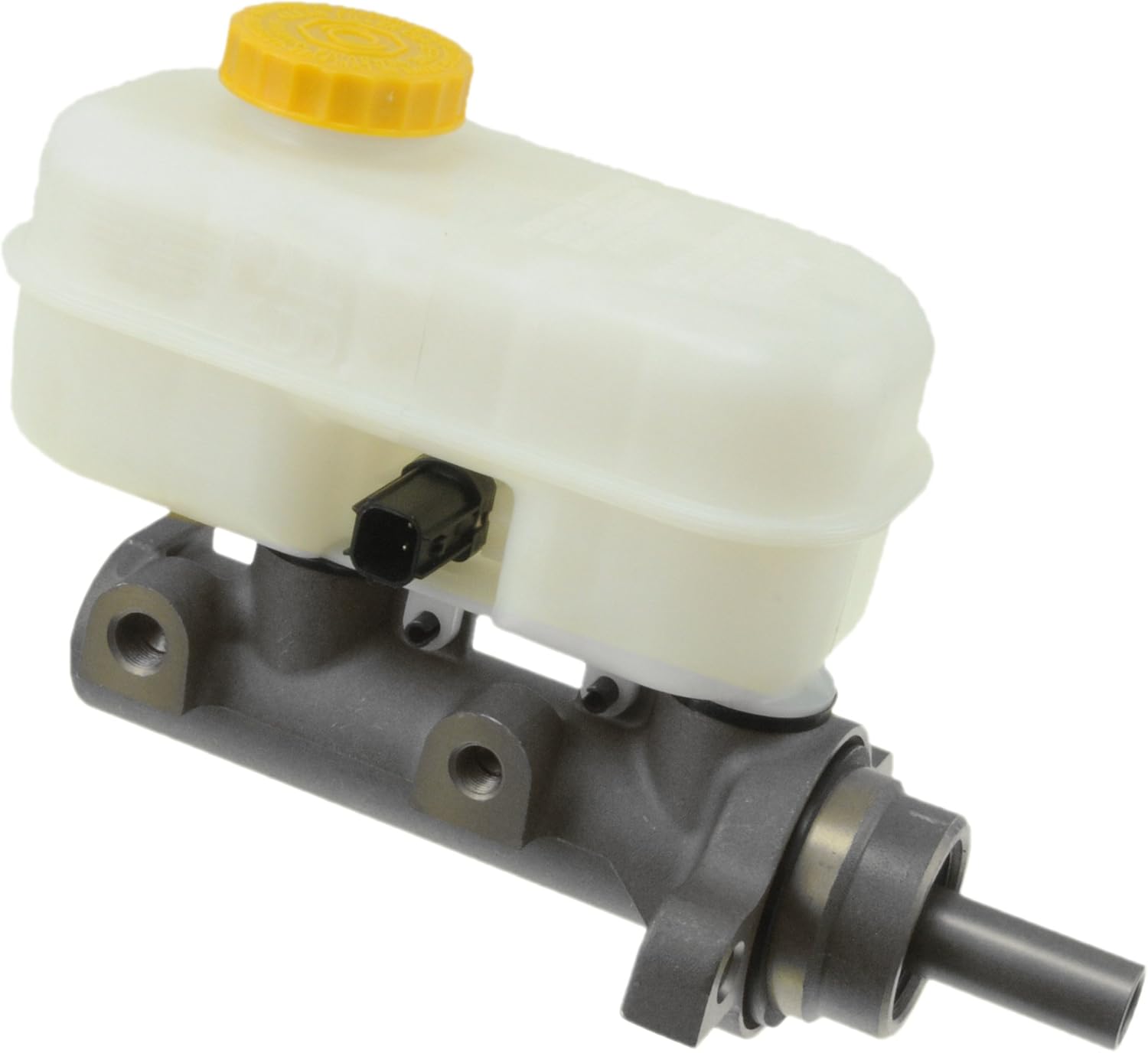
| Manufacturer | Dorman Products |
|---|---|
| Model | M134437 |
| Manufacturer Part Number | M134437 |
| Exterior | Painted |
The Dorman M134437 is a 100% new replacement master cylinder designed to match the original casting and restore brake system function for select Dodge Dakota, Durango, and Viper model years. It installs in place of the factory unit and is intended for routine repairs or when the original cylinder shows leaks or internal wear. Key features include a cast housing that mirrors the OEM design, new high-quality EPDM rubber seals resistant to glycol-based brake fluid, and manufacturing to SAE specifications for consistent hydraulic performance. In practice this means predictable pedal feel and reliable sealing without rebuilding the old unit. Because it is a direct replacement, installation is straightforward for a competent DIYer or mechanic, and it removes the downtime and uncertainty of remanufactured cores. The part is vehicle-specific, so confirm year and trim fitment before ordering; it will not cover vehicles outside the listed model years and requires proper bench bleeding and system flushing during installation to avoid air in the lines.
Best for: Buyers who need a dependable, factory-style replacement master cylinder for a late 1990s to early 2000s Dodge and prioritize restoring original brake feel and reliability.
Less Ideal for: Anyone looking for a performance-upgrade or modified brake solution beyond factory-spec components should consider performance-oriented master cylinders or system upgrades instead.
- Direct-fit casting and mounting for the listed Dodge models for easier installation
- Completely new construction rather than remanufactured core reduces risk of premature failure
- EPDM rubber seals formulated for resistance to glycol-based brake fluid
- Manufactured to SAE standards for consistent hydraulic performance
- Compatibility limited to specific Dodge model years so it is not a universal replacement
Verdict: Choose this Dorman master cylinder when you want a brand-new, direct-fit factory-style replacement to reliably restore brake function on the specified 1999–2004 Dodge vehicles.
3. BOXI Brake Master Cylinder (replacement)

| Manufacturer | ShangHai BOXI Auto Parts Co., Ltd. |
|---|---|
| Brand | BOXI |
| Model | Brake Master Cylinder |
| Manufacturer Part Number | BX06400002-1 |
| OEM Part Numbers | 5013131AA, 5013131AB, 5072994AA, 5093049AA M134437 |
This BOXI brake master cylinder is a straightforward replacement part for compatible Dodge Dakota, Durango, and Viper model years. It replaces a long list of factory part numbers so installers can match it to the original unit, and it arrives as a new, unused assembly intended to restore proper brake pedal feel and hydraulic pressure. Typical use is a one-for-one swap during a brake system rebuild or when the original master cylinder is leaking or failing. The listing highlights manufacturer testing to meet or exceed factory specifications and includes a limited one-year warranty for quality issues. Practical benefits include compatibility across several related part numbers and a compact, installer-friendly design. Limitations are that fitment must be checked carefully against the vehicle year and part number before purchase since the same housing can have variations, and buyers should plan for a proper bench-bleed and system bleed during installation because the unit ships unfilled. This is a value-focused aftermarket option for routine brake repairs rather than a performance upgrade.
Best for: Buyers who prioritize a practical, cost-effective factory-style replacement to restore normal braking performance on compatible Dodge trucks and SUVs and who plan to install or have a mechanic install and bleed the system correctly.
Less Ideal for: Drivers seeking upgraded braking performance or specialty racing parts should look for performance-oriented master cylinders or matched brake system upgrades instead.
- Fits a range of Dodge master cylinder part numbers for easier compatibility matching
- Supplies a new, unused assembly intended to restore proper hydraulic function
- Manufacturer states units are tested to meet or exceed factory specifications
- Includes a one-year limited warranty for basic quality protection
- Requires careful fitment verification since similar vehicles used different configurations
Verdict: A budget-minded, factory-style replacement master cylinder that restores normal braking function on the specified Dodge models when matched to the correct part number and properly bled.
4. PHILTOP Brake Master Cylinder with Reservoir for Dodge M134437 Direct Fit

| Material | Aluminium Alloy |
|---|---|
| Master Cylinder Bore Diameter | 1.125IN |
| Number of Outlets | 2 |
| Rearward Outlet Size | M10 x 1.0 |
| Reservoir Included | Yes |
This PHILTOP brake master cylinder is a new, direct-fit replacement made from aluminum alloy and supplied with the reservoir and brake fluid sensor already installed. It is intended to restore hydraulic braking function on compatible Dodge models by matching the original casting material and bore size for predictable pedal feel. Installation is typical for a master cylinder swap: unbolt the unit, transfer or attach the reservoir and sensor, connect the brake lines (rearward outlet M10 x 1.0), and bleed the system. Notable features include a 1.125 inch bore, two outlets, and EPDM rubber components rated for glycol brake fluid, which support corrosion resistance and longevity. For budget-focused repairs this part offers a low-cost way to return braking performance without buying a remanufactured unit. Limitations to consider are the need to confirm exact vehicle fitment numbers and that long-term durability data is limited compared with well-known OEM suppliers.
Best for: Buyers needing an affordable, ready-to-install replacement master cylinder to restore braking on older Dodge trucks who prioritize cost-effectiveness over brand premium.
Less Ideal for: Drivers seeking factory-branded parts with long-term proven warranty coverage or those who prefer remanufactured core-exchange units.
- Direct-fit design with reservoir and sensor included for easier installation
- Constructed from aluminum alloy to match original casting material
- EPDM rubber parts resistant to glycol brake fluid corrosion
- Specifically sized bore (1.125 inch) and standard M10 x 1.0 outlet for correct plumbing
- Manufacturer is an aftermarket brand with limited long-term track record compared with major OEM suppliers
Verdict: A cost-conscious direct-fit replacement that includes reservoir and sensor to quickly restore brake function on compatible Dodge trucks.
5. KAX Brake Master Cylinder with Reservoir for Dodge (Direct Fit)

| Material | ZL101A Aluminum |
|---|---|
| Master Cylinder Bore Diameter | 1.125IN |
| Number of Outlets | 2 |
| Rearward Outlet Size | M10 x 1.0 |
| Reservoir Included | Yes |
This KAX master cylinder is a direct-fit replacement built to match factory specifications for compatible Dodge vehicles, offering an aluminum body with corrosion-resistant coating and a pre-attached fluid reservoir. It installs in place of the original master cylinder and connects to the vehicle's brake lines and sensor, so most installations are straightforward for a mechanically inclined DIYer or a technician. Notable features include a 1.125 inch bore, two outlets with a rearward M10 x 1.0 outlet, and high-pressure pistons with seals intended to prevent leaks and preserve hydraulic pressure. The included sensor and integrated reservoir remove the need to source extra parts, and the machined aluminum construction should resist corrosion better than some cast alternatives. Limits to consider are that fitment is vehicle-specific so verification against OEM part numbers is required and the product description does not list a warranty. Buyers should also plan for bench bleeding and proper brake system bleeding during installation to ensure safe operation.
Best for: Buyers who prioritize a reliable, factory-style replacement for their Dodge who want a durable, corrosion-resistant master cylinder that includes the reservoir and sensor to simplify installation.
Less Ideal for: Drivers who need a multi-vehicle compatible part or who prefer a product with an explicit warranty and extended manufacturer support.
- Direct-fit design engineered to match factory replacement dimensions for specified Dodge models
- Integrated brake fluid reservoir reduces parts needed and simplifies installation
- Aluminum ZL101A body with corrosion-resistant coating for improved durability
- High-pressure piston and sealing design intended to minimize leaks and maintain hydraulic pressure
- No warranty information provided in the product details
Verdict: If you need a durable, factory-style direct replacement master cylinder for the specified Dodge models, this aluminum unit with integrated reservoir and sensor is a practical, reliability-focused choice.
6. TRQ Brake Master Cylinder BCA51869

| Compatible models | Dodge Dakota 1999-2004, Durango 1999-2003, Viper 2002-2006/2008-2010 |
|---|---|
| Bore diameter | 28.58 mm |
| Material | Aluminum |
| Includes | Sensor, reservoir, cap, bleeder kit |
This TRQ master cylinder is a factory-replacement style unit intended to restore brake hydraulic function on compatible Dodge Dakota, Durango, and Viper models. It ships as a preassembled aluminum cylinder with reservoir, cap, bleeder kit, and sensor included, which simplifies installation and reduces bench‑work for a DIY or shop swap. The machined aluminum bore and standard replacement grade aim to provide consistent pedal feel and corrosion resistance versus cast iron units. Inclusion of a bleeder kit and sensor saves a step during bleeding and reinstallation, and TRQ’s installation videos help guide less‑experienced installers. Limitations to note are that this is a direct replacement rather than a performance upgrade, so drivers seeking boosted stopping power or track use should look elsewhere, and fitment must be confirmed for your exact model year and brake system to avoid compatibility issues.
Best for: Buyers who prioritize a reliable, tested replacement with clear installation guidance and peer validation, especially DIYers or shops needing a direct-fit unit for routine brake repairs.
Less Ideal for: Drivers looking for a high-performance or heavy-duty master cylinder solution for racing, towing, or modified braking systems should consider specialty performance parts instead.
- Preassembled unit with reservoir, cap, bleeder kit, and sensor reduces installation time
- Aluminum construction and machined bore for improved corrosion resistance and consistent piston operation
- Direct-fit design intended to match factory mounting points and brake line connections
- TRQ provides step-by-step installation videos to help DIY installers complete the job
- Designed as a standard replacement rather than a performance upgrade for heavy-duty or track use
Verdict: A ready-to-install, factory-style aluminum master cylinder that makes replacing a worn unit straightforward for DIYers and repair shops focused on restoring original braking performance.
Choosing the Right 1997-2004 Dodge Dakota Brake Master Cylinder: Key Factors to Consider
Correct Fitment And Port Layout
A master cylinder that does not match the Dakota firewall, booster, and brake line port locations can be difficult or impossible to install. Proper fitment ensures the pushrod aligns with the brake booster and that brake lines reach their ports without stretching or kinking. Even small differences in mounting flange or pushrod length change pedal engagement and can allow air into the system.
When evaluating fitment, confirm reservoir style, port threads, and whether the unit is intended for single or dual-circuit systems used on the 1997-2004 Dakota. Correct fit reduces installation time and minimizes the need for adapters or custom fittings.
Bore Size And Pedal Feel
Bore diameter controls hydraulic leverage and directly affects pedal travel and firmness. A larger bore produces more fluid volume per stroke and typically a firmer, shorter pedal travel, while a smaller bore yields a longer travel and softer feel. For the Dakota, matching the bore size to the rest of the braking system is critical for predictable braking balance and ABS function where fitted.
If the bore differs from the original specification, you may notice a change in feel or effective brake bias. Choose a cylinder with a bore that matches factory specifications or the configuration recommended for any other braking modifications already on the vehicle.
Seal Quality And Internal Finish
Seals and the internal bore finish determine how long the master cylinder can maintain pressure without internal bypass. High-quality elastomer seals resist swelling from DOT fluid and temperature cycles, while a smooth, properly plated bore resists scoring and corrosion. Poor seals or rough bores lead to internal leakage, causing a soft pedal and progressive failure.
Look for descriptions of improved seal materials or engineered finishes. Even without brand names, units that specify compatible elastomers and corrosion-resistant coatings are generally more reliable for restoring firm, consistent pedal feel.
Reservoir Design And Fluid Capacity
Reservoir shape, capacity, and cap venting affect serviceability and the ability to detect leaks. A properly sized reservoir reduces the frequency of topping up fluid during bleeding and makes it easier to see a failing system. For the Dakota, confirm the reservoir configuration matches the vehicle s mounting space and whether it includes correct level sensor ports if your model uses a sensor.
A poorly vented cap or undersized reservoir can trap air or require frequent topping up, complicating maintenance and masking leaks until they become severe.
Durability And Corrosion Resistance
Brake master cylinders operate in a harsh environment with exposure to moisture and road salts. Corrosion-resistant finishes on the body and fittings prolong service life and reduce the chance of external leaks. Internal components that resist corrosion also help maintain seal performance and bore integrity over time.
Consider units that specify protective coatings and corrosion-resistant hardware. Robust construction reduces the likelihood of early replacement and helps preserve braking reliability in varied climates.
Serviceability And Rebuild Options
A master cylinder that allows rebuilding or has available rebuild kits can be a cost-effective long-term solution. Rebuildability matters if you plan to retain the vehicle for multiple years or if the local labor rates for full replacement are high. Having access to replacement seals, springs, and reservoirs simplifies repairs and can restore original performance without replacing the entire assembly.
If rebuild kits are available, check whether the kits include detailed instructions and whether the rebuild process requires specialized tools. Units designed for straightforward service reduce downtime and make maintenance more predictable.
Common Symptoms Of Master Cylinder Problems On A Dakota
Recognizing early signs of master cylinder failure helps you address braking issues before they become dangerous. Typical indicators include a spongy or sinking brake pedal, visible brake fluid near the firewall or under the master cylinder, and a need to frequently top up brake fluid. These symptoms often point to internal bypassing or external seal leaks specific to the master cylinder.
Other signs may include an inconsistent pedal height after pumping the brakes and slight loss of braking power under repeated stops. On the 1997-2004 Dodge Dakota, these symptoms often correlate with worn seals or bore wear due to age and exposure.
- Spongy or soft brake pedal
- Brake pedal sinks to the floor when held
- Visible brake fluid near the master cylinder or reservoir
- Intermittent warning light if the vehicle has a fluid level sensor
How Replacement Affects Brake Bleeding And Setup
Replacing the master cylinder requires careful bleeding to remove air from the system. Air trapped in the lines will produce a soft pedal even with a new cylinder. For the Dakota, follow a methodical bleeding order and verify fluid level frequently to ensure a firm pedal. If the replacement master cylinder includes separate reservoirs, bleeding each circuit individually helps prevent cross-contamination.
After bleeding, check pedal travel and braking response at low speeds before resuming normal operation. Also inspect for external leaks at ports and around the reservoir connections to confirm a proper seal.
- Start with the wheel farthest from the master cylinder
- Keep reservoir topped during bleeding
- Use a pressure or vacuum bleeder if available to reduce air introduction
When To Consider Rebuilding Versus Replacing
Deciding whether to rebuild or replace depends on the extent of wear and the availability of rebuild components. Rebuilding can restore function if the bore and body are in good condition and only seals and internal hardware are worn. A rebuild kit can be a practical choice for vehicles with clean, undamaged housings and known good bore finishes.
However, if the bore is corroded, scored, or the body shows external corrosion that compromises mounting, full replacement is often safer. Rebuilding also requires more mechanical skill and careful inspection to ensure long-term reliability, so factor in your comfort with the process and access to parts.
- Rebuild if bore and body are in good condition
- Replace if external corrosion or major bore damage is present
- Consider local labor time when deciding between rebuild and replacement
Installation Tips For The 1997-2004 Dakota
Prepare the work area by protecting surrounding paint and components from brake fluid. Use proper flare wrenches on brake line fittings to avoid rounding the nuts, and label any vacuum or sensor connectors before removal. Ensure the brake booster pushrod is correctly adjusted for the replacement cylinder to preserve pedal geometry.
After installation, torque mounting bolts to specification and inspect all connections. Always bleed the system thoroughly and confirm there are no leaks. A quick road test at low speed followed by a secondary inspection will validate the installation.
- Protect painted surfaces from brake fluid
- Use the correct wrench sizes for fittings
- Adjust pushrod length carefully to match original geometry
Understanding Installation Cost Factors
Installation cost varies with labor rates and whether accompanying components such as the brake booster, lines, or sensors require service. Replacing the master cylinder is typically a straightforward job for a professional, but costs rise if corroded fittings force line replacement or if the booster pushrod needs adjustment or repair.
DIY installation reduces labor costs but requires proper tools and familiarity with brake systems. Also account for consumables like new brake fluid, new line crush washers if applicable, and the time needed for thorough bleeding.
- Labor time depends on condition of fittings and access
- Additional parts such as crush washers or sensors may add to cost
- Bleeding and road testing take additional time beyond installation
Still looking for the perfect fit?
Select your Dodge Dakota configuration to see the most relevant Brake Master Cylinders recommendations
How We Chose the Best 1997-2004 Dodge Dakota Brake Master Cylinder
We evaluated candidate master cylinders for the 1997-2004 Dodge Dakota using criteria that matter most for safe, long-term braking performance. First, fitment and dimensional accuracy were prioritized to ensure correct pushrod length, port locations, and reservoir compatibility with the Dakota firewall and brake booster. Second, sealing and materials quality were assessed, focusing on durable elastomers and bore finishes that resist swelling and internal leakage.Third, functional specifications such as bore diameter and reservoir capacity were checked to maintain correct system pressure and pedal travel for the Dakota Fourth, ease of installation and serviceability were considered, including provision for replacement seals or availability of a rebuild kit. Fifth, resistance to corrosion and proper protective coatings were reviewed to reduce the chance of external leaks and long-term failure.We excluded options without reliable fitment data, products lacking clear material or sealing information, and any listings that require significant modification to the vehicle. The result is a concise set of master cylinders that meet dimensional, sealing, and durability expectations for the specified Dakota years.
Our full evaluation process is outlined in our review methodology.
FAQ
What are the most common master cylinder symptoms on a 1997-2004 Dakota?
Common symptoms include a spongy or soft brake pedal, pedal that sinks to the floor when held, and visible brake fluid at the firewall or under the master cylinder. These signs often indicate internal seal failure or external leaks.
Can I replace the master cylinder myself on a Dakota?
You can replace the master cylinder yourself if you have basic mechanical skills and proper tools. Expect to spend time on careful bleeding and verifying pushrod alignment. If you are unsure about brake bleeding or pushrod adjustment, professional installation is recommended.
How do I know if the leak is from the master cylinder or another component?
Inspect the area around the master cylinder and reservoir first. Leaks at the firewall or reservoir base usually point to the master cylinder, while fluid at the wheels suggests calipers or wheel cylinders. Cleaning the area and retesting can help confirm the source.
Is it worth rebuilding the master cylinder instead of replacing it?
Rebuilding can be a cost-effective option when the body and bore are in good condition and only seals are worn. It requires careful inspection and correct parts. Replace the unit if there is significant corrosion, bore damage, or if rebuild parts are unavailable.
Will changing the master cylinder affect ABS performance?
Changing the master cylinder can affect ABS behavior if the replacement has a different bore size or reservoir configuration. Use a unit that matches the Dakota original specifications to maintain proper hydraulic balance and ABS function.
How long should a master cylinder last on a Dakota?
Service life varies with usage and environment, but master cylinders typically last many years. Exposure to moisture, contamination, or corrosion shortens life. Regular inspection for leaks and pedal feel helps catch issues before failure.
Final Verdict
When replacing the brake master cylinder on a 1997-2004 Dodge Dakota, prioritize correct fitment, seal quality, and matching bore size to preserve pedal feel and braking balance. Consider rebuild options only when the body and bore are in good condition and replacement seals are available.Weigh the tradeoffs between immediate replacement and rebuilding based on the extent of wear and your comfort with service work. Focus on restoring reliable sealing and correct dimensions to ensure safe, consistent braking performance for your Dakota.
Explore More:
- Check out all Dodge Dakota parts & accessories
- Explore Brake Master Cylinders Maintenance & Repair Guides
- Explore Brake System
- Browse all Auto Parts
