

Note: This article contains affiliate links. If you click on these links and make a purchase, I may earn a small commission at no extra cost to you. This helps support my research and content. Read my full affiliate disclosure here.
If you drive a 1997-2006 Jeep Wrangler and you notice a soft brake pedal or fluid where it should not be, the brake master cylinder is a likely culprit. Picking the right 1997-2006 Jeep Wrangler brake master cylinder matters because correct bore size, seal quality, and port alignment directly affect pedal feel and braking safety for TJ, LJ, and TJU-generation Wranglers produced in this span. This guide shortlists the top replacements that fit the 1997-2006 Wrangler chassis, explains the symptoms that point to master cylinder failure, and outlines the evaluation criteria used to select these options. Read on to see the picks and the practical considerations that determine the right fitment and installation approach.
Looking for other parts? See all Jeep Wrangler parts & accessories.
Top Picks at a Glance
| Best Overall The best all-around choice for most situations | Dorman M390378 Brake Master Cylinder |  |
| Best Quality Built to a higher standard if you want something more solid | A-Premium Brake Master Cylinder with Removable Reservoir |  |
| Best Value The sweet spot between price and what you get | Torchbeam Brake Master Cylinder with Reservoir for Jeep Wrangler 1997–2006 |  |
| Best Budget The cheapest option that still gets the job done reliably | KAX Brake Master Cylinder with Reservoir for 1997–2006 Wrangler (Replaces M390378) |  |
| Highest Rated A top-rated pick with lots of positive feedback | PHILTOP Brake Master Cylinder for Jeep Wrangler 1997–2006 (1 in Bore) |  |
1. Dorman M390378 Brake Master Cylinder

| Manufacturer | Dorman Products |
|---|---|
| Model | M390378 |
| Exterior | Machined |
| Item model number | M390378 |
This Dorman M390378 master cylinder is a 100% new, factory-quality replacement designed to restore proper brake function on compatible vehicles. It replaces the original cylinder housing and internal components so you can reuse factory connections and mounting points during installation. Made with machined housing and EPDM rubber components, it resists glycol-based brake fluid and is built to meet SAE standards for durability. Typical use is a brake system repair when the original cylinder leaks, has a soft pedal, or fails to hold pressure; installation is straightforward for a DIYer comfortable with brake bleeding procedures. The part is offered to fit specific Dodge Dakota and Jeep Wrangler years listed by the manufacturer, so confirming trim fitment is important before buying. While it is not a performance upgrade, it offers a reliable, affordable restoration of factory braking behavior and avoids the uncertainty of remanufactured cores.
Best for: Buyers who want a dependable, factory-style replacement to restore brake feel and safety on a 1997–2006 Jeep Wrangler and prioritize reliability over aftermarket performance upgrades.
Less Ideal for: Drivers looking for performance or upgraded brake components, or those who need a universal or multi-vehicle solution, should consider other options.
- New, not remanufactured, for consistent fit and performance
- EPDM rubber components resistant to glycol-based brake fluid
- Machined housing to match original casting and mounting points
- Built to SAE specifications for durability and safety
- Fitment limited to the specific vehicle years and trims listed, so verification is required before purchase
Verdict: Choose this Dorman master cylinder if you need a reliable, brand-new factory-style replacement to restore proper braking on the specified Jeep Wrangler years.
2. A-Premium Brake Master Cylinder with Removable Reservoir
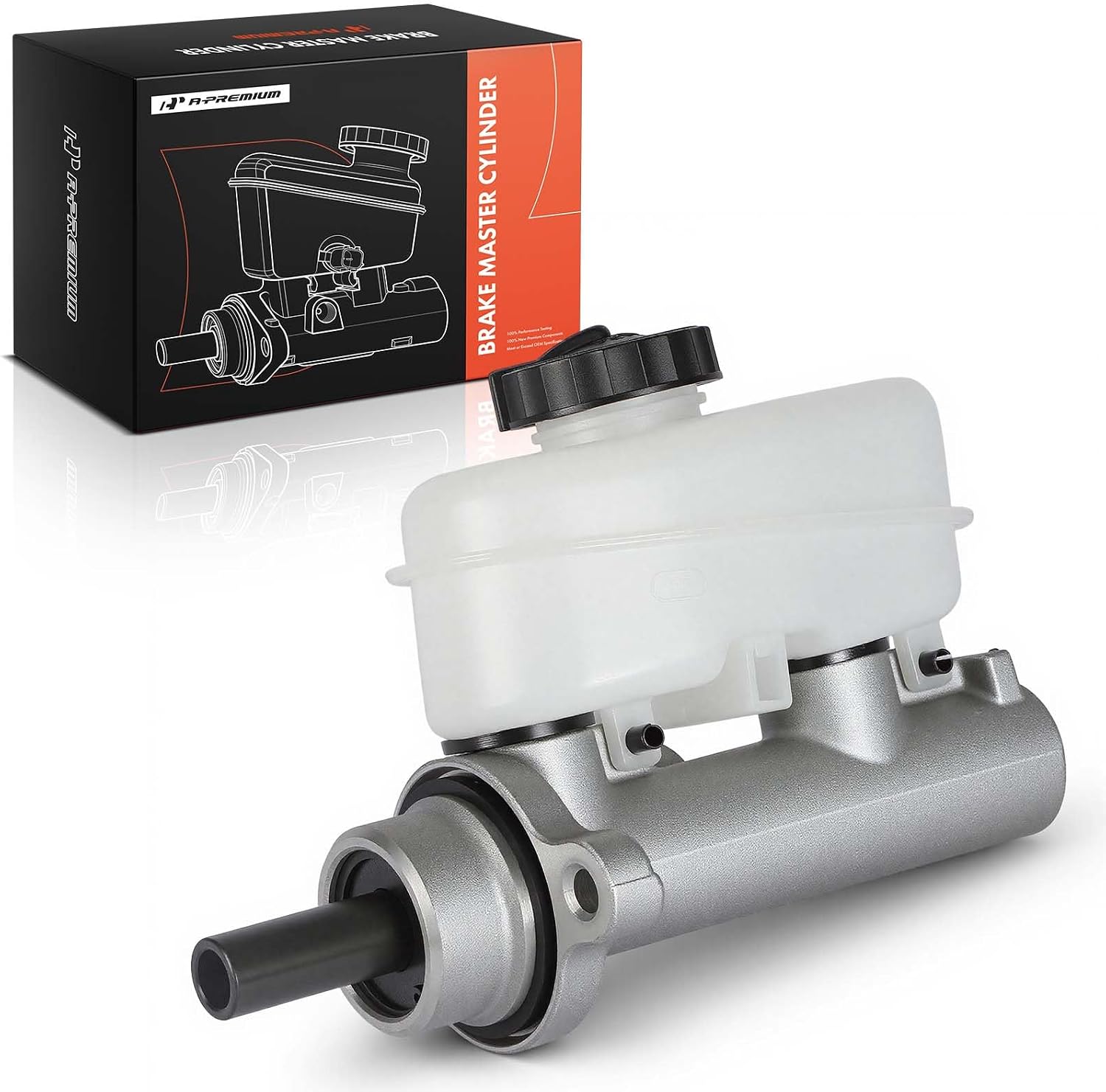
| Vehicle fitment | Jeep Wrangler 1997-2006; Dodge Dakota 1997-1998 |
|---|---|
| Material | Aluminum Alloys 101 |
| Bore diameter | 1 inch |
| Number of outlets | 2 |
| Rearward outlet size | M10×1.0 |
This A-Premium master cylinder is a direct replacement-style unit built for Wrangler 1997-2006 applications and intended to restore proper brake pedal feel and hydraulic function. It ships as a complete assembly with a removable plastic reservoir and factory-style outlet threading so installation follows the factory mounting points; bench bleeding is necessary before installation. The unit uses aluminum alloy construction and a one-inch bore for predictable pressure response, which helps deliver a firmer pedal for performance-minded drivers swapping an aged or worn master cylinder. Practical benefits include straightforward fitment, OEM-like sealing and threaded outlets sized to match stock brake lines. Limitations to note are the lack of included bench-bleeding fittings or detailed instructions and the absence of an integrated fluid level sensor, so expect a short extra purchase or some preparation before installation. For anyone comfortable with basic brake work this delivers an effective, cost-conscious way to refresh braking performance.
Best for: Drivers who want to restore or improve brake pedal feel on a 1997–2006 Wrangler and are comfortable performing bench bleeding and basic brake plumbing during installation.
Less Ideal for: Buyers who prefer a plug-and-play swap with all accessories included or those who need a unit with an integrated fluid level sensor already fitted.
- Direct-fit assembly with removable reservoir simplifies replacement and aligns with factory mounting
- Aluminum alloy body and 1 inch bore provide consistent hydraulic response for firmer pedal feel
- Two factory-threaded outlets match standard brake line fittings for straightforward plumbing
- Includes a one-year unlimited-mileage guarantee from the brand
- No bench-bleeding fittings or clear instructions included, adding a small prep step
- Does not include a fluid level sensor, so sensor-equipped vehicles will require transfer or separate purchase
Verdict: A budget-friendly, factory-style master cylinder that restores firm pedal feel for 1997–2006 Wranglers when you are prepared to bench bleed and fit a sensor if needed.
3. Torchbeam Brake Master Cylinder with Reservoir for Jeep Wrangler 1997–2006

| Manufacturer | Torchbeam |
|---|---|
| Model | brake master cylinder |
| Manufacturer Part Number | 2353BMC014SUS |
| OEM Part Number | MC390378 and equivalents |
This Torchbeam master cylinder is a direct replacement designed to match factory fitment for Jeep Wrangler 1997–2006 and replace common part numbers including MC390378. It pairs an aluminum alloy body with corrosion-resistant seals and a built-in reservoir to restore proper hydraulic pressure and help prevent leaks or air intrusion. Installation is typical for a master cylinder swap: bench-bleed the unit, mount it to the booster, reconnect lines and bleed the system. The unit is pressure-tested at the factory, which should reduce the risk of early failures, and the aluminum construction keeps weight down while resisting corrosion. Limitations to note are that this is a single-vehicle fitment item so buyers must confirm part-number compatibility with their build, and installation requires basic brake-system tools and bleeding—professional installation is recommended if you are not comfortable with brake work. For someone looking to replace a worn or leaking master cylinder with a factory-style unit, this offers a practical, durable option.
Best for: Buyers who want a practical, factory-style replacement that restores braking performance on a 1997–2006 Wrangler and prioritize durability and correct fitment over aftermarket performance tweaks.
Less Ideal for: Drivers looking for high-performance or modified braking upgrades or those who need a universal multi-vehicle part should look at specialty performance or multi-fit options instead.
- Direct-fit replacement that matches multiple factory part numbers for 1997–2006 Jeep Wrangler
- Aluminum alloy body and corrosion-resistant seals increase durability
- Factory pressure-tested to help ensure reliable hydraulic performance
- Integrated reservoir and precision piston design reduce risk of leaks and air ingress
- Requires proper bleeding and brake-line reconnection which may need professional installation
Verdict: A practical, factory-fit aluminum master cylinder that restores reliable braking on 1997–2006 Jeep Wranglers with an emphasis on durability and correct fitment.
4. KAX Brake Master Cylinder with Reservoir for 1997–2006 Wrangler (Replaces M390378)

| Replaces OE | M390378, 4798157 |
|---|---|
| Material | Aluminum |
| Reservoir | Included |
| Number of Outlets | 2 |
| Bore Diameter | 1 in. |
This KAX master cylinder is a straightforward factory-replacement style unit intended to restore brake hydraulic function on 1997–2006 Jeep Wranglers. It comes as a complete assembly with the reservoir included and matches the original outlet thread sizes and bore diameter so it installs like the factory part. Typical use is a rot-out or leaking master cylinder swap during a brake system refresh; the aluminum housing and new internal components are meant to provide reliable pressure delivery and stop fluid leaks that cause pedal sinking. The unit does not include a sensor, so you may need to transfer the original sensor or use an aftermarket sensor if your application requires one. Practical benefits are simple bolt-in fitment for owners doing their own repairs and a new-material build instead of a remanufactured core. Expect basic, no-frills performance suitable for daily driving and trail use, but this is a direct replacement rather than an upgraded performance piece and may not address underlying ABS or proportioning valve issues.
Best for: Jeep owners looking for an affordable, straightforward replacement to restore braking function on a 1997–2006 Wrangler and who prioritize cost and ease of installation over performance upgrades.
Less Ideal for: Drivers wanting an upgraded or performance-oriented master cylinder, or those who need a unit with an integrated sensor ready for vehicles requiring sensor wiring without transfer.
- Complete assembly with reservoir included for easier installation
- Aluminum housing made from new materials rather than remanufactured parts
- Matches factory outlet thread sizes and bore for direct-fit installation
- Replaces specific OEM numbers M390378 and 4798157 for fit confidence
- Does not include a brake fluid level or pressure sensor
Verdict: A budget-friendly, direct-fit master cylinder that restores factory-style braking on 1997–2006 Jeep Wranglers with minimal fuss.
5. PHILTOP Brake Master Cylinder for Jeep Wrangler 1997–2006 (1 in Bore)

| Material | ZL101A Aluminum |
|---|---|
| Master Cylinder Bore Diameter | 1 inch |
| Number of Outlets | 2 |
| Rearward Outlet Size | M10 x 1.0 |
| Reservoir Included | Yes |
This PHILTOP master cylinder is a direct replacement part constructed from new ZL101A aluminum and intended to restore factory-style braking on compatible Jeep Wranglers (1997–2006). It includes the reservoir, uses a 1 inch bore and two M10 x 1.0 outlets, and ships without mounting hardware or sensors. In normal use it replaces a failing unit to recover pedal firmness and proper fluid distribution; the aluminum casting and EPDM rubber components are sized to match the original casting material and resist glycol brake fluid. Benefits here are straightforward: you get a non-remanufactured unit built to fit the specified years and a simple install for anyone swapping the master cylinder when brakes feel spongy or leaking. Limitations are that mounting studs, hardware, and any brake pressure sensors are not included, so you may need to transfer parts from the old unit or source hardware separately, and professional bench bleeding or a proper bleed after installation is still required to avoid trapped air.
Best for: Buyers who prioritize restoring reliable, factory-like braking on a 1997–2006 Wrangler and want a brand-new replacement part rather than a remanufactured unit.
Less Ideal for: Shoppers who prefer a complete bolt-on kit with new mounting hardware or who need an integrated brake pressure sensor included.
- Made entirely from new ZL101A aluminum casting for consistent fit and strength
- Includes reservoir and uses EPDM rubber resistant to glycol brake fluid
- Matched bore size (1 inch) and outlet thread (M10 x 1.0) for direct replacement on listed vehicles
- Constructed to mirror original casting material to simplify fitment and performance
- Mounting hardware and brake pressure sensor are not included and must be sourced separately
- No preinstalled sensors may require transferring components or additional parts
Verdict: A new-material, factory-style replacement that restores dependable braking for 1997–2006 Jeep Wranglers when you need reliability over remanufactured parts.
Choosing the Right 1997-2006 Jeep Wrangler Brake Master Cylinder: Key Factors to Consider
Fit and Mounting Pattern
Correct fit is the single most important factor when selecting a brake master cylinder for a 1997-2006 Jeep Wrangler. The mounting bolt spacing, pushrod location, and brake line port positions must match the vehicle firewall and brake lines so the unit installs without modification. An improper mounting pattern can force you to rework brake lines or modify the brake booster, which adds time and safety risk. Fit also includes reservoir type and height. Some replacement units use a low-profile or different-capacity reservoir that can affect fluid level monitoring and compatibility with existing hoses. Confirming the master cylinder matches the Wrangler's original reservoir orientation prevents clearance issues with the hood latch area and ensures the fluid return fits stock routing.
Bore Size and Pedal Feel
Bore diameter directly influences brake pedal feel and hydraulic pressure. A larger bore produces higher fluid volume per stroke but can result in a softer pedal for the same force at the pedal. Conversely, a smaller bore increases pressure and can yield a firmer pedal. For the 1997-2006 Wrangler, matching the OEM bore size is recommended to preserve the intended brake bias and pedal travel unless you are intentionally changing pedal characteristics and proportioning. When evaluating replacements, check the specified bore size and whether the unit is described as a direct OEM match or a modified performance-style bore. Changes to bore size should be considered alongside the rest of the braking system, including calipers and rear proportioning, to avoid unintended imbalance.
Seal Quality and Leakage Resistance
Seals are the part most likely to fail and cause both internal bypass and external brake fluid leak master cylinder issues. Look for units that specify high-quality elastomers compatible with DOT brake fluids and that include dust boots and guide seals designed for long life. Materials that resist swelling and degradation from moisture in service reduce the chance of a gradual loss of hydraulic pressure. Good sealing affects both immediate performance and long-term maintenance. A master cylinder with robust seals reduces the need for early rebuilds or seal replacements and lowers the risk of contamination entering the hydraulic circuit.
Reservoir Design and Fluid Management
Reservoir capacity and venting design influence maintenance intervals and susceptibility to air ingestion. A properly sized reservoir for the 1997-2006 Wrangler minimizes the frequency of topping up during bleeding and operation. Transparent or graduated reservoirs make it easier to monitor fluid level and spot early signs of a brake fluid leak master cylinder issue. Reservoir venting and cap sealing also matter. Poor vent design can allow moisture to accumulate and accelerate internal corrosion. Units that use a sealed cap with a vent chamber tend to manage contamination better, which is important for vehicles used off-road where dust and water exposure are common.
Ease of Installation and Serviceability
Many Wrangler owners perform maintenance at home, so ease of installation and availability of a master cylinder rebuild kit or clear installation guidance are practical considerations. Direct-fit units that include new mounting hardware, grommets, and pre-bled elements reduce install time and complexity. If the unit requires brake line swaps or proportioning valve adjustment, the labor increases and may require a professional. Serviceability also includes whether seals and piston kits are available for future rebuilds. A well-supported master cylinder that can be rebuilt cheaply extends service life and reduces long-term ownership cost.
Corrosion Resistance and Material Quality
Construction materials and protective finishes are important for Wranglers that see wet, salty, or off-road conditions. A master cylinder built from corrosion-resistant metals or with protective coatings will resist pitting around the cylinder bore and ports. Corrosion can cause binding or leaks and accelerate seal wear. Check for components such as stainless steel pushrods, plated reservoirs, and anodized or coated bodies when long-term durability is a priority. Material quality directly correlates with fewer leaks and a more consistent pedal feel over many seasons.
Symptoms That Point to Master Cylinder Problems
Recognizing the difference between a failing master cylinder and other brake issues helps you diagnose problems faster. Common master cylinder symptoms include a progressively soft or sinking brake pedal, fluid pooling under the firewall or near the booster, and a brake warning light tied to hydraulic pressure loss.
Internal master cylinder seal failure can cause the pedal to travel farther without building pressure while external leaks are visible as wet brake fluid around the cylinder or hoses. If you notice a change in pedal feel after holding the pedal for several seconds, that suggests internal bypass rather than air in the lines. Identifying the symptom type makes the repair approach clearer.
- Soft or sinking brake pedal when holding pressure
- Fluid on the firewall or near the booster area
- Brake pedal requiring more travel to achieve braking
- Intermittent firm pedal that later becomes soft
Pre-Installation Checks for 1997-2006 Wrangler (TJ, LJ, and TJU)
Before you remove the old master cylinder, confirm fitment details that save time during installation. Verify reservoir cap type, brake line connectors, and booster pushrod clearance. The TJ, LJ, and TJU-generation Wranglers from 1997-2006 have specific mounting orientation that affects how the reservoir sits relative to the hood and firewall.
Also inspect the condition of the brake booster, pedal pushrod, and brake lines. A failing booster or corroded line fittings should be addressed to avoid repeating the repair. Make sure replacement grommets and seal rings are on hand to prevent installation delays.
- Check reservoir cap and vent compatibility
- Match mounting bolt pattern and pushrod length
- Inspect brake booster and pedal assembly
- Collect appropriate replacement grommets and hardware
Bleeding and Filling Best Practices
Proper bleeding restores firm pedal feel and removes trapped air that mimics many master cylinder symptoms. For a 1997-2006 Jeep Wrangler, follow a systematic bleed order and use a clean DOT-specified fluid. Avoid contaminating the reservoir by using only clean containers and new fluid.
Consider a two-person bench or pressure bleeding to expedite the process. After initial bleeding, cycle the pedal several times and verify the pedal travel and firmness under load. Recheck fluid level after a short test drive to confirm there are no leaks.
- Use DOT-approved brake fluid and fresh containers
- Follow recommended bleed sequence for the vehicle
- Check pedal firmness after multiple bleed cycles
- Inspect for external leaks during and after bleeding
When to Rebuild Vs Replace
Deciding between a master cylinder rebuild kit and a full replacement depends on the condition of the cylinder bore and housing. If the bore is free of deep pitting and corrosion and the housing is undamaged, a rebuild kit with new seals can restore function economically. However, severe corrosion, damaged ports, or warped mounting faces typically require a full replacement.
For older Wranglers exposed to off-road conditions, weigh the time and tools needed for a rebuild against the certainty and convenience of a direct-fit replacement. Availability of quality rebuild kits and the condition of surrounding components should guide your choice.
- Use rebuild kits when the bore is in good condition
- Replace the unit if there is significant corrosion or damage
- Consider professional machine work only for high-value restorations
- Factor in the time and tools required for a rebuild
Common Installation Pitfalls to Avoid
Avoid contaminating brake fluid with oily rags, fingerprints on sealing surfaces, or reused tubing that contains residue. Even small contaminants can damage seals and cause a master cylinder seal leak. Torque mounting bolts to specification to prevent distortion of the flange that can cause misalignment and leaking.
Do not reuse old crush washers or grommets that have hardened. Replacing hardware and using new line fittings reduces the risk of external leaks after installation. Finally, always support the reservoir when unbolting the master cylinder to prevent stress on the fluid lines.
- Do not reuse old grommets or crush washers
- Prevent contamination of fluid and sealing surfaces
- Torque bolts to specified values to avoid flange distortion
- Support the reservoir to protect brake line fittings
Understanding OEM Vs Aftermarket Options
OEM-spec replacements aim to replicate original bore size, mounting, and reservoir design, which simplifies installation and maintains the expected pedal feel. Aftermarket units can offer performance enhancements or improved sealing materials, but variations in bore size or port layout may require closer inspection before purchase.
When considering OEM vs aftermarket master cylinder choices for the TJ, LJ, and TJU Wrangler, prioritize units that clearly document fitment and provide manufacturer support or rebuild kit availability. Reliable documentation reduces the risk of buying a unit that looks similar but requires adjustments during installation.
- OEM-style units match original pedal feel and fit
- Aftermarket options can offer improved materials or features
- Verify documented fitment and access to replacement parts
- Consider long-term support and rebuildability
Still looking for the perfect fit?
Select your Jeep Wrangler configuration to see the most relevant Brake Master Cylinders recommendations
How We Chose the Best 1997-2006 Jeep Wrangler Brake Master Cylinder
We prioritized practical, safety-focused criteria that matter for replacing a brake master cylinder on a 1997-2006 Jeep Wrangler. Fit and compatibility were primary filters: bore diameter, reservoir type, and mounting bolt pattern had to match the Wrangler master cylinder mounting and brake line ports for direct fit applications. Seal and piston design were evaluated to reduce the chance of internal leakage that causes soft pedal feel. Material and corrosion resistance were considered for long-term reliability under off-road and wet conditions common to Wrangler use. Fluid compatibility and reservoir capacity were reviewed to ensure proper operation with DOT-specified fluids and to minimize the need for frequent topping up. Ease of installation and availability of installation hardware or rebuild kits were also factored in, since many owners perform the swap themselves. We excluded any options that required significant brake-line modification, custom adapters, or changes to the proportioning valve on the vehicle. Units with unclear fitment specifications or questionable seal materials were removed. The final list balances direct-fit convenience, durable sealing, and proven design features that restore pedal firmness and prevent external and internal brake fluid leaks.
Our full evaluation process is outlined in our review methodology.
FAQ
How do I tell if the master cylinder is leaking or if the leak is from a line or caliper?
Check for fluid at the firewall around the master cylinder and booster area for external master cylinder leaks. If fluid is present near wheels or calipers, the leak may be at a hose or caliper. Also observe pedal behavior: a sinking pedal that does not recover often indicates internal master cylinder failure.
Can I replace the master cylinder myself and avoid a shop?
Many owners can perform the swap with basic hand tools and a clear workspace, especially with a direct-fit unit. You must be comfortable bleeding the brakes correctly and following torque specs. If you are unsure about bleeding or brake safety, have a professional complete or verify the job.
Will changing the master cylinder affect brake balance or ABS operation?
Replacing a like-for-like master cylinder that matches bore size and port layout generally preserves brake balance and ABS function. If the replacement changes bore diameter or uses a different reservoir configuration, it can alter pedal feel and hydraulic characteristics, which may influence ABS behavior and brake bias.
What are the risks of driving with a failing master cylinder?
Driving with a compromised master cylinder risks reduced braking effectiveness, increased stopping distance, and sudden loss of hydraulic pressure. Internal leaks can cause unpredictable pedal travel while external leaks can lead to complete fluid loss. These conditions are safety-critical and should be addressed promptly.
Is a master cylinder rebuild kit a reliable long-term fix?
A rebuild kit can be reliable if the cylinder bore and body are in good condition and the seals are replaced correctly. For severely corroded or damaged units, a complete replacement tends to be more dependable. Consider the vehicle's service history and exposure to harsh conditions when choosing between rebuild and replacement.
How soon should I recheck brake fluid after installing a new master cylinder?
Inspect the fluid level and check for leaks immediately after installation and bleeding, then again after a short test drive of several miles. Recheck levels and leak points after a few days of normal driving to ensure no slow leaks or air ingress occur.
Final Verdict
Prioritize a direct-fit master cylinder that matches the 1997-2006 Jeep Wrangler mounting, bore size, and reservoir orientation to restore consistent pedal feel and prevent brake fluid leaks. Factor seal quality, corrosion resistance, and serviceability into your decision, since these attributes determine long-term reliability for vehicles used on and off road. When in doubt, choose the option that minimizes modifications and makes bleeding straightforward. That approach reduces installation time and helps ensure safe, predictable braking performance on your Wrangler.
Explore More:
- Check out all Jeep Wrangler parts & accessories
- Explore Brake Master Cylinders Maintenance & Repair Guides
- Explore Brake System
- Browse all Auto Parts
