

Note: This article contains affiliate links. If you click on these links and make a purchase, I may earn a small commission at no extra cost to you. This helps support my research and content. Read my full affiliate disclosure here.
If you drive a 2007-2018 Jeep Wrangler, a failing brake booster can turn everyday stops into a stressful experience. Restoring a firm pedal, predictable brake response, and consistent vacuum assist is critical for safe driving on- and off-road. This guide focuses on brake boosters that fit the 2007-2018 Wrangler generation span, commonly searched under chassis codes like JK and JKU where relevant, and highlights the top shortlisted options for direct-fit replacement. You will find products selected for correct fitment, durable construction, and dependable vacuum performance. We also outline symptoms to watch for and practical criteria used to evaluate candidates, so you can pick the right booster for daily driving or light trail use. Read on for the factors we considered and practical guidance for installation and testing.
Looking for other parts? See all Jeep Wrangler parts & accessories.
Top Picks at a Glance
| Best Overall The best all-around choice for most situations | A-Premium Vacuum Power Brake Booster for Jeep Wrangler JK (2012–2018), without Master Cylinder |  |
| Best Quality Built to a higher standard if you want something more solid | APDTY 172298 Power Brake Booster for 2007–2011 and 2012–2017 Jeep Wrangler V6 3.6L |  |
| Best Value The sweet spot between price and what you get | IRONTEK Vacuum Power Brake Booster PBV8065 |  |
| Best Budget The cheapest option that still gets the job done reliably | ASAPE Vacuum Power Brake Booster — Replacement for Select Jeep and Dodge Models |  |
| Highest Rated A top-rated pick with lots of positive feedback | Haruma Vacuum Power Brake Booster (replacement) |  |
| Most Popular A crowd favorite that many people choose with confidence | PartsFlow Vacuum Power Brake Booster 54-71924 |  |
1. A-Premium Vacuum Power Brake Booster for Jeep Wrangler JK (2012–2018), without Master Cylinder

| Vehicle fit | Jeep Wrangler JK 2012-2018 |
|---|---|
| Diaphragm style | Dual |
| Diaphragm diameter | 9.635 in |
| Master cylinder stud thread | M8 x 1.25 |
| Material | Steel |
This A-Premium vacuum power brake booster replaces the factory unit on 2012–2018 Wrangler JK models and provides the vacuum assist portion of the braking system only, so you must reuse or separately buy a compatible master cylinder. It installs where the original booster mounts and uses a dual-diaphragm design with a 9.635-inch diameter intended to restore pedal assist and braking feel. The unit is steel with an anti-rust coating intended to improve longevity and comes with standard master-cylinder stud threads (M8 x 1.25) for straightforward fitment. In practice this is a direct replacement for owners who need to swap a failed booster and want a reasonably priced aftermarket option; installation requires basic brake system knowledge and proper bench bleeding if a new master cylinder is added. Reports from other buyers show mixed durability, so expect to verify vacuum line connections and test thoroughly after install. The product includes a one-year unlimited-mileage guarantee from the brand.
Best for: Buyers seeking an affordable, direct-fit replacement booster to restore pedal assist on a 2012–2018 Wrangler JK who are comfortable swapping or sourcing a master cylinder separately and verifying connections after install.
Less Ideal for: Drivers who want a complete plug-and-play brake assembly with master cylinder included or who prioritize long-term proven reliability over lower cost options.
- Made to fit 2012–2018 Jeep Wrangler JK bolt pattern and stud thread size for easier installation
- Dual-diaphragm 9.635-inch design aims to restore factory-like pedal assist
- Steel construction with anti-rust coating for improved corrosion resistance
- Includes manufacturer one-year unlimited-mileage guarantee
- Sold without a master cylinder so buyer may need to transfer or purchase a separate unit
Verdict: A budget-friendly, direct-fit booster to restore pedal assist on 2012–2018 Wrangler JKs for buyers willing to supply or reuse a master cylinder.
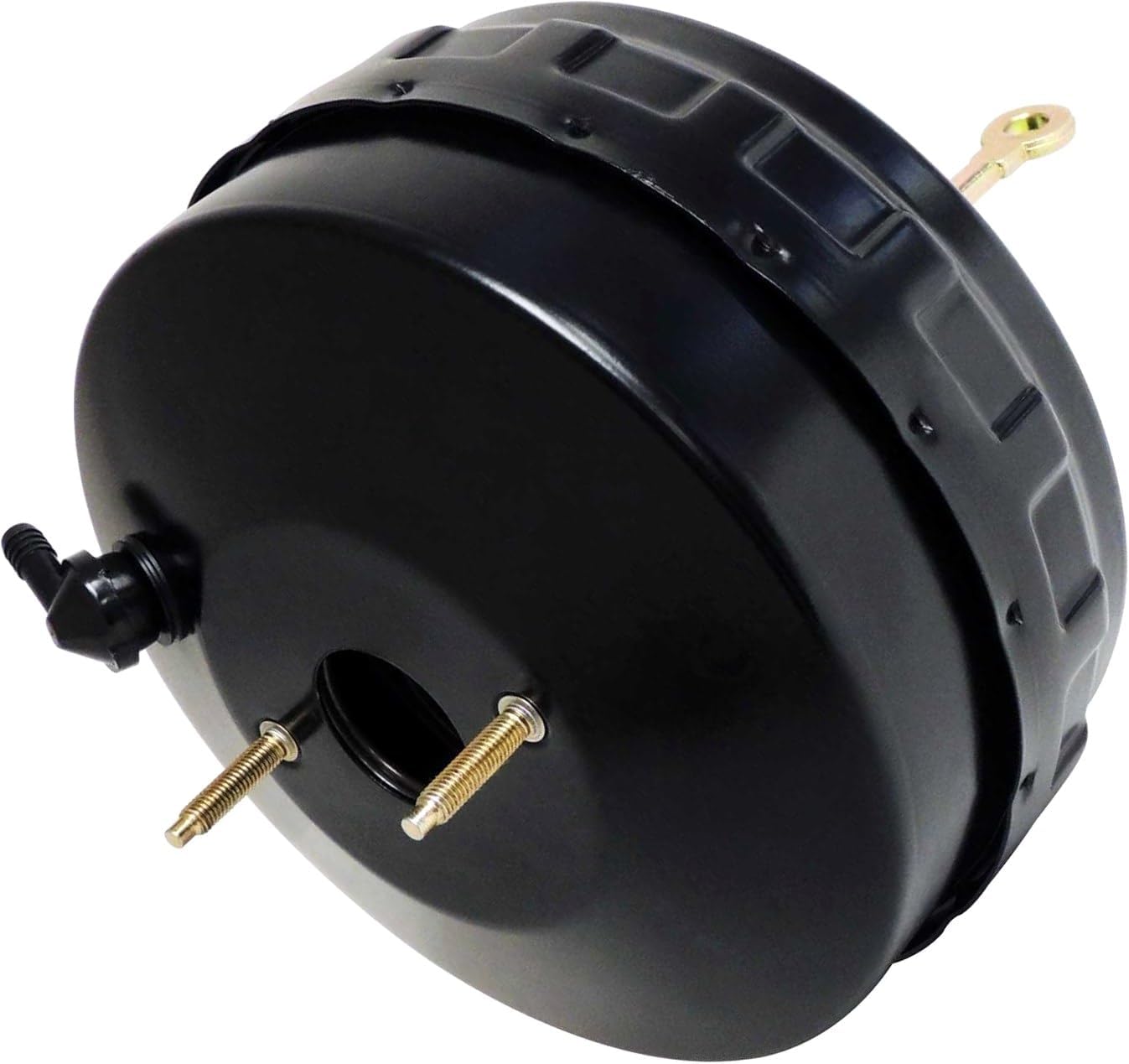
2. APDTY 172298 Power Brake Booster for 2007–2011 and 2012–2017 Jeep Wrangler V6 3.6L
| Compatible models | 2007-2011 Wrangler V6; 2012-2017 Wrangler V6 3.6L DOHC |
|---|---|
| Replaces | 68048755AA |
| Manufacturer | APDTY |
This APDTY 172298 is a brand-new aftermarket power brake booster intended as a direct replacement for compatible 2007–2011 and 2012–2017 Jeep Wrangler V6 models. It restores the vacuum assist that reduces pedal effort, so it is used when the original booster fails or the pedal feels hard. Installation is typical for brake boosters: uninstall the master cylinder and old booster, transfer or replace mounting hardware, reconnect the vacuum line and pushrod, and bench-bleed the master cylinder. The unit is ready to paint if you need to match engine-bay appearance. The part claims fitment to specific Wrangler V6 engines and replaces factory part 68048755AA, making it a straightforward option for a budget-conscious repair or performance-focused rebuild where you want reliable pedal feel rather than upgraded braking dynamics. Limitations to note are that this is an aftermarket replacement so finish and exact fit may require minor adjustment, and it does not change brake power or modulation beyond restoring factory-quality assist.
Best for: Buyers restoring pedal feel on a V6 Wrangler who want a budget-friendly, direct-replacement booster to return braking assist to factory behavior and support performance-focused braking consistency.
Less Ideal for: Drivers seeking upgraded braking power, lighter pedal response, or race-spec components should consider performance brake boosters or complete brake system upgrades instead.
- Direct-fit replacement for specified 2007–2011 and 2012–2017 Jeep Wrangler V6 models
- Restores factory-style vacuum assist to significantly reduce pedal effort
- Comes ready to paint for visual customization or corrosion protection
- Replaces factory part number 68048755AA for compatible fit and function
- Aftermarket unit may need minor adjustments during installation to match factory finish and alignment
Verdict: A practical, budget-friendly direct replacement that restores factory pedal assist on V6 Jeep Wranglers from 2007 to 2017.
3. IRONTEK Vacuum Power Brake Booster PBV8065

| Manufacturer | IRONTEK |
|---|---|
| Manufacturer Part Number | PBV8065 |
| Compatible Vehicles | 2007-2010 Jeep Wrangler |
| Compatible Vehicles | 2008-2012 Jeep Liberty |
| Compatible Vehicles | 2007-2011 Dodge Nitro |
This IRONTEK vacuum power brake booster is a replacement unit engineered to match factory mounting and restore power-assisted braking on compatible vehicles. It installs in the factory location and is intended for DIY mechanics or shops replacing a failed booster; the manufacturer says it meets strict quality checks including fitment, corrosion resistance, torque, and spring-back testing. Notable features include claimed exact fitment, low noise operation, and corrosion-tested components, which translate to a near-factory feel at the brake pedal and straightforward installation without modifications in most cases. User reports show a mix of outcomes: several owners found it durable and easy to fit while a few received units with cosmetic damage, missing parts, or minor dimensional issues that required small on-vehicle adjustments. If you accept the occasional need to check dimensions and the pedal linkage during install, this booster offers an economical way to restore braking assist; buyers seeking the highest-end remanufactured units may prefer more expensive alternatives with stricter quality control.
Best for: Buyers who prioritize restoring reliable, power-assisted braking on a budget and are comfortable verifying fit and making small adjustments during installation.
Less Ideal for: Drivers who want a premium remanufactured or factory-branded unit with guaranteed perfect cosmetic condition and no chance of adjustments should consider higher-end options.
- Designed to fit factory mounting points for specified models so no major modifications are required
- Claims of corrosion testing and torque/spring-back checks aim to improve long-term reliability
- Low-noise operation and factory-style pedal feel for everyday driving
- Economical replacement compared with remanufactured or OEM-branded boosters
- Some customers reported poor cosmetic condition, missing components, or dimensional variances on arrival
- Quality control appears inconsistent across units which may require minor adjustments during installation
Verdict: A cost-conscious replacement booster that restores factory-style braking for the specified Jeep Wrangler years if you are willing to confirm fit and handle minor installation adjustments.
4. ASAPE Vacuum Power Brake Booster — Replacement for Select Jeep and Dodge Models

| Fitment | Dodge Nitro 2007-2011; Jeep Liberty 2008-2012; Jeep Wrangler 2007-2010 |
|---|---|
| Diaphragm Style | Dual |
| Master Cylinder Included | No |
| Master Cylinder Stud Thread Size | M8 x 1.25 |
| Material | Steel |
This ASAPE vacuum power brake booster is a straightforward replacement part intended to return lost brake assist on compatible 2007–2010 Jeep Wrangler models (and listed Dodge/Liberty fitments). It installs in place of a failed booster when the master cylinder is retained separately and uses a dual diaphragm design to amplify pedal input for quicker, lighter braking. The housing is steel with an electrophoretic anti-rust coating and the product copy claims factory-quality testing to meet OEM standards. In practice this means you should regain a firmer, more responsive pedal feel after fitting by a competent mechanic. Important limitations are that the master cylinder is not included and you must confirm the listed part numbers and stud thread size match your vehicle before buying. Also this is a vehicle-specific replacement so it is not a universal unit and installation requires basic brake-system disassembly.
Best for: A cost-conscious Wrangler owner seeking an affordable, vehicle-specific replacement to restore original brake assist and pedal feel after a failed booster, and willing to verify fitment and have the unit installed by a mechanic.
Less Ideal for: Drivers looking for a universal or drop-in booster that includes a master cylinder or those who prefer a complete brake kit with new seals and hardware; also not suitable for owners who want a performance-modified booster.
- Designed to match listed factory part numbers for direct replacement fitment
- Dual-diaphragm design provides stronger vacuum assist and improved pedal response
- Steel housing with electrophoretic anti-rust coating for corrosion resistance
- Marketed and packaged for professional installation and tested to meet factory-quality standards
- Master cylinder is not included so additional parts or reuse of the original are required
- Fitment is vehicle-specific so incorrect part number selection will prevent installation
Verdict: If you need an inexpensive, vehicle-specific replacement booster to restore factory-style brake assist on a 2007–2010 Jeep Wrangler, this ASAPE unit is a practical choice.
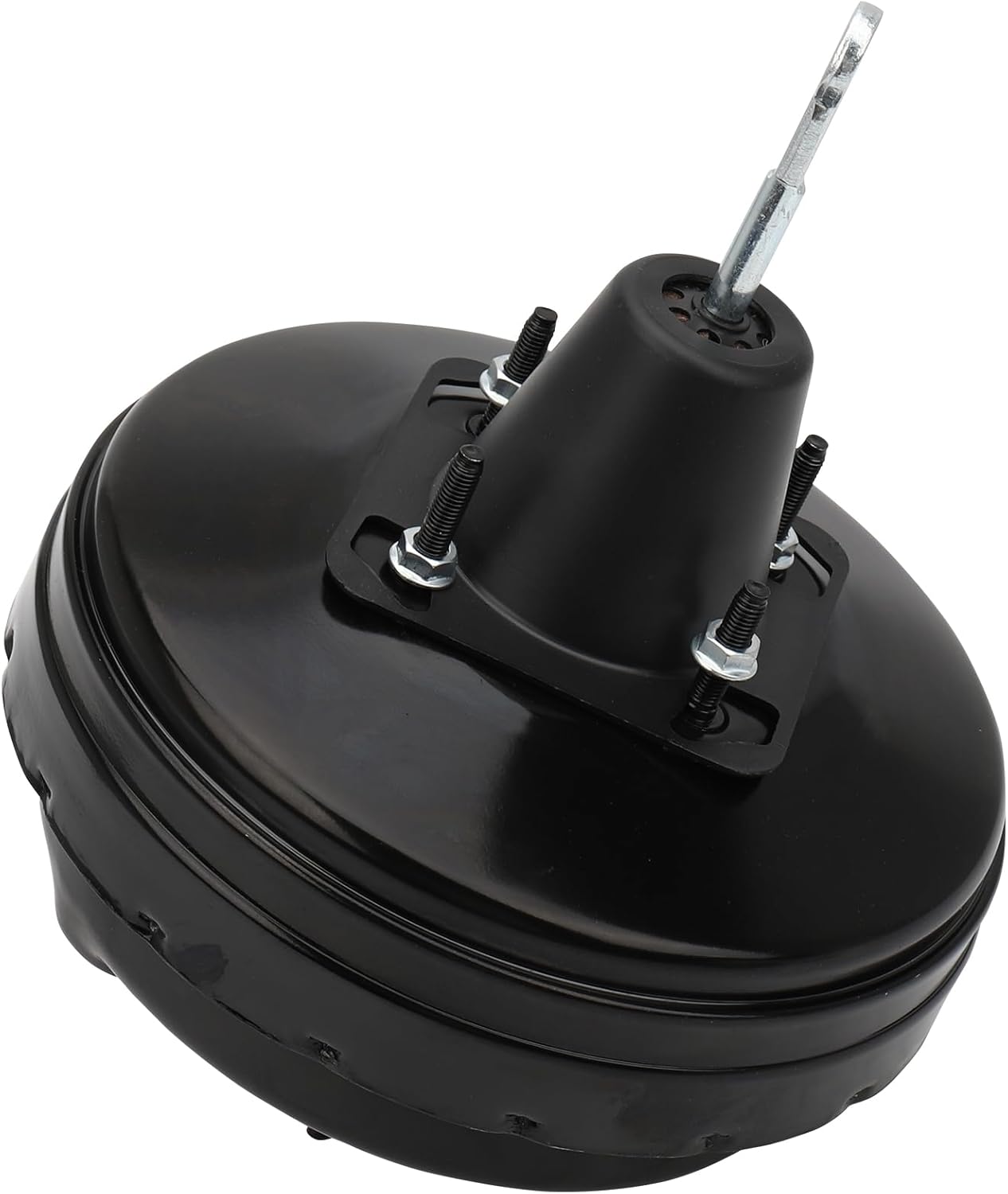
5. Haruma Vacuum Power Brake Booster (replacement)
| Manufacturer Part Number | HPBV8065 |
|---|---|
| OEM Part Number | 54-71924, 5471924, 68003619AA |
| Compatible vehicles | Dodge Nitro 2007-2011; Jeep Liberty 2008-2012; Jeep Wrangler 2007-2010 |
| Item Weight | 8.48 pounds |
This Haruma vacuum power brake booster is a direct-replacement unit intended to restore power-assisted braking on compatible vehicles. It installs in place of a failed booster to re-establish vacuum assist and firmer, more consistent pedal feel. The unit is described as factory-quality with anti-rust coating and materials meant to extend service life, and it claims straightforward fitment for the listed models so installation is mostly bolt-in when using the existing master cylinder and hardware. In use the booster should reduce pedal effort and return the vehicle to normal braking performance; buyers report quick shipping and generally solid fit. One limitation is the non-adjustable pushrod noted by some users, which can affect pedal travel or require modification if the original linkage needs an adjustable interface. Also this is a single component replacement so any master cylinder or vacuum line issues must be addressed separately. For someone replacing a failed booster this unit provides a practical way to regain reliable brake assist at a reasonable value.
Best for: A buyer wanting a dependable, factory-style replacement to restore original power-assist braking on their vehicle and prioritize long-term reliability over cosmetic upgrades.
Less Ideal for: Not a good choice for someone seeking an adjustable or performance-oriented booster or for projects that also need a new master cylinder or vacuum plumbing replaced at the same time.
- Direct-replacement design for straightforward bolt-in installation on listed models
- Anti-rust coating and durable materials intended to extend service life
- Restores vacuum assist to reduce pedal effort and improve braking consistency
- Meets or exceeds factory specifications according to the product description
- Pushrod is non-adjustable which may require modification or an adjustable adapter for precise pedal travel
Verdict: A practical, factory-style replacement booster that restores reliable vacuum assist and pedal feel for the specified Jeep Wrangler and related models.
6. PartsFlow Vacuum Power Brake Booster 54-71924

| Booster Type | Vacuum |
|---|---|
| Master Cylinder Stud Thread Size | M8x1.25 |
| Vehicle Suitability | Wrangler 2007-2010, Liberty 2008-2012, Nitro 2007-2011 |
| Reference Number | 54-71924, 68003619AA |
This PartsFlow vacuum power brake booster is a bolt-in replacement for select Wrangler, Liberty, and Nitro V6 models and restores power-assisted braking by supplying vacuum assist to the master cylinder. It installs using the factory mounting points and studs, so typical use is a like-for-like swap when the original booster fails or loses vacuum. Notable features include factory-style mounting, M8x1.25 master cylinder stud threads, and coverage of specific 2007–2012 vehicle applications, plus a 12-month product guarantee. In practice the booster returns a firmer, easier-to-press brake pedal and helps reduce stopping distances compared with a failed booster. Some customers report excellent fit and straightforward installation while a few reported air leaks, so careful pre-install inspection and proper bench testing after installation are advisable. This unit does not fit newer Wrangler models or earlier model years outside the listed range, so confirm exact year and brake system before buying.
Best for: Buyers who want a straightforward, budget-friendly replacement that reinstates power-assisted braking on late 2000s Wrangler and related V6 models and who value matching factory fitment and mounting.
Less Ideal for: Drivers who need a booster for newer Wrangler generations, who prefer premium or performance brake upgrades, or who want an option with extended manufacturer coverage beyond one year.
- Made to mount to factory locations for a direct replacement installation
- M8x1.25 master cylinder stud thread size matches common factory studs
- Covers exact Wrangler, Liberty, and Nitro V6 applications for late 2000s models
- Includes a 12-month guarantee for purchase confidence
- Some buyers reported air leaks, indicating variable quality control
- Not compatible with Wrangler 2011+ or earlier model years outside the listed range
Verdict: A cost-conscious, factory-fit vacuum booster that restores power braking to the specified late-2000s Jeep Wrangler and related V6 models.
Choosing the Right 2007-2018 Jeep Wrangler Brake Booster: Key Factors to Consider
Fitment and Mounting Geometry
Exact fitment is the most practical factor for Wrangler owners. The booster must match the factory flange pattern and pushrod length so the master cylinder and pedal assembly align correctly. Even small deviations can cause binding, uneven pedal travel, or require shims that compromise safety. Pay attention to the fire-wall clearance and vacuum port placement. On chassis generations commonly referenced for 2007-2018 Wranglers, the booster needs to fit in the same space as the original unit to avoid interference with heater hoses, steering components, or frame brackets. Correct mounting reduces installation time and the chance of brake fluid leaks at the master cylinder-to-booster mating surface.
Vacuum Performance and Diaphragm Quality
The diaphragm and internal vacuum chamber determine how effectively the booster multiplies pedal force. A robust diaphragm made from durable elastomers resists cracking and maintains seal integrity under temperature swings and repeated use. Look for boosters with specified vacuum levels and clear descriptions of diaphragm materials or testing. Better vacuum retention yields firmer, more consistent pedal feel, especially after hard stops or on extended downhill runs where repeated assist demand is high.
Corrosion Resistance and Environmental Durability
Wranglers often see seasonal road salt and off-road conditions that accelerate corrosion. A booster with corrosion-resistant coatings on the housing and hardware will last longer and maintain sealing surfaces critical to vacuum retention. Hardware such as studs, nuts, and the pushrod should resist rust to prevent difficult future removal. Consider units with protective finishes or stainless fasteners where exposure to moisture and mud is a regular occurrence.
Compatibility With Brake System Components
A replacement booster must work with the vehicle's master cylinder, check valve, vacuum line routing, and pedal ratio. Some boosters are designed for a specific master cylinder bore size and require matching; mismatches can alter pedal travel and braking feel. Confirm the booster supports the Wrangler's brake booster check valve orientation and that the vacuum nipple lines up for a secure connection. Proper compatibility avoids the need for aftermarket adapters and reduces the chance of leaks or degraded performance.
Serviceability and Parts Availability
Consider whether components like the check valve or grommets are replaceable separately. A booster that allows the check valve or vacuum nipple to be swapped without replacing the entire unit can lower long-term maintenance costs. Availability of replacement parts and clear instructions also matter when servicing on the trail or during routine maintenance. Units with documented install guides or easily sourced hardware ease future repairs and reduce downtime.
Build Quality and Manufacturer Support
Quality control affects long-term reliability. Look for consistent tolerances on the pushrod, secure bonding of the diaphragm, and smooth operation of the internal valve. These attributes reduce the risk of premature failure. Also weigh warranty coverage and technical support. Clear installation notes, torque specs, and accessible customer support can make a tougher job simpler and help resolve fitment questions specific to the 2007-2018 Wrangler range.
Symptoms That Indicate a Failing Brake Booster
Recognizing early signs of a failing booster helps you address braking problems before they become hazardous. Common symptoms include a hard or heavy brake pedal, longer stopping distances, or a change in pedal travel compared with normal operation.
You might also notice engine idle changes such as rough idle or stalling when the brake is applied, which can indicate a vacuum leak. A hissing sound near the firewall when the pedal is pressed often points to a leaking diaphragm or vacuum connection.
- Hard or stiff brake pedal requiring more force to stop
- Longer stopping distances or inconsistent brake response
- Hissing noises from under the dash or near the booster
- Engine idle irregularities when braking, suggesting vacuum loss
Diagnosing Vacuum Leaks and Basic Tests
Start with a visual inspection of the vacuum hose and check valve for cracks, splits, or loose fittings. On the 2007-2018 Wrangler configurations, the vacuum line routing is usually accessible from the engine bay; ensure clamps and fittings are tight and the hose is not collapsed.
A simple functional test is to press the brake pedal several times with the engine off to deplete any residual vacuum, then hold the pedal down and start the engine. If the booster is working, the pedal should move slightly toward the floor as the engine creates vacuum. If it does not, suspect a loss of vacuum assist.
When a vacuum gauge is available, measure static vacuum at the booster line while the engine is idling to confirm it meets expected values. Persistent low vacuum readings point to intake vacuum supply issues or a booster leak rather than normal brake system wear.
- Visual check of vacuum hose condition and routing
- Pedal test: press several times with engine off, then start engine
- Use a vacuum gauge at the booster port for a definitive measurement
Brake Booster Vs Master Cylinder: Understanding the Difference
The booster provides the vacuum assist that reduces pedal effort, while the master cylinder generates hydraulic pressure that actuates the brakes on the wheels. Problems with one component can mimic the other, so it is important to isolate the issue before replacing parts.
If you have hard pedal feel but no fluid leaks and the pedal does not change with the engine running, the booster is a likely suspect. Conversely, if you have a soft or sinking pedal and visible fluid loss, the master cylinder or its seals may be the root cause.
- Booster: multiplies pedal force using engine vacuum
- Master cylinder: converts pedal input into hydraulic pressure
- Diagnose by checking fluid level, leaks, and pedal behavior with the engine on and off
Practical Considerations for DIY Replacement
Replacing the booster on a Wrangler is a task many owners can handle with basic mechanical skill and common tools, but it requires attention to safety and proper bleeding of the brake system after installation. Typical steps include disconnecting the vacuum line and check valve, removing the master cylinder or supporting it to avoid stressing the brake lines, and unbolting the booster from the firewall.
Ensure you have the correct pushrod adjustment and pedal clearance before reconnecting the master cylinder. After installation, bleed the brake system according to the factory sequence and verify pedal firmness during a controlled road test. If you are unsure about any step, consult a service manual specific to the 2007-2018 Wrangler chassis code applicable to your vehicle.
- Support or remove the master cylinder to avoid straining brake lines
- Replace the check valve and vacuum hose when doing the booster
- Follow correct bleeding sequence and verify pedal travel before driving
Installation Cost Considerations and What Affects Them
Installation cost depends on labor rates, whether the master cylinder is removed or left in place, and time spent on adjustments. Units that require minimal disassembly and bolt directly into the existing mount points will reduce labor time. Replacing the booster check valve, grommets, and vacuum hose at the same time reduces return trips and can lower total cost.
Complexities that increase cost include corrosioned fasteners requiring cutting or extraction, or the need to replace a corroded master cylinder while servicing the booster. Planning ahead and preparing replacement hardware and grommets helps keep installation straightforward.
- Labor time increases if the master cylinder must be removed
- Replacing related parts during install saves repeated labor
- Corroded fasteners or additional repairs increase total cost
Maintaining Brake Booster Reliability Over Time
Routine inspections of the vacuum hose and check valve during scheduled maintenance catch small issues before they lead to failure. Keep mounting hardware tight and inspect for surface rust that could compromise seals.
If you often drive in wet or salty conditions, periodically clean and protect the booster housing and fasteners. Replacing the check valve and vacuum hose every time you service the booster is an inexpensive way to reduce the risk of vacuum leaks and maintain consistent brake feel.
- Inspect vacuum hose and check valve at regular intervals
- Protect exposed hardware from corrosion in harsh climates
- Swap check valve and hose when servicing to ensure vacuum integrity
Still looking for the perfect fit?
Select your Jeep Wrangler configuration to see the most relevant Brake Boosters recommendations
How We Chose the Best 2007-2018 Jeep Wrangler Brake Booster
We prioritized candidates that meet the mechanical and environmental demands of the 2007-2018 Jeep Wrangler. Evaluation focused on concrete, vehicle-specific criteria: correct OEM-style flange and pushrod geometry to ensure simple fitment to the Wrangler master cylinder and firewall; vacuum diaphragm design and material quality because these determine long-term seal integrity and consistent pedal assist; corrosion-resistant finish or coatings to withstand road salt and trail exposure; compatibility with brake booster check valve and vacuum line routing typical to JK and JKU chassis layouts; and factory-equivalent or better mounting hardware to minimize adjustment and prevent leaks. We also considered performance attributes such as recommended vacuum level and response under repeated stops, and serviceability factors like availability of a replacement check valve or rebuildable diaphragm. Exclusions included units lacking explicit fitment for the 2007-2018 Wrangler, universal boosters that require major fabrication, and products without clear vacuum performance specifications. The shortlist favors boosters that reduce installation time and deliver predictable pedal feel without requiring master cylinder modifications.
Our full evaluation process is outlined in our review methodology.
FAQ
What are common brake booster symptoms on a 2007-2018 Jeep Wrangler?
Common symptoms include a hard or heavy brake pedal, longer stopping distances, hissing noises near the firewall when braking, and engine idle changes when the brake is applied. These signs often point to a vacuum leak or diaphragm failure.
How do I test the brake booster on my Wrangler?
A basic test is to press the pedal several times with the engine off, hold the pedal down, then start the engine. If the booster is functioning, the pedal should move slightly as vacuum builds. For more precision, measure vacuum at the booster port with a gauge while the engine is idling.
Can a bad brake booster cause the engine to stall?
A leaking booster can introduce extra air into the intake, which may affect idle quality and, in some cases, cause rough idle or stalling when the brakes are applied. However, other intake or idle control issues can produce similar symptoms, so confirm with vacuum testing.
Is replacing the brake booster a difficult DIY job?
Replacement is achievable for owners with basic mechanical experience and common hand tools, since most steps are straightforward. The job requires care when supporting or removing the master cylinder and proper bleeding afterward. Severe corrosion or seized fasteners can make the job harder.
Should I replace the check valve and vacuum hose when I replace the booster?
Yes. Replacing the check valve and vacuum hose at the same time is recommended because these components are inexpensive and are common sources of vacuum leaks. Doing so reduces the chance of repeat service.
How does the booster affect pedal feel compared with the master cylinder?
The booster reduces the force needed at the pedal by using vacuum assist, so a failing booster typically results in a harder pedal. The master cylinder controls hydraulic pressure and can cause a sinking or spongy pedal if internal seals are failing. Observing pedal behavior with the engine on and off helps distinguish the two.
Final Verdict
For 2007-2018 Jeep Wrangler owners, prioritize a booster that matches the factory mounting and pushrod geometry, maintains strong vacuum retention, and resists corrosion in off-road or salty conditions. Balance fitment and diaphragm quality with serviceability so you can return the vehicle to reliable braking quickly. Focus on correct fitment and vacuum performance first, then consider durability and parts availability. With those priorities in mind you can confidently pick a replacement that restores firm pedal feel and dependable stopping for your Wrangler.
Explore More:
- Check out all Jeep Wrangler parts & accessories
- Explore Brake Boosters Maintenance & Repair Guides
- Explore Brake System
- Browse all Auto Parts
