

Note: This article contains affiliate links. If you click on these links and make a purchase, I may earn a small commission at no extra cost to you. This helps support my research and content. Read my full affiliate disclosure here.
If the HVAC fan in your 2016-2021 Honda Civic is weak, noisy, or stops altogether, replacing the blower motor is often the most effective fix. This guide focuses on blower motors that fit the 2016-2021 Civic (FC and FK), covering the practical differences that matter when you need consistent cabin airflow for heating and cooling.We shortlisted seven top blower motors based on airflow performance, noise levels, durability, and fitment for the Civic chassis used from 2016 through 2021. Below you will find clear reasons to consider each option, plus the technical and installation factors to weigh before you buy.
Looking for other parts? See all Honda Civic parts & accessories.
Top Picks at a Glance
| Best Overall The best all-around choice for most situations | A-Premium Front HVAC Heater Blower Motor Compatible with Honda Civic 2016-2021 |  |
| Best Quality Built to a higher standard if you want something more solid | Klimoto KLI12576BM Blower Motor for 2016–2021 Honda Civic |  |
| Best Value The sweet spot between price and what you get | SCITOO 700325 Front HVAC Blower Motor with Fan Cage |  |
| Best Budget The cheapest option that still gets the job done reliably | SCITOO Front HVAC Heater Blower Motor with Fan Cage |  |
| Highest Rated A top-rated pick with lots of positive feedback | CCIYU Blower Motor Replacement for 2016–2021 Honda Civic and 2018–2022 Honda Accord |  |
| Most Popular A crowd favorite that many people choose with confidence | SZKAIDAG HVAC Heater Blower Motor for Honda Civic and Accord (front) |  |
| Best Seller A high-volume bestseller chosen again and again | Vetmor HVAC Heater Blower Motor Assembly with Fan Cage |  |
1. A-Premium Front HVAC Heater Blower Motor Compatible with Honda Civic 2016-2021

| Voltage | 12 Volts |
|---|---|
| Material Type | Alloy Steel |
This A-Premium blower motor replaces the factory unit in 2016–2021 Honda Civic models and comes as a complete heater blower assembly with the fan cage installed. It is built with motor-specific silicon steel and enameled copper windings and is intended for direct installation without modification. In normal use it restores HVAC airflow for heating and air conditioning and is a common do-it-yourself replacement for a failed fan. Buyers report it fits well and generally runs quietly at low speeds, though a few users noted louder operation on some installs. The package includes the motor and cage so you do not need to transfer parts from the old unit, and the 12 volt design matches the vehicle electrical system. The product carries a one-year parts guarantee covering the item itself but not installation or labor. If you want a straightforward, budget-friendly replacement that closely matches factory fit and function this unit performs that role, while occasional variability in noise and longevity is the main limitation to consider.
Best for: Buyers who want an affordable, ready-to-install replacement that restores HVAC airflow in a 2016–2021 Civic with minimal parts transfer and a balance of cost and fitment confidence.
Less Ideal for: Anyone seeking a factory-branded Honda part or a premium, noise-optimized blower for long-term high-performance use should consider other options.
- Direct-fit replacement assembly includes fan cage for easier installation
- Manufactured with motor-specific silicon steel and enameled copper for standard motor durability
- Designed to match 12V vehicle electrical system and Honda Civic fitment for 2016–2021
- One-year unlimited-mileage parts guarantee covering the cost of the item
- Some units reported louder operation compared with the original factory motor
- Warranty excludes labor and related installation costs
Verdict: If you need a straightforward, budget-friendly direct-fit blower motor to get a 2016–2021 Civic HVAC working again, this A-Premium assembly is a practical choice.
2. Klimoto KLI12576BM Blower Motor for 2016–2021 Honda Civic

| Compatible models | 2016–2021 Honda Civic |
|---|---|
| Brand | Klimoto |
| Model | KLI12576BM |
| Part number | KLI12576BM |
The Klimoto KLI12576BM blower motor replaces the factory unit to bring back cabin airflow, dash vent circulation, and windshield defrosting on 2016–2021 Honda Civics. It is a direct-fit replacement with factory-style electrical connectors for straightforward installation and is used in the vehicle HVAC system to provide variable fan speeds for heating, cooling, and defogging. Notable features include airflow performance testing and claims of factory-quality fit, which translate to predictable ventilation and improved defrost response after replacement. The motor supports the cabin filtration system by moving air through the filter media, which helps reduce pollen and dust in the passenger compartment. Practical benefits are easier installation because of compatible connectors and restored climate control function without major modifications. Limitations are that long-term durability and exact performance compared with genuine factory parts depend on installation and local conditions, and there is limited published data on noise level and power draw specific to this model.
Best for: Buyers who prioritize restoring strong, adjustable HVAC airflow and reliable defrosting on a 2016–2021 Civic and want a straightforward replacement that mirrors factory fit and function.
Less Ideal for: Someone looking for extensive independent test data on noise, energy use, or a branded OEM part should consider other options or seek third-party test results before purchasing.
- Direct-fit design with factory-style connectors for simple installation
- Variable speed operation restores fan control for heating, cooling, and defrosting
- Manufacturer states airflow performance testing for consistent cabin circulation
- Supports cabin filtration by moving air through the HVAC filter
- Designed to meet or exceed factory specifications for HVAC performance
- Manufacturer-provided claims lack independent noise and power consumption data
Verdict: Choose this Klimoto direct-fit blower motor to quickly restore HVAC airflow and dependable defrosting on 2016–2021 Honda Civics.
3. SCITOO 700325 Front HVAC Blower Motor with Fan Cage

| Vehicle fitment | 2016-2021 Honda Civic; 2018-2022 Honda Accord |
|---|---|
| Working voltage | 12V |
| Connector type | 2-terminal blade |
| Cage wheel | Included |
| Placement on vehicle | Front |
This SCITOO blower motor replaces the front HVAC unit and includes the fan cage required for airflow, making it a direct service part for compatible Honda Civic and Accord four-cylinder models. It installs where the factory blower sits and is used to restore cabin fan speeds, heater output, and A/C circulation when the original motor has failed or become noisy. Notable features from the listing include a two-terminal blade connector, flanged end for mounting, and a 12V motor design; the cage wheel is included so you do not need to purchase an impeller separately. In real-world use the motor is marketed as quiet and energy efficient, which helps reduce cabin noise and electrical draw compared with older failing units. Expect a straightforward bolt-in replacement for DIY-savvy owners, but confirm connector and mounting alignment before ordering since fitment depends on engine and trim. The unit comes from an aftermarket parts seller and carries a one-year manufacturer warranty, so buyers should weigh that against dealer-sourced factory replacements if long-term durability is the priority.
Best for: Buyers who want a practical, cost-conscious replacement to restore HVAC airflow on 2016–2021 Honda Civic or 2018–2022 Accord four-cylinder models and prefer a ready-to-install blower with the fan cage included.
Less Ideal for: Those seeking an exact factory-sourced motor with extended OEM-backed coverage or owners unwilling to verify connector and mount compatibility before installation should consider alternatives.
- Includes fan cage so no separate impeller purchase is required
- Two-terminal blade connector matches common Honda harnesses for simpler installation
- Seller specifies quiet operation which can reduce cabin noise compared with worn motors
- Energy-efficient 12V design intended to limit electrical draw
- Aftermarket unit so long-term durability may differ from factory-quality replacements
Verdict: A budget-minded, ready-to-install blower motor with fan cage that restores HVAC airflow on the specified Honda Civic and Accord models.
4. SCITOO Front HVAC Heater Blower Motor with Fan Cage

| Placement on Vehicle | Front |
|---|---|
| Working Voltage | 12V |
| Terminals | 2 blade |
| Cage Wheel | Included |
This SCITOO front HVAC blower motor is a budget-friendly replacement designed to restore heating and air conditioning airflow in compatible Honda Civics. It ships as a complete blower motor with the fan cage attached and uses a 12V two-terminal blade connector for a straightforward swap into the front blower location. The motor is marketed as made to factory specifications and emphasizes durable materials plus balanced testing to reduce vibration and noise. In real-world use it will return lost airflow and blower speed control when an original unit fails, and the included fan cage removes the need to reuse old components. Expect a simple installation for users comfortable with removing the glove box or dash access panels. Limitations include the generic nature of aftermarket parts which can vary in fit and long-term longevity compared with higher-end replacements, and the listing does not include vehicle-specific installation hardware or detailed instructions, so some mechanical know-how may be needed.
Best for: Drivers seeking a low-cost, ready-to-install blower motor to get a 2016–2021 Civics HVAC airflow back to normal and who are comfortable with basic dash or glove-box removal during installation.
Less Ideal for: Users who want an OEM-branded replacement with guaranteed long-term warranty coverage or those who prefer professional installation included with the part.
- Complete blower motor with fan cage included for an all-in-one replacement
- Made to factory specification claims and balanced testing aimed at quieter operation
- Uses standard 12V two-terminal blade connector for straightforward electrical fit
- Affordable option that restores HVAC airflow without needing costly dealer parts
- Aftermarket build quality can vary so long-term durability may be less consistent than higher-end replacements
- Does not include vehicle-specific installation hardware or step-by-step instructions
Verdict: A cost-effective, all-in-one blower motor replacement that restores HVAC airflow for 2016–2021 Civics without needing additional parts.
5. CCIYU Blower Motor Replacement for 2016–2021 Honda Civic and 2018–2022 Honda Accord

| Compatible models | 2016–2021 Honda Civic; 2018–2022 Honda Accord |
|---|---|
| Part number | 151849-5210-2243400492 |
| Material Type | beaded |
| Installation | Direct replacement, 15–30 minutes (typical) |
This CCIYU blower motor is an aftermarket replacement meant to restore cabin airflow for 2016–2021 Honda Civic and 2018–2022 Honda Accord models. It replaces the vehicle's failed heater/AC fan motor so the ventilation system can push warm or cold air through the vents again and maintain cabin comfort. The listing emphasizes direct-fit compatibility with many Civic and Accord trims and notes a straightforward 15–30 minute install for most users, making it suitable for DIY replacement or a quick shop job. Practical benefits include returning quiet, consistent airflow and using a complete motor assembly that includes the fan wheel for an easier swap. As an aftermarket option, it aims to match factory function and fit but may differ from factory parts in long-term durability and materials. Buyers should verify the replacement part number and connector match their car before ordering. For reliability-focused buyers, this motor offers a cost-effective way to get working ventilation back without extensive modifications, while professional installation can further ensure correct fit and longevity.
Best for: Buyers who prioritize restoring reliable heating and cooling function quickly and affordably and who prefer a direct-fit replacement they can install or have installed without major labor.
Less Ideal for: Those seeking an exact factory-origin part or who require OEM-specified materials and long-term warranty support should consider dealer-sourced replacements instead.
- Marketed as direct-fit for many 2016–2021 Civic and 2018–2022 Accord trims to simplify replacement
- Includes motor and fan assembly which reduces installation steps
- Quick install time of roughly 15–30 minutes for typical installations
- Aftermarket option provides a lower-cost repair compared with dealer parts
- Aftermarket construction may not match factory part longevity or finish quality
- Compatibility needs double-checking against original part number and connector
Verdict: A cost-effective, direct-fit blower motor assembly to quickly restore heating and A/C airflow in specified Civic and Accord model years.
6. SZKAIDAG HVAC Heater Blower Motor for Honda Civic and Accord (front)
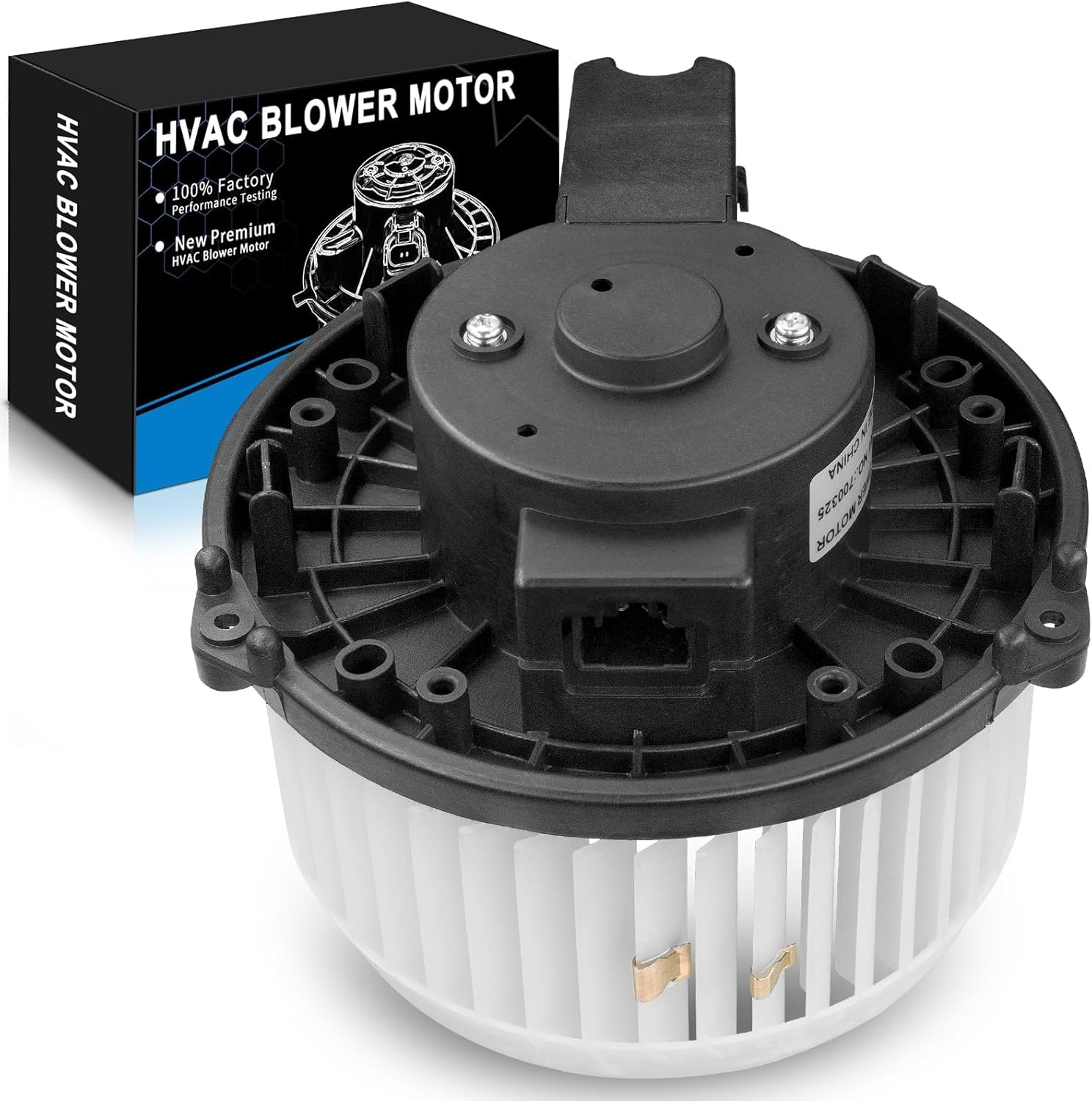
| Fitment | Honda Civic 2016–2019; Accord 2018–2019 |
|---|---|
| Voltage | 12 Volts |
| Power | 260 Watts |
| Speed | 3240 RPM |
This SZKAIDAG blower motor is a direct-fit replacement for the front HVAC unit on specified Honda Civic and Accord model years and is intended to restore normal fan speed and cabin airflow. It installs in place of the factory motor and is used to provide heating, ventilation, and air conditioning at all blower settings. Notable features listed by the manufacturer include a 12V design, 260W power rating, 3,240 RPM speed and a two-pin electrical connector for plug-and-play swap with matching OE parts. The seller emphasizes balance testing, a metal housing with a preinstalled gasket, and packaging to reduce transit damage. Real-world benefits include stronger airflow that clears the cabin faster, comparatively quiet operation at typical driving speeds, and easier DIY replacement thanks to the standard connector and mounting layout. Limitations to expect are variable quality control between units—some buyers reported immediate failures—so confirm fitment and inspect the part on arrival before installation. Also the product documentation suggests checking OE numbers or VIN to ensure exact compatibility with your vehicle.
Best for: Buyers who want a direct-fit, DIY-replaceable blower motor that restores airflow and cabin climate control quickly while preferring parts that reference factory part numbers and test results.
Less Ideal for: If you need a guaranteed long-term commercial warranty or want an upgraded low-noise premium motor beyond factory-level performance, look to branded aftermarket specialists or dealer parts programs instead.
- Made to match listed Honda OE part numbers for straightforward fitment with matching mounts and connector
- Higher power rating (260W) and 3,240 RPM for strong cabin airflow across fan speeds
- Metal housing and preinstalled gasket improve durability and reduce installation prep time
- Manufacturer reports balance and noise testing aimed at quieter operation
- Inconsistent quality reported by some buyers with isolated DOA or short-lived units
- Decibel rating listed around 83.3 dB at spec conditions may still produce noticeable noise at high fan speeds
Verdict: A practical, factory-replacement style blower motor that restores heating and A/C airflow for 2016–2019 Honda Civic and 2018–2019 Accord models with straightforward fitment and solid airflow performance.
7. Vetmor HVAC Heater Blower Motor Assembly with Fan Cage
| Speed | 3600 RPM |
|---|---|
| Voltage | 12 Volts |
| Included Components | HVAC Heater Blower Motor Assembly with Fan Cage |
| Material Type | ABS, Alloy Steel |
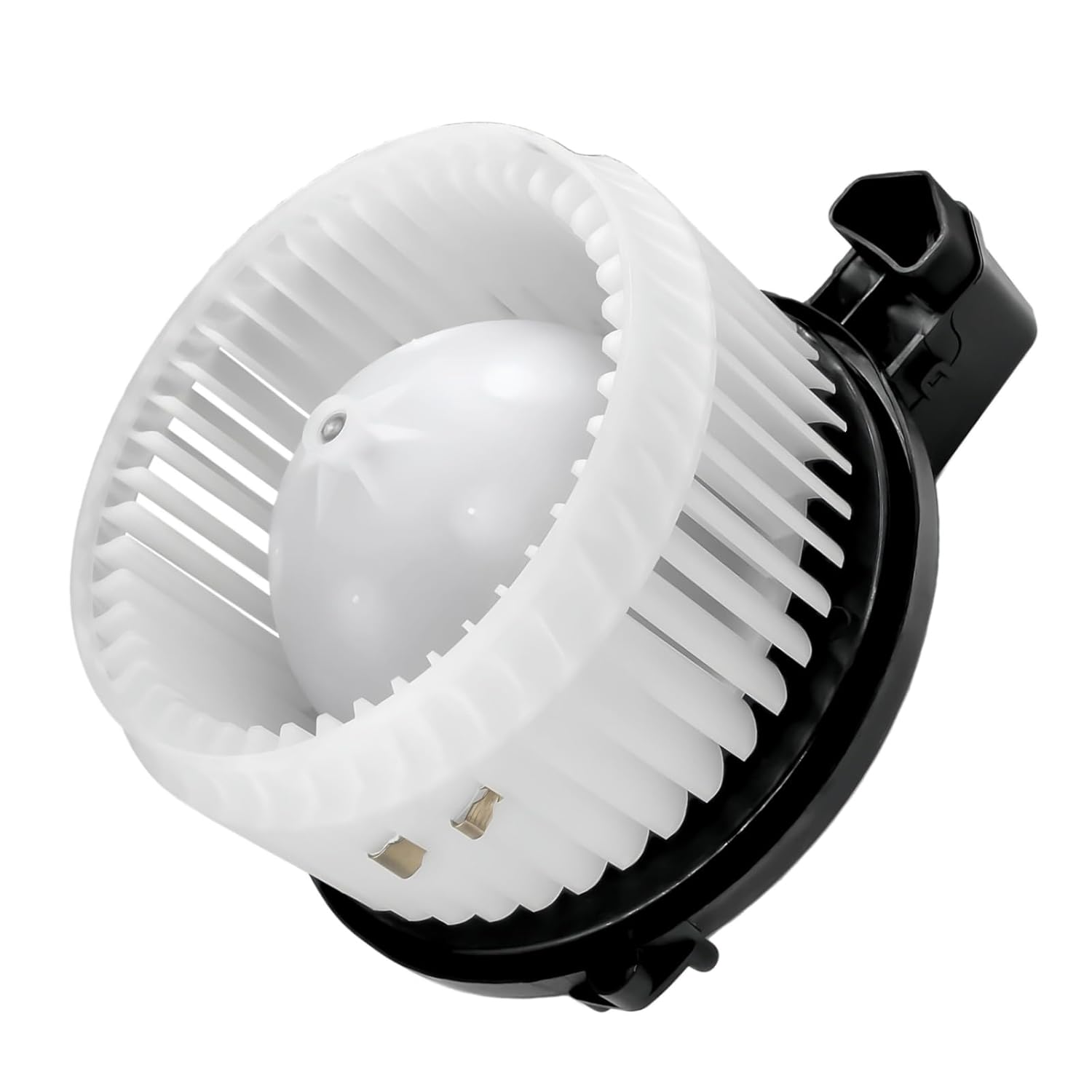
This Vetmor blower motor is a direct-replacement HVAC heater fan assembly intended to restore heating and air conditioning airflow in compatible Honda Civics and Accords. It includes the motor and fan cage and runs on a 12 volt system at a rated 3600 RPM, so it reproduces the function of the factory blower to move air through the cabin vents. The design emphasizes durability with a silicon steel rotor punching plate and enameled copper windings, and the listing states it matches factory dimensions for straightforward installation. In practice this means a relatively simple swap for a homeowner comfortable with basic disassembly or a quick job for a technician. Buyers can expect improved air volume and quieter operation compared with a failing, noisy OEM blower. Limitations are that fitment is vehicle-specific so you should verify compatibility for your exact year and trim, and long-term reliability depends on installation and operating conditions despite the advertised construction materials.
Best for: Buyers who want a cautious, reliable replacement that closely matches factory fit and function and prefer a ready-to-install blower assembly for routine HVAC repairs.
Less Ideal for: People looking for a universal or multi-vehicle blower solution or those wanting a performance-upgrade motor with higher airflow than factory specifications.
- Direct-fit design that matches factory dimensions for easier installation
- Includes fan cage so you receive a complete blower assembly
- Built with silicon steel rotor plate and enameled copper windings for improved durability
- Rated 3600 RPM on a 12 V system to reproduce factory airflow and performance
- Compatibility limited to specific Honda Civic and Accord year ranges so confirmation is required before purchase
- Long-term durability depends on installation quality and vehicle operating conditions
Verdict: A factory-fit replacement blower assembly that restores quiet, consistent HVAC airflow for Honda Civic (2016-2021) owners who want a dependable swap-in part.
Choosing the Right 2016-2021 Honda Civic Blower Motor: Key Factors to Consider
Fitment and Connector Compatibility
Correct fitment is the foundational concern when replacing a blower motor on a 2016-2021 Civic. The motor must match the HVAC housing footprint and mounting holes so it secures without modification. Connector compatibility matters because the factory multi-pin plug and any inline resistors or PWM modules must mate cleanly to preserve variable-speed control.
If the motor uses a different connector or mounting arrangement you may face additional wiring or bracket fabrication. That adds time and potential failure points. Confirming the motor matches the FC and FK chassis mounting and electrical interface minimizes installation time and reduces the chance of electrical faults or intermittent operation.
Airflow Performance and Fan Wheel Design
Airflow output determines how quickly the cabin heats up or cools down and how well the defroster clears the windshield. Look at the fan wheel profile, blade count, and whether the fan is balanced for steady airflow. A properly matched fan wheel avoids reduced performance at lower fan speeds and preserves steady pressure across the HVAC system.
Some blower motors pair with different impeller designs that prioritize either raw cubic feet per minute or quieter, smoother delivery. For the Civic, prioritize systems that maintain adequate airflow through the heater core and evaporator without overloading the motor under higher blower settings.
Noise, Vibration, and Bearing Quality
Cabin noise is a common reason owners replace blower motors. Noise often stems from worn bearings, imbalanced impellers, or poor motor enclosure damping. Motors with sealed ball bearings or higher-quality bushings generally run quieter and last longer than cheap sleeve bearings.
Assess claimed decibel ratings if available and look for motors with balanced impellers and vibration-dampening mounts. Reduced noise improves perceived quality of the HVAC system and lessens driver fatigue, especially during long trips or extensive heater use.
Electrical Load and Speed Control Compatibility
The Civic uses a blower motor control system that varies fan speed through a resistor or PWM module depending on trim and year. The replacement motor must present compatible electrical load characteristics so the factory control module functions across all speed settings without overheating or failing.
Poorly matched motors can cause blown fuses, erratic fan speeds, or loss of certain speed settings. Verifying the motor's amperage draw at typical voltages and ensuring it is rated to work with the Civic's control strategy prevents electrical issues after installation.
Durability and Environmental Resistance
Blower motors sit in the HVAC housing where they can encounter moisture, dust, and temperature cycles. Motors with sealed housings and corrosion-resistant components resist early failure in wet or coastal environments. Protective features like improved brushes, shielded bearings, and moisture seals extend service life.
Durability matters because labor to access and replace the blower motor can be moderate. Choosing a motor with better environmental protection reduces the likelihood of repeat repairs and keeps HVAC performance consistent throughout the vehicle's life.
Serviceability and Installation Effort
Consider how easy the motor is to remove and install in a 2016-2021 Civic. Motors that match the factory mounting pattern and use the stock fasteners shorten installation time and lower the chance of installation errors. Clear access to the blower housing, simple electrical plug-in connectors, and documented installation notes all reduce the technical skill required.
If you plan a DIY replacement, choose a motor that allows removal without dashboard disassembly beyond manufacturer guidance. For shops, ease of access and standardized mounting reduce labor hours and increase the chance of a correct, long-lasting installation.
Common Symptoms That Indicate a Blower Motor Issue
Understanding typical blower motor symptoms helps avoid misdiagnosis. Reduced airflow across all speed settings, a sudden stop of the fan, or loss of one or more speed positions often point to the motor or its electrical control rather than the vents or filters.
Listen for irregular grinding or high-pitched squeal when the fan runs. Intermittent operation that resumes after tapping the dash can indicate worn brushes or loose internal connections. Heat or burning smells when the fan is active suggest excessive electrical draw or seized components that need immediate attention.
- Weak airflow at all speeds
- Fan runs intermittently or not at all
- Loud humming, grinding, or squeaking noises
- Loss of specific fan speed positions
- Burning odor when blower is powered
The Role of the Blower Motor Resistor and Control Modules
The blower motor works alongside the resistor pack or PWM control module to manage fan speeds. On some Civic trims the resistor is the primary means of varying voltage to the motor, while later control systems may use pulse-width modulation. If one speed is lost but others remain, the resistor or control module can be the culprit rather than the motor itself.
When diagnosing HVAC fan problems, isolate whether the issue is mechanical or electrical. Checking voltage at the motor connector across speed settings and inspecting the resistor for signs of overheating will help pinpoint whether you need a motor, a resistor, or both. Remember that installing a motor with incompatible electrical characteristics can replicate the original failure mode.
- One-speed loss often indicates resistor failure
- Full loss of operation may point to the motor or fuse
- Measure voltage at the connector before replacing parts
DIY Replacement Tips for 2016-2021 Civic Owners
Replacing a blower motor on a 2016-2021 Civic typically requires removing lower dash trim or a glove box to access the HVAC housing. Keep the battery disconnected while working on electrical components and take note of the factory connector orientation before unplugging. Label screws and clips to simplify reassembly.
Test the new motor before full reinstallation by briefly powering it at the vehicle connector and confirming correct rotation and speed range. Apply dielectric grease to the connector terminals if they are exposed to prevent corrosion. If you are not comfortable with dash disassembly, seek professional assistance to avoid damaging trim or airbags.
- Disconnect battery before starting work
- Test new motor operation before final mounting
- Use dielectric grease on exposed terminals
- Keep a diagram of removed fasteners for reassembly
Noise Reduction Strategies Without Replacing the Motor
If noise is moderate, first check for debris in the blower wheel and the HVAC intake. Leaves, small stones, or accumulated dust can cause rattles and imbalance. Cleaning the blower wheel and housing can reduce noise and restore smoother airflow.
Inspect mounting grommets and the surrounding trim for deterioration. Replacing worn rubber mounts or adding thin vibration-dampening pads between the motor housing and bracket can reduce transmitted noise. If noise persists after these steps, motor wear or bearing failure likely means replacement is the better long-term solution.
- Clean the blower wheel and housing
- Inspect and replace worn mounting grommets
- Add vibration-damping material where appropriate
- Check the air intake for foreign objects
Matching Performance to Driving Conditions
Think about how you use your Civic when choosing a blower motor. If you frequently use the heater on cold mornings or rely on rapid defrosting, prioritize motors with strong airflow and steady output across speeds. For primarily urban or short-trip driving where quiet cabin comfort is more valued, prioritize motors with lower noise and vibration levels.
Coastal or high-humidity owners should weigh environmental resistance more heavily. A motor with better moisture seals and corrosion-resistant hardware will endure longer under those conditions. Balancing these priorities will help you select a motor that aligns with your daily driving needs.
- Prioritize airflow for cold climates and defrosting
- Prioritize low noise for quiet, comfortable commutes
- Choose better seals for humid or coastal environments
Still looking for the perfect fit?
Select your Honda Civic configuration to see the most relevant Blower Motors recommendations
How We Chose the Best 2016-2021 Honda Civic Blower Motor
We evaluated blower motors for the 2016-2021 Honda Civic using criteria that reflect everyday use and long-term reliability on the FC and FK chassis. Primary filters included correct mechanical and electrical fitment for the Civic HVAC housing and connector type, and verified rotational direction and mounting points to avoid fabrication or modification at installation. We assessed airflow output and static pressure as indicators of heating and cooling effectiveness across fan speed settings. Noise and vibration were prioritized because cabin comfort hinges on low-decibel operation and stable bearings. Durability criteria covered expected service life, motor bearing type, and protection against moisture and dust intrusion. Electrical load and compatibility with the Civic blower motor resistor and control circuitry ensured reliable variable-speed operation.We excluded units that required major harness splicing, extensive body modification, or that lacked documented Civic fitment for the 2016-2021 FC and FK range. The final selection favored units balancing strong airflow, quiet operation, and straightforward blower motor installation for most DIYers and technicians.
Our full evaluation process is outlined in our review methodology.
FAQ
How can I tell if the blower motor or the resistor is failing?
If only one fan speed is lost while others work, the resistor pack is often at fault. If the fan does not run at any speed or stops intermittently, the blower motor itself is a likely cause. Measuring voltage at the motor connector across speed settings helps distinguish between the two.
Is it safe to drive my Civic with a failing blower motor?
Driving with a failing blower motor is usually safe short term, but you may lose heating or defrost capability which can reduce visibility in cold conditions. If you detect burning smells or smoke, stop using the HVAC and have the system inspected to avoid electrical hazards.
Can I replace the blower motor myself on a 2016-2021 Civic?
Many owners can perform the replacement using basic hand tools and following service instructions; the job typically involves removing lower dash panels or the glove box. If you are uncomfortable with electrical connectors or dash trim removal, professional installation reduces the risk of damage.
What causes blower motor noise after installation?
New noise after installation can come from debris trapped in the fan wheel, an imbalanced impeller, or improper mounting that transmits vibration. Verify the impeller is free of debris, check for correct seating in the housing, and confirm mounting grommets are intact.
Should I replace the blower motor and resistor at the same time?
Replacing both can be a prudent preventative step if the resistor shows signs of heat damage or the vehicle has high mileage. However, if testing shows the resistor is functioning and the motor is the only failing component, replacing the motor alone is acceptable.
How long does a typical blower motor last on a Civic?
Lifespan varies by usage and environment but blower motors commonly last many years under normal conditions. Exposure to moisture, debris, and frequent stop-start duty can shorten life. Choosing a motor with sealed bearings and corrosion-resistant features improves longevity.
Will a higher-performance blower motor overload my Civic's electrical system?
A higher-performance motor that draws substantially more current can stress the blower circuit or cause control issues. Verify the amperage draw and ensure compatibility with the Civic control module or resistor to avoid overloading fuses or control components.
Final Verdict
When replacing the blower motor on a 2016-2021 Honda Civic (FC and FK), prioritize correct fitment and electrical compatibility to preserve variable-speed control and avoid installation headaches. Balance airflow needs against noise and durability depending on your climate and driving habits. If you value quick defrosting and strong cabin airflow, favor higher-flow designs that remain within the vehicle's electrical limits; if quiet cabin comfort is paramount, prioritize motors with better bearings and vibration control.Weigh the tradeoffs between airflow, noise, and environmental protection to pick the best option for your Civic. A properly matched blower motor restores reliable HVAC performance and reduces the chance of repeat service, letting you drive comfortably year-round.
Explore More:
- Check out all Honda Civic parts & accessories
- Explore Blower Motors Maintenance & Repair Guides
- Explore HVAC
- Browse all Auto Parts
