

Note: This article contains affiliate links. If you click on these links and make a purchase, I may earn a small commission at no extra cost to you. This helps support my research and content. Read my full affiliate disclosure here.
If your 2004-2008 Ford F-150 shows loose steering, uneven tire wear, or knocking from the front suspension, replacing worn ball joints can restore control and extend component life. This guide walks through the top ball joint options suited to the F-150's front suspension geometry for model years 2004 through 2008, highlighting products chosen for proper fit, durable construction, and straightforward installation.You will find a shortlist of the best ball joints that match factory mounting and load characteristics, along with clear evaluation points used to compare them. The guide also covers installation considerations and symptoms that typically indicate it is time for a replacement. Read on to find the right path to steady steering and safer front-end handling for your truck.
Looking for other parts? See all Ford F-150 parts & accessories.
Top Picks at a Glance
| Best Overall The best all-around choice for most situations | Detroit Axle Front Suspension Kit — 2 Lower Ball Joints & 2 Outer Tie Rod Ends for 2004–2008 Ford F-150 / 2006–2008 Lincoln Mark LT |  |
| Best Quality Built to a higher standard if you want something more solid | MOOG K80149 Front Lower Suspension Ball Joint |  |
| Best Value The sweet spot between price and what you get | Metrix Premium Chassis Parts 2‑Piece Front Lower Ball Joint Kit (K80149) |  |
| Best Budget The cheapest option that still gets the job done reliably | OCPTY Front Lower Ball Joint Kit (2 pieces) for 2004–2008 Ford F-150 |  |
| Highest Rated A top-rated pick with lots of positive feedback | TRQ Front Lower Ball Joint Set (2-piece) for 2004–2008 Ford F-150 |  |
| Most Popular A crowd favorite that many people choose with confidence | Detroit Axle Front Lower Ball Joints (pair) for 2004–2008 Ford F-150 / 2006–2008 Lincoln Mark LT |  |
Detroit Axle Front Suspension Kit — 2 Lower Ball Joints & 2 Outer Tie Rod Ends for 2004–2008 Ford F-150 / 2006–2008 Lincoln Mark LT
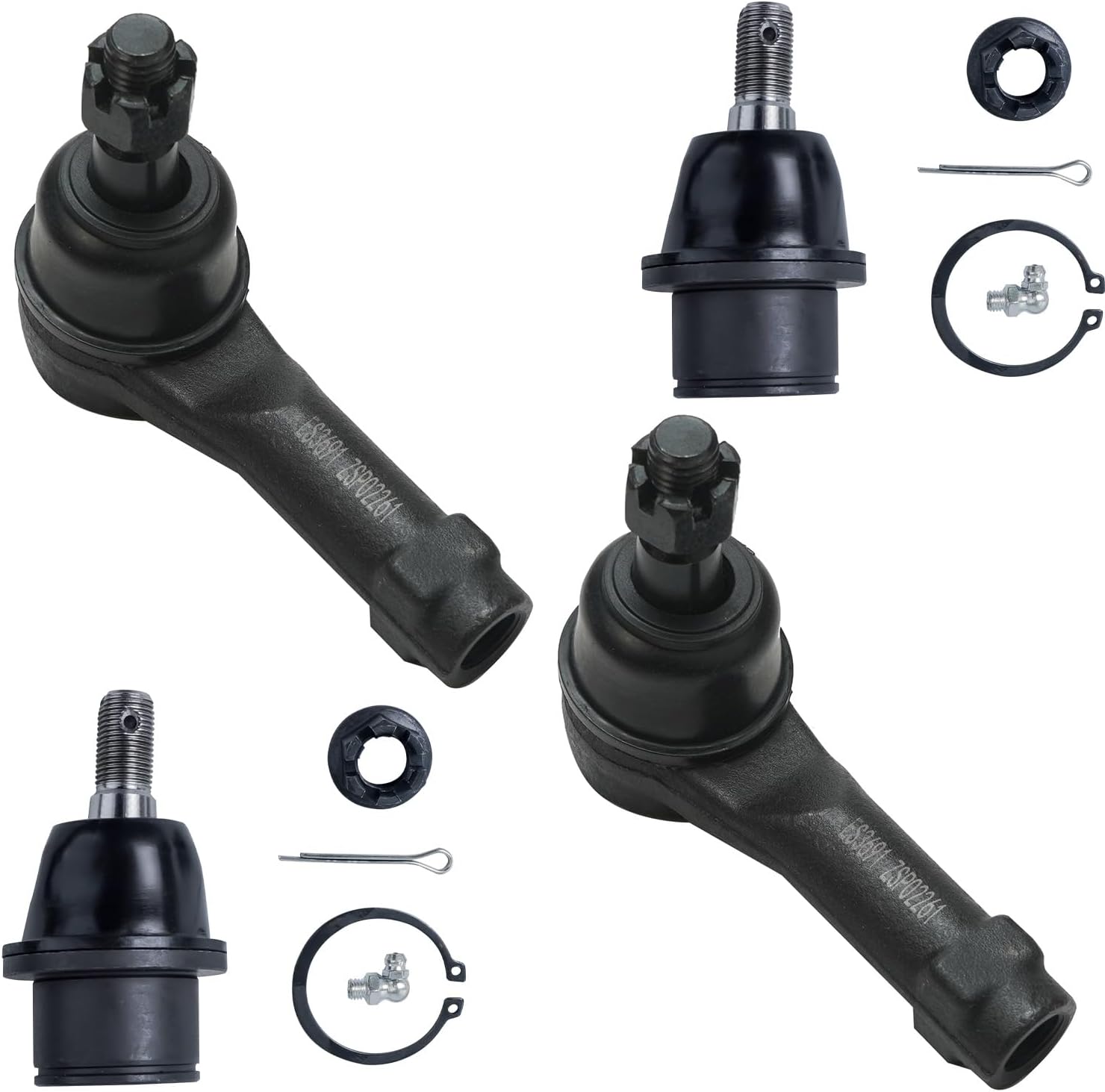
| Fitment | 2004–2008 Ford F-150; 2006–2008 Lincoln Mark LT |
|---|---|
| Kit contents | 2 front lower ball joints, 2 front outer tie rod ends |
| Material | Premium alloy |
| Manufacturer | Detroit Axle |
| Manufacturer Part Number | 80088-4 |
This Detroit Axle kit supplies two front lower ball joints and two outer tie rod ends as a direct-fit replacement for 2004–2008 Ford F-150 and 2006–2008 Lincoln Mark LT vehicles. Designed for DIY or shop installation, the parts are finished from premium alloy and engineered for structural strength so they resist corrosion and handle repeated road impacts. Buyers will appreciate that the kit bundles common wear items needed when addressing front-end play or steering looseness, and included fasteners simplify a single-job swap. Practical benefits include improved steering feel after installation and compatibility with standard alignment procedures. Limitations to note: some buyers report fitment variance on nonlisted vehicles and occasional packaging or missing small items, so check each component before starting the job. These are aftermarket replacements aimed at value and reasonable longevity rather than upgraded performance components, so expect factory-quality fit and function but not a heavy-duty performance enhancement.
Best for: Buyers who want a balanced, value-focused solution to restore steering response and front-end stability on the specified Ford F-150/Lincoln Mark LT models and prefer a kit that handles the common worn components in one job.
Less Ideal for: Drivers seeking heavy-duty performance upgrades, motorsports parts, or solutions for vehicles outside the exact fitment range should look at dedicated performance or model-specific alternatives.
- Direct-fit design for 2004–2008 Ford F-150 and 2006–2008 Lincoln Mark LT to simplify installation
- Kit bundles two lower ball joints and two outer tie rod ends so common front-end wear parts are replaced together
- Premium alloy construction and reinforced structure for corrosion resistance and durability
- Includes hardware needed for installation to reduce trips for missing fasteners
- Some users reported part-to-vehicle fit issues on non-specified models or tight clearances requiring verification before install
- Not an upgraded performance or heavy-duty part set; intended as a factory-quality replacement
Verdict: A practical, factory-quality replacement kit that refreshes steering and front suspension wear items on 2004–2008 F-150s with straightforward fit and good value.
MOOG K80149 Front Lower Suspension Ball Joint
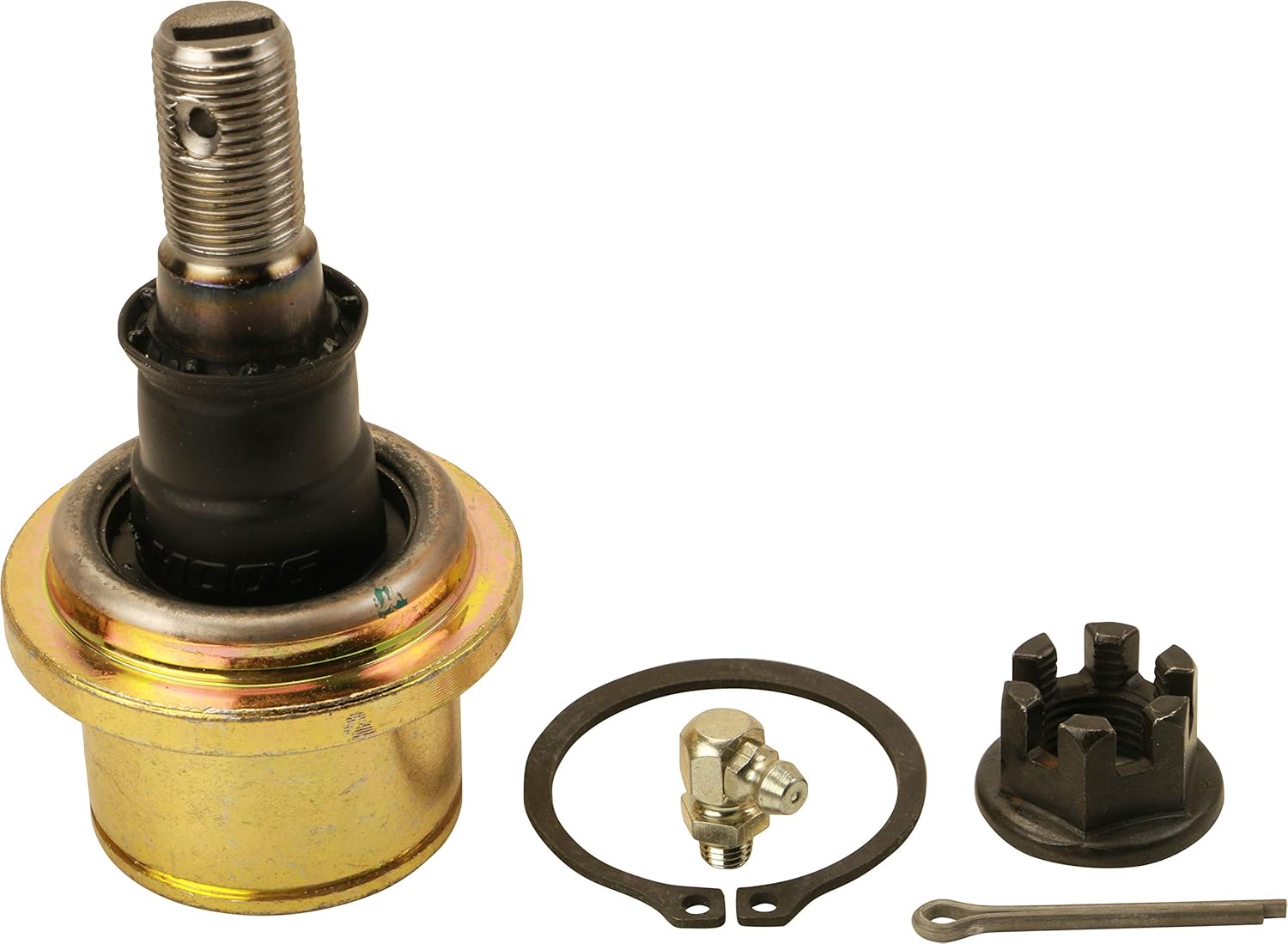
| Position | Front |
|---|---|
| Brand | MOOG |
| Model | K80149 |
| Manufacturer Part Number | K80149 |
| Compatible Vehicles | 2004-2008 Ford F-150 (as listed) |
The MOOG K80149 is a front lower suspension ball joint engineered to replace worn units on 2004–2008 Ford F-150s. It restores the controlled pivoting between the control arm and steering knuckle so steering response and alignment are consistent again. Installation is typical for press-fit lower joints and the part includes the necessary hardware; many installers report a straightforward press-in job with basic shop tools or a hydraulic press. The joint is serviceable with a grease fitting, allowing periodic lubrication to extend service life. MOOG emphasizes durable materials and testing, which translates to a robust feel on the road and stable handling during everyday and spirited driving. Limitations are the usual ones for this style: press-in installation can require a shop or heavy tools, and long-term life will depend on installation quality and maintenance. For performance-minded drivers wanting predictable steering feel and repeatable suspension geometry, this is a solid factory-quality replacement that accepts routine greasing for durability.
Best for: Buyers who prioritize restoring precise steering and suspension behavior on a 2004–2008 Ford F-150 and value a serviceable, durable replacement that can be greased for longevity.
Less Ideal for: If you need a quick bolt-on aftermarket upgrade that requires no press tools or want a high-lift or modified-suspension specific joint, this standard replacement is not the best choice.
- Factory-quality construction for reliable steering feel and suspension control
- Includes hardware and fits specified F-150 fitment to simplify replacement
- Greaseable design lets you refresh lubrication to prolong service life
- Durable build intended to handle everyday and performance-oriented driving
- Press-fit installation typically requires a press or professional shop rather than a simple bolt-on job
Verdict: Choose the MOOG K80149 if you want a factory-quality, greaseable front lower ball joint that restores precise steering and lasting performance on a 2004–2008 Ford F-150.
Metrix Premium Chassis Parts 2‑Piece Front Lower Ball Joint Kit (K80149)
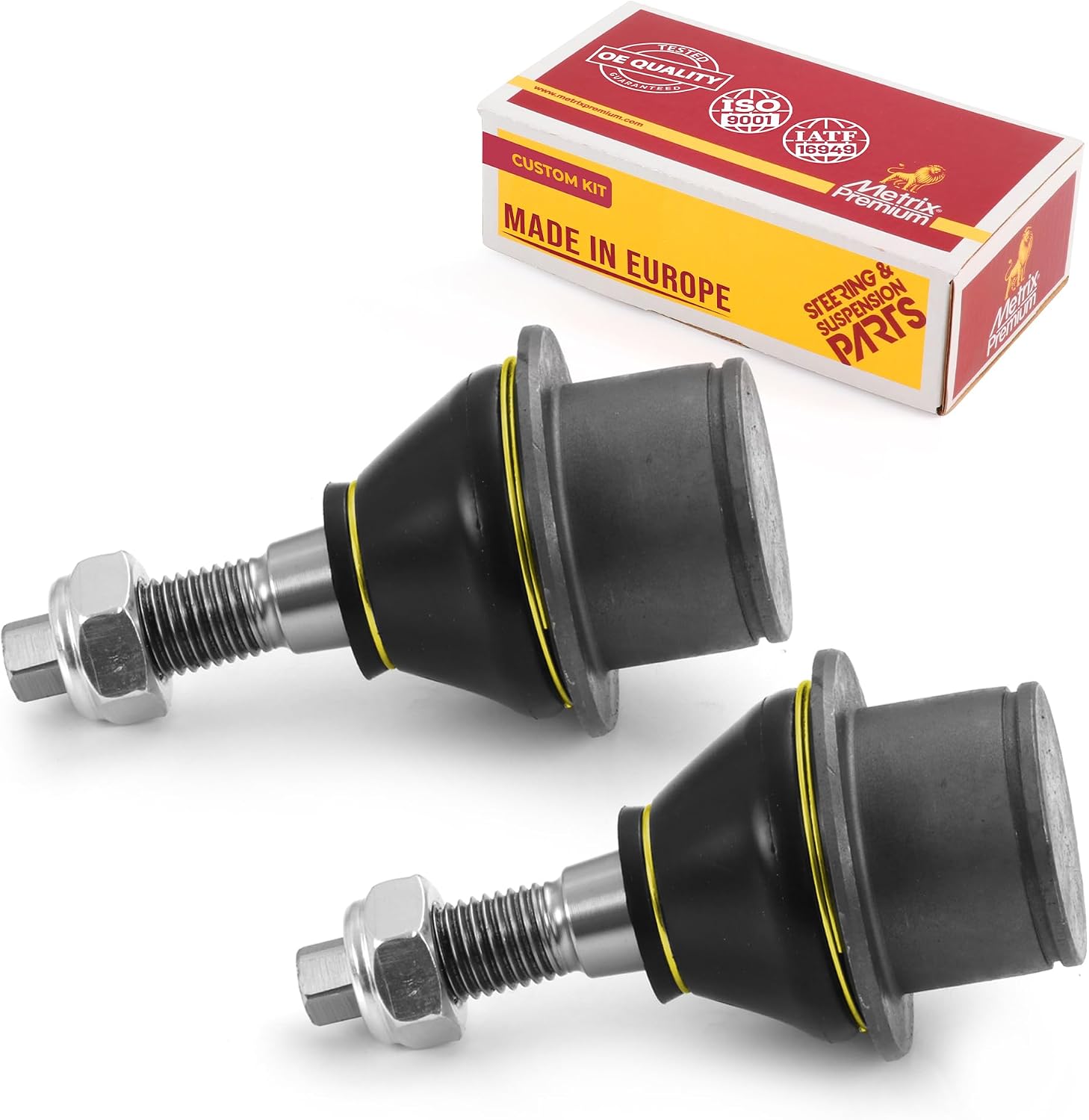
| Position | Front Lower |
|---|---|
| Quantity | 2 pieces |
| Material | Steel |
| Pre-greased | Yes |
| Manufacturer Part Number | 98815MT |
This Metrix two‑piece front lower ball joint kit replaces the factory lower ball joints on 2004–2008 Ford F-150 trucks. The parts arrive pre-greased and are marketed as greasable, so you can top them up during servicing to extend life. Constructed from steel with machined exterior surfaces and corrosion protection, the joints are built to match factory fit and steering geometry, so installation is straightforward for a competent DIYer or pro mechanic. In use they restore steering tightness and reduce play that causes clunks, uneven tire wear, and steering vibration. The kit is part‑specific and comes as a pair for both sides of the axle, which simplifies ordering and replacement. Expect the usual front‑suspension service steps: removal with a ball‑joint press or separator and a post‑install alignment. Limits to note are that these are direct replacement structural parts, not performance upgrades, and longevity depends on regular greasing and proper installation; heavy off‑road abuse or neglected maintenance will shorten service life.
Best for: Buyers who want a practical, factory‑fit replacement to restore steering feel and eliminate play on a 2004–2008 Ford F-150, prioritizing straightforward installation and maintainability.
Less Ideal for: Drivers seeking heavy-duty or performance ball joints for severe off-road use or significantly modified suspensions should consider specialized heavy‑duty options instead.
- Vehicle-specific fit for 2004–2008 Ford F-150 front lower location for straightforward replacement
- Pre-greased and greasable design allows periodic maintenance to extend service life
- Machined steel construction with corrosion protection for durable, factory-quality fit
- Sold as a two-piece kit so both left and right front lower joints are replaced together
- Not a performance upgrade; designed strictly as a factory-style replacement
- Requires a ball‑joint press or proper tools for safe removal and installation
Verdict: A practical, factory-fit two-piece front lower ball joint kit that restores steering tightness on 2004–2008 Ford F-150s while allowing simple greased maintenance.
OCPTY Front Lower Ball Joint Kit (2 pieces) for 2004–2008 Ford F-150

| Fitment | 2004–2008 Ford F-150 (front lower) |
|---|---|
| Material | Forged steel with plastic insert |
| Quantity | 2 pieces per kit |
| Finish | Phosphatized, pre-greased |
This OCPTY kit supplies two front lower ball joints intended as direct replacements for the front suspension on 2004–2008 Ford F-150 trucks. The joints are forged steel with a plastic insert and come pre-greased and phosphatized for corrosion resistance. Installation is the typical press-fit job for lower ball joints and the kit is aimed at owners doing a budget repair or routine suspension refresh. In practical use the parts restore steering stability and reduce play when the worn joints are replaced, and several buyers report fitment that matches factory parts and straightforward installation. Build quality is inconsistent across reviews: many users find the pieces perfectly serviceable and good value, while a minority reported thin metal that failed during installation, so careful handling and a proper press tool are important. This kit is useful for replacing worn ball joints on an older F-150 without paying for premium aftermarket brands, but expect variability versus higher-cost alternatives.
Best for: Shoppers focused on an affordable, DIY repair to get a 2004–2008 F-150 back to firm steering feel and acceptable suspension performance without buying premium parts.
Less Ideal for: Buyers who prioritize guaranteed long-term durability or need parts for professional shop resale should consider higher-end brands with stronger quality consistency.
- Made from forged steel with phosphatized finish for corrosion resistance
- Supplied pre-greased and designed as direct fit for 2004–2008 F-150 front lower position
- Comes as a two-piece kit so both sides can be replaced at once
- Affordable option that restores steering stability and reduces play
- Quality control appears uneven; some reports of thin metal or breakage during press-in installation
Verdict: A budget-friendly replacement kit that restores front-end feel on a 2004–2008 F-150 for DIY repairs when you want acceptable performance without premium cost.
TRQ Front Lower Ball Joint Set (2-piece) for 2004–2008 Ford F-150
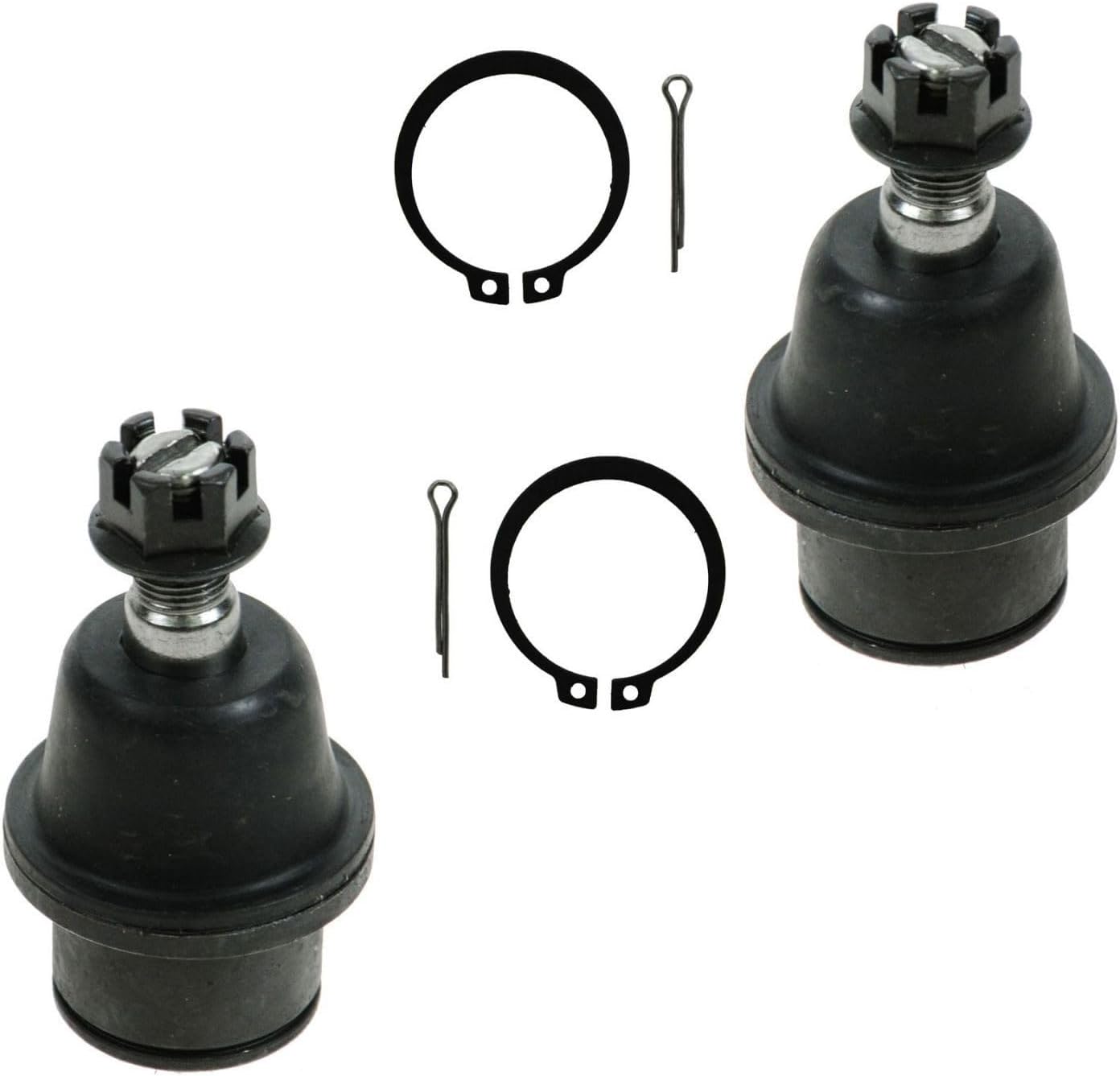
| Position | Front Lower |
|---|---|
| Quantity | 2 Piece |
| Manufacturer | TRQ |
| Manufacturer Part Number | PSA63226 |
This TRQ kit supplies the driver and passenger front lower ball joints meant to replace worn units on 2004–2008 Ford F-150 trucks. Intended as a direct-fit replacement, the machined housings and included hardware are aimed at restoring tight steering and reducing suspension noise. Typical use is a front-end suspension refresh during routine wear repair; installers report a snug press fit and an improvement in steering response and ride quietness after swap. Notable inclusions are the matched pair for both sides and factory-style machined exterior for consistent fitment. Practical benefits include straightforward installation for experienced DIYers or shops and the ability to correct play or squeaks without replacing control arms. Important limitations: a minority of buyers report fitment differences that required additional washers or adjustments to secure the nut and cotter pin, so careful pre-check of fit and torque clearance is recommended before final installation. If you need step-by-step help, TRQ publishes installation videos to guide the job.
Best for: Buyers who prioritize restoring dependable steering feel and stopping suspension noise on a 2004–2008 Ford F-150 and prefer a direct-fit replacement they can install or have installed by a shop.
Less Ideal for: If you want an exact factory-identical reproduction without verifying fit first or you lack access to a press or professional installation, consider having a shop confirm fitment before purchase.
- Direct-fit replacement pair for front lower driver and passenger sides on 2004–2008 Ford F-150
- Machined exterior finish for consistent seating and a tight press-fit
- Includes both sides and necessary hardware to complete the lower ball joint swap
- Manufacturer provides installation videos to assist DIY installation
- Some units have reported dimensional differences requiring minor shimming or washer adjustments to properly torque the nut and install the cotter pin
Verdict: A practical, factory-style two-piece replacement that restores steering tightness and reduces front-end noise on 2004–2008 Ford F-150s.
Detroit Axle Front Lower Ball Joints (pair) for 2004–2008 Ford F-150 / 2006–2008 Lincoln Mark LT

| Fitment | 2004–2008 Ford F-150; 2006–2008 Lincoln Mark LT |
|---|---|
| Position | Front lower |
| Kit contents | 2x front lower ball joints with hardware |
| Manufacturer | Detroit Axle |
| Manufacturer part number | K80149 x2 |
These Detroit Axle front lower ball joints are a budget-focused, direct-fit replacement sold as a two-piece kit for the specified 2004–2008 Ford F-150 and 2006–2008 Lincoln Mark LT applications. They serve the basic function of restoring lower suspension pivoting and steering stability after worn stock joints. The parts are marketed as manufactured to meet factory-style fit, form, and function and ship with the necessary hardware for a straightforward install. Buyers will appreciate the premium alloy and reinforced structure described by the maker, which aim to resist corrosion and repeated impact loads. Owner feedback shows generally good fitment and quiet operation after installation, though there are occasional reports of inconsistent manufacturing tolerances and limited grease in sealed examples. That means these are a sensible, cost-effective repair for everyday drivers who want reliable replacement without the higher cost of OEM parts, but those who need long-term heavy-duty durability or tight shop-level tolerances may prefer a higher-end or OEM option.
Best for: Buyers seeking an affordable, ready-to-install replacement to restore steering feel and suspension function with plenty of user feedback supporting typical performance.
Less Ideal for: Avoid this if you need a heavy-duty, long-life upgrade for severe off-road use or if you require guaranteed shop-grade tolerances and OEM-level longevity.
- Direct-fit design for specified Ford F-150 and Lincoln Mark LT years simplifies installation
- Sold as a two-piece kit with hardware so both sides are replaced at once
- Manufacturer claims premium alloy and reinforced structure for corrosion and impact resistance
- Well-reviewed by many owners for quiet operation and acceptable quality for the price
- Some users report variable fitment tolerances that required additional work to secure the joint
- A few units appear to have limited factory grease and no service fitting on sealed versions
Verdict: A cost-conscious, direct-fit replacement that restores front lower suspension function on the specified F-150/Mark LT models with solid real-world reviews.
Choosing the Right 2004-2008 Ford F-150 Ball Joint: Key Factors to Consider
Fitment and Mounting Type
Accurate fitment is the single most important factor because the 2004-2008 F-150 uses specific front suspension geometry where ball joint mounting, stud orientation, and spline counts must match factory locations. Mismatched fit can cause premature wear, poor alignment, or interference with control arm travel.
Understand whether your truck requires a press-in lower ball joint or a bolt-in upper unit and confirm the part maps against the 2004-2008 F-150 chassis notes. Some replacement units are direct OEM-style swaps while others use conversion designs that require additional hardware. Choosing the correct mounting type reduces installation time and ensures steering and camber settings stay within service limits.
Material Quality and Heat Treatment
Ball joints endure high cycle loads and friction; materials and heat-treated surfaces strongly influence longevity. Look for hardened steel studs and housings with visible signs of durable finishing that resist galling and wear under load.
Quality heat treatment on the ball stud reduces deformation and helps maintain the precise fit between the stud and socket. Corrosion-resistant coatings on external surfaces and plated threads help protect parts exposed beneath the vehicle. Inferior metals or inadequate heat treatment can accelerate play and lead to early replacement.
Seal and Boot Design
A robust dust boot and seal are critical because contamination drives most premature failures. For the F-150, road grime, salt, and moisture can work into joints if seals are thin or poorly retained. Prefer units with integrated, double-lip boots or reinforced polymer designs that stay seated during control arm movement.
Good boots maintain grease retention and keep abrasive particles out of the bearing surface. Some replacement joints include grease fittings for periodic service; this can extend life on trucks used in harsh conditions. A secure boot also helps prevent the need for repeat replacements within a few seasons.
Preload and Bearing Precision
Proper internal preload and tight manufacturing tolerances limit slop that translates to steering looseness or uneven tire wear. For the 2004-2008 F-150, precise bearing clearance ensures predictable steering feedback under load and reduces steering wander at highway speeds.
Units with controlled tolerances maintain a consistent contact pattern between the ball and socket, reducing micro-motion that causes noise and vibration. If preload is too light, you will feel looseness; if too heavy, you get binding and accelerated wear. Aim for replacements that specify factory-equivalent tolerances or adjustable preload where applicable.
Serviceability and Installation Requirements
How you plan to replace the ball joint matters to the final decision. Some replacements are bolt-in and require standard hand tools, while others are press-fit and need a ball joint press tool or a hydraulic press. For independent DIYers, bolt-in or greaseable options minimize the need for specialty tools.
Consider whether you will reuse the control arm, need to remove the knuckle, or have to separate tie rod ends and sway bar links. Units that reduce disassembly time help lower labor and make future maintenance simpler. Also check if a new castle nut, cotter pin, or alignment will be required after installation.
Warranty and Expected Service Life
Warranty terms give insight into the manufacturer's confidence and expected durability for normal use on a 2004-2008 F-150. Longer-term coverage often correlates with better materials and factory controls. Pay attention to whether the warranty covers premature wear or corrosion.
Consider typical service intervals and the driving conditions your truck faces. Trucks used for towing, heavy loads, or frequent off-road use will shorten the life of a ball joint, so prioritize options with proven longevity and clear warranty support tailored to those usage patterns.
Identifying Ball Joint Symptoms on a 2004-2008 F-150
Knowing the common symptoms helps you decide whether to inspect or replace a ball joint. Typical signs on a 2004-2008 F-150 include a loose or vague steering feel, clunking sounds when going over bumps, and uneven or accelerated tire wear on the front tires.
Wheel vibration at speed that comes from the front end can also point to a worn ball joint, especially when the vibration changes with steering input or road surface. A visual inspection will often show a torn dust boot or excessive play when the wheel is lifted and the control arm is manipulated.
- Clunking or knocking when driving over bumps
- Loose steering or wandering at highway speeds
- Uneven front tire wear
- Visible torn or deteriorated dust boots
- Excessive vertical play when checking the wheel by hand
Installation Options and Typical Workshop Steps
Replacement approach depends on whether the ball joint is a press-in lower unit or a bolt-in upper unit. Common steps include safely supporting the truck, removing the wheel and brake components as needed, separating the ball joint from the steering knuckle, and installing the new unit with correct torque and retaining hardware.
For press-fit joints you will likely need a ball joint press tool or hydraulic press to remove and seat the joint. Bolt-in types simplify the procedure but still require attention to torque specs, new fasteners where recommended, and a final alignment check after reassembly.
- Always support the vehicle securely and follow safe jacking points
- Replace worn cotter pins and castle nuts when required
- Re-torque hardware to factory specifications and inspect suspension bushings during service
- Perform a wheel alignment after replacing front suspension components
Greaseable Vs Sealed Ball Joints: Tradeoffs for F-150 Owners
Greaseable ball joints offer the advantage of periodic lubrication, which can extend service life under heavy use and in off-road conditions. For a 2004-2008 F-150 that sees seasonal dirt, towing, or heavy hauling, the ability to add grease through a zerk fitting may give a meaningful durability benefit.
Sealed joints require no maintenance and are often easier to install, but once the seal fails the entire joint typically needs replacement. Consider your driving conditions and maintenance preferences when choosing between these styles.
- Greaseable: longer service life with periodic maintenance, requires access to fittings
- Sealed: maintenance-free until failure, simpler initial installation
- If you drive in corrosive or very dirty environments, greaseable units can delay replacement
Tools and Workshop Prep for a Smooth Replacement
Preparing the right tools speeds the job and avoids damage. Basic items include a quality ball joint press tool or C-clamp style removal kit for press-fit joints, a torque wrench, breaker bar, and common hand tools. A service manual or shop guide for the 2004-2008 F-150 provides torque specs and disassembly sequences.
If you plan to do the work at home, inspect the condition of the control arm, knuckle, and related bushings while you have components apart. Replacing ancillary worn parts during the same service saves labor later and helps restore correct suspension geometry.
- Ball joint press tool or hydraulic press for press-fit jobs
- Torque wrench for final fastener tightening
- Pry bars, pickle forks, and appropriate sockets for separation
- Service manual or access to factory torque and sequence data
When to Replace Upper Versus Lower Ball Joints
The F-150 front suspension can use both upper and lower ball joints depending on trim and axle configuration. Typically the lower joints carry more load and exhibit wear first, showing heavier play or more pronounced clunks. Upper joints often show play after the lower joints are already worn.
Inspect both upper and lower joints together; if one is significantly worn it is common practice to replace the mating joint or related control arm bushings to ensure balanced handling and predictable steering characteristics after service.
- Lower joints usually wear faster due to higher load and impact stresses
- Replace both sides on an axle where practical to maintain balanced steering
- Consider replacing related hardware like nuts, cotter pins, and dust boots during service
Still looking for the perfect fit?
Select your Ford F-150 configuration to see the most relevant Ball Joints recommendations
How We Chose the Best 2004-2008 Ford F-150 Ball Joint
We focused on criteria that matter specifically for 2004-2008 Ford F-150 owners when selecting ball joints. Primary filters included precise OEM-equivalent fitment for the F-150 front suspension and published load ratings that match or exceed factory specifications. Durability was judged by materials and sealing details, such as hardened ball studs, heat-treated housings, and high-quality dust boots to resist dirt and corrosion.Installation practicality was another key factor. We preferred ball joints that support common replacement methods for this truck, including bolt-in and press-in fitments that align with available front lower and upper control arm service procedures. Replacement friendliness also meant considering whether common ball joint press tools or basic mechanic tools handle the job without extensive disassembly.Ride and steering behavior were checked for expected performance: units that minimize play and reduce wheel vibration typically score higher. Warranty coverage and documented service life rounded out the evaluation. Exclusions: we did not include items that lack clear F-150 2004-2008 fitment data, generic universal ball joints, or components intended only for competition or lifted applications that do not match stock geometry.
Our full evaluation process is outlined in our review methodology.
FAQ
How do I check ball joint play on my 2004-2008 F-150?
Lift the front wheel off the ground and support the truck safely. Grasp the wheel at 12 and 6 o'clock and try to rock it in and out; vertical play may indicate a worn joint. You can also raise the control arm with a jack and see if there is lateral or vertical movement at the ball joint stud.
Can I replace a ball joint without removing the control arm?
It depends on whether the replacement is bolt-in or press-in. Some bolt-in designs allow replacement without removing the control arm, while most press-fit lower joints require pressing the joint in and out, which often means more disassembly. Assess the repair method before starting to know what parts of the suspension must be removed.
Will replacing ball joints affect wheel alignment on the F-150?
Replacing front ball joints can change alignment settings because they affect wheel location and toe. It is recommended to check and, if necessary, realign the front end after replacing ball joints to ensure even tire wear and correct steering behavior.
Are greaseable ball joints necessary for trucks used off-road or towing?
Greaseable joints can extend service life in harsh conditions by allowing periodic lubrication to flush contaminants and replenish grease. For trucks used frequently off-road or for towing, greaseable options often provide better longevity compared with sealed units.
How soon after installation should I recheck the hardware and alignment?
Recheck torque on accessible fasteners after the first 50 to 100 miles of driving, and have a full alignment performed immediately after installation. Early inspections confirm that nothing has loosened during initial use and that steering geometry is within specification.
Final Verdict
When replacing ball joints on a 2004-2008 Ford F-150, prioritize correct fitment, durable materials, and proper sealing to restore steering precision and reduce wheel vibration. Decide between greaseable and sealed units based on your driving conditions and maintenance willingness.Focus on options that match the F-150's mounting type and expected load, and plan the installation with the right tools and an alignment check. Balancing longevity, ease of installation, and serviceability will help you choose a solution that keeps the truck handling safely for many miles.
Explore More:
- Check out all Ford F-150 parts & accessories
- Explore Ball Joints Maintenance & Repair Guides
- Explore Suspension & Steering
- Browse all Auto Parts
