

Note: This article contains affiliate links. If you click on these links and make a purchase, I may earn a small commission at no extra cost to you. This helps support my research and content. Read my full affiliate disclosure here.
If you own a 2002-2006 Honda CR-V and are noticing looseness, uneven tire wear, or vibration through the steering, worn ball joints are a common cause. Choosing the right 2002-2006 Honda CR-V ball joint matters because correct fit and proper durability restore safe steering geometry and extend suspension life.This guide covers a curated shortlist of the top ball joints for the 2002-2006 CR-V, explaining why each was chosen and the practical tradeoffs to expect. We evaluate fitment, construction, and serviceability so you can select a replacement that matches how you use the vehicle. Read on for the key considerations before you replace a ball joint and clear guidance to move forward.
Looking for other parts? See all Honda CR-V parts & accessories.
Top Picks at a Glance
| Best Overall The best all-around choice for most situations | Detroit Axle Front 4pc Suspension Kit for 2002–2006 Honda CR-V (2 Lower Control Arms, 2 Lower Ball Joints) |  |
| Best Quality Built to a higher standard if you want something more solid | MOOG K80223 Front Lower Suspension Ball Joint (Lower) |  |
| Best Value The sweet spot between price and what you get | TRQ Front Lower Driver & Passenger Side Ball Joint Set for 2002–2006 Honda CR-V |  |
| Best Budget The cheapest option that still gets the job done reliably | PM Auto Front Lower Suspension Ball Joint (fits 2002–2006 Honda CR-V) |  |
| Highest Rated A top-rated pick with lots of positive feedback | Metrix Premium Chassis Parts Front Lower Ball Joint Kit (2 pc) for 2002–2006 Honda CR-V |  |
| Most Popular A crowd favorite that many people choose with confidence | Detroit Axle Front Suspension 12‑Piece Kit for 2002–2006 Honda CR-V |  |
| Best Seller A high-volume bestseller chosen again and again | Aeagle Front Lower Control Arm and Ball Joint Suspension Kit for Honda CR-V 2002–2006 (6‑Piece) |  |
1. Detroit Axle Front 4pc Suspension Kit for 2002–2006 Honda CR-V (2 Lower Control Arms, 2 Lower Ball Joints)

| Fitment | 2002-2006 Honda CR-V |
|---|---|
| Kit contents | 2x Front Lower Control Arms, 2x Front Lower Ball Joints |
| Position | Front |
| Manufacturer | Detroit Axle |
| Manufacturer Part Number | 80033-4A |
This Detroit Axle front suspension kit supplies two front lower control arms and two lower ball joints as a direct-fit replacement for 2002–2006 Honda CR-Vs. It is intended for typical DIY repairs or shop installs where both control arms and ball joints need replacement at once. The control arms are described as a premium alloy construction with enhanced structural strength and corrosion resistance, which should help with longevity and consistent handling after installation. Because the parts are built to match factory fit and mounting points, installation is straightforward with common suspension tools and alignment recommended afterward. Practical benefits include restoring steering precision and eliminating play or noise from worn lower joints. The kit is vehicle-specific so you get matching components sized for the CR-V suspension geometry. Limitations are that it is a basic replacement kit without upgraded performance features such as heavy-duty bushings or greaseable ball joints, so drivers seeking performance or offroad durability may want specialized parts instead.
Best for: Buyers who want a single, vehicle-specific kit to replace worn lower control arms and ball joints and prioritize straightforward installation and restored everyday driving feel.
Less Ideal for: Not the best choice for drivers seeking performance upgrades or heavy-duty parts for severe offroad use; specialist components would be more appropriate.
- Complete front lower suspension replacement kit includes both control arms and lower ball joints for matching fitment
- Direct-fit design simplifies installation and preserves factory mounting locations
- Premium alloy construction claimed to resist wear and corrosion for longer service life
- Engineered structural strength to handle repeated impact loads and restore stable handling
- Does not include upgraded or serviceable ball joint designs for high-mileage offroad use
Verdict: A convenient, factory-style front lower control arm and ball joint kit that restores steering feel and fitment on 2002–2006 Honda CR-Vs.
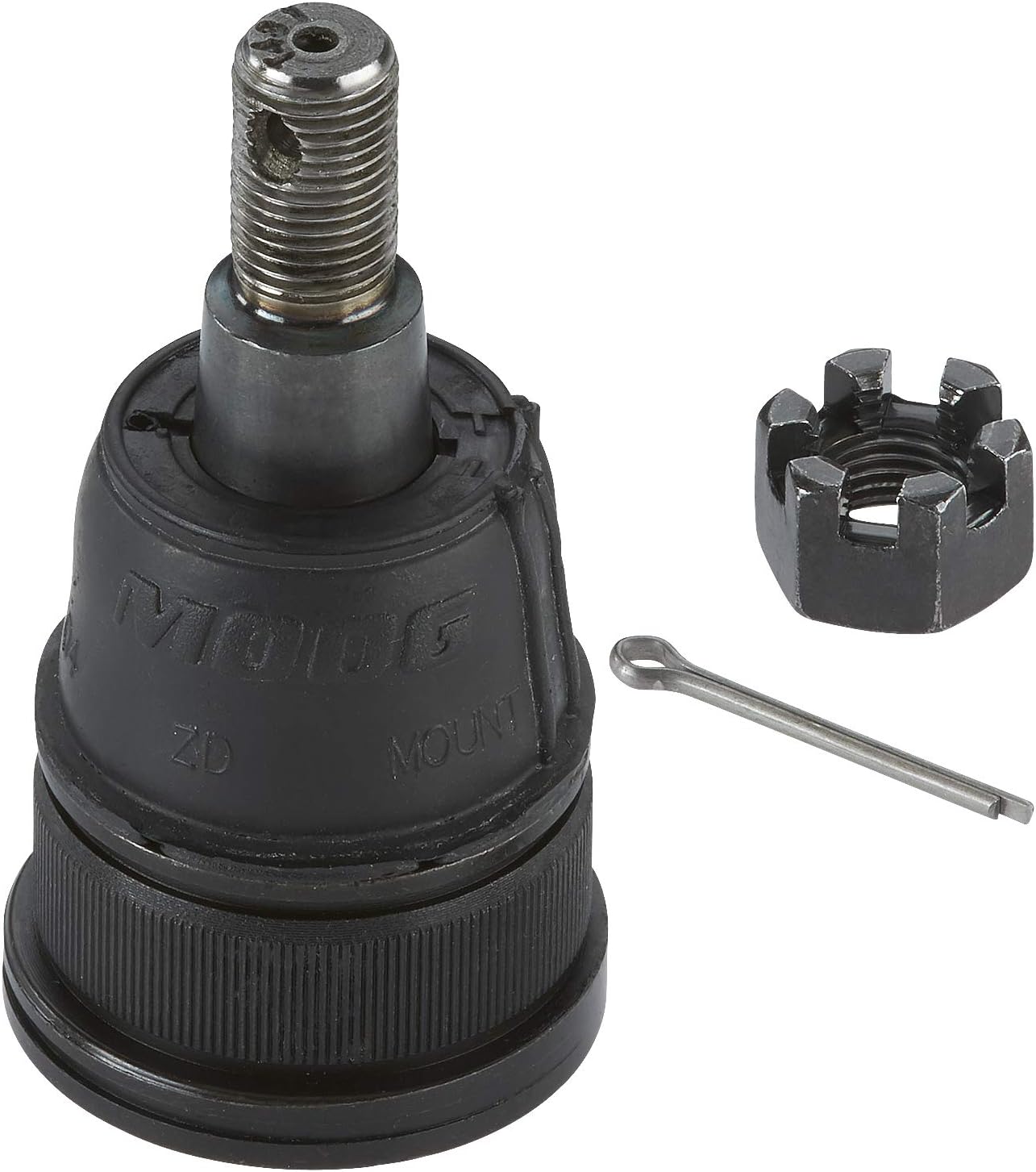
2. MOOG K80223 Front Lower Suspension Ball Joint (Lower)
| Position | Lower |
|---|---|
| Manufacturer | MOOG Chassis Products |
| Model | BALL JOINT |
| Item model number | K80223 |
The MOOG K80223 front lower ball joint is a direct-fit replacement designed for the 2002–2006 Honda CR-V and similar Honda applications. It replaces the lower control arm pivot with a heat-treated ball stud and a pressed-in cover plate to keep contaminants out and reduce looseness. Typical use is as a factory-style replacement during front suspension repairs or when steering looseness, uneven inner tire wear, or front-end vibration indicate worn joints. Notable features include a greasable socket on applicable versions, a gusher-style bearing for consistent grease distribution, and precision tolerances that ease alignment after installation. In practice this means firmer steering feel and longer service life compared with generic aftermarket units, but installation often requires a ball-joint press and Honda-specific adapters. Some buyers report occasional fitment or early-looseness issues, so verify fit and inspect parts before installation. If you plan to DIY, budget for the press rental and allow time for careful pressing to avoid hub or spindle damage.
Best for: A buyer who prioritizes steering precision and durable, problem-solver chassis parts for a 2002–2006 CR-V and is willing to handle or pay for proper press installation.
Less Ideal for: Drivers who want a plug-and-play part that can be hammered into place without tools or those unwilling to verify fitment before installation.
- Engineered ball stud heat treated to match or exceed factory strength for improved fatigue resistance
- Pressed-in cover plate seals out debris to limit looseness and bearing wear
- Gusher bearing design and greasable socket (where applicable) promote smoother movement and longer life
- Precision tolerances for a fit that simplifies alignment after installation
- Requires a ball-joint press and correct adapters for installation which adds time and possible rental cost
- Some reported fitment inconsistencies and occasional early loosening in a minority of units
Verdict: Choose this MOOG lower ball joint when you want a factory-style, problem-solver replacement that improves steering feel and longevity for 2002–2006 Honda CR-Vs.
3. TRQ Front Lower Driver & Passenger Side Ball Joint Set for 2002–2006 Honda CR-V

| Fitment | 2002–2006 Honda CR-V front lower driver & passenger |
|---|---|
| Quantity | 2 Piece Ball Joint Set |
| Exterior | Machined |
| Manufacturer | TRQ |
This TRQ kit supplies both front lower ball joints needed when replacing worn units on a 2002–2006 Honda CR-V. Designed as direct-fit replacements, the pre-assembled joints include the studs and mounting hardware to simplify installation for DIYers or techs working on the control arm. In use the parts restore steering crispness and eliminate common squeaks and play that come from worn ball joints. Notable touches include a machined exterior and included nuts and cotter pins so you can complete the job without sourcing extra small parts. Most buyers report an easy press-fit installation and improved ride feel afterward. A minority of users found fitment variations that required washers or extra attention when torquing the stud nut, so check fit and torque sequence during install and be prepared to compare to the old parts. Overall this is a budget-conscious, practical replacement option for CR-V owners who want a straightforward repair that returns steering response and quiets suspension noise.
Best for: A practical DIYer or independent mechanic who wants an affordable, ready-to-install replacement to restore steering feel and stop lower-front suspension noise on a 2002–2006 CR-V.
Less Ideal for: Drivers seeking an upgraded performance or heavy-duty suspension component or those unwilling to verify fit at install time should consider aftermarket premium or OE-equivalent alternatives.
- Sold as a two-piece kit covering both front lower sides for a complete repair
- Pre-assembled direct-fit design intended to simplify installation
- Includes necessary hardware such as nut and cotter pin to finish the job
- Machined exterior and construction aimed at restoring steering response and reducing noise
- Some users reported dimensional differences versus the original part that required extra washers or attention when torquing the stud nut
Verdict: A cost-effective, ready-to-install two-piece front lower ball joint kit that restores steering response and quiets suspension noise on 2002–2006 Honda CR-Vs.
4. PM Auto Front Lower Suspension Ball Joint (fits 2002–2006 Honda CR-V)

| Fit Type | Vehicle Specific Fit |
|---|---|
| Material Type | Cast Iron, Rubber |
| Unit Count | 1.0 Count |
| Included Components | Ball Joint |
This PM Auto front lower suspension ball joint is a direct-fit replacement intended for 2002–2006 Honda CR-Vs and some Element trims, sold as a single unit. It installs in the lower control arm to restore steering stability and reduce play or noise from a worn joint. Constructed from cast iron with a rubber seal, it aims to provide a firm connection and basic protection from dirt and moisture. Typical use is straightforward: swap the worn ball joint during a front suspension service or when you notice looseness, uneven tire wear, or clunking over bumps. The included castle nut and cotter pin allow for secure mechanical fixation. Expect a basic, budget-oriented replacement that covers essential function rather than premium longevity features like upgraded seals or grease fittings. If you need a simple, vehicle-specific part to get a leaking or loose lower joint back to service, this unit will do the job; buyers seeking heavy-duty or long-life performance upgrades should consider higher-end options.
Best for: Buyers replacing a worn or noisy front lower ball joint on a 2002–2006 CR-V who prioritize an affordable, direct-fit part to restore safe steering and suspension function.
Less Ideal for: Drivers looking for heavy-duty, long-life upgrades or professional shops wanting premium sealed or serviceable replacement joints should look at aftermarket performance or OEM-equivalent options.
- Vehicle-specific fit for 2002–2006 Honda CR-V to simplify installation
- Cast iron construction for basic strength and durability
- Rubber seal and included castle nut and cotter pin for secure installation
- Sold as a single unit so you can replace only the failed side
- Single-count listing may require purchasing a second unit for both sides
- No mention of grease fitting or enhanced sealing for extended service life
Verdict: A straightforward, budget-friendly direct-fit replacement to get a 2002–2006 CR-V's front lower suspension back to safe working condition.
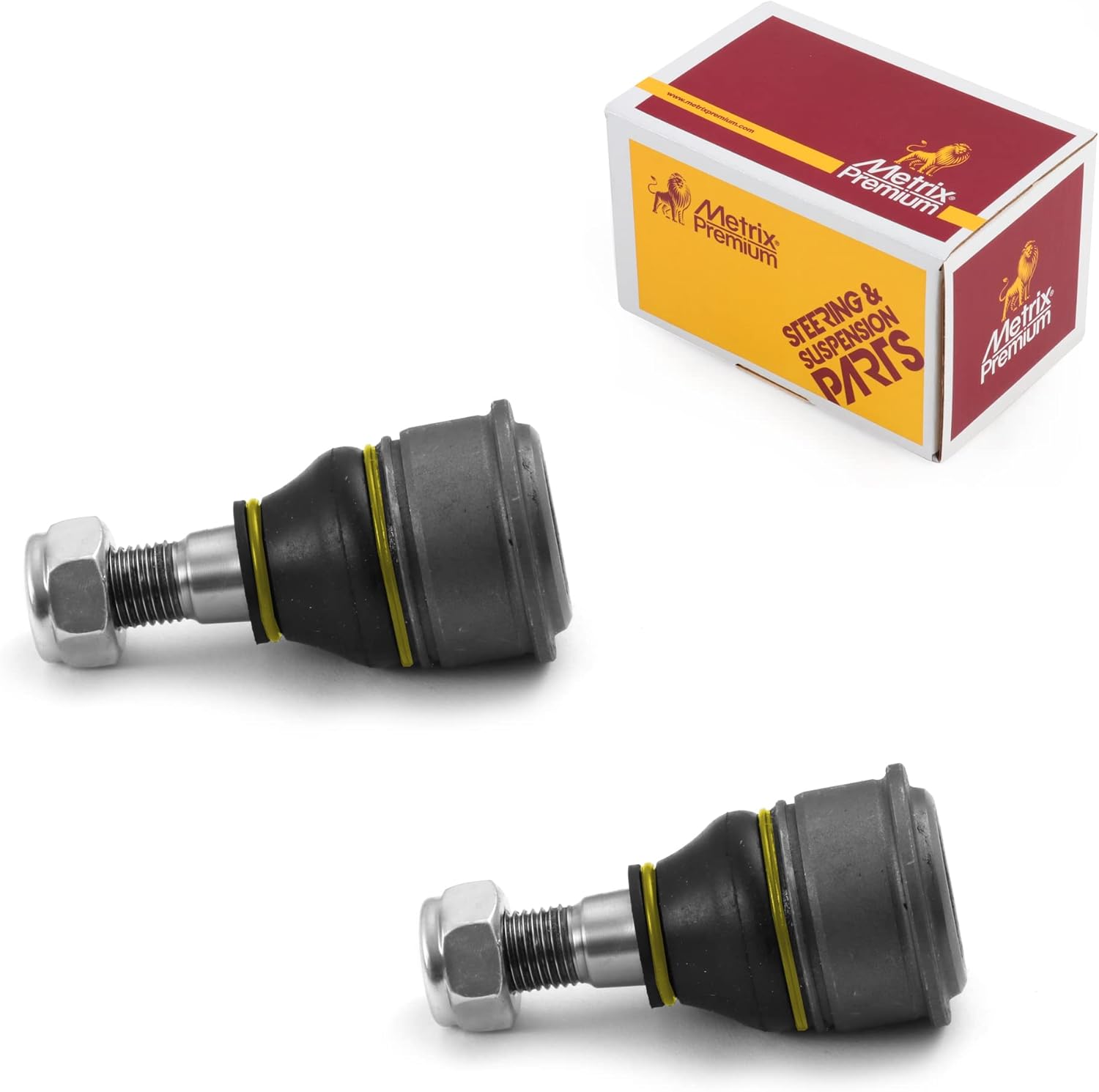
5. Metrix Premium Chassis Parts Front Lower Ball Joint Kit (2 pc) for 2002–2006 Honda CR-V
| Compatible vehicles | 2002-2006 Honda CR-V |
|---|---|
| Quantity | 2 front lower ball joints |
| Material | Steel |
| Design | Pre-greased, greasable |
| Position | Front Lower |
These Metrix front lower ball joints replace the factory lower ball joints on 2002–2006 Honda CR-Vs and are sold as a two-piece kit. They arrive pre-greased to simplify installation and initial service, and the steel construction with machined exterior is designed to resist heat and wear encountered in daily driving. The joints are greasable, so routine maintenance can extend service life, and the brand cites IATF 16949 and ISO 9001 certification for manufacturing quality. In practical use they provide the expected steering connection between control arm and knuckle, restoring steering stability and reducing play when the original joints wear. Installation follows standard press-in procedures and you should plan an alignment afterward. Limitations: these are direct replacement suspension parts rather than a heavy-duty upgrade, so drivers seeking increased load or off-road durability should consider reinforced options. The kit includes two front lower joints and is backed by a 3 year/36,000-mile limited warranty from installation date.
Best for: Buyers who prioritize dependable, factory-quality replacements to restore steering feel and safety on a 2002–2006 Honda CR-V and prefer parts that are serviceable over time.
Less Ideal for: Drivers who need upgraded, heavy-duty suspension components for frequent off-road use or significantly higher load carrying should choose reinforced or performance ball joints instead.
- Pre-greased out of the box for easier initial installation.
- Greasable design allows periodic maintenance to extend life.
- Manufactured to IATF 16949 and ISO 9001 standards for consistent quality.
- Steel, machined construction built to resist heat and wear during normal driving.
- Designed as a factory-style replacement rather than a heavy-duty or performance upgrade.
Verdict: A reliable, serviceable factory-style front lower ball joint kit that restores steering stability on 2002–2006 Honda CR-Vs.
6. Detroit Axle Front Suspension 12‑Piece Kit for 2002–2006 Honda CR-V

| Position | Front |
|---|---|
| Manufacturer | Detroit Axle |
| Manufacturer Part Number | 80033-12 |
| Date First Available | January 18, 2016 |
This Detroit Axle 12‑piece front suspension kit is a bundled repair solution for 2002–2006 Honda CR‑V front end components. It replaces both lower control arms and lower ball joints plus outer and inner tie rod ends, sway bar end links, and the rack boots so you can address common wear items in one job. Typical use is a full front‑end refresh when you have play, clunks, uneven tire wear, or a rough ride; installing the kit and then getting a professional alignment restores steering feel and handling. Notable features include ready‑to‑install suspension components that have passed basic impact and fatigue testing and a 10‑year warranty backed by the brand. Practical benefits are cost and time savings versus sourcing parts individually and a coherent set of components that fit together for alignment. Limitations to expect are mixed long‑term durability reports from other users and occasional fitment issues with the inner tie rod boots, so plan on verifying parts against the originals before install and budgeting for an alignment and potential small replacements if a boot or clamp does not fit perfectly.
Best for: Buyers who want a budget‑minded, all‑in‑one front suspension refresh for a 2002–2006 CR‑V and prioritize getting the steering and ride back to proper geometry with a single repair session.
Less Ideal for: Drivers seeking the highest‑end or heavy‑duty OEM‑equivalent components for aggressive off‑road or towing duty should consider premium single‑part options instead.
- Complete kit replaces the most common front suspension wear items in one purchase
- Components are tested for impact and fatigue and offered with a long manufacturer warranty
- Saves time compared with buying individual parts and simplifies a front‑end repair job
- Some reviewers report durability problems on high‑stress vehicles and at higher mileage
- Inner tie rod boots and some small items may need swapping if fitment is imperfect
Verdict: If you need a cost‑efficient, single‑purchase solution to refresh worn front suspension on a 2002–2006 CR‑V, this kit puts all the common replacement parts together for a faster repair.
7. Aeagle Front Lower Control Arm and Ball Joint Suspension Kit for Honda CR-V 2002–2006 (6‑Piece)

| Compatible vehicle | Honda CR-V 2002–2006 |
|---|---|
| Unit count | 6 pieces |
| Material | Alloy steel and aluminum |
| Exterior finish | Electrophoretic coating |
| Manufacturer | AEagle |
This Aeagle kit supplies both front lower control arms, two lower ball joints, and left and right sway bar end links in a single package designed for 2002–2006 Honda CR-Vs. It is intended as a direct vehicle-specific replacement to restore front suspension geometry and handling after wear or damage. The parts are made from alloy steel and aluminum with an electrophoretic coating to resist corrosion, and the kit arrives complete so you can replace both sides at once rather than sourcing components separately. In practice this simplifies installation for a DIYer or independent shop and can noticeably reduce road feedback and restore steering stability. Some buyers report ball joints with grease fittings that interfere with CV shafts and occasional issues with snap‑ring placement, so careful fit verification and a brief fabrication step may be needed on certain 2006 models. The kit includes a 12-month warranty and is a cost-effective option when replacing multiple front suspension parts at once, but expect to check fitment and address minor hardware differences during installation.
Best for: Buyers who prioritize a conservative, reliable replacement that restores front-end chassis feel and prefer a complete kit to minimize parts‑sourcing and labor repeat visits.
Less Ideal for: If you want factory-branded OEM parts or require guaranteed bolt‑in match without any field tweaks, consider factory-quality replacements or aftermarket options with documented fit on your exact submodel.
- Complete six-piece kit replaces both lower control arms, ball joints, and sway bar end links for matched wear and alignment
- Vehicle-specific fit for 2002–2006 Honda CR-V simplifies ordering and parts matching
- Electrophoretic coating and alloy construction improve corrosion resistance and durability
- Includes both sides so you can do a single labor job rather than multiple trips for parts
- Some ball joints have grease fittings or snap‑ring placement that can interfere with CV shafts and may require minor modification
- Fitment reports are mixed on late-model 2006 CR-Vs, so final compatibility should be verified before installation
Verdict: If you need an affordable, all-in-one front lower control arm and ball joint kit to restore handling on a 2002–2006 CR-V, this vehicle-specific Aeagle set delivers the most convenience per job.
Choosing the Right 2002-2006 Honda CR-V Ball Joint: Key Factors to Consider
Fitment and Mounting Type
Correct fitment is essential for the 2002-2006 Honda CR-V because the ball joint must match the vehicle's control arm and knuckle geometry to preserve steering alignment and suspension travel.
Pay attention to whether the joint is a press-in or bolt-in style, and confirm stud orientation and taper angle match the factory setup. Incorrect mounting type can lead to premature wear, difficulty during installation, and compromised steering safety. If the wrong fit is used, you may face extra labor to modify or replace adjacent components.
Material and Build Quality
The materials and internal construction determine how long a replacement ball joint will last on a CR-V frequently driven in mixed conditions.
Look for durable housings, corrosion-resistant finishes on the stud, and robust bearing surfaces. A well-made joint reduces the chance of play developing under normal highway and city driving. Inferior metallurgy or thin plating can accelerate wear, especially in areas exposed to road salt or frequent moisture.
Seals and Contamination Protection
Effective dust boots and seals keep dirt and water out of the bearing area and are a common failure point on older CR-Vs.
A heavy-duty boot with secure clamps or an integrated seal minimizes ingress and extends service life. Consider whether the design allows greasing or is sealed for life. On vehicles with higher mileage or off-road exposure, extra attention to contamination protection pays off in reduced maintenance and longer intervals between replacements.
Serviceability and Installation Requirements
How easy the part is to install affects labor time and the tools you need when replacing a ball joint on a CR-V.
Some joints simply bolt in and use common hand tools, while press-in designs require a ball joint press tool or a shop with the right equipment. Evaluate whether the replacement comes with necessary hardware, such as retaining clips or studs, and whether steering knuckle removal is required. Choosing a unit aligned with your tool access can save time and reduce the chance of installation errors.
Compatibility With Suspension Alignment
A replacement should preserve the factory steering geometry to avoid alignment issues after installation.
Small variations in stud length, taper, or bearing height can change toe or camber and necessitate additional alignment work. For the CR-V, parts that match OEM dimensions help maintain predictable tire wear and handling. Account for whether replacement parts require an alignment check or adjustment after installation.
Warranty and Longevity Expectations
Warranty terms and reported service life provide a proxy for expected durability on the CR-V.
Longer or more comprehensive warranties indicate manufacturer confidence and can offset higher upfront costs. Consider typical mileage before failure for similar parts and whether the warranty covers environmental degradation like rust-through or boot failure. Balance warranty coverage with build quality to choose the best long-term value for your vehicle.
Signs Your CR-V Needs New Ball Joints
Recognizing symptoms early prevents further suspension damage. Common signs include uneven tire wear, clunking noises over bumps, and loose steering feel when turning or driving straight.
You might also notice specific wheel vibration at certain speeds, which can be caused by excessive play in the ball joint. Visual inspection can reveal torn boots, grease leakage, or visible play when the wheel is rocked by hand.
- Uneven or feathered tire wear across the front tires
- Clunking or popping noises during suspension compression
- Excessive free play in the steering wheel
- Visible torn or deteriorated dust boots
- Wheel vibration at speed that changes when steering input varies
Press-In Versus Bolt-In Replacements
Ball joints for the 2002-2006 CR-V come in different mounting styles. Press-in joints require a hydraulic or manual press and the correct adapters to seat the joint without damaging the control arm. Bolt-in or stud-style replacements can be faster to service but must match the knuckle's taper and bolt pattern.
If you plan to DIY, assess whether you have a ball joint press tool or can access one. Some service shops offer press services, and some replacement options are designed to make field installation more straightforward.
- Press-in: requires press tool, often used for OE-style replacements
- Bolt-in: may use bolts or nuts, can be easier for DIY
- Choose based on your tools and willingness to remove the knuckle or control arm
When to Replace Front Lower and Upper Ball Joints
The CR-V front suspension uses specific joints in upper and lower positions and the replacement timing depends on mileage, driving conditions, and symptom onset. Lower ball joints commonly carry more load and may show wear sooner, while upper joints can fail from boot degradation.
Prioritize replacement when any play is detected during a hands-on check, or when noise and alignment issues are present. Replacing both sides at once maintains even handling and avoids a short-term repeat repair on the other side.
- Lower ball joints often show load-related wear first
- Upper joints may fail from seal deterioration
- Consider replacing both sides or related hardware together to maintain balance
Tools and Workshop Tips for a Smooth Swap
Having the right tools reduces the risk of damaging the control arm or knuckle. Essential items include a torque wrench, ball joint press tool or appropriate adapters, a breaker bar, and safe lifting equipment. Penetrating oil and a pry bar can help separate stubborn components without causing damage.
Document bolt positions and torque specs during disassembly and follow factory torque sequences on reassembly. Inspect surrounding parts such as control arm bushings and tie rod ends while the suspension is apart to catch related wear before completing the job.
- Ball joint press tool or adapter set
- Torque wrench set to factory specifications
- Penetrating oil and pry bars for stubborn separations
- Inspect related suspension components during replacement
Choosing Between Individual Joints and Ball Joint Kits
Ball joint kits that include hardware and sometimes press adapters can simplify installation and ensure all required components are present. Individual joints may be fine when you only need a single component, but missing hardware can delay the job or require extra trips for parts.
For the CR-V, kits that supply retaining clips, nuts, and any necessary sleeves reduce guesswork. Weigh the convenience of a kit against the actual components you need to avoid paying for redundant parts.
- Kits often include hardware and installation-friendly components
- Individual joints can be economical if you already have the needed parts
- Confirm kit contents match the CR-V mounting requirements before purchasing
Diagnosing Wheel Vibration and Steering Noise
Wheel vibration can stem from multiple causes, but ball joint play produces specific symptoms: vibration that changes with steering input and worsens with load or cornering. Isolate the front suspension by comparing vibration with vehicle in a straight line versus during slight turns.
Use a safe method to check for play by lifting the wheel and attempting to move the wheel hub assembly by hand. Any perceptible movement at the joint or audible clunking during this test indicates the joint needs attention.
- Vibration that varies with steering input suggests ball joint or hub issues
- Hands-on hub movement checks reveal excessive play
- Address wheel bearing and tire balance only after ruling out suspension play
Still looking for the perfect fit?
Select your Honda CR-V configuration to see the most relevant Ball Joints recommendations
How We Chose the Best 2002-2006 Honda CR-V Ball Joint
We focused on objective, vehicle-specific criteria to identify ball joints suitable for the 2002-2006 Honda CR-V. Primary evaluation factors included correct fitment to the CR-V suspension points and the availability of OE-equivalent mounting features. Durability and material quality were assessed by checking construction details such as housing metallurgy, stud finish, and dust boot design. Serviceability mattered: we favored units that allow straightforward installation with common tools or with a ball joint press tool where required. Performance under load was considered via reported longevity and resistance to contamination, rather than lab testing claims. Finally, we checked whether full kits were available when a press or extra hardware is typically needed.Excluded items included universal-fit or non-specific suspension parts that do not guarantee exact CR-V fitment and components lacking clear construction specs. The shortlist emphasizes correct physical compatibility, long-wearing seals and bearings, installation practicality, and parts that meet or exceed the original mounting geometry for safe steering and predictable handling.
Our full evaluation process is outlined in our review methodology.
FAQ
How long do ball joints typically last on a 2002-2006 CR-V?
Ball joint life varies with driving conditions; many last well over 60,000 miles under normal use, while exposure to salt and rough roads can shorten service life. Regular inspections of boots and play will help you catch failure early.
Can I replace a ball joint myself without a press tool?
It depends on the mounting type. Some bolt-in style replacements can be installed with common hand tools, but press-in joints usually require a ball joint press tool or shop service to avoid damage. Plan the job around the specific mounting style.
What are the risks of driving with a worn ball joint on the CR-V?
Driving with excessive play risks poor steering response, accelerated tire wear, and in severe cases loss of control due to sudden failure. Address noticeable noise, vibration, or looseness promptly to maintain safe handling.
Should I replace both front ball joints at the same time?
Replacing both sides at once is often recommended to maintain symmetrical handling and even tire wear, especially if both joints show similar age or mileage. If only one side is worn and the other shows little wear, you can replace one, but monitor the remaining joint closely.
Do replacement ball joints affect wheel alignment on the CR-V?
Yes. Small differences in stud or housing dimensions can alter alignment angles. An alignment check is a sensible post-replacement step to ensure toe and camber are within specification and to prevent uneven tire wear.
How can I tell if vibration is caused by a ball joint rather than a wheel bearing?
Ball joint-related vibration often changes with steering input and load, while wheel bearing vibration is usually constant and may produce humming. Lifting the wheel and checking for play in the hub can help isolate the cause.
Final Verdict
When replacing ball joints on a 2002-2006 Honda CR-V, prioritize correct fitment, durable seals, and the mounting style that matches your tools and skill level. Consider replacing both sides or related hardware to maintain balanced handling and minimize repeat labor. Balance the tradeoff between ease of installation and long-term durability: a well-built joint with proper contamination protection and OEM-equivalent dimensions will give the most predictable steering feel and service life. With careful selection and a post-installation alignment check, you can restore steering precision and reduce vibration confidently.
Explore More:
- Check out all Honda CR-V parts & accessories
- Explore Ball Joints Maintenance & Repair Guides
- Explore Suspension & Steering
- Browse all Auto Parts
