

Note: This article contains affiliate links. If you click on these links and make a purchase, I may earn a small commission at no extra cost to you. This helps support my research and content. Read my full affiliate disclosure here.
If your Honda CR-V feels floaty over bumps or bounces after a turn, worn rear shock absorbers are often the culprit. Replacing the rear shocks improves ride comfort, reduces body roll, and restores confidence when hauling passengers or cargo. This guide covers the top shortlisted rear shock absorber options for the CR-V and explains the performance and durability factors we used to evaluate them.Below you will find the top rear shock absorbers chosen for real-world driving on the CR-V, plus practical guidance on fitment, installation considerations, and maintenance to keep the rear suspension performing well.
Looking for other parts? See all Honda CR-V parts & accessories.
Top Picks at a Glance
| Best Overall The best all-around choice for most situations | AISIN Rear Strut Shock Absorber Set (2) for Honda CR-V 2012–2016 |  |
| Best Quality Built to a higher standard if you want something more solid | TRQ Rear Shock & Spring Strut Assembly Set for 2012–2016 Honda CR-V |  |
| Best Value The sweet spot between price and what you get | Complete Struts Rear Quick Complete Strut Assemblies with Coil Springs, Set of 2 |  |
| Best Budget The cheapest option that still gets the job done reliably | OCPTY Rear Shock Absorbers for 2007–2011 Honda CR-V (set of 2) |  |
| Highest Rated A top-rated pick with lots of positive feedback | Detroit Axle Rear Strut Assemblies with Coil Springs for 2002–2006 Honda CR-V (pair) |  |
| Most Popular A crowd favorite that many people choose with confidence | Detroit Axle Rear Ready Strut and Sway Bar Link Kit for 2007–2011 Honda CR-V |  |
| Best Seller A high-volume bestseller chosen again and again | ECCPP Rear Complete Strut Assembly for 2012–2016 Honda CR-V (Rear Pair) |  |
1. AISIN Rear Strut Shock Absorber Set (2) for Honda CR-V 2012–2016

| Compatible vehicle | Honda CR-V 2012-2016 |
|---|---|
| Position | Rear Left and Right |
| Charging type | Gas |
| Construction | Twin-tube |
These AISIN rear struts are a direct-fit replacement for the Honda CR-V 2012–2016 that aim to restore ride control and handling after worn factory units. They are gas-charged, twin-tube construction and come as a matched left/right pair with an installation manual, so installation at a shop or by a competent DIYer is straightforward. In use they should return mid-speed body control and damping consistency for everyday driving, reducing rear-end bounce and improving stability during lane changes and light loads. The set lists multiple reference part numbers to match factory fitment and is built to AISIN production standards with a one-year warranty. Limitations include the twin-tube design, which is generally fine for daily driving but less heat-resistant than monotube performance shocks, and the listing does not include top mounts or hardware beyond the struts themselves so additional parts or alignment may be needed at installation.
Best for: Buyers who want a reliable, factory-style rear shock replacement to restore everyday ride comfort and handling on a 2012–2016 CR-V without pursuing performance upgrades.
Less Ideal for: Drivers seeking track-capable or heavy-duty off-road damping should look at purpose-built monotube or high-performance shocks instead.
- Direct-replacement fit for Honda CR-V 2012–2016 using factory reference numbers
- Matched left and right pair included with installation manual for easier swap
- Gas-charged design provides consistent damping for everyday driving
- Manufactured by AISIN and covered by a one-year mileage-unlimited warranty
- Twin-tube construction may not dissipate heat as well as monotube performance shocks
- Does not include top mounts or additional installation hardware
Verdict: A solid factory-style pair of rear gas struts that restore everyday ride quality and handling on a 2012–2016 Honda CR-V.
2. TRQ Rear Shock & Spring Strut Assembly Set for 2012–2016 Honda CR-V

| Auto Part Position | Rear |
|---|---|
| Compatible with Vehicle Type | Car |
| Automotive Fit Type | Vehicle Specific Fit |
| Included Components | 2 Piece Shock & Spring Assembly Set |
This TRQ rear shock and spring assembly set replaces both left and right rear struts on 2012–2016 Honda CR-Vs with pre-assembled, vehicle-specific units that bolt in without modification. It is designed to restore factory ride control by reducing body sway and vibration and comes matched as a pair to keep ride feel consistent across the axle. The loaded design saves installation time and is helpful for DIYers or shops because springs and mounts are already assembled. In practice the result is a firmer, more controlled rear end compared with worn original struts, which benefits highway stability and cornering confidence. The product targets routine replacement and ride restoration rather than high-performance damping tuning, so drivers wanting track-level handling or adjustable damping should look elsewhere. Fitment is specific to the listed CR-V years and the assemblies do not require spring compression during installation, but full alignment after fitment is recommended to preserve tire wear and handling balance.
Best for: Buyers who want a straightforward, factory-style rear suspension refresh to restore ride control and stability on a 2012–2016 Honda CR-V without custom modifications.
Less Ideal for: Drivers seeking track-capable, adjustable, or sport-tuned rear damping should consider aftermarket performance shocks designed for tuning rather than direct-fit replacement assemblies.
- Pre-assembled loaded struts speed installation and reduce shop labor
- Vehicle-specific fit minimizes the need for modifications
- Matched pair design promotes consistent ride and handling across the rear axle
- Restores stability and reduces body sway compared with worn units
- Not intended for performance-tuned suspension or adjustable damping setups
Verdict: Choose this TRQ matched, pre-assembled rear strut set to quickly restore factory-style rear ride and handling on a 2012–2016 Honda CR-V.
3. Complete Struts Rear Quick Complete Strut Assemblies with Coil Springs, Set of 2

| Compatible models | Honda CR-V 2012-2016 |
|---|---|
| Position | Rear |
| Quantity | 2 Units |
| Mount type | Vehicle specific top mount |
| Spring material | Cold rolled steel |
These Complete Struts rear quick complete strut assemblies replace both rear struts and include new coil springs, mounts, isolators and hardware so the units are ready to install without rebuilding. They use a twin-tube hydraulic plus nitrogen design with a chromed piston rod and vehicle-specific damping valves to restore ride control, and the cold-rolled springs are engineered to return the vehicle to factory ride height. Polyurethane spring isolators and a vehicle-specific top mount are intended to reduce noise and vibration compared with worn OE components. For a practical DIYer this kit simplifies a common suspension repair by saving the time and uncertainty of changing individual parts and avoids reinstalling worn components. Important to note the pair will require a wheel alignment after installation and they are a replacement aftermarket part rather than a factory part, so fit and long-term durability can vary compared with higher-end or OEM options.
Best for: Buyers who want a practical, time-saving solution to restore rear suspension performance on a 2012–2016 Honda CR-V without rebuilding struts piece by piece, and who prioritize straightforward DIY installation and immediate ride improvement.
Less Ideal for: Drivers seeking an OEM-identical or premium performance upgrade should consider factory replacement or high-end performance struts instead.
- Comes as fully assembled rear pair including springs and mounts for faster, simpler installation
- Vehicle-specific top mount and damping valves aim to restore factory-like ride and reduce noise
- Polyurethane spring isolators help prevent metal-on-metal contact and reduce vibration
- Cold-rolled coil springs engineered to return vehicle to original ride height
- Aftermarket part so long-term durability and exact fit may differ from factory replacements
Verdict: If you want a practical, ready-to-install rear suspension refresh for a 2012–2016 Honda CR-V, this complete pair delivers the fastest, most straightforward way to restore ride control and eliminate worn components.
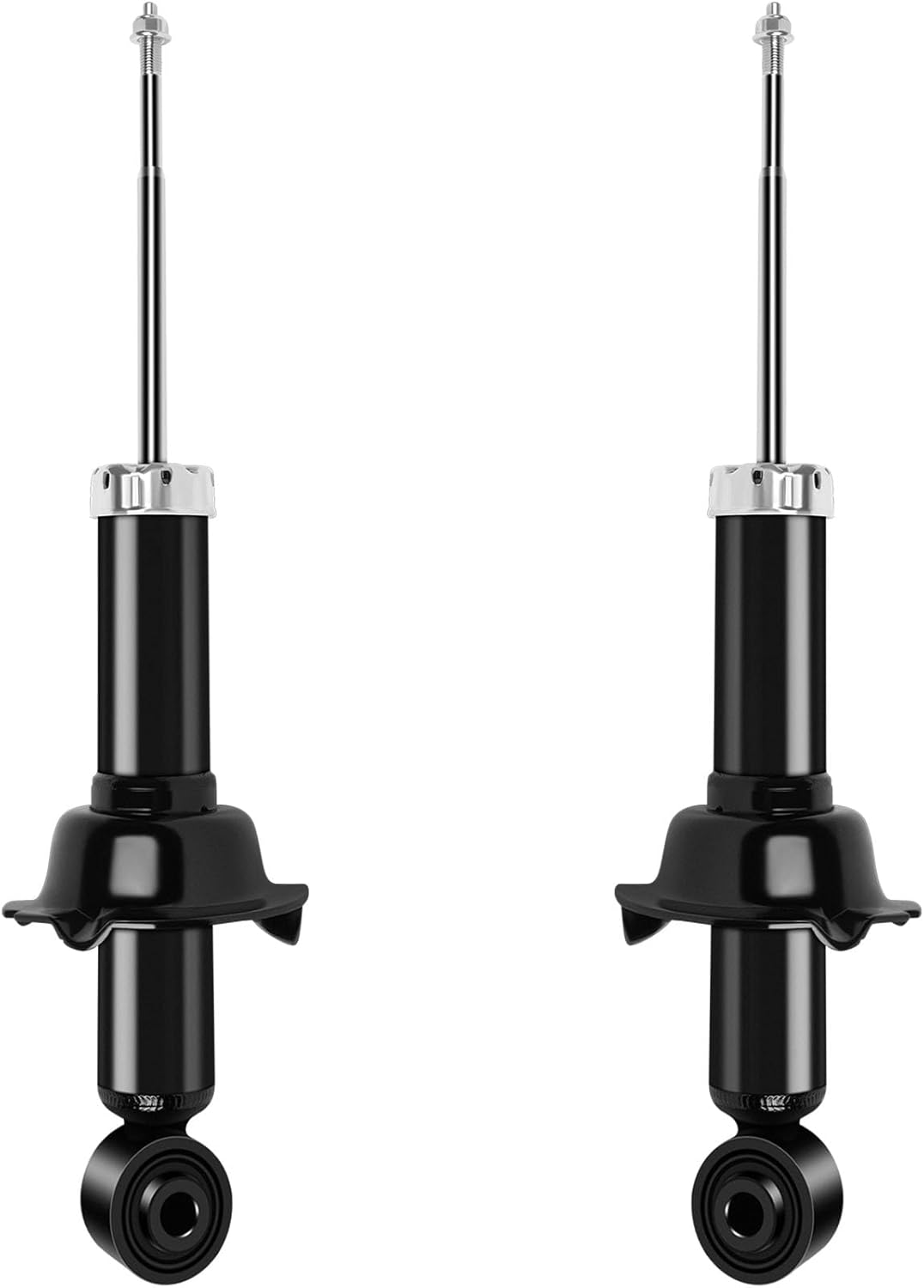
4. OCPTY Rear Shock Absorbers for 2007–2011 Honda CR-V (set of 2)
| Auto Part Position | Rear |
|---|---|
| Compatible with Vehicle Type | 2007-2011 Honda CR-V |
| Material Type | Alloy Steel |
| Set Name | Set of 2 Shock Absorbers |
These OCPTY rear shock absorbers are sold as a set of two and replace the rear shocks on 2007–2011 Honda CR-Vs. They are gas-charged alloy steel units intended as vehicle-specific replacements that mount to the factory locations with no modification. In everyday use they dampen suspension movement, reduce body bounce and help maintain tire contact during braking and cornering, which improves ride comfort and steering stability. The product listing stresses easy installation and claims sealed construction to avoid oil leaks and abnormal noise. Because the kit contains shocks only, expect to reuse existing springs, mounts, and hardware unless you buy a complete strut assembly separately. Buyers should also check fitment by year and part number before purchase. For someone replacing worn rear shocks on a budget, these provide a straightforward, factory-style fix; if you need new mounts or spring components you will have to source those parts separately or choose a complete assembly instead.
Best for: Buyers who need an affordable, direct-replacement rear shock to restore comfort and control on a 2007–2011 CR-V and prioritize cost-effectiveness over a full suspension overhaul.
Less Ideal for: Drivers planning a full suspension refresh or who need new springs, mounts, or upgraded performance dampers should consider a complete strut assembly or higher-end options instead.
- Vehicle-specific fit for 2007–2011 Honda CR-V rear position simplifies replacement
- Gas-charged design aims to improve damping and reduce body roll
- Alloy steel construction for basic durability and corrosion resistance
- Includes shocks only so mounts, springs, bushings and hardware are not provided
Verdict: A budget-friendly, direct-fit rear shock pair that restores ride comfort and basic handling for 2007–2011 Honda CR-Vs.
5. Detroit Axle Rear Strut Assemblies with Coil Springs for 2002–2006 Honda CR-V (pair)

| Fitment | 2002–2006 Honda CR-V |
|---|---|
| Set Contents | 2x Rear Struts with Coil Spring Assembly |
| Material Type | Spring Steel |
| Auto Part Position | Center, Rear |
| Automotive Fit Type | Vehicle Specific Fit |
These Detroit Axle rear strut assemblies arrive as complete, ready-to-install units that replace the rear struts on 2002–2006 Honda CR-V models. Each kit includes a driver and passenger assembled strut with coil spring so you do not need a spring compressor or extra parts during installation, which speeds up home or shop repairs. The coil springs are tuned to restore ride height and support vehicle weight, helping reduce body shake and improve handling compared with worn components. An electrophoretic electrostatic coating improves corrosion resistance for longer service in wet or salty climates. As a vehicle-specific aftermarket option, the parts aim to match factory fit and function and undergo impact and fatigue testing for durability. Expect noticeably firmer, more controlled rear response after fitting, though these are replacement aftermarket units rather than a performance upgrade, so drivers seeking sport-tuned damping or adjustable settings should look elsewhere.
Best for: Buyers who prioritize dependable, factory-style repairs and want a ready-to-install replacement that restores ride height and stability without complicated tools or modifications.
Less Ideal for: Drivers seeking performance suspension upgrades, adjustable damping, or sport-tuned behavior should consider aftermarket performance struts instead.
- Comes fully assembled with coil springs so no spring compressor or extra parts are needed for install
- Vehicle-specific fit for 2002–2006 Honda CR-V simplifies alignment and mounting
- Electrophoretic coating enhances corrosion and oxidation resistance for longer life
- Springs designed to restore ride height and improve handling and stability
- Not performance-tuned or adjustable damping; intended as a factory-style replacement
Verdict: A convenient, factory-style replacement that restores rear ride height and handling on 2002–2006 Honda CR-Vs with minimal tools needed.
6. Detroit Axle Rear Ready Strut and Sway Bar Link Kit for 2007–2011 Honda CR-V

| Fitment | 2007–2011 Honda CR-V rear |
|---|---|
| Kit contents | 2 rear strut assemblies + 2 rear sway bar links |
| Material | Rubber, spring steel |
| Finish | Black |
This Detroit Axle kit replaces both rear struts with complete ready-to-install strut and coil spring assemblies and includes two rear sway bar links so you get a full rear suspension refresh in one purchase. Installation is straightforward because the springs are preassembled, which saves time and removes the need for a spring compressor. The struts are built to meet factory-style fit and undergo durability testing according to the brand, so in normal road use they deliver a firmer, more controlled rear ride and improved body control over worn originals. Drivers report a noticeably tighter feel and prompt damping of secondary motions. The kit is vehicle-specific for 2007–2011 CR-Vs, comes with black corrosion-resistant finish parts, and is intended as a direct replacement for tired rear components. Keep in mind these are replacement aftermarket struts and provide a firmer ride than soft, worn originals, and some buyers dealing with heavier road impacts or seeking a plush ride may find them less comfortable.
Best for: Buyers who prioritize a reliable, direct-fit rear suspension replacement with strong social proof from other owners and want an easy install without pressing springs.
Less Ideal for: Drivers seeking a notably softer, more cushioned ride or those who prefer performance-tuned or OEM-branded dampers should consider other options.
- Complete ready-to-install strut assemblies with coil springs reduce installation time and remove need for a spring compressor
- Includes both rear sway bar links so rear suspension is refreshed as a set
- Vehicle-specific fit for 2007–2011 Honda CR-V ensures correct alignment and mounting points
- Manufacturer states parts undergo impact, wear, and fatigue testing for durability
- Firmer damping produces a stiffer ride compared with softer or worn original struts
- Some users report inconsistent warranty support and potential costs for shipping during claims
Verdict: If you want a straightforward, vehicle-specific rear suspension refresh for a 2007–2011 Honda CR-V with ready-to-install struts and sway bar links, this kit delivers a reliable, direct-fit solution.
7. ECCPP Rear Complete Strut Assembly for 2012–2016 Honda CR-V (Rear Pair)

| Auto Part Position | Rear |
|---|---|
| Vehicle Service Type | 2012 2013 2014 2015 2016 for Honda CR-V |
| Material | Spring Steel |
| Automotive Fit Type | Vehicle Specific Fit |
| Special Features | Preassembled; meets or exceeds OEM specifications |
These ECCPP rear complete strut assemblies replace the rear struts on 2012–2016 Honda CR-V AWD models with a preassembled unit that includes the strut, coil spring, mount, bumper, boot, bearing, and isolator. Installation is straightforward because the units come ready to fit, which saves time compared with rebuilding original struts. The manufacturer states the parts are made to meet or exceed factory specifications using SAE9254 spring steel and corrosion-resistant treatment, so expect improved vibration damping and a steadier ride compared with worn originals. Buyers report generally good fit and quiet operation, though a few installers saw slight bolt misalignment that required minor adjustment. Some users have also reported shorter-than-expected longevity on a small number of units, so plan to inspect and confirm fitment carefully and consider following the recommendation to replace in matching pairs and get a wheel alignment after installation. These struts are a practical replacement option when you want a complete, ready-to-install rear suspension rebuild without sourcing separate components.
Best for: A conservative buyer who wants a direct, ready-to-install rear suspension replacement that restores ride comfort and reduces vibration without aftermarket modifications.
Less Ideal for: Drivers seeking heavy-duty or performance-tuned suspension upgrades or those who prefer individual OEM-brand components for every part should consider other options.
- Comes preassembled with spring, mount, boot, bumper and isolator for quicker installation
- Designed to meet or exceed factory specifications using SAE9254 spring steel
- Corrosion-resistant treatment for better durability in road conditions
- Saves time and cost versus buying and assembling individual components
- A few users reported minor mounting bolt misalignment that made installation fiddly
- Some reports of premature wear or noise on a small number of units
Verdict: If you want a straightforward, factory-style rear suspension replacement for a 2012–2016 CR-V AWD that installs quickly, this preassembled pair is a practical choice.
Choosing the Right Honda CR-V Rear Shock Absorber: Key Factors to Consider
Damping Characteristics
Damping controls how the rear of the vehicle reacts to bumps and transitions. For the Honda CR-V, look for shocks that provide progressive compression and rebound so small road imperfections are absorbed comfortably while larger inputs do not lead to excessive bottoming out. Proper valving reduces sustained bounce after hitting a dip and helps the rear recover quickly when cornering or braking.
Damping choice affects perceived ride quality and vehicle control. Softer valving favors comfort but can increase body roll during lane changes. Firmer valving sharpens handling but can transmit more harshness into the cabin. Choosing the correct damping balance is especially important if you frequently carry passengers or cargo, as load changes alter suspension response.
Compatibility And Fitment
Correct fitment ensures the shock mounts align with the CR-V's rear suspension points and that travel, length, and mounting style match the factory setup. Using a shock with incorrect dimensions can lead to binding, altered ride height, or premature wear of mounting hardware. Verify top and bottom mount types and any required bushings or studs before purchase.
Some replacement shocks come with additional mounting hardware or bushings that simplify installation. If your CR-V has a specific trim or suspension package, check whether the shock's stroke and extended length accommodate the vehicle's full travel under load.
Durability And Corrosion Resistance
Rear shocks are exposed to road grime, salt, and moisture. Robust coatings, hardened shafts, and quality seals reduce the chance of leaks and corrosion-related failures. For CR-V owners in regions with winter road salt or frequent wet roads, look for corrosion-resistant finishes and IP-rated seals to extend service life.
Long-lasting components minimize maintenance and the need for early replacement. Consider the quality of mounting hardware and rubber bushings as well, since degraded bushings can transmit noise and accelerate wear on the shock body.
Ride Height And Load Handling
Some replacement rear shocks slightly affect ride height and how the CR-V handles extra weight. If you regularly carry heavy loads or tow light trailers, choose shocks rated to handle increased rear axle loads without excessive sag. Load-handling characteristics influence headlight aim, rear geometry, and safe braking distances.
Shocks with progressive spring or internal valving designs can help maintain a more consistent ride height under load, improving stability when the vehicle is not empty. Avoid shocks that reduce available travel or cause the rear to sit higher than intended, which can change handling balance.
Noise, Vibration, And Harshness (NVH)
Replacement rear shocks should not introduce additional noise or vibration into the cabin. Poorly finished components, worn bushings, or incorrect mount torque can cause clunks, squeaks, or a rattling feel over rough pavement. NVH performance is a key quality indicator for CR-V owners who prioritize a quiet, comfortable ride.
Inspect mounting hardware and rubber isolators when installing new shocks. Proper torque, lubrication where appropriate, and quality seals help prevent noise issues and preserve the intended damping behavior.
Serviceability And Warranty
Consider ease of installation and availability of replacement parts or seals. Shocks that use standard mount types and common bushings are simpler to service. A clear warranty that covers leaks or premature failure adds protection and signals manufacturer confidence in materials and assembly.
Warranty terms, ease of sourcing compatible mount parts, and the availability of technical support can reduce downtime and the total cost of ownership for CR-V owners who drive frequently or in challenging conditions.
When To Replace Rear Shocks On A Honda CR-V
Replace worn rear shock absorbers when performance symptoms appear or at the first sign of physical damage. Common triggers include decreased ride comfort, increased body roll, or visible fluid leaks on the shock body. A vehicle with significantly higher rear bounce over the same bumps is often showing clear damping loss.
Regular inspection every 12 months or during tire rotations helps spot leaks, torn seals, or deformed mount bushings. If you notice progressive decline in ride quality, noisy suspension, or uneven rear tire wear, address the shocks sooner rather than later to prevent secondary suspension wear.
- Check for oil on the shock body or around mounting points.
- Observe bounce test: two firm pushes on the rear should settle quickly.
- Listen for clunks or rattles when driving over expansion joints.
Preparing For Rear Shock Replacement
Gather the correct tools and safety equipment before starting work under the CR-V. A jack and properly rated stands, penetrating lubricant for corroded fasteners, and the right sockets and torque wrench make the job safer and faster. Inspect mounting bolts and bushings to decide if replacement hardware is needed.
Document the original orientation and any spacer or washer placements during disassembly. If the vehicle has high mileage and the rear suspension components appear worn, consider refreshing related parts such as mounts or sway bar links at the same time to prevent noise or premature failure after the shock swap.
- Use penetrating oil on fasteners before loosening.
- Support the rear axle to relieve spring load on the shock during removal.
- Torque mounting bolts to factory specifications during reassembly.
Installation Tips To Avoid Common Issues
Ensure the replacement shock's length and mount type match the factory unit to avoid binding or altered geometry. Install new rubber isolators or bushings where provided to maintain NVH performance. When tightening mounting hardware, follow the recommended torque sequence and do not fully compress the suspension before final torquing unless specified by the vehicle manual.
Avoid reusing severely corroded bolts or crushed washers. If a bolt head rounds or threads are damaged, replace the fastener to ensure a secure and lasting connection. After installation, do a short test drive and re-check torque after a few hundred miles to confirm fasteners remain secure.
- Replace mounting hardware if threads or heads are compromised.
- Hand-thread fasteners first to avoid cross-threading.
- Re-check torque after an initial break-in period on the road.
How Rear Shocks Affect Handling And Safety
Rear shock absorbers directly influence braking stability and cornering balance. Worn shocks allow the rear axle to oscillate, which can increase stopping distance and reduce traction in emergency maneuvers. Proper damping keeps the tires planted, improving directional control and driver confidence.
For everyday driving in a CR-V, consistent damping helps maintain predictable body motions when changing lanes or hitting mid-corner bumps. This predictability reduces the chance of overcorrection and improves overall safety, particularly in wet or uneven road conditions.
- Good damping reduces squat under acceleration and nose dive under braking.
- Consistent shock performance helps maintain tire contact and traction.
- Balanced front and rear damping preserves intended handling dynamics.
Maintenance To Extend Rear Shock Life
Keep rear shocks free of excessive grime and check for contamination after driving on salted roads or gravel. Regular visual inspections can catch leaks before they become critical. Clean around mounting areas and inspect rubber bushings for cracks or flattening.
Address other suspension issues promptly to avoid overloading the shocks. For example, worn springs or damaged control arms can change loading patterns and accelerate shock wear. Periodic checks during scheduled service intervals will extend the usable life of replacement shocks.
- Rinse undercarriage after exposure to road salt.
- Inspect for fluid seepage and damaged dust boots.
- Replace associated suspension bushes when visibly worn.
Still looking for the perfect fit?
Select your Honda CR-V configuration to see the most relevant Shock Absorbers recommendations
How We Chose the Best Honda CR-V Rear Shock Absorber
We prioritized rear shock absorbers that deliver consistent ride control, long service life, and reliable fitment for the Honda CR-V. Our selection filters focused on performance in real-world driving conditions, including dampening characteristics tuned for a compact SUV, materials and corrosion resistance for chassis longevity, and valving that balances comfort with mid-corner stability.We also considered build quality indicators such as piston and shaft finishes, seal design, and mounting hardware compatibility to reduce post-installation issues. Durability criteria included warranty coverage, common failure modes, and proven resistance to leaks and premature wear under normal driving and light-load hauling. Ride quality testing criteria emphasized rebound control and progressive damping to suppress bounce without harshness.Exclusions: we excluded units intended strictly for off-road or competition use, front shock absorbers, and any options that require major suspension modification or custom fabrication. The final list represents rear shock replacement choices that fit the CR-V's suspension geometry and intended on-road use while offering a range of performance and longevity tradeoffs.
Our full evaluation process is outlined in our review methodology.
FAQ
How can I tell if my Honda CR-V's rear shocks are failing?
Often you will notice excessive bouncing after hitting a bump, uneven rear tire wear, or visible fluid leaks on the shock body. A simple bounce test—pushing down on the rear and watching how quickly it settles—can indicate damping loss if the vehicle continues to oscillate.
Can I replace only the rear shocks or should I do all four at once?
You can replace just the rear shocks if they are the only worn components, but mismatched damping between front and rear can affect handling. Many owners replace axles or pairs to maintain balanced performance, so consider condition of the front shock absorber when deciding.
Will new rear shock absorbers change my ride height?
Most replacement rear shocks are designed to maintain the CR-V's original ride height. However, shocks with different valving or internal construction can slightly affect apparent height under load. If ride height change is a concern, choose shocks specified for the vehicle's load and trim.
Is special equipment required to install rear shock absorbers on a CR-V?
Basic hand tools, a jack and stands, and a torque wrench are typically sufficient. Some fasteners may be seized from corrosion, so penetrating oil and impact-rated sockets can help. Supporting the axle when removing the shock avoids overstressing mounts.
How long do rear shock absorbers typically last on a Honda CR-V?
Service life varies with driving conditions, but shocks often last several tens of thousands of miles. Exposure to heavy loads, rough roads, or corrosive environments shortens lifespan. Regular inspections help detect issues before sudden failures.
Can worn rear shocks cause other suspension damage?
Yes. When shocks no longer control motion, other parts such as bushings, mounts, and even tires can experience accelerated wear. Addressing worn shocks promptly helps prevent secondary damage and preserves overall suspension performance.
Will replacing rear shocks fix shock absorber noise I hear from the back?
Replacing worn or leaking rear shocks often eliminates clunking or rattling caused by internal wear or failed mounts. However, noise can also come from bushings, mounts, or adjacent hardware, so inspect those components if noise persists after replacement.
Final Verdict
When choosing rear shock absorbers for your Honda CR-V, prioritize damping that restores comfortable ride quality while maintaining rear stability under load. Verify fitment, corrosion resistance, and NVH performance to avoid common post-install issues. Balance the tradeoff between comfort and firmer control based on how you use the vehicle, and service related suspension components at the same time if they show wear. With the right rear shocks installed, you will regain predictable handling and a smoother, safer ride.
Explore More:
- Check out all Honda CR-V parts & accessories
- Explore Shock Absorbers Maintenance & Repair Guides
- Explore Suspension & Steering
- Browse all Auto Parts
