

Note: This article contains affiliate links. If you click on these links and make a purchase, I may earn a small commission at no extra cost to you. This helps support my research and content. Read my full affiliate disclosure here.
If you drive a 2012–2016 Honda CR-V, a healthy alternator is essential to keep lights, electronics, and the battery working reliably. A failing alternator can cause dimming lights, a dead battery, or stalling at idle, so choosing the right replacement matters for daily reliability.This guide covers the top shortlisted alternators suited to the 2012–2016 CR-V, explains the electrical specs and fitment details that matter, and outlines practical tests and installation considerations. Use the evaluation criteria below to pick an option that matches your driving habits and maintenance needs.
Looking for other parts? See all Honda CR-V parts & accessories.
Top Picks at a Glance
| Best Overall The best all-around choice for most situations | PHILTOP 120A Alternator Compatible with Honda CR-V 2012–2014 and Civic/ILX 2.4L |  |
| Best Quality Built to a higher standard if you want something more solid | PowerForge 120A Alternator — Direct Fit for 2012–2014 Honda CR-V / 2012–2015 Civic & Acura ILX |  |
| Best Value The sweet spot between price and what you get | Torquizo Alternator for Honda Civic/CR-V and Acura ILX (fits 2012-2015 Civic, 2012-2014 CR-V, 2013-2015 ILX) |  |
| Best Budget The cheapest option that still gets the job done reliably | LUCAS 11604R Remanufactured 120A Alternator for 2012–2015 Honda Civic / 2012–2014 CR-V / 2013–2015 Acura ILX |  |
| Highest Rated A top-rated pick with lots of positive feedback | DENSO Replacement Alternator for Honda CR-V (2012–2014) |  |
| Most Popular A crowd favorite that many people choose with confidence | Farrme 135A Replacement Alternator 104211-3470 for Honda CR-V (2015–2019) / Acura TLX, ILX |  |
1. PHILTOP 120A Alternator Compatible with Honda CR-V 2012–2014 and Civic/ILX 2.4L

| Amperage rating | 120Amp |
|---|---|
| Voltage | 12V |
| Rotation | CW |
| Pulley groove | S7 |
| Plug clock | 10 o'clock |
This PHILTOP alternator is a direct-fit replacement for 2.4L Honda and Acura applications including 2012–2014 CR-V models and offers a 120 amp, 12 volt output with clockwise rotation and an S7 seven-groove pulley. It is intended to restore charging performance and stable electrical output for vehicles showing low-voltage symptoms or intermittent electrical issues. The unit claims factory-matched cores and rotor/stator impregnation, plus an internal regulator and fan, which should provide reliable charging under normal and high-load conditions like long commutes or heavy accessory use. PHILTOP emphasizes endurance testing and resistance to salt spray, temperature extremes, and vibration, so it is aimed at buyers who want a durable replacement rather than a budget rebuild. Installation generally reuses the original bolts and harness and can be completed by a competent DIYer with proper tools, though some reviews note tight fit or installation difficulty on certain vehicles. A few users reported overheating or returns, so confirm fitment and monitor charging voltage after installation.
Best for: Buyers who want a robust, factory-style replacement alternator for 2012–2014 CR-Vs that restores reliable charging for daily driving and heavier accessory use while prioritizing long-term durability.
Less Ideal for: If you need a simple plug-and-play swap without any fitment checks or you prefer a remanufactured core return program, look at other options that include hardware or explicit core-exchange support.
- 120 amp output suitable for high accessory loads and charging demands
- Built with factory-matched cores and impregnated rotor/stator for durability
- Tested for endurance, salt spray resistance, temperature extremes, and vibration
- Designed to match original rotation, regulator type, and seven-groove pulley for direct fit
- Does not include mounting bolts or accessories, so original hardware must be reused
- Some buyers reported installation difficulty and at least one overheating incident
Verdict: A durable, factory-style 120A replacement built for 2012–2014 CR-V owners who need dependable charging under regular and high-load driving conditions.
2. PowerForge 120A Alternator — Direct Fit for 2012–2014 Honda CR-V / 2012–2015 Civic & Acura ILX

| Output | 120A |
|---|---|
| Rotation | CW |
| Pulley | 7-groove S7 |
| Voltage | 12V |
| Standards | IATF 16949 built |
This PowerForge 120A alternator is a direct-fit replacement designed for Honda CR-V, Civic, and Acura ILX 2.4L L4 engines from the stated model years. It delivers up to 120 amps via precision-balanced TorqueCore rotors and 99.99% oxygen-free copper windings, which helps maintain strong charging under load and improves electrical system reliability. The unit ships with a preinstalled 7-groove S7 pulley, regulators, and rectifiers built into a PowerForge housing to simplify installation and reduce the need for additional parts. Buyers looking for a performance-minded replacement will appreciate the high-conductivity windings and the claim of cooler, quieter operation compared with some economy alternators. Limitations to note are the need to confirm exact OEM part number and year-fitment before purchasing since multiple alternator variants were used across these years, and the one-year support period is modest compared with long-term warranties from some manufacturers.
Best for: Buyers who want a higher-output, performance-oriented direct replacement to restore or improve charging on 2012–2014 CR-V and related 2.4L Honda/Acura models and prioritize durable electrical performance over factory-original branding.
Less Ideal for: Drivers who need a long factory-backed warranty or those unwilling to verify precise part-number fitment for their vehicle should consider other options.
- 120 amp output suited for vehicles with higher electrical demand
- High-purity copper windings and precision-balanced rotors for efficient, reliable charging
- Preinstalled 7-groove S7 pulley and integrated regulators/rectifiers for easier installation
- Manufactured to IATF 16949 standards indicating controlled production quality
- Fitment varies across model years so exact OEM part number must be verified before installation
Verdict: Choose this PowerForge 120A alternator if you want a higher-output, performance-focused direct replacement to restore strong, reliable charging on 2.4L Honda and Acura models.
3. Torquizo Alternator for Honda Civic/CR-V and Acura ILX (fits 2012-2015 Civic, 2012-2014 CR-V, 2013-2015 ILX)

| Fitment | 2012-2015 Honda Civic; 2012-2014 Honda CR-V; 2013-2015 Acura ILX |
|---|---|
| OEM Part Numbers | 104210-1530, 31100-RX0-A01 and others |
| Exterior | Machined |
| Manufacturer | Torquizo |
This Torquizo alternator is a bolt-in replacement for the listed Honda CR-V, Civic, and Acura ILX years intended to restore charging and electrical function. It uses a pure copper coil and machined exterior construction to deliver steady voltage and reduce noise that can accompany failing units. Typical use is a direct swap when the factory alternator shows low output, battery warning lights, or odd electrical behavior; installation is standard for alternator replacements and will often require re-tensioning the serpentine belt. Buyers will appreciate the product testing claim and compatibility with multiple OEM part numbers, making it a practical option when you need a reliable replacement without going to a dealer. Limitations include a short six-month satisfaction commitment rather than a long factory-style warranty and the absence of detailed amperage output on the listing, so verify electrical specs match your vehicle's requirements before installation.
Best for: Buyers seeking a practical, cost-conscious replacement that restores charging function quickly and matches factory part numbers for a hassle-free swap.
Less Ideal for: Do not choose this if you need a long-term manufacturer warranty or if you require a specific high-output amperage unit without confirming specs with your vehicle.
- Direct-fit replacement for the listed Honda CR-V, Civic, and Acura ILX model years for straightforward installation
- Pure copper coil aimed at steady power output and reduced electrical noise
- Machined exterior and precision construction for consistent performance
- Matches multiple OEM part numbers for easier parts matching and compatibility
- Seller provides only a six-month satisfaction commitment rather than a longer parts warranty
- Listing does not state alternator amperage or regulator specifics, requiring buyer verification
Verdict: A budget-minded, direct-fit alternator that restores reliable charging for the covered Honda CR-V model years without dealer pricing.
4. LUCAS 11604R Remanufactured 120A Alternator for 2012–2015 Honda Civic / 2012–2014 CR-V / 2013–2015 Acura ILX

| Amperage | 120 Amps |
|---|---|
| Voltage | 12 Volts |
| Model | 11604R |
| Rotation | CW |
This LUCAS 11604R is a remanufactured 12V alternator rated at 120 amps intended as a direct replacement for select 2.4L Honda and Acura applications. It installs like a factory-style unit and supplies charging power for the vehicle electrical system and battery while driving. The listing notes a hairpin stator series and a clockwise rotation pulley class S7, and the unit ships without mounting hardware. Practical benefits include full-rated amperage to support normal electrical loads and the cost savings commonly associated with remanufactured parts. Customer feedback is mixed so expect variable quality control: some buyers report reliable performance and correct fit, while others found rough bearings, worn brushes, or minor cosmetic and functional issues such as dashboard warning lights not clearing. If you plan to install it yourself or have a trusted mechanic, it can be a budget-friendly way to restore charging function, but prepare for possible rework or inspection on arrival and verify regulator/connector condition before install.
Best for: Buyers prioritizing a lower-cost repair for a 2.4L Honda or Acura who are comfortable with remanufactured parts and can inspect or have a mechanic check the unit on arrival.
Less Ideal for: Drivers wanting a guaranteed like-new unit with full factory-new reliability or those who prefer a plug-and-play new part without any possibility of rework.
- Direct-fit replacement for listed 2.4L Honda and Acura engines for easy installation
- Rated 120 amp output suitable for stock electrical loads
- Remanufactured unit offers lower cost compared with a new alternator
- Hairpin stator design common in modern alternators, indicating standard performance characteristics
- Remanufactured quality varies by unit with some reports of rough bearings and worn brushes
- Mounting hardware is not included so additional parts may be needed
- Some units reported not clearing dashboard charging warnings despite producing power
Verdict: Choose this remanufactured LUCAS alternator if you need a budget-friendly, direct-fit charging unit for listed 2.4L Honda/Acura applications and are willing to inspect or tune the part on arrival.
5. DENSO Replacement Alternator for Honda CR-V (2012–2014)

| Compatible vehicles | Honda CR-V 2012–2014 |
|---|---|
| Output | 105 Amp |
| Manufacturer | Sixity Auto / DENSO compatible |
This DENSO replacement alternator is built as a direct-fit unit for 2012–2014 Honda CR-Vs and is intended to restore factory charging performance. It installs in place of the original alternator and is typically used when the factory unit fails or shows charging problems. Notable features include a 105 amp output that matches the vehicle specification and original-style mounting and electrical connections for a straightforward swap. In practical use the alternator provides stable charging for the battery and accessories under normal driving conditions and should eliminate dimming lights and weak-start symptoms caused by a failing alternator. The product comes with original-style packaging and hardware to simplify installation, but buyers should still verify fitment for their exact motor and trim before purchasing. As with most replacement alternators, professional installation or basic mechanical experience is recommended because of belt and electrical work required during replacement.
Best for: Buyers who prioritize dependable, factory-quality charging and want a straightforward, like-for-like replacement to restore a CR-V that shows charging or battery-related issues.
Less Ideal for: People looking for higher-output or performance charging upgrades, or those who need fitment outside the 2012–2014 CR-V 105 amp scope, should consider other options.
- Direct-replacement design for straightforward fit and connections
- 105 amp output matches the specified charging capacity for compatible CR-V models
- Comes with original-style packaging and hardware to simplify installation
- Manufacturer-branded part aimed at factory-quality charging performance
- Fitment limited to 2012–2014 CR-V applications with the 105 amp configuration
Verdict: Choose this alternator when you want a like-for-like, factory-spec replacement to reliably restore charging performance on a 2012–2014 Honda CR-V.
6. Farrme 135A Replacement Alternator 104211-3470 for Honda CR-V (2015–2019) / Acura TLX, ILX
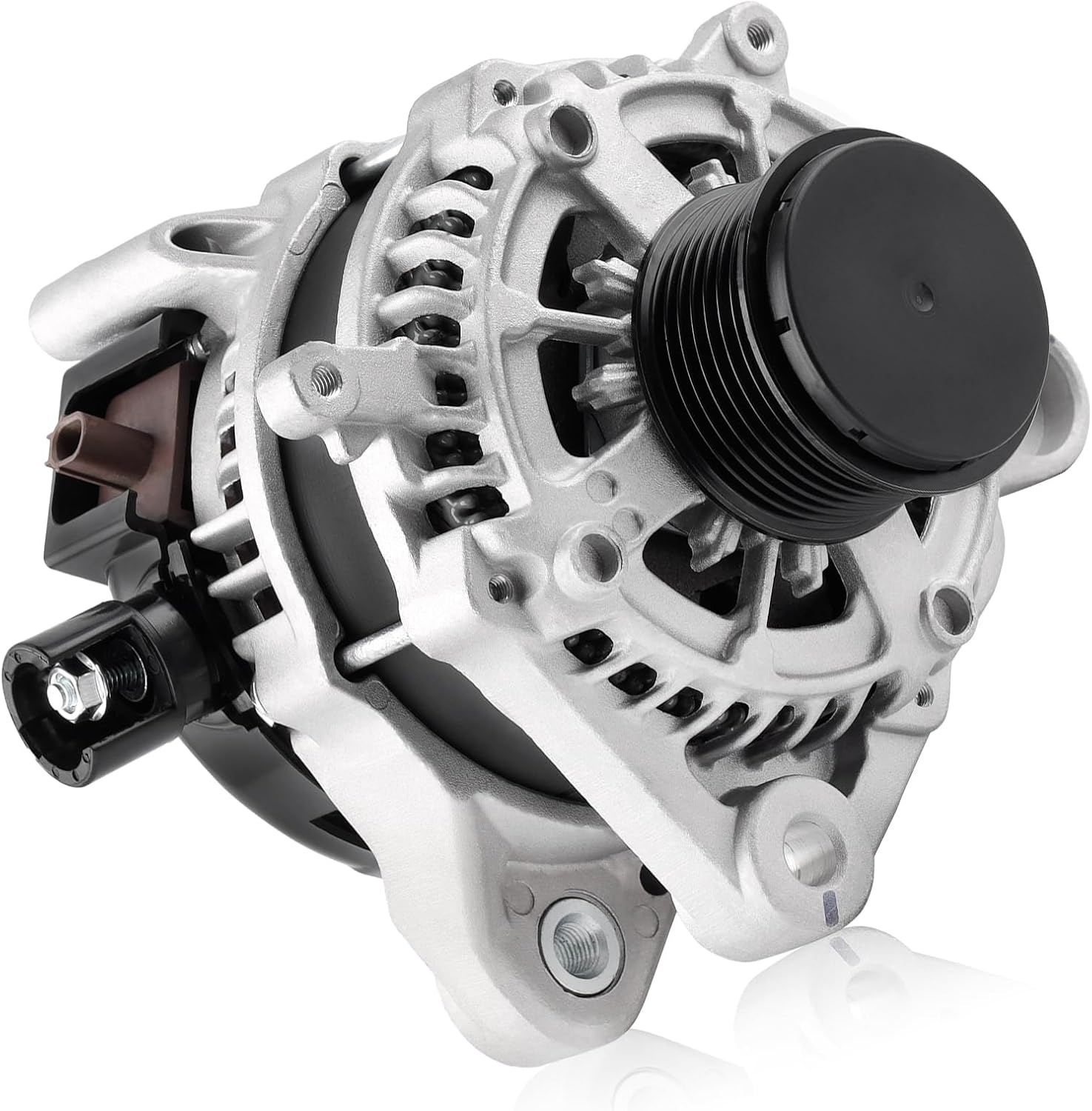
| Amperage | 135 Amps |
|---|---|
| Voltage | 12V |
| Rotation | CW (Clockwise) |
| Number of Grooves | 7‑Groove Pulley |
| Regulator Type | Internal |
This Farrme 104211-3470 alternator is sold as a direct replacement for the 2.4L L4 Honda CR‑V (2015–2019) and certain Acura TLX/ILX applications and is built to deliver 135 amps at 12 volts. It installs like a factory replacement and includes an internal regulator and internal fan, so it functions the same way as the original unit. Buyers report quick, quiet operation when new and the alternator is constructed from die‑cast aluminum with copper windings to help with heat dissipation. Practical benefits include matching OEM amperage for charging and accessory use, a clockwise rotation and a 7‑groove pulley to fit factory belt setups, and claims of sealed bearings for lower noise. Documented limitations are mixed longevity in real-world use; multiple owners reported failures within months to a year, so long-term reliability appears variable. Because it requires correct wiring and belt tension to operate, have the vehicle electrical system checked and use professional installation if you are unsure. This unit is best when you prioritize correct amperage and an affordable direct-fit replacement but want to accept some risk on long-term durability.
Best for: Buyers who need a budget-friendly, OEM‑spec amperage replacement for a 2.4L Honda CR‑V or compatible Acura and who prioritize correct fit and immediate charging performance while weighing peer feedback.
Less Ideal for: Drivers who want a long-term, guaranteed high-mileage unit backed by extended manufacturer warranty or those who prefer OEM branded parts for proven durability should consider other options.
- Matches OEM amperage at 135A for proper charging and accessory performance
- Direct-fit design with internal regulator and 7‑groove pulley for straightforward replacement
- Die‑cast aluminum housing and copper windings for improved heat dissipation and corrosion resistance
- Sealed bearing and internal fan reduce noise and help cooling during operation
- Customer reports show inconsistent longevity with several failures reported within months to a year
Verdict: A cost‑effective, direct‑fit 135A replacement for 2.4L Honda CR‑V and compatible Acuras when you need correct charging now and accept mixed long‑term reliability.
Choosing the Right 2012-2016 Honda CR-V Alternator: Key Factors to Consider
Output Rating and Voltage Regulation
Alternator output rating directly affects how well the charging system keeps the battery topped and powers accessories. For the 2012–2016 CR-V, choose an alternator with the factory-specified ampere rating or slightly higher if you run extra electrical loads. A unit with consistent voltage regulation prevents overcharging and undercharging, protecting the battery and on-board electronics.
Voltage regulation design also impacts idle charging performance. Poor regulation can cause flickering lights or inconsistent gauge behavior. Ask about the regulator type and any specifications for idle RPM output to ensure dependable operation in stop-and-go traffic.
Physical Fitment and Mounting
Physical fitment covers the mounting holes, bracket alignment, pulley type, and clearance in the CR-V engine bay. Even a correctly rated alternator can cause installation headaches if the mounting ear locations or overall dimensions differ from factory. Confirm that the replacement aligns with the CR-V's bracket geometry and belt path.
Pay attention to pulley diameter and the number of grooves. Mismatched pulleys can change charging RPM and alter belt tension. If the unit requires adapters or different hardware, factor in the cost and complexity of sourcing those parts for a smooth install.
Connector and Wiring Compatibility
The alternator's electrical connectors must match the CR-V's harness or be compatible with simple plug adapters. Differences in plug type or voltage-sensing lead routing can complicate installation and require splicing, which introduces potential failure points.
Look for alternators with the correct main output terminal and field/regulator plug configuration for the 2012–2016 CR-V. Clear wiring diagrams or harness kits reduce installation time and the risk of miswiring that could damage the regulator or vehicle electronics.
Durability and Internal Components
Internal component quality affects how long an alternator lasts under typical CR-V use. Bearings, brushes, slip rings, and the stator windings should be robust to handle highway miles and frequent stop-and-go driving. Bearings with rubber seals and high-temperature-rated insulation for windings are indicators of longer service life.
Cooling strategy also matters. Alternators that dissipate heat efficiently avoid premature wear of internal parts. Consider units with proven cooling vent designs and corrosion-resistant housings for longevity, especially in climates with temperature extremes or road salt exposure.
Warranty and Support
A clear warranty gives you recourse if the alternator fails prematurely. For the CR-V, choose alternators with documented warranty lengths and explicit coverage terms for labor or replacement. Warranties that include at least limited coverage for defects in materials and workmanship provide extra assurance.
Also consider the availability of technical support or installation guidance from the seller or manufacturer. Good documentation and a straightforward return policy reduce downtime if the unit is DOA or does not fit as expected.
Serviceability and Rebuild Options
Some owners prefer units that are serviceable or supported by rebuild kits. For the 2012–2016 CR-V, confirm whether bearings, brushes, or voltage regulators can be replaced without swapping the entire assembly. Rebuildable designs can lower long-term ownership cost if you or a trusted shop plans to maintain the unit.
However, rebuildability requires access to correct parts and documentation. Verify that common replacement parts are available and that the alternator's construction allows safe disassembly without special tooling.
Common Alternator Symptoms on the 2012–2016 CR-V
Recognizing early signs of alternator trouble helps you address issues before a roadside breakdown. Typical symptoms include dashboard battery or charging warning lights, dimming headlights at idle, and intermittent electrical glitches like flickering interior lights or infotainment resets. Some owners notice a battery that repeatedly discharges even after a successful jump start, indicating the alternator is not maintaining charge.
Alternator-related noises are another indicator. A grinding or whining noise tied to engine speed can point to worn bearings or internal component wear. In some cases, belt slippage or a failing tensioner mimics alternator symptoms, so a visual inspection of the belt and pulleys should accompany electrical tests.
- Dashboard charging lamp illumination
- Dimming or flickering exterior and interior lighting
- Intermittent accessory or infotainment resets
- Unusual whining or grinding noises correlated with engine RPM
- Battery repeatedly losing charge after short drives
How to Test an Alternator on a CR-V
Basic testing can confirm whether the alternator is producing the correct voltage and current. Start with a multimeter check at the battery with the engine running: a healthy charging system typically shows voltage slightly above battery resting voltage, indicating the regulator is working. Also check voltage stability at idle and during a rev to see if the alternator maintains output under changing loads.
For a more thorough diagnosis, perform a load test by turning on headlights, climate blower, and other accessories while monitoring voltage. Voltage that falls well below the expected range under load suggests reduced alternator capacity. Many shops offer bench testing or dynamic tests using load probes that measure current output; these can identify failing diodes or weak windings.
- Multimeter voltage check at battery with engine off and running
- Load test with accessories on to observe voltage stability
- Listen for mechanical noises and inspect belt condition
- Consider bench testing for diode and winding integrity
Installation Considerations for DIYers and Shops
Installing an alternator on a 2012–2016 CR-V is straightforward for anyone comfortable with basic hand tools, but attention to detail ensures a lasting repair. Always disconnect the negative battery terminal before starting to avoid shorting the electrical system. Note belt routing before removing the belt and inspect the tensioner and belt for wear; replacing a worn belt at the same time prevents premature slippage on the new unit.
Torque specifications for mounting bolts and output terminal connections matter. Hand-tightening the main output stud can lead to poor electrical contact and heat buildup. If the replacement requires a different pulley or adapter, verify belt tension after installation and recheck charging voltage with the engine running. If you lack the tools or are unsure about wiring, a professional installation avoids accidental damage.
- Disconnect negative battery terminal before work
- Inspect and replace worn belts and tensioners
- Tighten electrical connections to correct torque
- Recheck charging voltage after installation
- Use manufacturer torque specs when available
When a Rebuild Kit Makes Sense
A rebuild kit can be cost-effective if the alternator housing and shaft are in good condition and only internals like brushes, bearings, or the regulator need replacement. For the 2012–2016 CR-V, a rebuild is worth considering if you have access to quality parts and the skills or a shop that can perform the service to OE standards.
However, evaluate the time and parts availability before committing. Some aftermarket or reman units include upgraded components that may offer similar longevity without the labor of a rebuild. Factor in warranty coverage and the expected remaining service life of the rebuilt assembly compared with a complete replacement.
- Assess housing and shaft condition before rebuilding
- Compare parts availability and labor cost
- Consider rebuilt unit warranty versus new unit warranty
- Use rebuilds when high-quality replacement parts are obtainable
Understanding Alternator Warranty Terms
Warranty terms vary and affect long-term ownership cost. For a CR-V alternator, look for clear coverage periods and what is included, such as core exchange requirements or coverage for labor. Some warranties require a core return for full coverage, while others include limited parts-only coverage for shorter durations.
Also check the process for filing claims and whether the supplier or manufacturer provides technical support for installation questions. A straightforward warranty and accessible support reduce downtime and uncertainty if the alternator fails soon after installation.
- Check core return requirements
- Verify coverage period and what failures are included
- Confirm claim process and contact options
- Assess whether labor or installation costs are covered
Still looking for the perfect fit?
Select your Honda CR-V configuration to see the most relevant Alternators recommendations
How We Chose the Best 2012-2016 Honda CR-V Alternator
Our selection process focused on factors that directly affect charging reliability and vehicle integration for the 2012–2016 Honda CR-V. We prioritized alternators with correct electrical output for the factory charging system, verified physical fitment to the CR-V mounting and pulley arrangement, and confirmed compatible connector and wiring layouts.We evaluated build quality indicators such as bearing durability, stator and rotor materials, and cooling design because these influence lifespan under highway and city driving. Thermal performance and internal regulation were considered to reduce voltage fluctuations that can harm electronics. We also assessed whether units met or exceeded OE electrical specifications and if they included necessary hardware like correct pulleys or plug adapters.Excluded from consideration were general-purpose units without clear CR-V fitment information, alternators with unverified output ratings, and options lacking adequate documentation on warranty or return support. The final picks balance correct specifications, installation ease, and documented durability for this vehicle generation.
Our full evaluation process is outlined in our review methodology.
FAQ
How long should an alternator last on a 2012–2016 CR-V?
Alternator lifespan varies, but many last between 80,000 and 150,000 miles depending on driving conditions. Factors like frequent short trips, electrical accessory load, and exposure to heat or road salt can shorten life, while highway driving tends to be less stressful on the unit.
Can I replace the alternator myself on a 2012–2016 CR-V?
Yes, a competent DIYer with basic hand tools can replace the alternator. Key steps include disconnecting the battery, removing the drive belt, unbolting the alternator, and ensuring correct wiring and belt tension during reinstallation. If you are unsure about electrical connections, seek professional help.
What are the quickest tests to check if the alternator is failing?
Use a multimeter to check battery voltage with the engine off and running; charging voltage above resting battery voltage indicates the alternator is working. Also test under load by turning on lights and accessories to see if the voltage holds steady. Unusual noises and a repeatedly dead battery are additional clues.
Will a bad alternator damage my battery or other electronics?
A failing alternator can overcharge or undercharge the battery, reducing its lifespan. Severe voltage regulation problems may stress sensitive electronics. Address alternator issues promptly to avoid collateral damage to the battery and vehicle systems.
Should I replace the belt and tensioner when changing the alternator?
It is good practice to inspect the belt and tensioner and replace them if they show signs of wear. A new alternator with an old, worn belt or weak tensioner can lead to slippage and suboptimal charging performance, so replacing worn drive components at the same time is often recommended.
Are rebuild kits reliable for CR-V alternators?
Rebuild kits can be reliable if high-quality parts are used and the housing and shaft are sound. They make sense when replacement parts like bearings and brushes are available and the labor is done to proper standards. Consider warranty and long-term expectations before choosing a rebuild.
Final Verdict
For the 2012–2016 Honda CR-V, prioritize alternators that match the factory output rating, offer stable voltage regulation, and fit the CR-V mounting and pulley arrangement without major modification. Balance durability features such as sealed bearings and quality internal components against warranty coverage and serviceability.If you frequently run extra electrical accessories, lean toward a unit with verified higher output and strong thermal characteristics. For routine replacements, focus on correct fitment, connector compatibility, and a clear warranty to ensure reliable charging and reduced downtime.
Explore More:
- Check out all Honda CR-V parts & accessories
- Explore Alternators Maintenance & Repair Guides
- Explore Electrical System
- Browse all Auto Parts
