

Note: This article contains affiliate links. If you click on these links and make a purchase, I may earn a small commission at no extra cost to you. This helps support my research and content. Read my full affiliate disclosure here.
If your 1998-2011 Ford Ranger is blowing warm air or losing refrigerant, the condenser is a likely culprit. Selecting the right AC condenser matters because it directly affects cooling capacity, long-term leak resistance, and compatibility with the Ranger's existing A/C plumbing and mounting points. A poor fit or low-quality coil can lead to repeated repairs and lost time.This guide covers the top shortlisted AC condensers for the 1998-2011 Ford Ranger, highlighting the practical criteria that matter for installation and reliability. We evaluate each option for fitment, durability, and service considerations so you can pick a part that restores dependable cooling. Read on for the decision factors and owner-focused advice before you inspect product specifics.
Looking for other parts? See all Ford Ranger parts & accessories.
Top Picks at a Glance
| Best Overall The best all-around choice for most situations | Sunbelt Radiators A/C Condenser Compatible with 1998–2011 Ford Ranger and Related Models |  |
| Best Quality Built to a higher standard if you want something more solid | A-Premium AC Condenser Compatible with Ford Ranger and Mazda Trucks |  |
| Best Value The sweet spot between price and what you get | Kool Vue KVAC4904 A/C Condenser (direct fit) | 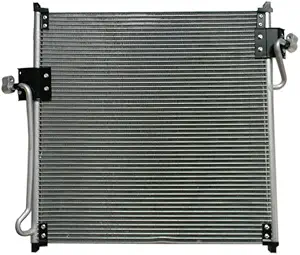 |
| Best Budget The cheapest option that still gets the job done reliably | ANPART A/C Condenser for Ford Ranger 1998–2011 |  |
| Highest Rated A top-rated pick with lots of positive feedback | PHILTOP A/C Condenser for Ranger 2000-2011 4.0L |  |
| Most Popular A crowd favorite that many people choose with confidence | TRQ A/C Condenser Compatible with 1997–2011 Ford Ranger and Related Models |  |
| Best Seller A high-volume bestseller chosen again and again | UAC CN 3755PFC A/C Condenser |  |
1. Sunbelt Radiators A/C Condenser Compatible with 1998–2011 Ford Ranger and Related Models

| Brand | Sunbelt Radiators |
|---|---|
| Manufacturer Part Number | SBC4821 |
| Compatible Models | Ford Ranger, Explorer, Explorer Sport Trac, Mazda B4000, Mercury Mountaineer (select years) |
| Item Weight | 9 pounds |
This Sunbelt Radiators condenser replaces the vehicle's air conditioning condenser with a unit built to the original fit pattern. It installs in the front of the vehicle and cools refrigerant by transferring heat to passing airflow, restoring A/C performance when the factory condenser is damaged or corroded. The listing emphasizes factory-style design and quality inspection, and Sunbelt claims each piece is tested before shipping. Buyers will appreciate the straightforward, vehicle-specific fitment that reduces trimming or modification during installation. The condenser is made from typical automotive-grade materials and comes with a lifetime guarantee noted in the description, which may ease concerns about longevity. Important considerations: the part requires proper refrigerant evacuation, recharge, and leak testing during replacement, and professional installation is recommended if you lack A/C service tools or experience. This is a focused replacement part rather than an upgraded performance condenser, so it prioritizes correct fit and reliable operation over increased cooling capacity.
Best for: Practical owners who want a dependable, vehicle-specific condenser to restore factory A/C performance without modification and who value a straightforward replacement backed by a guarantee.
Less Ideal for: Do not choose this if you need a high-performance or upgraded cooling solution for heavy-duty towing or extreme climates; also avoid if you plan to install without access to A/C service tools or professional help.
- Direct-fit design intended for 1998–2011 Ford Ranger and related models to simplify installation
- Factory-style construction and end-to-end quality inspection for consistent fit and function
- Lifetime guarantee offered in product description for long-term peace of mind
- Installation requires proper A/C service equipment and refrigerant handling which may necessitate professional service
Verdict: Choose this Sunbelt condenser if you want a vehicle-specific, factory-style replacement that restores A/C function with minimal fitment hassle.
2. A-Premium AC Condenser Compatible with Ford Ranger and Mazda Trucks

| Vehicle Fitment | Ford Ranger 1998-2011; Mazda B2500/B3000/B4000 1998-2010 |
|---|---|
| Configuration | Parallel Flow |
| Built-in Receiver Dryer | No |
| Built-in Oil Cooler | No |
| Manufacturer Part Number | APCON201D |
This A-Premium AC condenser is a direct bolt-in replacement intended to restore factory-level air conditioning cooling in compatible Ford Ranger and Mazda trucks. It uses a parallel flow core engineered for efficient heat dissipation and is offered as a direct-fit unit to simplify installation without modifying mounting points. Typical use is as a mid-life replacement when a leaking or clogged condenser reduces AC output; it ships without a built-in receiver dryer or oil cooler so technicians should plan to replace or service those components separately. The condenser’s OEM-style fitment and listed reference numbers make matching straightforward, and the design aims to provide comparable cooling capacity to the original. Practical benefits include straightforward installation and restored AC performance on the covered model years. Limitations are the lack of integrated accessories and the need to address the receiver/drier and system oil during installation to ensure a long service life.
Best for: Buyers who prioritize restoring strong AC performance on a 1998–2011 Ford Ranger and want a direct-fit replacement that simplifies installation and returns factory-style cooling.
Less Ideal for: People looking for a complete, plug-and-play AC overhaul with integrated receiver/drier or oil cooler should consider a kit that includes those parts or professional service.
- Direct bolt-on fitment for the specified Ranger and compatible Mazda truck models
- Parallel flow core designed for efficient heat dissipation and cooling
- OEM-quality construction aimed to match factory fit and function
- Clear reference numbers to help verify compatibility during purchase
- No built-in receiver dryer or oil cooler, so additional components may be required during installation
Verdict: If you need a straightforward, factory-style condenser replacement to restore AC performance on a 1998–2011 Ford Ranger, this A-Premium unit is an effective direct-fit option.
3. Kool Vue KVAC4904 A/C Condenser (direct fit)
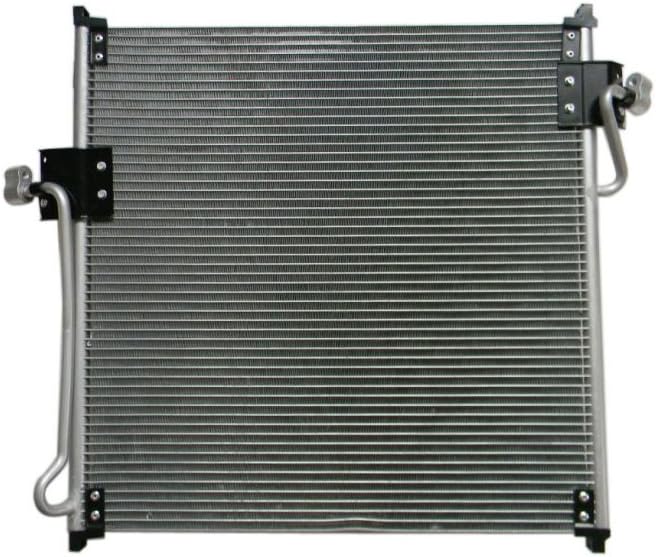
| Item model number | KVAC4904 |
|---|---|
| Manufacturer | Kool Vue |
| Core material | Aluminum |
| Compatible years | 1998-2011 Ford Ranger |
This Kool Vue KVAC4904 condenser is a direct-replacement unit intended to restore factory cooling performance in 1998–2011 Ford Ranger applications. It installs in place of the original condenser and is typically used when the stock condenser is leaking, clogged, or damaged. The part features an aluminum core and is manufactured to match the original fitment so it connects to existing AC lines and mounting points without modification. In real-world use buyers report the condenser performs as expected to reestablish cold airflow when paired with a properly serviced compressor and system charge. Notable benefits are the factory-style fit and the aluminum construction that resists corrosion. Important limitations are that it is a component-only replacement so any upstream contamination, failed compressor, or drier must be addressed separately, and installation requires basic mechanical skill or shop labor for refrigerant recovery and recharge. A one-year limited mileage warranty is offered through the listed seller.
Best for: Buyers who want a practical, no-frills replacement condenser that restores factory cooling without costly upgrades and who prefer a straightforward parts-first repair approach.
Less Ideal for: If you are looking for a performance-enhanced or upgraded cooling solution, or need a full system overhaul including compressor and drier replacement, this single condenser part is not the complete solution.
- Direct-fit design made for the listed Ford Ranger model years for straightforward replacement
- Aluminum core construction helps resist corrosion and dissipate heat effectively
- Designed to mate with factory mounting points and AC lines to avoid modification
- Backed by a limited one-year warranty through the seller
- Does not include installation services or additional components like receiver/drier or new O-rings, which may be needed for a complete AC service
Verdict: Choose this Kool Vue condenser when you need a reliable, direct-fit replacement to restore your Ranger's air conditioning without unnecessary extras.
4. ANPART A/C Condenser for Ford Ranger 1998–2011

| Manufacturer | ANPART |
|---|---|
| Model | condensers |
| Core Height | 21.46 Inch |
| Core Width | 21.34 Inch |
| Package Includes | 1 PCS A/C Condenser |
This ANPART A/C condenser is a budget-focused replacement built to restore cooling performance on 1998–2011 Ford Rangers and compatible Mazda B-series trucks. It installs as a direct bolt-in with pre-drilled mounting holes and brackets, so most installers can swap it in without major modification. The condenser uses high-density fins to increase heat dissipation compared with basic aftermarket cores, which helps the air conditioning blow colder air under normal driving conditions. The unit is lightweight and comes as a single-piece condenser ready to connect to existing lines. Expect practical value: it covers wide year ranges and common cab configurations for the Ranger, making it a convenient option when the original condenser fails. Limitations to note are that this is an aftermarket replacement without expanded performance features and you should confirm exact year and cab fitment before buying to avoid compatibility issues during install.
Best for: Buyers who need an affordable, ready-to-install condenser to restore A/C cooling on a Ranger and prefer a practical replacement that fits multiple model years.
Less Ideal for: Those looking for a performance-grade or heavy-duty upgraded condenser for extreme towing or custom cooling setups should consider specialty options instead.
- Direct bolt-on design with pre-drilled mounting holes for straightforward installation
- High-density fins to improve cooling efficiency over basic replacement cores
- Covers a broad range of 1998–2011 Ford Ranger models and compatible Mazda B-series trucks
- Lightweight single-piece condenser that ships complete and ready to install
- Aftermarket unit without enhanced durability claims or extended testing data
Verdict: A cost-conscious, direct-fit condenser that brings reliable cooling back to Ford Rangers across 1998–2011 without complicating installation.
5. PHILTOP A/C Condenser for Ranger 2000-2011 4.0L

| Fitting Type | Block Fitting |
|---|---|
| Refrigerant Type | R134A |
| Core Length | 21.37 in |
| Core Width | 20.59 in |
| Core Thickness | 0.78 in |
This PHILTOP condenser is a direct replacement designed to restore air conditioning cooling for Ranger 2000-2011 4.0L and several related Ford/Mercury models. It functions as the hot-side heat exchanger, liquefying refrigerant and shedding heat to allow the system to blow cold air again. The unit uses thin aluminum tubing to improve heat transfer and is described as built with durable materials and machined exterior finishes to match factory fit and mounting. Typical use is a one-for-one swap when the original condenser is leaking, damaged, or clogged; installation requires recovering the refrigerant and replacing fittings as needed. Practical benefits include fast heat rejection for quicker cabin cooling and compatibility with R-134A systems. Limitations to consider are that this condenser does not include a built-in receiver/dryer and buyers should confirm exact fitment for their year and engine before installation. Expect to pair it with new O-rings and a proper system evacuation and recharge to get reliable, long-term results.
Best for: Buyers who prioritize a dependable, factory-style replacement to restore AC cooling on a Ranger and want a unit built for long-term service rather than a temporary fix.
Less Ideal for: People looking for a condensers kit with integrated desiccant or those who prefer a plug-and-play solution that includes additional service parts like a receiver dryer.
- Direct-fit design matched to Ranger 2000-2011 4.0L and specified Explorer/Mountaineer models
- Thin aluminum tubes aimed at improved heat transfer and faster cabin cooling
- Machined exterior and factory-style mounting for straightforward installation
- Meets listed manufacturer part numbers for compatibility with factory replacement parts
- Does not include a built-in receiver dryer, so an external dryer or accumulator may be required
- Requires refrigerant evacuation and professional recharge during replacement
Verdict: A reliable, factory-style condenser replacement for Ranger 2000-2011 4.0L owners who want to restore consistent AC cooling with a durable aluminum unit.
6. TRQ A/C Condenser Compatible with 1997–2011 Ford Ranger and Related Models

| Core Material | Aluminum |
|---|---|
| Core Type | Parallel Flow |
| Inlet Fitting Thread Size | M8 |
| Outlet Fitting Thread Size | M8 |
| Mounting Hardware Included | Yes |
This TRQ condenser is a direct-replacement cooling component intended to restore air conditioning performance on the specified Ford Ranger and related vehicles. It uses an aluminum parallel-flow core with M8 block-style inlet and outlet fittings and arrives with mounting hardware for bolt-in installation. In practice the condenser replaces a worn or leaking factory unit to reestablish proper refrigerant flow and heat rejection; its pre-assembled design and included hardware reduce installation time for DIYers and independent shops. Notable features are the parallel-flow core for efficient cooling, female M8 connections that match stock fittings, and omission of an integrated drier or oil cooler which keeps the unit simple but requires matching the vehicle�s existing receiver/drier if that component needs service. Buyers should confirm exact model-year fitment before purchasing and be prepared to reuse or separately replace the receiver/drier when necessary.
Best for: Buyers who prioritize proven fitment and want a factory-style replacement that installs with minimal modification and leverages community feedback for confidence in the part.
Less Ideal for: People looking for a condenser with integrated drier/oil cooler or a universal aftermarket fitment option should consider other products or upgraded assemblies.
- Direct-fit design with included mounting hardware for straightforward installation
- Aluminum parallel-flow core that improves heat rejection compared with older tube-and-fin designs
- M8 block connection fittings match factory refrigerant lines to avoid adapter work
- Pre-assembled unit reduces bench work and shortens repair time
- Does not include an integrated drier or oil cooler, so separate replacement may be required
- Core thickness and physical dimensions require checking against vehicle specifics to ensure fit
Verdict: Choose this TRQ condenser when you need a direct-fit, factory-style aluminum replacement to restore A/C performance on the listed 1997–2011 Ford Ranger and related models.
7. UAC CN 3755PFC A/C Condenser

| Material Type | Aluminum |
|---|---|
| Capacitance | 3755 picofarad |
| Item Shape | Rectangular |
| Model | CN 3755PFC |
This UAC condenser is a direct replacement-style unit meant to remove heat from refrigerant and restore proper A/C operation. It is built from brazed, mechanically bonded aluminum with an anti-corrosive paint layer and is pressure-tested for leaks, so installation typically follows the same steps as swapping any vehicle condenser: evacuate the system, replace the old condenser, then evacuate and recharge the system. Practical benefits include factory-quality construction and corrosion resistance that help the part last in road conditions, plus a one-year manufacturer warranty for added peace of mind. The unit is sold as the main component only, so expect to reuse or separately purchase fittings and mounting hardware if your vehicle requires them. For buyers who prioritize low risk and dependable replacement parts, this condenser offers tested build quality, but like most aftermarket condensers it requires proper installation and system evacuation to avoid performance issues.
Best for: A buyer who wants a dependable, factory-quality replacement condenser and values tested construction and corrosion resistance to minimize the chance of early failure.
Less Ideal for: Those looking for an all-in-one kit that includes new fittings and hardware or buyers who prefer extended warranties beyond one year.
- Brazed, mechanically bonded aluminum construction for durability
- Anti-corrosive paint layer improves resistance to environmental damage
- Pressure tested with helium to check for leaks before shipping
- Manufactured to meet ISO/TS 16949 quality standards
- Sold as main component only so fittings or brackets may need to be reused or bought separately
- One-year manufacturer warranty is limited compared with some extended warranties
Verdict: A tested, factory-quality aluminum condenser that lowers risk for buyers who want a reliable direct replacement for their vehicle's A/C system.
Choosing the Right 1998-2011 Ford Ranger AC Condenser: Key Factors to Consider
Fitment and Mounting Alignment
Correct fitment is the single most practical concern for a Ranger condenser replacement. The condenser must line up with the factory mounting points, bumper brackets, and the existing A/C hose ports. Misaligned inlet or outlet ports can require hose modification or adapter fittings, which increases cost and failure risk.
When assessing fitment, check mounting tab locations, overall dimensions, and port orientation relative to the vehicle. Proper alignment shortens installation time and reduces stress on rubber lines and fittings, which lowers the chance of future leaks.
Material Quality and Corrosion Resistance
Condensers sit in front of the radiator and are exposed to road salt, gravel, and moisture. Higher-quality condensers use thicker aluminum fins, corrosion-resistant coatings, or more robust brazing to resist salt and mechanical wear. These properties directly affect lifespan and leak resistance.
Choosing a condenser with proven corrosion protection reduces long-term maintenance. For Ranger owners who drive in winter or coastal areas, this factor is especially important because corrosion accelerates failure and can lead to refrigerant loss.
Thermal Performance and Tube Density
Thermal performance determines how effectively the condenser rejects heat from the refrigerant to ambient air. Units with higher tube density and well-formed fins tend to deliver better cooling capacity, which translates to colder cabin air and faster system recovery after heavy use.
Consider whether the replacement restores factory cooling output or offers improvements over a failed unit. Adequate thermal performance also helps the compressor work less, which reduces stress on other A/C components.
Welds, End Tank Strength, and Leak Resistance
Small leaks at soldered joints, brazes, or end tanks are common failure modes for condensers. Inspect construction quality by looking for clean, even brazes and reinforced end tanks. Strong joints and properly formed connections lower the probability of refrigerant seepage and the need for repeat repairs.
A condenser that holds refrigerant without slow leaks is vital to maintaining system pressure and avoiding compressor damage from insufficient lubrication.
Compatibility With System Service Procedures
Many Ranger condensers will need to be installed alongside service steps like A/C system flushing, receiver-drier replacement, or expansion valve servicing. Choose a condenser that permits standard flush and install procedures without requiring nonstandard fittings or extra adapters.
Compatibility with common maintenance steps reduces labor time and prevents the need to purchase additional service parts, helping achieve a durable repair that integrates cleanly with the rest of the HVAC system.
Documentation, Warranty, and Supplier Traceability
Clear fitment documentation and a reasonable warranty provide peace of mind when replacing a condenser. Documentation should specify the exact Ranger model years covered and show port orientations and mounting details. A warranty or return policy signals supplier confidence and makes it easier to resolve post-install issues.
Products without clear documentation or traceability raise the risk of incorrect fit or premature failure, which can add downtime and extra expense for repairs.
Common AC Condenser Symptoms to Watch For
Recognizing condenser problems early can prevent more extensive A/C damage. Typical symptoms include diminished cooling output, a noticeable drop in system pressure, or visible oily residue on the condenser fins which indicates refrigerant leakage. Intermittent cooling or longer cool-down times during idling are other red flags.
Physical damage such as bent fins, crushed tubes, or punctures from road debris can also reduce heat rejection and promote leaks. If you notice these symptoms, inspect the condenser and surrounding components before replacing other parts like the compressor.
- Warm air from vents during sustained engine operation
- Oily residue or dark stains on condenser surface
- Reduced refrigerant pressure on system gauges
- Visible physical damage or crushed fins
Inspection and Vehicle-Specific Fit Checks
Before buying a replacement, remove the damaged condenser if possible and compare dimensions, port spacing, and mounting tab locations with the candidate unit. Confirm inlet and outlet diameters and orientations match the Ranger's existing hoses and fittings. This pre-check avoids surprises during installation.
Also inspect surrounding components such as the radiator and intercooler area for damage that may have contributed to condenser failure. Ensuring the replacement condenser will not contact adjacent parts and will sit flush with factory brackets is critical for a clean install.
- Measure overall height, width, and thickness
- Verify port thread type and spacing
- Check mounting tab positions against factory locations
Service Procedures After Replacement
Proper service after condenser replacement preserves system life. Standard steps include evacuating and recovering remaining refrigerant, flushing the A/C lines if contamination is suspected, replacing the receiver-drier or accumulator as required, and performing a vacuum and leak test prior to recharge. These steps remove moisture and debris that can damage the new condenser and compressor.
After recharge, verify system pressures and temperature drops across the condenser to confirm correct operation. A thorough post-service check helps catch installation issues like pinched lines or loose fittings that could otherwise cause premature failure.
- Evacuate and vacuum the system to test for leaks
- Replace receiver-drier or accumulator when prescribed
- Perform pressure and temperature checks after recharge
DIY Vs Professional Replacement Considerations
Replacing an AC condenser on the 1998-2011 Ford Ranger can be a do-it-yourself job for mechanically inclined owners, but it requires proper tools and knowledge of refrigerant handling laws. Tasks include removing front fascia components for access, disconnecting refrigerant lines safely, and ensuring correct torque on fittings.
If you do not have a certified refrigerant recovery and recharge setup or are unsure about system flushing requirements, consider professional service. Proper evacuation and leak testing are critical to avoid environmental release of refrigerant and to protect the new condenser and compressor.
- DIY is feasible with correct tools and refrigerant recovery equipment
- Professionals can ensure thorough flushing and leak detection
- Incorrect installation risks leaks and compressor damage
Minor Fixes and When Replacement Is Necessary
Some minor issues, such as bent fins or small surface dents, can be addressed without a full condenser replacement. Fin combs can straighten fins to recover airflow, and small localized damage may be repairable if it has not breached the tubing. However, any sign of active refrigerant leak, significant puncture, or damaged end tanks typically requires condenser replacement.
If the condenser failure has allowed debris into the system or caused compressor contamination, plan to address those components as well to avoid repeating the repair. A full system inspection after condenser failure helps determine the scope of work needed.
- Use fin comb to repair minor fin damage
- Replace if there is an active refrigerant leak or puncture
- Inspect compressor and lines for contamination after failure
Still looking for the perfect fit?
Select your Ford Ranger configuration to see the most relevant AC Condensers recommendations
How We Chose the Best 1998-2011 Ford Ranger AC Condenser
Our selections focus on parts that meet the practical demands of repairing or replacing the AC condenser on a 1998-2011 Ford Ranger. We prioritized fitment accuracy to the Ranger's factory mounting points and inlet/outlet locations, since correct alignment reduces installation hassle and prevents oil or refrigerant leaks. Corrosion resistance and coil construction were weighed heavily because condensers operate exposed to road debris and moisture; better materials extend service life.Thermal performance and tube density were considered to ensure adequate heat rejection and restore factory cooling capacity. We also evaluated durability of end tanks and brazed joints to limit likelihood of refrigerant seepage. Serviceability factors such as provision for receiver-drier or accumulator connections, and whether the condenser works with common system flushing procedures, were included. Finally, we excluded units lacking clear fitment documentation for the 1998-2011 Ranger or those without adequate manufacturing traceability. We did not include products with inadequate corrosion protection or unclear warranty support.
Our full evaluation process is outlined in our review methodology.
FAQ
How long does an AC condenser typically last on a 1998-2011 Ford Ranger?
Lifespan varies widely depending on driving conditions and climate. With normal use and without impact damage, a condenser can last many years, but exposure to road salt and debris accelerates wear. Regular inspection helps detect early corrosion or leaks.
Can I flush the A/C system instead of replacing the condenser?
Flushing can remove debris if the condenser is contaminated but not leaking. It is appropriate when contamination is minimal and seals are intact. If there is an active leak or the condenser is physically damaged, replacement is usually the correct course.
What are common signs of a condenser leak on my Ranger?
Common signs include oily residue on the condenser fins, reduced cooling performance, and a drop in refrigerant pressure. Visual inspection for stains and pressure testing after evacuation are effective ways to confirm a leak.
Do I need to change the receiver-drier or accumulator when replacing the condenser?
It is often recommended to replace the receiver-drier or accumulator during condenser replacement because these components trap moisture and debris. Swapping them prevents contaminants from cycling back into the new condenser and helps maintain system reliability.
Will a condenser replacement fix low A/C pressure by itself?
If the low pressure is caused by a condenser leak then replacing it should restore proper system pressure when combined with correct evacuation and recharge. However, low pressure can also stem from leaks elsewhere or compressor issues, so a full diagnostic is advisable.
How do I check condenser part fitment before ordering?
Compare the candidate condenser's physical dimensions, port type and spacing, and mounting tab locations with the removed unit or factory measurements. Documentation that lists compatibility specifically for 1998-2011 Ford Ranger models is the quickest way to confirm fit.
Final Verdict
When replacing an AC condenser on a 1998-2011 Ford Ranger, prioritize correct fitment and construction quality to ensure a durable repair. Focus on units with accurate mounting alignment, solid brazes, and corrosion resistance so the new condenser integrates cleanly with the Ranger's A/C plumbing and mounting points. Be sure to follow proper service steps such as flushing when needed and replacing the receiver-drier to prevent recurring failures.Balance thermal performance against long-term leak resistance: a part that restores factory cooling while offering robust joints and corrosion protection will minimize repeat work. With careful fit checks and adherence to service procedures, you can restore reliable cabin cooling and avoid downstream damage to other A/C components.
Explore More:
- Check out all Ford Ranger parts & accessories
- Explore AC Condensers Maintenance & Repair Guides
- Explore HVAC
- Browse all Auto Parts
