

Note: This article contains affiliate links. If you click on these links and make a purchase, I may earn a small commission at no extra cost to you. This helps support my research and content. Read my full affiliate disclosure here.
Driving a 2026 Subaru Outback through winter conditions demands a tire that restores control on snow, ice, and slush. The right winter tire improves braking distances, steering response, and predictability on cold roads compared with all-season rubber. It also affects ride comfort and tire wear, so picking a well-matched set matters for both safety and ownership cost.This guide presents five shortlisted winter tires chosen for the 2020–present Outback. We focus on real-world decision factors like snow and ice traction, wet grip, tread life, and fitment options so you can match a tire to your local winter conditions and driving style. Read on to see the evaluation criteria and the practical tradeoffs to consider before you buy a set for your Outback.
Looking for other parts? See all Subaru Outback parts & accessories.
Top Picks at a Glance
| Best Overall The best all-around choice for most situations | Goodyear WinterCommand Ultra 225/60R18 100H Winter Tire |  |
| Best Quality Built to a higher standard if you want something more solid | Pirelli Scorpion Winter 225/60R17 103V XL |  |
| Best Value The sweet spot between price and what you get | Firestone Winterforce 2 UV Winter/Snow SUV Tire 225/65R17 |  |
| Highest Rated A top-rated pick with lots of positive feedback | Bridgestone Blizzak WS90 Winter Tire 225/65R17 |  |
| Most Popular A crowd favorite that many people choose with confidence | Cooper Evolution Winter 225/60R18 100H Tire |  |
1. Goodyear WinterCommand Ultra 225/60R18 100H Winter Tire

| Rim Size | 18 inches |
|---|---|
| Load Index | 100 |
| Speed Rating | H |
| Seasons | Winter |
| Construction Type | Radial |
The Goodyear WinterCommand Ultra is a studless winter tire aimed at drivers who need dependable cold-weather traction without sacrificing ride comfort. With an asymmetrical tread and a winter-specific compound, it is intended to grip snow and slush while reducing road noise for daily driving on treated and untreaded roads. Typical use is as a seasonal replacement on a vehicle that spends most of its time on highways and plowed roads but requires confident stops and turns in light to moderate snow. Notable features include a touring-focused construction that supports a smoother ride and a 100 load index for common midsize crossover weights. Practical benefits are predictable handling, decent braking on snowy surfaces, and a quieter cabin compared with more aggressive winter designs. Important limitations are that it is a standard-load tire without heavy-duty load capacity and it is not a studded option, so it will not match the ice-biting performance of studded or purpose-built ice tires in extreme conditions.
Best for: Drivers who want a balanced winter tire that emphasizes comfort and all-around snow performance for seasonal use on a daily-driven crossover or wagon.
Less Ideal for: Drivers who routinely encounter extreme ice, deep unplowed snow, or who need maximum load capacity for heavy towing.
- Studless winter compound balances snow traction with lower road noise
- Asymmetrical tread pattern for predictable handling on plowed and slushy roads
- Rated 100 load index suitable for typical midsize crossover or wagon loads
- Touring-oriented construction delivers a comfortable, highway-friendly ride
- Not optimized for severe ice where studded or specialized ice tires perform better
Verdict: Choose this tire if you want a comfortable, quiet studless winter tire that delivers reliable snow traction for seasonal use on a Subaru Outback.
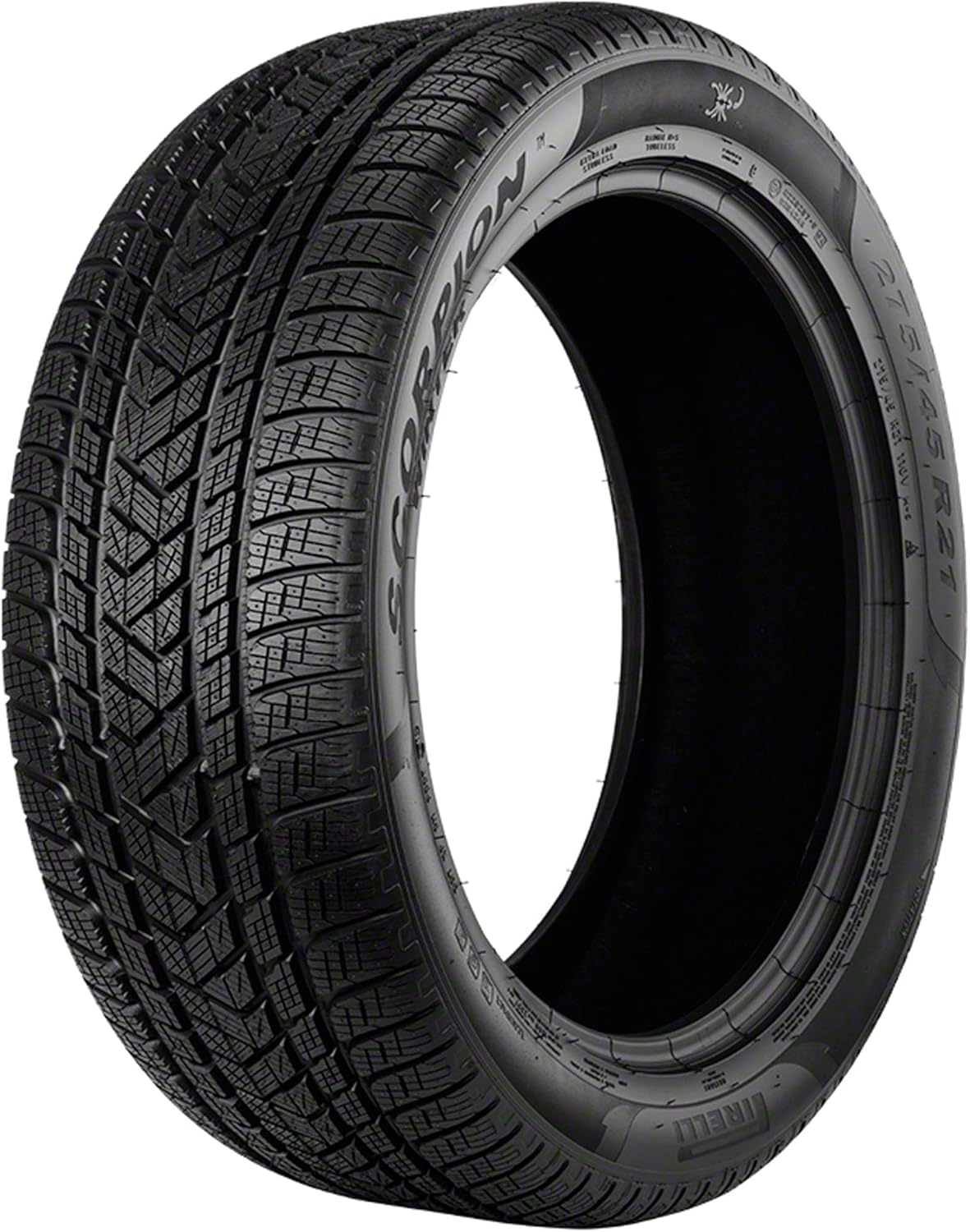
2. Pirelli Scorpion Winter 225/60R17 103V XL
| Rim Size | 17 inches |
|---|---|
| Load Index | 103 |
| Speed Rating | V |
| Tread Type | Directional |
| Seasons | Winter |
The Pirelli Scorpion Winter in 225/60R17 is a directional winter tire built for modern crossovers and SUVs and performs as a season-specific option for drivers who prioritize grip and confident handling in cold conditions. Its symmetric directional tread, modular block geometry, and dense siping create multiple biting edges that improve traction on packed snow and slush, while wide circumferential grooves aid water evacuation to reduce hydroplaning risk. Pirelli emphasizes a tougher compound and a new mold profile that aims to sharpen dry handling and limit rolling resistance. In real-world use this tire offers composed steering feedback and shorter braking distances on winter roads compared with generic all-season rubber, and the XL load rating supports heavier Outback configurations. The main compromises are typical of performance winter tires: treadwear can be quicker in mixed or warm conditions, and road noise and comfort are slightly firmer than touring winter options. If you need winter confidence and responsive handling on an Outback, this is a focused choice.
Best for: Drivers who want responsive winter performance and confident braking on snowy and wet roads, especially those who value handling precision for a Subaru Outback used in cold climates.
Less Ideal for: Drivers who spend most of their time on warm pavement or want the quietest, longest-lasting winter tire should consider a touring winter or all-season alternative.
- Directional tread and dense siping improve traction and braking on snow and slush
- Circumferential grooves help evacuate water to lower hydroplaning risk
- Reinforced compound and mold profile provide sharper dry handling for responsive steering
- XL load rating supports heavier CUV/SUV configurations
- Performance winter compound may wear faster in mixed or warm conditions
- Slightly firmer ride and increased road noise compared with touring winter tires
Verdict: Choose the Pirelli Scorpion Winter if you want a performance-oriented winter tire that sharpens handling and improves winter braking for a Subaru Outback in cold, snowy conditions.
3. Firestone Winterforce 2 UV Winter/Snow SUV Tire 225/65R17

| Size | 225/65R17 |
|---|---|
| Load Capacity | 1874 Pounds |
| Tread Depth | 12 32nds |
| Maximum Pressure | 44 PSI |
| Construction Type | Radial |
The Firestone Winterforce 2 UV is a winter tire designed for SUVs, CUVs, and pickup trucks that prioritizes cold-weather grip and longevity. It uses a special cold-weather compound, open shoulder slots, and a directional or asymmetrical tread to maintain traction on snow and ice and carries the 3-Peak Mountain Snowflake certification. Full-depth tread features are intended to preserve performance over multiple seasons, and the tire supports studding for added ice traction in applicable sizes. In real-world use this tire delivers predictable braking and confidence in wintry conditions compared with all-season tires, and the construction aims to balance grip with wear life so you do not have to replace tires as often. Expect quieter, stable highway manners for daily driving, though like most winter tires it will trade some dry-road handling and rolling efficiency versus a dedicated all-season. If you need dependable winter performance and reasonable longevity for a Subaru Outback-sized vehicle, this tire is a practical, value-oriented choice.
Best for: Drivers who prioritize consistent winter traction and durable tread life for daily driving and winter commutes in a Subaru Outback-sized vehicle.
Less Ideal for: Drivers who need maximum dry-road performance or lowest rolling resistance for fuel economy year-round should consider a different tire strategy.
- 3-Peak Mountain Snowflake certification for proven winter traction
- Cold-weather compound and open shoulder slots improve grip on snow and ice
- Full-depth tread design aimed at longer tread life across seasons
- Supports pinning for size 11 studs to boost ice traction when needed
- Winter-focused compound can reduce dry-road fuel efficiency and cornering sharpness
Verdict: Choose this tire if you want reliable certified winter traction and durable tread life for Subaru Outback-sized daily driving.
4. Bridgestone Blizzak WS90 Winter Tire 225/65R17

| Seasons | Winter |
|---|---|
| Rim Size | 17 Inches |
| Load Index | 102.0 |
| Speed Rating | H |
| Tread Type | Asymmetrical |
The Bridgestone Blizzak WS90 is a studless winter tire designed to deliver confident stopping and predictable handling on snow and ice. For a Subaru Outback that uses 225/65R17 fitment, this tire focuses on secure braking and consistent grip in low temperatures, using a specialized tread compound and biting particles aimed at improving traction on ice. It is typically used as a dedicated winter set, fitted on matching rims and swapped seasonally to preserve tread life and performance. Notable features include deep tread depth and an asymmetrical tread pattern that balance snow evacuation with ice bite, plus a load capacity suitable for mid-size wagons. Practical benefits are enhanced winter braking confidence and reportedly longer seasonal life compared with the previous Blizzak generation. Limitations are that it is a winter-only tire so road noise, rolling resistance, and tread wear will be less favorable in warm conditions, and long-term longevity depends on seasonal use and local driving habits.
Best for: Drivers who prioritize winter-season reliability and consistent ice and snow control for a 225/65R17-equipped Subaru Outback and plan to use a dedicated winter tire set.
Less Ideal for: Drivers seeking an all-season or summer tire alternative or those who prefer studded solutions for extreme ice conditions.
- Engineered compound and tread design for improved ice braking and control
- Deep tread depth and asymmetrical pattern help with snow evacuation and traction
- Load capacity and speed rating suitable for typical Outback driving loads
- Designed for an extra winter season of service compared with the previous model
- Not intended for year-round use; performance and wear decline in warm conditions
- No manufacturer warranty listed with the product details
Verdict: For Subaru Outback owners wanting dependable winter stopping and ice traction on a dedicated seasonal tire, the Blizzak WS90 is a reliable, control-focused choice.
5. Cooper Evolution Winter 225/60R18 100H Tire

| Size | 225/60R18 100H |
|---|---|
| Tread Depth | 12 32nds |
| Tread Type | Directional |
| Load Capacity | 1764 Pounds |
| Construction Type | Radial |
The Cooper Evolution Winter 225/60R18 is a dedicated winter tire built to handle heavy snow and icy roads. Its directional tread, sawtooth center rib, and Snow Groove Technology help with snow-on-snow traction and stability while the multi-angled corrugated siping adds numerous biting edges for turns and straight-line grip. It is studdable for drivers who want extra ice traction and carries the Three-Peak Mountain Snowflake severe snow rating. In real-world use this tire performs best on untreated roads and deep snow where consistent grip and braking are priorities, and reviewers note it remains relatively quiet for a winter tire. Expect solid acceleration and confident braking in winter storms, but realize a directional tread means rotation options are limited and it will wear faster than an all-season when used year-round. This tire is intended as a seasonal winter fitment rather than an everyday replacement for milder climates.
Best for: Subaru Outback drivers seeking a proven winter-only tire that prioritizes deep-snow and ice confidence and values peer-reviewed performance evidence when choosing snow-specific rubber.
Less Ideal for: Drivers in mild-winter regions or those who want a single set of tires year-round should consider all-season or dedicated touring options instead.
- Three-Peak Mountain Snowflake severe snow certification for proven winter performance
- Directional tread and Snow Groove Technology improve deep-snow acceleration and braking
- Studdable design allows adding studs for enhanced ice traction
- Multi-angled siping increases biting edges for better grip in turns and on slick surfaces
- Directional tread restricts rotation patterns, which can limit even wear strategies
Verdict: If you need a severe-snow rated winter tire for confident braking and traction on deep snow and ice for your Outback, this studdable Cooper is a dependable choice.
Choosing the Right 2026 Subaru Outback Winter Tire: Key Factors to Consider
Snow and Ice Traction
Snow and ice traction is the most important factor for Outback drivers who regularly encounter winter roads. Tread compound, siping density, and tread pattern work together to bite into loose snow and maintain contact on packed snow. Tires that score well for traction reduce stopping distances and improve directional control during cornering on snow.
Ice performance often depends on compound flexibility at low temperatures and the presence of specialized tread features. While absolute ice performance varies, choosing a tire with tested ice braking and wearer feedback reduces the likelihood of slips on thin ice and glazed surfaces. For the Outback, which is often used for winter commuting and light off-pavement access, prioritize snow and ice metrics over dry-road lap times.
Wet Performance and Slush Handling
Wet braking and slush evacuation matter because winter driving is rarely purely snow or purely ice. Melted snow and slushy runoff create wet patches that can cause hydroplaning if the tread design does not channel water effectively. Look for circumferential grooves and lateral channels that move water and slush away from the contact patch.
Tire rubber that maintains flexibility in cold, wet conditions helps preserve grip and shortens stopping distances on cold wet pavement. For the Outback, good wet performance also contributes to safer highway driving during thaw periods and when crossing rain-on-snow conditions.
Tread Life and Wear
Tread life affects overall ownership cost and seasonal convenience. Winter tires typically use softer compounds to boost grip, which can accelerate wear if driven year-round or on warm pavement. Consider treadwear indicators, compound hardness, and user-reported mileage for realistic expectations.
If you drive long winter miles, prioritize tires that balance durable siping patterns with compound formulations that resist excessive wear. For the Outback, matching tire longevity to your driven miles helps avoid mid-season replacements and maintains consistent handling as tread depth decreases.
Fitment and Size Options
Correct tire size is critical for safety, speedometer accuracy, and maintaining the Outback's suspension and traction systems' calibration. Verify available winter tire sizes that match the vehicle's recommended diameters and load ratings. Some winter tires offered in limited sizes may require altering wheel offset or choosing an alternate diameter, which can affect ground clearance and gearing.
Also check section widths and sidewall height to preserve ride comfort and steering feel. Choosing a tire size that maintains the original rolling circumference prevents unintended changes to odometer and all-wheel-drive behavior.
Studded Versus Studless Options
Decide whether studs are necessary for the conditions you expect. Studded winter tires can provide added bite on hard-packed ice but are restricted or regulated in many jurisdictions and can increase road wear. Studless winter tires use advanced compounds and micro-sipes to approach studded-level ice performance without metal pins.
If your winter routes include untreated icy stretches or frozen lakes, studdable options might be worth considering. Otherwise, modern studless designs often provide ample ice and snow capability for typical Outback use while being quieter and more road-friendly.
Noise, Comfort, and Ride Quality
Winter tires vary in road noise and ride harshness due to tread design and compound stiffness. Aggressive blocky tread patterns improve snow grip but can increase cabin noise and transmit more vibration. Consider whether you prioritize the quietest possible cabin or maximum low-speed traction on deep snow.
For the Outback, which is often used for longer trips, a balance of comfort and capability is desirable. Look for tires with engineered tread patterns that dampen noise and maintain a compliant sidewall profile to preserve ride quality over rough winter roads.
How To Choose the Right Winter Tire Size for Your Outback
Picking the correct size preserves vehicle dynamics and ensures proper tire clearance. Start by checking your vehicle's placard or owner manual for approved winter sizes and load ratings. If you plan to switch from all-season wheels to a dedicated winter wheel and tire package, match the tire diameter closely to avoid changing the rolling circumference.
Narrower tires often perform better in deep snow by concentrating contact pressure and allowing the tire to cut through snow to firmer layers. Conversely, wider tires can improve flotation on soft snow but may reduce traction on compacted surfaces. Consider the typical snow depth and road grooming in your area when selecting width and aspect ratio.
- Verify load index and speed rating compatibility with the Outback.
- Consider narrower section widths for deep snow regions.
- Match rolling diameter to avoid speedometer and AWD issues.
Studded Tires: When They Matter and Legal Considerations
Studded tires offer an advantage on hard, glazed ice where metal studs can dig into the surface and shorten stopping distances. For Outback owners who travel on untreated roads, mountain passes, or coastal black-ice zones, studdable or studded options can improve confidence.
Check local regulations before purchasing studs because many areas restrict their use or allow them only during specific months. Also weigh the increased pavement wear and cabin noise against the potential performance gain in extreme icy conditions.
- Studs help on hard ice but increase road wear and noise.
- Confirm local legal windows and restrictions for studs.
- Consider studdable tires if you may add studs later.
Mounting, Balancing, and Seasonal Storage
Proper installation makes a big difference in how winter tires perform. Have tires mounted and balanced by a qualified technician and ensure valves and TPMS sensors are handled correctly. Improper mounting or poor balance can create vibration and accelerate uneven wear.
When winter ends, store the off-season tires in a cool, dry place away from direct sunlight and ozone sources. Label each wheel to preserve rotation positions and keep installation costs down next season by rotating them back to the same corner.
- Always check wheel torque after initial installation.
- Label tire positions to preserve rotation history.
- Store tires flat or on racks in a cool, dark environment.
Tread Depth and How It Changes Performance
Fresh winter tires begin with deep tread and dense siping that help channel snow, slush, and water. As tread depth wears, the ability to evacuate slush and maintain bite in snow diminishes, and braking distances can lengthen. Monitor tread depth regularly, especially after a high-mileage winter.
Most drivers should consider replacing winter tires before they reach the legal minimum depth, because winter performance degrades sooner than dry-road performance. For the Outback, consistent tread depth across all four tires helps preserve all-wheel-drive traction balance.
- Check tread depth monthly during the season.
- Replace winter tires earlier than bare minimums for safety.
- Maintain similar tread depth across all four tires.
Balancing Winter Performance and Longevity
Higher-grip winter tires often employ softer compounds that wear faster. If you do many highway miles, consider a tire that aims for a middle ground between exceptional snow grip and reasonable tread life. Think about how many winter miles you drive annually and whether you will switch back to all-season tires during warmer months.
A dedicated set of winter wheels with appropriately rated tires can extend tire life by simplifying seasonal swaps and ensuring tires are used only when conditions demand them.
- Estimate annual winter mileage before choosing a soft- or long-wearing compound.
- Use dedicated wheels to avoid mounting and dismounting damage.
- Rotate winter tires periodically to even out wear.
How We Chose the Best 2026 Subaru Outback Winter Tire
We selected tires for this list by applying criteria that matter specifically to 2020–present Subaru Outback owners who drive in winter conditions. First, we prioritized measured snow and ice traction because the Outback is often used in regions where packed snow and black ice are common. Second, we considered wet braking and hydroplaning resistance to account for slushy and melting conditions drivers face during freeze-thaw cycles. Third, we evaluated tread compound and temperature performance to ensure consistent grip at typical winter temperatures. Fourth, we looked at tread life indicators and wear patterns to balance performance and cost over a season. Fifth, fitment breadth and available sizes were considered so owners can maintain original rolling diameter and speedometer accuracy. Finally, we reviewed stud-compatibility and studdable options for areas that permit studs.We excluded tires designed solely for racing, non-studdable light summer compounds, and products without documented winter test data. The shortlist reflects a balance of usable winter traction, reasonable wear, and size fitment options that are relevant to the Outback platform.
Our full evaluation process is outlined in our review methodology.
FAQ
Do I need winter tires on a 2026 Subaru Outback if it has all-wheel drive?
All-wheel drive helps with traction but does not shorten braking distances on snow or ice. Winter tires provide a softer compound and tread features designed for cold surfaces, so they significantly improve stopping and cornering even on AWD Outbacks.
When should I switch to winter tires for my Outback?
Switch when average daily temperatures consistently fall below about 45 degrees Fahrenheit, since winter rubber stays flexible at low temperatures. Also time the swap before the first significant snowfall to ensure safe stopping distances when conditions worsen.
Can I use studded tires on the Outback and are they worth it?
Studded tires are usable on the Outback and can be worth it if you frequently encounter hard-packed ice. Their benefit is most noticeable on glazed ice, but they are noisier and may be restricted by local regulations, so weigh legal and comfort tradeoffs.
How does winter tire size affect the Outback's handling?
Size affects contact patch, sidewall flex, and rolling circumference. Narrower tires can improve performance in deep snow, while maintaining near-stock diameter preserves speedometer accuracy and drivetrain calibration. Always choose sizes within the vehicle's approved range.
Is studless winter rubber good enough for most Outback drivers?
Yes. Modern studless winter tires use advanced compounds and siping to deliver strong snow and ice performance for typical winter routes. They are quieter and cause less pavement damage than studs, making them a good choice for most drivers.
What maintenance keeps winter tires performing well on the Outback?
Maintain proper inflation, rotate tires regularly, and check tread depth during the season. Balanced wheels and correct mounting reduce vibration and uneven wear, preserving winter traction and prolonging useful life.
Final Verdict
Prioritize snow and ice traction, correct fitment, and appropriate tread life when choosing winter tires for your 2026 Subaru Outback. Decide whether studded capability is necessary for the roads you travel and balance that need against noise and legal restrictions.Focus on a tire that matches your regional winter conditions and driving mileage. By selecting tires with proven low-temperature compounds, effective tread designs, and sizes that preserve the Outback's dynamics, you can confidently reduce winter driving risks while managing wear and ownership costs.
Explore More:
- Check out all Subaru Outback parts & accessories
- Explore Winter Tires Maintenance & Repair Guides
- Explore Wheels & Tires
- Browse all Auto Parts
