

Note: This article contains affiliate links. If you click on these links and make a purchase, I may earn a small commission at no extra cost to you. This helps support my research and content. Read my full affiliate disclosure here.
If your 1995-2001 Ford Explorer is showing sloppy steering, vibration, or fluid leaks, replacing the rack and pinion can restore safe, predictable handling. The rack is a safety-critical steering component, so correct fitment, leak-free seals, and durable internal gears matter for everyday driving and towing.This guide shortlists seven top rack and pinion options for the 1995-2001 Explorer that meet common repair goals: factory-style fit, long-term leak resistance, and restored steering feel. We evaluated candidates for installation practicality, seal and hose compatibility, and build quality so you can pick the right replacement for street driving or light-duty towing. Read on for the decision factors and practical installation and maintenance advice before you choose a part to install or have installed.
Looking for other parts? See all Ford Explorer parts & accessories.
Top Picks at a Glance
| Best Overall The best all-around choice for most situations | Detroit Axle Rack and Pinion Kit with 2 Outer Tie Rod Ends |  |
| Best Quality Built to a higher standard if you want something more solid | Edelmann Elite Rack and Pinion Assembly 2058 |  |
| Best Value The sweet spot between price and what you get | KAC Power Steering Rack and Pinion Replacement (fits select 1998–2001 Ford models) |  |
| Best Budget The cheapest option that still gets the job done reliably | Psrorkeu Power Steering Rack and Pinion Complete Unit |  |
| Highest Rated A top-rated pick with lots of positive feedback | PHILTOP Steering Rack and Pinion Assembly with Inner Tie Rods |  |
| Most Popular A crowd favorite that many people choose with confidence | PHILTOP Steering Rack and Pinion Assembly with Inner Tie Rods |  |
| Best Seller A high-volume bestseller chosen again and again | PHILTOP Power Steering Rack and Pinion Assembly (Hydraulic) | |
1. Detroit Axle Rack and Pinion Kit with 2 Outer Tie Rod Ends

| Manufacturer | Detroit Axle |
|---|---|
| Item Weight | 28 pounds |
| Manufacturer Part Number | 251_es3302x2 |
| Fitment Years | 1995-2001 Explorer / compatible trucks |
| Includes | Rack and pinion assembly + 2 outer tie rod ends |
This Detroit Axle kit supplies a complete power steering rack and pinion assembly plus two front outer tie rod ends to replace a worn or leaking steering unit on 1995–2001 Ford Explorer and listed compatible trucks. The unit arrives prefilled with new oil and fitted with fresh lip seals, and the rack is hydraulically pressure tested to verify internal bypass and basic sealing. Typical use is a direct replacement during a steering repair or rebuild where you want the whole assembly swapped at once rather than rebuilding the original. The inclusion of outer tie rod ends speeds installation and reduces parts juggling. Benefits include factory‑style fitment claims and a lifetime warranty when the core is returned, which helps for long term peace of mind. Expect professional installation due to weight and alignment needs, and note you must send the old core back to activate the warranty which adds a step after fitting. This kit is practical for restoring steering performance and stopping fluid leaks without sourcing multiple separate parts.
Best for: Buyers who want a single, ready‑to‑install replacement to restore steering feel and stop leaks on mid‑late 90s Explorer family vehicles and prefer a factory-quality aftermarket unit with warranty support.
Less Ideal for: If you prefer to retain original rack components for a rebuild or need a lightweight DIY quick fix, this full assembly and core-return process may be more than required.
- Complete kit includes rack assembly plus two outer tie rod ends for a single install event
- Preinstalled seals and new oil with hydraulic pressure testing reduce initial failure risk
- Designed and marketed to meet factory‑quality aftermarket standards
- Lifetime warranty available after returning the core unit
- Requires returning the old core to activate the warranty which is an extra step
- Installation is heavy and alignment is required after fitting so professional service is recommended
Verdict: A complete, factory-quality replacement rack and pinion kit that lets you swap the entire steering assembly and tie rods at once for a reliable restoration of steering performance.
2. Edelmann Elite Rack and Pinion Assembly 2058

| Brand | Edelmann |
|---|---|
| Model | 2058 |
| Manufacturer | Plews & Edelmann |
This Edelmann Elite rack and pinion is a ready-to-install power steering assembly built to deliver factory-quality steering response for 1998–2001 Ford Explorer and related Ford/Mazda trucks. It is supplied fully assembled and tested with a unique etched ID and individual test report, which helps confirm the unit passed performance checks before installation. In use it restores steering precision and reduces play compared with worn original racks, and the manufacturer says the design incorporates OE revisions to address common failure points. Expect typical benefits of a full-assembly replacement: faster installation than swapping core racks, no need to reuse worn components, and improved reliability over many remanufactured aftermarket units. Limitations are standard for replacement racks — proper alignment and steering system bleeding are required after install, and compatibility is limited to the specified vehicle list so fitment must be verified for your exact year and model. The unit arrives machined and factory-tested, making it a practical option for owners wanting a durable, performance-minded steering rebuild without dealer sourcing.
Best for: A buyer who wants a durable, factory-quality steering replacement to restore tight, responsive steering on late 1990s to 2001 Explorer-era vehicles and prefers a tested, ready-to-install assembly over rebuilding an old rack.
Less Ideal for: Drivers looking for a universal or multi-vehicle rack or those who prefer rebuilding an original unit to retain every OEM component should consider other options.
- Factory-tested unit with a unique etched ID and accompanying test report confirming inspected performance
- Built to meet or exceed factory fit and function and incorporates OE revisions to address known failure points
- Comes fully assembled for quicker installation compared with piecemeal repairs
- Machined exterior finish indicative of attention to build quality
- Fitment is restricted to the listed vehicles so verification of exact year/model is necessary before purchase
Verdict: Choose this Edelmann Elite assembly if you want a fully tested, ready-to-install steering rack that restores factory-quality steering response for late 1990s to 2001 Explorer-era vehicles.
3. KAC Power Steering Rack and Pinion Replacement (fits select 1998–2001 Ford models)
| Brand | KAC |
|---|---|
| Material | Aluminum |
| Bearing Type | Ball Bearing |
| Compatible Lubricant | Oil |
| Manufacturer Part Number | 2991SGE005XUS |
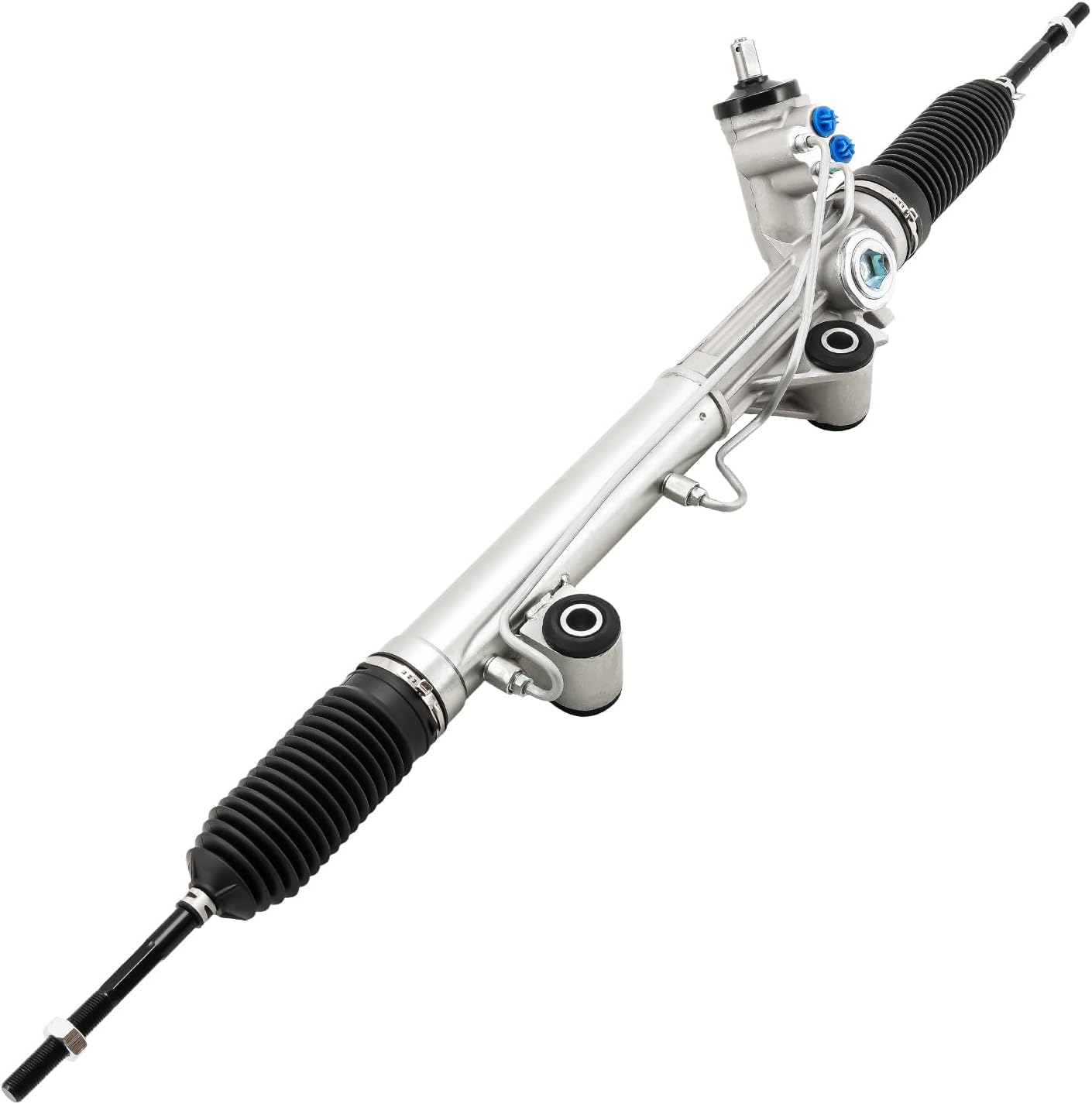
This KAC steering rack and pinion is a full replacement assembly intended to restore steering feel and eliminate leaks or play from a failed unit on compatible late 1990s to 2001 Ford vehicles. It installs in place of the factory assembly and includes inner tie rods so you can swap the whole gear without sourcing multiple parts. The unit uses chrome-plated alloy steel internals, an aluminum housing, and sealed boots to resist corrosion and keep contaminants out, which helps reduce typical wear and extend service life. Buyers can expect a direct-replacement fit when matched to the listed models and OE numbers, and the machined exterior and ball-bearing input aim to preserve steering response. Limitations are that correct fit depends on confirming year/engine/trim compatibility and professional alignment after installation, and this is a mechanical replacement so power steering lines and hoses must match the vehicle’s fittings to avoid additional adaptors or modifications.
Best for: Buyers who want a practical, ready-to-install replacement to restore steering performance on compatible late 1990s to 2001 Ford Explorers, Rangers, and related pickups without sourcing separate components.
Less Ideal for: Do not choose this if you need a remanufactured unit with documented core history or if you plan on modifying steering geometry beyond factory specifications.
- Complete assembly includes inner tie rods for a simpler swap
- Chrome-plated alloy steel internals and aluminum housing for improved corrosion resistance
- Sealed boots and multiple seals to reduce leak risk and keep contaminants out
- Machined exterior and ball-bearing input for consistent steering feel
- Fitment requires precise match to listed vehicle years, engines, and part numbers before installation
Verdict: A practical, full replacement steering rack that brings sealed, corrosion-resistant internals and included tie rods to simplify restoring steering on compatible 1998–2001 Ford vehicles.
4. Psrorkeu Power Steering Rack and Pinion Complete Unit

| Manufacturer | Psrorkeu |
|---|---|
| Manufacturer Part Number | PK419033 |
| Fits Models | Ford Explorer, Ranger, F-100, Mazda B2500/B3000/B4000, Mercury Mountaineer (1998-2001 range) |
| Testing | 130% hydraulic testing |
| Warranty | 12-month warranty |
This Psrorkeu complete rack and pinion replaces the factory steering assembly on compatible late 1990s Ford Explorers, Rangers, F-100s and related models. It arrives as a fully assembled unit with valve housings and protective coating intended to reduce leakage and resist corrosion. The unit is hydraulically tested at 130% to check flow and sealing before shipment, which helps reduce early failures and makes installation faster for someone replacing a worn rack. In use it restores steering responsiveness and removes play common with aged racks, and the polished valve sleeves aim to improve durability under regular driving. Expect a practical budget replacement rather than a lifetime part: the listing notes a 12-month warranty and buyers should confirm exact year and model fitment before ordering. Also professional alignment after installation is necessary to ensure correct steering geometry and tire wear.
Best for: Buyers looking for an affordable, ready-to-install steering rack to restore steering feel on a late 1990s Ford Explorer or similar model who prioritize getting the vehicle back on the road without an expensive remanufacture.
Less Ideal for: Drivers seeking a premium remanufactured or performance steering unit with extended longevity or heavy-duty use should consider higher-end options.
- Complete assembled unit simplifies replacement and reduces installation time
- Hydraulically tested at 130% for flow and leakage to lower early failure risk
- Protective coating and polished valve sleeves help resist corrosion and wear
- Fits a range of late 1990s to early 2000s Ford models and related vehicles
- Intended as a budget replacement so long-term durability may not match higher-end remanufactured units
Verdict: A cost-conscious, fully assembled replacement rack and pinion that restores steering performance on late 1990s Ford Explorers without the higher cost of premium remanufactured units.
5. PHILTOP Steering Rack and Pinion Assembly with Inner Tie Rods

| Vehicle Fitment | 1998-2001 Explorer; 1998-2000 Ranger; 1998-2000 Mazda B2500/B3000/B4000; 1998-2001 Mountaineer |
|---|---|
| Steering Type | Hydraulic Power |
| Pressure Port Thread Size | M16 x 1.5 |
| Return Port Thread Size | M16 x 1.5 |
| Position | Front |
This PHILTOP complete rack and pinion replaces the factory front steering gear in compatible 1998–2001 Explorers, 1998–2000 Rangers and related Mazda and Mountaineer models. It ships as a full assembly with inner tie rods and hydraulic power connections already in place, so installation restores steering input and power assist without rebuilding the original unit. The unit uses CNC-processed alloy-steel rack and helical gear components and corrosion-resistant seals with a 360 degree dust cover to reduce contamination and wear, which should lengthen service life compared with a worn original. It fits vehicles that require the referenced part numbers and includes standard M16 x 1.5 pressure and return ports for power lines. Expect a similar steering feel to factory equipment, and the complete-assembly approach cuts bench time compared with replacing internal components. Buyers should plan for professional installation and alignment since fitment and steering geometry are critical, and occasional minor adjustment may be needed to match OEM steering feel exactly.
Best for: Buyers who prioritize a long-lasting, factory-replacement steering solution for late 1990s Ford Explorer and similar vehicles and want a ready-to-install hydraulic rack to minimize teardown and repair time.
Less Ideal for: If you prefer to repair only internal components or need a power rack for non-hydraulic conversions, this full hydraulic assembly is not the right choice.
- Complete assembly with inner tie rods reduces installation time compared with rebuilding the original unit
- CNC-machined alloy-steel rack and helical gear for consistent steering engagement
- Corrosion-resistant seals and full dust cover help prevent leaks and premature wear
- Includes hydraulic pressure and return ports sized to match factory power steering lines
- Requires professional installation and wheel alignment to ensure correct steering geometry
Verdict: A direct-fit, durable hydraulic replacement rack built to restore factory steering performance on late 1990s to 2001 Explorers and similar vehicles.
6. PHILTOP Steering Rack and Pinion Assembly with Inner Tie Rods

| Steering Type | Hydraulic Power |
|---|---|
| Position | Front |
| Manufacturer | PHILTOP |
| Model | Steering Rack and Pinion Assembly w/Inner Tie Rods |
| Manufacturer Part Number | 9403SGE005DUS |
This PHILTOP unit is a complete hydraulic rack and pinion assembly supplied with inner tie rods for direct replacement of the front steering gear on compatible 1998–2001 Ford Explorers and related trucks. It is intended for bolt-in replacement during a steering repair or full gear swap and uses machined alloy gear components and corrosion-resistant seals to reduce noise, leaks, and premature wear. The built-in dust covers and lip seals help keep contaminants out, which supports the brand claim of long service life and fewer fluid leaks when installed correctly. Installation will typically involve disconnecting the steering shaft, removing the old rack, transferring any sensors or brackets, and bleeding the power steering system. Buyers should note this is a hydraulic power unit made to specific fitment years and trims, so confirming vehicle compatibility is essential before ordering. For installers who value a ready-to-fit complete assembly and extended sealing protection, this offers a practical replacement option; those seeking an exact factory original part number match may want to verify cross-reference numbers first.
Best for: Buyers who want a ready-to-install replacement steering rack that minimizes installation work and prioritizes sealed, durable components backed by user feedback and fitment guidance.
Less Ideal for: Shoppers who need an exact factory-original unit for restoration projects or those replacing steering on different model years or configurations outside the listed fitment should look elsewhere.
- Complete assembly with inner tie rods reduces installation steps compared with buying separate components
- Machined alloy rack and helical gear for stable steering feel and reduced vibration
- Corrosion-resistant oil and lip seals plus 360° dust cover to limit leaks and contamination
- Packaged to protect against transit damage and intended for a direct replacement fit on listed vehicles
- Fitment limited to specific 1998–2001 Ford and Mazda models so it is not universal
- Not a factory-original part number for all OEM listings which may require cross-checking fit
Verdict: A practical, complete hydraulic replacement rack that reduces install time and emphasizes sealed components for long-term leak resistance on compatible 1998–2001 Explorers.
7. PHILTOP Power Steering Rack and Pinion Assembly (Hydraulic)
| Steering Type | Hydraulic Power |
|---|---|
| Position | Front |
| Pressure Port Thread Size | M16 x 1.5 |
| Return Port Thread Size | M16 x 1.5 |
This PHILTOP rack and pinion is a ready-to-install hydraulic steering assembly intended as a direct replacement for worn or leaking factory steering gears on compatible 1998–2001 Ford Explorer, Ranger and related models. It ships as a complete unit with inner tie rods and uses machined high-strength alloy components and corrosion-resistant seals to reduce play and prevent fluid leaks. Typical installation replaces the old rack after disconnecting lines and tie rods and can restore firmer, quieter steering and reduce steering wander. Notable features include M16 power-steering ports that match factory hose fittings, full dust boots and butyl rubber sealing covers for longer life, and a claimed service life over 120,000 miles backed by a 24-month coverage statement. Limitations are that proper fit depends on exact year/trim and steering shaft interface, so confirming fitment is essential, and installation may require an alignment and professional tools for safe reassembly. Overall it is a practical factory-replacement option for restoring hydraulic steering feel on the specified vehicles.
Best for: Buyers who want a conservative, factory-style replacement to restore original steering feel and reliability on late 1990s to 2001 Ford Explorers and similar trucks and SUVs.
Less Ideal for: People looking for performance steering upgrades, custom steering ratios, or universal racks for multiple vehicle types should consider other options.
- Complete, ready-to-install assembly including inner tie rods to simplify replacement
- Machined high-strength alloy rack and helical gear for stable steering input
- Corrosion-resistant seals and 360° dust covers designed to limit leaks and contamination
- Power-steering pressure and return ports with factory-thread size for direct hose connection
- Fit depends on exact year/trim and steering shaft configuration so cross-checking compatibility is required
- Installation requires steering-line handling and alignment, which may need professional service
Verdict: A factory-style, fully assembled hydraulic replacement rack that restores reliable steering performance on compatible late 1990s to 2001 Ford SUVs and trucks.
Choosing the Right 1995-2001 Ford Explorer Rack and Pinion: Key Factors to Consider
Fitment And Mounting Alignment
Correct fitment ensures the replacement rack attaches to the existing steering linkage and vehicle mounts without forcing components out of spec. If mounting ear spacing, bolt pattern, or pinion spline count do not match the 1995-2001 Ford Explorer specifications, installation will require modifications that can increase labor time and risk improper steering geometry.
A properly fitting rack preserves factory steering geometry and reduces the chance of uneven tire wear. When evaluating options, verify mounting hole locations, pinion shaft length, and power steering hose port positions so the unit aligns with the original lines and brackets. Fitment also affects alignment settings; a variant that requires unusual steering angle corrections will complicate the post-install alignment and could change handling.
Seal Quality And Leak Resistance
Leaky seals are the most common reason rack and pinions fail prematurely. High-quality inner seals and durable rack bellows prevent fluid loss and contamination from road grime. For the Explorer, look for parts that advertise new, high-grade seals or include OEM-spec bellows and clamps to minimize the chance of early leakage.
Leak-resistant design reduces the need for repeated repairs and helps maintain steering assist performance. A rack that resists leaks preserves steering fluid pressure, which is critical to maintaining consistent steering effort and avoiding additional wear on the power steering pump.
Internal Gear Condition And Steering Play
The condition of the internal rack teeth and pinion gear controls steering precision and play. Excessive play inside the rack translates into a loose, vague steering feel and can make the Explorer feel unsafe at highway speeds. Remanufactured racks should include re-machined gears or measured tolerances that restore OEM-like backlash and engagement.
When evaluating options, consider whether the unit is new or remanufactured and whether the rebuild process included gear inspection, replacement when worn, and precise setting of internal clearances. Proper internal gear condition reduces steering rack steering play and improves return to center behavior after turns.
Power Steering Port And Hose Compatibility
Hydraulic connections must match the vehicle's existing high-pressure and low-pressure lines to avoid additional plumbing work. Port thread type, spacing, and orientation should be compatible with the 1995-2001 Explorer's power steering hoses. Misaligned or mismatched ports can cause line stress or require adapters that may leak or fail under pressure.
Ensuring hose compatibility shortens installation time and lowers the chance of fluid leaks after installation. Also check whether the replacement requires swapping hose fittings, clamps, or the power steering cooler, and factor that into labor planning.
Corrosion Protection And Material Durability
Racks that receive corrosion-resistant coatings or are made from treated materials withstand road salt and moisture better, extending service life. For Explorers driven in wet or winter climates, rust can seize mounting points and accelerate seal failure. Durable materials also reduce the risk of pitting on the rack surface that could score seals.
Consider the environment where the vehicle is operated and prioritize options with protective finishes, stainless hardware, or treated housings. A more durable rack reduces the frequency of interventions and helps maintain consistent steering feel over time.
Included Hardware And Installation Ease
Some replacement racks come with necessary mounting hardware, new inner tie-rod ends, bellows clamps, and instructions. Having the right components included simplifies a rack and pinion replacement and avoids multiple parts orders. For the Explorer, matched hardware helps ensure proper torque specs and correct assembly sequence.
Installation-friendly features such as factory-style bleed ports, pre-set centering marks, and clear instructions reduce shop time and the risk of installation errors. When options lack hardware, plan to source OEM-equivalent fasteners and seals to avoid delays.
Common Steering Rack Symptoms On The Explorer
Recognizing early symptoms helps you decide whether the rack and pinion is the likely cause or if another steering component needs attention. Typical signs on the 1995-2001 Explorer include noticeable steering play, a wandering steering wheel, and uneven tire wear concentrated at the front.
Other symptoms to watch for are steering rack noise and heavy steering effort at low speeds. Whining from the pump is not the same as grinding inside the rack, so isolate the noise by turning the wheel while stationary and while moving slowly. Visible fluid under the vehicle near the front crossmember or wetness around the rack bellows often indicates rack and pinion leak repair is needed.
- Steering wheel wandering or delayed return to center
- Visible power steering fluid near the rack or bellows
- Unusual knocking or clunking when turning
- Heavier-than-normal steering effort at low speeds
When To Repair Versus Replace The Rack
Minor leaks or torn bellows can sometimes be addressed with targeted repairs, such as replacing seals or bellows, but these fixes may not restore internal gear wear. A power rack and pinion rebuild can be cost-effective when the housing and mounting features are in good condition and internal components are serviceable.
Full replacement is usually recommended when internal play is excessive, gear teeth show wear, or the housing is corroded. For the 1995-2001 Explorer, consider replacement if steering rack steering play cannot be eliminated by adjustment or if multiple components in the steering assembly require renewal.
- Repair: localized leaks, torn bellows, or minor seal failure
- Rebuild: when internal components are serviceable and restorable
- Replace: excessive internal play, gear wear, or corroded housing
Practical Notes For Rack And Pinion Installation
Successful installation requires planning for alignment, flushing the power steering system, and bleeding air after the rack is installed. After replacement, have a qualified alignment performed to restore toe and caster to factory specifications for the 1995-2001 Explorer.
During installation, support the engine or subframe if required, and inspect tie rods and pitman arm attachment points for wear. Reuse of worn outer tie rod ends or incorrect torque on mounting bolts can reintroduce steering play even with a new rack. When possible, use new mounting hardware and clamps included with the replacement unit.
- Flush old fluid to prevent contamination of the new rack
- Bleed the power steering system thoroughly to remove air
- Replace worn steering linkage components at the same time
Maintenance Tips To Prolong Rack Life
Regularly inspect the rack bellows and steering linkage for cuts, cracks, or grease seepage. Catching torn bellows early prevents dirt ingress that accelerates seal wear. Keep power steering fluid at the recommended level and use the type specified for the vehicle to protect seals and internal components.
For Explorers used in salted or wet environments, clean road salt from around the rack area periodically and consider a rust-inhibiting spray on accessible mounting points. Timely replacement of worn tie rods and control arm bushings reduces extra stress on the rack and pinion assembly.
- Inspect bellows and seals during oil changes
- Maintain correct fluid level and quality
- Address worn suspension or steering linkage parts promptly
DIY Considerations And When To Seek Professional Help
If you have intermediate mechanical skills and the proper tools, a rack and pinion replacement on the Explorer can be done at home. Expect to deal with heavy components, high-pressure lines, and the need for accurate alignment afterwards. Access to a lift and an alignment shop simplifies the job and reduces the chance of mistakes.
Seek professional help if you encounter excessive corrosion, seized mounting hardware, or if the replacement requires modification of hydraulic lines. A professional can also confirm that steering rack noise or vibration is indeed coming from the rack and not another steering component.
- DIY possible with the right tools and alignment resources
- Professional help advised for corroded fasteners or complex hose work
- Always verify steering performance with a post-install alignment
Still looking for the perfect fit?
Select your Ford Explorer configuration to see the most relevant Rack and Pinion Steering Systems recommendations
How We Chose the Best 1995-2001 Ford Explorer Rack and Pinion
We focused on attributes that directly affect steering performance and long-term serviceability for the 1995-2001 Ford Explorer. Primary evaluation criteria included fitment accuracy to the Explorer steering linkage and mounting points, quality of seals and bellows to prevent fluid leaks, and internal gear machining or refurbishment that determines steering feel and play. We also assessed the availability and compatibility of power steering ports and return lines to reduce installation surprises. Durability factors such as corrosion-resistant coatings and hardened racks were prioritized for Explorers used in varied climates and for light towing.Additional filters excluded units without documented fitment for the 1995-2001 Explorer, racks lacking power steering compatibility when the vehicle was originally equipped with hydraulic assist, and remanufactured units that did not include new seals and hardware. We also considered ease of installation, including whether tie rod end ends and mounting bolts align with factory dimensions. The result is a list focused on parts that minimize steering play, resist leaks, and simplify rack and pinion replacement on the Explorer.
Our full evaluation process is outlined in our review methodology.
FAQ
How can I tell if my Explorer needs a rack and pinion replacement?
Common indicators include excessive steering play, a wandering steering wheel, and visible power steering fluid near the rack or bellows. Unusual knocking when turning and persistent alignment drift are also signs that the rack may be failing.
Can torn bellows be repaired without replacing the entire rack?
Torn bellows and some seal leaks can sometimes be repaired if the internal gear set is in good condition. However, if there is internal wear or persistent leaks, a full rebuild or replacement is usually the more durable solution.
Is a power steering fluid flush required when replacing the rack?
Yes, flushing the fluid is recommended to remove contamination that could shorten the life of the new rack. After installing the rack, bleeding the system to remove air is also necessary for consistent steering performance.
Will replacing the rack fix steering noise and vibration?
Replacing a worn rack can eliminate noise and vibration that originate inside the rack assembly. However, noise or vibration may also come from worn tie rods, bushings, or other suspension parts, so a full inspection is advised.
Can I install a remanufactured rack myself on the Explorer?
An owner with solid mechanical experience can install a remanufactured rack, but be prepared for heavy components and precise alignment requirements. If you lack an alignment solution or run into seized hardware, professional installation is safer.
How long should a replacement rack last on a 1995-2001 Explorer?
Service life depends on environment and maintenance. With quality seals, proper installation, and regular inspections it can last many years, but exposure to road salt and damaged bellows will shorten lifespan.
Final Verdict
When replacing the rack and pinion on a 1995-2001 Ford Explorer, prioritize correct fitment, seal quality, and internal gear condition to restore precise steering and avoid repeat repairs. Factor in hose and port compatibility and consider corrosion protection if the vehicle sees winter roads. Balance the tradeoff between a targeted repair and full replacement by assessing internal play and seal condition. Choosing a unit that aligns with the Explorer mounting and fluid connections and addressing worn linkage at the same time will deliver the most reliable steering outcome.
Explore More:
- Check out all Ford Explorer parts & accessories
- Explore Rack and Pinion Steering Systems Maintenance & Repair Guides
- Explore Suspension & Steering
- Browse all Auto Parts
