

Note: This article contains affiliate links. If you click on these links and make a purchase, I may earn a small commission at no extra cost to you. This helps support my research and content. Read my full affiliate disclosure here.
If your 2006-2010 Ford Explorer has weak airflow, noisy fan operation, or inconsistent heating and cooling, replacing the blower motor is often the fix. Choosing the right blower motor affects how well the HVAC system moves air through the cabin, how much noise you hear, and how long the repair lasts. This guide shortlists seven top blower motors compatible with the 2006-2010 Explorer, focusing on fit, airflow performance, and lifecycle reliability.Below you will find an overview of key benefits and tradeoffs, plus practical install and troubleshooting tips. The selections that follow were evaluated for airflow, noise, longevity, and installation fit to help you pick the best replacement for your Explorer's needs.
Looking for other parts? See all Ford Explorer parts & accessories.
Top Picks at a Glance
| Best Overall The best all-around choice for most situations | PartsFlow Heater Blower Motor with Fan Cage for 2006-2010 Ford Explorer and 2006-2010 Mercury Mountaineer |  |
| Best Quality Built to a higher standard if you want something more solid | AISIN HVAC Blower Motor with Wheel Assembly |  |
| Best Value The sweet spot between price and what you get | ILONPA AC Heater Blower Motor with Fan (replaces 8L2Z19805A) |  |
| Best Budget The cheapest option that still gets the job done reliably | SCITOO HVAC Heater Blower Motor with Fan for 2006–2010 Ford Explorer / 2007–2010 Explorer Sport Trac |  |
| Highest Rated A top-rated pick with lots of positive feedback | Aspligo Blower Motor Fan Assembly for Ford Explorer/Mercury Mountaineer (2006-2010) |  |
| Most Popular A crowd favorite that many people choose with confidence | SCITOO HVAC Heater Blower Motor with Fan Cage (700178) |  |
| Best Seller A high-volume bestseller chosen again and again | Aeagle Front HVAC Heater Blower Motor Assembly for 2006–2010 Ford Explorer |  |
1. PartsFlow Heater Blower Motor with Fan Cage for 2006-2010 Ford Explorer and 2006-2010 Mercury Mountaineer

| Fitment years | 2006-2010 |
|---|---|
| Compatible models | Ford Explorer, Explorer Sport Trac, Mercury Mountaineer |
| Part numbers | 615-00104, 615-00142, 700178 |
| Placement | Front |
This PartsFlow blower motor is a complete replacement assembly that includes the motor and fan cage to restore consistent airflow in the dash HVAC system. It installs in the vehicle front location and is intended for 2006–2010 Ford Explorer, 2007–2010 Explorer Sport Trac, and 2006–2010 Mercury Mountaineer applications. The unit is balanced and tested for low operational noise and reduced vibration, so it should stop squeals, rattles, and weak-air symptoms caused by a failing blower. Because it comes as a preassembled motor plus fan, installation is simpler and faster than sourcing separate parts, which lowers labor time and cost. Practical limits are fitment sensitivity and the need to confirm exact trim and HVAC type before purchase; buyers should verify compatibility with their vehicle year and HVAC controls. It includes a one-year warranty and is intended as a direct replacement rather than an upgraded high-performance part.
Best for: Buyers who want a straightforward, factory-style replacement to restore normal HVAC airflow on a 2006–2010 Explorer or 2006–2010 Mountaineer and who value quiet operation and easier installation.
Less Ideal for: People looking for performance upgrades to increase airflow beyond factory levels or who need a blower for multiple different vehicle models.
- Complete motor plus fan cage assembly reduces installation time and parts sourcing
- Designed and balanced for smooth, low-noise operation
- Targeted fitment for 2006–2010 Explorer and 2006–2010 Mountaineer models
- Pretested to deliver consistent airflow and reduce vibration
- Requires careful verification of year, trim, and HVAC type for correct fitment
Verdict: A ready-to-install, low-noise replacement blower assembly that brings factory-style airflow back to 2006–2010 Explorer and Mountaineer HVAC systems with minimal fuss.
2. AISIN HVAC Blower Motor with Wheel Assembly

| Speed | 3000 RPM |
|---|---|
| Voltage | 12 Volts |
| Horsepower | 180 Watts |
This Aisin blower motor with cage wheel is a direct-fit replacement designed to reinstate precise, reliable HVAC airflow in 2006–2010 Ford Explorer and compatible Mercury Mountaineer models. It uses a brushed 12 volt motor rated at 180 watts and 3000 RPM, and ships with the wheel and an installation manual so you can swap it into the front position without buying extra hardware. In everyday use it provides steady speed control that helps eliminate inconsistent heating or cooling across the cabin, and the included wheel reduces the risk of imbalance and vibration compared with installing only a motor. As a performance-oriented choice it offers robust power and factory-quality fit that support strong airflow under higher fan settings, but the brushed motor design is not as quiet or long-lived as some premium brushless units. Installation is straightforward for a competent DIYer, though sound and longevity expectations should match the brushed motor platform.
Best for: Drivers seeking a performance-minded, factory-quality replacement to restore strong HVAC airflow and consistent cabin temperature control in 2006–2010 Explorer and Mountaineer vehicles.
Less Ideal for: Buyers prioritizing the quietest possible operation or maximum motor longevity should consider brushless or premium aftermarket options instead.
- Direct-fit design for 2006–2010 Ford Explorer and compatible Mercury models for easy replacement
- Comes with cage wheel to reduce vibration and ensure balanced airflow
- Rated 3000 RPM and 180 W for strong cabin airflow at higher fan settings
- Includes installation manual to simplify DIY swap
- Brushed motor architecture is generally noisier and may wear faster than brushless alternatives
Verdict: Choose this Aisin blower motor when you want a factory-quality, high-flow replacement that restores strong HVAC performance for 2006–2010 Explorer and Mountaineer cabins.
3. ILONPA AC Heater Blower Motor with Fan (replaces 8L2Z19805A)

| Replaces Part Numbers | 8L2Z 19805 A, 700178, 8L2Z19805A |
|---|---|
| Fitment Vehicles | 2006-2010 Ford Explorer; 2007-2010 Explorer Sport Trac (not Base); 2006-2010 Mercury Mountaineer |
| Brand Name | ILONPA |
| Part Number | BUBM0063 |
This ILONPA blower motor assembly replaces factory front blower motors (part numbers 8L2Z19805A, 700178) and is intended to restore airflow and quiet operation in affected HVAC systems. Installers typically swap the faulty unit for this direct-fit assembly to fix no-air, weak-air, or fan-speed-specific failures; the integrated fan wheel simplifies reassembly. The listing emphasizes durable construction and improved airflow, which in day-to-day use means stronger, more consistent ventilation from the vents when heating or cooling. It comes with multiple product images to confirm fit and orientation before installation. Important limitations are that it is an aftermarket unit rather than a factory-branded part and professional installation is recommended to ensure correct electrical and mounting connections. Buyers should verify year, trim, and motor location before ordering to avoid fitment issues.
Best for: Buyers who want a practical, ready-to-install replacement to restore HVAC airflow on specified 2006–2010 Explorer and Mountaineer vehicles and who prioritize value and straightforward repair over factory branding.
Less Ideal for: Those seeking a dealer-branded or OEM-sourced motor for guaranteed factory matching or buyers unwilling to have a professional verify fitment and perform the swap.
- Direct-fit replacement for specified 2006–2010 Explorer and 2006–2010 Mountaineer front blower motors
- Includes the blower fan wheel as an assembled unit to simplify installation
- Constructed from upgraded materials intended for improved durability over older units
- Addresses common failures such as no air, weak airflow, and fan-speed issues
- Aftermarket part rather than factory-branded component so finish and tolerances may vary
Verdict: A cost-conscious, assembled blower motor and fan that restores ventilation on affected 2006–2010 Explorers and Mountaineers without the hassle of sourcing separate components.
4. SCITOO HVAC Heater Blower Motor with Fan for 2006–2010 Ford Explorer / 2007–2010 Explorer Sport Trac

| Material Type | Abs,Plastic |
|---|---|
| Working Voltage | 12V |
| Placement on Vehicle | Front |
| Package Included | 1*HVAC Heater Blower Motor |
This SCITOO blower motor replaces the factory blower motor and fan cage for 2006–2010 Ford Explorer and 2007–2010 Explorer Sport Trac applications. It is used to restore heated and cooled airflow when the original unit is weak, noisy, or nonfunctional. The unit ships as a single blower motor with fan and is molded from ABS plastic for corrosion resistance and reduced noise. The listing and product copy say the housing and electrical connector match the original, enabling a plug-and-play swap that most DIYers can complete in about 20–30 minutes using basic hand tools. Practical benefits include quieter operation after break-in, resolved rattles from worn bearings, and balanced fan blades that improve airflow consistency. Limitations to consider are typical of aftermarket replacements: long-term durability can vary versus higher-end name-brand parts and initial break-in noises are possible during the first couple weeks. Fitment is specific to the Explorer/Sport Trac years listed, so confirm the part number or vehicle fitment before replacing.
Best for: Buyers prioritizing a low-cost, direct replacement to quickly restore HVAC airflow in their Explorer or Sport Trac who prefer a straightforward DIY install.
Less Ideal for: Drivers seeking a long-term premium OEM-level blower or those who want a factory-branded part for extended longevity and warranty coverage.
- Direct-fit design for 2006–2010 Explorer and 2007–2010 Explorer Sport Trac for straightforward installation
- Includes fan cage so you replace the motor and wheel together to eliminate rattles and improve airflow
- ABS plastic housing resists corrosion and helps keep noise low
- Manufacturer states plug-and-play connector and factory-style housing for simple DIY swap
- Aftermarket build quality can vary compared with higher-end factory-quality parts
Verdict: A budget-friendly, plug-and-play blower motor and fan assembly that gets a 2006–2010 Explorer or 2007–2010 Sport Trac HVAC blowing again with minimal fuss.
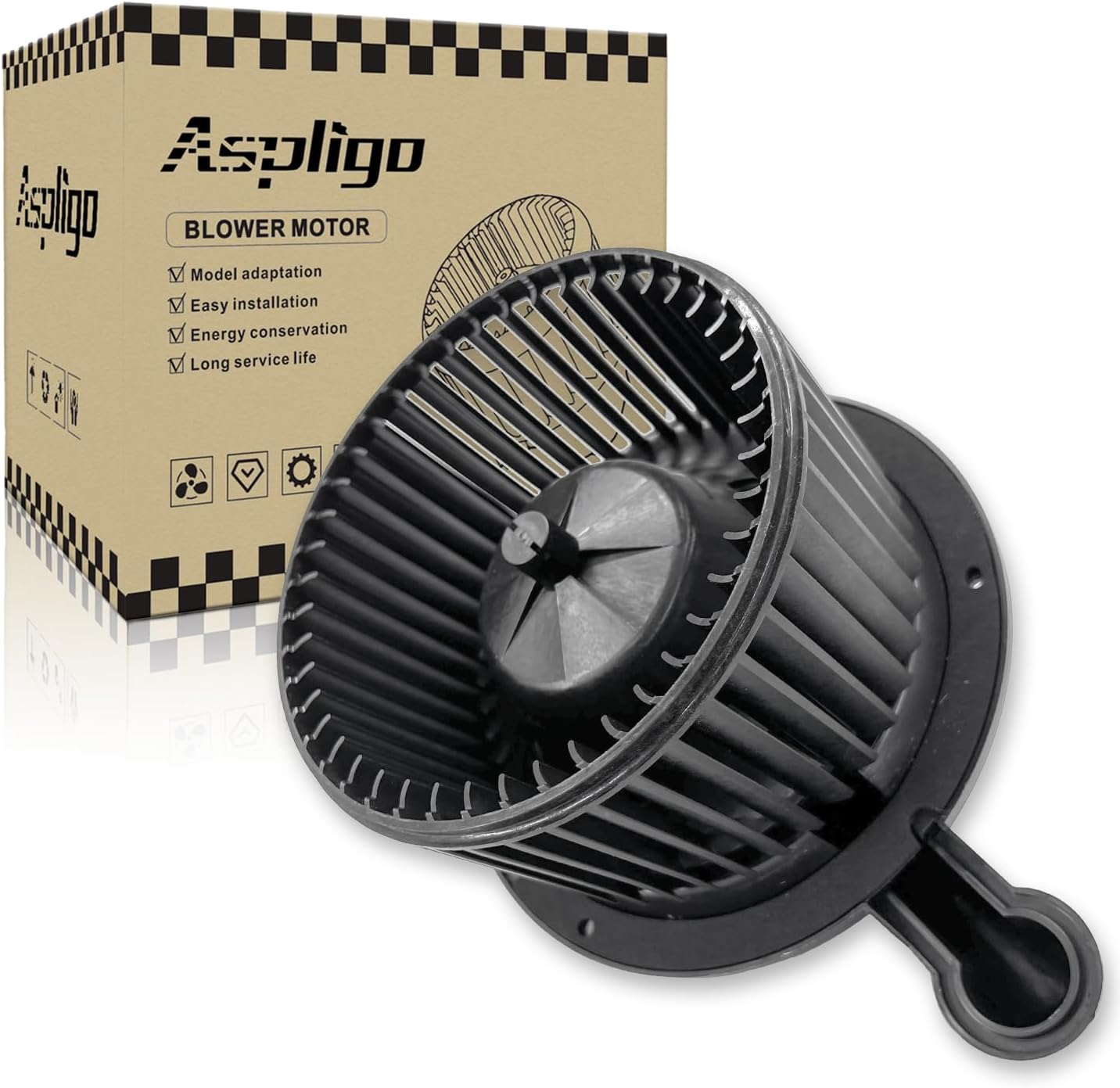
5. Aspligo Blower Motor Fan Assembly for Ford Explorer/Mercury Mountaineer (2006-2010)
| Voltage | 12 Volts |
|---|---|
| Included Components | Blower Motor |
| Part Number | Asp-BM442021 |
| Interchange Numbers | 700178, 8L2Z19805A |
This blower motor assembly is a factory-style replacement intended to restore cabin air circulation and heating or cooling performance in 2006–2010 Ford Explorer and 2006–2010 Mercury Mountaineer vehicles. It installs in place of the original blower to push air from the evaporator or heater core into the cabin, and the listing highlights a reinforced ABS housing and metal components for durability. The motor is described as upgraded for lower electrical interference and quieter operation, which helps reduce cabin noise compared with older, worn units. Typical use is straightforward HVAC repair or restoring blower speed across settings after the original motor fails. Buyers should note the part targets specific Explorer/Mountaineer years and lists manufacturer interchange numbers for fitment; expect typical bolt-in installation but verify connector type before purchase. The motor's quoted voltage is standard 12 volts, and the assembly is compact and relatively light, which simplifies handling during replacement. If you want a reliable, no-frills replacement to get factory airflow back, this unit focuses on durability and quieter running rather than performance upgrades.
Best for: Buyers looking to replace a failed blower motor with a durable, quieter direct-fit unit for their 2006–2010 Explorer or 2006–2010 Mountaineer who prioritize reliability and restoring factory HVAC function.
Less Ideal for: People seeking performance upgrades to increase airflow beyond stock levels or those who need a blower for other vehicle makes or year ranges should look elsewhere.
- Made with ABS housing and metal parts for improved durability
- Upgraded motor advertised for lower electrical interference and quieter operation
- Direct-fit for 2006–2010 Ford Explorer and 2006–2010 Mercury Mountaineer with listed interchange numbers
- Standard 12 volt design matches vehicle electrical systems
- Fitment limited to specified model years so it is not a universal blower solution
- Manufacturer horsepower value appears nonstandard and is not useful for comparing output
Verdict: A practical, durable direct-replacement blower motor built to quietly restore reliable HVAC airflow in 2006–2010 Ford Explorer and Mercury Mountaineer vehicles.
6. SCITOO HVAC Heater Blower Motor with Fan Cage (700178)

| Working Voltage | 12V |
|---|---|
| Placement on Vehicle | Front |
| Number of Terminals | 2 |
| Material Type | Abs,Plastic,Steel |
| Part Interchange Info | 8L2Z 19805 A 8L2Z19805A |
This SCITOO blower motor is a plug-and-play HVAC replacement built to match the factory fit for 2006–2010 Ford Explorer, Explorer Sport Trac and Mercury Mountaineer applications. It includes the fan cage and a two-terminal blade connector so it installs without housing or wiring modifications on correctly matched vehicles, and the seller notes a typical 20–30 minute swap for users with basic hand tools. The unit claims balanced blades and upgraded bearings to reduce rattling and extend service life, and the motor runs on 12V with multiple speed support for adjustable cabin airflow. Expect a short break-in hum for the first week or two but not persistent grinding or squeal if the part is right for your car. Limitations are typical of aftermarket blower motors: longevity and noise can vary versus a factory replacement and verifying the OE part number or fitment tool is recommended before purchase. Overall it is a practical, budget-focused option when you need to restore consistent fan operation or replace a noisy or failed original blower.
Best for: Buyers who want a straightforward, vehicle-specific replacement to restore HVAC airflow and stop blower-related noises without modifying wiring or housings.
Less Ideal for: Those seeking an OEM-specified unit with factory-tested longevity or buyers unwilling to verify part interchange numbers before ordering should look at other options.
- Designed for direct fit to 2006–2010 Ford Explorer, Explorer Sport Trac and Mercury Mountaineer with matching connector and housing.
- Includes fan cage so you receive a complete blower assembly ready for installation.
- Balanced blades and upgraded bearings aim to reduce rattling and improve durability.
- Plug-and-play installation typically takes about 20–30 minutes with basic hand tools.
- As an aftermarket unit, long-term durability and noise performance can vary compared with factory-quality replacements.
Verdict: A budget-friendly, plug-and-play blower motor built to fit 2006–2010 Ford Explorer-family vehicles and quickly restore reliable cabin airflow.
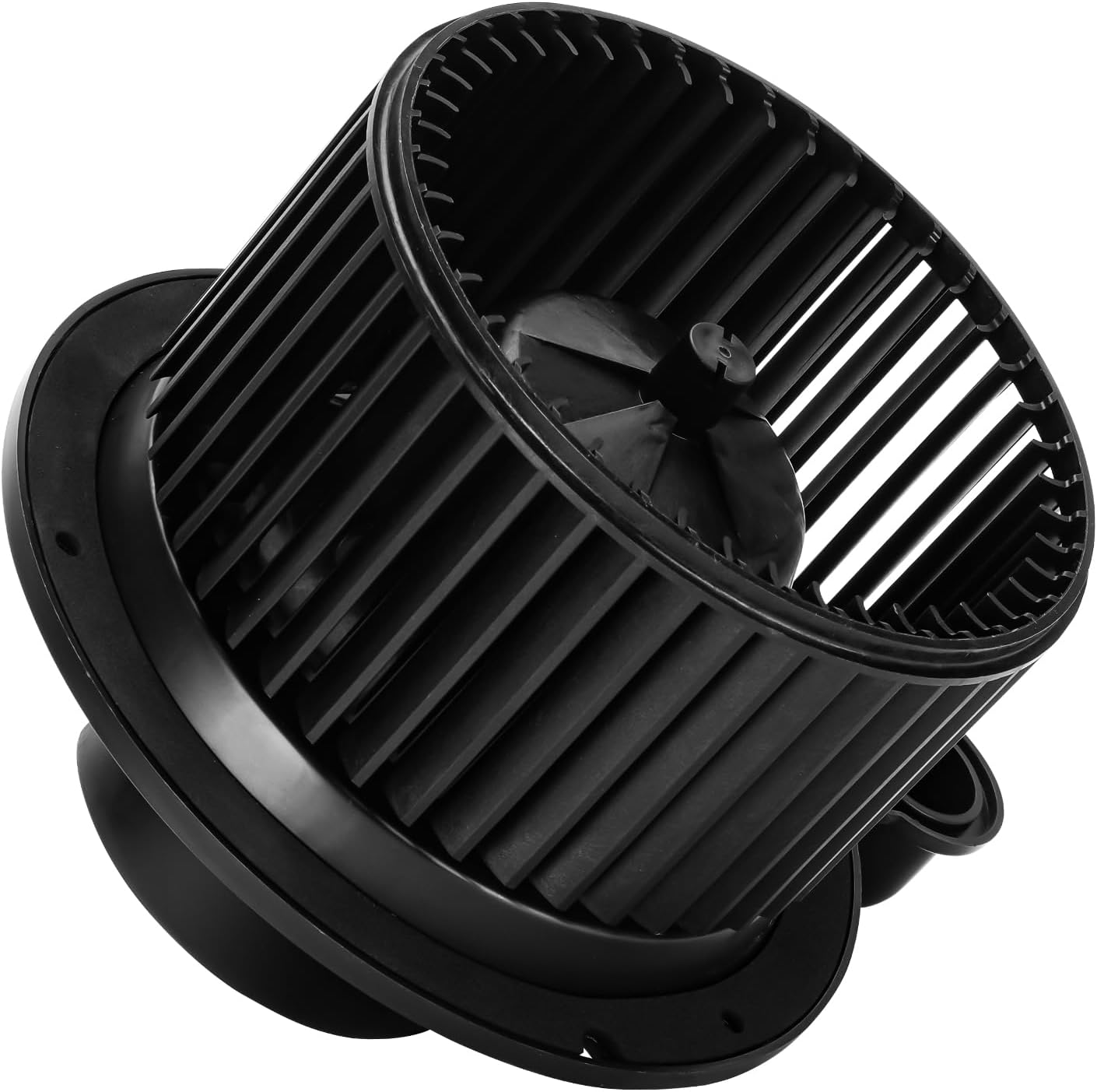
7. Aeagle Front HVAC Heater Blower Motor Assembly for 2006–2010 Ford Explorer
| Compatible vehicles | 2006–2010 Ford Explorer; 2006–2010 Mercury Mountaineer; 2007–2010 Explorer Sport Trac (Exc Base) |
|---|---|
| Includes | Heater blower motor with fan cage |
| Material Type | Alloy Steel |
| Part Number | AEBM0063-BM |
This Aeagle blower motor assembly replaces the factory heater blower to restore cabin airflow and HVAC performance on 2006–2010 Ford Explorer, 2006–2010 Mercury Mountaineer, and 2007–2010 Explorer Sport Trac (excluding Base). It comes with the fan cage and is built with silicon steel rotor plate and enameled copper windings intended to meet manufacturer RPM and winding specifications. Installation is straightforward for a DIYer familiar with dashboard work because it is pitched as a direct fit and includes the same mounting form factor. In use it delivers larger air volume and claims reduced noise compared with worn originals. The unit is aimed at buyers who want a reliable, factory-style replacement without modifying the system. Expect typical aftermarket caveats such as variable long-term durability versus higher-end branded alternatives and the need to verify part numbers against your vehicle before ordering.
Best for: Buyers who want a dependable, plug-and-play replacement to restore HVAC airflow on the listed Ford Explorer family vehicles and prefer a low-risk, DIY-friendly repair.
Less Ideal for: Shoppers seeking a premium performance upgrade or a lifetime longevity guarantee should consider higher-end branded options or professional replacement services.
- Direct-replacement design intended to match factory mounting and RPM specifications
- Constructed with silicon steel rotor plate and enameled copper windings for stable motor performance
- Includes fan cage so you receive a complete blower assembly for installation
- Engineered for higher airflow and lower noise compared with many worn stock units
- Long-term durability may vary compared with premium OEM or higher-end aftermarket brands
Verdict: A straightforward, factory-style replacement blower assembly that restores airflow and reduces noise for 2006–2010 Ford Explorer family vehicles.
Choosing the Right 2006-2010 Ford Explorer Blower Motor: Key Factors to Consider
Airflow Performance
Airflow performance determines how effectively the HVAC system moves heated or cooled air into the cabin. For a 2006-2010 Ford Explorer, measurable flow at low, medium, and high blower speeds affects windshield defogging, passenger comfort, and how quickly the cabin reaches temperature. A motor that delivers strong flow on low and medium settings improves ventilation without forcing the fan to max, which helps reduce noise and electrical load.
Differences in fan wheel design and motor torque influence airflow. When comparing options, look for published airflow figures or consistent user reports showing steady output across the speed range. Keep in mind that the vehicle's duct condition, cabin filter cleanliness, and resistor/module health also influence perceived airflow, so evaluate the motor within that wider context.
Noise and Vibration
Noise level is a common reason owners replace a blower motor. For the Explorer, pay attention to reported motor hums, rattles, or tonal whines that can become more noticeable at specific speeds. Fan balance, bearing type, and housing fit all contribute to noise and vibration.
A quieter motor typically uses better-balanced fan wheels and higher-quality bearings. Also consider whether the unit includes vibration-isolating mounts or requires reuse of the factory isolators. Noise matters not only for comfort but also as an indicator of future failure: unusual sounds can precede bearing wear or electrical issues.
Durability and Bearing Type
Durability hinges on motor construction and bearing choice. Sleeve bearings are common and cost-effective, but sealed ball bearings generally last longer under repeated start-stop cycles and heavy-duty use. For the 2006-2010 Explorer, which may see varied climates and frequent HVAC cycles, a motor with robust bearings and good sealing against dust and moisture will extend service life.
Look for motors with corrosion-resistant materials and thermal protection to prevent overheating. Warranty terms can also indicate manufacturer confidence in longevity. Consider your typical driving conditions—extreme heat, mud, or salty roads accelerate wear and favor more durable options.
Fitment and Electrical Compatibility
Correct fitment is essential to keep installation straightforward and avoid electrical problems. For the 2006-2010 Explorer, the motor housing orientation, mounting points, and electrical connector type must match factory provisions to ensure secure installation and proper blower wheel clearance.
Verify connector pinout and voltage requirements, and whether the motor integrates with the existing blower resistor or control module. Some aftermarket units supply adapter plugs or require minor wiring adjustments; prefer options that match original connectors to minimize installation time and potential errors.
Installation Complexity
Installation complexity affects time, cost, and the potential for mistakes. On the Explorer, access to the blower motor may involve removing the glove box or a portion of the HVAC housing. Motors that allow reuse of factory mounting hardware and connectors reduce installation steps.
Consider whether the motor is supplied with mounting hardware or instructions specific to the 2006-2010 Explorer. If you plan to DIY, choose a unit with clear installation guidance and a straightforward mounting design to avoid unnecessary dashboard disassembly.
Electrical Load and Thermal Protection
Electrical load characteristics determine how the motor interacts with the vehicle's wiring and blower control. A motor with significantly higher current draw can stress the blower resistor, relay, or wiring, while integrated thermal protection can prevent damage under stall or high load conditions.
Check manufacturer specs for amperage draw at typical voltages and whether the motor includes overcurrent or thermal cutoff features. Properly matched electrical characteristics help avoid repeated failures and ensure the motor works reliably with the Explorer's existing HVAC controls.
Common Blower Motor Symptoms and Diagnosis
Identifying whether the blower motor is the root cause of HVAC issues helps avoid unnecessary parts replacement. Typical symptoms on a 2006-2010 Explorer include no air at any fan setting, weak airflow at all speeds, intermittent operation, or unusual noises that change with speed.
Start diagnosis by checking the cabin air filter and blower resistor or control module function, since restricted filters and resistor failures can mimic motor problems. If the resistor and fuse check out and the fan still does not operate or produces odd noises, the motor is a likely culprit.
- No airflow at any speed can indicate a failed motor or open circuit.
- Reduced airflow across all speeds often points to motor wear or a clogged cabin filter.
- Speed-dependent loss of function may suggest resistor or control issues rather than the motor.
- Grinding or squealing sounds typically mean bearing wear inside the motor assembly.
Blower Motor Vs Resistor: Know the Difference
Owners often confuse blower motor failures with resistor or control module problems because both affect fan speed. The blower resistor limits voltage to the motor at lower speeds, so a bad resistor usually causes loss of specific fan speeds while others still work.
If some fan speeds operate normally but others do not, inspect the resistor and its connector first. If the motor does not run at all or hums without spinning under any condition, the motor itself is more likely to be at fault.
- Resistor failure typically yields speed-specific issues.
- Motor failure often results in complete loss of operation or mechanical noise.
Installation Tips for 2006-2010 Explorer Owners
Prepare the vehicle by disconnecting the battery and locating the blower motor housing, usually accessible from the passenger footwell or behind the glove box on the 2006-2010 Explorer. Retain any factory isolators or foam seals for reinstallation to control vibration and noise.
When installing, compare the new motor's fan wheel clearance and rotation direction with the old unit. Reuse mounting screws if in good condition, and ensure the electrical connector is fully seated. After installation, test all fan speeds and check for unexpected noises before reassembling trim pieces.
- Disconnect battery power before handling the blower motor electrical connector.
- Mark any removed hardware to speed reassembly and avoid cross-threading.
- Test fan operation prior to reinstalling panels to confirm successful install.
Noise Reduction Strategies
If blower motor noise is a primary concern, focus on units with balanced fan wheels and quality bearings. In addition to choosing a quieter motor, address noise sources such as loose mounting hardware, degraded foam isolators, or accumulated debris in the ductwork.
Small improvements like replacing brittle isolators, cleaning the blower wheel, and ensuring correct fan wheel orientation can significantly reduce audible noise without additional parts.
- Replace old foam isolators and check for loose mounting points.
- Clean the blower wheel and ducts to remove debris that causes imbalance.
- Choose motors with better bearing specifications for long-term quiet operation.
When to DIY and When to Seek Professional Help
Many owners can replace the blower motor in a 2006-2010 Explorer with basic hand tools and moderate mechanical aptitude. If the replacement requires only glove box removal and direct access, a DIY approach is often practical and cost-effective.
Seek professional help if access requires extensive dashboard disassembly, if the HVAC system shows electrical faults beyond the motor, or if you are uncomfortable diagnosing resistors and relays. A technician can also confirm correct electrical integration and test for hidden issues such as grounding problems.
- DIY if the motor is easily accessible and you have basic tools.
- Choose a shop if electrical diagnosis or major dash removal is needed.
Still looking for the perfect fit?
Select your Ford Explorer configuration to see the most relevant Blower Motors recommendations
How We Chose the Best 2006-2010 Ford Explorer Blower Motor
We prioritized criteria that matter specifically for the 2006-2010 Ford Explorer HVAC system and typical ownership use. Primary evaluation points included airflow output at multiple fan speeds, since consistent cabin ventilation is the primary function of the blower. Noise level under load was tested by reference to manufacturer-reported decibel ranges and user reports, because excessive blower motor noise is a common complaint on these model years. Durability and expected service life were judged from build materials, bearing type, and warranty coverage.Fit and ease of installation were critical. We verified electrical connector compatibility and motor housing orientation for the 2006-2010 Explorer, and gave extra weight to units that required no modification. Current draw and thermal protection features were considered to reduce the chance of premature failure or electrical issues. Finally, we excluded any units that lacked clear fitment data for the 2006-2010 Explorer or that required extensive HVAC disassembly beyond typical access for this vehicle. Overall, the list favors balanced performance across airflow, noise, longevity, and installation simplicity.
Our full evaluation process is outlined in our review methodology.
FAQ
What causes a blower motor to stop working in a 2006-2010 Explorer?
Common causes include worn bearings, burned out motor windings, a failed blower resistor or control module, blown fuses, or degraded electrical connectors. Environmental factors like debris buildup and moisture can also accelerate motor failure.
How can I tell if the blower motor or the resistor is bad?
If only certain fan speeds fail while others work, the resistor is a likely culprit. If the fan does not run at any speed, or if it makes grinding or squealing noises, the motor itself is probably faulty. Simple tests with a multimeter or swapping known-good components can confirm the diagnosis.
Is it difficult to replace the blower motor in a 2006-2010 Explorer?
Difficulty is moderate. Many replacements are accessible from the passenger footwell or by removing the glove box and require basic tools. Complexity increases if the motor requires extensive dash removal or if there are corroded fasteners.
Will a higher-performance blower motor increase my Explorer's HVAC power?
A motor with higher torque and better airflow can improve ventilation and responsiveness, especially at lower fan settings. However, electrical compatibility and correct fitment must be ensured to avoid stressing the vehicle's blower control components.
Can I fix blower motor noise without replacing the motor?
Sometimes. Cleaning the blower wheel, replacing worn isolators, tightening mounting hardware, or addressing debris in ducts can reduce noise. If the noise stems from internal bearing wear, replacement is usually required.
Do replacement blower motors require special wiring or modifications?
Many replacement units are designed to plug into the factory connector with no modifications. Some aftermarket options may need adapter plugs or minor wiring changes. Prefer units that match the original connector and electrical specs to avoid extra work.
Final Verdict
For the 2006-2010 Ford Explorer, prioritize a blower motor that balances reliable airflow, low noise, and durable construction. Confirming correct electrical compatibility and fitment will minimize installation headaches and reduce the chance of repeat failures. Tradeoffs often involve cost versus bearing quality and noise level; choose a motor with stronger bearings if you expect heavy use or harsher environments.Ultimately, pick the blower motor that best matches your priorities: quiet operation and longevity for daily comfort, or higher torque and airflow if stronger ventilation is needed. Correct installation and addressing related components like the cabin filter and resistor will maximize the new motor's performance and lifespan.
Explore More:
- Check out all Ford Explorer parts & accessories
- Explore Blower Motors Maintenance & Repair Guides
- Explore HVAC
- Browse all Auto Parts
