

Note: This article contains affiliate links. If you click on these links and make a purchase, I may earn a small commission at no extra cost to you. This helps support my research and content. Read my full affiliate disclosure here.
When the cabin fan on a 2011-2019 Ford Explorer starts making noise or loses power, it affects comfort and can mask HVAC faults. Replacing the blower motor is a common repair that restores consistent airflow for heating and cooling and often reduces cabin noise. This guide covers the top blower motors shortlisted for fit and durability for the Explorer model years 2011 through 2019.We evaluated options for airflow performance, noise levels, and expected service life so you can pick a unit that fits your driving habits and climate. Below are the recommended blower motors followed by the practical buying and installation guidance to help you complete the repair with confidence.
Looking for other parts? See all Ford Explorer parts & accessories.
Top Picks at a Glance
| Best Overall The best all-around choice for most situations | Aspligo 700274 Front Heater Blower Motor for Ford Explorer and Lincoln MKS/MKT |  |
| Best Quality Built to a higher standard if you want something more solid | AISIN HVAC Blower Motor with Fan Cage for Ford Explorer (2011–2019) |  |
| Best Value The sweet spot between price and what you get | Vetmor Rear HVAC Blower Motor Assembly for Ford Explorer (2011–2019) |  |
| Best Budget The cheapest option that still gets the job done reliably | Ganido HVAC Heater Blower Motor Assembly (AE9Z-19805-C) | 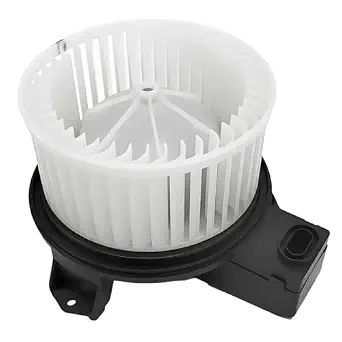 |
| Highest Rated A top-rated pick with lots of positive feedback | Tnyeobae HVAC Blower Motor Assembly for Explorer (2011–2015) |  |
| Most Popular A crowd favorite that many people choose with confidence | maXpeedingrods Rear HVAC Blower Motor PM4085 |  |
| Best Seller A high-volume bestseller chosen again and again | POHILA HVAC Blower Motor with Fan Cage (Replace#700274, PM9393) | 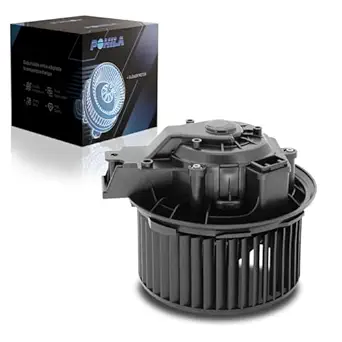 |
1. Aspligo 700274 Front Heater Blower Motor for Ford Explorer and Lincoln MKS/MKT

| Fitment | Ford Explorer/Flex/Police Interceptor 2012–2019; Lincoln MKS 2013–2016; Lincoln MKT 2012–2019 |
|---|---|
| Included Components | Blower Motor |
| Material Type | ABS housing and metal motor |
| Part Number | BM442013-2 |
| Horsepower | 700274 Horsepower |
This Aspligo 700274 blower motor replaces the vehicle's front HVAC fan to restore cabin airflow for heating, ventilation, and air conditioning. It installs in place of the factory unit and is used whenever the stock blower has failed, is noisy, or is underperforming. The assembly pairs an ABS housing with a metal motor and is marketed as a lower-interference, longer-life upgrade over worn units. In practice you should expect restored air movement across fan speeds and quieter operation compared with a failing original fan, plus straightforward bolt-and-connector fit for the listed Ford and Lincoln applications. Limitations are typical for aftermarket motors: you must confirm exact model fitment before purchase and installation may require dash access depending on the vehicle year and trim. The part does not list specific motor output figures beyond a horsepower label and there is no manufacturer warranty detail in the listing, so buyers wanting documented performance specs or extended coverage should plan accordingly.
Best for: Buyers seeking a reliable, quieter replacement blower to restore HVAC airflow in mid-2010s Ford Explorer-family and compatible Lincoln vehicles who value a direct-fit aftermarket swap.
Less Ideal for: If you need certified performance numbers, a documented extended warranty, or are working outside the listed vehicle years and models, consider other options or verify fitment and coverage before buying.
- Direct-fit replacement for specified 2012–2019 Ford Explorer, Flex, Police Interceptor and compatible Lincoln MKS/MKT applications
- ABS housing with metal motor construction for improved durability over worn originals
- Designed for quieter operation with reduced electrical interference
- Restores full HVAC airflow for heating, ventilation, and air conditioning
- Listing does not provide detailed performance specifications or formal warranty information
Verdict: A practical direct-fit replacement that restores quieter, full HVAC airflow for mid-2010s Ford Explorer-family and compatible Lincoln models.
2. AISIN HVAC Blower Motor with Fan Cage for Ford Explorer (2011–2019)

| Compatible vehicles | Ford Explorer 2011-2019; Flex 2009-2019; Police Interceptor Utility 2013-2019; Lincoln MKT 2010-2019 |
|---|---|
| Position | Rear |
| Motor type | Brushed |
| Terminal type | Blade, 2 terminals |
This AISIN blower motor replaces the factory rear blower motor and comes with the fan cage for a plug-and-play swap on compatible Explorer, Flex, Police Interceptor Utility, and Lincoln MKT models. It uses a brushed motor and two blade terminals, so installation is straightforward for a DIYer or technician and the included manual helps guide the process. AISIN highlights real-time output adjustment to smooth speed transitions while keeping strong airflow, which matters if you want consistent cabin ventilation and quicker cabin heating or cooling. The unit is built to match factory fit and function, so it avoids custom wiring or adaptors. Limitations to note are the brushed motor design, which is common but generally means a shorter service life and slightly more noise than brushless designs, and the part is specific to the listed vehicle years and positions. For someone focused on restoring or maintaining strong, reliable HVAC performance without modifications, this is a solid factory-style replacement.
Best for: Buyers who want a performance-focused, factory-style replacement to restore strong, consistent HVAC airflow and smooth fan speed transitions without modifying the vehicle.
Less Ideal for: If you want the longest-lasting, quietest brushless blower or are shopping for universal or multi-vehicle upgrades, this exact-fit replacement is not the best choice.
- Direct-fit replacement with included fan cage for plug-and-play installation
- Designed to match factory airflow characteristics and connectors for easy swap
- Real-time output adjustment for smoother fan speed transitions and consistent ventilation
- Uses a brushed motor which can be noisier and may wear faster than brushless alternatives
Verdict: Choose this AISIN blower motor when you need a direct-fit, performance-minded replacement to restore strong, consistent HVAC airflow in 2011–2019 Ford Explorer models.
3. Vetmor Rear HVAC Blower Motor Assembly for Ford Explorer (2011–2019)

| Speed | 3600 RPM |
|---|---|
| Voltage | 12 Volts |
| Included Components | HVAC Heater Blower Motor Assembly with Fan Cage |
| Material Type | ABS, Stainless Steel |
This Vetmor rear blower motor assembly replaces the rear-side blower in compatible Ford Explorer and related models to restore cabin airflow and HVAC performance. It ships as a complete motor with fan cage so installation is straightforward for a competent DIYer or professional tech. Notable features include a 12 volt motor rated at 3600 RPM, silicon steel rotor plate construction, and copper enameled winding that the listing positions as durable and factory-fit. In use it provides larger air volume and reduced noise compared with many worn OE units, which helps cooling and defrosting the rear cabin faster. The unit is vehicle-specific and only for the rear location, so buyers should confirm fit before purchase. It comes with typical aftermarket part numbers mapped to common OEM references and includes a one-year warranty, giving practical coverage for most repairs. Expect a plug-and-play replacement when matched to the listed Explorer years and equivalents, with the usual caveat that connectors and exact mounting details should be double-checked during installation.
Best for: Buyers who want a practical, direct rear-blower replacement to restore rear-cabin airflow quickly and prefer a durable aftermarket part that aims for factory fit and straightforward installation.
Less Ideal for: Those looking to replace the front blower, upgrade to a high-performance or variable-speed custom unit, or anyone unsure about fitment who has not verified compatibility with their vehicle configuration.
- Complete assembly with fan cage for easier, faster installation
- 12 V motor rated at 3600 RPM for adequate rear airflow
- Constructed with silicon steel rotor plate and copper enameled wire for durability
- Designed to match factory fit and reduce noise compared with worn original motors
- Designed for rear-side replacement only and not compatible with front blower locations
Verdict: A ready-to-install rear blower assembly that restores rear HVAC airflow with factory-fit intent and durable construction, making it a practical repair choice for 2011–2019 Explorers.
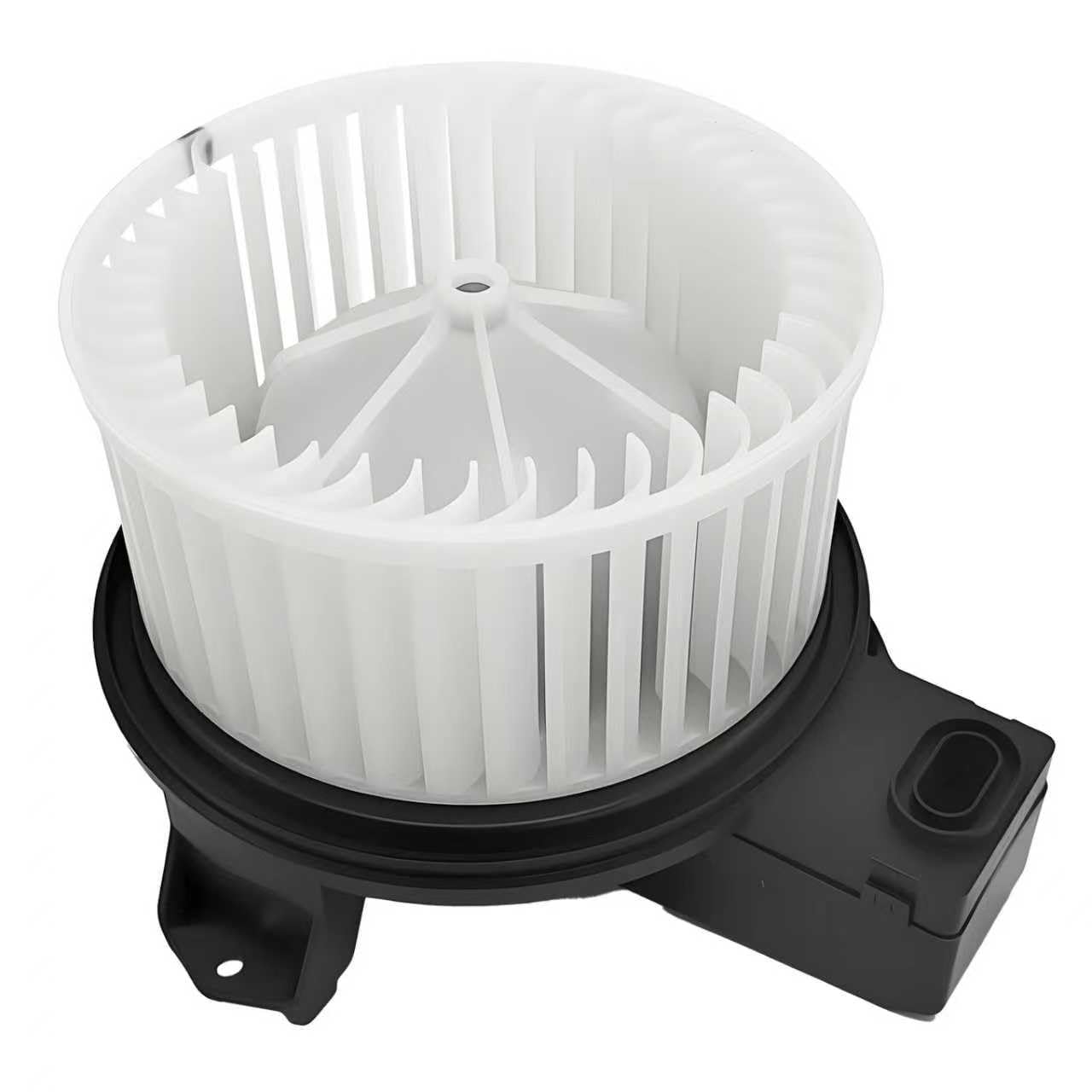
4. Ganido HVAC Heater Blower Motor Assembly (AE9Z-19805-C)
| Compatible vehicles | Ford Explorer 2011-2019; Flex 2009-2019; Police Interceptor Utility 2013-2019; Lincoln MKT 2010-2019 |
|---|---|
| Included components | 1*AE9Z19805C Blower Motor |
| Part number | GD-AE9Z19805C |
| Reference numbers | AE9Z-19805-C / AE9Z-19805-D / FO3126139 / MM1049 |
This Ganido blower motor assembly replaces the factory heater blower in 2011–2019 Ford Explorer and similar Ford/Lincoln vehicles to restore HVAC fan function and cabin airflow. It installs in the HVAC housing and is used when the original motor fails, squeals, or loses speed control. The unit is described as factory-style with balance and electrical testing to reduce vibration and noise, and it includes a foam gasket to help seal the housing and limit contaminant ingress. For everyday driving it should bring airflow and climate control responsiveness back to expected levels without needing other HVAC work. Being an aftermarket replacement, fitment verification is important before buying and the motor may differ slightly in connector shape or mounting from a factory part, which can require minor trimming or an adapter during installation. For owners wanting a straightforward, budget-friendly swap to get their Explorer's blower working again, this offers a practical, tested option.
Best for: Buyers who need an inexpensive, direct replacement to restore heater and A/C airflow on 2011–2019 Ford Explorer and similar vehicles and who prioritize cost-effectiveness over premium OEM sourcing.
Less Ideal for: People restoring a show-quality vehicle, or those who prefer only original factory parts or dealer-sourced components for warranty-backed fitment.
- Made to replace factory blower motors for targeted Ford/Lincoln fitments
- Manufacturer testing and balance procedures aimed at quieter operation
- Includes foam gasket to improve housing seal and reduce contamination
- Straightforward replacement component for restoring HVAC airflow
- Aftermarket fit may require verification and minor installation adjustments
Verdict: A cost-conscious, tested aftermarket blower motor that restores cabin airflow on 2011–2019 Ford Explorer models without the premium cost of dealer parts.
5. Tnyeobae HVAC Blower Motor Assembly for Explorer (2011–2015)

| Brand Name | Tnyeobae |
|---|---|
| Model | 700274 |
| Included Components | Blower Motor |
| Part Number | 700193 / 700194 |
This Tnyeobae blower motor assembly replaces the front HVAC blower for Explorer model years 2011–2015 and comes as a complete unit with the motor and pre-balanced squirrel-cage fan. It is intended for a straightforward plug-and-play swap into the factory housing and addresses common failures such as burning smells, loud squeals, and weak airflow by using premium bearings and a balanced wheel to reduce noise and vibration. In daily use it restores strong, even vent output for defrosting and climate control and should eliminate intermittent fan speeds caused by worn brushes or bearings. The unit is built from heat-resistant materials to resist warping in hot climates and is offered to match part numbers 700274 and AE9Z19805D for a close fit. Important limitations are that this listing is specific to the front blower for the stated Explorer years only and buyers should confirm part number compatibility before ordering because HVAC variants and rear system components are different.
Best for: Buyers who prioritize long-term, reliable cabin airflow and quiet operation and who want a direct-replacement front blower for a 2011–2015 Explorer to avoid repeat failures and smells.
Less Ideal for: Drivers who need a rear HVAC blower or who are looking for a universal or multi-vehicle replacement should consider other options.
- Complete assembly includes motor and pre-balanced fan wheel for immediate installation
- Premium bearings designed to reduce squealing and lower vibration at high speed
- Built from heat-resistant materials to resist warping and perform in extreme temperatures
- Designed to match part numbers 700274 and AE9Z19805D for direct fit in the front HVAC housing
- Fitment limited to the front blower for specific Explorer years and will not work for rear HVAC units
Verdict: Choose this complete, direct-fit blower assembly when you want a quiet, durable replacement that restores reliable front-cabin airflow on a 2011–2015 Explorer.
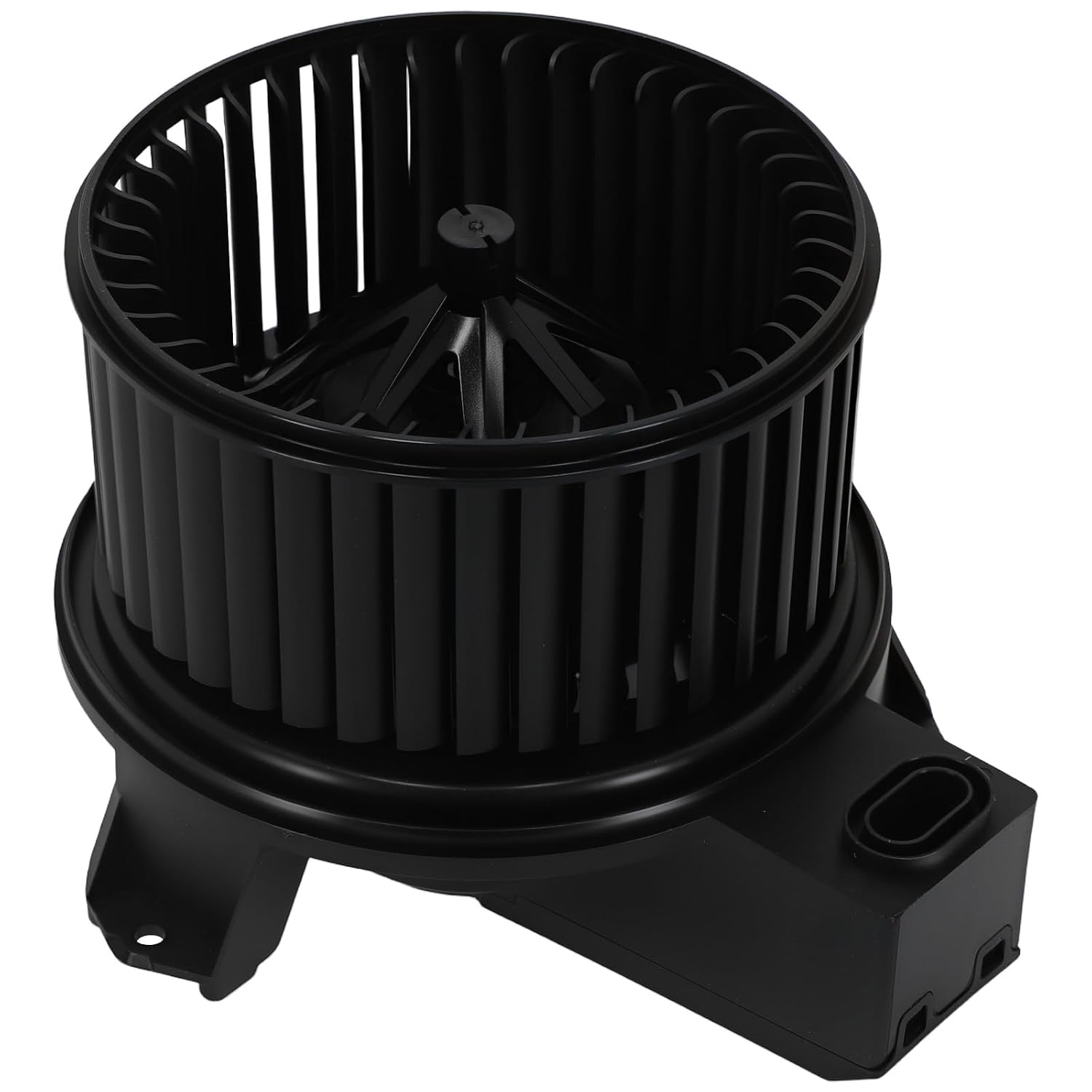
6. maXpeedingrods Rear HVAC Blower Motor PM4085
| Working Voltage | 12V |
|---|---|
| Number of Terminals | 2 |
| Placement on Vehicle | Front |
| Fitment Type | Direct Replacement |
This maXpeedingrods rear HVAC blower motor is a direct-replacement unit that restores rear ventilation in compatible Explorers and related models. It installs in the rear HVAC housing and uses a two-terminal 12V connection, making it suitable for routine heater and air conditioning airflow duties. The construction mixes plastic and metal components and the part is listed with multiple factory cross-references so it matches common replacement numbers. For drivers, the main benefits are restoring proper airflow and climate control without modifying the vehicle, and the included design and fitment focus on drop-in replacement to reduce installation time. Limitations are the typical ones for aftermarket parts: long-term durability can vary compared with factory-made components and the unit may require some careful handling during fitment to avoid connector or mounting alignment issues. The manufacturer offers basic support and a limited warranty for quality-related problems.
Best for: Buyers who want a drop-in replacement to restore rear HVAC airflow in a 2011–2019 Explorer and prefer a part with multiple cross-reference numbers and available seller support.
Less Ideal for: If you prioritize guaranteed long-term OEM-level longevity or want a branded factory part, consider sourcing a factory-quality replacement instead.
- Direct-replacement fit for 2011–2019 Ford Explorer and listed Ford/Lincoln models
- Matches several factory part numbers for easier cross-referencing
- 12V two-terminal electrical design mirrors factory connections for straightforward hookup
- Mix of plastic and metal parts balances weight and cost while providing necessary structural elements
- Aftermarket construction may not match long-term durability of some factory-original units
Verdict: A practical, cross-referenced drop-in blower motor for restoring rear HVAC airflow in 2011–2019 Ford Explorer models with straightforward installation and seller support.
7. POHILA HVAC Blower Motor with Fan Cage (Replace#700274, PM9393)

| Fitment years | 2012-2019 (Ford); 2012-2016 (Lincoln) |
|---|---|
| Compatible models | Explorer, Flex, Taurus, MKT, MKS |
| Reference numbers | 700274, PM9393, CG1Z19805D, DG1Z19805D |
| Manufacturer | POHILA |
This POHILA blower motor with integrated fan cage is a direct replacement meant to restore cabin airflow on compatible Ford Explorer, Flex, Taurus and Lincoln MKT/MKS vehicles. It installs using the same mounting points as the factory unit and is intended for a straightforward swap when the original motor fails or becomes noisy. The motor uses factory-style materials including silicon steel laminations and enameled copper windings and ships permanently lubricated bearings to reduce maintenance and extend life. In use it claims higher air volume with lower noise compared with worn stock units, and the fan cage design simplifies reassembly. Buyers should still check confirmed fit for year and model and consider replacing the relay or resistor when changing the motor, since those parts commonly cause blower issues. This is a practical, budget-friendly option for owners who want a reliable like-for-like replacement rather than an upgraded performance part.
Best for: Buyers who want a straightforward, reliable replacement to restore HVAC performance with minimal fuss and prefer a part that matches factory fit and function.
Less Ideal for: People seeking a high-performance or custom blower upgrade, or those who need a unit for vehicles outside the stated model years and applications.
- Direct-fit design for the listed Ford and Lincoln model years so no modification is needed
- Factory-style materials and permanently lubricated bearings for longer service life
- Includes fan cage for easier installation and to restore proper airflow balance
- Designed for lower noise and higher airflow compared with worn original units
- Fitment limited to the specific 2012–2019 Ford and 2012–2016 Lincoln models listed, so compatibility must be confirmed before purchase
Verdict: A practical, factory-style replacement blower motor that restores airflow and reduces noise for the covered Ford and Lincoln models without requiring modification.
Choosing the Right 2011-2019 Ford Explorer Blower Motor: Key Factors to Consider
Airflow and CFM Rating
Airflow determines how quickly the cabin heats up or cools down and how well vents clear fogged windows. For the 2011-2019 Ford Explorer, pick a blower motor that delivers steady cubic feet per minute (CFM) at low, medium, and high speed settings so you do not get weak airflow in common driving conditions.
Look for published airflow curves or manufacturer specifications that indicate performance at multiple voltages or resistor settings. A motor that produces strong airflow at lower speeds improves comfort and reduces strain on the HVAC system, while high-speed capability ensures rapid defogging and climate recovery.
Noise Levels and Bearing Quality
Blower motor noise is one of the most common complaints when an original unit ages. Bearings and fan wheel balance affect both tonal quality and overall loudness. For Explorer cabins, a motor with sealed ball bearings or high-quality sleeve bearings and a well-balanced blower wheel will run quieter and last longer.
Consider customer feedback or manufacturer decibel ratings when available. Reduced noise improves perceived build quality and driver comfort, especially during long drives or at night. Also, quieter operation often indicates tighter manufacturing tolerances and better long-term performance.
Electrical Compatibility and Connector Fit
Electrical compatibility with the Explorer wiring and the existing blower motor resistor is critical to avoid intermittent operation or damage. Ensure the replacement motor matches the original connector type and pin arrangement to maintain proper speed control and avoid splicing wires.
Pay attention to recommended operating voltages and current draw. A motor that pulls substantially more current than the original risks premature resistor or fuse failure, while underpowered units may not provide adequate airflow at higher fan settings.
Durability and Environmental Resistance
The blower motor sits in the HVAC housing where it is exposed to temperature cycles, humidity, and occasional debris from cabin air intake. Choose motors with corrosion-resistant housings, sealed bearings, and protective coatings to resist moisture and road grime common in many climates.
Durability also includes resistance to thermal stress and consistent electrical performance over time. Motors built with thicker windings and higher grade insulation typically withstand repeated starts and stops better than lower quality units.
Fitment and Ease of Installation
A correct-fit motor reduces labor time and avoids cutting or modifying ducts or housings. For the Explorer, models that replicate factory mounting points and use OEM-style blower wheels simplify replacement and minimize the chance of air leaks or misalignment.
Consider whether the motor requires removal of the glove box or lower dash access and whether the package includes any needed grommets or mounting hardware. Clear installation instructions and matching fastener locations make the job more straightforward for DIYers or technicians alike.
Warranty and Support
Warranty length and available technical support provide a safety net if a replacement motor fails prematurely. For vehicle owners, a longer warranty often reflects manufacturer confidence in component longevity and reduces total ownership risk.
Check what the warranty covers, whether it includes return shipping or core exchange, and how claims are handled. Good post-sale support can speed troubleshooting in the rare event of fitment issues or early failure.
Common Blower Motor Symptoms to Watch For
Recognizing early signs of blower motor trouble helps avoid being left without cabin airflow. Typical symptoms include reduced airflow at all speed settings, a complete loss of fan operation, persistent squealing or grinding noises, and intermittent operation that changes with engine speed or temperature.
Some symptoms point to related components rather than the motor itself. For instance, a fan that only works on certain speeds can indicate a failing blower motor resistor. However, whirring, rubbing, or metallic scraping sounds usually originate in the motor bearings or the blower wheel contacting the housing.
- Weak airflow across all speeds suggests motor wear or obstruction.
- Noise that changes with fan setting often indicates bearing deterioration.
- Intermittent operation that is unaffected by speed control could be wiring or connector issues.
- Burnt odor or visible smoke requires immediate electrical disconnect and inspection.
When to Replace Vs Repair
Deciding whether to replace the blower motor or attempt a repair depends on the fault and the motor design. Minor issues such as debris in the blower wheel or a loose fastener can sometimes be resolved without a full replacement. However, bearing failure, burned windings, or severe imbalance normally justify installing a new motor.
For the 2011-2019 Explorer, factor in labor access and the age of the existing motor. If the vehicle has high mileage and the motor shows wear signs beyond a simple cleaning, replacement is the more reliable option and often more cost-effective over time.
- Clean and inspect the wheel and housing before condemning the motor.
- If bearings are noisy or seized, replacement is usually required.
- Electrical faults within the motor windings are not repairable in the field.
Installation Tips for the Explorer
Preparing the work area and gathering the right tools makes blower motor installation faster and less stressful. For many Explorer installations you will need basic hand tools, a flashlight, and possibly trim tools for dash panels. Labeling connectors before disconnecting them helps ensure accurate reassembly.
When installing the new motor, confirm the blower wheel spins freely before full reassembly, and check that the mounting gasket sits flush to prevent rattles and air leaks. Reconnect electrical plugs securely and test all fan speeds before reinstalling panels to verify correct operation.
- Disconnect the negative battery terminal to avoid short circuits during electrical work.
- Inspect and replace any brittle mounting grommets to prevent vibration noise.
- Test the motor on all speeds prior to final reassembly.
Understanding Blower Motor Resistors and Controls
The blower motor resistor modulates fan speed by varying current to the motor. On some failures, the resistor fails first and causes the fan to operate only on certain speeds. Understanding the interaction between the resistor and motor helps identify whether the resistor or the motor is the primary problem.
If a new motor behaves erratically after installation, verify the resistor and control circuitry are functioning. Excessive current draw from a failing motor can overheat and damage the resistor, so replacing the motor without checking the resistor can lead to repeated failures.
- A fan that works only on maximum speed often indicates a resistor failure.
- Motors that draw high current can trip fuses or burn resistors if left unchecked.
- Inspect resistor connectors and wiring for corrosion during motor replacement.
Noise Diagnosis and Remedies
Diagnosing blower noise starts with identifying the noise character and when it occurs. Rattles or buzzing at low speeds may point to loose mounting or a damaged wheel, while grinding or squealing is more suggestive of bearing failure. Intermittent thumping can be due to debris trapped in the blower wheel.
Once diagnosed, simple remedies include cleaning the wheel, tightening mounts, or replacing worn grommets. If bearings are the source, replacement is the reliable fix. Balancing the blower wheel and ensuring proper clearance to the housing will reduce persistent noise.
- Use a thin inspection mirror to look for debris contacting the wheel.
- Tighten loose mounting bolts and replace degraded vibration isolators.
- If noise persists, prepare to replace the motor assembly to eliminate bearing-related sounds.
Still looking for the perfect fit?
Select your Ford Explorer configuration to see the most relevant Blower Motors recommendations
How We Chose the Best 2011-2019 Ford Explorer Blower Motor
We prioritized components that address the specific HVAC needs and known failure modes of the 2011-2019 Ford Explorer. Key evaluation criteria included airflow performance under typical cabin loads, measured or reported noise levels during operation, and long-term durability of bearings and motor windings. Electrical reliability was assessed by reviewing expected resistance stability and connector quality to reduce intermittent operation.Fitment and ease of installation were important. We favored blower motors that matched factory mounting points, used the OEM-style electrical connectors, and required minimal modification. Thermal tolerance and resistance to moisture and debris were also considered for reliable operation across varied climates.We excluded units with inconsistent fitment reports and motors lacking clear specifications for airflow or noise. Units that require major HVAC housing modification or nonstandard adapters were not considered. Final selections reflect a balance between quiet operation, consistent airflow, and straightforward installation for Explorer owners.
Our full evaluation process is outlined in our review methodology.
FAQ
How can I tell if the blower motor or resistor is bad?
If the fan works only on certain speeds, the resistor is often the cause. Complete loss of operation or loud bearing noise usually indicates the motor. Testing with a multimeter and observing current draw helps confirm which component is faulty.
Is replacing the blower motor on a 2011-2019 Explorer a difficult DIY job?
Difficulty varies with experience. The job typically requires dash access but uses standard hand tools. Many owners with moderate mechanical skills can complete the replacement in a few hours when following step-by-step instructions.
Will a higher airflow motor damage the HVAC system?
Generally no, but a motor that significantly increases current draw can stress the resistor or fuses. Choose a motor specified for the Explorer that matches electrical characteristics to avoid component stress.
What causes intermittent blower operation on the Explorer?
Intermittent operation often stems from loose electrical connectors, worn brushes or bearings inside the motor, or a failing resistor. Inspect connectors and measure voltage at the motor to narrow down the cause.
Can debris in the blower wheel be cleaned without removing the motor?
Surface debris may be reachable through access panels, but thorough cleaning often requires removing the blower motor to avoid leaving contaminants that will re-enter the housing. Removal also allows inspection of bearings and wheel balance.
How long should a replacement blower motor last in an Explorer?
Lifespan depends on driving conditions and build quality. Under normal use, a quality motor can last many years, but exposure to moisture, heavy dust, or frequent stop-and-go cycles can shorten service life.
Final Verdict
When selecting a blower motor for a 2011-2019 Ford Explorer, prioritize steady airflow performance, quiet operation, and verified electrical compatibility with the vehicle HVAC controls. Consider durability features such as sealed bearings and corrosion-resistant housings if you drive in humid or dusty environments.Balance the ease of installation and warranty coverage against expected longevity. Replacing a noisy or weak blower motor with a properly specified unit will restore reliable heating and cooling and reduce cabin noise, making it the practical choice for most Explorer owners.
Explore More:
- Check out all Ford Explorer parts & accessories
- Explore Blower Motors Maintenance & Repair Guides
- Explore HVAC
- Browse all Auto Parts
