

Note: This article contains affiliate links. If you click on these links and make a purchase, I may earn a small commission at no extra cost to you. This helps support my research and content. Read my full affiliate disclosure here.
If you own a 1998-2002 Honda Accord and are noticing a soft or erratic brake pedal, the brake booster is a common component to inspect. The right brake booster restores firm pedal feel, consistent vacuum assist, and predictable stopping behavior that matter for everyday driving and highway safety. This guide focuses specifically on the 1998-2002 Accord and lists the top shortlisted brake boosters chosen for correct fitment, solid build, and dependable braking response.Below you will find the selected brake boosters, followed by the decision factors we used to evaluate them and practical guidance on symptoms, testing, and installation considerations to help you pick the right replacement for your Accord.
Looking for other parts? See all Honda Accord parts & accessories.
Top Picks at a Glance
| Best Quality Built to a higher standard if you want something more solid | A-Premium Vacuum Power Brake Booster (fits 1998–2002 Honda Accord, select Acura models) |  |
| Best Value The sweet spot between price and what you get | UnayKolb Vacuum Power Brake Booster for Honda Accord 1998–2002 (direct replacement) |  |
| Best Budget The cheapest option that still gets the job done reliably | Psrorkeu Vacuum Power Brake Booster for 1998–2002 Honda Accord |  |
| Highest Rated A top-rated pick with lots of positive feedback | AngyMeck Power Brake Booster 53-2705 for 1998–2002 Honda Accord and 2001–2003 Acura TL/CL Type-S |  |
| Most Popular A crowd favorite that many people choose with confidence | PartsFlow Vacuum Power Brake Booster 53-2705 (fits 1998–2002 Honda Accord, select Acuras) | |
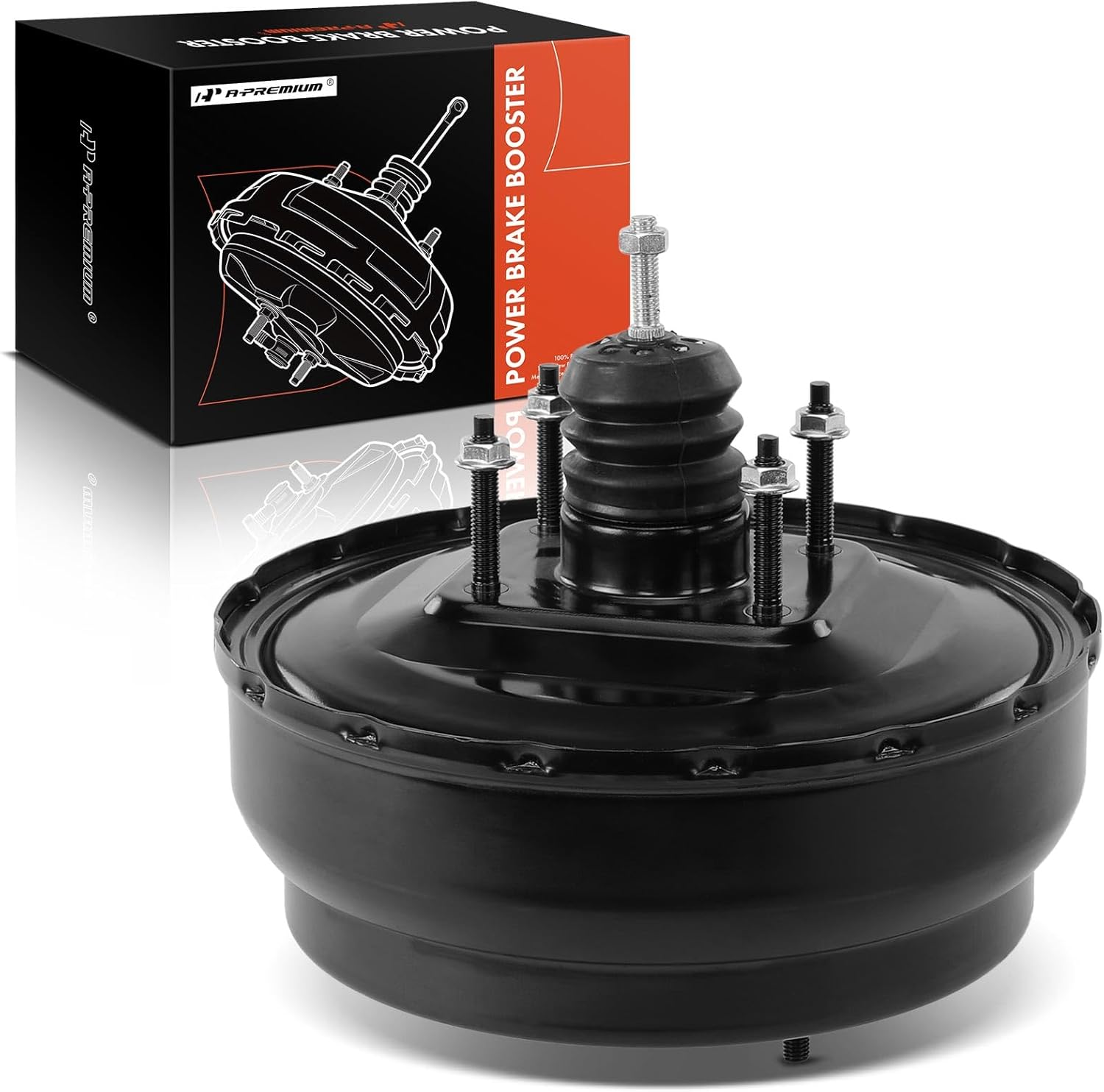
1. A-Premium Vacuum Power Brake Booster (fits 1998–2002 Honda Accord, select Acura models)
| Compatibility | 1998–2002 Honda Accord; select Acura CL/TL 2001–2003 |
|---|---|
| Brake Booster Diaphragm Style | Dual |
| Material | Steel |
| Master Cylinder Included | No |
| Master Cylinder Stud Thread Size | M8 x 1.25 |
This A-Premium vacuum brake booster replaces the factory brake booster to restore strong power-assisted braking on specified 1998–2002 Honda Accord applications and some Acura models. It uses a dual diaphragm design and a steel housing with an anti-rust coating intended to extend service life. Typical installation replaces the worn booster behind the master cylinder; note this unit is sold without the master cylinder so you either reuse the factory master cylinder if compatible or install a new one separately. In real-world use the dual diaphragm should provide consistent pedal assist and help recover a firm brake pedal feel compared with a failing booster. Fitment references and OEM part numbers are provided to help ensure compatibility. The main compromises are that the master cylinder is not included and professional installation or basic mechanical skill is required to bleed and test the system after fitting. For drivers focused on restoring reliable power assist on the covered Accords, this is a straightforward direct-replacement option.
Best for: Drivers restoring factory power-assist braking on a 1998–2002 Honda Accord who prioritize returning solid pedal feel and reliable stopping performance and are comfortable arranging or performing a straightforward replacement and brake system bleed.
Less Ideal for: Buyers who want a complete drop-in assembly with master cylinder included or those seeking an upgraded performance booster beyond restoring factory-style assist should consider alternatives.
- Direct-replacement fit for listed 1998–2002 Honda Accord and specified Acura models using listed OEM reference numbers
- Dual diaphragm design aimed at consistent pedal assist and reliable braking feel
- Steel construction with anti-rust coating to improve durability
- Includes clear reference numbers and fitment notes to confirm vehicle compatibility
- Sold without a master cylinder so additional parts or reuse of the factory master cylinder may be required
Verdict: A-Premium’s dual-diaphragm steel booster is a practical factory-style replacement to restore strong power-assist braking on covered 1998–2002 Accords.
2. UnayKolb Vacuum Power Brake Booster for Honda Accord 1998–2002 (direct replacement)

| Manufacturer | UnayKolb |
|---|---|
| Manufacturer Part Number | UK912-446 |
| OEM Part Number | 53-2705, 46400S84A01, 46400S84A51 |
| Fitment | Honda Accord 1998-2002; Acura TL Type-S 2002-2003; Acura CL Type-S 2001-2003 |
This UnayKolb vacuum power brake booster replaces the factory unit to restore normal brake pedal effort and responsiveness on 1998–2002 Honda Accords and the listed Acura Type-S models. It is engineered as a direct-fit replacement to the original part numbers, which simplifies installation and avoids modification. The booster is built with reinforced internal seals and a corrosion-resistant exterior to protect vacuum integrity and survive the engine bay environment, and each unit is vacuum leak tested before leaving the factory to help ensure consistent assist and quiet operation. In real-world use you should notice firmer, more predictable braking compared with a failing booster and a straightforward swap for anyone comfortable with standard brake-system mechanical work. Limitations are that this is a replacement booster only and does not include the master cylinder or other brake components, so a matched-service approach is recommended if other parts show wear. No vehicle-specific hardware beyond the stated models is covered by this listing.
Best for: Buyers who want a practical, vehicle-specific replacement that restores original brake feel with minimal fuss and avoids extra modification work.
Less Ideal for: Drivers looking to upgrade braking performance beyond factory specifications or those who need a complete brake system overhaul including the master cylinder.
- Direct-fit design matched to the original part numbers for simpler installation
- 100% vacuum leak tested to verify pedal assist and quiet operation
- Corrosion-resistant exterior coating for improved durability in the engine bay
- Only the booster is supplied; master cylinder and related components are not included
Verdict: If you need a no-nonsense, direct-fit replacement to restore factory pedal assist on a 1998–2002 Honda Accord, this booster is a practical choice.
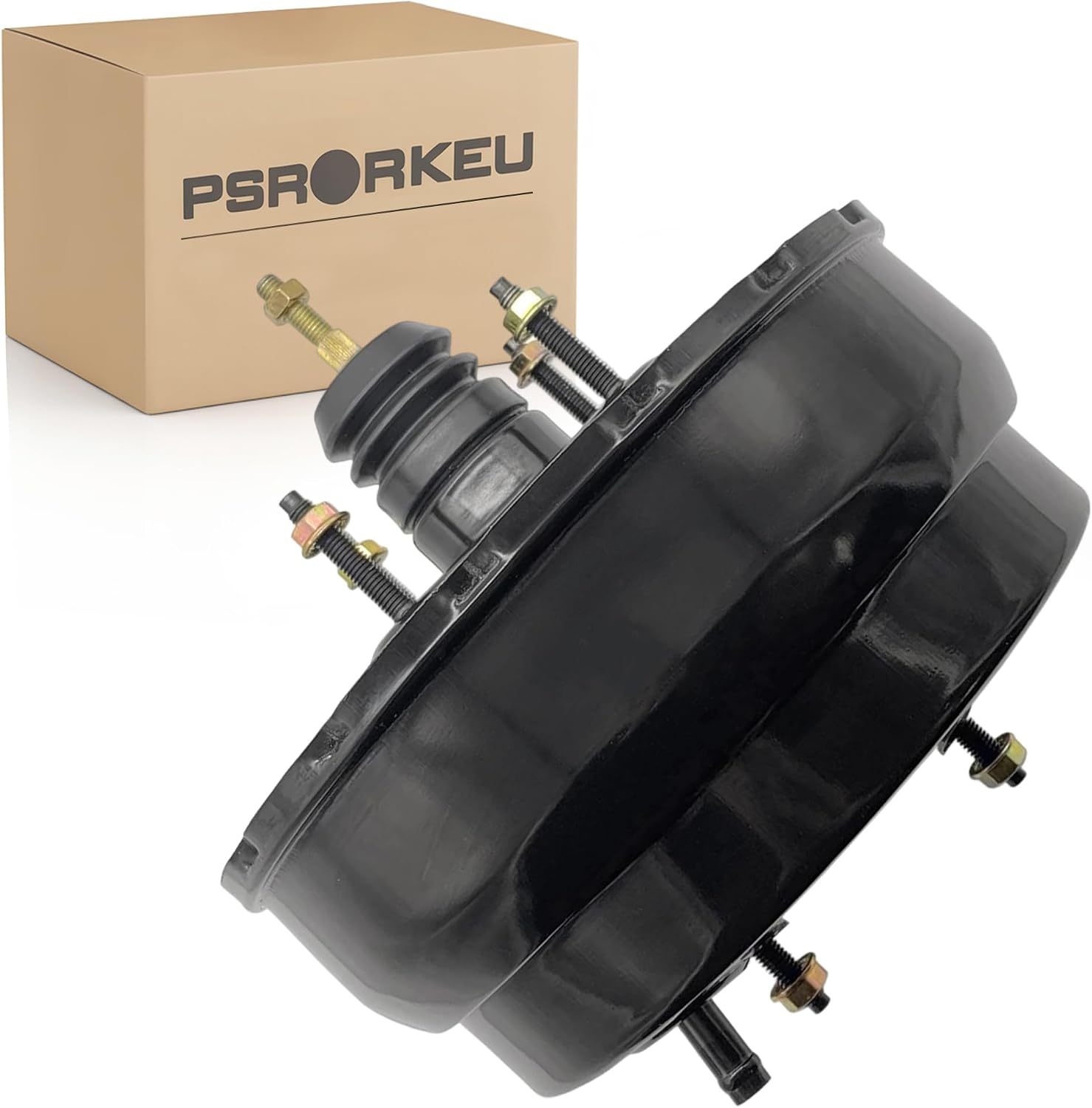
3. Psrorkeu Vacuum Power Brake Booster for 1998–2002 Honda Accord
| Manufacturer | Psrorkeu |
|---|---|
| Manufacturer Part Number | PK912446 |
| OEM Part Number | 53-2705, 46400S84A01, 46400S84A51 |
This Psrorkeu vacuum power brake booster is a budget-focused replacement meant to restore the reduced pedal assist common when an original booster fails. It installs in place of the factory unit and is intended for 1998–2002 Honda Accord models and the listed Acura Type-S variants. The unit uses a metal housing with a rust-resistant finish and internal diaphragm seals to keep out debris and retain vacuum for consistent brake response. In normal daily driving it reduces pedal effort and returns a firmer, quieter brake feel similar to the factory part. Because it matches the referenced factory part numbers, fitment should be straightforward for a mechanic or competent DIYer. Expect typical replacement trade-offs for lower-cost aftermarket parts such as variable long-term durability versus an OEM unit and the need to bench-bleed the system during installation. For drivers wanting an economical, functional booster to get braking performance back to normal, this is a practical option.
Best for: Drivers looking for an affordable, functional replacement to restore normal brake pedal effort on a 1998–2002 Accord who prioritize a working, budget-friendly fix over OEM-brand parts.
Less Ideal for: Buyers seeking a long-term factory-brand replacement or an upgraded performance booster should consider OEM parts or higher-end aftermarket options instead.
- Direct-replacement design references factory part numbers for straightforward fitment
- Metal housing with rust-resistant finish improves structural durability
- Tightly fitted seals and internal diaphragm help maintain vacuum and consistent brake feel
- Restores pedal assist to reduce braking effort and return factory-like response
- Aftermarket construction may not match long-term durability of a factory replacement
- No listed warranty information or performance testing data
Verdict: A cost-conscious, direct-fit replacement that restores pedal assist and braking feel for 1998–2002 Honda Accord models without the premium of an OEM unit.
4. AngyMeck Power Brake Booster 53-2705 for 1998–2002 Honda Accord and 2001–2003 Acura TL/CL Type-S

| Vehicle fitment | Honda Accord 1998-2002; Acura CL/TL Type-S 2001-2003 |
|---|---|
| Reference numbers | 53-2705, 46400S84A01, 46400S84A51 |
| Diaphragm style | Dual |
| Master cylinder stud thread | M8x1.25 |
| Material | Steel |
This AngyMeck power brake booster is a factory-style vacuum booster intended as a direct replacement for specified 1998–2002 Honda Accord and 2001–2003 Acura TL/CL Type-S models. It mounts in place of the original unit and works with the existing master cylinder and mounting hardware, restoring the brake pedal assist that reduces driver effort. The part lists multiple reference numbers and uses a dual diaphragm design, which replicates common factory boosters and should deliver predictable pedal feel and reliable vacuum assist in everyday driving. Installation is straightforward for a competent DIYer or shop: retain original mounting studs and reconnect vacuum and pedal linkages per the instructions. Limitations include the need to confirm appearance and OEM numbers before purchase to ensure fit and the absence of any master cylinder or extra hardware in the package. For buyers focused on dependable, like-for-like replacement, this unit offers a practical way to bring older Accords back to factory braking behavior without modifying the brake system.
Best for: Buyers who need a dependable, factory-style replacement to restore original braking feel on specified late 1990s to early 2000s Accords and Type-S Acura sedans and value straightforward installation and proven function.
Less Ideal for: Not a good choice for someone looking to upgrade braking performance beyond factory behavior or seeking a kit that includes a new master cylinder or extra hardware.
- Direct-replacement design matching common factory reference numbers for targeted Accord and TL/CL models
- Dual-diaphragm vacuum booster construction for consistent pedal assist
- Ships as a complete booster unit ready to install with standard vacuum and pedal connections
- Positive user reports of proper fit and restored braking on older Accords
- Does not include a master cylinder or additional mounting hardware so reuse of original components is required
- Fit requires verifying OEM number and visual match before installation
Verdict: A solid, factory-style replacement booster that reliably restores original pedal assist on the covered 1998–2002 Accord and 2001–2003 Type-S Acura models.
5. PartsFlow Vacuum Power Brake Booster 53-2705 (fits 1998–2002 Honda Accord, select Acuras)
| Vehicle compatibility | Honda Accord 1998-2002; Acura TL Type-S 2002-2003; CL Type-S 2001-2003 |
|---|---|
| Brake booster type | Vacuum power brake booster |
| Diaphragm style | Dual |
| Master cylinder stud thread | M8x1.25 |
| Material | Steel |
This PartsFlow vacuum power brake booster replaces a failed or weak factory booster to restore power-assisted braking on compatible 1998–2002 Honda Accord and select Acura TL/CL Type-S models. It mounts between the master cylinder and brake pedal to multiply pedal force, making stops easier and reducing driver effort. The unit is steel-bodied with a dual diaphragm design and uses the factory master cylinder stud thread size for bolt-on installation when paired with the correct hardware and gaskets. Typical use is a like-for-like replacement during a brake service or when a leaking or hard brake pedal indicates booster failure. Practical benefits include restored pedal travel, consistent assist under normal vacuum conditions, and straightforward replacement for mechanically confident DIYers or technicians. Limitations are that fitment is vehicle-specific so you must verify compatibility before purchase and some installations may require brake light switch adjustment or replacement of a worn master cylinder to prevent fluid contamination of the booster.
Best for: Buyers who value restoring factory braking feel with a dependable replacement and who prefer products backed by clear fitment and seller confidence.
Less Ideal for: Drivers seeking a performance-oriented or modified braking solution or those who cannot confirm exact model-year fitment should look at other options.
- Direct replacement design for specified Accord and Acura years for straightforward swap-in
- Dual diaphragm vacuum design for reliable pedal assist during normal operation
- Steel construction offers durable, service-life performance comparable to factory replacements
- Compatibility is limited to the listed vehicle years and models so it is not universal
- May require brake light switch adjustment or master cylinder service during installation
Verdict: A straightforward, vehicle-specific replacement that reliably restores factory-style power assist for 1998–2002 Accord and compatible Acura models.
Choosing the Right 1998-2002 Honda Accord Brake Booster: Key Factors to Consider
Fitment and Mounting Geometry
Correct fitment is the foundation for a successful brake booster replacement on a 1998-2002 Honda Accord. Mounting flange pattern, stud spacing, and pushrod length must match the vehicle's master cylinder and pedal assembly so pedal travel and engagement point stay consistent. An incorrect pushrod length can change pedal height, free play, and initial bite which affects driver confidence.
Check that the vacuum port is positioned for the factory vacuum hose routing to avoid stretching or kinking lines. Proper fitment reduces the need for additional adapters and limits the chance of misalignment that could lead to accelerated wear of the master cylinder seals or uneven brake response.
Diaphragm and Seal Quality
The diaphragm and internal seals determine how well the booster holds vacuum and resists leaks over time. A robust diaphragm material and well-engineered seal points will maintain vacuum assist and consistent pedal effort across seasons.
Inferior diaphragm materials can develop cracks or tears that cause gradual loss of assist, leading to a heavier pedal and reduced stopping power. When evaluating a replacement, prioritize units with clear specification on diaphragm materials and sealing methods to minimize the chance of premature failure.
Vacuum Port and Check Valve Reliability
The vacuum check valve and the booster vacuum port are critical for preserving vacuum during engine load changes and shutoff events. A reliable check valve prevents backflow and maintains a reserve of vacuum that gives immediate pedal assistance after repeated braking or during hard stops.
If the check valve is prone to sticking or allows leakage, you will notice inconsistent pedal feel and longer stopping distance. Verify that the replacement uses a robust check valve and that the vacuum port aligns with the factory hose for proper routing and minimal stress on the vacuum line.
Corrosion Resistance and Housing Durability
The booster housing is exposed to engine-bay heat cycles, moisture, and road contaminants. Corrosion or housing degradation can allow moisture ingress and accelerate diaphragm or seal failure. A properly finished housing with protective coatings and corrosion-resistant fasteners helps the booster last longer in real-world conditions.
Durable construction also makes removal and future servicing easier, since fasteners and studs are less likely to seize. Consider the expected climate exposure for the vehicle and prioritize boosters with demonstrated resistance to rust and deterioration.
Compatibility With Master Cylinder and Brake Bias
Some boosters are sold as assembly units while others require transfer of the original master cylinder. Compatibility with the 1998-2002 Accord master cylinder affects brake line routing, proportioning, and pedal feel. Maintaining the correct master cylinder mounting and pushrod relationship preserves brake bias and prevents unexpected changes in stopping behavior.
Ensure the chosen booster accommodates the master cylinder you intend to use without excessive modification. If the unit requires master cylinder replacement, confirm the bore size and mounting pattern match the vehicle's braking system requirements.
Installation Accessibility and Serviceability
Installation complexity affects the time and tools required and influences whether you attempt a DIY replacement or choose a workshop installation. Factors such as access to mounting nuts, the need to disconnect the master cylinder, and routing of the vacuum hose play into total labor effort.
A booster that ships ready to install with clear alignment features, or one that allows reuse of existing fasteners and the master cylinder without bench-bleeding challenges, reduces installation time. Consider whether the unit provides clear instructions and whether replacement of related parts like vacuum hoses or check valves will be necessary during installation.
Common Symptoms of a Failing Booster on the 1998-2002 Accord
Recognizing early symptoms helps you decide whether a brake booster is the likely cause of brake issues. Typical signs include a noticeably harder pedal, longer pedal travel before braking begins, or a spongy feel that changes with engine vacuum.
You may also notice hissing noises from the firewall area when the brake pedal is applied, or reduced assist immediately after several firm stops. These symptoms often point to a vacuum leak, failing diaphragm, or a faulty check valve rather than the master cylinder itself.
- Harder-than-normal brake pedal requiring more foot force
- Increased pedal travel before brakes engage
- Hissing from the booster area during pedal application
- Variable braking response after repeated stops
How To Test the Brake Booster and Check Valve
Testing the booster on a 1998-2002 Accord can be done with simple steps to confirm vacuum assist function. With the engine off, press the brake pedal several times to deplete residual vacuum and note pedal firmness. Then start the engine while holding light pressure on the pedal; a functioning booster will allow the pedal to sink slightly as engine vacuum builds.
For the check valve, inspect the vacuum hose and valve for cracks or looseness. If available, perform a vacuum test on the hose to verify it holds pressure. Hissing sounds and failure of the pedal to soften when the engine starts are strong indicators of a faulty check valve or vacuum leak.
- Pedal test: pump brakes with engine off, then start engine and observe pedal sink
- Visual inspection: check vacuum hose and check valve for cracks and secure fit
- Vacuum retention: use a hand pump gauge when possible to check for steady vacuum
Brake Booster Installation Considerations
When replacing the brake booster on the 1998-2002 Accord, prepare to disconnect the master cylinder or support it so brake fluid lines are not stressed. Keep a clean work area and take steps to prevent contamination of the braking system during removal and installation.
Confirm pushrod length and alignment before final tightening, and bleed the brake system according to recommended procedures after the booster and master cylinder are secured. Also replace or inspect vacuum hoses and the check valve while the booster is accessible.
- Support or remove master cylinder to avoid brake line strain
- Verify pushrod engagement and free play before torquing mounting nuts
- Bleed brakes after installation and inspect vacuum hose routing
When to Consider Replacing Related Components
While servicing the booster, inspect the master cylinder for seal leaks and consistent reservoir levels. If the master cylinder shows internal leakage, reusing it with a new booster can lead to poor pedal feel or early failure.
Also check vacuum hoses, the check valve, and pedal linkage for wear. Replacing fragile vacuum hoses or a suspect check valve at the same time is a small added cost that can prevent repeat labor and ensure the new booster performs as intended.
- Inspect master cylinder seals for external leakage and reservoir condition
- Replace cracked or brittle vacuum hoses and the check valve if suspect
- Examine pedal bushings and clevis pins for play or wear
Understanding Vacuum Leaks and Their Impact
A vacuum leak at the booster or its hose reduces assist and can also affect engine idle quality. Leaks can be subtle and manifest as intermittent changes in pedal feel or idle surges when the brake is applied.
Use careful inspection and simple diagnostic tests to isolate a vacuum leak. Repairing or replacing the specific leaking component is preferable to repeatedly adjusting or compensating for the symptom, because unresolved leaks lead to inconsistent braking behavior.
- Small hose cracks can cause significant loss of assist over time
- Poorly seated check valve may allow backflow and inconsistent vacuum reserve
- Address vacuum leaks promptly to avoid sudden increases in pedal effort
How We Chose the Best 1998-2002 Honda Accord Brake Booster
We shortlisted brake boosters that match the 1998-2002 Honda Accord's factory mounting, pushrod length, and vacuum port location to ensure correct fit and consistent pedal geometry. Our evaluation prioritized: proper fitment and mounting compatibility, diaphragm and housing quality that influence long-term vacuum hold and durability, pushrod adjustment range and sealing to preserve pedal travel and brake bias, manufacturing quality and corrosion resistance for longevity in varied climates, and functional performance indicators such as valve reliability and vacuum retention that affect braking response.We also considered ease of installation and whether the booster accepts the original master cylinder or requires minimal adaptation. Units with ambiguous fitment, nonstandard mounting patterns, or unclear vacuum port orientation were excluded. We did not include items lacking clear specification for pushrod length or mounting flange, nor units with known manufacturing quality concerns. The final list reflects boosters that meet mechanical fit requirements and have specifications that align with stable pedal feel and predictable vacuum assistance for the 1998-2002 Accord.
Our full evaluation process is outlined in our review methodology.
FAQ
What are the most common brake booster symptoms on a 1998-2002 Accord?
Owners typically notice a harder pedal, increased pedal travel, hissing from the firewall, or inconsistent assist after repeated stops. These signs often point to a vacuum leak, failing diaphragm, or faulty check valve.
Can I test the brake booster without special tools?
Yes. Pump the brake pedal several times with the engine off to deplete vacuum, then start the engine while holding light pressure on the pedal. If the pedal softens slightly, the booster is usually functioning. Visual checks of hoses and the check valve are also helpful.
Is it necessary to replace the master cylinder when replacing the booster?
Not always. If the master cylinder shows no internal leaks, correct bore size, and clean fluid, it can often be reused. However, if there are signs of seal failure or contamination, replacing it during booster service reduces the chance of future problems.
How long does a brake booster typically last on the Accord?
Life expectancy varies with driving conditions and maintenance, often lasting many years. Factors like exposure to moisture, vacuum hose condition, and diaphragm material affect longevity. Regular inspection of hoses and check valves helps detect issues early.
Will a vacuum leak affect engine performance on these Accords?
Yes. A vacuum leak at the booster or its hose can introduce unmetered air, which may cause idle instability or rough running in addition to reduced braking assist. Diagnosing and repairing the leak usually resolves both engine and brake symptoms.
Is replacing the brake booster a realistic DIY task for this vehicle?
It can be, for people comfortable with braking systems and basic tools. Key steps include supporting or removing the master cylinder, confirming pushrod alignment, and bleeding the brakes afterward. If uncertain, professional installation avoids safety risks.
Final Verdict
When replacing a brake booster on a 1998-2002 Honda Accord, prioritize correct fitment, diaphragm and seal integrity, and a reliable check valve to restore consistent pedal feel and vacuum assist. Inspect related components such as vacuum hoses and the master cylinder to avoid repeating the job.Balance durability and installation simplicity when choosing a unit. Focusing on these factors will help you regain predictable braking performance and make a confident repair decision for your Accord.
Explore More:
- Check out all Honda Accord parts & accessories
- Explore Brake Boosters Maintenance & Repair Guides
- Explore Brake System
- Browse all Auto Parts
