

Note: This article contains affiliate links. If you click on these links and make a purchase, I may earn a small commission at no extra cost to you. This helps support my research and content. Read my full affiliate disclosure here.
If your 2006-2011 Honda Civic is showing reduced fan speeds, no blower on certain settings, or intermittent HVAC operation, the blower motor resistor is a likely culprit. For owners of the FA and FG era Civic, replacing the resistor restores proper fan-speed control and keeps the heater and AC working when you need them. This guide covers seven carefully shortlisted blower motor resistors chosen for fitment, durability, and ease of installation specifically for the 2006-2011 Honda Civic (FA and FG).We evaluated options that simplify diagnostics and reduce reinstallation risk, and the following picks represent the best balance of compatibility and expected service life. Read on for what matters when choosing a replacement resistor and practical tips for testing and installation.
Looking for other parts? See all Honda Civic parts & accessories.
Top Picks at a Glance
| Best Overall The best all-around choice for most situations | TVM TRAVERMAN Blower Motor Resistor (79330-SDA-A01) for Honda models |  |
| Best Quality Built to a higher standard if you want something more solid | AISIN Blower Motor Resistor BMRH-00084 |  |
| Best Value The sweet spot between price and what you get | STETIG Front Blower Motor Resistor Control Module (79330SDGW51 compatible) |  |
| Best Budget The cheapest option that still gets the job done reliably | X AUTOHAUX Blower Motor Resistor for Honda Civic and Select Models |  |
| Highest Rated A top-rated pick with lots of positive feedback | Yikesai HVAC Blower Motor Resistor Replacement for Honda and Acura |  |
| Most Popular A crowd favorite that many people choose with confidence | POHILA Blower Motor Resistor Kit for Honda and Acura (direct fit) |  |
| Best Seller A high-volume bestseller chosen again and again | A-NAFTULY HVAC Front Blower Motor Resistor Control Module (replaces 79330-SDA-A01) |  |
1. TVM TRAVERMAN Blower Motor Resistor (79330-SDA-A01) for Honda models
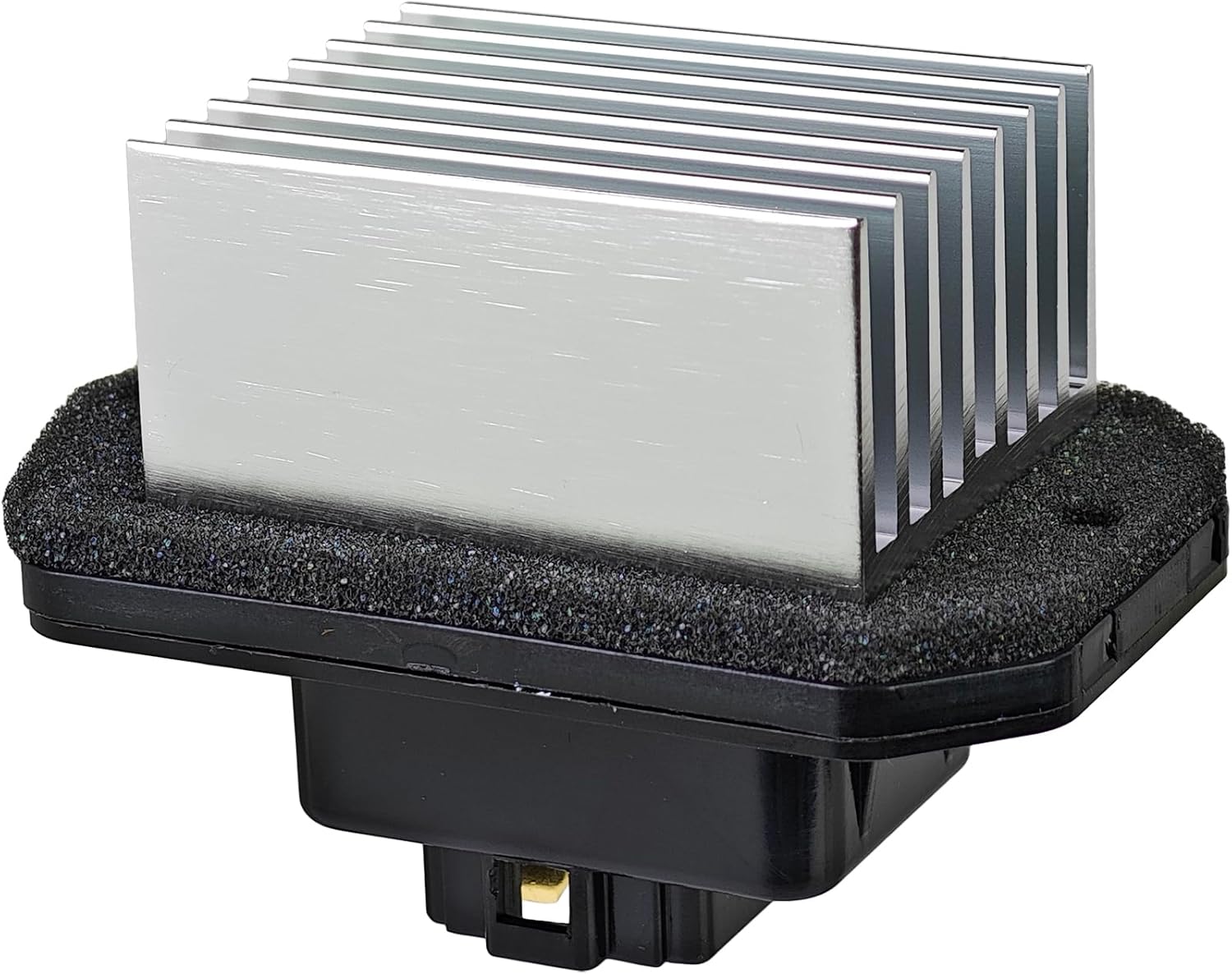
| Manufacturer Part Number | TVM79330-SDA-A01 |
|---|---|
| Model | 79330-SDA-A01 |
| Compatible Part Numbers | 79330-SDA-A01, 79330-SNA-A01, 79330-S5A-942 |
| Brand | TVM TRAVERMAN |
This blower motor resistor replaces the factory control that governs HVAC fan speeds, restoring lower speeds when the blower only runs on high or behaves inconsistently. It is a direct-fit replacement for the listed Honda and Acura applications and uses a metal heat sink and a glass-fiber reinforced PA66 base to withstand heat and vibration encountered behind the passenger dash. Typical installation requires removing the lower passenger trim, unplugging the wiring harness, and swapping the resistor using the existing mounting points, so most mechanically comfortable DIYers can complete the job quickly. The construction and OEM-style dimensions aim to provide reliable operation without modifications, and the design helps dissipate heat to reduce premature failure. The main limitation is that the part is application-specific, so correct fitment must be confirmed against the vehicle years and part numbers; it does not address blower motor failures or wiring issues that can produce similar symptoms.
Best for: A practical DIYer or technician who needs a straightforward, factory-style replacement to restore HVAC fan speed control on supported Honda and Acura vehicles and prefers a component built to OEM-like specifications.
Less Ideal for: Drivers seeking a universal or adjustable blower controller, or those whose HVAC problem is a failed blower motor, damaged harness, or unrelated electrical fault should consider alternative repairs or diagnostics.
- Direct-fit replacement for many Honda and Acura models listed by the manufacturer
- Metal heat sink for improved thermal dissipation and longevity
- PA66 glass-fiber reinforced base improves structural stability and vibration resistance
- Simple, no-modification installation using existing harness and mount points
- Only resolves resistor-related blower speed problems and will not fix a failed blower motor or wiring faults
Verdict: Choose this resistor if you want a direct, OEM-style replacement that restores full blower speed control on the covered Honda and Acura models.
2. AISIN Blower Motor Resistor BMRH-00084
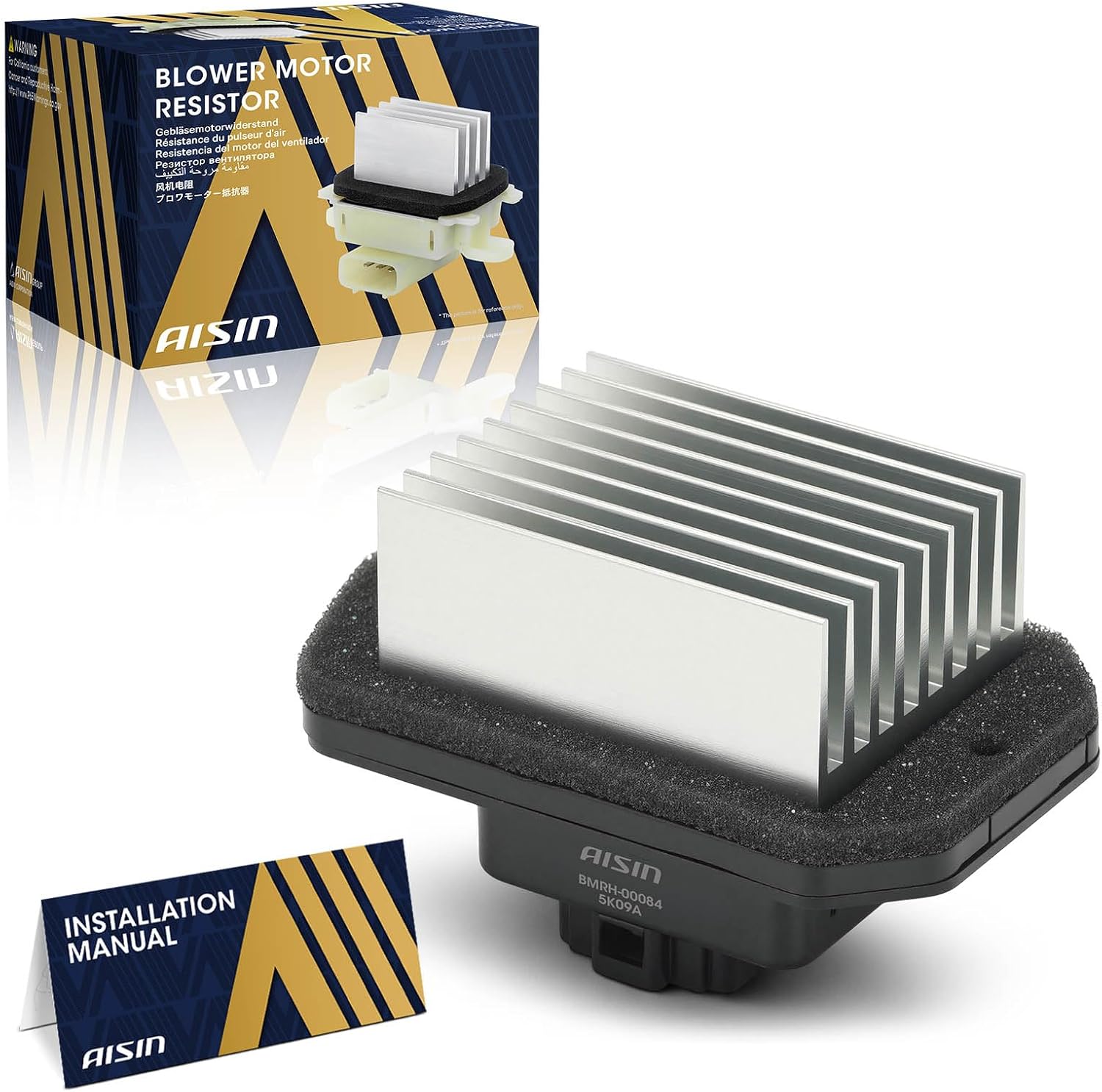
| Manufacturer | AISIN |
|---|---|
| Position | Front |
| Terminal Quantity | 4 |
| Terminal Type | Blade |
| Voltage | 12 Volts |
The AISIN blower motor resistor BMRH-00084 replaces the front blower resistor to restore stepped fan speeds in compatible Hondas and Acuras. It is used when a vehicle loses certain fan speeds or the blower only works on high. The part features four blade terminals, two mounting holes, and comes with an installation manual for straightforward swap-in replacement. Built by a major OE supplier, the resistor follows factory-style electrical and mounting layouts so it fits the original harness and restores OEM-like operation without rewiring. For a performance-minded Civic owner, the part brings dependable fan control after a failing resistor and avoids intermittent blower behavior that can affect cabin ventilation during spirited driving or track days. Limitations are that it does not include a wiring harness and installation still requires access behind the dash which can be moderately time consuming for DIYers.
Best for: Civic owners who prioritize restoring reliable, factory-style blower performance after a failed resistor and prefer a straightforward replacement that matches factory fitment.
Less Ideal for: Buyers looking to upgrade blower output beyond factory behavior or seeking a universal plug-and-play kit with a new harness should consider other options.
- Factory-quality design from an established automotive supplier
- Direct fit for front blower applications on listed Honda and Acura models
- Restores full stepped fan speed control to the HVAC system
- Includes installation manual to simplify replacement
- Wiring harness not included which may require transferring the factory connector
- Replacement requires dashboard access that can be time consuming
Verdict: Choose this AISIN resistor to restore factory fan speed control quickly with a direct-fit, OEM-style replacement for compatible Civics.
3. STETIG Front Blower Motor Resistor Control Module (79330SDGW51 compatible)

| Manufacturer | STETIG |
|---|---|
| Manufacturer Part Number | 18B647-1282-AB |
| OEM Part Number | 79330SDGW51, 79330SDRA01, 79330SFJW01, 79330SNAA01, JA1453 |
| Is Amazon Choice | true |
This STETIG blower motor resistor replaces the factory resistor module to restore the HVAC blower speeds when the fan is stuck on high or not working. It is used as a direct replacement mounted under the passenger dash where the heater blower resistor sits. The unit is designed to match the factory fit and pin configuration on the compatible Honda models listed and includes common OEM crossreference numbers so you can confirm compatibility. In practice buyers report straightforward installation by removing a small access cover and swapping the module, and the part brings the fan speeds back to normal for most vehicles. Expect a basic, no‑frills aftermarket part that does the job for routine failures; some users reported shorter lifespans on a few units while others found it as reliable as the original. Confirm the connector and mounting shape on your car before ordering because there are multiple resistor variants across model years and trims.
Best for: A practical buyer who wants a low-cost, quick repair to restore HVAC blower speed control without a shop visit; ideal for DIYers comfortable checking fitment and swapping a single module.
Less Ideal for: If you need guaranteed long‑term durability or one‑size‑fits‑all coverage across every Civic trim and year, consider an OEM dealer part or a higher‑warranty alternative.
- Designed to match factory fit and connector for listed Honda crossreference numbers
- Straightforward installation that can be done with basic hand tools
- Compact, direct-replacement design suitable for under-dash mounting
- Often significantly less expensive than dealership parts
- Some buyers reported premature failures on a small number of units
- May not fit every trim or year variant so plug shape must be verified before purchase
Verdict: A budget‑minded, factory‑style replacement resistor that gets Honda blower speeds working again fast for DIY repairs.
4. X AUTOHAUX Blower Motor Resistor for Honda Civic and Select Models

| Material Type | Metal,Plastic |
|---|---|
| Pin Number | 4 |
| OE Number | 79330S5A941, 79330S5A942, 79330SNAA01 |
This blower motor resistor restores the multiple fan speeds in vehicles where the blower can no longer switch between settings. It installs in place of the factory resistor to control the series resistance of the blower motor, allowing the fan to run at low, medium, and high speeds again. The unit is built from metal and plastic with insulated wiring to resist corrosion and temperature changes, and it includes four pins and common OEM reference numbers for direct-fit replacement. Typical use is as a budget repair part when the HVAC fan is stuck on one speed or stops working at certain settings. Installation is best handled by someone comfortable with basic dash or glovebox removal because correct connector alignment and secure mounting matter for reliable operation. This is a non-factory replacement, so buyers should expect an aftermarket-level finish and verify fitment for their specific year and model before ordering. For drivers looking to fix fan speed issues without replacing the entire blower assembly, this part offers a practical and inexpensive option.
Best for: Drivers wanting an inexpensive repair to regain HVAC fan speed control who prioritize a low-cost, direct-replacement fix over sourcing a factory part.
Less Ideal for: Those seeking a long-term factory-quality replacement or who prefer dealer parts coverage should consider OEM parts or a professional-sourced alternative.
- Restores full fan speed control when original resistor fails
- Direct-replacement design using common OEM reference numbers
- Metal and plastic construction with insulated wiring for corrosion resistance
- Compact, single-piece unit that replaces the resistor without changing the blower
- Aftermarket part rather than factory replacement so finish and longevity may vary
Verdict: A budget-friendly, direct-fit blower motor resistor that quickly restores fan speed control for compatible Civic-era Hondas.
5. Yikesai HVAC Blower Motor Resistor Replacement for Honda and Acura

| Fitment | Select Honda and Acura models listed (see product description) |
|---|---|
| Replaces Part Numbers | 79330-S5A-942, 79330-SNA-A01, 79330-SDA-A01 and others |
| Manufacturer | Yikesai |
| Item model number | BMR-HD-001 |
This Yikesai blower motor resistor is a straightforward replacement part for affected Honda and Acura vehicles where the heater or AC blower runs on limited speeds or not at all. It installs behind the glove box and plugs into the factory wiring harness, restoring full multi-speed control to the blower motor so cabin airflow and temperature control return to normal. The part is built with heat-dissipating elements and corrosion-resistant materials intended to improve durability compared with generic resistors. Many owners report an accurate fit and successful repairs without modifying the wiring or blower housing. Installation requires basic hand tools and some patience in tight under-dash space, and a few reviewers note the connector can be snug and access to screws may be awkward. While the unit is marketed for a long life, a minority of users mentioned shorter service in high-use situations, so expect typical lifespan for a replacement resistor rather than an indefinite fix. For a reliability-focused Civic repair, this part offers a pragmatic balance of fit, function, and value when replacing a failed resistor.
Best for: Buyers who want a cost-effective, reliable repair to restore full blower speed control on 2006–2011 Honda Civic models and prefer a direct-fit replacement over sourcing dealer parts.
Less Ideal for: Those seeking a lifetime solution for frequently overheating HVAC systems or buyers unwilling to perform a modest DIY install should consider a professional replacement or upgraded components.
- Direct replacement for listed Honda and Acura part numbers and models
- Restores full multi-speed blower control to the HVAC system
- Constructed with heat-dissipation features and corrosion-resistant materials
- Plug-and-play design that uses the factory wiring harness for straightforward installation
- Tight under-dash access can make installation fiddly and time-consuming
Verdict: A practical direct-fit replacement that reliably restores full blower speed control on affected Honda Civics without needing dealer parts.
6. POHILA Blower Motor Resistor Kit for Honda and Acura (direct fit)

| Compatible Part Numbers | 79330-S5A-942, 79330S5A941, 79330S5A942, 79330S7A941, 79330SDAA01 |
|---|---|
| Included Components | Blower Motor Resistor |
| Brand Name | POHILA |
| Item Weight | 0.14 Kilograms |
This POHILA blower motor resistor is a direct-fit replacement meant to restore full HVAC fan speed control when the original resistor fails. It plugs into the factory harness and mounts in the same dash location, so installation is typically quick and requires only basic hand tools and a few minutes under the glovebox. The module is built with reinforced materials and claims heat and impact resistance, which users report translates to solid fit and reliable operation restoring all fan speeds and automatic temperature control functions. Because it matches OEM connector patterns and referenced part numbers, it is a practical repair option for Civic-era Hondas and certain Acuras instead of expensive dealer parts. Limitations: this is a single-purpose electrical replacement—if the blower motor itself or the control switch is faulty, replacing the resistor will not fix those issues. Also longevity depends on vehicle conditions since resistors dissipate heat and can fail again in high-load environments.
Best for: A buyer who wants a proven, low-risk repair to get fan speed control back without dealer costs and values parts that match factory connections and community-tested results.
Less Ideal for: People looking for an upgrade to blower performance or wholesale HVAC overhauls should look at complete blower motor or control system solutions instead.
- Direct-fit design that plugs into factory harness for straightforward installation
- Restores all fan speeds and automatic temperature control when resistor is the cause
- Built with reinforced materials and reported to match OEM fit and appearance
- Only replaces the resistor function so it will not fix a bad blower motor or control head
Verdict: Choose this POHILA resistor when you need a low-risk, direct-fit replacement that reliably restores fan speed control on affected 2006–2011 Honda Civic vehicles.
7. A-NAFTULY HVAC Front Blower Motor Resistor Control Module (replaces 79330-SDA-A01)

| Compatible part numbers | 79330-SDA-A01, 79330-SDG-W41, 79330-SNA-A01 |
|---|---|
| Brand | A-NAFTULY |
| Manufacturer Part Number | AN70233 |
| Fits models | Honda/Acura models listed in product description |
This A-NAFTULY blower motor resistor is a direct-replacement control module intended to fix fan speed problems on Honda and Acura models listed by the seller. It installs in the lower passenger-side dash and regulates the blower motor so the fan can run at the correct speeds rather than being stuck on one speed or not working. The part ships as a single resistor module that matches several factory part numbers and the listing emphasizes OEM-style fit and simple installation with basic tools. In real-world use it is a handy, low-cost repair for Civic owners experiencing intermittent fan operation, loss of certain speeds, or no airflow at all. Most buyers report straightforward installs and restored HVAC function, though a minority report early failures, which is a risk with lower-cost aftermarket electronics. If you need a quick buyer-replaceable fix and the connector and mounting match your car, this part can get your blower working again without replacing the whole motor.
Best for: Civic owners who want a low-cost, do-it-yourself repair to restore fan speed control quickly and prefer an easy, bolt-in replacement over replacing the blower motor.
Less Ideal for: Those who prioritize long-term durability over upfront cost or who prefer buying from an OEM dealer source should consider factory parts or higher-end aftermarket options.
- Direct-replacement for multiple Honda/Acura part numbers for easy fit verification
- Simple installation accessible from the passenger side with basic hand tools
- Low cost compared with dealer parts, useful for quick DIY repairs
- Restores fan speed control so heating and defrost functions work properly
- Some buyers reported premature failures indicating variable long-term reliability
Verdict: A budget-friendly, bolt-in replacement that quickly restores blower speed control on applicable 2006–2011 Civics when the original resistor fails.
Choosing the Right 2006-2011 Honda Civic Blower Motor Resistor: Key Factors to Consider
Fitment and Connector Compatibility
Correct fitment is essential because the resistor must mount and plug into the Civic's factory harness without modification. The 2006-2011 Honda Civic (FA and FG) uses specific connector shapes and pinouts; a resistor that matches these details minimizes installation time and reduces the chance of poor electrical contact or a loose fit.
Mismatched connectors or incorrect mounting tabs can require splicing or bracket fabrication, adding labor and potential failure points. When reviewing options, verify the connector style, number of terminals, and mounting hole spacing. Choosing a direct-fit resistor helps preserve the vehicle's wiring integrity and maintains a cleaner, more reliable installation over time.
Thermal Durability and Heat Management
Blower motor resistors are exposed to significant heat from electrical current and the under-dash environment. Resistors with improved heat-sink design, protective housings, or thermally stable resistor elements are less likely to fail from repeated heating and cooling cycles. This matters for Civic owners because heat-related degradation is a common cause of intermittent or permanent fan-speed loss.
Consider whether the design exposes the resistor elements or offers protective shielding, and whether the materials listed suggest resistance to corrosion and heat stress. Better thermal management typically means fewer repeat replacements and less likelihood of sudden HVAC failure during extreme weather when you need climate control most.
Electrical Ratings and Current Handling
A resistor must handle the current drawn by the blower motor across all speed settings. If the resistor is underrated, excessive current can cause overheating and accelerated failure. For the 2006-2011 Civic, confirming that a replacement matches the original electrical specifications or exceeds them within safe margins reduces risk of premature burnout.
Look for clear specifications such as voltage and amperage ratings, and whether the design compensates for higher current draw found in some blower motors. Reliable current handling contributes directly to consistent fan speeds and reduces the chance of thermal damage to surrounding wiring.
Durability of Connectors and Seals
Connectors and wire seals are mechanical points of failure. Corroded terminals, brittle housings, or loose clips are common causes of intermittent electrical contact. On a Civic that sees moisture or long service life, corrosion-resistant terminals and robust connector housings improve long-term reliability.
Assess whether terminals are tin- or nickel-plated and whether housings show reinforcement around stress points. Durable connectors reduce the likelihood of a revisit to the repair, and they help maintain a consistent electrical connection under vibration and temperature change.
Ease of Installation and Serviceability
The time and complexity of replacing the resistor affect whether you can do the job yourself and how much labor a shop will charge. Direct-fit parts that use factory mounting points and connectors simplify installation and lower the chance of wiring mistakes. Some replacement resistors include clear instructions or hardware that make the process quicker.
Consider accessibility for the 2006-2011 Civic's under-dash area and whether the design allows straightforward removal of the old unit. Options that minimize disassembly of trim panels and that are easy to align during mounting reduce installation risk and improve overall owner experience.
Warranty and Documentation
A solid warranty and clear technical documentation indicate manufacturer confidence and help if a part fails prematurely. For a part like a blower motor resistor, a warranty that covers early failure gives owners protection against defects and unpredictable early-life issues. Documentation that includes wiring diagrams, connector pinouts, or test procedures also aids diagnosis and installation.
When choosing between otherwise similar options, warranty length and the quality of available documentation can be a deciding factor because they reduce long-term ownership risk and support quicker troubleshooting if problems arise.
Symptoms That Point to a Failing Resistor
Recognizing the usual signs of a resistor problem helps you decide whether to test or replace the unit. Common symptoms on the 2006-2011 Civic include loss of certain fan speeds, the blower working only on high, or intermittent operation where the fan cuts in and out. These behaviors usually indicate that part of the resistor network has failed or that the connector has poor contact.
Less obvious signs include blowing fuses caused by shorted elements, or a faint burning smell under the dash when the fan is running. If you notice any of these symptoms, perform basic diagnostic checks before replacing the resistor to avoid replacing a part that may be functioning but poorly connected.
- Fan works only on the highest speed
- Intermittent fan operation or speeds that drop out
- Burning odor near the dash when the blower runs
- Fuses blowing repeatedly related to HVAC circuit
How to Test the HVAC Blower Resistor
A basic diagnostic sequence can confirm whether the resistor is defective. Start by verifying power and ground to the blower motor and then check for voltage changes across the resistor terminals while cycling fan speeds. A multimeter is useful for measuring voltage drops and continuity. If resistance is open or shows erratic change across speed positions, the resistor is likely faulty.
You can also perform a bench test by disconnecting the resistor and using a test lamp or meter to assess continuity through each resistor path. Be cautious when probing connectors and avoid shorting terminals. If you are unsure, consult the vehicle wiring diagram for the FA and FG Civic to identify the correct pins and expected voltages during each fan setting.
- Measure voltage at blower motor connector across fan speeds
- Check continuity on each resistor path with the unit removed
- Inspect connector terminals for corrosion or loose pins
- Confirm blower motor draws normal current to rule out motor issues
Where the Resistor Is Located in the 2006-2011 Civic
On the FA and FG generation Civic, the blower motor resistor is typically mounted in the HVAC housing under the passenger-side dash or just above the blower motor assembly. Access usually requires removing lower trim panels and sometimes the glove box to reach the resistor and its connector. The exact placement depends on trim and equipment, but it remains under the dash area near the blower motor.
Knowing the approximate location helps when preparing for a repair and estimating the time and tools required. A flashlight and basic hand tools are often sufficient for removal, but be prepared for restricted space and the need to support the resistor while you unclip the harness.
- Usually mounted in the HVAC housing under passenger-side dash
- May require removal of lower trim or glove box for access
- Connector plugs directly into the resistor assembly
- Visual inspection often reveals heat discoloration or damage
Installation Tips to Avoid Common Pitfalls
Prepare the work area by disconnecting the battery and confirming you have enough light and room to work under the dash. Take pictures of the connector and mounting orientation before removing the old resistor so you can replicate the installation. Avoid forcing connectors; if a clip resists, inspect for a retaining tab and depress it rather than pulling hard.
When installing the new resistor, ensure mounting screws are snug but not over-torqued to prevent cracking the housing. Reconnect the harness and test all fan speeds before reassembling trim. If a fuse blows after installation, stop and recheck wiring and connector orientation to prevent further damage.
- Disconnect battery before starting work
- Document connector orientation with photos
- Avoid over-tightening mounting screws
- Test all fan speeds before reinstalling trim panels
When to Replace the Blower Motor Instead
Sometimes a resistor fails because the blower motor is drawing excessive current or has worn brushes. If the blower motor itself is noisy, binds, or draws above-spec current, replacing the resistor alone may lead to repeated failures. Measure blower motor current and listen for abnormal noise during operation to determine if the motor is the primary issue.
If diagnostics show the blower motor drawing correct current and operating smoothly but the resistor still fails, replacement of the resistor is appropriate. When both components show wear, replacing the blower motor and resistor together can save labor and prevent a near-term repeat visit.
- High current draw from the motor can cause resistor failure
- Noisy or binding motor suggests motor replacement
- Replace both parts if diagnostics indicate both are compromised
- Testing motor current helps guide the correct repair decision
Maintaining the HVAC System to Extend Resistor Life
Regular cabin air filter replacement and ensuring vents remain clear reduce blower motor strain and lower the thermal load on the resistor. Restrictive airflow forces the motor to work harder, which increases current draw and accelerates heat-related resistor wear. Checking the ducting for obstructions and replacing a clogged filter are low-cost preventive steps.
Keeping the blower motor and surrounding area free from debris also limits the chance of foreign objects contacting resistor fins or the housing. Periodic visual inspections during routine maintenance can identify early signs of heat discoloration or connector corrosion, allowing for proactive replacement before complete failure.
- Replace cabin air filter per maintenance schedule
- Inspect ducts for obstructions that restrict airflow
- Keep blower motor area free of debris
- Check resistor and connector condition during routine inspections
Still looking for the perfect fit?
Select your Honda Civic configuration to see the most relevant Blower Motor Resistors recommendations
How We Chose the Best 2006-2011 Honda Civic Blower Motor Resistor
We focused on criteria that matter to Civic owners dealing with blower motor resistor failure. Fitment accuracy was top priority, including correct connector type, mounting points, and electrical characteristics specified for the 2006-2011 Honda Civic (FA and FG). Thermal durability and heat-sink design were evaluated next because resistors fail over time from heat cycling and high current draw. Build quality was assessed through reported materials, resistor element protection, and connector robustness.We also weighed ease of installation, looking for resistors that reuse the factory connector and mounting hardware to reduce labor and error during replacement. Electrical reliability was judged by ratings for current handling and whether the resistor design maintained stable resistance across expected temperature ranges. Finally, we considered warranty support and supplier documentation as indicators of quality control.Excluded from the list were universal or heavily modified resistor assemblies that require splicing or adapter harnesses, because they introduce fitment risk on the FA and FG Civic. Also excluded were products with insufficient technical data or consistently poor reports about early failure. The result is a short list of options that prioritize correct fit, thermal resilience, and straightforward installation for the 2006-2011 Honda Civic.
Our full evaluation process is outlined in our review methodology.
FAQ
How long does a blower motor resistor typically last on a 2006-2011 Civic?
It often depends on usage and environmental factors. Many resistors last several years, but heat cycling and higher blower motor current can shorten lifespan. Regular filter maintenance and addressing a noisy motor can extend service life.
Can I test the blower resistor without removing it from the car?
Yes. Using a multimeter you can measure voltage and continuity at the resistor connector while cycling fan speeds. However, removing the unit allows a more thorough continuity check and better visual inspection of the element and terminals.
Will replacing the resistor fix a blower that only works on high?
Often it will. When only the highest fan speed functions, it usually means lower-speed resistor paths have failed. Confirm with a quick voltage test to rule out control switch issues before replacing the resistor.
Is the resistor location difficult to access on the FA and FG Civic?
Access generally requires removal of lower dash trim or the glove box and working in a confined space, but it is manageable with basic hand tools. Expect limited clearance and plan for careful handling of connectors and fasteners.
Should I also check the blower motor when replacing the resistor?
Yes. Because a failing motor can overload a resistor, it is sensible to measure motor current and listen for abnormal noises. Replacing both components together is sometimes the most cost-effective solution when both show wear.
Are universal resistor kits a good idea for this Civic?
Universal kits can work but often require splicing or adapter harnesses, which introduces potential failure points. For the 2006-2011 Civic, a direct-fit solution that uses the factory connector and mounting points is generally preferable.
Final Verdict
Focus on correct fitment, thermal resilience, and connector durability when choosing a blower motor resistor for the 2006-2011 Honda Civic. Testing the resistor and blower motor before purchasing helps you determine whether you need only the resistor or both components. Prioritize direct-fit options that match the FA and FG Civic's connector and mounting details to minimize installation time and reduce the risk of premature failure.Balancing those factors will guide you to a reliable repair that restores consistent fan control and reduces the chance of repeat visits for the same issue.
Explore More:
- Check out all Honda Civic parts & accessories
- Explore Blower Motor Resistors Maintenance & Repair Guides
- Explore HVAC
- Browse all Auto Parts
