

Note: This article contains affiliate links. If you click on these links and make a purchase, I may earn a small commission at no extra cost to you. This helps support my research and content. Read my full affiliate disclosure here.
When the fan speeds on your 2001-2005 Honda Civic start acting up, the blower motor resistor is often the culprit. For Civic owners of the ES, EM, and EP era 2001-2005 models, choosing the right blower motor resistor matters because it affects cabin airflow, heater and AC performance, and long-term electrical reliability. This guide covers our shortlist of top-rated replacements chosen for fitment, thermal tolerance, and connector compatibility specific to the 2001-2005 (ES, EM, and EP) Civic.Below you will find concise reasons each resistor made the cut, plus practical guidance on symptoms, testing, and installation considerations to help you decide which option matches your needs. Start with the symptoms section if you are diagnosing a failure, or jump to the factors to consider when you are ready to buy.
Looking for other parts? See all Honda Civic parts & accessories.
Top Picks at a Glance
| Best Overall The best all-around choice for most situations | STETIG Blower Motor Resistor (fits select Honda models) |  |
| Best Quality Built to a higher standard if you want something more solid | TVM TRAVERMAN Blower Motor Resistor 79330-SDA-A01 Compatible with Select Honda/Acura |  |
| Best Value The sweet spot between price and what you get | Ruizure HVAC Blower Motor Resistor for Honda Civic/Accord/CR-V/Element/Crosstour/Acura RDX TSX |  |
| Best Budget The cheapest option that still gets the job done reliably | Dcmr Blower Motor Resistor for Honda Civic (2001–2005) |  |
| Highest Rated A top-rated pick with lots of positive feedback | A-NAFTULY HVAC Front Blower Motor Resistor Control Module |  |
| Most Popular A crowd favorite that many people choose with confidence | Yikesai HVAC Blower Motor Resistor — Replacement for select Honda and Acura models |  |
1. STETIG Blower Motor Resistor (fits select Honda models)

| Manufacturer | STETIG |
|---|---|
| Manufacturer Part Number | 18B647-1254-AB |
| OEM Part Number | 3A1273, 973452, RU367, 20289, 973-452, RU-367, RU367T, 7801A820, 79330S5A941, 79330S5A942 |
| Date First Available | March 7, 2020 |
This STETIG blower motor resistor replaces the factory resistor to restore multi-speed blower control in compatible Honda vehicles. It is supplied as a direct-fit replacement intended for straightforward installation into the HVAC housing, letting the fan regain its full speed range after the original resistor fails. The unit lists multiple OEM cross-references so it covers common Honda resistor part numbers used across Civics and related models. STETIG emphasizes factory-style engineering and quality control, which makes the part a practical choice for a DIY swap or a quick shop install. The resistor is compact and should drop into the original connector and mounting location without modification, though buyers should verify fitment for 2001 to 2005 Civic applications before ordering. The main limitations are that fitment must be confirmed against your vehicle and the product listing lacks extensive installation guidance; professional help may be needed if access to the resistor is difficult in your car.
Best for: A practical owner looking to restore full blower fan speeds on a 2001–2005 Honda Civic with a failed resistor who values a direct replacement that simplifies installation.
Less Ideal for: Buyers who prefer dealer-sourced factory parts with explicit dealer part numbers or those who need step-by-step installation instructions included should consider alternatives.
- Direct-fit design intended to match factory form and electrical connections
- Cross-references many OEM part numbers for broader compatibility with Honda models
- Compact, standard replacement that restores multi-speed blower control
- Built and tested to meet supplier quality controls for consistent performance
- Fitment must be checked against vehicle specifics since multiple similar part numbers exist
Verdict: A direct-fit replacement resistor that restores blower speed control on 2001–2005 Civic models for owners who want a reliable, DIY-friendly fix.
2. TVM TRAVERMAN Blower Motor Resistor 79330-SDA-A01 Compatible with Select Honda/Acura
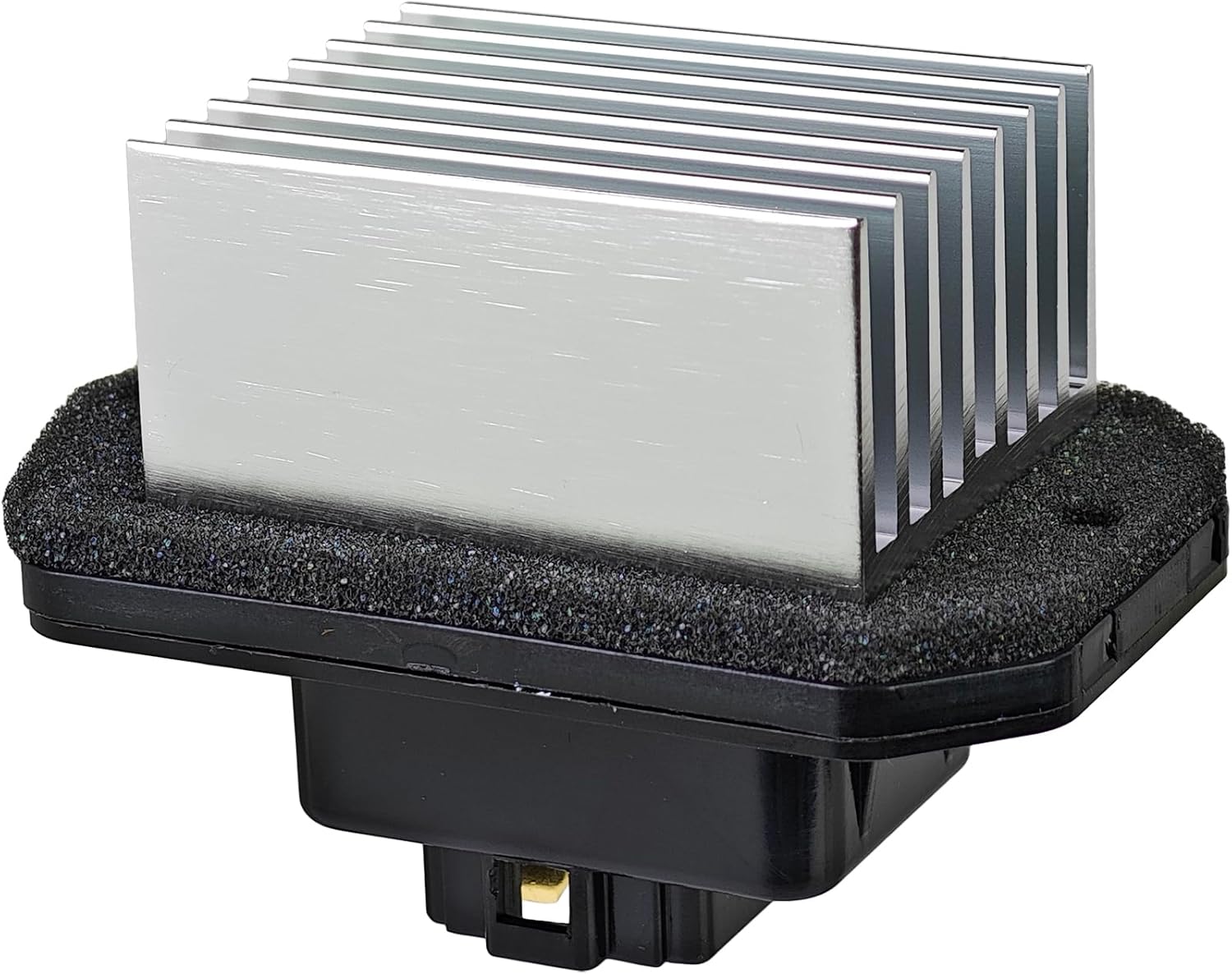
| Model | 79330-SDA-A01 |
|---|---|
| Manufacturer | TVM TRAVERMAN |
| OEM part numbers | 79330-SDA-A01,79330-SNA-A01,79330-S5A-942,79330-S5A-941,79330-S7A-941,973-452,JA1390 |
| Vehicle fitment | 2001-2011 Civic; 2003-2012 Accord; 2002-2011 CR-V; others listed |
This blower motor resistor replaces the failed speed-control module that causes a heater or A/C fan to run only on high or lose lower speeds. It installs under the passenger-side dash as a direct, no-modification replacement and is intended for routine DIY or shop repairs. The unit uses a metal heat sink and a glass-fiber reinforced PA66 base to manage heat and resist vibration, which helps extend service life compared with cheaper plastic assemblies. Fitment covers common Honda and Acura models from the early 2000s, so finding the correct part number is straightforward. Because it is a single-purpose replacement part it does not address blower motor wear or wiring problems, so diagnosing the root cause before buying is important. Expect a quick swap that restores stepped fan-speed control and avoids the labor and cost of a full HVAC module replacement when the resistor is the failing component.
Best for: Buyers who want a reliable, factory-quality replacement to quickly restore multi-speed HVAC blower control on early-2000s Honda or Acura vehicles and prefer a DIY-friendly part for a fast repair.
Less Ideal for: If you need a solution for a failing blower motor, intermittent wiring faults, or a universal multi-vehicle part, this vehicle-specific resistor is not the right choice.
- Direct-fit replacement for specified Honda and Acura applications for straightforward installation
- Metal heat sink and reinforced PA66 base improve heat dissipation and vibration resistance
- OEM-style electrical performance to restore proper stepped fan-speed control without reprogramming
- Only replaces the resistor module and will not fix a worn blower motor or damaged wiring
Verdict: A budget-friendly, OEM-grade replacement resistor that reliably restores stepped blower fan control on early-2000s Honda and Acura models.
3. Ruizure HVAC Blower Motor Resistor for Honda Civic/Accord/CR-V/Element/Crosstour/Acura RDX TSX
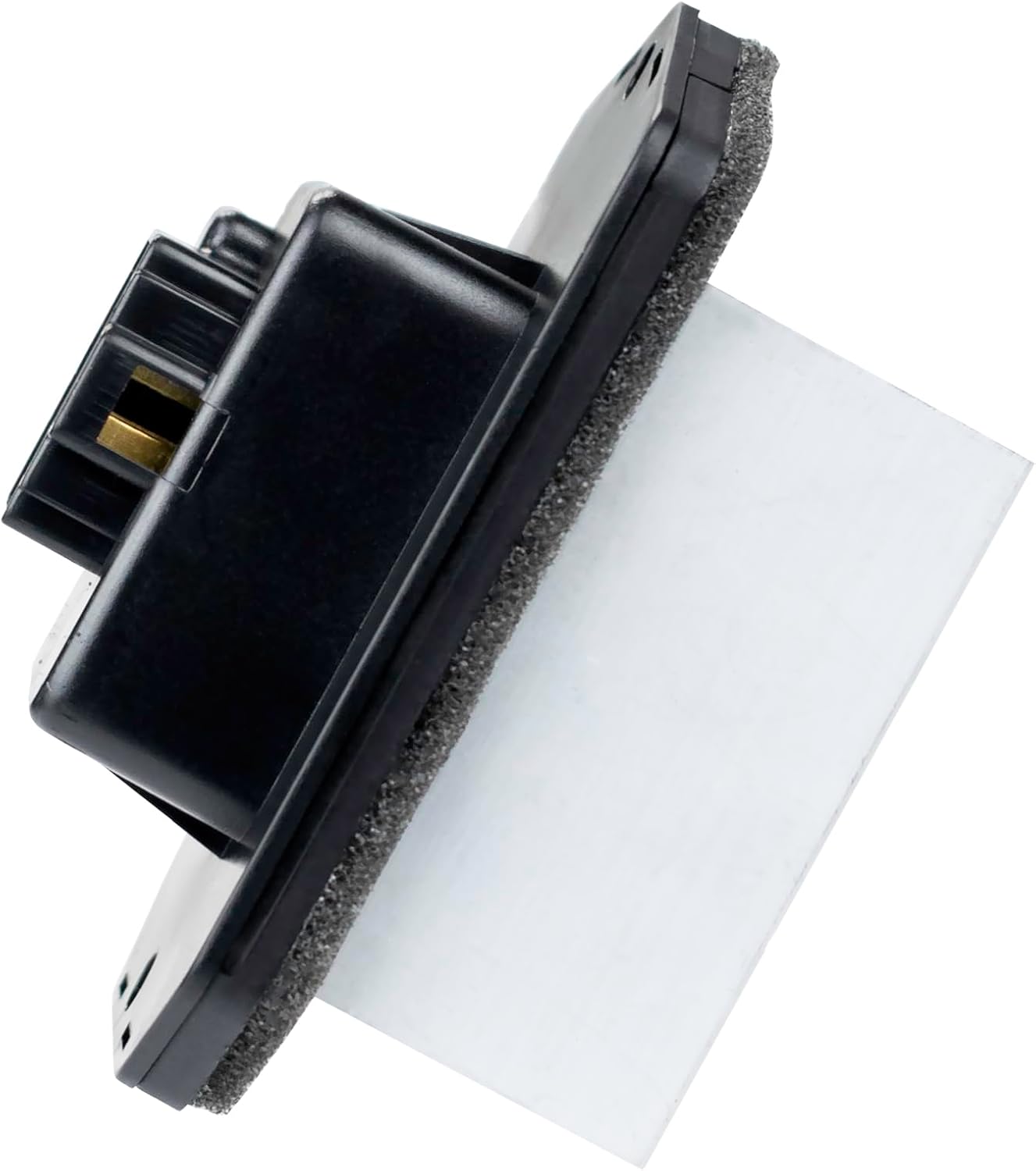
| Compatible models | Multiple Honda/Acura models listed (see description) |
|---|---|
| Part number | SS00033 |
| Interchange numbers | Includes 973-452 and multiple OEM cross-references |
| Included components | HVAC Heater Blower Motor Resistor |
This Ruizure blower motor resistor is a direct replacement module that restores variable blower fan speeds when the original resistor has failed. It is used to replace the HVAC resistor behind the glovebox or near the blower motor so the fan will run at all commanded speeds instead of only a single speed or not at all. The listing covers many Honda and Acura fitments including 2001–2011 Civic and 2003–2012 Accord family cars and notes several interchange part numbers for verification. Buyers will appreciate the factory-style construction, a mounting pad to seal the air chamber, and a plug-and-play connector that keeps installation simple for DIYers comfortable working in tight spaces. Some users report that accessing the mounting screws can be awkward on certain models, so a flexible screwdriver or ratcheting tool is helpful. Fitment accuracy is important here; confirm part numbers and the vehicle build origin before purchase because at least one reviewer received a noncompatible unit.
Best for: A practical DIYer or independent shop seeking a budget-friendly, factory-replacement style blower resistor to get climate control working again on supported Honda and Acura models.
Less Ideal for: Do not buy this if you cannot verify compatibility with your vehicle or prefer parts with brand-specific guaranteed fitment programs; those buyers should consult dealer parts or branded alternatives.
- Restores full blower speed control when the original resistor fails
- Factory-style fit and connector for straightforward replacement
- Includes a mounting pad to help seal the blower air chamber
- Covers a wide set of Honda and Acura part numbers for easier cross-referencing
- Some buyers reported fitment issues so vehicle-specific verification is necessary
Verdict: A cost-effective, factory-style replacement resistor that gets blower fan speed control working again for supported Honda and Acura models when you confirm fitment.
4. Dcmr Blower Motor Resistor for Honda Civic (2001–2005)

| Voltage | 12 Volts (DC) |
|---|---|
| Speed | 3000 RPM |
| Horsepower | 0.2 Horsepower |
This Dcmr blower motor resistor replaces the factory resistor assembly and restores variable fan speeds when the original unit fails. It installs into the HVAC housing and connects to the vehicle wiring harness to regulate blower motor current for low and mid fan settings. The part lists equivalent OEM numbers and is offered with basic metal and plastic construction rated for 12 volts operation and a rated speed reference. For a budget repair it provides a straightforward swap that gets the cabin fan working again and can prevent further stress on the blower motor. Limitations include the need to confirm the exact OEM part number for fitment because Honda Civics used multiple resistor designs across years and trims. Expect a no-frills replacement rather than an upgraded or heavy-duty unit and plan to verify connector pinout before installation.
Best for: Budget-minded owners looking for a low-cost repair to restore blower fan speed control on a 2001–2005 Civic who prioritize a straightforward replacement over premium durability.
Less Ideal for: Drivers seeking a heavy-duty or performance upgrade resistor or those who do not want to verify OEM part numbers before purchase.
- Direct replacement design referenced to known Honda part numbers for simpler matching
- Works with standard 12 V vehicle electrical systems for plug-and-play installation on compatible Civics
- Metal and plastic construction provides basic durability for typical cabin climate use
- Fitment varies by year and trim so incorrect matches are possible without checking OEM part number
Verdict: A low-cost, direct replacement solution to restore fan speed control on 2001–2005 Honda Civics when the factory resistor fails.
5. A-NAFTULY HVAC Front Blower Motor Resistor Control Module

| Compatible vehicles | Multiple Honda and Acura models including 2001–2011 Civic (see listing) |
|---|---|
| Replaces part numbers | 79330-SDA-A01, 79330-SNA-A01, 79330-SDG-W41, 79330SDRA01 |
| Manufacturer | A-NAFTULY |
| Manufacturer Part Number | AN70233 |
| ASIN | B0D738BG84 |
This blower motor resistor is a direct replacement control module that restores the fan speed steps for affected HVAC systems on compatible Honda and Acura models. It installs in the lower passenger-side area after removing an access panel and secures with a few screws, so most DIYers with basic hand tools can fit it in minutes. The unit lists multiple factory part numbers it replaces, which simplifies matching the correct part for 2001–2005 Civic applications. Practical benefits include returning full fan range and defrost capability and avoiding a costly dealer repair. Several reviewers report quick, easy installs and reliable operation, though a minority describe early failure, so long-term durability can vary. The part is compact and meant as a direct factory-quality replacement, but if you need maximum longevity in harsh conditions you may prefer a brand with documented long-term testing. For routine failures where speed control is lost, this offers an affordable, fast repair that typically gets the HVAC blowing normally again.
Best for: Buyers who prioritize restoring reliable HVAC fan control quickly and affordably for 2001–2005 Honda Civic models and want a straightforward, DIY-install replacement.
Less Ideal for: If you need a replacement with an extended proven service life under heavy use or extreme conditions, consider a part from a vendor with documented longevity testing or a dealer-sourced unit.
- Direct replacement for several Honda/Acura blower resistor part numbers for easier fitment checks
- Easy installation from the passenger-side lower panel with common tools
- Restores full fan speed range and defrost function when original resistor fails
- Compact, factory-style module designed to meet or exceed factory specifications
- Some buyers reported early failure indicating variable long-term reliability
Verdict: A-NAFTULY’s direct-fit blower resistor is a low-cost, easy-to-install fix to restore fan speed control on 2001–2005 Honda Civics, ideal for owners who want a fast DIY repair.
6. Yikesai HVAC Blower Motor Resistor — Replacement for select Honda and Acura models

| Fitment | Multiple Honda and Acura models (early 2000s) |
|---|---|
| Replaces part numbers | 79330-S5A-942, 79330-SNA-A01, 79330-SDA-A01 and others |
| Model number | BMR-HD-001 |
| Manufacturer | Yikesai |
This Yikesai blower motor resistor replaces several Honda/Acura part numbers and is intended to restore multi-speed control when a vehicle's heater or AC blower is stuck on one speed or not working. It plugs into the factory wiring harness and mounts where the original resistor sits, typically behind the glove box, so installation is a straightforward DIY job for someone comfortable working under the dash. The unit includes a heatsink-style resistor assembly to improve heat dissipation and the listing emphasizes corrosion resistance and thermal stability for longer service life. In practice buyers report it fits and performs like the factory part and reliably brings back full blower control. Be aware that access can be tight on some Civics and removal/reinstallation of the glove box or lower dash panel is usually required; a small right-angle driver or mini ratchet makes the job easier. As with all resistors, long-term durability varies with usage and motor condition, so confirm the blower motor itself is healthy before replacing the resistor.
Best for: A DIY-minded Civic owner who values tested replacements with positive user feedback and wants a cost-effective fix to regain full blower speed control without visiting a shop.
Less Ideal for: If you prefer factory dealer parts for long-term warranty coverage or you are not comfortable with under-dash access, have a shop perform the repair instead.
- Direct replacement for multiple Honda and Acura part numbers for proper fit and electrical compatibility
- Plug-and-play design that uses the factory wiring harness for relatively quick DIY installation
- Heatsink-style construction and corrosion-resistant materials for improved thermal stability
- Common fix for symptoms like fan stuck on one speed or no blower speeds except high
- Installation requires accessing the resistor behind the glove box or lower dash which can be tight and time-consuming
Verdict: A reliable, plug-and-play replacement that restores full blower speed control on early-2000s Honda Civics without specialist tools.
Choosing the Right 2001-2005 Honda Civic Blower Motor Resistor: Key Factors to Consider
Fitment and Connector Compatibility
Correct physical fit is essential for a seamless replacement. The blower motor resistor must mate with the Civic's factory wiring harness and sit properly within the blower housing so that mounting tabs align and the resistor does not contact moving parts. Incorrect fit can cause vibration noise, intermittent connections, or premature failure.
Confirm the plug type, orientation, and mounting layout for the 2001-2005 (ES, EM, and EP) Civic before purchasing. If a resistor requires an adapter or splicing, understand that modifications increase installation time and introduce potential corrosion points that reduce long-term reliability.
Thermal Design and Heat Dissipation
Resistors convert electrical energy to heat, so how well that heat is managed determines lifespan. Look for designs with adequate heat sinks, metal housings, or thermal isolation from plastic components. Under heavy use—defrost or prolonged fan operation—the resistor should remain within safe temperature ranges to avoid melting or connector degradation.
A resistor with poor heat dissipation may work initially but fail earlier than a unit built to handle repeated thermal cycles. Consider environment and usage patterns; drivers in hotter climates or those who frequently use high blower settings need parts with stronger thermal credentials.
Electrical Ratings and Matching Fan Load
The resistor must be rated for the current draw of the Civic's blower motor across different fan speeds. Components should specify amperage and voltage tolerance to confirm they will not be overstressed. Underrated resistors can cause voltage drops, inconsistent speeds, or overheating.
Also consider whether the replacement maintains the same number of speed steps as the factory unit. Some resistors or resistor packs alter how speeds behave if they are not designed for the Civic's blower motor characteristics.
Durability and Corrosion Resistance
The resistor lives in the HVAC airflow path where moisture and dust can accelerate corrosion. Terminals and housings that resist rust and contamination will last longer. Gold- or tin-plated terminals, sealed connectors, and protective coatings on resistive elements help maintain reliable electrical contact.
Longevity is especially important if you expect to keep the Civic for multiple years. A more durable resistor reduces the chance of repeat repairs and prevents related issues such as blown fuses or intermittent blower operation.
Ease of Installation and Serviceability
Installation complexity varies from simple plug-and-play replacements to parts that require partial dash removal or connector splicing. For do-it-yourselfers, vehicle-specific units that match the factory connector and mounting points save time and reduce the risk of wiring mistakes.
Consider whether replacement requires access to the passenger kick panel or removal of the glove box in the 2001-2005 Civic. Units with clear instructions and accessible mounting hardware are preferable for routine maintenance.
Warranty and Support
A transparent warranty provides reassurance against premature failure. Look for parts with at least a short-term warranty that covers functional defects and electrical issues. Manufacturer or supplier support availability matters if you run into fitment questions or need installation guidance.
Warranty terms also hint at expected longevity; longer coverage often indicates greater confidence in build quality. Confirm return policies and technical support channels before committing to a purchase.
Common Symptoms of a Failing Resistor
Recognizing typical blower resistor symptoms helps you diagnose problems before deeper electrical issues develop. The most common signs include loss of certain fan speeds, such as only having high speed available or losing low and medium settings. Intermittent operation, where fan speed works sporadically or changes unexpectedly, also points to resistor wear or a loose connection.
Other symptoms include a burning smell from the dash area during blower use, visible corrosion on the resistor connector, or the fan running only at one speed regardless of the control setting. Observing these symptoms in a 2001-2005 Civic narrows the likely cause, but always confirm with basic electrical checks before replacing parts.
- Only high fan speed works
- Low or medium speeds fail intermittently
- Burning or melting odor localized to the HVAC area
- Visible corrosion or discolored connector
How to Locate the Blower Motor Resistor
On 2001-2005 Honda Civic models, the blower motor resistor is typically mounted near the blower motor assembly inside the HVAC housing on the passenger side footwell. Access often requires removing the glove box or a lower trim panel to reach the resistor and its connector.
Knowing the common mounting location can save time during diagnosis and replacement. Before attempting removal, disconnect the battery or ensure the ignition is off to avoid accidental short circuits when unplugging the connector.
- Passenger side footwell, near blower motor
- May be behind glove box or lower trim panel
- Disconnect power before unplugging connector
Simple Tests to Diagnose the Resistor
A few basic tests can confirm whether the resistor is the problem. Start with a visual inspection of the connector for corrosion or melted plastic. Next, check for voltage at the resistor connector with the blower on different speed settings. If voltage is present and speeds do not change, the resistor is likely faulty.
Use a handheld multimeter to measure continuity across resistor legs if the pack is removable. Comparing measured resistance values to expected ranges for the Civic can indicate an open or shorted element. If you are not comfortable with electrical testing, a professional can perform these checks quickly and safely.
- Visual inspection for corrosion or damage
- Check for voltage at connector across speed settings
- Measure continuity on resistor terminals with a multimeter
Installation Tips for a Smooth Replacement
Preparation makes installation faster and reduces the chance of errors. Gather basic hand tools, a replacement resistor matched to the Civic's connector, and protective gloves. Work with good lighting and keep the new unit protected until final installation to avoid contamination.
When removing the old resistor, note the orientation of the connector and any mounting clips. Clean the connector terminals and housing area to remove dust and corrosion before installing the new resistor. After installation, cycle the blower through all speed settings to confirm proper operation.
- Use appropriate tools and gloves
- Clean connector terminals before installing new part
- Test all fan speed settings after installation
When to Replace Wiring or Connectors
Sometimes the resistor is fine but the connector or wiring has deteriorated. If you find melted plastic, frayed wires, or greenish corrosion at the terminals, replace or repair those sections to prevent future failures. Splicing in high-quality terminals or using dielectric grease on connections can extend service life.
Avoid temporary fixes like crimping over corroded terminals without cleaning, as this can mask underlying issues. Properly repairing the wiring harness ensures the new resistor receives stable voltage and reduces the risk of repeated failures.
- Replace connectors with visible corrosion or melting
- Use quality terminals and secure splices
- Consider dielectric grease to guard against moisture
Cost Considerations and Value Decisions
When budgeting for a replacement, weigh the cost of the part against expected longevity and the effort required for installation. A slightly higher-cost unit with better thermal design and a longer warranty can be more economical over the long run than a cheap part that fails quickly. Also consider whether you plan to install the part yourself or need professional labor.
If you encounter related wiring damage, factor in repair costs as well. Choosing a unit with clear installation instructions and proper fitment reduces installation time and lowers the overall cost of ownership.
- Prioritize thermal design and warranty for better long-term value
- Factor in possible wiring repairs when estimating total cost
- DIY-friendly parts can reduce labor expense
Still looking for the perfect fit?
Select your Honda Civic configuration to see the most relevant Blower Motor Resistors recommendations
How We Chose the Best 2001-2005 Honda Civic Blower Motor Resistor
We selected products based on criteria that matter to Civic owners who need a reliable HVAC solution for 2001-2005 models. Fitment accuracy was the first filter because connectors, mounting tabs, and resistor pack orientation must match the ES, EM, and EP era blower housing. Thermal performance and heat-sinking design were weighted heavily since resistors dissipate significant heat under normal use and poor thermal design shortens life. Electrical tolerance and rated amperage were evaluated to ensure consistent fan speeds across all blower settings without overheating. Build quality factors included corrosion-resistant terminals, sealed housings where applicable, and quality of soldering or crimp joints. Finally, warranty coverage and manufacturer support were considered to reflect long-term reliability.We excluded universal or generic designs without vehicle-specific connectors, units lacking clear amperage ratings, and parts that required extensive modification to fit. The end result is a compact list focused on correct fit, robust thermal design, and dependable electrical performance for the 2001-2005 Honda Civic.
Our full evaluation process is outlined in our review methodology.
FAQ
How long does a typical blower motor resistor last in a 2001-2005 Civic?
Lifespan varies but resistors often last several years under normal use. Factors like frequent high-speed blower use, moisture exposure, and connector corrosion shorten service life. Regular inspection helps catch early signs of failure.
Can I drive the Civic if the blower resistor fails?
You can drive the car, but you may lose fan speed control or HVAC functionality, which affects defogging and cabin comfort. If the resistor has signs of melting or burning, avoid extended use until repairs are made to prevent further electrical damage.
Is it necessary to replace the blower motor when changing the resistor?
Not always. Replace the blower motor only if it draws excessive current, makes unusual noises, or shows mechanical wear. Excessive current draw from a failing motor can shorten resistor life, so confirm motor condition during diagnosis.
What tools do I need to test the blower resistor in my Civic?
Basic tools include a multimeter for voltage and continuity tests, screwdrivers or socket set to access the resistor, and protective gloves. These allow you to inspect the connector, verify voltage across speed settings, and test resistance values safely.
Will cleaning the connector fix intermittent blower speeds?
Cleaning corroded terminals can restore a good connection and sometimes resolve intermittent operation. Use a small wire brush and an appropriate contact cleaner, then protect the connection with dielectric grease. Persistent issues after cleaning usually indicate internal resistor failure.
How do I know if the blower resistor is overheating?
Signs of overheating include a faint burning smell from the passenger footwell, discolored or melted plastic around the connector, and rapid failure after short intervals of use. If you detect these signs, stop using the blower until the part is inspected and replaced.
Final Verdict
For 2001-2005 Honda Civic owners, prioritize a replacement blower motor resistor that matches the vehicle's connector and mounting layout while offering solid thermal management and correct electrical ratings. Good corrosion resistance and straightforward installation reduce the chance of repeat repairs. Balance upfront cost with warranty and build quality to choose the most practical long-term solution.Focus on fitment, heat dissipation, and amperage tolerance when making your selection. With those priorities in mind, you can restore reliable fan speeds and maintain effective heater and AC performance in your Civic.
Explore More:
- Check out all Honda Civic parts & accessories
- Explore Blower Motor Resistors Maintenance & Repair Guides
- Explore HVAC
- Browse all Auto Parts
