

Note: This article contains affiliate links. If you click on these links and make a purchase, I may earn a small commission at no extra cost to you. This helps support my research and content. Read my full affiliate disclosure here.
If your 2001-2005 Honda Civic is showing EVAP faults or fuel smell, replacing the vapor canister can restore proper emissions control and drivability. For Civics in the 2001-2005 (ES, EM, and EP) fitment group, choosing a direct-fit canister that seals correctly and mates to the stock purge hardware matters more than perks like extra ports. This guide covers the top shortlisted vapor canisters that fit the 2001-2005 Civic, explains the evaluation criteria we used, and highlights the symptoms and installation considerations you need to know. Read on to find a replacement that minimizes leaks and keeps the EVAP system functioning as intended.
Looking for other parts? See all Honda Civic parts & accessories.
Top Picks at a Glance
| Best Overall The best all-around choice for most situations | JDMON Vapor Charcoal Canister Replacement for Honda Civic 2001-2005 |  |
| Best Quality Built to a higher standard if you want something more solid | TRQ Vapor Canister for 2001–2005 Honda Civic |  |
| Best Value The sweet spot between price and what you get | A-Premium Vapor Canister for Honda Civic 2001–2005 1.7L | 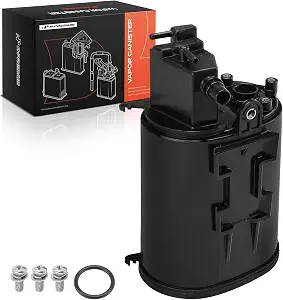 |
| Best Budget The cheapest option that still gets the job done reliably | KEYALL Vapor Canister Replacement for 2001–2005 Honda Civic 1.7L |  |
| Highest Rated A top-rated pick with lots of positive feedback | Dorman 911-766 Vapor Canister for select Honda Civic models (2001–2005) |  |
1. JDMON Vapor Charcoal Canister Replacement for Honda Civic 2001-2005

| Fitment | 2001-2005 Honda Civic |
|---|---|
| Model | Vapor Canister |
| Position | Inner |
| Manufacturer Part Number | Replacement for 911-766 17011S5AA30 |
This JDMON vapor charcoal canister is a direct-replacement EVAP unit specified to fit 2001–2005 Honda Civics and replaces several factory part numbers. It contains activated carbon media to capture and store fuel vapors, helping prevent raw gasoline odors, reduce evaporative emissions, and support normal fuel system operation. The housing is reinforced plastic with sealed ports intended to resist typical underbody exposure. Installation is straightforward for a mechanic and slots into the vehicle's EVAP plumbing the same way the factory canister does, making it useful when a failed canister triggers a check engine light or rough idling. Practical benefits include restoring proper purge and venting behavior and reducing fuel vapor loss. Limitations are that fitment is limited to the specified Civic years and the part description does not list detailed mounting hardware or HVAC/vent hose fittings, so additional clips or hoses may be needed during installation depending on vehicle condition.
Best for: Buyers who want a straightforward, balanced replacement that restores EVAP function and reduces fuel vapor smell without overpaying for OE-brand parts; suitable if you prioritize reliable fit and practical performance.
Less Ideal for: Drivers seeking an OEM-branded canister, a dealer-supplied unit with guaranteed parts history, or a universal canister for multiple vehicle applications should consider other options.
- Direct replacement for 2001–2005 Honda Civic part numbers for straightforward fitment
- Activated carbon media for effective vapor adsorption and reduced fuel odor
- Reinforced plastic housing designed for under-vehicle durability
- Restores EVAP system function to address CEL codes and rough idling
- No explicit list of included mounting hardware or hose fittings, so additional parts may be required
Verdict: A practical direct-fit charcoal canister that restores EVAP function and reduces fuel vapor issues on 2001–2005 Honda Civics without paying OEM premiums.
2. TRQ Vapor Canister for 2001–2005 Honda Civic
| Fitment years | 2001-2005 |
|---|---|
| Engine | L4 1.7L |
| Manufacturer part number | EVA43165 |
| OEM part number | 17011S5AA30 |
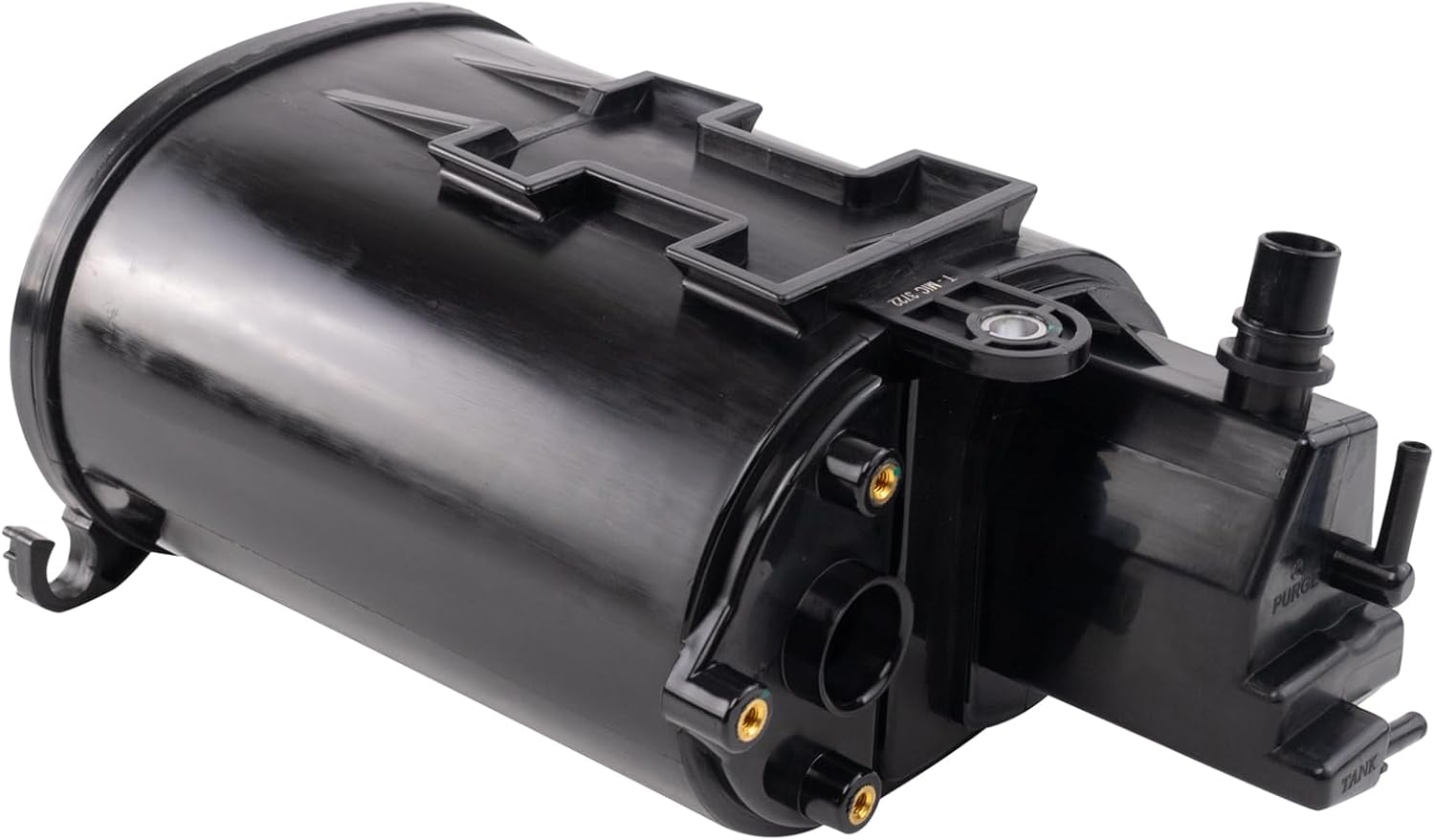
The TRQ vapor canister replaces the factory canister to collect and store fuel vapors from the fuel tank and route them to the engine for controlled purging. It is sold as a pre-assembled, direct-fit unit for 2001–2005 Honda Civic 1.7L models which simplifies installation and avoids cutting or modifying factory lines. Notable features include compatibility with the OEM part number 17011S5AA30 and a machined exterior finish that suggests sturdy construction. For performance-minded drivers the canister supports proper evaporative emission control, which helps maintain consistent fuel system function and prevents check engine lights tied to EVAP faults. Installation is intended for DIY use with TRQ’s video resources to guide fitment. Limitations are inherent to any replacement evaporative canister: it restores stock EVAP operation but will not alter fueling, increase power, or change emissions behavior beyond factory specifications. Buyers should confirm exact fit for the specific Civic model year and engine before installing.
Best for: Buyers who prioritize restoring reliable evaporative emission control on a 2001–2005 Civic and want a direct-fit, DIY-friendly replacement that reestablishes factory behavior.
Less Ideal for: Drivers seeking performance upgrades, emissions tuning, or increased fuel economy should look at other modification options rather than a stock replacement canister.
- Direct-fit replacement for 2001–2005 Honda Civic 1.7L models for straightforward installation
- Pre-assembled unit reduces installation time and avoids modifications
- Matches OEM part number 17011S5AA30 for compatible fit and function
- Restores factory EVAP function but does not enhance engine performance or fuel economy
Verdict: Choose this TRQ canister if you want a direct-fit, DIY-friendly replacement that reliably restores factory evaporative emission control on a 2001–2005 Honda Civic 1.7L.
3. A-Premium Vapor Canister for Honda Civic 2001–2005 1.7L
| Vehicle fitment | Honda Civic 2001-2005 1.7L (non-hybrid) |
|---|---|
| Reference numbers | 17011S5AA30, 4B1065, 911-766, CP3075 |
| Housing material | Plastic |
| Port quantity | 4 |
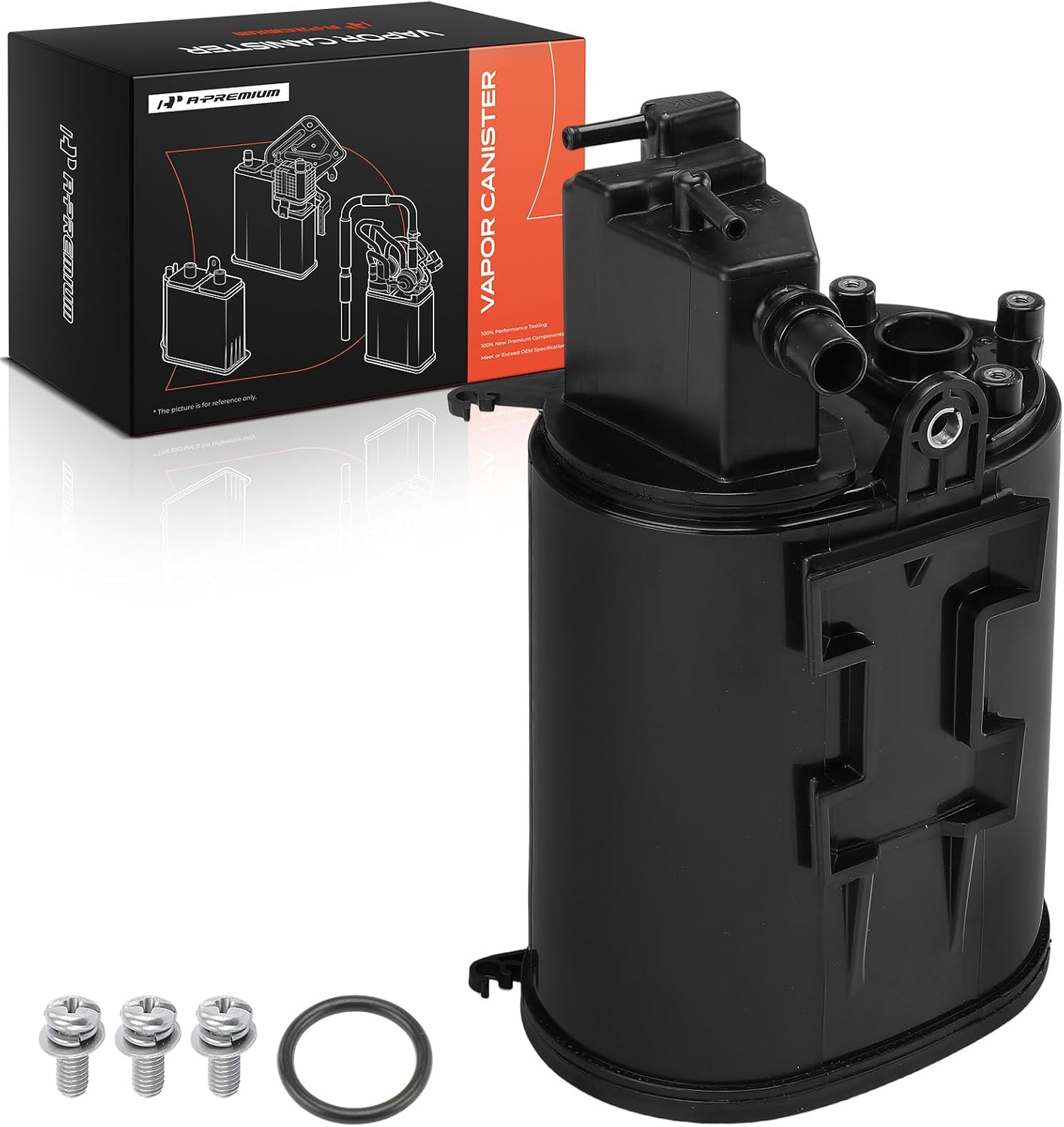
This A-Premium vapor canister replaces the factory unit on 2001–2005 Honda Civic 1.7L engines (non-hybrid) and handles fuel vapor storage and purge for the EVAP system. It installs where the stock canister sits and connects to the factory hoses via four ports sized to match the vehicle's fittings. The housing is plastic and the unit ships without additional filter elements, so installation is straightforward for a DIYer with basic hand tools or for a professional mechanic doing routine emissions repairs. In use the canister performs the expected duty of trapping fuel vapors and allowing controlled purge to the intake, which can help restore proper evaporative system function and clear related check-engine codes. Limitations include the absence of internal filter replacements and that fitment excludes hybrid Civics, so confirm the reference numbers against your car before buying. The part comes with a one-year unlimited-mileage guarantee from the brand for added confidence.
Best for: Buyers who prioritize a practical, vehicle-specific replacement to restore EVAP system function on older Civics and prefer a straightforward install with factory-style connections.
Less Ideal for: Owners of hybrid Civics or those who want a canister with serviceable internal filters or multi-vehicle compatibility should look elsewhere.
- Direct-fit replacement for specified 2001–2005 Civic 1.7L non-hybrid models
- Four ports with matching outside diameters for easy hose connection
- Plastic housing that keeps weight and corrosion risk low
- One-year unlimited-mileage guarantee from the manufacturer
- Does not include replaceable internal filter elements
Verdict: A practical, direct-fit replacement that restores EVAP function on 2001–2005 Civic 1.7L non-hybrid models with minimal fuss.
4. KEYALL Vapor Canister Replacement for 2001–2005 Honda Civic 1.7L

| Application | 2001-2005 Honda Civic 1.7L |
|---|---|
| Replacement Part Number | Replace OE 17011-S5AA30 |
| Manufacturer | KEYALL |
This charcoal vapor canister replaces the factory evaporative emissions unit on 2001–2005 Honda Civic 1.7L models and captures fuel vapors from the tank so they can be purged into the intake during engine operation. Typical use is as a repair part when symptoms such as slow or repeated fuel fill shutoff, rough idle, or diagnostic trouble codes like P0440 and P0442 appear. The canister is sold as a single unit and is described as a direct replacement matching original function, which simplifies installation for DIYers and independent shops. It is built to filter impurities and protect emissions systems, and the listing notes each unit is inspected before shipment. Limitations include lack of detailed materials or testing data and no explicit warranty information, so buyers should confirm fitment with their VIN and be prepared to return if it does not match the original part number. For budget repairs this part offers a straightforward way to address evap system failures without buying from dealerships.
Best for: Buyers looking for an affordable, no-frills replacement to fix evap-related drivability or check-engine light issues on a 2001–2005 Honda Civic 1.7L and who prioritize getting the car back on the road without dealer parts.
Less Ideal for: Those who want verified lab-tested aftermarket parts, extended warranty coverage, or guaranteed fitment without checking VIN or part numbers should consider higher-end or dealer-sourced options.
- Made as a direct replacement stated to match factory canister function for 2001–2005 Civic 1.7L
- Addresses common evap symptoms and diagnostic codes to restore proper emissions control
- Sold as a single ready-to-install unit which simplifies DIY or shop replacement
- Each canister inspected before shipment to reduce arrival defects
- No explicit warranty or testing specifications provided in the listing
- Compatibility confirmation requires VIN or part-number check to avoid ordering the wrong unit
Verdict: A budget-friendly direct replacement that restores the evaporative emissions function on 2001–2005 Honda Civic 1.7L models so you can repair common evap faults without buying dealer parts.
5. Dorman 911-766 Vapor Canister for select Honda Civic models (2001–2005)

| Model | 911-766 |
|---|---|
| Compatible years | 2001, 2002, 2003, 2004, 2005 |
| Manufacturer | Dorman Products |
| OEM part references | 4B1065; CP1227; CP3075; VC4014; 17011S5AA30 |
The Dorman 911-766 is a replacement charcoal vapor canister made to match the original evap canister used on certain 2001–2005 Honda Civics. It restores emissions control function by capturing and storing fuel vapors and works with the vehicle purge system to clear EVAP-related check engine codes. Installation is straightforward for a DIYer or a tech familiar with undercar work; buyers report the part fits well and includes mounting screws and an o-ring for a conventional swap. Dorman emphasizes application-specific reverse engineering and U.S.-based quality oversight, which helps deliver consistent fit and function compared with a worn OEM canister. Limitations: the unit replaces the canister only and may require the separate vent or purge valve if those components have failed, and heavily rusted mounting hardware on older cars can complicate removal. For emissions failures caused by the canister itself this typically resolves codes and allows vehicles to pass inspection, but diagnose related valves and hoses before assuming the canister is the sole fault.
Best for: Buyers who prioritize a dependable, application-specific replacement to clear EVAP faults and get an older Civic back to reliable emissions compliance without paying dealer prices.
Less Ideal for: If you need a complete EVAP system repair including a failed purge or vent valve, consider buying those components together rather than this canister alone; also avoid if you cannot access or remove rusted mounting hardware.
- Direct replacement designed to match original canister function for specified Civic years
- Reports of reliable fit and function on 2001–2005 Civic models, reducing EVAP codes
- Includes at least some hardware like screws and an o-ring to simplify installation
- Manufactured and quality-checked by an established aftermarket supplier
- Does not include vent or purge valve—those may be needed separately if they failed
- Old or rusted mounting bolts on vehicles can make replacement more difficult
Verdict: Choose this Dorman canister if you want a reliable, application-matched replacement to fix EVAP issues and restore emissions compliance on 2001–2005 Honda Civics.
Choosing the Right 2001-2005 Honda Civic Vapor Canister: Key Factors to Consider
Fitment and Mounting Compatibility
Exact fitment is critical on the 2001-2005 Honda Civic because misaligned mounting tabs or incorrectly sized hose nipples increase the chance of vapor canister leak and persistent EVAP system codes. A canister that matches the factory mounting pad and uses the original bracket points reduces installation time and avoids stress on hoses that can cause failures later.
When evaluating fitment, confirm the canister's hose nipple diameters, bracket orientation, and vent location match the Civic's stock layout. Even small offsets can require adapter hoses or additional clamps that compromise sealing. Prioritizing direct-fit components minimizes the chance of installation errors that lead to drivability issues or renewed check engine light EVAP code events.
Sealing and Leak Resistance
The EVAP system is sensitive to even minor leaks, so sealing features matter more than cosmetic finishes. Look for units with molded or vulcanized hose nipples, robust O-ring interfaces where present, and secure vent valve housings to minimize vapor canister leak paths.
Durable hose clamps and well-designed quick-connects help preserve a leak-free system over time. Since vapor leaks can trigger intermittent EVAP codes, choosing a canister with proven sealing details reduces the likelihood of repeat diagnostics and unnecessary labor.
Charcoal Bed Quality and Retention
The charcoal inside the canister adsorbs fuel vapors; the bed's volume, particle size, and containment determine how effectively it captures and retains vapors as the Civic cycles through fuel changes. A well-packed bed that resists dusting prevents charcoal fragments from clogging purge lines or valves.
Canisters that include internal baffles or retention screens reduce the chance of charcoal migration and help maintain long-term adsorption performance. For owners concerned with persistent fuel odor or EVAP purge inefficiency, the quality of the charcoal bed is a meaningful decision factor.
Purge and Vent Port Design
Purge and vent ports must align with the Civic's EVAP purge valve and vent hose routing. Port orientation influences hose bend radii and can change the stress on clamps and fittings. A canister with properly located purge and vent ports simplifies routing and reduces the chance that hoses will kink or pull loose.
Additionally, ports that accommodate the stock purge valve and any required sensors without forcing adapters help preserve original system function and reduce installation complexity for DIYers and technicians alike.
Durability and Environmental Resistance
Vapor canisters operate near the fuel tank and are exposed to heat, road grime, and corrosive vapors. Materials that resist UV degradation, chemical attack, and thermal cycling extend service life and lower the chance of cracking or seal failure.
Consider canisters with reinforced housings, corrosion-resistant fittings, and design elements that shed moisture and debris. Long-term durability reduces the frequency of EVAP system repairs and keeps the 2001-2005 Civic running cleaner between service intervals.
Serviceability and Replacement Parts
Some canisters are designed to be more serviceable than others, with accessible ports and replaceable vent valves. For owners who plan to perform future repairs, a canister with serviceable components or straightforward replacement parts helps lower labor and diagnostic time.
Verify whether common wear items like purge valve seals or quick-connect fittings can be replaced independently. Even if a full canister replacement is sometimes necessary, easier serviceability can limit shop hours and simplify roadside troubleshooting of vapor canister symptoms.
Common Vapor Canister Symptoms on 2001-2005 Civics
Recognizing vapor canister symptoms early helps prevent more complex EVAP faults. Typical signs include a persistent fuel smell near the rear of the vehicle, rough idle after refueling, and the check engine light with EVAP-related trouble codes. Intermittent stalling or hesitations during acceleration can also accompany a canister that is saturated or leaking.
Visual inspection can reveal obvious issues such as cracked housings, damaged hose nipples, or loose clamps. Keep in mind that some symptoms mimic other fuel system problems, so combining a visual check with a pressure or smoke test of the EVAP system is often the most efficient path to diagnosing a failing canister.
- Fuel odor around the fuel tank or trunk area
- Check engine light with EVAP system codes
- Difficulty filling the tank or slower-than-normal refueling
- Soot or charcoal dust near purge hoses or connections
Installation Tips for 2001-2005 (ES, EM, and EP) Civics
Prepare the vehicle by relieving fuel system pressure and parking on level ground. When replacing the canister, compare the replacement's hose nipple sizes and brackets to the original before removing the old unit. This helps avoid surprises and ensures you have the correct clamps or quick-connect tools on hand.
Tighten clamps to the manufacturer's recommended torque where specified and avoid over-tightening plastic fittings. After installation, clear any EVAP-related codes, then perform a road test and, if possible, an EVAP system check to confirm there are no leaks and that the purge valve cycles correctly.
- Verify hose diameters and bracket alignment before removal
- Use new clamps or OEM-style quick-connects to ensure sealing
- Perform a smoke or pressure test after installation to check for leaks
Diagnosing EVAP Codes and When to Replace the Canister
Not all EVAP codes require immediate canister replacement. Codes that indicate leaks or purge circuit failures warrant a methodical approach: inspect hoses and connections, test the purge valve operation, and perform a leak test. If the diagnosis points to internal canister failure, such as a saturated charcoal bed or cracked housing, replacement is appropriate.
Certain codes tied to the EVAP system purge circuitry may originate from a faulty canister purge valve rather than the canister itself. Rule out external hoses and purge valve malfunctions first to avoid unnecessary full canister replacement.
- Start with hose and clamp inspection before replacing major components
- Use a smoke machine or pressure tester to locate leaks
- Test the purge valve separately to isolate failure sources
Maintaining EVAP Performance After Replacement
After installing a new vapor canister, periodic checks of hoses and connections help maintain EVAP performance. Inspect for cracked or brittle hoses, damaged quick-connects, and secure mounting. Addressing small issues early prevents vacuum leaks that trigger EVAP faults.
Keep an eye on fueling behavior. Difficulty filling the tank or repeated EVAP codes after replacement can indicate a clogged vent line or incorrect installation rather than a defective canister. Regular visual inspections during routine maintenance are an inexpensive way to spot potential problems early.
- Inspect hoses and clamps at regular service intervals
- Check for charcoal dust or debris around vent and purge ports
- Re-test the EVAP system if fueling problems persist
Tools and Tests Useful for EVAP Diagnosis
A few basic tools and tests can make diagnosing vapor canister and EVAP issues more reliable. A smoke tester is the most definitive way to locate leaks. Pressure testers and handheld vacuum pumps help verify purge valve operation and check for internal canister leaks. Basic hand tools, hose clamp pliers, and replacement clamps or quick-connect tools are useful for most installations.
OBD-II scan tools that can read freeze frame data and live EVAP system parameters help identify when the system is being commanded to purge and whether pressure differentials exist. These diagnostic inputs reduce guesswork and point you toward the most likely failure mode.
- Smoke tester to find leaks quickly
- Handheld vacuum pump for purge valve checks
- OBD-II scanner to read EVAP-related codes and data
Still looking for the perfect fit?
Select your Honda Civic configuration to see the most relevant Vapor Canister recommendations
How We Chose the Best 2001-2005 Honda Civic Vapor Canister
We focused on attributes that predict long-term EVAP reliability and straightforward installation on 2001-2005 Honda Civic models. Key evaluation criteria included exact fitment to the factory mounting points and hose fittings so the canister mates cleanly to the stock EVAP plumbing; material quality and casing integrity to resist fuel vapor corrosion and cracking; internal charcoal bed capacity and retention design to ensure effective vapor adsorption over time; vent and purge port sealing features to reduce the risk of vapor canister leak and false EVAP codes; and compatibility with the stock purge valve and electrical connectors where applicable.We also prioritized units with consistent quality control indicators such as durable welds or bonded seams and clear, serviceable mounting hardware. Products that required modification, adapter hoses, or nonstandard mounting were excluded unless they offered a documented direct-fit path for the 2001-2005 Civic. We excluded rebuild-only listings and items without clear compatibility information. The resulting selection balances straightforward installation, durable construction, and the sealing performance needed to prevent check engine light EVAP codes and restore proper fuel vapor management.
Our full evaluation process is outlined in our review methodology.
FAQ
How can I tell if the vapor canister is causing my check engine light?
Check engine lights with EVAP codes often point to leaks or purge issues but are not definitive proof of a bad canister. Start by inspecting hoses and clamps for visible damage, then test the purge valve operation. A smoke test or pressure check of the EVAP system helps confirm whether the canister itself is leaking.
Can I replace just the purge valve instead of the whole canister?
Sometimes a faulty purge valve is the root cause. Test the purge valve with a handheld vacuum pump or bench test to confirm operation. If the purge valve is serviceable and the canister housing and charcoal bed are intact, replacing only the purge valve can be sufficient.
Will a saturated charcoal canister cause poor fuel economy?
A saturated or failing canister can contribute to drivability issues and may affect how the EVAP system purges vapors, which can indirectly influence fuel trim and idle quality. Significant long-term fuel economy loss is less common, but addressing EVAP faults promptly prevents secondary issues.
Is it safe to drive with a small EVAP leak on a 2001-2005 Civic?
Driving with a minor EVAP leak is usually safe from a mechanical standpoint, but it can trigger the check engine light and lead to failed emissions tests. Additionally, ongoing vapor leaks can cause nuisance fueling behavior and lingering fuel odors. Repair at your convenience to avoid repeated diagnostics.
How long does a charcoal vapor canister typically last?
Canister lifespan varies depending on driving conditions and fuel quality; many last several years but exposure to fuel saturation, road contaminants, and harsh climates can shorten that life. Monitor for symptoms such as persistent fuel odor or recurring EVAP codes to judge when replacement is needed.
Will replacing the vapor canister clear EVAP-related codes immediately?
Clearing codes requires fixing the root cause and then resetting the ECU or allowing the vehicle to complete its drive cycles. If the canister was the source of the fault and the system is sealed correctly, codes should not reappear after a short series of drive cycles and self-tests.
Final Verdict
When replacing the vapor canister on a 2001-2005 Honda Civic, prioritize direct-fit units that match the ES, EM, and EP model mounting and hose layout to reduce installation issues and future leaks. Focus on sealing quality, charcoal bed integrity, and port orientation so the EVAP system can purge and vent correctly. Balancing durability and serviceability will help you avoid repeat diagnostics and keep the EVAP system functioning reliably. Choose a replacement that aligns with those priorities and you will minimize downtime and recurring check engine light EVAP code events.
Explore More:
- Check out all Honda Civic parts & accessories
- Explore Vapor Canister Maintenance & Repair Guides
- Explore Fuel System
- Browse all Auto Parts
