

Note: This article contains affiliate links. If you click on these links and make a purchase, I may earn a small commission at no extra cost to you. This helps support my research and content. Read my full affiliate disclosure here.
If your 1997-2001 Honda CR-V is showing vibration, clunking, or uneven power feel under acceleration, the driveshaft and its joints are often the source. Replacing the worn or damaged driveshaft assembly can restore smooth operation, reduce noise, and prevent secondary damage to the differential or transmission.This guide covers the top shortlisted driveshaft options for the 1997-2001 Honda CR-V, explains the symptoms that indicate replacement, and outlines the fitment and durability considerations that matter. Below you will find focused evaluation criteria and practical advice to help you pick the right driveshaft for street use and long-term reliability.
Looking for other parts? See all Honda CR-V parts & accessories.
Top Picks at a Glance
| Best Overall The best all-around choice for most situations | SCITOO Rear Driveshaft Assembly for 1997–2001 Honda CR-V 4WD (84.5") |  |
| Best Quality Built to a higher standard if you want something more solid | Dorman 936-003 Rear Drive Shaft Assembly |  |
| Best Value The sweet spot between price and what you get | SCITOO Rear Driveshaft Propeller Shaft, 82.6 in, for 1997–2001 Honda CR-V | |
| Best Budget The cheapest option that still gets the job done reliably | BYRXMO Rear Drive Shaft Assembly for Honda CR-V 1997–2001 (4WD) |  |
| Highest Rated A top-rated pick with lots of positive feedback | ECCPP Rear Drive Shaft Assembly for Honda CR-V 1997–2001 (4WD) |  |
| Most Popular A crowd favorite that many people choose with confidence | BuyAutoParts Rear Driveshaft for 1997–2001 Honda CR-V 4WD/AWD |  |
| Best Seller A high-volume bestseller chosen again and again | Silscvtt Rear Driveshaft Assembly for Honda CR-V 1997–2001 4×4 |  |
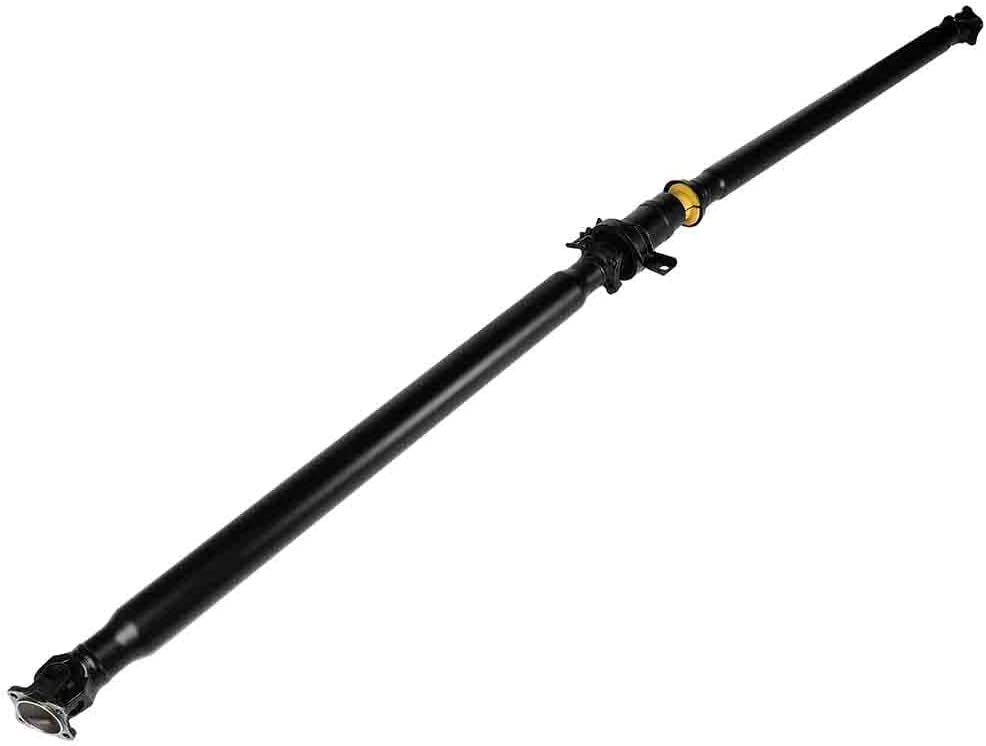
1. SCITOO Rear Driveshaft Assembly for 1997–2001 Honda CR-V 4WD (84.5")
| Position | Rear |
|---|---|
| Compatible years | 1997–2001 |
| Drivetrain | 4WD |
| Shaft length | 84.5 inch |
| Shaft diameter | 2.5 inch |
This SCITOO rear driveshaft is a direct-fit replacement for 1997–2001 Honda CR-V 4WD models and comes as a complete propeller shaft ready for installation. Designed from steel with a painted finish and premium surface protection, it aims to restore driveline balance and transmit engine torque to the rear wheels without vibration. Typical use is a like-for-like swap when a worn driveshaft, noisy universal joints, or vibration requires a replacement rather than rebuilding the original shaft. The assembly lists OEM reference numbers to match fitment and has a total length of 84.5 inches and a 2.5 inch shaft diameter, which helps ensure correct engagement with the transfer case and rear flange. Practical benefits include saving the labor and time of pressing in new U-joints and center bearings and getting the vehicle back on the road quickly. Some buyers report long-term reliability while others note issues when components like joints are not greased before use, so careful pre-install inspection and correct installation torque are advisable.
Best for: Buyers seeking a balanced, no-frills factory-style replacement to quickly fix vibration or failed rear driveline components on a 1997–2001 CR-V 4WD and prioritize reliable fit and straightforward installation.
Less Ideal for: If you want a performance-upgraded or custom lightweight driveshaft, or you need a part for 2WD or other vehicle years, choose a different specialized option.
- Complete, ready-to-install driveshaft assembly avoids sourcing and pressing individual U-joints
- Steel construction with painted protective layer for corrosion resistance
- Lists OEM part numbers for straightforward fitment checking
- Designed to reduce vibration and restore smooth rear driveline operation
- Intended only for 4WD CR-Vs from 1997–2001 so not universal across all CR-V configurations
- Some reported units arrived with joints not pre-greased which requires attention during installation
Verdict: A ready-to-install, factory-fit steel replacement that restores rear driveline smoothness on 1997–2001 Honda CR-V 4WDs.
2. Dorman 936-003 Rear Drive Shaft Assembly

| Position | Center |
|---|---|
| Model | 936-003 |
| Exterior | Machined |
| OEM Part Number | 2294-801; HOP-003; SK654002; SK936003; 40100S10003; 40100S10A01 |
This Dorman driveshaft is a drop-in replacement for the center shaft used on 1997–2001 Honda CR-V models and arrives fully assembled and dynamically pre-balanced for a straightforward install. Constructed from drawn-over-mandrel (DOM) seamless steel tubing, the shaft offers improved concentricity, uniform wall thickness, and greater torsional strength compared with standard welded designs, which helps reduce vibration and improve durability under spirited driving. The assembly includes all-new yokes, CV joints, and U-joints rather than remanufactured parts, so you get factory-quality fitment without needing additional machining or balancing. It ships in protective packaging to arrive install-ready. Expect a direct replacement that restores drivetrain smoothness and handles higher loads more confidently than worn or welded shafts, but verify trim-specific fitment before buying since compatibility is limited to the listed CR-V model years and trims.
Best for: Buyers who want a performance-minded, ready-to-install replacement that reduces driveline vibration and withstands more demanding driving than a worn or welded shaft.
Less Ideal for: People who need a universal or multi-vehicle driveshaft or who require a custom-length or performance-modified shaft beyond factory-style construction.
- Arrives fully assembled and dynamically pre-balanced for faster, simpler installation
- Made from DOM seamless steel tubing for better concentricity and torsional strength
- Includes 100% new components including yokes, CV joints, and U-joints
- Protective packaging reduces risk of damage in transit so it is install-ready
- Compatibility is restricted to specific 1997–2001 Honda CR-V trims so fitment must be confirmed
Verdict: A pre-balanced, factory-style replacement driveshaft that restores smooth driveline behavior and durability for 1997–2001 Honda CR-Vs.
3. SCITOO Rear Driveshaft Propeller Shaft, 82.6 in, for 1997–2001 Honda CR-V
| Fitment years | 1997-2001 |
|---|---|
| Length | 82.6 in |
| Exterior | Machined |
| Manufacturer | SCITOO |
This SCITOO rear driveshaft is a direct-fit replacement assembled to match factory specifications for 1997–2001 Honda CR-Vs. It arrives as a complete propeller shaft with pressed-in universal joints and a machined exterior so you can bolt it in without fabricating or swapping components. In use it transmits engine torque to the rear smoothly and several buyers report an easy install and quiet operation; the pressed-in U-joints are serviceable if you need to replace them later. Practical benefits are straightforward: restores driveline function, can reduce energy loss from a worn shaft, and avoids the higher cost of OEM downtime. Limitations to note are fitment variance between model years and lengths—measure your original shaft before ordering—and a few users reported minor vibration at highway speeds, which may require balancing. This part is best for DIY mechanics or shops that want an affordable, factory-style replacement for older CR-Vs but expect to verify exact length and tolerances before installation.
Best for: Buyers looking for a practical, cost-effective factory-style replacement to get a late-1990s CR-V back on the road with minimal fuss and parts swapping. Ideal for hands-on owners or independent shops prioritizing value and straightforward installation.
Less Ideal for: Do not choose this if you need a custom-balanced, high-performance driveshaft or if you cannot confirm exact length and carrier-bearing placement before purchase.
- Direct-fit, fully assembled shaft designed for 1997–2001 Honda CR-V for straightforward installation
- Machined exterior and factory-style construction aimed at stable torque transmission
- Pressed-in universal joints that can be serviced or replaced without replacing the whole shaft
- Lower-cost alternative to dealer replacement while restoring driveline function
- Some buyers reported minor vibration at 55–65 mph likely from balance or fitment differences
- Fitment can vary by exact length and carrier-bearing locations so you must measure the OEM shaft before ordering
Verdict: A budget-friendly, fully assembled factory-style replacement that makes restoring driveline function on a 1997–2001 Honda CR-V quick and practical.
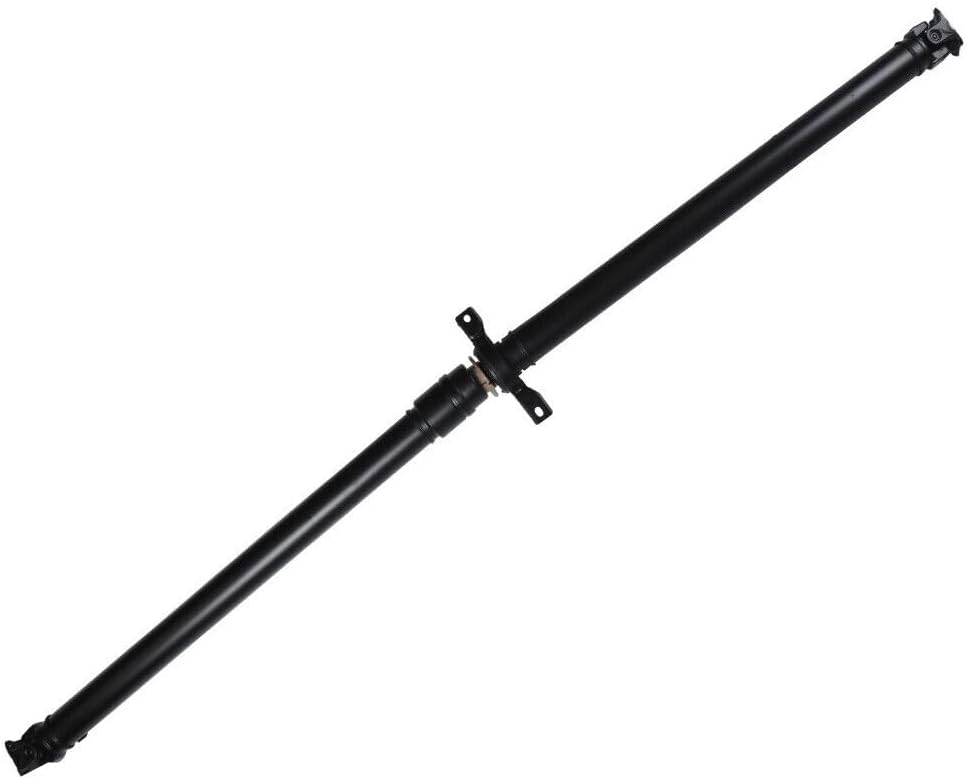
4. BYRXMO Rear Drive Shaft Assembly for Honda CR-V 1997–2001 (4WD)
| Position | Rear |
|---|---|
| Drive Type | 4WD |
| Transmission | Manual and Auto |
| Fitment Years | 1997-2001 CR-V LX/EX/SE |
This BYRXMO rear drive shaft assembly is a direct-replacement style unit intended for 1997–2001 Honda CR-V 4WD models, compatible with LX, EX, and SE trims and both manual and automatic transmissions. It installs at the rear and arrives as a finished, painted black assembly engineered to match factory performance and durability. Typical use is as a service replacement after wear or damage to the original shaft or U-joints; the listing notes professional installation is recommended because no instructions are included. The product lists multiple OEM part numbers for fit confirmation and emphasizes factory-quality reliability. Practical benefits include a complete assembly that removes the need to swap U-joints separately and a finish that resists corrosion. Limitations are that fitment is limited to the specified CR-V years and 4WD models, the part requires mechanical installation skills or a shop, and there is no included hardware or installation guidance in the package.
Best for: Buyers replacing a worn or damaged rear driveshaft on a 1997–2001 Honda CR-V 4WD who prioritize an affordable, factory-style replacement and plan to have the part installed by a mechanic.
Less Ideal for: Do not choose this if you need a universal shaft for multiple vehicles or if you want a DIY-friendly kit with instructions and mounting hardware included.
- Made as a complete rear drive shaft assembly so replacement is straightforward when swapped by a mechanic
- Lists multiple OEM part numbers to help confirm correct fitment for the specified CR-V years
- Painted surface finish offers basic corrosion protection
- Compatible with both manual and automatic transmissions on 4WD CR-Vs
- No installation instructions or hardware included so professional installation is recommended
- Fitment is limited to 1997–2001 CR-V 4WD models and will not suit other vehicles
Verdict: A budget-focused, factory-style rear drive shaft assembly for 1997–2001 Honda CR-V 4WD that provides a straightforward replacement when installed by a professional.
5. ECCPP Rear Drive Shaft Assembly for Honda CR-V 1997–2001 (4WD)

| Fitment | Honda CR-V 1997-2001 4WD |
|---|---|
| Total Length | 84.5" |
| OEM Part Numbers | 936-003, 65-4002, 40100-S10-A01, 40100-S10-003 |
| Material | Steel |
| Exterior | Coated & Polished |
This ECCPP rear drive shaft replaces the factory propeller shaft on 1997–2001 Honda CR-V 4WD models and is supplied as a complete rear assembly. It arrives pre-balanced from production to reduce high-speed vibration and is finished with a coated and polished exterior for corrosion protection. Typical installation replaces the old shaft and connects to existing flanges and U-joints; basic hand tools are usually enough but professional installation helps ensure proper flange alignment and torque. The unit is steel construction with a slip yoke and serviceable U-joints that should be greased at regular intervals to extend life. Practical benefits include straightforward bolt-on replacement, reduced runout thanks to dynamic balancing, and compatibility with the listed OEM part numbers for easier verification. Limitations are that correct fitment requires matching year, model, and OEM numbers and that improper installation or related worn driveline parts can still produce vibration despite the pre-balance. Regular lubrication and avoiding heavy overloads will help maintain service life.
Best for: Buyers who prioritize a dependable, factory-style replacement for a 1997–2001 Honda CR-V 4WD and want a direct-fit shaft that reduces vibration when installed correctly.
Less Ideal for: Drivers who need a universal or multi-vehicle shaft, performance-modified driveline, or who cannot verify OEM compatibility should look elsewhere.
- Pre-balanced at the factory to minimize high-speed vibration
- Coated and polished finish for improved corrosion resistance
- Complete rear propeller shaft assembly simplifies replacement
- Steel construction designed for durability under normal driving conditions
- Requires exact match to vehicle year and OEM part number for proper fitment
Verdict: A direct-fit, pre-balanced rear drive shaft built to restore factory-style reliability for 1997–2001 Honda CR-V 4WD models.
6. BuyAutoParts Rear Driveshaft for 1997–2001 Honda CR-V 4WD/AWD

| Vehicle fit | 1997–2001 Honda CR-V 4WD/AWD |
|---|---|
| Assembly | Fully assembled with new universal joints pressed in |
| Quality standard | ISO/TS 16949 |
| Finish | Painted for corrosion resistance |
| Manufacturer part number | 91-00162N |
This rear driveshaft is a direct replacement for 1997–2001 Honda CR-V 4WD/AWD and arrives fully assembled with new universal joints pressed in and balanced at the factory. It is intended for owners who need to replace a broken or worn rear driveshaft and want a ready-to-install unit rather than rebuilding the original. Typical use is bolt-in replacement after removal of the failed shaft; customers report the bolt holes line up and the shaft restores smooth driving with much of the vibration removed. The part is manufactured to ISO/TS 16949 quality standards and is painted for corrosion resistance. Practical benefits include replaceable u-joints on this aftermarket unit, easier installation compared with refurbishing a worn factory shaft, and lower cost versus local drive-line rebuilds. Limitations to note are occasional fitment detail differences at the yoke ends that can make access with certain tools tight, and some users reported center bearing wear over long, high-mileage use which may require replacement down the road.
Best for: Buyers who prioritize a tested, ready-to-install replacement that restores driveline smoothness quickly and prefers social proof of real-world fitment before committing.
Less Ideal for: Drivers seeking a lifetimeized local rebuild or a shaft with extended aftermarket bearing warranties should consider alternative sources or professional rebuild services.
- Arrives fully assembled and factory balanced for plug-and-play installation
- Built to ISO/TS 16949 quality standards and painted for corrosion protection
- Includes pressed-in universal joints that are replaceable on this unit
- Matches OEM fit and bolt pattern for straightforward alignment
- Some users note the yoke ends are slightly different from the original which can restrict tool access during torqueing
- Center support bearing has been reported to wear after heavy, high-mileage use
Verdict: A cost-effective, factory-balanced direct replacement driveshaft that gets 1997–2001 CR-V 4WD/AWDs back on the road quickly with proven real-world fitment.
7. Silscvtt Rear Driveshaft Assembly for Honda CR-V 1997–2001 4×4

| Compatibility | Honda CR-V 1997–2001 4×4 models only |
|---|---|
| Replaces Part Number | 40100S10A01, 40100S10003 |
| Package | 1 x Rear Driveshaft Assembly |
| Special feature | Replaceable universal joints |
This Silscvtt rear driveshaft is a direct replacement for 1997–2001 Honda CR-V 4×4 models and installs like a factory-style unit. It arrives as a complete rear driveshaft assembly with replaceable universal joints and the mounting hardware typically included, so mechanics can swap it in without modifying the drivetrain. The listing emphasizes reduced noise and stable power delivery through suspension movement, which in practice means smoother acceleration and fewer vibrations compared with a worn shaft. Build and inspection notes point to reliability under normal driving conditions, and multiple buyer reports call out straightforward installation and good fit. Limitations to keep in mind are that this is specified only for 4×4 CR-Vs in the listed years and longevity beyond early user reports is not guaranteed; professional alignment and inspection after installation are recommended. If you want a straightforward, ready-to-install replacement to restore drivetrain smoothness, this addresses that need cleanly.
Best for: Buyers who prioritize a low-risk, straightforward repair to get a 1997–2001 CR-V 4×4 back on the road quickly with a factory-style replacement and minimal fuss.
Less Ideal for: Do not choose this if you need a driveshaft for a two-wheel-drive CR-V, a different year range, or if you require a performance-upgraded or custom-length shaft.
- Direct-fit replacement specified for 1997–2001 CR-V 4×4 models so no drivetrain modification required
- Comes as a complete rear driveshaft assembly with replaceable universal joints for easier future service
- Designed to reduce noise and vibrations for smoother power delivery
- Packaged with hardware and reported by buyers to be easy to install
- Compatibility limited to 1997–2001 Honda CR-V 4×4 models only
Verdict: A ready-to-install, direct-fit rear driveshaft for 1997–2001 CR-V 4×4 owners who want a low-risk factory-style replacement to restore smooth, quieter power delivery.
Choosing the Right 1997-2001 Honda CR-V Driveshaft: Key Factors to Consider
Fitment and Spline Count
Correct fitment is the single most important factor for a driveshaft on a 1997-2001 Honda CR-V. The shaft must match the transmission and differential spline counts, flange bolt pattern, and overall length so it seats correctly without preloading bearings or causing axial misalignment. A part that looks similar but has slightly different dimensions can introduce vibration and wear even if it installs without forcing.
When evaluating fitment information, check for exact vehicle year coverage and any notes about transmission variants. Proper fitment reduces the risk of premature seal failure and limits twisting loads that can damage joints or companion flange faces. This is especially critical in CR-Vs that still see daily driving or light off-pavement use.
Joint Type and Durability
The condition and design of universal joints or constant-velocity joints determine how well the driveshaft transmits torque under articulation. For the 1997-2001 CR-V, inspect whether the assembly uses serviceable u-joints or sealed CV joints and consider the expected life of those components under your typical driving conditions.
Higher-quality joints have better bearing surfaces, grease channels, and seals that resist contamination and wear. Durable joints reduce the chance of sudden failure and maintain smoother rotation, which directly affects noise and vibration levels experienced inside the cabin.
Balance and Runout
A driveshaft that is out of balance or has excessive runout will create vibration that tends to increase with vehicle speed. Balance is achieved through correct manufacturing tolerances and final balancing of the assembled shaft. Runout, or wobble in the shaft, is often a sign of bent tubing or poorly welded components.
For the CR-V, which is sensitive to driveline vibration because of its compact drivetrain layout, choose shafts with documented balancing procedures or manufacturer statements about quality control. Even small improvements in balance can noticeably reduce vibration at highway speeds and extend the life of adjacent drivetrain parts.
Materials and Corrosion Protection
Material selection and protective finishes affect long-term reliability. Driveshafts made from drawn steel tubing or properly treated alloys resist bending and fatigue, while consistent weld quality is critical at yokes and flanges. Corrosion protection such as zinc plating, powder coating, or e-coating helps prevent rust around splines and welds, which can complicate removal and lead to binding over time.
Vehicles that see salted roads or wet climates benefit from parts with higher corrosion resistance. Good finishes also make future service easier because fasteners and flanges remain accessible and intact.
Serviceability and Replacement Parts
Consider whether the driveshaft assembly allows for future service, such as replacing a worn u-joint or center bearing, and whether replacement parts are readily available. Assemblies that permit swapping individual components are often more economical long term and reduce waste.
Check for availability of center support bearings, seals, and service kits that match the assembly. Clear instructions for disassembly and reassembly reduce labor times and the chance of installation errors that can introduce vibration or leaks.
Installation Quality and Hardware
The provided installation hardware and the clarity of instructions matter for correct installation. Proper torque specifications for flange bolts, recommended thread lockers, and new retaining clips for u-joints all contribute to a secure fit. Some assemblies include new bolts and clips; others expect reuse of original hardware.
Using incorrect or worn fasteners can lead to loosening under torque cycles and create clunks or leaks. For owners doing their own work, look for assemblies that include tumble-tested hardware or clear torque guidance to minimize post-install problems.
Common Symptoms That Point to a Driveshaft Issue
Several drivability issues on the 1997-2001 CR-V commonly trace back to the driveshaft and its joints. Typical early signs include a rhythmic vibration that changes with vehicle speed, a clunk on acceleration or deceleration, and noticeable noise when turning or under load. These symptoms often get worse as the vehicle warms up and tolerances change.
Other indicators include visible grease leakage around joint seals, excessive play when you try to move the shaft by hand, or uneven tire wear caused by persistent vibration. Diagnosing based on symptoms helps prioritize inspection points before committing to a full replacement.
- Rhythmic vibration that increases with speed
- Clunking during gear changes or throttle application
- Squeaks or clicking when steering under load
- Visible grease or axial play at the joint
Inspection Checklist Before Replacing the Shaft
A careful inspection can save time and money by confirming the driveshaft is the cause. Park the CR-V on level ground, support it safely, and check for play at the u-joints or CV joints by grasping the shaft near each joint and attempting to move it. Look for rusted fasteners, worn seals, or distortion in the tubing.
Also inspect related components like the center support bearing, flange faces, and differential input for signs of scoring or heat discoloration. Sometimes a failing mount or support bearing transmits noise that mimics a bad shaft, so verify all suspension and drivetrain mounts before replacement.
- Check for axial and rotational play at each joint
- Inspect flange faces and fasteners for corrosion
- Examine center support bearing and its mount
- Verify suspension and transmission mounts for related noise
DIY Versus Shop Installation Considerations
Replacing a driveshaft on a 1997-2001 CR-V is a task that many competent DIYers can handle with basic tools, but it requires proper lifting, torque tools, and attention to alignment. If the assembly requires replacing a pressed-in center bearing or dealing with a bent companion flange, specialized tools or a shop press may be necessary.
If you decide to tackle the job yourself, plan for new flange bolts or lock tabs and follow torque sequences precisely. A shop installation is advisable when the vehicle shows complex symptoms, when welding or shaft straightening is suspected, or if you prefer the assurance of a tested balancing step after installation.
- DIY requires jack stands, torque wrench, and possible press tools
- Replace flange bolts and use correct torque values
- Shop installation may include final balancing and bearing press
Maintenance Tips to Extend Driveshaft Life
Regular visual inspections and timely replacement of worn seals or boots are simple ways to extend driveshaft life on the CR-V. Greaseable joints should be serviced at recommended intervals, and any grease loss should be addressed promptly to avoid contaminant ingress and accelerated wear.
Keep mounting hardware clean and protected with corrosion inhibitors if you live in areas with road salt. Address suspension issues like worn bushings that increase drivetrain movement, because additional movement adds stress to the driveshaft and its joints.
- Service greaseable joints at regular intervals
- Replace torn boots and seals immediately
- Protect flange hardware from corrosion
- Fix suspension play to reduce driveline stress
When to Repair Versus Replace the Driveshaft
Small issues such as a single failed u-joint or a torn CV boot can often be repaired at lower cost by swapping the failing component rather than replacing the entire shaft. However, if the shaft is bent, has excessive runout, or exhibits multiple failing joints, full replacement is usually the safer and longer-lasting choice.
Consider the vehicle's overall condition and how long you intend to keep the CR-V. For high-mileage vehicles with multiple weak points, replacement reduces the chance of repeated shop visits and provides a clean baseline for future inspections.
- Replace single, serviceable components if the shaft is otherwise straight
- Replace the entire shaft if multiple joints or bending are present
- Factor vehicle age and intended ownership time into the decision
Still looking for the perfect fit?
Select your Honda CR-V configuration to see the most relevant Driveshafts recommendations
How We Chose the Best 1997-2001 Honda CR-V Driveshaft
We prioritized parts and assemblies that match the factory fit and service needs of the 1997-2001 Honda CR-V, focusing on practical criteria that affect real-world ownership. Key evaluation factors included exact fitment to the CR-V chassis and spline counts, durability of universal joints and CV joints, shaft balance and rotational smoothness, corrosion resistance and protective finishes, and the ease of installation for common DIY or shop jobs. We also weighed the availability of replacement components such as center support bearings, seals, and flange bolts because easy serviceability reduces long-term ownership hassle.To keep the list useful for vehicle owners, we excluded generic universal shafts that require significant modification or machining. We also filtered out assemblies with unclear fitment data or inconsistent quality feedback. Final picks reflect products that prioritize proper geometry, compatible joint types, and clear installation guidance to limit driveline vibration and premature wear.
Our full evaluation process is outlined in our review methodology.
FAQ
How long should a driveshaft last on a 1997-2001 CR-V?
Driveshaft longevity often depends on driving conditions and maintenance. With normal road use and timely service of joints and boots, they can last many years, but exposure to corrosion or heavy-duty use shortens life. Regular inspections will help spot early wear.
Can I replace just a worn u-joint instead of the whole driveshaft?
Often you can replace a single worn u-joint if the shaft is straight and other joints are in good condition. If there is significant runout, flange damage, or multiple failing joints, a full shaft replacement is usually the more reliable option.
What causes driveshaft vibration in the CR-V?
Vibration is usually caused by imbalance, worn joints, bent tubing, or incorrect fitment. Minor play in joints or degraded center bearings also creates rhythmic vibration that increases with speed. Proper diagnosis identifies the specific source before replacement.
Is driveshaft balancing necessary after installation?
Balancing is recommended if the replacement shaft is a remanufactured or custom assembly, or if the original shaft was straightened. New factory-fit assemblies that come prebalanced typically do not require additional balancing, but a road test verifies smooth operation.
Will a torn CV boot damage the driveshaft quickly?
A torn boot allows grease to escape and contaminants to enter, which accelerates joint wear. Damage timing varies, but it can lead to joint failure if not addressed within months. Replacing a torn boot promptly reduces the chance of needing a full joint replacement.
Can worn suspension components affect driveshaft life?
Yes. Worn bushings, mounts, or misaligned components increase movement and stress on the driveshaft and its joints, leading to premature wear and vibration. Addressing suspension issues helps preserve driveshaft condition.
Final Verdict
When selecting a driveshaft for a 1997-2001 Honda CR-V, prioritize correct fitment, joint durability, and proper balance. Matching spline counts and lengths prevents installation-induced vibration, while durable joints and corrosion protection help ensure long service life. Consider repair versus replacement based on the number of failing components and the shaft condition.Balance the desire for low-cost repairs with the risk of repeated failures. For most owners who want reliable, vibration-free operation, a properly fitted and balanced assembly with serviceable components offers the best long-term value.
Explore More:
- Check out all Honda CR-V parts & accessories
- Explore Driveshafts Maintenance & Repair Guides
- Explore Transmission & Drivetrain
- Browse all Auto Parts
