

Note: This article contains affiliate links. If you click on these links and make a purchase, I may earn a small commission at no extra cost to you. This helps support my research and content. Read my full affiliate disclosure here.
If you drive a 2007-2018 Jeep Wrangler you know manifold issues can knock power and introduce noise or fumes into the cabin. Whether you own a JK and JKU chassis, choosing the right exhaust manifold affects engine response, emissions behavior, and long-term durability. This guide presents seven shortlisted exhaust manifolds selected for fitment across the 2007–2018 Wrangler range and explains the practical tradeoffs you should weigh. We evaluated each candidate on fitment accuracy, heat management, and leak resistance, and we considered ease of installation and long-term serviceability. Read on to see the options that balance flow, durability, and maintenance demands before you decide on an exhaust manifold replacement for your Wrangler.
Looking for other parts? See all Jeep Wrangler parts & accessories.
Top Picks at a Glance
| Best Overall The best all-around choice for most situations | DriveFix Left and Right Exhaust Manifold for Jeep Wrangler 3.8L (2007–2011) |  |
| Best Quality Built to a higher standard if you want something more solid | RedRock Stainless Steel Tubular Exhaust Manifold Header Kit |  |
| Best Value The sweet spot between price and what you get | A-Premium Right Side Engine Exhaust Manifold with Gasket and Heat Shield for Jeep JK 3.8L V6 |  |
| Best Budget The cheapest option that still gets the job done reliably | MOTOKU Right Passenger Exhaust Manifold for Jeep Wrangler 3.8L (2007–2011) |  |
| Highest Rated A top-rated pick with lots of positive feedback | Dorman 674-914 Passenger Side Exhaust Manifold Kit with Gaskets and Hardware |  |
| Most Popular A crowd favorite that many people choose with confidence | APDTY 109654 Cast Iron Exhaust Manifold, Left Driver Side |  |
| Best Seller A high-volume bestseller chosen again and again | Dorman 674-915 Driver Side Exhaust Manifold Kit with Gaskets and Hardware |  |
1. DriveFix Left and Right Exhaust Manifold for Jeep Wrangler 3.8L (2007–2011)

| Brand | DriveFix |
|---|---|
| Model | 4666026AA |
| Compatibility | Jeep Wrangler 3.8L 2007-2011 |
| Exterior | Painted |
These DriveFix left and right exhaust manifolds are sold as a pair and designed to fit the Jeep Wrangler JK with the 3.8L engine from 2007 through 2011. They replace the factory manifolds to restore proper exhaust flow and bolt directly to the cylinder heads using the original mounting points, making them suitable for routine repairs after manifold cracking or gasket failure. The manifolds arrive painted, which helps resist surface corrosion out of the box, and their fitment focus on one vehicle/engine combination simplifies installation for a DIYer with basic tools or a shop familiar with Wrangler exhaust work. Expect improved sealing compared with a damaged original, but these are replacement manifolds rather than performance upgrades, so do not plan on increased power or lighter weight. Buyers should also budget for new gaskets and hardware if not included. For a balanced owner who wants a reliable, factory-style repair that gets the exhaust system back to working order, these are a practical option.
Best for: Buyers who want a practical, factory-style repair to restore exhaust function on a 3.8L Jeep Wrangler JK and prefer a straightforward replacement that fits without modification.
Less Ideal for: Those seeking performance gains, weight savings, or manifolds for other engines or model years should look for purpose-built aftermarket options or vehicle-specific upgrades.
- Sold as a left and right pair for full replacement
- Painted finish offers immediate surface corrosion resistance
- Made to bolt to factory mounting points for straightforward installation
- Designed specifically for the 3.8L Jeep Wrangler JK 2007–2011 fitment
- Not a performance or lightweight aftermarket manifold; intended as a direct replacement
Verdict: If you need a dependable, bolt-on replacement to restore exhaust function on a 3.8L Wrangler JK, this DriveFix pair is a practical choice.
2. RedRock Stainless Steel Tubular Exhaust Manifold Header Kit

| Fitment | 2007–2011 Jeep Wrangler JK |
|---|---|
| Material | Stainless Steel |
| Includes | Gaskets and hardware |
| Design | Tubular mandrel-bent with one-piece flanges |
The RedRock tubular header kit replaces the restrictive factory exhaust manifold with CNC mandrel-bent stainless steel tubing and one-piece flanges to improve exhaust flow and sealing on 2007–2011 Wrangler JKs. It installs as a direct bolt-on using factory mounting points and includes gaskets and hardware, so typical use is a straightforward shop or DIY replacement when addressing cracked manifolds or seeking modest performance gains. The tubular design promotes smoother exhaust routing that can help the engine breathe more freely and support slightly better throttle response and midrange power when paired with compatible exhaust components. Stainless steel construction and a chrome-like finish resist corrosion and look cleaner under the hood, though its bright finish may tarnish over many heat cycles. Buyers should expect incremental performance rather than radical horsepower jumps; for big gains you will still need complementary upgrades such as tuning and freer-flowing exhaust downstream. Fitment is limited to the specified Jeep Wrangler JK years and does not address any required tuning or emissions concerns.
Best for: Enthusiasts looking for a reliable, bolt-on header upgrade to improve throttle response and midrange performance on a 2007–2011 Wrangler JK while keeping a mostly factory-style fit and install process.
Less Ideal for: If you want large horsepower increases or are building a heavily modified engine, choose a dedicated performance exhaust system and tuning first instead of this direct-fit header alone.
- Tubular, mandrel-bent stainless steel improves exhaust flow compared with restrictive stock manifolds
- One-piece flanges offer consistent sealing and easier alignment during installation
- Direct bolt-on design with included gaskets and hardware for straightforward replacement
- Stainless construction and bright finish increase corrosion resistance and under-hood appearance
- Provides modest, not dramatic, power gains without additional exhaust or tuning upgrades
- Finish may show discoloration after extended heat cycling
Verdict: A straightforward, vehicle-specific stainless tubular header that gives Jeep Wrangler JK owners a dependable, bolt-on way to improve exhaust flow and midrange performance.
3. A-Premium Right Side Engine Exhaust Manifold with Gasket and Heat Shield for Jeep JK 3.8L V6

| Fitment | Jeep JK Wrangler 2007–2011 V6 3.8L (right side) |
|---|---|
| Material | Cast iron |
| Includes | Exhaust manifold, manifold gasket, heat shield |
| Manufacturer part number | APEMD200 |
This cast-iron exhaust manifold replaces the right-side unit on Jeep JK Wrangler V6 3.8L engines and ships with a manifold gasket and a heat shield. It is intended as a direct replacement and is typically used to restore proper exhaust routing after a leak or damage. The cast-iron construction should offer good heat resistance and durability compared with stamped alternatives, and the included gasket simplifies reinstall. Several buyers report the heat shield and bolt holes may require minor alignment or additional fasteners, so expect basic fitting work during installation rather than a perfect drop-in experience. The part is packaged for protection and the manufacturer backs it with a one-year unlimited-mileage guarantee. Practical buyers will appreciate the straightforward function and materials, but those wanting flawless fitment out of the box may need to plan for small adjustments and sourcing a few bolts or studs before beginning the job.
Best for: A practical DIYer or budget-conscious owner who needs a sturdy factory-style replacement to stop exhaust leaks and restore engine performance without paying dealer rates.
Less Ideal for: Shoppers who expect perfect bolt-for-bolt fitment and factory-finish cosmetic details out of the box or those unwilling to make minor alignment adjustments during installation.
- Cast iron construction offers strong heat resistance and structural durability
- Ships with a manifold gasket and heat shield to cover key replacement needs
- Manufactured as a direct replacement to match factory routing for Jeep JK 3.8L
- One-year unlimited-mileage guarantee provides added buyer confidence
- Some units may require drilling or alignment of heat shield bolt holes for proper fit
- Does not include replacement manifold-to-pipe bolts, which may need to be purchased separately
Verdict: A solid, budget-friendly cast-iron right-side replacement that restores exhaust function for JK 3.8L owners willing to do minor fitting work.
4. MOTOKU Right Passenger Exhaust Manifold for Jeep Wrangler 3.8L (2007–2011)
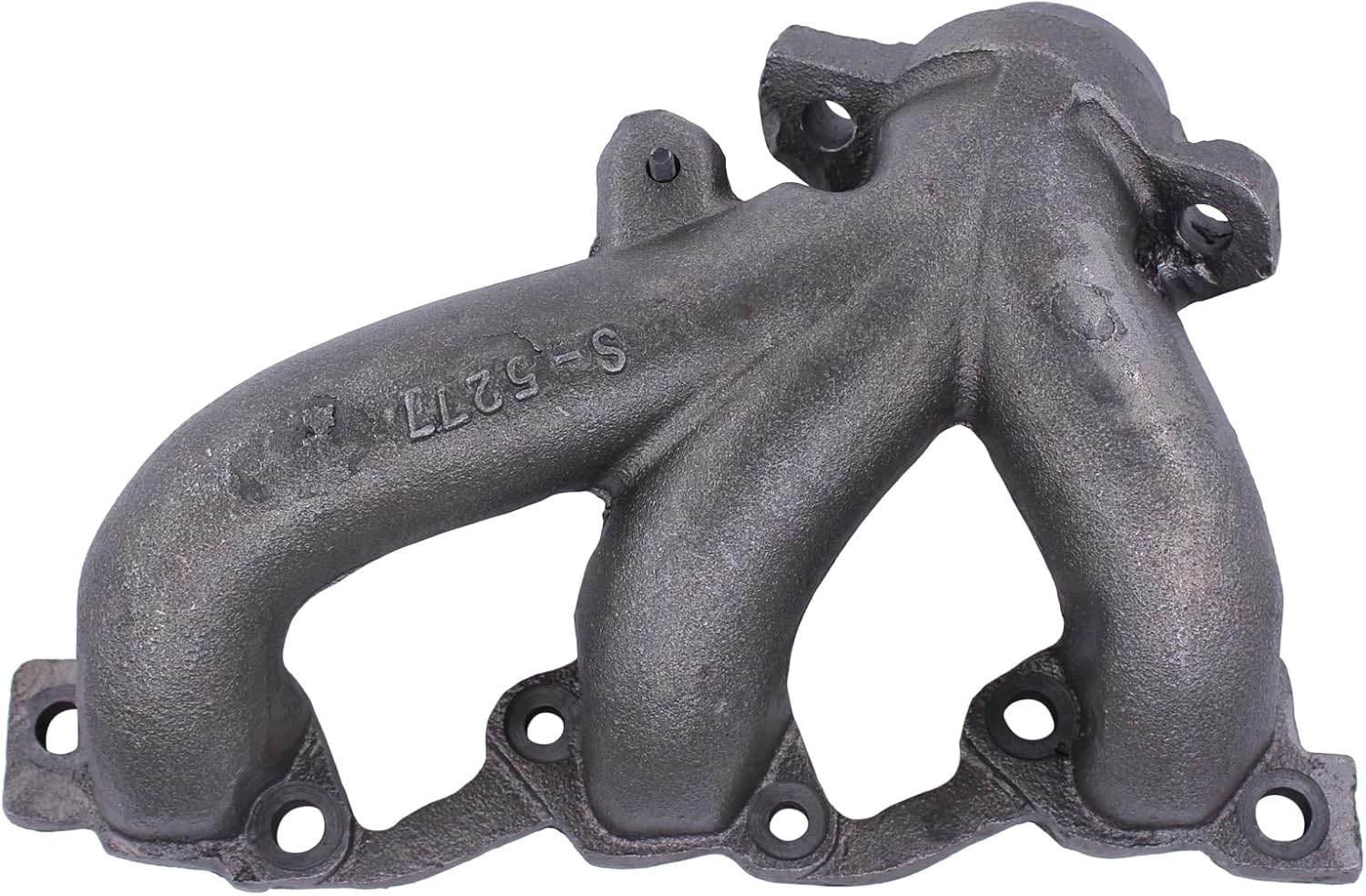
| Position | Right |
|---|---|
| Model | 4666026AD |
| Brand | MOTOKU |
| Compatible vehicles | Jeep Wrangler 2007-2011 |
This MOTOKU passenger-side exhaust manifold is a budget-focused replacement for the 3.8L Jeep Wrangler (2007–2011). It installs in place of the factory right-side manifold to restore exhaust routing and reduce leaks that cause rough idling or exhaust noise. The machined exterior indicates a consistent casting and finish, and the part is supplied as a direct-fit unit intended for straightforward bolt-on installation using existing gaskets and hardware. In practice this means you can expect a quick workshop or home-garage swap that returns normal exhaust performance without needing expensive custom work. The part is compact and lighter than many OEM-style assemblies, which helps handling during installation, but buyers should confirm bolt pattern and manifold-to-head mating surface condition before fitting. This is a no-frills replacement that focuses on function and fit rather than performance gains or cosmetic upgrades.
Best for: Buyers who need an affordable, straightforward replacement to restore normal exhaust function on a 2007–2011 Wrangler and prioritize cost and ease of installation.
Less Ideal for: Drivers looking for performance headers, sound tuning, or upgrades that increase flow or power should consider aftermarket performance options instead.
- Direct-fit replacement for 2007–2011 Jeep Wrangler 3.8L passenger side
- Machined exterior finish for consistent mating surfaces
- Lightweight design makes handling and installation easier
- Simple bolt-on installation suitable for DIY or shop replacement
- Does not provide performance improvements over factory manifold
Verdict: A practical, budget-friendly passenger-side replacement manifold that restores proper exhaust function on 2007–2011 Jeep Wrangler 3.8L vehicles.
5. Dorman 674-914 Passenger Side Exhaust Manifold Kit with Gaskets and Hardware

| Manufacturer | Dorman Products |
|---|---|
| Model | 674-914 |
| Position | Center |
| Compatible vehicles | Jeep Wrangler 2007-2011 (3.8L) per product listing |
This Dorman manifold is a direct-fit replacement designed to restore the factory exhaust routing on compatible Jeep Wrangler 3.8L engines. It is supplied with the gaskets and most downpipe hardware needed for a single-order repair, which makes it convenient for DIY mechanics or shops doing a timed, one-stop replacement. The unit is painted and manufactured to resist warping and leaking, and multiple user reports note straightforward installation and restored low-end performance compared with aftermarket headers. Some buyers suggested supplemental head flange hardware may be useful, and a few users trimmed or cleaned ports for improved flow, so minor prep can improve performance. While not always described as identical to factory finish, the manifold offers a durable, engineered option that reduces the time and parts-sourcing normally required for this repair. Expect a practical, cost-effective replacement aimed at returning reliable operation rather than increasing power.
Best for: Buyers who prioritize restoring dependable, factory-like exhaust function on a Wrangler and want a single-part solution that minimizes parts hunting and shop time.
Less Ideal for: Those seeking a performance upgrade or significantly improved exhaust flow should consider aftermarket headers or tuned systems instead.
- Includes necessary gaskets and downpipe hardware for a complete repair
- Engineered to match factory fit and resist warping and leaking
- Painted finish and heat shield improve under-hood appearance
- Direct replacement reduces installation time compared with sourcing separate parts
- May not include every head flange bolt so additional hardware could be required
Verdict: A practical, ready-to-install replacement manifold that restores reliable factory-style exhaust performance with included gaskets and most hardware.
6. APDTY 109654 Cast Iron Exhaust Manifold, Left Driver Side

| Position | Left (driver-side) |
|---|---|
| Compatible Engine | 3.8L |
| Compatible Years | 2007-2011 |
| Material | Cast Iron |
| Manufacturer Part Number | 109654 |
This cast iron replacement exhaust manifold restores the driver-side header for 3.8L Jeep Wranglers from 2007 to 2011. It is a heavy-duty, factory-style manifold intended to replace cracked or damaged headers and is installed in place of aftermarket headers when owners want a durable, quiet exhaust connection. Typical use is direct bolt-on replacement; reviewers report straightforward fitment and quieter cold starts after swapping from cracked or thin aftermarket headers. The part ships as the manifold only, so plan to buy new gaskets and hardware. The cast iron construction favors longevity and heat resistance compared with thin stainless headers, but it is heavier and may show casting imperfections on some units. Overall it delivers a near-factory fit and durability at a lower price than dealer parts, though installation can be slowed by seized bolts and you will need to source mounting hardware separately.
Best for: Buyers who want a reliable, budget-conscious factory-style replacement to stop leaks or rattles and restore stock exhaust performance on a 3.8L Wrangler.
Less Ideal for: Do not pick this if you want a performance header or a full bolt-on exhaust kit, or if you prefer a complete parts package that includes gaskets and bolts.
- Cast iron construction for durability and heat resistance
- Made to replace factory left-side manifold for 2007–2011 3.8L Wrangler for direct fit
- Reported easy, factory-like fit and straightforward installation by multiple buyers
- Helps eliminate rattles and leaks caused by cracked aftermarket headers
- Ships as manifold only with no gaskets or mounting hardware included
Verdict: A durable, factory-style cast iron replacement that fixes rattles and restores stock exhaust fitment on 2007–2011 3.8L Jeep Wranglers.
7. Dorman 674-915 Driver Side Exhaust Manifold Kit with Gaskets and Hardware

| Manufacturer | Dorman Products |
|---|---|
| Model | 674-915 |
| Fitment years | Jeep Wrangler 2007-2011 |
| Position | Center |
This Dorman exhaust manifold kit replaces a cracked or leaking driver-side manifold on compatible Jeep Wranglers and comes with the gaskets and downpipe hardware needed for a complete repair. It is machined and built to mirror the factory fit and function so installation is straightforward for someone comfortable with mid-level mechanical work. Typical use is restoring a leaky exhaust flange or swapping a cracked OEM manifold; buyers report good sealing and reduced exhaust noise after installation. Notable features include machined surfaces, included gasket set, and heat shield. Practical benefits are fewer parts to buy separately and a faster one-order repair compared with sourcing individual gaskets and hardware. Limitations to consider are variable casting quality reported by some users and the kit does not include all head-to-manifold mounting bolts, so you may need to source additional fasteners or replace old, seized bolts during installation. Expect to follow standard prep steps like penetrating fluid and careful bolt removal to avoid thread damage on older engines.
Best for: Buyers who want a straightforward, lower-risk replacement that matches factory fit and minimizes trips for missing parts, and who prioritize a complete kit to finish a DIY manifold repair quickly.
Less Ideal for: Shoppers seeking precision performance porting or aftermarket upgraded flow; also not ideal for buyers unwilling to source replacement bolts or perform careful bolt removal on older engines.
- Includes all necessary gaskets and downpipe hardware for a complete repair
- Machined mating surfaces aimed at matching factory fit and sealing
- Durable construction intended to resist warping and cracking
- One kit replaces multiple parts so you do not need separate orders
- Does not include all head-to-manifold mounting bolts so additional fasteners may be required
- Some buyers report inconsistent casting/fit quality on certain units
Verdict: A practical, factory-style replacement manifold kit that simplifies repair by including gaskets and hardware so you can restore a leaky or cracked driver-side manifold with minimal extra parts.
Choosing the Right 2007-2018 Jeep Wrangler Exhaust Manifold: Key Factors to Consider
Fitment and Chassis Compatibility
Accurate fitment is critical on the 2007–2018 Jeep Wrangler due to differences between JK and JKU mounting points and exhaust routing. Even small misalignment at the flange can cause exhaust leaks, which lead to poor throttle response, exhaust noise, and potential exhaust manifold gasket failures. Confirming that the manifold matches the vehicle's engine flange pattern and header routing avoids the need for modifications or swapping exhaust manifolds. Also consider clearance to nearby components such as the starter, steering linkages, and frame rails. Some manifolds are engineered specifically to clear off-road skid plates or factory heat shields. If you plan lift, bumper, or skid plate changes in the future, pick a manifold with proven clearance or adjustable flanges to prevent interference.
Material and Heat Management
Manifold materials and coatings determine how the part handles thermal stress. Cast iron and ductile iron offer durability and resistance to cracking from repeated heating cycles but are heavier. Stainless steel or fabricated headers can provide better flow and are lighter, but may be more prone to fatigue if not properly engineered for the Wrangler's heat cycles. Heat management strategies, like ceramic or high-temperature coatings, can reduce under-hood temperatures and limit heat transfer to nearby components. Lower under-hood temperatures also reduce the likelihood of manifold gasket degradation. Consider the typical operating environment for your Wrangler; frequent off-road or towing use generates more heat, increasing the value of robust thermal protection.
Leak Resistance and Flange Design
Exhaust manifold leaks are a common symptom that leads owners to seek replacements. The flange design and how the manifold mates to the head determine the initial and long-term seal quality. Machined flanges with consistent surface finish and adequate bolt access reduce the chance of an exhaust manifold leak over time. Bolt pattern quality, stud versus bolt attachment, and the availability of replacement exhaust manifold gasket interfaces all affect leak resistance. Look for manifolds that provide even clamping pressure across the flange to prevent concentrated stress points that can lead to warping and cracks.
Crack Resistance and Long-Term Durability
Cracks in the exhaust manifold typically occur where thermal cycling and mechanical stress concentrate, such as near the flange or at tube junctions. The part's casting quality, wall thickness, and design features that reduce stress risers play a major role in longevity. For Wranglers used in heavy-duty situations like off-road driving or frequent short trips, choose manifolds designed to withstand repeated heating and cooling. Inspect whether the manufacturer provides reinforcement at known weak points and consider corrosion resistance as a factor in climates with road salt exposure. Durability considerations can reduce repeat visits and the need for swapping manifolds prematurely.
Serviceability and Installation Practicalities
Ease of installation affects labor time and the likelihood of correct long-term fit. Manifolds that allow for straightforward access to bolts and studs, and that use common fastener sizes, make repairs and future gasket replacements simpler. Some designs include replaceable studs or bolted-on flanges that reduce the need to remove adjacent components during servicing. Consider whether the manifold requires removal of accessories, heat shields, or the catalytic converter during installation. Units that minimize disassembly are typically better for owners who plan DIY work or want lower workshop labor when paying for installation.
Compatibility With Emissions and Exhaust Routing
Because the Wrangler's emissions components are tied to manifold design, verify that the manifold supports the factory oxygen sensor locations and catalytic converter connection points. Improper routing or omission of sensor bosses can trigger check-engine lights or affect emissions system behavior. When selecting a replacement, ensure the part preserves factory sensor ports and routing for the 2007–2018 model years. Additionally, consider how the manifold integrates with factory or aftermarket downpipes and catalytic converters. Maintaining proper exhaust flow and backpressure preserves drivability and helps avoid downstream component stress.
Why Manifold Upgrades Matter on JK and JKU Wranglers
The JK and JKU generations of the Wrangler span the 2007–2018 model years and include small but important differences in exhaust routing and packaging. A well-chosen manifold improves scavenging and reduces exhaust restriction without introducing leaks or excessive heat to nearby components.
Upgrading or replacing the manifold can address symptoms such as reduced torque, ticking noises, or exhaust odor in the cabin. It also provides an opportunity to choose a design that handles off-road stress and road salt better than an older, corroded unit.
- Improves engine breathing and low-end torque when flow is improved
- Reduces the chance of exhaust fumes entering the passenger compartment
- Can lower under-hood temperatures with appropriate coatings
Diagnosing an Exhaust Manifold Problem
Typical exhaust manifold symptoms include ticking or popping noises at idle or under acceleration, exhaust smell in the cabin, and occasional loss of torque. Visual signs include soot around the flange, visible cracks, or rusted bolt heads. Use a hand-held mirror and flashlight to inspect the flange area, and check for soot streaks that indicate a leak.
For more precise diagnosis, perform a smoke test or listen with a mechanic's stethoscope while the engine is running. When testing, be mindful of hot surfaces and follow safety precautions. Document location and severity of symptoms before choosing a replacement.
- Listen for ticking at startup or under load
- Inspect for soot trails and loose bolts
- Consider a smoke test to pinpoint small leaks
Gasket Choices and Seal Techniques
Selecting the correct exhaust manifold gasket is as important as the manifold itself. Gasket materials and thickness affect sealing performance and thermal expansion compatibility. Multi-layer steel gaskets often provide a durable seal for high-temperature applications, while composite gaskets can be suitable for lower-heat or OEM-style replacements.
Proper installation technique improves seal longevity. Torque bolts to the specified sequence and values, replace any stretch bolts or corroded studs, and allow the engine to cool between torque steps where recommended. A poor gasket installation can produce an exhaust manifold leak even with a high-quality manifold.
- Match gasket type to manifold material and heat level
- Replace studs and bolts if corroded or stretched
- Follow torque sequence and recheck after initial heat cycles
Installation Considerations and Labor
Installation complexity varies with manifold design and the Wrangler generation. On JK and JKU chassis the starter and heat shields are common obstacles, while JK and JKU variants may present tighter clearances around steering components. Anticipate the need to remove adjacent items to gain access to flange bolts.
Factor in potential labor time for replacing corroded fasteners or damaged studs. If you plan a DIY installation, prepare penetrating oil, replacement studs, and a clear workspace. Professional installers may quote additional time for rusted bolts or exhaust system alignment.
- Expect some disassembly for access to flange bolts
- Prepare replacement fasteners to avoid delays
- Align downpipe and catalytic converter carefully to prevent stress
When To Consider Swapping Manifolds
A swap exhaust manifold approach is reasonable when the original has irreversible cracks, severe flange warping, or repeated gasket failures. Swapping to a different design may improve flow or durability, but only if the replacement maintains correct sensor ports and downpipe compatibility.
Avoid swaps that require major exhaust system re-routing or that eliminate necessary emissions hardware. A swap that fits within the vehicle's existing architecture reduces installation complexity and long-term maintenance risks.
- Swap when cracks or warping are beyond repair
- Ensure sensor ports and emissions components are retained
- Prefer swaps that preserve factory downpipe connections
Cost Factors and What Affects Pricing
Exhaust manifold cost varies with material, manufacturing process, and included hardware. Cast components often cost less but weigh more, while welded stainless or performance-oriented fabricated manifolds can be pricier due to higher-grade materials and fabrication labor. Also factor in whether gasket sets and replacement studs are included.
Installation cost depends on corrosion of fasteners, required disassembly, and whether downstream alignment or emissions checks are needed. Budget for possible additional work such as replacing the exhaust manifold gasket or addressing corroded hardware when estimating total project cost.
- Material and fabrication drive base cost
- Included hardware reduces added expenses
- Corroded bolts and alignment work increase installation cost
Still looking for the perfect fit?
Select your Jeep Wrangler configuration to see the most relevant Exhaust Manifolds recommendations
How We Chose the Best 2007-2018 Jeep Wrangler Exhaust Manifold
Our selection focused on attributes that directly affect day-to-day performance and longevity for 2007–2018 Jeep Wrangler owners. Primary evaluation criteria included fitment accuracy to the Wrangler chassis and engine variants produced in that year range, thermal performance and material quality to resist warping or cracking, and flange and port alignment to reduce the risk of exhaust manifold leak issues. We also scored ease of installation, considering common clearance challenges on JK and JKU chassis, and assessed long-term serviceability such as gasket accessibility and bolt replacement strategies. We gave weight to corrosion resistance and coatings that mitigate heat soak and rust in off-road conditions. Noise and vibration characteristics were reviewed to favor manifolds that reduce exhaust drone while maintaining desired exhaust flow. We excluded components that required major modifications or swapping to non-factory exhaust routing, as well as units with unclear fitment claims. Final picks represent products that meet build-quality and real-world usability standards for Wrangler ownership.
Our full evaluation process is outlined in our review methodology.
FAQ
What are common exhaust manifold symptoms on a 2007–2018 Wrangler?
Common symptoms include ticking noises at idle, loss of low-end torque, visible soot around the flange, exhaust smell in the cabin, and occasional check-engine lights related to oxygen sensors. These signs often indicate a failing gasket, a crack, or flange misalignment.
Can I repair a cracked exhaust manifold or should I replace it?
Minor hairline cracks can sometimes be welded, but success depends on material and crack location. Welding cast iron or heavily corroded sections can be unreliable, so replacement is usually the more durable option for long-term reliability.
How do I diagnose an exhaust manifold leak on my Wrangler?
Start with a visual inspection for soot and loose bolts, then listen for ticking while the engine is running. A smoke test or using a stethoscope can help locate small leaks. Always exercise caution around hot components during diagnosis.
Do I need to replace the exhaust manifold gasket when swapping manifolds?
Yes. Always install a new gasket when replacing or swapping manifolds. Reusing an old gasket increases the risk of an exhaust manifold leak even if the new manifold fits correctly.
How much does exhaust manifold installation typically add to the project?
Installation time depends on generation and bolt condition. Labor is usually higher if fasteners are corroded or if heat shields and accessories must be removed. Expect variable time for JK and JKU models due to access differences, and budget for possible stud replacement.
Are there emissions or sensor considerations when choosing a replacement manifold?
Yes. Make sure the replacement preserves oxygen sensor ports and catalytic converter connections. Omitting or relocating sensor bosses can cause check-engine lights and emissions noncompliance for the vehicle.
Final Verdict
For 2007–2018 Jeep Wrangler owners, prioritize a manifold that fits the specific Wrangler generation and engine layout, controls heat effectively, and provides a reliable flange seal. Be realistic about tradeoffs: cast units often offer durability while fabricated designs may improve flow at the cost of potential fatigue points. Focus on leak resistance, correct sensor provision, and serviceability when choosing. Addressing flange alignment and replacing gaskets and corroded fasteners during installation reduces the chance of repeat failures and gives you the best long-term outcome for your Wrangler.
Explore More:
- Check out all Jeep Wrangler parts & accessories
- Explore Exhaust Manifolds Maintenance & Repair Guides
- Explore Exhaust & Emissions
- Browse all Auto Parts
