

Note: This article contains affiliate links. If you click on these links and make a purchase, I may earn a small commission at no extra cost to you. This helps support my research and content. Read my full affiliate disclosure here.
Picking the right tires for your Honda Civic Sedan affects safety, fuel economy, and daily ride quality. The wrong tire can reduce wet traction, increase road noise, or shorten tread life, so choosing options that match how and where you drive matters.This guide presents seven top tire choices shortlisted for Civics with sedan configuration, evaluated for traction, comfort, tread life, and fitment. Read on to understand what each tire type delivers and which factors should steer your final selection.
Looking for other parts? See all Honda Civic parts & accessories.
Top Picks at a Glance
| Best Overall The best all-around choice for most situations | BFGoodrich Advantage Control All-Season Tire — 205/55R16 91H |  |
| Best Quality Built to a higher standard if you want something more solid | Pirelli Cinturato P7 All Season Plus 2 205/55R16 91V Tire |  |
| Best Value The sweet spot between price and what you get | Goodyear Assurance All-Season Radial 205/55R16 |  |
| Best Budget The cheapest option that still gets the job done reliably | Lexani LXTR-203 195/65R15 Passenger Tire |  |
| Highest Rated A top-rated pick with lots of positive feedback | MICHELIN Defender2 All-Season Tire — 205/55R16 91H | 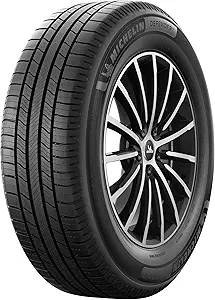 |
| Most Popular A crowd favorite that many people choose with confidence | Fullway HP108 All-Season Performance Radial Tire 205/55R16 |  |
| Best Seller A high-volume bestseller chosen again and again | Fullway HP108 All-Season Passenger Car Performance Tire — 205/55R16 (set of 4) |  |
1. BFGoodrich Advantage Control All-Season Tire — 205/55R16 91H

| Rim Size | 16 Inches |
|---|---|
| Load Index | 91 |
| Speed Rating | H |
| Construction Type | Radial |
| Seasons | Year Round |
The BFGoodrich Advantage Control is an all-season radial tire aimed at sedans and compact crossovers that balances comfort, handling, and mileage. It features a symmetrical tread and a sidewall stabilizer designed to reduce noise and provide more precise steering, which makes daily highway and city driving quieter and more composed. BFGoodrich highlights improved wet braking and hydroplaning resistance, so drivers get added confidence in rain and light snow conditions. The tire carries a long limited tread life warranty, reflecting an emphasis on longevity for mileage-focused owners. Practical limitations include its focus on comfort and year-round use rather than maximum sporty grip or off-road capability, and the performance claims are based on internal tests so individual results will vary with vehicle and conditions. Overall it suits drivers who want a predictable, low-noise tire that handles typical weather without sacrificing mileage.
Best for: Drivers seeking a quiet, mileage-oriented all-season tire that gives predictable handling and reliable wet-weather stopping for everyday commuting and highway driving.
Less Ideal for: Drivers who prioritize track-level grip, aggressive performance driving, or serious winter traction should consider purpose-built summer or winter tires instead.
- All-season tread for year-round wet and light snow traction
- g-Wedge sidewall stabilizer for reduced road noise and steadier steering
- Symmetrical tread and radial construction for predictable handling and even wear
- Long limited tread life warranty indicating expected high mileage
- Not tuned for high-performance sport driving or heavy snow/ice conditions
Verdict: Choose this tire if you want a quiet, longevity-focused all-season option that delivers confident wet braking and comfortable everyday driving.
2. Pirelli Cinturato P7 All Season Plus 2 205/55R16 91V Tire

| Rim Size | 16 Inches |
|---|---|
| Load Index | 91.0 |
| Speed Rating | V |
| Seasons | Year Round |
| Construction Type | Radial |
The Pirelli Cinturato P7 All Season Plus 2 is an all-season touring tire aimed at drivers who want confident handling and a quiet ride on everyday sedans. It uses a high-silica compound and a large footprint to improve wet traction and handling while also targeting lower rolling resistance for better fuel economy. The symmetrical tread and optimized pitch sequencing reduce road noise, making highway miles more comfortable, and the tire comes with a 70,000 mile limited treadwear warranty for long-term use. In practice this tire performs well in wet and dry conditions and is suitable for spirited street driving without feeling overly stiff; reviewers note a noticeable reduction in cabin noise and good grip. Trade-offs are that it is not a dedicated summer performance tire or a winter studdable option, so drivers who frequently push the limits on track or need heavy snow capability should choose a different rubber. Fitment is for vehicles that take 205/55R16 tires, where it serves as a refined, fuel-conscious upgrade over basic economy tires.
Best for: Drivers who prioritize balanced on-road performance with quiet comfort and long tread life for daily driving and occasional spirited street use in a compact sedan.
Less Ideal for: Drivers who need track-focused stickiness or serious winter traction in heavy snow and ice should choose a specialized performance or winter tire instead.
- High-silica compound enhances wet traction and helps reduce rolling resistance
- Symmetrical tread and optimized pitch sequencing reduce road noise for a quieter ride
- Large footprint promotes better handling and more even wear for longer tread life
- Backed by a 70,000 mile limited manufacturer tread life warranty
- Not intended as a dedicated summer performance or severe winter tire
Verdict: A refined all-season touring tire that gives Honda Civic sedan drivers quieter, fuel-efficient daily performance with long tread life.
3. Goodyear Assurance All-Season Radial 205/55R16

| Rim Size | 16 Inches |
|---|---|
| Load Index | 91.0 |
| Speed Rating | H |
| Tread Type | Asymmetrical |
| Seasons | Year Round |
The Goodyear Assurance All-Season in 205/55R16 is a practical all-season tire aimed at family sedans like the Honda Civic sedan. It uses an asymmetrical tread with multiple biting edges and wide grooves to clear water and slush for improved wet and light snow traction, while large shoulder blocks help steady handling in dry conditions. The tread pattern is optimized to reduce road noise, which makes highway commuting and city driving more comfortable. Goodyear markets a long tread life, supported by a 65,000-mile figure, so this tire is intended for drivers who prioritize low running cost and predictable replacement intervals. Trade-offs are typical for value-oriented all-season tires: you will get competent year-round performance but not the sharp dry grip of a summer tire or the deep-snow capability of a dedicated winter tire. For everyday Civic use the Assurance balances ride comfort, predictable handling, and durability in a straightforward, easy-to-fit package.
Best for: A Honda Civic sedan driver who wants a reliable, low-noise tire that balances year-round traction and long wear for daily commuting and family use.
Less Ideal for: Drivers who need maximum dry performance on spirited drives or frequent deep-snow winter capability should consider summer performance or dedicated winter tires instead.
- All-season tread with wide grooves for improved wet and light snow traction
- Asymmetrical pattern and large shoulder blocks that support confident handling
- Optimized tread design that reduces road noise for a quieter ride
- Manufacturer-stated long tread life rating (65,000 miles) for lower replacement frequency
- Not designed for extreme winter conditions or heavy snow driving
Verdict: A practical, quiet all-season tire that gives Honda Civic sedan owners dependable year-round traction and long tread life.
4. Lexani LXTR-203 195/65R15 Passenger Tire

| Rim Size | 15 Inches |
|---|---|
| Load Index | 91.0 |
| Speed Rating | V |
| Maximum Pressure | 44 Pound per Square Inch |
| Seasons | Summer |
The Lexani LXTR-203 is a budget-focused passenger tire intended for everyday commuting and light touring use on compact sedans like the Honda Civic. It uses a non-directional tread with wide grooves to evacuate water and a solid center rib for stable straight-line feel, which helps in wet and dry braking and reduces road noise. Buyers will appreciate the tuned pitch sequence that keeps cabin noise low and the relatively deep tread that supports long tread life and traction in heavy rain. The tire is a radial, single-ply construction with a 91 load index and V speed rating, covering common 15-inch Civic factory wheel sizes. Expect smooth, quiet rides and predictable handling at normal highway speeds; reviewers also report even wear and easy balancing. Limitations are that it is promoted as a summer/all-season touring tire rather than a dedicated winter tire, so it will not match a true winter tire for icy or deep snow conditions and may require more stopping distance in severe winter weather. Overall it offers solid everyday performance for cost-conscious drivers who prioritize quiet, economical mileage.
Best for: Drivers seeking a low-cost, quiet touring tire for daily commuting and occasional longer trips who prioritize comfort and predictable wet/dry performance over winter capability.
Less Ideal for: Drivers who regularly face heavy snow, ice, or require maximum winter braking performance should choose a dedicated winter tire instead.
- Budget-friendly option that delivers good value for everyday driving
- Tread pattern and deep grooves provide reliable wet traction and water evacuation
- Tuned pitch sequence reduces road noise for a quieter cabin
- Even tread wear and easy balancing reported by users, supporting longer mileage
- Not optimized for severe winter conditions or heavy snow compared with dedicated winter tires
Verdict: A cost-conscious choice for Civic owners who want a quiet, long-wearing touring tire that handles wet and dry roads reliably.
5. MICHELIN Defender2 All-Season Tire — 205/55R16 91H

| Size | 205/55R16 91H |
|---|---|
| Tread Depth | 10.5 32nds |
| Maximum Pressure | 51 PSI |
| Construction Type | Radial |
| Load Capacity | 1356 Pounds |
The MICHELIN Defender2 is a touring all-season tire built to prioritize longevity and confidence-in-wet-weather braking for everyday driving. It is typically used as a factory-style replacement on compact and midsize sedans and crossovers, delivering a quiet ride and steady handling on mixed city and highway roads. Notable features include a deep tread pattern with locking 3-D sipes for extra biting edges and a high UTQG rating that supports the claim of extended tread life. In practice that means fewer tire changes over the ownership cycle, predictable braking on wet pavement, and a comfortable, low-noise ride for daily commuting. The tire carries a long manufacturer treadwear warranty and is offered in common sizes for vehicles like the Honda Civic. Expect premium construction and commercial-grade durability but at a higher upfront cost than budget tires, and remember alignment and regular rotation are important to achieve the advertised mileage.
Best for: Buyers who prioritize dependable, long-lasting tires and consistent wet-weather braking for daily commuting and highway miles, and who prefer a low-noise, comfortable ride.
Less Ideal for: Drivers looking for the cheapest short-term replacement or those who need extreme winter traction or off-road capability should consider dedicated winter or specialty tires instead.
- Long tread life backed by a high UTQG and manufacturer treadwear warranty
- Locking 3-D sipes improve wet and dry stopping performance
- Quiet, comfortable ride suitable for daily commuting
- Available in common passenger car sizes for easy fitment
- Higher purchase price compared with budget all-season tires
Verdict: Choose the Defender2 if you want a premium, long-lasting all-season tire that delivers quiet comfort and reliable wet-weather stopping for a Civic sedan.
6. Fullway HP108 All-Season Performance Radial Tire 205/55R16

| Size | 205/55R16 |
|---|---|
| Load Capacity | 1356 Pounds |
| Construction | Radial |
| Load Range | SL |
| UTQG | Treadwear 380, Traction A, Temperature A |
The Fullway HP108 is a value-oriented all-season performance tire intended for daily-driven passenger cars. It uses a radial construction and a tread designed to reduce road noise and resist hydroplaning, which translates to a quieter, more confident ride in wet and dry conditions. Reinforced sidewalls offer extra rim protection from curbs and help maintain stability during cornering and higher-speed driving. Users report good traction and comfortable highway manners, though some have noted occasional vibration that required rebalancing. The UTQG ratings (380 treadwear, A/A traction and temperature) suggest reasonable durability and wet/dry performance for the price class. This is a universal-fit tire offered in common sizes like 205/55R16 and is a practical way to refresh worn tires without paying premium-brand prices. Expect solid everyday performance and savings, but be prepared for slightly higher noise or minor vibration compared with higher-end touring or premium performance tires.
Best for: Buyers who prioritize dependable year-round traction and low cost when replacing worn tires on a daily-driven compact sedan and who value social proof from many user reviews before deciding.
Less Ideal for: Drivers seeking the quietest possible ride, luxury-level refinement, or maximum high-performance handling should consider premium touring or performance tires instead.
- All-season tread tuned for wet and dry traction
- Quiet tread design that reduces highway noise
- Reinforced sidewalls for added rim protection
- High UTQG treadwear rating for expected durability
- Wide size availability including common Civic fitments
- May produce occasional vibration that can require additional balancing or inspection
Verdict: A practical, budget-friendly all-season tire that gives Honda Civic sedan drivers reliable wet/dry traction and good value backed by strong user feedback.
7. Fullway HP108 All-Season Passenger Car Performance Tire — 205/55R16 (set of 4)

| Size | 205/55R16 |
|---|---|
| Tread Type | Asymmetrical |
| Construction | Radial |
| Load Capacity | 1356 Pounds |
| UTQG | Treadwear 380, Traction A, Temperature A |
The Fullway HP108 is an all-season passenger car performance tire offered here as a set of four in 205/55R16 size. It uses an asymmetrical tread and a radial construction to deliver a quiet, comfortable ride for daily commuting and highway driving. The tire carries a UTQG of 380 A A, indicating above-average treadwear with A-grade traction and temperature resistance, and reviews report good wet traction and predictable handling. This model is 4-ply rated with an SL load range suitable for typical compact sedans. Practical benefits include a smooth ride, low road noise, and a tread design that balances year-round grip with longevity. Limitations to consider are that this is a budget-brand tire so long-term durability and high-performance cornering under aggressive driving may not match premium nameplates, and fitment should be confirmed to match your Civic’s recommended tire size and load rating before purchase.
Best for: Drivers seeking an affordable, no-frills replacement that prioritizes a smooth daily ride and reliable all-season traction for a sedan like the Civic.
Less Ideal for: Drivers who demand track-capable handling or who prefer top-tier brand warranties and proven long-term durability should consider premium tire options instead.
- All-season asymmetrical tread for balanced wet and dry performance
- Above-average UTQG 380 rating suggests good treadlife for the price
- Quiet, comfortable ride reported by multiple users
- 4-ply radial construction with SL load range compatible with typical compact cars
- Budget brand may not match premium tires for high-speed cornering or long-term durability
Verdict: A cost-effective all-season tire that gives Honda Civic sedan drivers dependable wet/dry grip and good treadlife for everyday driving.
Choosing the Right Honda Civic Sedan Tires: Key Factors to Consider
Tire Size and Load Rating
Matching the correct tire size and load rating is fundamental for safe fitment on a Honda Civic Sedan. Tire sidewall markings specify diameter, width, and aspect ratio; selecting the OEM-recommended size preserves speedometer accuracy, suspension geometry, and handling characteristics.
Load rating matters because it indicates the maximum weight each tire can carry. Under-rated tires can overheat or wear prematurely when regularly loaded. Check your vehicle placard or owner manual for the exact size and load index recommended for the sedan configuration and choose tires that meet or exceed those values.
Traction in Wet and Dry Conditions
Traction performance determines braking distances and cornering confidence on both dry and wet roads. For areas with frequent rain, tread compounds and siping patterns that channel water away reduce hydroplaning risk and shorten stopping distances.
Dry traction is influenced by compound hardness and tread design; softer compounds usually bite better but may trade off faster wear. Consider your typical driving—commuting in wet climates demands different priorities than primarily dry, spirited driving.
Seasonal Performance and Temperature Range
Seasonal suitability defines when a tire performs best. All-season tires aim to handle a variety of conditions year-round but are a compromise between wet, dry, and light snow performance. Dedicated winter tires use different rubber compounds and tread patterns to remain pliable and maintain grip in cold temperatures and snow.
If you live where winters see persistent snow or ice, winter-rated tires give significant safety benefits. Conversely, in consistently warm climates, summer or performance all-season options can deliver better handling and shorter braking distances.
Tread Life and Wear Patterns
Expected tread life affects long-term cost and how often you will need replacements. Treadwear ratings and manufacturer estimates give a baseline, but real-world life depends on driving style, alignment, and road conditions. Tires with higher treadwear numbers typically last longer but may compromise ultimate grip levels.
Monitor wear patterns regularly. Uneven shoulder or center wear can indicate improper inflation, alignment issues, or incorrect load distribution. Choosing a tire with predictable wear characteristics helps plan maintenance and budgeting.
Ride Comfort and Road Noise
Comfort is a key daily-driver consideration on a Civic Sedan. Tread pattern, sidewall construction, and compound stiffness influence ride absorption and interior noise. Touring-oriented and grand-touring tires often emphasize comfort and reduced noise at the expense of the most aggressive dry grip.
If highway comfort and low cabin noise are priorities, favor tires with symmetric or circumferential tread patterns and reinforced sidewalls designed to dampen road impact.
Handling and Steering Response
Handling characteristics affect how the Civic Sedan reacts to steering inputs and cornering forces. Performance-oriented tires typically offer crisper steering response and higher lateral grip, useful for more spirited driving or frequent highway maneuvers.
For daily commuting, seek a balance where responsiveness does not produce a harsh ride. Consider how much you value precise steering feel versus comfort and tread longevity.
Understanding Tire Types for the Civic Sedan
There are distinct tire categories that suit different driving priorities for a Honda Civic Sedan. Grand touring and all-season tires prioritize comfort, low noise, and mileage, while summer or performance-oriented tires focus on sharper handling and shorter braking in warm conditions.
Choosing a tire type depends on climate, driving style, and how many miles you cover annually. Civic owners who commute in mixed conditions often pick all-season or touring tires, whereas drivers who value sportier handling may opt for a performance-focused option during warmer months.
- All-season: balanced for varied conditions, reasonable mileage and comfort
- Touring: emphasis on comfort, quiet ride, and even wear
- Summer/performance: enhanced grip and responsiveness in warm, dry conditions
- Winter: increased traction in snow and ice with a softer compound and deeper siping
How to Read a Tire Sidewall
The sidewall contains essential data you must match to the Civic Sedan specifications. Look for size codes like 205/55R16 and the load and speed indexes. These figures tell you width, aspect ratio, construction, rim diameter, maximum load, and speed capability.
Also check the manufacturing date code and treadwear indicators. The date code helps determine how old a tire is, which matters because rubber compounds degrade over time even if unused. Do not install tires that exceed manufacturer-recommended age thresholds.
- Size format: width/aspect ratio R wheel diameter
- Load index and speed rating must meet or exceed vehicle recommendations
- DOT date code shows week and year of manufacture
- Treadwear indicators show when a tire needs replacement
Seasonal Tire Strategies for Civic Owners
If you encounter genuine winter conditions, a two- or three-tire-set strategy is not sufficient. Install a dedicated winter tire set on all four wheels to maintain predictable handling and traction. Conversely, in mild climates, a high-quality all-season tire often provides the best year-round value.
When switching between seasonal sets, keep track of tread depth and store the off-season tires properly to extend their usable life. Rotating and balancing tires before storage prevents flat spots and uneven wear.
- Use four winter tires for snow and ice for consistent handling
- All-season tires are a practical compromise where winters are mild
- Store off-season tires in a cool, dry place away from sunlight
- Inspect tread depth and sidewalls when reinstalling seasonal tires
Tire Maintenance Basics
Regular maintenance keeps tires performing and lasting longer. Check inflation monthly and before long trips; underinflation increases rolling resistance and accelerates wear while overinflation reduces the contact patch and can cause center wear. Keep a compact tire gauge and the recommended pressures from the vehicle placard handy.
Rotate tires at the intervals suggested in your owner manual to promote even wear. Proper wheel balancing and alignment are also essential and can prevent premature tread wear and steering pull.
- Check tire pressure monthly and adjust to placard values
- Rotate tires every 5,000 to 8,000 miles or per manufacturer guidance
- Have wheel balancing and alignment checked after suspension work or uneven wear
- Inspect for cuts, bulges, and embedded debris regularly
When to Replace Tires on Your Civic Sedan
Replace tires when tread depth reaches legal or safe limits, when sidewalls show damage, or when age-related degradation becomes evident. Many owners use the 2/32 inch legal minimum as a hard stop but replace earlier for better wet-weather safety. Treadwear indicators offer a quick visual cue when a tire is nearing replacement.
Also consider replacement if you notice vibration, uneven wear after alignment, or a persistent loss of pressure. Regular inspections and prompt replacement protect braking performance and handling.
- Use a tread depth gauge or the built-in indicators to monitor remaining tread
- Replace based on condition, age, and driving performance, not just mileage
- Address uneven wear by checking alignment and suspension components
- Consider earlier replacement if you frequently drive in wet or cold conditions
Still looking for the perfect fit?
Select your Honda Civic configuration to see the most relevant Tires recommendations
How We Chose the Best Honda Civic Sedan Tires
We selected tires that offer a balance of real-world performance, durability, and proper fitment for the Honda Civic Sedan. Our process prioritized certified size compatibility, manufacturer load and speed ratings appropriate for the Civic Sedan, and designs suited to common driving conditions owners face.Evaluation criteria included wet and dry traction, rolling resistance and fuel economy impact, expected tread life based on treadwear indicators, ride comfort and noise levels, and seasonal performance where applicable. Additional filters removed tires that do not match common Civic Sedan wheel diameters or that require altered suspension or drivetrain modifications.We excluded commercial truck or heavy-duty tires and all options with mismatched load ratings. We also set aside specialty racing slicks and off-road tires that are inappropriate for a passenger sedan. The final list reflects tires that balance traction, comfort, and longevity for everyday Civic Sedan driving.
Our full evaluation process is outlined in our review methodology.
FAQ
How do I find the right tire size for my Honda Civic Sedan?
Check the placard inside the driver door or the owner manual for the OEM tire size and recommended pressures. Use the same width, aspect ratio, and rim diameter unless you plan a documented wheel change that maintains proper load and speed ratings.
Are all-season tires good enough for winter driving?
All-season tires can handle light snow but are a compromise. In areas with consistent snow and ice, dedicated winter tires provide noticeably better traction and shorter stopping distances at low temperatures.
How often should I replace tires on a Civic Sedan?
Replacement frequency depends on driving habits, climate, and maintenance. Many tires last 40,000 to 70,000 miles, but you should replace them sooner if tread depth approaches the legal limit, if sidewalls are damaged, or if rubber shows age-related cracking.
What does the tire treadwear number mean?
Treadwear ratings offer a relative indicator of expected longevity compared to a reference compound. A higher number suggests longer potential life, but actual results depend on driving style, alignment, and road conditions. Treat the number as a guideline rather than an absolute lifespan.
How important are balancing and alignment after installing new tires?
Very important. Proper balancing prevents vibration and uneven wear, while correct alignment ensures predictable handling and extends tire life. Have both checked when new tires are installed and after any suspension or impact events.
Can I mix tire types on my Civic Sedan?
Mixing different tire models or types across axles is not recommended because it can create inconsistent traction and handling. If you must replace only two tires, match the new tires closely to the existing ones in size, tread depth, and performance characteristics.
Final Verdict
Choosing tires for a Honda Civic Sedan comes down to matching the tire type to your climate and driving priorities while staying within the OEM size and load recommendations. Prioritize wet traction and proper load rating for everyday safety, and select seasonal tires if winter conditions are significant.Balance tradeoffs among comfort, tread life, and handling based on how you drive. With the right fitment and regular maintenance, you will keep braking and handling predictable, reduce long-term costs, and improve day-to-day confidence behind the wheel.
Explore More:
- Check out all Honda Civic parts & accessories
- Explore Tires Maintenance & Repair Guides
- Explore Wheels & Tires
- Browse all Auto Parts
