

Note: This article contains affiliate links. If you click on these links and make a purchase, I may earn a small commission at no extra cost to you. This helps support my research and content. Read my full affiliate disclosure here.
If you own a 1997-2006 Jeep Wrangler you already know how hard those off-road miles and stop-start driving can be on cooling system components. A failing radiator hose leads to coolant loss, overheating, and unexpected roadside breakdowns, so choosing the right replacement matters more than a quick fix. This guide covers the top shortlisted radiator hoses for the 1997-2006 Wrangler, evaluates why each type made the list, and highlights the practical criteria you should weigh before installing a replacement. We focus on fitment, material resilience, and installation considerations so you can pick a hose that keeps your Wrangler on the trail and out of the repair shop.
Looking for other parts? See all Jeep Wrangler parts & accessories.
Top Picks at a Glance
| Best Overall The best all-around choice for most situations | HAIMOMO Silicone Radiator Hose Kit for 1997–2006 Jeep Wrangler TJ 4.0L LHD |  |
| Best Quality Built to a higher standard if you want something more solid | Mishimoto Silicone Radiator Hose Kit for 1997–2006 Jeep Wrangler 6‑Cylinder |  |
| Best Value The sweet spot between price and what you get | Gates Upper Radiator Coolant Hose for Jeep TJ 4.0L (1997–2006) |  |
| Best Budget The cheapest option that still gets the job done reliably | SUKATC 22900 Premium Molded Coolant Hose Tube |  |
| Highest Rated A top-rated pick with lots of positive feedback | Gates Lower Radiator Coolant Hose for Jeep TJ 4.0L (1997–2006) |  |
| Most Popular A crowd favorite that many people choose with confidence | Omix-Ada 17113.14 Upper Radiator Coolant Hose (Fits 1997–2006 Jeep Wrangler TJ 4.0L) |  |
1. HAIMOMO Silicone Radiator Hose Kit for 1997–2006 Jeep Wrangler TJ 4.0L LHD

| Application | 1997-2006 Jeep TJ 4.0L LHD |
|---|---|
| Material | Silicone |
| Pieces | 4 |
| Layer | 3 |
| Thickness | 4.5mm |
This silicone hose kit replaces the radiator hoses on 1997–2006 Jeep Wrangler TJ 4.0L left-hand drive vehicles, providing a full set of hoses for a cooling system refresh. The hoses are three-ply silicone with a stated 4.5 mm thickness, designed to resist high temperature and pressure typical of engine bays. Installation is the same as stock hoses and is intended to be straightforward for a DIYer comfortable draining and refilling the cooling system; the listing notes following the vehicle service manual and checking for leaks after the first run. In practical use the silicone material brings greater flexibility and longer aging resistance than many OEM rubber hoses, which can mean fewer failures over time. Trade-offs are that the kit ships without clamps or other hardware and originates from aftermarket production, so fit and finish may require minor trimming or attention to routing on some vehicles. This kit is best used when you want a complete hose refresh that aims for durability and easier handling during installation.
Best for: Buyers who want a complete, longer-lasting replacement for aging radiator hoses on a 1997–2006 Jeep Wrangler TJ 4.0L LHD and value durability and easier installation over sticking with old rubber parts.
Less Ideal for: If you need a plug-and-play OEM-equivalent kit with supplied clamps and factory packaging, or prefer dealer-sourced replacement parts and documentation, look elsewhere.
- Full 4-piece kit covers all primary radiator hose locations for the cooling circuit
- Three-ply silicone construction resists heat and aging better than standard rubber hoses
- Designed specifically for 1997–2006 TJ 4.0L left-hand drive for direct replacement fitment
- Silicone flexibility makes routing and positioning easier during installation
- Does not include clamps or additional hardware needed for installation
- Aftermarket fitment can require small adjustments or trimming on some vehicles
Verdict: Choose this kit for a complete, durable silicone hose replacement that upgrades cooling system longevity and makes installation easier on 1997–2006 Jeep Wrangler TJ 4.0L left-hand drive models.
2. Mishimoto Silicone Radiator Hose Kit for 1997–2006 Jeep Wrangler 6‑Cylinder

| Fitment | 1997–2006 Jeep Wrangler 6‑Cylinder |
|---|---|
| Material Type | Silicone |
| Maximum Temperature | 330°F |
| Included Components | Main component only |
| Manufacturer Warranty Description | Lifetime Warranty |
This Mishimoto silicone hose kit replaces the stock radiator hoses on 1997–2006 Jeep Wrangler 6‑cylinder engines with a direct-fit, performance-oriented upgrade. Made from high-grade silicone with embedded heat‑resistant fibers, the kit raises pressure and temperature tolerance and resists oil degradation that shortens rubber hoses. Installation is intended to be straightforward because the parts are manufactured to match factory hose routing and come with new clamps and hardware in many listings. The smooth interior helps maintain coolant flow and pairs well with upgraded aluminum radiators. Practical benefits include longer service life, improved reliability under higher under‑hood temperatures, and a cleaner engine-bay appearance in black, blue, red, or orange. Limitations to note: some users reported fitment that required minor trimming or adjustment on older Jeeps, and a few reviews mention leaks when clamps were not properly seated, so careful installation and verification of connections are important. This kit is best used as a long-lasting replacement or part of a cooling-system upgrade rather than a quick temporary fix.
Best for: Jeep owners focused on improving cooling durability and reliability who want a long-lasting, performance-minded replacement for worn rubber radiator hoses.
Less Ideal for: Buyers seeking an inexpensive short-term repair or those unwilling to check fitment and clamp seating during installation should consider simpler replacement options.
- High-grade silicone with heat-resistant embedded fibers for improved temperature and pressure tolerance
- Direct factory-style fit intended to match stock hose routing for easier installation
- Smooth interior profile supports consistent coolant flow and pairs with performance radiators
- Available in multiple colors to improve engine-bay appearance
- Backed by Mishimoto lifetime warranty (manufacturer-provided)
- Some reported fitment variance on certain model years that required trimming or adjustment
- A few users reported leaks when clamps were not tightened or seated correctly
Verdict: Choose this kit if you want a durable, heat‑resistant silicone upgrade that improves cooling system reliability for 1997–2006 Jeep Wrangler 6‑cylinder engines.
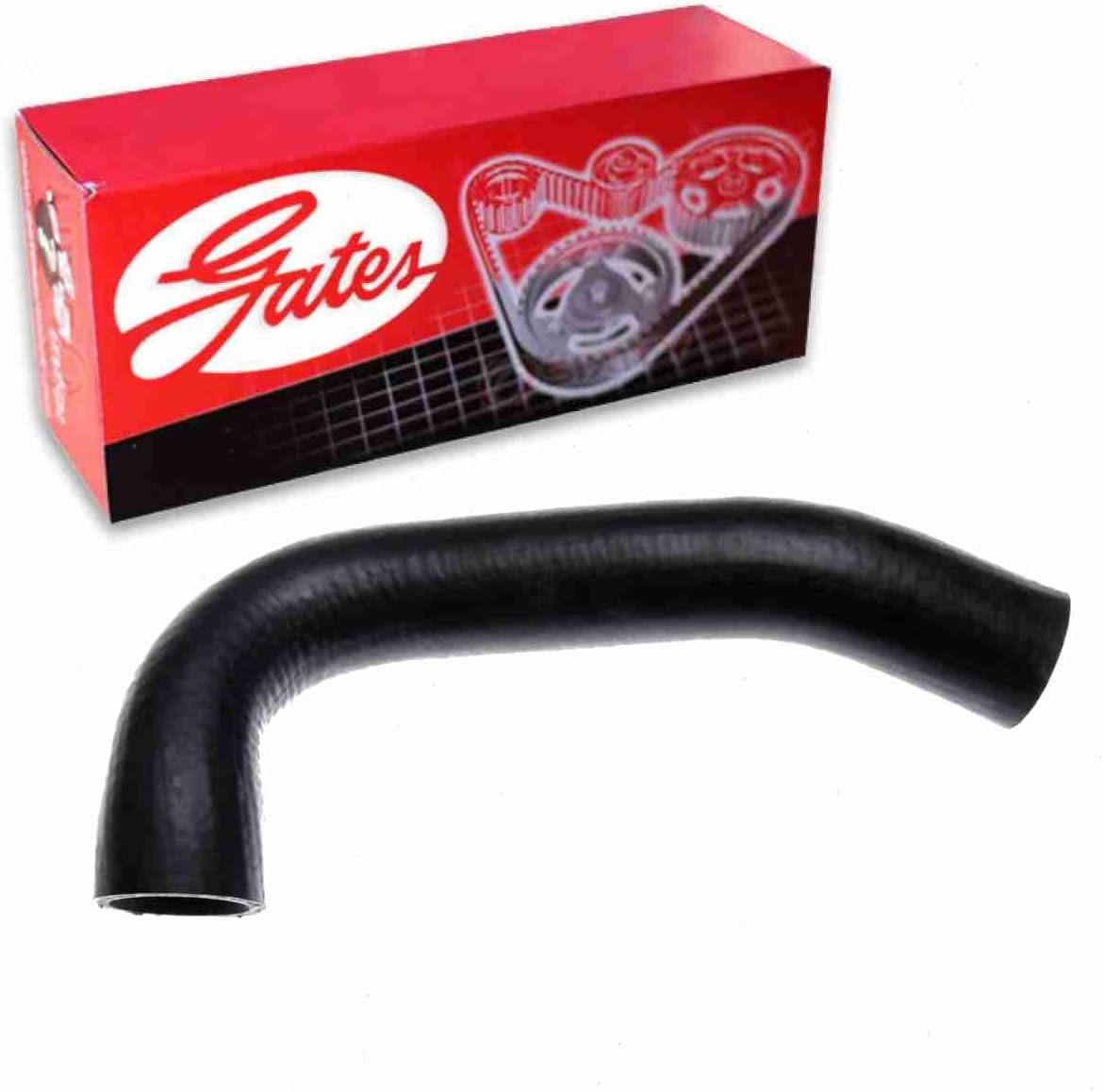
3. Gates Upper Radiator Coolant Hose for Jeep TJ 4.0L (1997–2006)
| Fitment | Jeep TJ 1997–2006 4.0L L6 (Upper) |
|---|---|
| Material | Rubber |
| Manufacturer | Sixity Auto |
| Part Number | 4038047814 |
This Gates upper radiator hose replaces the factory hose on 1997–2006 Jeep TJ 4.0L engines and is used where the upper inlet connects the radiator to the engine. It is molded rubber made to match the OEM routing so installation is straightforward and typically requires only basic hand tools and new clamps. Buyers will appreciate that the hose is a direct-fit replacement so it minimizes trimming or modification and restores proper coolant flow and pressure. The material appears durable for everyday driving and the product listing and customer feedback indicate consistent fit across model years in the specified range. Limitations to keep in mind are that this is a single replacement hose sold one at a time and it does not include clamps or additional hoses, so plan to reuse or replace hardware during installation. Also it only fits the specified TJ 4.0L upper position, so confirm engine and model year before ordering.
Best for: Buyers who want a reliable, no-fuss replacement that restores factory coolant routing on a 1997–2006 Jeep TJ 4.0L with minimal fuss and downtime.
Less Ideal for: This is not for owners replacing an entire cooling system at once or those who need a multi-hose kit or included clamps and fittings.
- Direct-fit design matched to Jeep TJ 4.0L upper routing for straightforward installation
- Molded rubber construction suited to standard coolant systems and daily driving conditions
- Consistent customer reports of correct fit and easy install across 1997–2006 TJ models
- Sold as a single hose and does not include mounting clamps or additional hardware
Verdict: A straightforward, factory-style upper radiator hose replacement that gets a 4.0L Jeep TJ back to proper cooling flow with minimal effort.
4. SUKATC 22900 Premium Molded Coolant Hose Tube

| Fitment | 1997-2006 Jeep TJ Wrangler |
|---|---|
| Material | EPDM inner and outer with synthetic fiber reinforcement |
| Included components | 1 hose |
This SUKATC 22900 molded coolant hose is a direct-fit replacement intended for 1997–2006 Jeep TJ Wranglers and installs like a standard radiator hose. Constructed with an EPDM inner tube, EPDM outer layer, and a synthetic fiber knitted reinforcement, it resists heat, ozone, and common coolant chemicals, which helps prevent swelling and premature failure. Typical use is a simple swap when a cracked, leaking, or worn OEM hose needs replacement; the molded shape matches factory routing so clamps and fittings align without modification. The construction promises durability for everyday driving and light off-road use, and the listing notes straightforward installation suitable for DIYers and mechanics. Limits to expect are that aftermarket hoses can vary in long-term longevity compared with higher-end branded replacements and the product details are minimal beyond material and fitment, so buyers wanting extended warranties or OEM-sourced parts should consider that before choosing this budget option.
Best for: Buyers looking for an affordable, direct-fit replacement hose for routine coolant system repairs on a 1997–2006 Jeep TJ Wrangler who prioritize a simple DIY install and cost savings over premium branding.
Less Ideal for: People who want extended warranty coverage, guaranteed OEM sourcing, or who need a heavy-duty hose for extreme high-temperature or heavy-duty off-road use should consider higher-end alternatives.
- Made from EPDM inner and outer layers with fiber reinforcement for heat and chemical resistance
- Molded shape designed to match factory routing for straightforward installation
- Marketed as an exact-fit replacement for 1997–2006 Jeep TJ Wrangler models
- Suitable for DIY installation and professional replacement without modification
- Limited product details and no listed warranty information
- Aftermarket longevity may vary compared with higher-end or factory-sourced hoses
Verdict: A cost-conscious, molded direct-fit coolant hose that makes an easy DIY replacement for 1997–2006 Jeep TJ Wranglers.
5. Gates Lower Radiator Coolant Hose for Jeep TJ 4.0L (1997–2006)

| Compatible vehicles | Jeep TJ 1997–2006 4.0L L6 (lower) |
|---|---|
| Material | Rubber |
| Manufacturer part number | 4038075151 |
| Package quantity | 1 |
This lower radiator hose is a direct-replacement part intended for Jeep TJ models with the 4.0L inline-six from 1997 through 2006. Made from molded rubber and sold as a single lower hose, it installs where the radiator connects to the engine to carry coolant and maintain system pressure. The product is described as a Gates-compatible item and comes in original-style shape that matches factory contours, which simplifies installation and reduces the need for modifications on stock vehicles. Review history shows consistent fit and leak-free service over months and thousands of miles in typical use. Because it is a single-piece molded hose, it offers the simplicity and reliability expected for routine cooling-system repairs, though buyers should confirm fit for left-hand drive configurations before ordering. This hose focuses on restoring stock cooling performance rather than offering upgraded materials for extreme off-road or high-heat performance, so users seeking heavy-duty aftermarket upgrades may want a reinforced or silicone option instead.
Best for: Buyers who prioritize a reliable, factory-style repair to restore cooling system integrity on a 1997–2006 Jeep TJ with a 4.0L engine and want a straightforward, stock-fit replacement.
Less Ideal for: Drivers building a high-horsepower or extreme off-road TJ who need reinforced or silicone hoses designed for higher heat and pressure handling.
- Direct replacement shape matches factory hose routing for straightforward installation
- Molded rubber construction provides a familiar balance of flexibility and durability
- Reported to fit cleanly with no leaks on multiple model years
- Sold as a single lower hose so you can replace the leaking section without extra parts
- Rubber construction is stock-grade and not reinforced for extreme high-heat or heavy-duty off-road use
Verdict: Choose this molded rubber lower radiator hose when you want a dependable, factory-style replacement to restore cooling performance on a 1997–2006 Jeep TJ 4.0L.
6. Omix-Ada 17113.14 Upper Radiator Coolant Hose (Fits 1997–2006 Jeep Wrangler TJ 4.0L)

| Fitment | 1997–2006 Jeep Wrangler TJ 4.0L |
|---|---|
| Material | reinforced rubber |
| OEM Reference | 52028264 |
| Item Length | 9.5 Inches |
| Manufacturer Part Number | 17113.14 |
This Omix-Ada upper radiator hose is a direct-fit replacement for 1997–2006 Wrangler TJ 4.0L engines and is meant to restore the cooling circuit when the original hose shows age or leaks. Constructed from reinforced rubber, it matches the factory shape and bends so installation is straightforward with standard clamps and a little trim in rare cases where length overlaps. The hose’s construction and reported fitment mean it holds pressure and resists collapse under heat cycles, helping the cooling system run reliably. Buyers should note this part is specific to the 4.0L six-cylinder routing and will not fit different engine variants, so verifying engine configuration before purchase is important. Some users reported minor fitment tweaks or variation in perceived quality, so pairing the hose with good, constant-tension clamps and inspecting for proper seating after the first heat cycle is a sensible precaution.
Best for: Buyers who want a straightforward, factory-style replacement for a 1997–2006 Wrangler TJ with the 4.0L engine and prefer parts with many user reports of correct fit and function.
Less Ideal for: Do not choose this if your Wrangler has a different engine or if you need a universal or performance-modified hose for custom cooling setups.
- Direct-fit shape for 1997–2006 Wrangler TJ 4.0L routing for simple installation
- Reinforced rubber construction designed to handle engine heat and coolant pressure
- Often requires only standard clamps and minor trimming in rare cases
- Made to meet or exceed factory replacement standards
- Fitment is limited to the 4.0L six-cylinder configuration and will not suit other engines
Verdict: A reliable, factory-style replacement for TJ owners with the 4.0L six who want a direct-fit hose backed by widespread positive user fit reports.
Choosing the Right 1997-2006 Jeep Wrangler Radiator Hose: Key Factors to Consider
Exact Fitment and Radiator Hose Size
Correct size and shape are the foundation of a successful radiator hose replacement. Hoses that do not match the factory routing can rub against brackets, kink under engine movement, or place strain on clamps, which accelerates wear and can cause a coolant hose leak. When shopping for a hose for a 1997-2006 Jeep Wrangler, confirm the exact radiator hose size fitment and the hose routing for your Wrangler generation. Even within the same year range, routing differences and accessory placements can change bend angles and overall length requirements. Ensuring the hose matches factory dimensions avoids trimming, stretching, or rerouting that could compromise reliability.
Material Composition and Heat Resistance
The material determines how well a hose withstands repeated heating cycles, hot coolant, and exposure to oil or other fluids. EPDM rubber is common for OE-style hoses because it resists ozone and heat aging, while silicone offers greater temperature tolerance and longer life in high-heat or heavy-duty applications. For a Wrangler that sees heavy idling or off-road work, choose a material rated for extended exposure to engine heat and frequent temperature swings. Materials that soften or embrittle with age often display early radiator hose symptoms such as swelling, soft spots, or cracking at bend points.
Clamps and Connection Reliability
A hose is only as secure as its connections. Radiator hose clamp quality and compatibility matter because a loose or corroded clamp commonly leads to slow coolant loss. Look for clamps that provide even compression without cutting into the hose or causing stress concentrations at the ends. Consider whether the replacement hose comes with clamps and whether those clamps match the Wrangler's neck diameters. Stainless hardware resists rust, which is beneficial for vehicles that see winter salt or mud. Proper clamp placement and torque prevent leaks while avoiding damage to the hose material.
Resistance to Abrasion and External Damage
Wranglers used off-road are exposed to rocks, branches, and debris that can abrade external surfaces. Hoses with reinforced outer layers or thicker walls hold up better where contact or rubbing is likely. Even on-road Wranglers benefit from hoses that resist chafing where brackets or nearby components create contact points. Evaluate the hose wall thickness and whether the design includes reinforcement or molded ribs at high-stress bends. Reinforced hoses are less likely to develop coolant hose leaks from external abrasion and can tolerate the movement and flex of off-road driving without failure.
Shape Retention and Kink Resistance
A hose that collapses or kinks under vacuum or engine movement will restrict coolant flow and promote overheating. Shape retention is particularly important for the lower radiator hose where routing and engine torque can change pressure dynamics during operation. Choose hoses engineered to hold their profile under load. Look for designs with internal reinforcement layers or molded cross-sections that maintain open passages across bends. This reduces the chance of intermittent radiator hose symptoms like fluctuating temperature or localized hot spots.
Ease of Installation and Maintenance
Practical installation considerations save time and reduce the risk of installation-related failures. Hoses that match factory attachment points, come with clear fitment information, and are compatible with standard clamps make replacement straightforward for DIYers. Also consider whether replacement requires coolant system draining, thermostat removal, or radiator support disassembly. Hoses that allow installation with minimal component removal reduce labor and lower the chance of introducing new problems during the swap.
Why Radiator Hose Health Matters on 1997-2006 Wrangler (TJ, LJ, and TJU Transition)
The 1997-2006 Jeep Wrangler covers models where owners often search using generation codes such as TJ, LJ, and TJU when discussing fitment and routing. A compromised radiator hose causes progressive coolant loss that first shows as subtle radiator hose symptoms and later as clear overheating or visible leaks. Preventing these failures protects your cooling system and reduces the chance of costly head gasket or engine damage.
For Wrangler owners, especially those who drive off-road or in harsh climates, hoses face additional mechanical stress and environmental exposure. Knowing the signs of a failing hose and selecting a replacement built to withstand those conditions keeps the cooling system dependable during both daily driving and trail use.
- Small leaks start as wet spots or crusted coolant near hose ends
- Soft or swollen sections indicate material degradation
- Kinks or collapsed passages reduce coolant flow, causing temperature spikes
Upper Vs Lower Radiator Hose: Different Roles and Risks
Upper radiator hoses typically carry hot coolant away from the engine and are exposed to higher temperatures, while lower hoses return cooler fluid to the water pump. Because of their positions and routing, each hose experiences unique stressors and failure modes.
When planning a replacement, inspect both hoses. Replacing only the visibly damaged hose can leave the other part as the next point of failure shortly after service. Matching material and clamp quality across both upper radiator hose and lower radiator hose gives consistent system behavior and reduces the likelihood of follow-up repairs.
- Upper hoses see higher temperature cycles and may show heat-related cracking
- Lower hoses are more susceptible to kinking and abrasion near the water pump
- Balanced replacement improves long-term reliability
Common Radiator Hose Symptoms to Watch For
Recognizing radiator hose symptoms early makes repairs easier and less expensive. Typical signs include visible coolant residue, soft or spongy hose sections, and engine temperature fluctuations during idle or load. In some cases owners notice a sweet smell from coolant or steam near the front of the vehicle.
Systematic inspection during routine maintenance helps catch these symptoms before a full failure. Check clamps for corrosion, feel hoses for firmness when cool, and look for bulging at bends or at the connection points where stress concentrates.
- Visible coolant trail or dried coolant deposits
- Soft spots or brittle cracking when flexed by hand
- Overheating during low-speed or stop-and-go operation
Installation Tips and Best Practices
Proper installation minimizes repeat problems. Always cool the engine before opening the system to avoid burns, and drain the coolant to a level that allows clean removal of the old hose. Clean the hose necks and replace clamps if they show corrosion or deformation.
When installing new hoses, align them to follow factory routing without stretching. Tighten clamps evenly and check for leaks during a controlled warm-up. After a short test drive, recheck clamps and hose seating since thermal cycles can shift connections slightly.
- Use proper clamp torque to avoid cutting the hose
- Replace both upper and lower hoses if the vehicle shows age-related wear
- Bleed air from the cooling system after installation to prevent hot spots
When to Choose Silicone Vs OE-Style Rubber Hoses
Silicone hoses provide superior heat tolerance and longer service life in high-temperature or heavy-duty use, but they can be stiffer and require precise fitment. OE-style EPDM rubber hoses more closely match factory behavior and are often easier to route into tight spaces without stressing connections.
For a 1997-2006 Jeep Wrangler that spends most of its time on-road with occasional trail use, EPDM-style replacements offer reliable performance and easier installation. Owners who run higher cooling system temperatures, heavy towing, or long-duration idling may prefer reinforced silicone for its longevity under heat stress.
- Silicone: high heat tolerance, durable, may need exact sizing
- EPDM rubber: flexible, OE-like fit, generally simpler to install
Maintaining the Cooling System After Hose Replacement
A hose replacement is a good opportunity to inspect other cooling system components. Check the radiator, thermostat operation, water pump condition, and coolant condition. Flushing old coolant and using the correct coolant type helps extend the life of new hoses.
Regular inspections after replacement help identify early wear or installation issues. Look for small weeps at clamps, feel for unusual softness, and monitor engine temperature during different driving conditions to confirm stable operation.
- Inspect clamps, radiator necks, and adjacent components during replacement
- Use manufacturer-recommended coolant specifications
- Perform a controlled test drive and recheck all connections
Still looking for the perfect fit?
Select your Jeep Wrangler configuration to see the most relevant Radiator Hoses recommendations
How We Chose the Best 1997-2006 Jeep Wrangler Radiator Hose
We selected these radiator hoses using a set of Jeep-specific, performance-oriented filters to reflect real-world use for 1997-2006 Wrangler owners. Primary evaluation criteria included exact fitment to the Wrangler 1997-2006 cooling layout, durability of hose material under heat and vibration, and resistance to common failure modes such as cracking, softening, and blistering. We also considered the quality and compatibility of connection points and clamps, ease of installation for DIYers, and whether the hose maintained shape under pressure to avoid kinking or restricted coolant flow. Secondary criteria included warranty coverage and manufacturer documentation for correct radiator hose size fitment, plus feedback about long-term performance in both on-road and off-road conditions. We excluded hoses that required extensive radiator or intake modification, universal-fit items with vague sizing, and products lacking clear fitment specs for the 1997-2006 Wrangler chassis. The final shortlist reflects a balance of durability, correct fitment, and straightforward installation for owners replacing upper and lower radiator hoses or addressing coolant hose leaks.
Our full evaluation process is outlined in our review methodology.
FAQ
How often should I replace radiator hoses on a 1997-2006 Wrangler?
Replacement intervals vary with use, but many owners inspect hoses annually and expect to replace them every 6 to 10 years depending on exposure and condition. Heavy off-road use or frequent high-heat operation may shorten that timeline.
Can I replace only the leaking hose or should I replace both upper and lower hoses?
Replacing only the visibly leaking hose can be acceptable in some cases, but replacing both upper and lower hoses at the same time reduces the likelihood of a near-term follow-up failure, especially if both hoses show age-related wear.
What are the safest clamp types to use when installing a new radiator hose?
Stainless steel worm-drive clamps are widely used because they offer even compression and resist corrosion. Oetiker-style crimp clamps provide a low-profile, uniform seal but require the proper crimping tool. Avoid over-tightening any clamp to prevent cutting into the hose.
Will switching to a silicone radiator hose reduce the chance of overheating?
Silicone hoses resist heat and age better than some rubber hoses, which can reduce the likelihood of hose-related failures that lead to overheating. However, overheating can also stem from other cooling system issues, so silicone is not a guarantee against all temperature problems.
What should I do if I find a small coolant hose leak while off-road?
If you discover a small coolant hose leak off-road, stop the vehicle safely and let the engine cool. Temporary repairs such as hose repair tape or an emergency sleeve can allow you to reach a repair location, but plan for a full replacement as soon as possible to avoid a larger failure.
How do I confirm the correct radiator hose size fitment for my Wrangler?
Confirm fitment by checking the vehicle year range and body configuration against the replacement hose specifications and measuring hose lengths and neck diameters if possible. Documentation that lists compatibility with 1997-2006 Jeep Wrangler models or explicit dimensions reduces guesswork.
Final Verdict
Prioritize correct fitment, material durability, and secure connections when choosing a radiator hose for a 1997-2006 Jeep Wrangler. Matching hose dimensions to the factory routing prevents rubbing and kinking, while selecting a material suited to your driving conditions reduces the chance of early failure. Finally, address clamps and adjacent cooling components at the same time so the system performs reliably after installation. Focus on the tradeoffs between OE-style flexibility and reinforced materials for longevity. With attention to fitment and installation best practices you can confidently replace your Wrangler's radiator hoses and maintain dependable cooling performance on- and off-road.
Explore More:
- Check out all Jeep Wrangler parts & accessories
- Explore Radiator Hoses Maintenance & Repair Guides
- Explore Cooling System
- Browse all Auto Parts
