

Note: This article contains affiliate links. If you click on these links and make a purchase, I may earn a small commission at no extra cost to you. This helps support my research and content. Read my full affiliate disclosure here.
If your Jeep Wrangler is showing signs of overheating or coolant loss, the lower radiator hose is often the culprit. Replacing that hose with a quality lower radiator hose restores proper coolant circulation between the radiator and engine, reduces the risk of leaks, and helps prevent overheating during towing or off-road use. This guide covers the top shortlisted hoses for the Wrangler, explains the practical reasons each option made the list, and outlines the main fitment and durability considerations you should weigh.Below you will find our top picks for lower radiator hoses for the Jeep Wrangler along with clear evaluation criteria and installation considerations to help you pick the right hose for your vehicle and driving habits.
Looking for other parts? See all Jeep Wrangler parts & accessories.
Top Picks at a Glance
| Best Overall The best all-around choice for most situations | ZNB Upper and Lower Radiator Coolant Hose Kit for Jeep Wrangler 2012–2018 3.6L V6 |  |
| Best Quality Built to a higher standard if you want something more solid | Mishimoto Replacement Radiator Hose Kit for 2012–2018 Jeep Wrangler JK 3.6L |  |
| Best Value The sweet spot between price and what you get | FANHAY Upper & Lower Radiator Coolant Hose Kit for Jeep Wrangler JK 3.6L V6 (2012–2018) |  |
| Best Budget The cheapest option that still gets the job done reliably | COOL STAR Lower Radiator Coolant Hose for Jeep Wrangler JK (2012–2018) |  |
| Highest Rated A top-rated pick with lots of positive feedback | Mishimoto Silicone Radiator Hose Kit for Jeep Wrangler JK (2012–2018) |  |
| Most Popular A crowd favorite that many people choose with confidence | Gates 22900 Premium Molded Coolant Hose |  |
| Best Seller A high-volume bestseller chosen again and again | Gates 21615 Premium Molded Coolant Hose |  |
1. ZNB Upper and Lower Radiator Coolant Hose Kit for Jeep Wrangler 2012–2018 3.6L V6

| Fitment | Jeep Wrangler 2012-2018 3.6L V6 |
|---|---|
| Included components | Upper and lower radiator hoses |
| Material | Rubber |
| OEM replacement | 55111395AE, 55111394AC |
This ZNB kit replaces both the upper and lower radiator hoses on 2012–2018 Jeep Wrangler 3.6L V6 models and is intended as a direct fit to the listed OEM part numbers. The hoses are molded to match factory shapes so installation is straightforward using existing clamps and routing; typical use is a full coolant hose refresh when the originals show age, leaks, or softening. Constructed from heat-resistant rubber, the hoses aim to handle high engine temperatures and pulse pressure while restoring cooling system flow. The kit includes both hoses so you get a matched pair rather than replacing one at a time. Limitations to note are the lack of integrated abrasion sleeves seen on some factory pieces and the one-year manufacturer quality coverage, so longer-term durability beyond initial impressions is less certain. For routine DIY replacement the parts save cost compared with dealer pieces and provide correct fit and function for Wrangler owners needing a practical, all-around cooling system repair.
Best for: Buyers who want a practical, budget-conscious replacement that restores proper cooling system routing and function on a 2012–2018 Jeep Wrangler 3.6L V6 without expensive dealer parts.
Less Ideal for: Those seeking long-term factory-matching cosmetic details like integrated protective sleeves or extended warranty coverage should consider higher-end or OEM-sourced options.
- Engineered to match OEM hose shapes for straightforward installation
- Made from heat-resistant rubber designed to withstand high coolant temperatures
- Kit includes both upper and lower hoses for a complete system refresh
- Direct replacement for listed OEM part numbers to avoid modifications
- Does not include the factory-style abrasion/nylon sleeve on the hose surface
- Warranty coverage is limited to one year
Verdict: A cost-effective, factory-fit replacement hose kit that returns proper cooling flow and routing for 2012–2018 Jeep Wrangler 3.6L V6 owners looking for dependable, straightforward repairs.
2. Mishimoto Replacement Radiator Hose Kit for 2012–2018 Jeep Wrangler JK 3.6L
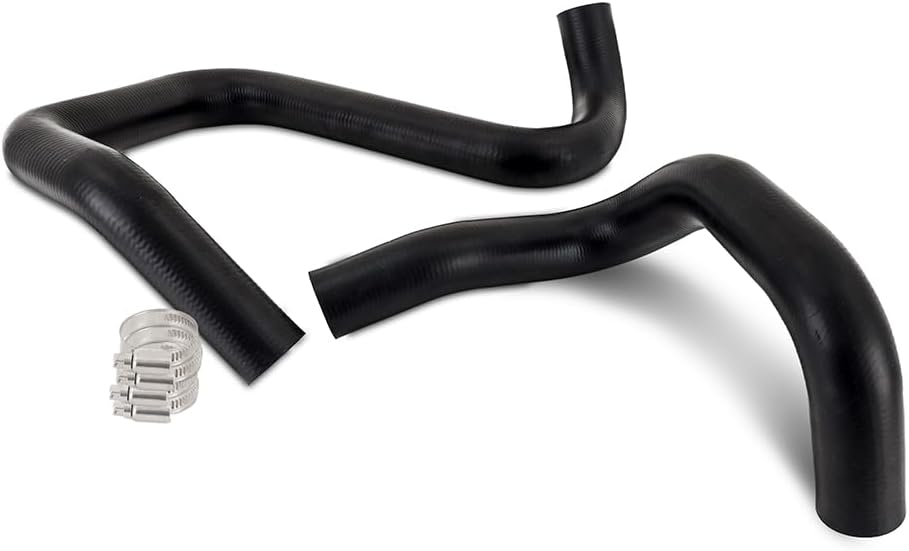
| Fitment | 2012–2018 Jeep Wrangler JK 3.6L |
|---|---|
| Material | EPDM rubber |
| Includes | Upper and lower hoses plus 4 worm-gear clamps |
| Warranty | Mishimoto Lifetime Warranty |
This Mishimoto kit replaces both the upper and lower radiator hoses on a 2012–2018 Jeep Wrangler JK 3.6L with direct-fit, factory-quality EPDM rubber parts and four worm-gear clamps. It is used as a like-for-like cooling system refresh when hoses are cracked, swollen, or simply aged; install is straightforward because the hoses match factory shapes and the included clamps eliminate a separate purchase. The EPDM construction resists heat and coolant degradation better than inexpensive aftermarket materials, and the kit is backed by Mishimoto’s lifetime warranty for long-term peace of mind. For drivers who push their Wranglers on trails or tow occasionally, the hoses offer a stronger replacement than worn originals without changing routing or requiring modifications. The main limitations are that this is a stock-style replacement rather than an upgraded silicone performance hose and fitment is strictly for the 3.6L JK application, so it does not serve other engines or Wrangler generations.
Best for: Jeep owners who want a reliable, factory-quality hose replacement that installs like the original and holds up under daily driving and light off-road use.
Less Ideal for: Drivers seeking a high-temperature silicone performance hose or custom cooling upgrades for heavy-duty or extreme track use should consider specialized aftermarket options.
- Direct-fit replacement engineered for 2012–2018 Jeep Wrangler JK 3.6L for easy installation
- OEM-quality EPDM rubber designed to resist long-term heat and coolant degradation
- Includes four worm-gear clamps so you can replace hoses without buying extra hardware
- Backed by Mishimoto lifetime warranty for long-term support
- Stock-style EPDM design is not a higher-temperature silicone upgrade for extreme-performance cooling
Verdict: A straightforward, factory-quality hose kit that gives JK 3.6L owners a durable, direct-fit replacement with everything needed for a quick coolant-system refresh.
3. FANHAY Upper & Lower Radiator Coolant Hose Kit for Jeep Wrangler JK 3.6L V6 (2012–2018)

| Fits | Jeep Wrangler JK 2012-2018 3.6L V6 |
|---|---|
| Replaces | 55111395AE, 55111394AC |
| Material Type | Rubber |
| Unit Count | 2 |
This FANHAY kit supplies both the upper and lower radiator coolant hoses intended as direct replacements for Jeep Wrangler JK 3.6L V6 models. The hoses are molded from multi-layer, heat-resistant rubber and are designed to route coolant between the engine and radiator while resisting cracking from thermal cycling and pressure spikes. Installation is straightforward for a DIYer since the kit matches the listed factory part numbers and requires only clamps and a coolant refill and bleed. In practice the hoses offer good flexibility and a clean fit, restoring cooling system integrity when original hoses are aged or leaking. The main limitation is that these aftermarket hoses have thinner walls and a slightly smaller inner diameter compared with some factory parts, which may make them feel less heavy-duty to buyers who prefer exact factory thickness. Also clamps are not included so plan to have quality hose clamps on hand during replacement.
Best for: Buyers who want an affordable, straightforward replacement to restore cooling system function and prefer a DIY install that matches factory part numbers for a Jeep Wrangler JK 3.6L V6.
Less Ideal for: Drivers seeking a beefed-up or heavy-duty performance upgrade to the cooling system or those who require parts that precisely match factory wall thickness and internal diameter.
- Includes both upper and lower hoses for a complete cooling-hose replacement
- Made from multi-layer, heat-resistant rubber to resist thermal cycling and pressure
- Direct-fit design that replaces specified factory part numbers for straightforward installation
- Moderate flexibility makes routing and connection easier for DIY installation
- Hose walls appear thinner and inner diameter slightly smaller than factory hoses
- Hose clamps are not included, requiring separate purchase
Verdict: A cost-effective, direct-fit upper and lower radiator hose kit for Jeep Wrangler JK owners who want a quick DIY replacement to restore cooling system reliability.
4. COOL STAR Lower Radiator Coolant Hose for Jeep Wrangler JK (2012–2018)

| Fitment | Jeep Wrangler JK 2012-2018 3.6L |
|---|---|
| Material Type | Rubber |
| Included Components | 1*Lower Radiator Coolant Hose |
| Fitment Type | Direct Replacement |
This COOL STAR lower radiator coolant hose is a direct-replacement part meant for Jeep Wrangler JK 3.6L engines (2012–2018). It installs where the lower radiator outlet connects to the engine and is used to route cooled antifreeze back into the cooling system. Made from rubber and sold as a single piece, the hose matches the factory routing and replaces part number 55111395AE. Practical benefits include straightforward fitment for routine repairs and a rubber compound that resists normal heat and pressure encountered in daily driving. Because it is a single replacement hose rather than a kit, you can fix a leaking lower hose without buying extra components. The limitations are typical of aftermarket rubber hoses: it will perform well for standard service but may not match the longevity or high-temperature tolerance of premium silicone performance hoses. Expect an economical option that restores cooling function quickly but plan to inspect clamps and adjoining parts when installing to ensure a durable repair.
Best for: Buyers looking for a low-cost, straightforward repair part to replace a failed lower radiator hose on a Jeep Wrangler JK and restore normal cooling without extra complexity.
Less Ideal for: Drivers who need an upgraded high-temperature or heavy-duty hose for performance or frequent towing should choose reinforced or silicone options instead.
- Direct replacement fit for Jeep Wrangler JK 3.6L (2012–2018) matching factory routing
- Made from rubber formulated to resist typical engine heat and coolant exposure
- Simple single-piece replacement lets you repair a leaking lower hose without extra parts
- Compact and lightweight for easy handling during DIY installation
- Rubber construction may not last as long or tolerate extreme heat like high-temp silicone alternatives
Verdict: A budget-friendly direct-replacement lower radiator hose that gets a Jeep Wrangler JK back to reliable cooling with minimal fuss.
5. Mishimoto Silicone Radiator Hose Kit for Jeep Wrangler JK (2012–2018)

| Compatible Vehicles | Jeep Wrangler JK 2012–2018 V6 |
|---|---|
| Material Type | Rubber, Silicone |
| Included Components | Upper and lower radiator hoses and clamps |
| Construction | Five-layer silicone with heat-resistant fibers |
This Mishimoto kit replaces the Jeep Wrangler JK upper and lower radiator hoses with multi-layer silicone assemblies intended to resist heat, pressure, and oil degradation that commonly shorten stock rubber hoses. Installation is straightforward because the hoses are built as a direct fit and the kit includes four worm-gear clamps. The five-layer silicone with embedded heat-resistant fibers and a smooth interior helps maintain coolant flow while standing up to higher under-hood temperatures and off-road duty. In practice this means fewer coolant leaks and longer service life, which is valuable if you tow, trail ride, or run an aluminum radiator. Downsides to consider are the higher cost compared with OEM rubber hoses and the need to reuse or replace any small retaining clips or zip ties from the factory installation. Some users also reported rare failures, so careful installation and periodic inspection are still recommended.
Best for: Buyers prioritizing long-term reliability and reduced maintenance who run their Wrangler on trails, tow, or have cooling upgrades and want hoses that tolerate higher heat and pressure.
Less Ideal for: Drivers who only do low-mileage, mild driving and prefer the lowest possible replacement cost should consider standard rubber hoses instead.
- Durable five-layer silicone construction with heat-resistant fibers for improved longevity
- Direct-fit design simplifies installation on 2012–2018 Wrangler JK V6 models
- Includes worm-gear clamps so you can install without sourcing hardware
- Smooth interior profile that supports consistent coolant flow and heat transfer
- Higher upfront cost than stock rubber hoses
Verdict: Choose this kit when you want longer-lasting, heat- and pressure-resistant radiator hoses for a more reliable Jeep Wrangler cooling system.
6. Gates 22900 Premium Molded Coolant Hose

| Material Type | Epdm, Synthetic Fiber |
|---|---|
| Nominal Wall Thickness | 1/8 inches |
| Meets | SAE 20R4, DIN 73411 |
| Included Components | Premium Molded Coolant Hose |
The Gates 22900 is a molded coolant hose designed as a direct replacement for radiator and related coolant runs. It comes pre-shaped to match factory routing, with EPDM construction and synthetic fiber knit reinforcement to resist heat, ozone and chemical coolants. In use it replaces upper, lower, bypass or heater hoses where a molded shape is required, saving time compared with fabricating kink-prone hose sections. Practical benefits include good collapse resistance under vacuum and engineered resistance to electrochemical degradation that commonly causes premature hose failure. Fit reports from users show it matches Jeep Wrangler applications closely, though a few installers trimmed lengths or reused internal spring inserts during installation. The hose meets SAE 20R4 and DIN 73411 requirements for class, so it aligns with common factory specifications, but buyers should plan for standard installation tasks such as swapping clamps or reusing spring inserts when needed. Overall it is a dependable, serviceable replacement for anyone who wants a factory-style molded coolant hose.
Best for: Buyers who prioritize a proven, factory-style replacement with strong customer feedback and want a durable molded hose that minimizes routing and sealing issues during radiator service.
Less Ideal for: People looking for a generic universal hose or custom-length solutions who do not want to trim or transfer small components during installation.
- Pre-shaped molded design matches factory routing to simplify replacement
- EPDM tube with synthetic fiber reinforcement resists heat, ozone and chemical coolants
- Engineered to resist electrochemical degradation for longer service life
- Meets SAE 20R4 and DIN 73411 class requirements for replacement hoses
- May require reusing or transferring internal spring inserts and new clamps for proper installation
- A small number of users trimmed length for fit on some model years
Verdict: A reliable, factory-style molded coolant hose well suited to Jeep Wrangler radiator service when you want a proven replacement with strong real-world fitment feedback.
7. Gates 21615 Premium Molded Coolant Hose
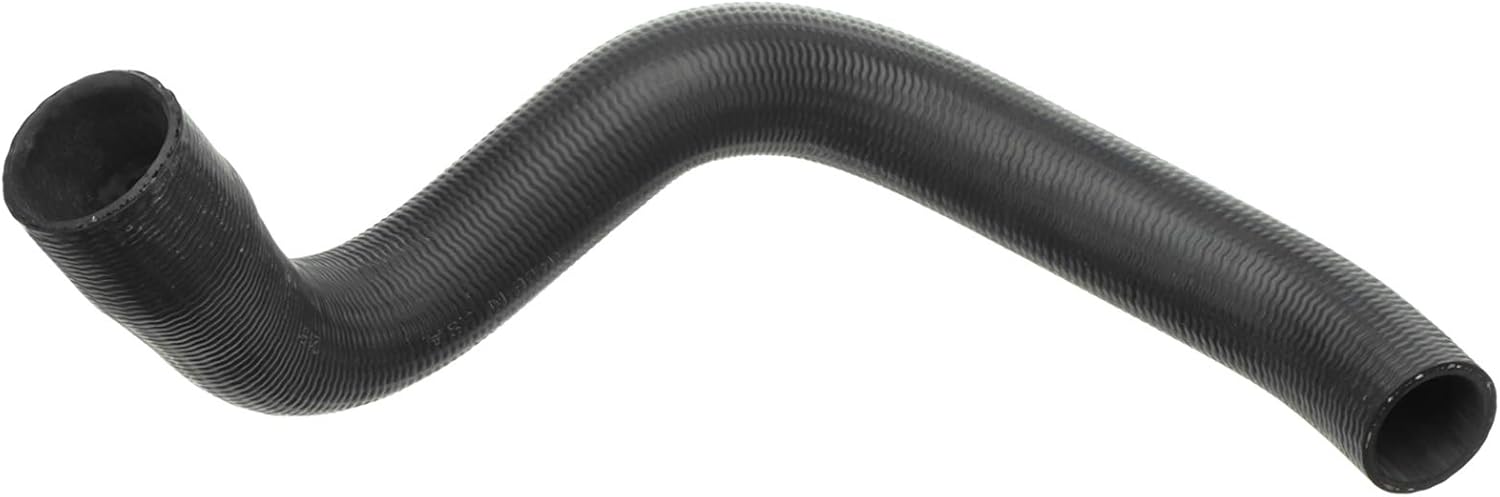
| Material Type | EPDM, Synthetic Fiber |
|---|---|
| Temperature Range | -40 F to +257 F |
| Meets Standards | SAE 20R4 class D2, DIN 73411 class A |
The Gates 21615 is a molded coolant hose designed as a direct replacement for lower radiator and related coolant paths, built to factory-quality specifications. It uses an EPDM inner tube with synthetic fiber reinforcement and an EPDM cover formulated to resist heat, ozone and chemical coolant exposure, so it holds up under normal driving temperatures from -40 to +257 F. The hose is pre-shaped to match factory bends which simplifies installation and reduces the need for trimming, and Gates says the material resists collapse without an internal spring. In practice this means fewer trips to a dealer and a straightforward swap when the original hose fails. Buyers should note the hose may require trimming or repositioning in some tight engine bays and clamps are not included, so plan to replace worn clamps with screw-type clamps for easier installation. For risk-averse owners wanting a durable, OEM-style replacement, this hose covers the basics well but does not include extra accessories.
Best for: Jeep owners seeking a reliable, factory-spec replacement who prioritize durability and a straightforward fit to minimize the chance of rework or early failure.
Less Ideal for: Do-it-yourselfers who want a complete kit with clamps and protective sleeves included or those expecting a universal one-size-fits-all part without any trimming.
- Manufactured to match factory fit and shape for easier installation
- EPDM construction with synthetic fiber reinforcement resists heat, ozone and coolant chemicals
- Pre-formed bends reduce guesswork and improve sealing at connections
- Wide operating temperature range suitable for typical climates
- Does not include hose clamps or protective sleeves which may be needed for reinstallation
- May require minor trimming or adjustments in tight engine bays to avoid contact with nearby lines
Verdict: A dependable, factory-quality molded coolant hose that minimizes uncertainty for owners who want a durable, OEM-style lower radiator replacement.
Choosing the Right Jeep Wrangler Lower Radiator Hose: Key Factors to Consider
Fitment and Hose Geometry
Accurate fitment is essential because the lower radiator hose must follow a specific path between the radiator and the engine without rubbing on nearby components. A hose with incorrect bends or overall length can kink, stress clamp joints, or contact moving parts, which accelerates wear and creates leak points.
When evaluating geometry, check inlet and outlet diameters, center-to-center length where available, and how the molded bends align with the engine bay. For the Wrangler, routing near suspension components and the steering box can be tight, so choose a hose that matches factory routing to avoid clearance problems.
Material and Reinforcement
Material choice affects the hose's resistance to heat, coolant chemistry, and physical abrasion. Modern radiator hoses typically use EPDM rubber or reinforced synthetic blends; EPDM offers strong heat and coolant resistance while reinforced designs add braided or textile layers to withstand higher pressure and reduce expansion over time.
For the Wrangler, which may see extended idling or heavy-load conditions, select hoses with proven heat-aging resistance and reinforcement that maintain shape under pressure. Reinforcement helps prevent ballooning at clamp junctions and improves clamp seal reliability over a wide temperature range.
Clamp Compatibility and Seal Design
A hose is only as good as its seal at the connection points. Consider how the hose accepts clamps and whether it has molded beadings or reinforced ends that improve clamp grip and prevent slippage. Worm-gear clamps are common, but a properly sized hose with a molded barb can allow for OEM-style constant-tension clamps.
On a Jeep Wrangler, engine movement and vibration are frequent. Hoses with proper bead design and that work with robust clamp types reduce the chance of a coolant hose leak during off-road vibration or sudden engine movement.
Durability Under Heat and Contaminants
Hoses in the lower radiator position are exposed to engine heat, road grime, and possible contact with oil or transmission fluid. Long-lasting hoses resist heat hardening, cracking, and chemical degradation. Look for hoses rated for high-temperature coolant service and those that mention resistance to common automotive fluids.
Durability matters most if you tow, drive in hot climates, or spend time off-road where rock chips and abrasion are more likely. A more durable hose reduces the frequency of radiator hose replacement and the risk of roadside failures.
Installation Ease and Accessibility
Some hoses are easier to install than others due to flexible sections, pre-formed bends that align with factory mounts, and clearly defined clamp areas. Ease of installation reduces time spent working in cramped areas under the front of the Wrangler and lowers the risk of incorrect routing.
Also consider whether the hose requires any additional components such as specialty clamps or adapters. A direct-fit hose that uses standard clamp sizes and matches factory connections is usually the simplest and most reliable choice.
Corrosion and Abrasion Resistance
The outer layer of the lower radiator hose should resist abrasion from rubbing and resist degradation from road salts and chemicals. Hoses with an abrasion-resistant outer jacket or thicker walls handle contact with brackets or frame parts better and last longer in harsh conditions.
For Wrangler owners who frequently drive on unpaved roads, prioritizing abrasion resistance and an outer finish that withstands scuffs will reduce the chance of a coolant hose leak originating from external damage.
Signs Your Lower Radiator Hose Needs Replacement
Watch for visible cracks, soft spots, or swelling at the hose ends. A hose that squeezes flat and does not spring back indicates internal deterioration and warrants replacement to prevent sudden coolant loss.
Other symptoms include coolant stains or pools under the front of the vehicle, a sweet smell from the engine area, and frequent top-ups of coolant. Overheating during stop-and-go driving or under load can also result from a partially collapsed or internally degraded lower hose.
Small leaks often start at clamp junctions, so inspect the bead areas for seepage and examine clamps for corrosion or looseness. Early detection prevents more serious issues like head gasket damage caused by overheating.
- Visual checks for cracking, blistering, or soft spots
- Pressure-related bulging near clamps or bends
- Coolant residue or dampness at hose connections
- Temperature-related performance issues such as overheating
Preparing for Lower Radiator Hose Replacement
Before starting, let the engine cool completely and relieve any residual pressure in the cooling system by slowly opening the radiator cap only after the vehicle is cool. Gather necessary tools including the correct clamps, a catch pan for coolant, and protective gloves.
Drain enough coolant to get the hose clear of the mating surfaces, or use a drain plug if fitted. Label or photograph hose routing and clamp positions so you can reinstall the new hose in the correct orientation. Take care to support the radiator or related components if removal is required for access.
- Allow engine to cool fully before working on the cooling system
- Use a drain pan and dispose of coolant according to local regulations
- Note hose routing and clamp types for accurate reassembly
Clamp Types and Proper Tightening for Durable Seals
Choose clamps that match the hose design and engine vibrations of the Wrangler. Worm-gear clamps provide broad coverage but must be tightened to manufacturer torque guidance to avoid over-compressing the hose. Constant-tension clamps can maintain grip over thermal cycles and vibration.
When tightening, ensure clamps sit squarely on the reinforced bead or barb if present. Avoid pushing clamps onto thin hose sections. After initial installation, run the engine and let it reach normal temperature, then recheck clamp tightness once the system cools.
- Match clamp style to hose bead and material
- Tighten to firm, not crushing, torque
- Recheck after a short test drive for leaks
Coolant Considerations and Hose Longevity
The type and condition of coolant affect hose life. Use the coolant type recommended for your Jeep Wrangler and replace it at the interval specified by the manufacturer. Old or contaminated coolant can accelerate hose deterioration and reduce heat transfer efficiency.
When replacing the lower radiator hose, inspect the rest of the cooling system including the upper radiator hose, thermostat housing, and clamps. Replacing multiple aging hoses at once can be cost-effective and minimize future downtime.
- Use manufacturer-recommended coolant and follow service intervals
- Consider inspecting or replacing related hoses during service
- Flush the system if coolant shows signs of contamination
When to Seek Professional Help
Complex routing, seized clamp screws, or hose connections that are hard to access may require professional tools or experience. If you encounter corroded fittings that risk damage during removal, professional service can prevent additional repairs.
Also consider professional assistance if overheating issues persist after hose replacement, as the root cause might involve the thermostat, water pump, or radiator rather than just the hose.
- Difficulty accessing clamp areas or seized hardware
- Persistent overheating after a new hose is installed
- Needing coolant system pressure testing or radiator removal
Still looking for the perfect fit?
Select your Jeep Wrangler configuration to see the most relevant Radiator Hoses recommendations
How We Chose the Best Jeep Wrangler Lower Radiator Hose
We prioritized hoses that deliver reliable fitment, long-term durability, and straightforward installation on the Jeep Wrangler. Our editorial filters focused on: correct size fitment for factory routing and inlet/outlet diameters; construction materials and reinforcement that resist heat, pressure, and abrasion common to Wrangler duty cycles; clamp compatibility and ease of securing the hose under the Wrangler's engine bay constraints; resistance to coolant and oil exposure to reduce premature softening or swelling; and physical bend accuracy to avoid kinks or steering and suspension interference.We also weighed manufacturing tolerances and consistency in molded ends and nipple locations to minimize the need for modification during installation. Exclusions included hoses lacking clear fitment data for the Wrangler or those intended as universal, multi-vehicle replacements without dedicated Wrangler routing. The resulting shortlist emphasizes fit-first choices that reduce installation time and lower the chance of leaks or early failure under typical Jeep driving and off-road conditions.
Our full evaluation process is outlined in our review methodology.
FAQ
How often should I replace the lower radiator hose on my Jeep Wrangler?
Replacement intervals vary but hoses often last several years under normal use. Inspect the hose during regular service for cracking, soft spots, or bulging and replace it if any of these signs appear. Heavy towing or off-road use may shorten hose life.
Can I replace the lower radiator hose myself?
Many owners can replace the lower radiator hose with basic tools and a drain pan, provided they follow safety steps like cooling the engine first and documenting hose routing. Choose the correct replacement hose and clamps and tighten clamps properly to avoid leaks.
What are common symptoms of a failing lower radiator hose?
Common symptoms include visible coolant leaks, a sweet odor from the engine bay, frequent coolant top-ups, and overheating particularly under load or in traffic. Soft or collapsed hose sections and bulging near clamps are also indicators.
Do I need special clamps for the Wrangler lower radiator hose?
You do not always need special clamps, but clamps should match the hose bead design and provide consistent pressure. Constant-tension clamps can be beneficial for thermal cycling and vibration, while sturdy worm-gear clamps are acceptable when properly installed.
Will replacing the lower radiator hose fix an overheating issue?
It depends. If the hose is the source of coolant loss or is restricting flow, replacing it can resolve overheating. However, persistent overheating after replacement suggests other problems like a failing thermostat, water pump, or radiator that should be inspected.
Final Verdict
Prioritize a lower radiator hose that matches the Wrangler's factory routing, uses heat-resistant reinforced material, and pairs with robust clamp hardware to maintain a leak-free seal. Balance ease of installation with long-term durability based on how you drive the vehicle. For most owners, choosing a direct-fit, well-reinforced hose will minimize downtime and reduce the chance of roadside coolant loss, letting you focus on driving with confidence.
Explore More:
- Check out all Jeep Wrangler parts & accessories
- Explore Radiator Hoses Maintenance & Repair Guides
- Explore Cooling System
- Browse all Auto Parts
