

Note: This article contains affiliate links. If you click on these links and make a purchase, I may earn a small commission at no extra cost to you. This helps support my research and content. Read my full affiliate disclosure here.
If you own a 2007-2018 Jeep Wrangler you know the cooling system is critical to off-road reliability and day-to-day driving. A failing radiator hose can cause coolant loss, overheating, and unexpected downtime. This guide focuses on the most practical radiator hose options for Wranglers built between 2007 and 2018, covering common wear points, hose materials, and fitment notes for JK and JKU generation models. We shortlisted six top-rated radiator hoses that meet real-world needs for durability and correct fitment. The evaluation emphasizes material construction, clamp compatibility, and how well each option matches factory routing and hose size fitment. Read on to find hoses that reduce the chance of coolant hose leaks and make installation straightforward.
Looking for other parts? See all Jeep Wrangler parts & accessories.
Top Picks at a Glance
| Best Overall The best all-around choice for most situations | FANHAY Upper and Lower Radiator Hose Kit for Jeep Wrangler JK (3.6L V6) |  |
| Best Quality Built to a higher standard if you want something more solid | Mishimoto Replacement Radiator Hose Kit for 2012–2018 Jeep Wrangler JK 3.6L |  |
| Best Value The sweet spot between price and what you get | IRIEQU Upper and Lower Radiator Coolant Hose for Jeep Wrangler 3.6L V6 (2012–2018) |  |
| Best Budget The cheapest option that still gets the job done reliably | COOL STAR Lower Radiator Coolant Hose for Jeep Wrangler JK (replaces 55111395AE) |  |
| Highest Rated A top-rated pick with lots of positive feedback | Mishimoto Silicone Radiator Hose Kit for Jeep Wrangler 6‑Cylinder (2007–2011) |  |
| Most Popular A crowd favorite that many people choose with confidence | Mishimoto Silicone Radiator Hose Kit for Jeep Wrangler JK (2012–2018) |  |
1. FANHAY Upper and Lower Radiator Hose Kit for Jeep Wrangler JK (3.6L V6)

| Vehicle fit | Jeep Wrangler JK 2012–2018 3.6L V6 |
|---|---|
| Replaces part numbers | 55111395AE, 55111394AC |
| Material | Rubber |
| Unit count | 2.0 Count |
This FANHAY kit supplies both the upper (inlet) and lower (outlet) radiator hoses as direct-fit replacements for Jeep Wrangler JK 3.6L V6 models. The hoses are molded from heat-resistant, multi-layer reinforced rubber intended to resist thermal cycling and pressure fluctuations, and they arrive ready to route into the factory connections. Typical use is a full cooling-hose refresh when original hoses show cracking, swelling, or leakage; the set replaces the factory part numbers listed and eliminates the need to buy hoses separately. Practical benefits include a complete matched pair for even coolant flow, claimed leak-prevention reinforcement, and moderate flexibility that simplifies a DIY swap. Important limitations are that the kit includes hoses only, so clamps and coolant for refill/bleeding are not supplied, and one verified user noted slightly thinner walls and a reduced internal diameter compared with factory parts which may affect longevity or perceived fit for some buyers.
Best for: Buyers who want a straightforward, cost-effective way to replace aging radiator hoses on a 2012–2018 Jeep Wrangler JK 3.6L V6 and prefer a ready-matched pair they can install themselves.
Less Ideal for: Drivers seeking an exact dimensional match to factory hoses or heavy-duty performance upgrades should consider higher-spec or OEM-branded replacements.
- Complete upper and lower hose pair for a single replacement job
- Heat-resistant, multi-layer reinforced rubber construction for improved durability
- Direct-fit design intended to match factory hose routing and simplify installation
- Hoses are sold without hose clamps or coolant so additional items are needed for installation
- Reported differences from factory parts include thinner walls and slightly smaller internal diameter
Verdict: A convenient two-piece direct-fit hose kit that replaces both upper and lower radiator hoses for 2012–2018 Jeep Wrangler JK 3.6L V6 owners who want a simple DIY cooling system refresh.
2. Mishimoto Replacement Radiator Hose Kit for 2012–2018 Jeep Wrangler JK 3.6L
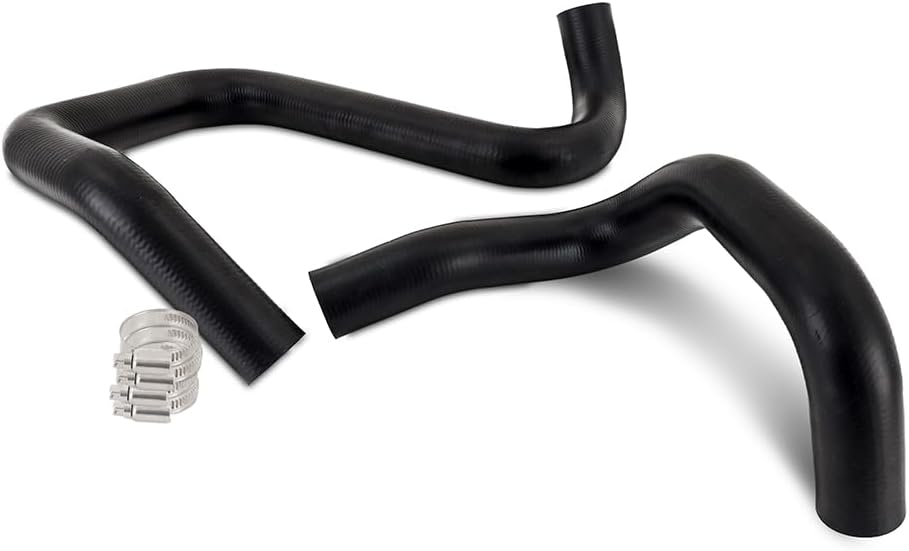
| Fitment | 2012–2018 Jeep Wrangler JK 3.6L |
|---|---|
| Material | EPDM rubber |
| Includes | Upper and lower hoses plus four worm-gear clamps |
| Warranty | Mishimoto Lifetime Warranty |
This Mishimoto radiator hose kit replaces both the upper and lower coolant hoses on 2012–2018 Jeep Wrangler JK 3.6L engines with factory-quality EPDM rubber parts and four worm-gear clamps. It is designed as a direct-fit replacement so installation is straightforward and typically done during routine cooling system service or when hoses show wear. The EPDM construction resists long-term degradation from heat and coolant, giving a more durable alternative to aging stock hoses without changing routing or fit. Including clamps simplifies the swap and helps ensure leak-free connections when installed correctly. The kit is solid for daily drivers and trail rigs alike, though it is a like-for-like replacement rather than a performance silicone upgrade, so builders seeking higher-temperature or boosted applications may prefer upgraded materials. Backed by a lifetime warranty, this kit is a practical, maintenance-focused choice to restore reliable cooling on the JK 3.6L.
Best for: Jeep owners who want a reliable, factory-quality hose kit to restore cooling system reliability with minimal fuss and a focus on durability rather than performance modifications.
Less Ideal for: If you are building a high-boost or high-heat performance Jeep and need silicone hoses with higher temperature and pressure tolerance, choose a performance-grade hose kit instead.
- Direct-fit replacement for 2012–2018 Jeep Wrangler JK 3.6L for simple installation
- OEM-quality EPDM rubber resists heat and coolant-related degradation
- Includes four worm-gear clamps to help ensure secure, leak-free connections
- Backed by Mishimoto lifetime warranty for long-term peace of mind
- EPDM construction is durable but not a high-temperature silicone upgrade for extreme performance applications
Verdict: A straightforward, factory-quality hose kit to quietly restore reliable cooling on 2012–2018 Jeep Wrangler JK 3.6L vehicles.
3. IRIEQU Upper and Lower Radiator Coolant Hose for Jeep Wrangler 3.6L V6 (2012–2018)
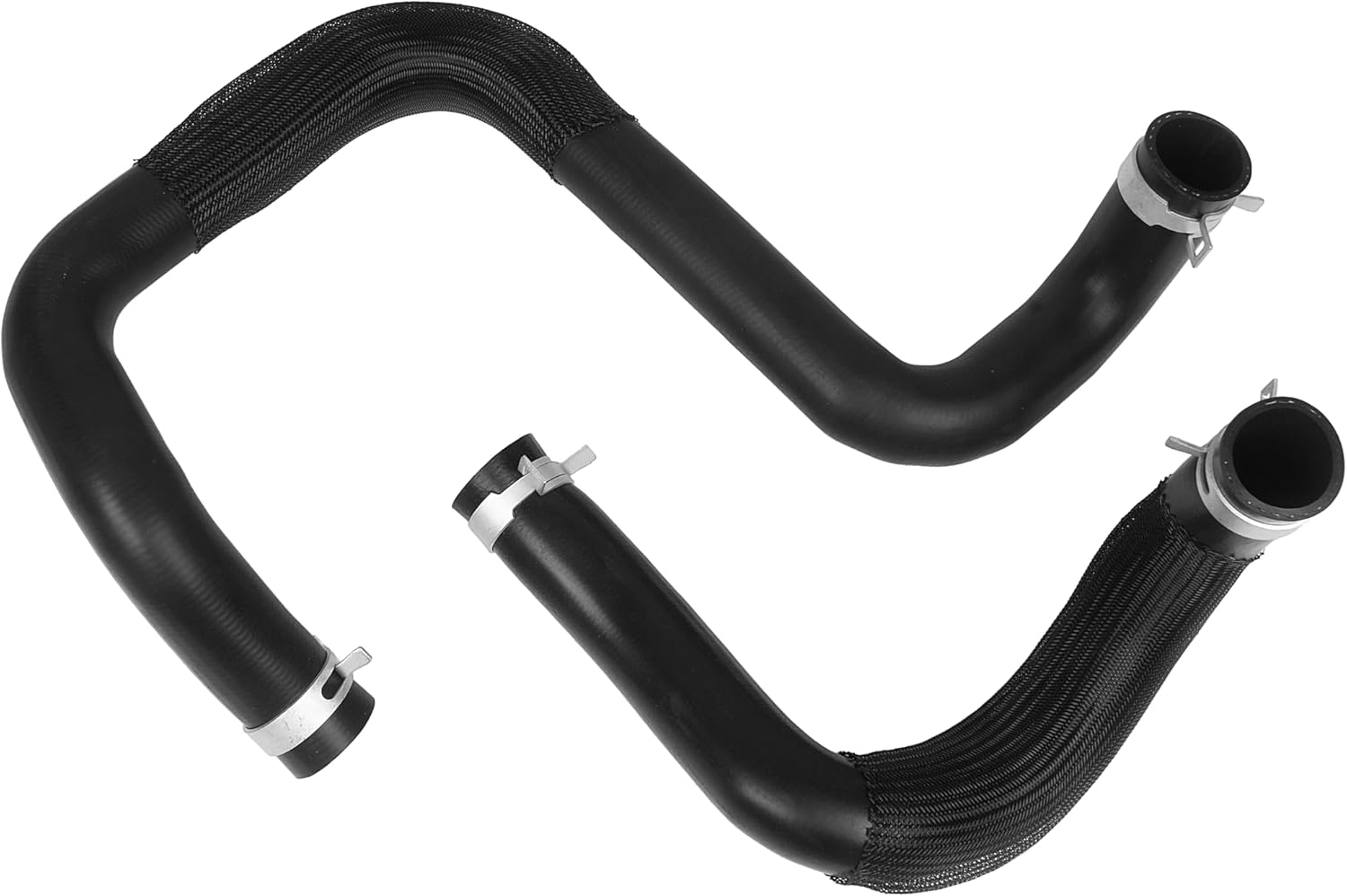
| Fitment | Jeep Wrangler 2012–2018 3.6L V6 |
|---|---|
| Included components | Radiator Coolant Hose |
| Material Type | Plastic |
| Replace part numbers | 55111395AE, 55111394AC |
These IRIEQU radiator hoses replace the upper and lower coolant lines on 3.6L Jeep Wrangler models from 2012 to 2018 and are intended as a direct factory-quality replacement for worn or leaking hoses. They arrive shaped to match the original routing so installation is straightforward with hose clamps and basic hand tools, and most users report a precise fit. The hoses are molded from plastic material and come with replacement hose clips in some packages which helps secure connections and reduce leak risk. Practical benefits include restoring proper coolant flow, eliminating weeps or soft spots, and getting the vehicle back on the road without a dealer visit. Limitations to consider are material choice and long-term durability in very hot climates compared with premium silicone hoses, and one reviewer noted that a vacuum-line clip or zip tie may not be included with the upper hose so you might need a small hardware purchase to fully match OE retainment. For routine maintenance or repair on the specified Wrangler models these hoses offer a cost-effective, ready-to-install option.
Best for: Buyers looking to replace failing radiator hoses on a 2012–2018 Jeep Wrangler 3.6L V6 with a straightforward, budget-conscious repair who value correct fit and quick installation.
Less Ideal for: If you want maximum heat resistance and longer service life in high-performance or extreme-climate use, consider upgraded silicone coolant hoses instead.
- Direct-fit replacement shaped to match factory routing for easier installation
- Includes replacement hose clips in some shipments to secure connections
- Good fit and leak-free performance reported by multiple users
- Restores coolant flow and addresses common hose failure points quickly
- Made from plastic rather than higher-temp silicone which may age faster in extreme heat
Verdict: A practical, direct-fit replacement that gets 3.6L Jeep Wranglers back to factory routing and reliable cooling without a big cost or complex install.
4. COOL STAR Lower Radiator Coolant Hose for Jeep Wrangler JK (replaces 55111395AE)

| Fitment | Jeep Wrangler JK 2012-2018 3.6L |
|---|---|
| Replaces part | 55111395AE |
| Material Type | Rubber |
| Included components | 1 lower radiator coolant hose |
This COOL STAR lower radiator coolant hose is a direct replacement for the lower radiator outlet on Jeep Wrangler JK 3.6L models from 2012 through 2018. Made from rubber and sold as a single piece, it installs where the factory lower hose connects the radiator to the engine and is intended for routine cooling system repairs. The listing notes the hose replaces factory part 55111395AE and is offered in a basic black finish. For budget-focused repairs it provides a straightforward swap-in option that restores coolant routing without the markup of branded OEM parts. Expect standard rubber durability suitable for daily driving; the product copy highlights burst testing and EPDM/rubber compounds designed to resist cracking. Limitations are that only one hose is included and the material is rubber rather than reinforced silicone, so it may not offer the extended life of higher-end performance hoses under extreme heat or prolonged heavy towing.
Best for: Buyers needing an affordable, ready-to-install lower radiator hose to restore cooling system function on a 2012–2018 Wrangler JK and who prioritize cost-effective, correct-fit repairs over premium materials.
Less Ideal for: Drivers seeking a lifetime or high-temperature performance upgrade for heavy towing, off-road use, or prolonged high-heat operation should consider reinforced or silicone hoses instead.
- Direct replacement fit listed for Jeep Wrangler JK 2012–2018, matching factory part number 55111395AE
- Made from rubber with manufacturer burst-testing claims aimed at reliable daily driving performance
- Single-piece hose simplifies replacement and installation for routine cooling system repairs
- Rubber construction is less heat- and age-resistant than reinforced silicone options
Verdict: A budget-friendly, direct-replacement lower radiator hose that restores factory coolant routing on Wrangler JK 2012–2018 without the cost of premium silicone upgrades.
5. Mishimoto Silicone Radiator Hose Kit for Jeep Wrangler 6‑Cylinder (2007–2011)

| Compatible vehicles | 2007–2011 Jeep Wrangler 6 Cylinder |
|---|---|
| Maximum temperature | 330°F |
| Material | Silicone with heat‑resistant fibers |
| Outside diameter | 1.88 Inches |
This Mishimoto silicone radiator hose kit replaces the factory rubber hoses on 2007–2011 Jeep Wrangler 6‑cylinder engines with a set of high-grade silicone hoses reinforced with heat‑resistant fibers. It is used as a full OEM-fit replacement during routine cooling system maintenance or when upgrading worn factory hoses. The silicone construction raises maximum temperature tolerance (listed to 330°F) and offers higher pressure resistance and a smooth interior for better coolant flow. Buyers get a visually upgraded engine bay with color options and a kit designed to fit directly without modification in most installations. Practical benefits include longer service life than standard rubber, reduced oil degradation, and improved reliability under higher under‑hood temperatures. Limitations to consider are that silicone hoses can be more permeable to water vapor than EPDM rubber, so checking coolant level periodically is prudent, and hose clamps may need attention during cold/heat cycles to prevent leaks.
Best for: Drivers who prioritize long‑term cooling system reliability and want a rugged, factory‑fit replacement that withstands higher heat and pressure in daily or off‑road use.
Less Ideal for: Those seeking a no‑maintenance, worry‑free swap for extreme cold climates where clamp and seal management after repeated freeze cycles is a primary concern.
- High‑grade silicone with embedded heat‑resistant fibers for improved temperature and pressure tolerance
- Direct OEM fit for 2007–2011 Jeep Wrangler 6‑cylinder, simplifying installation
- Smooth interior profile that supports efficient coolant flow
- Available in multiple colors to improve engine bay appearance
- Silicone hoses can have higher water vapor permeation than rubber, requiring more frequent coolant level checks
Verdict: Choose this kit if you want a durable, factory‑fit silicone replacement that improves heat and pressure resistance for your 2007–2011 Jeep Wrangler 6‑cylinder cooling system.
6. Mishimoto Silicone Radiator Hose Kit for Jeep Wrangler JK (2012–2018)

| Compatible vehicles | Jeep Wrangler JK 2012–2018 |
|---|---|
| Maximum temperature | 330°F |
| Material | Silicone with heat-resistant fibers |
| Includes | Upper and lower hoses plus four worm-gear clamps |
This Mishimoto kit replaces the Jeep Wrangler JK upper and lower radiator hoses with molded silicone pieces and includes worm-gear clamps for installation. It is typically used when upgrading a cooling system or replacing failed rubber hoses; silicone construction with embedded heat-resistant fibers and a multi-layer build gives higher pressure and temperature tolerance compared with stock hoses. The smooth interior helps coolant flow and supports pairing with an aftermarket aluminum radiator. Fitment is direct so installation is straightforward for a home mechanic, though reuse of certain factory clips or zip-ties may be required. The kit comes in multiple colors to dress an engine bay and is backed by Mishimoto’s lifetime warranty. Some users report excellent long-term durability, while a small number of reviews note failures under heavy use, so careful inspection after initial installation is advised. The included clamps are functional but heavier-duty clamps can be fitted if you anticipate extreme conditions.
Best for: Buyers who want a visible, long-lasting upgrade to the Wrangler JK cooling system and who prioritize improved heat and pressure resistance over stock rubber hoses while valuing community-tested products.
Less Ideal for: Drivers who keep their vehicle strictly stock for warranty reasons or who prefer original factory parts and appearance should stick with factory-style replacements.
- Direct-fit design for Jeep Wrangler JK 2012–2018 simplifies installation
- High-grade silicone with heat-resistant embedded fibers increases temperature and pressure tolerance
- Smooth internal bore promotes coolant flow and pairs well with upgraded radiators
- Includes worm-gear clamps so you have what you need for a basic install
- A few reports of premature bulging or failure under extreme use, so not immune to edge-case failures
Verdict: If you want a durable, direct-fit cooling upgrade for a 2012–2018 Wrangler JK that improves heat and pressure resistance and presents well in the engine bay, this Mishimoto silicone hose kit is a strong choice.
Choosing the Right 2007-2018 Jeep Wrangler Radiator Hose: Key Factors to Consider
Material and Reinforcement
Hose material determines how well the part resists heat, coolant chemistry, and environmental exposure. EPDM rubber is commonly used because it tolerates coolant and repeated thermal cycling without rapid deterioration. Silicone offers superior temperature resistance and flexibility but can be stiffer and may require different clamp strategies. Reinforcement layers and internal braiding reduce the chance of collapse under vacuum or bulging under pressure. For a Wrangler that sees towing or off-road duty, choose hoses with a clear reinforcement design to stand up to repeated pressure spikes and vibration along the cooling circuit.
Dimensional Accuracy and Fitment
Correct radiator hose size fitment matters more than raw toughness because even a high-quality hose that is the wrong diameter or length can leak or rub against other components. Accurate inner diameters, wall thickness, and molded bends that match factory routing save time and prevent abrasion points on the thermostat housing, radiator neck, or heater core hardlines. When assessing options for the 2007-2018 Wrangler, confirm that the hose contours align with the JK and JKU routing used on your model year. A hose that requires trimming or creative clamping adds installation complexity and increases the risk of coolant hose leak later.
Clamp Compatibility and Connector Style
Clamps and connector styles affect sealing reliability. Screw-type worm clamps are common and serviceable, while constant-tension clamps maintain pressure through thermal cycles. Some replacement hoses are molded to accept O-ring or snap-fit connectors used on factory assemblies. Consider whether the hose accepts the existing radiator hose clamp or whether new clamps are needed. Proper clamp placement and the right clamp type reduce the chance of slow leaks at the hose necks, especially where hoses join plastic housings or metal nipples.
Resistance to Oil and Contaminants
Wranglers often see off-road fluids exposure and engine bay contaminants that can accelerate hose degradation. Hoses rated for resistance to oil, fuel splashes, and road grime will last longer in underhood conditions where occasional contact with grease or leaking seals can occur. Check manufacturer data for chemical resistance and look for hoses with tougher outer compounds or protective sleeves where abrasion against chassis components is possible.
Temperature and Pressure Ratings
Cooling systems operate under elevated temperature and intermittent pressure. Ensure the hose is rated for temperatures above normal operating range and can handle pressure spikes from radiator caps or rapid thermal changes. Hoses with broader temperature ranges reduce the chance of hardening in cold weather or softening under heat. Pressure ratings and burst strength are useful indicators of long-term reliability, particularly for Wranglers used with aftermarket radiators, towing, or heavy-duty driving where cooling system stress is higher.
Installation and Maintenance Practicality
Consider how easy the hose is to install and service. Pre-formed hoses that match factory routing eliminate the need to modify heater lines or support brackets. Hoses that accept standard clamps and reuse existing fittings reduce parts count during a service. Also think about maintenance: hoses with smooth internal bores resist buildup, and hose designs that make clamp access easier save time during routine inspections or coolant changes.
Generation Notes: JK and JKU Compatibility
The 2007-2018 Wrangler span covers multiple chassis iterations, commonly referenced by owners as JK and JKU. For most years in this range the JK and JKU chassis geometry dictates radiator hose routing and connector locations. If your vehicle is an early JK and JKU, confirm whether engineering updates changed hose neck locations or thermostat housing interfaces before ordering.
- Confirm your Wrangler chassis code (JK and JKU) when checking fitment guides
- Match hose contours to the radiator and thermostat housing on your specific model year
Upper Vs Lower Radiator Hose Differences
Upper and lower radiator hoses serve different roles and face different stresses. The upper hose typically routes coolant from the engine to the radiator top and sees higher temperatures, while the lower hose returns cooler fluid and often experiences more exposure to road debris and abrasion.
Selecting the right upper radiator hose or lower radiator hose means paying attention to bend profiles and the way the hose interacts with nearby components. The lower hose may need additional shielding or a thicker outer compound if it passes close to suspension or steering hardware.
- Upper hose: higher heat exposure, requires good heat resistance
- Lower hose: more abrasion risk, often needs thicker outer layer
Diagnosing Radiator Hose Symptoms
Early detection of radiator hose symptoms prevents breakdowns. Look for soft spots, bulging, oil contamination, blistering, or small cracks near the clamp areas. Coolant hose leak signs include low coolant level, sweet smell, visible puddles, or dampness around hose connections.
If you see swelling or a softening hose wall, that typically indicates internal degradation and a higher chance of sudden failure. Address symptoms promptly and choose a replacement hose rated for the expected thermal and mechanical stresses.
- Visual inspection for cracks, bulges, and contaminant exposure
- Monitor coolant level and check for wetness at hose junctions
Proper Clamp Selection and Placement
Clamps are a critical component of a leak-free installation but often get overlooked. Use clamps sized correctly for the hose diameter and designed to maintain even pressure around the neck. Constant-tension clamps help keep a firm seal through thermal expansion and contraction, which is especially useful with stiffer silicone hoses.
Place clamps where the hose material overlaps the fitting shoulder, not on the very edge of the hose end. Tighten progressively and avoid over-torquing, which can cut into the hose or deform the connector and lead to a coolant hose leak.
- Consider constant-tension clamps for thermal cycling
- Position clamps on the fitting shoulder and tighten evenly
When to Replace OEM Radiator Hose Vs Upgrade
OEM radiator hose replacements that match factory material and shape are often the fastest way to restore factory performance. However, if you run your Wrangler in demanding conditions—frequent towing, heavy off-road use, or higher engine output—upgraded materials like thicker EPDM or reinforced silicone can extend service life.
Decide based on exposure and expected service intervals. If you prioritize original routing and simple swaps, OEM-style parts minimize fitment surprises. For extended durability under stress, choose hoses with documented reinforcement and higher temperature ratings.
- OEM-style: best for direct-fit replacements and stock performance
- Upgraded materials: better for heavy-duty or high-temperature applications
Still looking for the perfect fit?
Select your Jeep Wrangler configuration to see the most relevant Radiator Hoses recommendations
How We Chose the Best 2007-2018 Jeep Wrangler Radiator Hose
Our selection process prioritized parts that address the realities Wrangler owners face on and off the road. We focused on hoses built to withstand heat cycles, vibration, and exposure to oil and road contaminants common in Jeep service environments. Key evaluation criteria included material composition, reinforcement design, dimensional accuracy, and clamp compatibility. We required consistent fitment to the 2007-2018 Wrangler hose paths and connector geometries to minimize trimming and modification during installation. Durability filters emphasized rated temperature and pressure performance and resistance to swelling or softening when exposed to coolant over time. Ease of installation and availability of replacement clamps or OEM-style fittings were also considered. Excluded items included generic universal hoses that require extensive modification, hoses with unclear material specifications, and options without documented fitment for this Wrangler generation range. The final list reflects parts that balance longevity, correct radiator hose size fitment, and practical installation considerations for JK and JKU chassis codes.
Our full evaluation process is outlined in our review methodology.
FAQ
How often should I inspect radiator hoses on a 2007-2018 Wrangler?
Inspect hoses at every oil change or at least twice a year. Look for bulges, cracks, soft spots, and signs of oil contamination. Early detection prevents most sudden coolant losses.
Can I reuse the old clamps when replacing a radiator hose?
You can reuse clamps if they are in good condition and maintain firm, even pressure. Consider replacing older worm clamps with constant-tension clamps for better long-term sealing, especially on upgraded hoses.
What are common radiator hose symptoms that mean replacement is needed?
Common symptoms include visible swelling, soft or spongy sections, surface cracking, coolant smell, or active leaks at hose junctions. Any of these signs usually warrants immediate replacement.
Is silicone better than EPDM for Wrangler radiator hoses?
Silicone offers superior temperature resistance and longevity in high-heat conditions but can be stiffer and require different clamps. EPDM is durable, flexible, and generally adequate for typical use; choose silicone mainly for high-performance or heavy-duty applications.
Will a radiator hose leak cause the engine to overheat immediately?
Not always immediately. Small leaks may cause gradual coolant loss and intermittent overheating. Larger leaks or a complete failure usually lead to rapid overheating, so fix leaks promptly.
How do I determine the correct radiator hose size fitment for my model year?
Check the hose contours against the radiator neck and thermostat housing and confirm inner diameters and wall profile from fitment guides. For the 2007-2018 Wrangler, cross-checking the JK and JKU routing and connector types ensures correct fitment.
Final Verdict
For the 2007-2018 Jeep Wrangler, prioritize hoses that combine accurate fitment with materials and reinforcement suited to your driving conditions. If you mostly drive on-road, OEM-style EPDM replacements that match factory contours provide reliable service and straightforward installation. If you subject the vehicle to heavy towing, frequent off-road use, or higher engine temperatures, consider reinforced or higher-temperature-rated hoses for longer life. Balance clamp choice, correct radiator hose size fitment, and material resistance when making a decision. Focus on stopping coolant hose leak risks and ensuring a proper seal at connections to keep your Wrangler running cool and dependable.
Explore More:
- Check out all Jeep Wrangler parts & accessories
- Explore Radiator Hoses Maintenance & Repair Guides
- Explore Cooling System
- Browse all Auto Parts
