

Note: This article contains affiliate links. If you click on these links and make a purchase, I may earn a small commission at no extra cost to you. This helps support my research and content. Read my full affiliate disclosure here.
Choosing the right tires for your Ford F-150 XLT affects safety, towing performance, fuel economy, and ride comfort. The wrong tire can reduce braking grip, increase tread wear, and compromise load capacity when hauling or towing.This guide shortlists seven top-rated Ford F-150 XLT tires that suit common owner needs from daily driving to towing and light off-road use. We evaluated candidates for traction in wet and dry conditions, durability under load, ride quality, and compatibility with standard F-150 XLT wheel sizes. Read on to see which tire types match your driving habits and the factors we used to pick these options.
Looking for other parts? See all Ford F-150 parts & accessories.
Top Picks at a Glance
| Best Overall The best all-around choice for most situations | BFGoodrich All-Terrain T/A KO3 LT265/75R16 (Load Range E) |  |
| Best Quality Built to a higher standard if you want something more solid | MICHELIN LTX A/T2 LT275/65R20 126/123R All-Terrain Tire (single) |  |
| Best Value The sweet spot between price and what you get | Firestone Transforce HT3 All-Season Light Truck Tire LT245/75R16 |  |
| Best Budget The cheapest option that still gets the job done reliably | Zeetex AT1000 Performance Tire 235/75R15 |  |
| Highest Rated A top-rated pick with lots of positive feedback | Finalist Terreno A/T 255/70R16 All-Terrain Tire (Single) |  |
| Most Popular A crowd favorite that many people choose with confidence | Lexani Terrain Beast AT LT245/75R16 All-Terrain Tire |  |
| Best Seller A high-volume bestseller chosen again and again | Lexani LXUHP-207 245/45ZR18 All-Season Performance Tire |  |
BFGoodrich All-Terrain T/A KO3 LT265/75R16 (Load Range E)

| Size | LT265/75R16/E 123/120S |
|---|---|
| Rim Size | 16 Inches |
| Load Index | 123 |
| Load Capacity | 3415 Pounds |
| Seasons | Year Round |
The KO3 is built as an all-terrain replacement for light trucks and is aimed at drivers who split time between pavement and rougher surfaces. It uses an updated tread pattern and a tougher compound to resist cuts and stone drilling, while CoreGard sidewall technology and Advanced Deflection Design add measurable sidewall protection when you encounter rocks or debris. On pavement the tire rides confidently with a stable feel and generally low noise for its aggressive pattern, and reviewers report long tread life when properly rotated. The serrated shoulders and mud-phobic bars boost mud and snow grip compared with older KO2 designs, so it helps in mixed weather and light off-road conditions. Trade-offs are typical for an aggressive all-terrain tire: it is heavier and slightly noisier than highway tires, and carrying big loads regularly may require attention to inflation and regular rotation to maximize life. Overall it is a durable, do-it-all tire suited to trucks that need capable off-road performance without sacrificing reasonable on-road manners.
Best for: Drivers who want a balanced, durable all-terrain tire for a daily-driven truck and occasional off-road use, prioritizing long life and reliable traction in mixed conditions.
Less Ideal for: Drivers who spend almost all miles on highway pavement or prioritize the lowest rolling resistance and quietest ride should consider a highway-terrain tire instead.
- Tough sidewall design (CoreGard) resists cuts and punctures off-road
- Updated tread compound and pattern for improved durability on gravel and mixed surfaces
- Good mud and snow traction from serrated shoulders and mud-phobic bars
- Stable on-road handling and generally low noise for an aggressive A/T tire
- Backed by a 50,000-mile manufacturer treadwear limited warranty
- Heavier and marginally noisier than highway-focused tires
- Load Range E construction can be overkill for drivers who never tow or carry heavy loads
Verdict: Choose the KO3 if you need a rugged, long-lasting all-terrain tire that gives your F-150 dependable off-road capability while still behaving well on pavement.
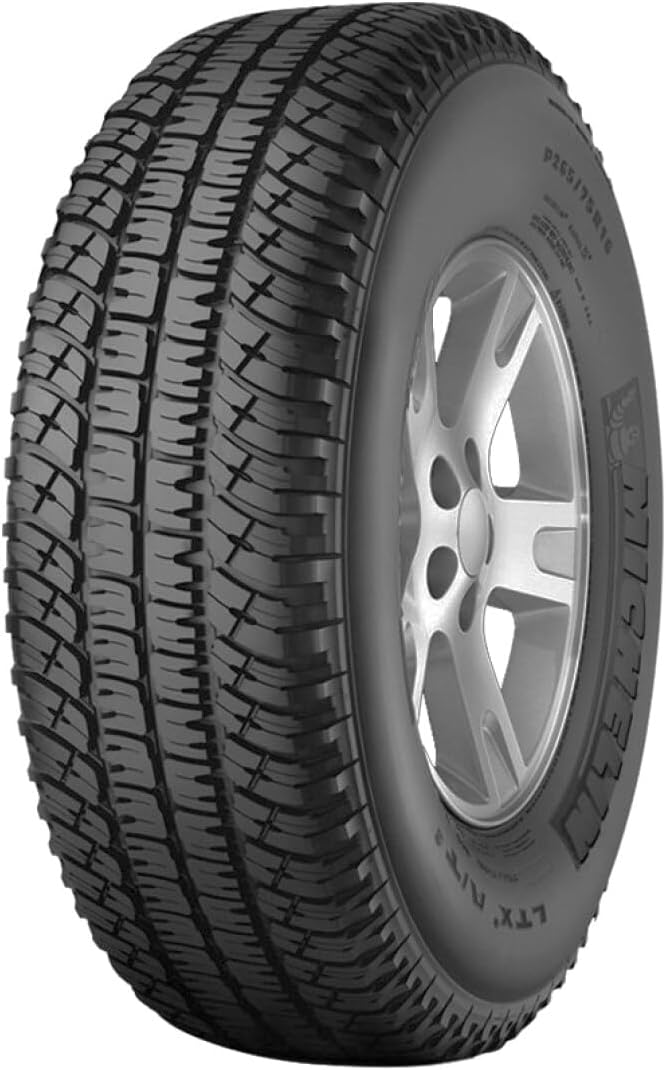
MICHELIN LTX A/T2 LT275/65R20 126/123R All-Terrain Tire (single)
| Rim Size | 20 Inches |
|---|---|
| Load Index | 126 |
| Speed Rating | R |
| Load Capacity | 3750 Pounds |
| Seasons | Year Round |
The Michelin LTX A/T2 is built for light trucks that need a balanced mix of on-road comfort and off-road toughness. Designed as a year-round all-terrain radial, it uses a symmetrical tread and deeper 14/32nds depth to resist gravel and rough-road wear while still delivering a quiet, comfortable ride on pavement. The heavy-duty 10-ply construction and E load range give a high load capacity and make this tire suitable for towing or hauling. Michelin backs the tire with a 60,000-mile treadwear warranty and roadside assistance, which reflects an emphasis on longevity. On the downside, the aggressive durability and load rating come at the cost of extra mass, which can slightly reduce fuel economy and steering sharpness compared with lighter, highway-focused tires. Overall it performs best where puncture resistance, long tread life, and stable towing behavior matter more than outright low rolling resistance or maximum cornering grip.
Best for: Drivers who prioritize durability, heavy-load capability, and consistent performance when towing or carrying gear and who want an all-terrain tire that still rides comfortably on highways.
Less Ideal for: Drivers who mainly seek the lowest rolling resistance, maximum fuel savings, or the highest on-road cornering performance should consider a highway or performance touring tire instead.
- 10-ply construction provides strong durability for heavy loads and off-road use
- 60,000-mile treadwear warranty and roadside assistance indicate long expected life and support
- Symmetrical tread with deep tread depth balances off-road traction and on-road comfort
- Heavier construction can modestly reduce fuel economy and steering responsiveness
Verdict: Choose the LTX A/T2 when you need a durable, long-lasting all-terrain tire that handles towing and rough roads without sacrificing highway comfort.
Firestone Transforce HT3 All-Season Light Truck Tire LT245/75R16

| Rim Size | 16 Inches |
|---|---|
| Load Index | 120 |
| Speed Rating | R |
| Load Range | E |
| Seasons | Year Round |
The Firestone Transforce HT3 is a light truck, all-season tire built for drivers who use their F-150 for a mix of daily driving and work-haul duties. Its wear-resistant tread compound and 10-ply construction aim to resist irregular wear when the truck is loaded, while the symmetrical tread and deep 14/32nds tread depth help maintain traction in wet conditions. The reinforced sidewall adds protection against curb damage and sidewall cuts when carrying heavy loads. In real-world use this tire feels stable on pavement and is tuned more for longevity and load carrying than for sporty handling or off-road grip. Expect a quieter, comfortable ride compared with more aggressive LT tires, but be aware some users report faster-than-expected wear in intensive use cases. If you frequently tow, haul, or want a durable factory-quality replacement that balances wet traction and robustness, the Transforce HT3 is a practical choice; drivers seeking maximum mileage or specialty off-road performance may prefer a different tread type.
Best for: Buyers who prioritize a practical, factory-quality tire that balances day-to-day comfort with reliable load-carrying ability on a working F-150.
Less Ideal for: Drivers who spend significant time off-road, need maximum on-highway fuel economy, or want the highest possible treadlife ratings for long highway mileage.
- Durable, reinforced 10-ply construction suited to heavy loads and towing
- Wear-resistant tread compound designed to resist irregular wear under load
- Symmetrical tread and 14/32nds depth provide confident wet traction
- Sturdy sidewall offers added protection against curb and job-site damage
- Not optimized for aggressive off-road traction or sporty handling
- Some users report accelerated wear under intensive use
Verdict: A durable, all-season light truck tire focused on load-carrying reliability and wet traction, ideal for practical F-150 owners who use their truck for both work and everyday driving.
Zeetex AT1000 Performance Tire 235/75R15

| Size | 235/75R15 |
|---|---|
| Tread Depth | 12 32nds |
| Load Capacity | 2900 Pounds |
| Construction Type | Radial |
| Tread Type | Symmetrical |
The Zeetex AT1000 is a budget-oriented all-terrain radial designed to replace worn tires on light trucks that use 235/75R15 wheels. It delivers a deeper, aggressive tread pattern with 12/32nds depth and a load capacity suitable for heavier loads, which shows in customer reports of good mud, snow, and wet traction. Typical use is daily driving and occasional off-road or work duties where value matters more than brand prestige. Practical benefits include a quieter ride than expected for an aggressive tread, solid wet-weather grip, and decent durability for infrequent drivers or projects. Limitations are that this is an economy brand tire so long-term treadwear, high-speed refinement, and uniformity may not match premium factory-quality tires, and the load range L may be less common than higher-rated truck tires. For an F-150 XLT that needs affordable, capable replacements in 235/75R15, the AT1000 is a pragmatic choice when cost and basic all-weather performance are priorities.
Best for: Buyers looking to replace worn F-150 XLT tires on a tight budget who prioritize good all-weather and occasional off-road performance over premium-brand refinement.
Less Ideal for: Drivers who log high annual mileage, need top-tier highway comfort, or require heavy-duty load ratings should consider longer-wearing, higher-load truck tires instead.
- Deep 12/32nds tread offers improved off-road and snow traction
- Reportedly quiet for an aggressive all-terrain tread
- Suitable load capacity for light truck use
- Aggressive appearance that suits older trucks
- Economy brand means potential variability in long-term treadwear and uniformity
- Load range L is lower than heavier-duty truck tires
Verdict: If you need an inexpensive, capable all-terrain replacement for a Ford F-150 XLT in 235/75R15, the Zeetex AT1000 delivers strong value and all-weather grip.
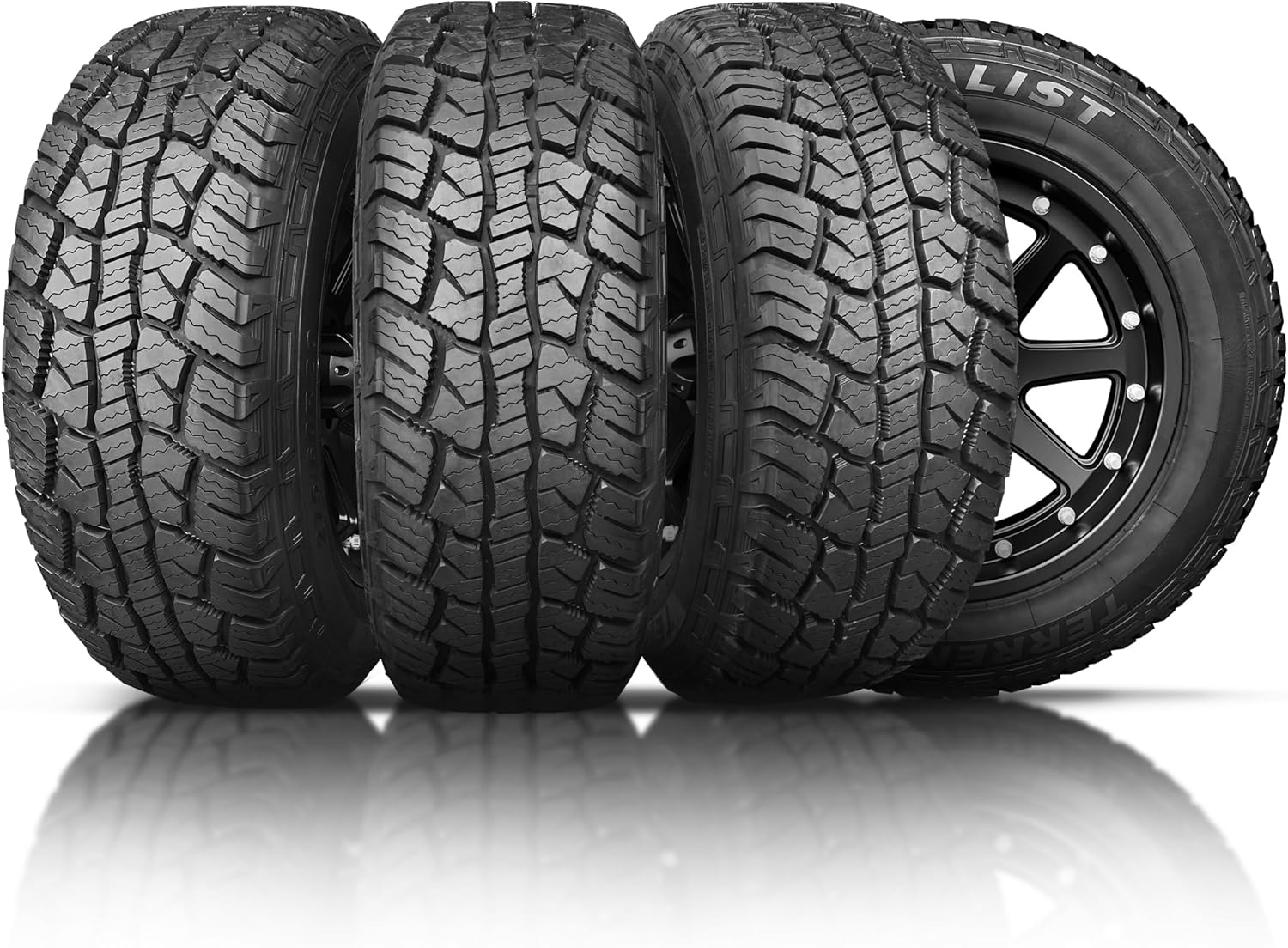
Finalist Terreno A/T 255/70R16 All-Terrain Tire (Single)
| Size | 255/70R16 |
|---|---|
| Load Capacity | 2403 Pounds |
| Tread Depth | 12.6 32nds |
| Max Pressure | 51 PSI |
| UTQG | 520/A/B |
The Finalist Terreno A/T is an all-terrain radial tire aimed at SUVs and light trucks that balances durability, road comfort, and traction for mixed driving. It uses a wear-resistant compound and deep tread with step-down blocks plus 3D siping to improve wet and dry grip while offering increased puncture resistance for rough roads. Typical use is daily driving on pavement with occasional dirt, gravel, or snowy stretches where the extra tread depth helps bite into loose surfaces. Buyers get a 50,000 mile limited treadwear warranty and a 3-year road-hazard policy, which helps protect against damage from common hazards. In practice the tire runs reasonably quiet for an A/T, mounts and balances without fuss, and many users note a smooth ride and solid handling. Expect some added road noise compared with highway tires and that aggressive tread will be slightly less refined at high-speed highway cruising. Overall this is a dependable, budget-friendly choice when reliability and tread life are priorities for a mixed-use F-150 XLT setup.
Best for: Buyers who prioritize dependable tread life and damage protection for everyday driving with occasional off-road or winter use and want a tire that behaves predictably across varied surfaces.
Less Ideal for: Drivers who mostly do long highway miles seeking the quietest, most fuel-efficient highway tire or those who need extreme off-road mud-terrain performance.
- Durable, wear-resistant compound improves puncture resistance on rough roads
- Deep tread with step-down blocks and 3D siping for improved traction in wet, dry, and light snow
- 50,000 mile limited treadwear warranty plus 3-year road-hazard coverage
- Generally quiet and smooth ride for an all-terrain tire and easy to balance
- Slightly louder and less refined on long high-speed highway runs compared with highway-focused tires
Verdict: Choose the Finalist Terreno A/T for durable, long-lasting all-terrain performance and built-in road-hazard protection when reliability and tread life matter most.
Lexani Terrain Beast AT LT245/75R16 All-Terrain Tire

| Rim Size | 16 Inches |
|---|---|
| Load Index | 120 |
| Speed Rating | S |
| Load Range | E |
| Ply | 10-Ply |
The Lexani Terrain Beast AT LT245/75R16 is an all-terrain radial intended for light trucks and SUVs that balances aggressive off-road traction with a quieter on-road manners. Its deep grooves, full-depth sipes, and asymmetrical tread pattern channel water and slush while improving grip on wet and soft surfaces, making it suitable for mixed highway and light off-road use. A 10-ply construction and E load range yield high load capacity for hauling or towing, and users report it stays quiet at normal highway speeds when properly balanced. Expect solid traction in rain and light snow and long tread life when monitored for wear. Limitations include a summer/all-weather compound rather than a dedicated winter rubber, so extreme cold or deep snow performance will lag compared with winter tires, and a few buyers noted wandering or mild vibrations when not balanced or inflated to recommended pressures. Overall this is a value-focused option for drivers who need rugged capability and load capacity without premium-brand pricing.
Best for: Buyers who prioritize proven user feedback and want a heavy-duty, value-oriented all-terrain tire for daily driving, occasional off-road use, and regular hauling or towing.
Less Ideal for: Drivers who need peak winter performance in deep snow or sustained subfreezing temperatures should choose a dedicated winter tire instead.
- Deep grooves and full-depth sipes improve wet and light snow traction.
- 10-ply construction and E load range provide high load capacity for hauling and towing.
- Asymmetrical tread and center rib help reduce uneven wear and improve stability.
- Many users report quiet, comfortable highway ride when properly balanced.
- Designed for light trucks and SUVs with a focus on tread longevity and durability.
- Compound labeled as summer/all-weather rather than a dedicated winter tire, limiting cold-weather grip.
- Some reports of wandering or vibration when not balanced or when pressures are not optimized.
Verdict: A budget-conscious, heavy-load all-terrain tire that delivers strong wet traction and hauling capacity backed by real-user performance reports.
Lexani LXUHP-207 245/45ZR18 All-Season Performance Tire

| Size | 245/45ZR18 |
|---|---|
| Construction | Radial |
| Tread Type | Directional |
| Load Capacity | 1764 Pounds |
| UTQG | Treadwear 500, Traction A, Temperature A |
The Lexani LXUHP-207 is a budget-minded ultra-high-performance tire built for passenger cars that need sharper handling and improved wet traction. Its V-shaped directional tread and four longitudinal grooves help evacuate water and reduce hydroplaning, while a solid center rib improves steering response and stability at speed. Lexani backs the design with a 50,000 mile limited tread-life claim and a UTQG of 500/AA, indicating a focus on longevity and wet/dry traction for its class. Real-world feedback shows the tire is quiet on pavement and provides confident grip in rain, though some owners report uneven longevity under heavy use. As a performance-oriented radial, it will suit drivers who want sharper turn-in and a composed ride without the premium brand price. Expect good wet performance and a comfortable highway ride, but be aware that wear and durability can vary with driving style and maintenance, and a few users have reported premature failures in demanding conditions.
Best for: Buyers who prioritize predictable wet-weather grip and a quieter, more confident highway driving experience while keeping costs down and who maintain regular tire care and rotations.
Less Ideal for: Drivers who need a heavy-duty truck tire designed for high load capacity, off-road use, or winter/snow performance should choose a tire matched to those specific demands instead.
- Directional V-shaped tread and longitudinal grooves that improve wet traction and reduce hydroplaning risk
- Solid center rib for sharper steering response and stable high-speed handling
- 50,000 mile limited tread-life backing and a UTQG 500 treadwear rating suggesting competitive longevity for a UHP tire
- Computer-optimized design that reduces road noise for a quieter, more comfortable ride
- Reported variability in lifespan with some users experiencing premature belt or tread failure
Verdict: Choose the Lexani LXUHP-207 if you want a budget-friendly performance tire that delivers strong wet traction, quiet highway manners, and responsive handling.
Choosing the Right Ford F-150 XLT Tires: Key Factors to Consider
Load Rating and Ply Construction
Load rating determines how much weight each tire can safely carry and is essential for owners who tow trailers or haul payloads. Tires with higher load ratings often use stronger sidewall construction and additional plies to resist deformation under heavy loads. Choosing a tire with an inadequate load rating can lead to faster wear, overheating, and reduced stability when the truck is loaded.
Check the tire placard on your Ford F-150 XLT or the owner manual for the recommended load range and choose tires that meet or exceed that rating. If you frequently tow or carry heavy loads, prioritize LT-rated or higher load-rated tires designed for light-truck service to maintain safe handling and braking distances.
Traction in Wet, Dry, and Winter Conditions
Traction affects braking distance and cornering stability on wet, dry, and icy roads. For the F-150 XLT, which may be used year-round and in varied climates, selecting a tire compound and tread pattern that balances wet grip with dry-road stability is crucial. All-season designs offer a compromise for moderate climates while winter-specific tires provide superior grip on snow and ice.
Consider the types of roads you drive most often and whether you need a dedicated winter tire. Look for reliable wet-braking performance and effective water evacuation channels in the tread to resist hydroplaning during heavy rain.
Tread Life and Warranty Coverage
Longer tread life reduces the frequency and cost of tire replacement. Treadwear ratings, manufacturer mileage warranties, and real-world durability reports indicate how a tire will perform over time on a Ford F-150 XLT. Tires used for towing or frequent highway driving will wear differently than those used mainly for local commutes.
Also examine warranty terms for road hazard coverage and prorated mileage assurances. Keep in mind that driving style, vehicle alignment, and load will influence actual lifespan, so view warranty figures as a guideline rather than a guaranteed outcome.
Ride Comfort and Road Noise
Cab comfort matters for daily drivers and long-distance haulers alike. Tire construction, tread pattern, and compound influence ride harshness and the amount of road noise transmitted into the cabin. Some truck-oriented tires prioritize durability and load capacity at the expense of a firmer ride, while others aim for a quieter, more compliant feel suited to commuting.
If you use your F-150 XLT for a mix of work and family driving, weigh noise and comfort alongside load and traction needs. Remember that larger, more aggressive tread blocks typically produce more noise and a stiffer ride.
Size Fitment and Compatibility
Selecting the correct tire size ensures proper speedometer accuracy, handling characteristics, and clearance within the wheel well. The F-150 XLT commonly uses several OEM sizes depending on trim and options. Verify the recommended tire diameter and width for your specific XLT configuration before selecting a replacement.
If you plan to change wheel sizes or run a plus-size setup, confirm suspension and fender clearance. Incorrect sizing can affect the vehicle's effective gear ratio, ABS calibration, and cornering behavior.
Tire Maintenance: Rotation, Alignment, and Balancing
Proper maintenance extends tire life and preserves handling. Regular tire rotation evens out wear patterns across the four tires, while correct wheel alignment prevents uneven shoulder wear and steering pull. Balancing reduces vibration and protects wheel bearings and suspension components.
Adhere to the rotation intervals recommended by the vehicle manufacturer or tire maker, and check alignment after suspension work or if you notice uneven wear. For trucks that regularly tow or carry heavy loads, more frequent inspections are prudent to identify wear or damage early.
Picking the Right Tire Type for Your Use
Your primary driving habits determine the best tire category for an F-150 XLT. Highway-focused owners who do long commutes or tow frequently often benefit from highway terrain or all-season truck tires that prioritize rolling efficiency, even wear, and load capacity. Drivers who routinely encounter mud, gravel, or soft surfaces may prefer all-terrain patterns that balance off-road grip with reasonable on-road manners.
Dedicated winter tires are the safest choice if you consistently drive in snowy or icy conditions, while more aggressive mud-terrain designs improve traction off-road but typically carry tradeoffs in noise and tread life.
- Highway/all-season truck tires: comfort, low noise, longer tread life
- All-terrain: mixed off-road ability with acceptable on-road performance
- Winter tires: best for snow and ice, may require seasonal changes
Understanding Tire Labels and Specs
Tire sidewalls list essential data such as size, load index, and speed rating. The load index numerically represents maximum load per tire at the stated inflation. Speed ratings indicate the maximum safe speed but are less relevant for everyday truck use than the load rating.
Other useful markings include the UTQG treadwear number for passenger-oriented tires, the M+S or mountain/snowflake symbol for winter-capable tires, and manufacturing date codes. Learning to read these markings helps ensure proper selection and legal fitment for your F-150 XLT.
- Locate size and load index on the sidewall to verify compatibility
- Look for the mountain/snowflake symbol for winter performance
- Check manufacture date to avoid aged rubber
When to Use Dedicated Winter Tires
If you drive in regions with extended periods of freezing temperatures, frequent snowfall, or icy roads, dedicated winter tires offer significantly better braking and lateral grip compared with all-season truck tires. Their softer rubber compound and specialized tread sipes remain flexible in low temperatures to bite into snow and ice.
Plan for a seasonal tire swap: mount winter tires on separate wheels if possible for faster changes and to protect your primary wheels. Also consider storage space, torqueing lug nuts to spec after swap, and balancing for smooth operation.
- Use winter tires when temperatures routinely drop below 45°F
- Mount winter tires on spare wheels to simplify seasonal changes
- Inspect winter tires for aging if they spend months in storage
Tire Care Tips to Maximize Longevity
Routine checks and maintenance preserve tread life and performance on the F-150 XLT. Monitor tire pressure monthly and adjust for heavier loads according to the placard. Underinflation accelerates shoulder wear and increases rolling resistance, while overinflation reduces contact patch and can lead to rapid center wear.
Rotate tires at regular intervals and have alignment checked if you notice uneven wear or steering drift. Keep an eye on tread depth and the built-in tread wear indicators to know when replacement is necessary.
- Check pressure monthly and before heavy loads
- Rotate every 5,000 to 7,500 miles or per owner recommendations
- Inspect tread wear indicators and replace when depth is low
Balancing Performance Needs with Cost
Budget considerations matter, but the cheapest option is not always the most economical over time. Tires with higher initial cost can offer longer tread life, better fuel economy, or higher load capacity, reducing the frequency of replacement and improving resale value. Focus on the attributes most important to how you use your F-150 XLT and invest accordingly.
If you split duties between commuting, towing, and occasional off-road work, prioritize load rating and tread life first, then look for acceptable ride quality and noise levels. For owners with lighter use patterns, a mid-range all-season truck tire can provide a good balance.
- Balance upfront cost against expected mileage and warranty
- Prioritize safety-related specs like load index and wet traction
- Consider long-term fuel and replacement cost impacts
Still looking for the perfect fit?
Select your Ford F-150 configuration to see the most relevant Tires recommendations
How We Chose the Best Ford F-150 XLT Tires
We focused on selection criteria that matter specifically for Ford F-150 XLT owners and the typical duties this truck performs. Primary evaluation dimensions included wet and dry traction, which affects braking distance and driver confidence in varied weather; load rating and ply construction, because many XLT owners tow or carry payloads that require higher-rated tires; and tread life and warranty, which influence long-term cost and replacement intervals.We also considered ride comfort and road noise, since the F-150 is frequently used for both commuting and longer drives; rolling resistance to reflect fuel economy implications; and available tire sizes and fitment for common XLT wheel configurations. Durability indicators such as tread compound and reinforcement were reviewed where data existed.Excluded items: we did not include tires that lack appropriate load ratings for light-truck use or any sizes that do not fit common XLT wheels. We also excluded tires designed strictly for high-performance sports cars or passenger sedans. The final list reflects a balance of safety, longevity, and suitable load capacity for Ford F-150 XLT driving scenarios.
Our full evaluation process is outlined in our review methodology.
FAQ
What tire size should I choose for my Ford F-150 XLT?
Check the tire placard on the driver door or your owner manual for the factory-recommended sizes. If you changed wheel sizes previously, confirm that any replacement tire matches wheel width and maintains adequate clearance. Stick with sizes that preserve load rating and speedometer accuracy.
How often should I replace tires on an F-150 XLT?
Replacement frequency depends on driving habits, load, and maintenance, but many truck tires last between 30,000 and 60,000 miles. Monitor tread depth and the tread wear indicators, and replace tires when depth approaches the legal or safe minimum, or sooner if you notice cracking or damage.
Are all-season tires OK for winter driving in cold climates?
All-season tires perform adequately in mild winter conditions but are not optimized for prolonged cold, snow, or ice. If you regularly encounter those conditions, dedicated winter tires with the mountain/snowflake symbol provide better braking and control.
Do I need higher load-rated tires if I tow occasionally?
If you tow near the truck's maximum capacity or frequently carry heavy payloads, choose tires with load ratings that meet or exceed the truck's requirements. Higher load-rated tires help maintain handling and reduce the risk of overheating under load.
How important is tire balancing and alignment for truck tires?
Balancing and alignment are important to prevent uneven wear, steering vibration, and premature component stress. Have tires balanced when mounted and check alignment after suspension work or if you notice uneven wear or steering pull.
Can I mix different tire types on my F-150 XLT?
Mixing tire types can lead to uneven handling and traction differences between the front and rear axles. It is generally best to fit a matched set or at minimum match the same type and size on the same axle to preserve predictable handling.
Final Verdict
When selecting tires for your Ford F-150 XLT, prioritize load rating and traction for the kinds of driving you do most. If you tow or carry heavy loads regularly, choose tires with the appropriate load capacity and reinforced construction. For year-round use in moderate climates, a quality all-season truck tire that balances tread life and comfort often makes the most sense, while drivers in snowy regions should opt for dedicated winter tires.Weigh the tradeoffs between longevity, ride comfort, and off-road capability against your budget and usage. With proper fitment and regular maintenance, the right tires will improve safety, performance, and ownership costs on your F-150 XLT.
Explore More:
- Check out all Ford F-150 parts & accessories
- Explore Tires Maintenance & Repair Guides
- Explore Wheels & Tires
- Browse all Auto Parts
