

Note: This article contains affiliate links. If you click on these links and make a purchase, I may earn a small commission at no extra cost to you. This helps support my research and content. Read my full affiliate disclosure here.
If you drive a 2015–2020 Ford F-150 you need tires that handle the truck's weight, towing demands, and varied road conditions. Choosing the right tires affects handling, braking distance, ride comfort, fuel economy, and how much weight the truck can carry. This guide narrows the field to seven top contenders suited to the F-150's chassis and typical use cases, from daily commuting to hauling and light off-road work.The shortlist reflects the most relevant performance factors for this truck generation. Below we summarize why each option made the cut and the evaluation criteria used so you can pick the tire that best matches your driving style and load requirements.
Looking for other parts? See all Ford F-150 parts & accessories.
Top Picks at a Glance
| Best Overall The best all-around choice for most situations | Pirelli Scorpion All Terrain Plus LT245/75R16 Light Truck Tire |  |
| Best Quality Built to a higher standard if you want something more solid | Mastertrack Badlands AT All-Terrain Tire — 275/55R20 (set of 4) |  |
| Best Value The sweet spot between price and what you get | General Grabber A/TX All-Terrain Tire LT265/70R17 |  |
| Best Budget The cheapest option that still gets the job done reliably | Landspider CityTraxx H/T 265/70R16 Highway All-Season Tire |  |
| Highest Rated A top-rated pick with lots of positive feedback | STARFIRE Solarus HT All-Season 275/60R20 115T Tire |  |
| Most Popular A crowd favorite that many people choose with confidence | Fullway HS266 All-Season Truck/SUV Performance Radial Tire 275/55R20 117H |  |
| Best Seller A high-volume bestseller chosen again and again | Fullway HS266 All-Season Truck/SUV Tire — 275/60R20, Load Range XL (set of 4) |  |
Pirelli Scorpion All Terrain Plus LT245/75R16 Light Truck Tire

| Size | LT245/75R16 120R E |
|---|---|
| Rim Size | 16 Inches |
| Load Capacity | 3042 Pounds |
| Tread Depth | 15 32nds |
| Ply | 10-Ply |
The Pirelli Scorpion All Terrain Plus is an all-terrain LT tire built for trucks that need a quieter, more composed ride without giving up off-road capability. It uses a symmetrical tread and a 10-ply E load range construction to support heavy loads and towing; buyers will notice a firmer sidewall feel compared with soft OEM tires. Typical use is daily driving with occasional dirt or snowy-road excursions where the deep 15/32 tread and reinforced construction help provide traction and durability. Reviewers consistently report low road noise, a smooth highway ride, and confident grip in wet and light snow. Practical benefits include high load capacity, wide compatibility with 16-inch rims, and a tread pattern that balances on-road comfort with some off-road bite. Important limitations are that the tire is non-winter rated as a dedicated winter tire and some listings show raised white letters in photos while actual tires are blackwalled, so appearance may differ from marketing images.
Best for: A buyer who wants a balanced all-round tire for an F-150 that prioritizes a comfortable, quiet highway ride while retaining capable traction for light off-road and occasional snowy conditions.
Less Ideal for: Drivers who need a dedicated winter tire for severe ice and deep snow or who want a strictly aggressive mud-terrain pattern for frequent heavy off-road use should look elsewhere.
- High load capacity and E load range construction for towing and heavy payloads
- 10-ply construction and reinforced tread offer durability for mixed on/off-road use
- Notably quiet and smooth on-road ride compared with many AT tires
- Deep 15/32 tread depth for longer wear life and improved off-road traction
- Not marketed as a dedicated winter tire and may not match performance of a true winter-rated tire in severe snow and ice
Verdict: Choose this tire if you want a work-capable F-150 tire that balances a quiet, comfortable highway ride with durable all-terrain traction.
Mastertrack Badlands AT All-Terrain Tire — 275/55R20 (set of 4)

| Rim Size | 20 Inches |
|---|---|
| Load Index | 113.00 |
| Speed Rating | T |
| Seasons | Year Round |
| Construction Type | Radial |
The Mastertrack Badlands AT is an all-terrain tire aimed at trucks and SUVs that balances on-road manners with off-road capability. In practice it provides aggressive shoulder lugs and deep circumferential grooves that shed mud and channel water, which helps traction on loose surfaces and in wet conditions. The reinforced casing and 4-ply construction are designed to resist cuts and impacts when you take the truck onto trails, while the symmetrical tread and wear-resistant compound are intended to extend tread life and meet the advertised 50,000-mile limited warranty. Users report a firmer ride and modestly higher road noise compared with highway-focused tires, which is typical for this tread pattern. Fitment is for 275/55R20 wheels and the set is marketed with load index 113 and a T speed rating. For buyers prioritizing off-road grip and long tread life on a Ford F-150 from 2015–2020, these tires deliver strong value, but buyers seeking the quietest highway ride or the absolute best wet braking should compare high-performance highway all-season options first.
Best for: Drivers who prioritize off-road capability and long tread life for a daily-driven truck and want an all-terrain tire that can handle trails and wet conditions without frequent replacement.
Less Ideal for: Drivers who prioritize the quietest possible highway ride or maximum wet-road braking performance should consider a highway-focused all-season or performance tire instead.
- Aggressive self-cleaning tread improves traction in mud, snow, and gravel.
- Deep circumferential grooves help reduce hydroplaning and improve wet braking.
- Reinforced casing and 4-ply construction resist cuts and impacts for trail use.
- 50,000-mile limited treadwear warranty and included 3-year road hazard coverage add ownership protection.
- Tread is more aggressive than highway tires so road noise and firmer ride are noticeable on long highway runs.
Verdict: Choose these Badlands AT tires if you want rugged off-road traction and long tread life on a 2015–2020 F-150 while accepting a bit more road noise for the capability.
General Grabber A/TX All-Terrain Tire LT265/70R17

| Size | LT265/70R17 121S |
|---|---|
| Load Index | 121 |
| Load Capacity | 3195 Pounds |
| Load Range | E |
| Ply | 10-Ply |
The General Grabber A/TX is an all-terrain radial designed for light trucks and SUVs, offered here in LT265/70R17 fitment suitable for many F-150 setups. It pairs an aggressive tread with General's Duragen technology to resist cuts and chips while promising up to 60,000 miles of limited tread life coverage. In day-to-day use the tire delivers solid off-road grip on dirt, gravel, and snow while remaining relatively quiet and composed on pavement, so it works well as a daily driver tire for a truck that sees occasional trails. The 10-ply construction and E load range mean it handles heavier loads and towing without fuss, and reviewers report good balance and low vibration when mounted and balanced properly. Downsides to note are that the raised white letter sidewall can show an unattractive ring over time for some users and the tire may develop flat spots if a vehicle sits for extended periods. Overall it is a practical choice if you want durable, capable AT performance without stepping up to the cost and noise of more aggressive mud tires.
Best for: Buyers who want a durable, do-it-all all-terrain tire for a 2015–2020 F-150 that balances trail capability with comfortable everyday driving and sensible longevity.
Less Ideal for: Drivers focused solely on maximum off-road aggression or rock-crawling should consider more aggressive mud-terrain options, and those seeking the absolute quietest highway ride may prefer touring truck tires.
- Balanced off-road traction and on-road comfort suitable for mixed use
- Duragen reinforced compound improves cut and chip resistance
- 10-ply construction and E load range support heavier loads and towing
- Relatively low road noise for an aggressive tread design
- Limited manufacturer tread life coverage up to 60,000 miles
- Raised white letter sidewall can develop an unsightly ring that does not clean off easily
- Can form flat spots if the vehicle is parked for long periods without movement
Verdict: A practical, durable all-terrain tire that gives 2015–2020 F-150 drivers dependable off-road traction and comfortable on-road manners without a major price or noise penalty.
Landspider CityTraxx H/T 265/70R16 Highway All-Season Tire

| Size | 265/70R16 |
|---|---|
| Load Index | 112 |
| Speed Rating | H |
| Load Capacity | 2469 Pounds |
| Seasons | Year Round |
The Landspider CityTraxx H/T is a highway-terrain, all-season tire built for light trucks and SUVs and sized as 265/70R16, making it a candidate for many F-150 fitments that accept that tire size. It uses a symmetrical ribbed tread with multi-pitch patterning to reduce road noise and improve ride comfort on long highway drives. The tread design and sipes aim to maintain predictable wet and light winter traction while the reinforced shoulder blocks improve cornering and steering response. With a 4-ply SL load rating and a 112 load index this tire supports typical light-duty truck use and commuting rather than heavy towing. Buyers can expect an affordable option that balances quiet highway manners, reliable wet traction, and decent tread life claims. Important limitations are its budget-oriented construction versus premium truck tires and the SL load range, which is not suited to heavy loads or heavy-duty towing demands; also true off-road performance will be limited compared with all-terrain or mud-terrain designs.
Best for: A buyer focused on lowering replacement cost while keeping a quiet, comfortable highway ride for everyday driving on an F-150 that does not regularly carry heavy loads or tow large trailers.
Less Ideal for: Drivers who need heavy-duty load capacity or frequent off-road capability should choose a heavier load-rated or all-terrain tire instead.
- Quiet multi-pitch tread reduces highway noise for comfortable long drives
- Symmetrical rib and sipe pattern gives reliable wet and light winter traction
- 112 load index and 4-ply construction suitable for normal light-truck use
- Designed for year-round use with hydroplaning resistance features
- Load Range SL and 4-ply rating are not intended for heavy towing or sustained heavy loads
Verdict: Choose the CityTraxx H/T when you want an affordable, quiet all-season highway tire for routine F-150 driving without heavy towing demands.
STARFIRE Solarus HT All-Season 275/60R20 115T Tire

| Rim Size | 20 Inches |
|---|---|
| Load Index | 115 |
| Speed Rating | T |
| Tread Type | Non-Directional |
| Seasons | Year Round |
The STARFIRE Solarus HT is a highway-focused all-season tire intended for light trucks, SUVs, and CUVs that need a quiet, long-wearing replacement without a premium price. Its symmetrical five-rib pattern, traction sipes, and wet-grip grooves aim to deliver steady highway stability, predictable handling, and decent traction in rain or light snow. In everyday use you can expect a comfortable, highway-oriented ride and generally even wear across the tread, backed by a 50,000-mile treadwear warranty. Buyers report good performance in mixed conditions and acceptable durability for daily driving and work-truck use. Limitations are that the tread starts shallower than some premium competitors and you may notice more road noise than a touring grand-touring tire; a few users also reported isolated quality issues. This tire is best where reliable, affordable all-season performance and long tread life matter more than ultimate wet/dry grip or ultra-quiet refinement.
Best for: Drivers who prioritize dependable, long-lasting all-season performance on a budget and want a highway-focused ride for daily driving or light-duty truck work.
Less Ideal for: Drivers seeking maximum wet/dry performance, the quietest possible highway ride, or off-road/mudding capability should consider higher-tier or specialty tires instead.
- Designed for year-round use with M+S capability for light snow
- 50,000 mile treadwear warranty for long life expectancy
- Symmetrical 5-rib pattern and sipes promote even treadwear and highway stability
- Manufactured by Cooper under the Starfire brand, offering factory-quality construction
- Tread depth is shallower than some premium rivals which may reduce lifespan in heavy use
- Road noise can be higher than more refined touring tires
- A small number of users reported isolated construction defects
Verdict: A cost-conscious, highway-oriented all-season tire that delivers long tread life and steady, predictable performance for F-150 drivers who value reliability over premium refinement.
Fullway HS266 All-Season Truck/SUV Performance Radial Tire 275/55R20 117H
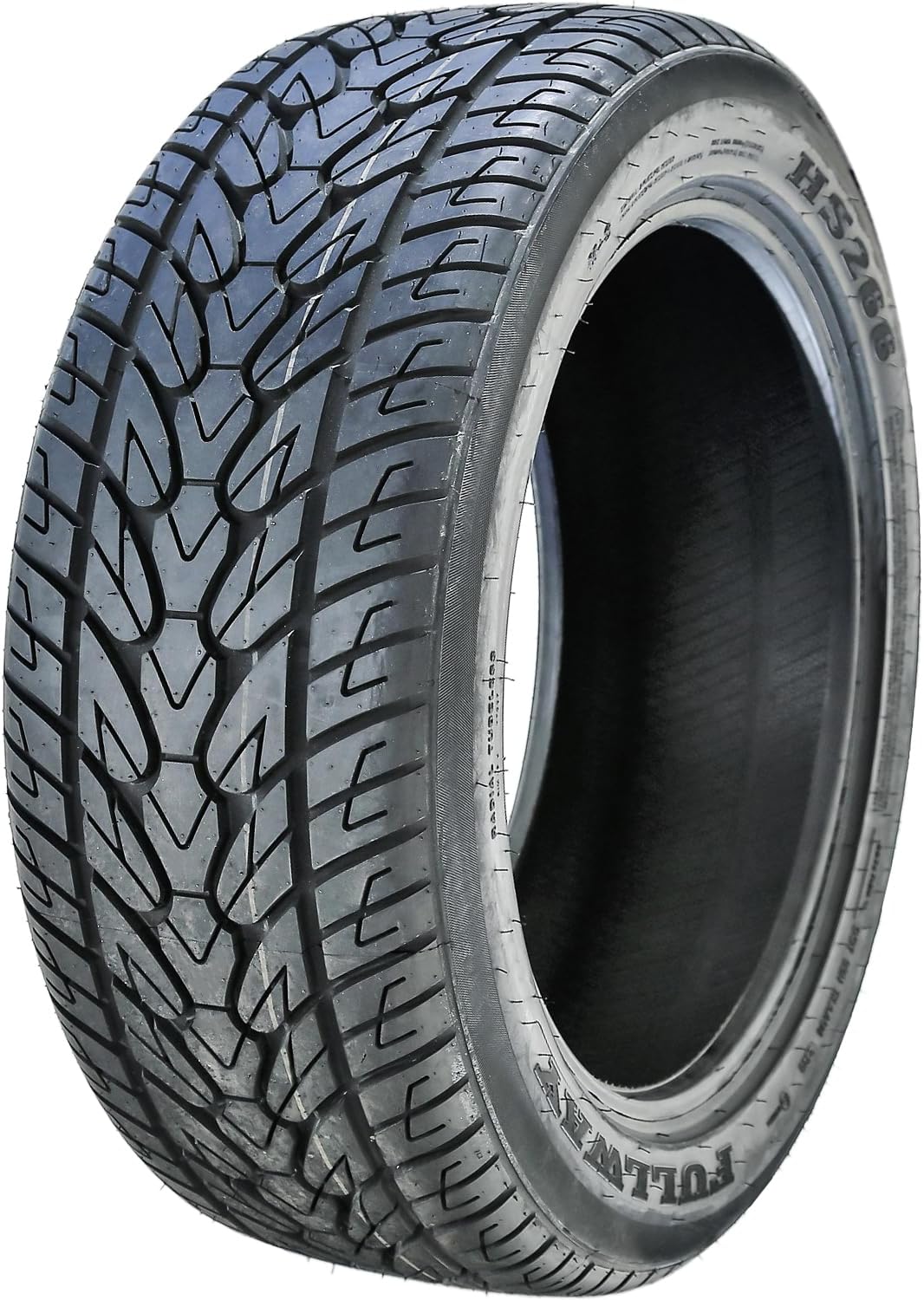
| Size | 275/55R20 |
|---|---|
| Load Capacity | 2833 Pounds |
| Load Range | XL |
| Construction Type | Radial |
| UTQG | Treadwear 420, Traction A, Temperature A |
The Fullway HS266 is a value-oriented all-season performance tire designed for trucks and larger SUVs in 275/55R20 fitment. It is built as a radial construction with an XL load range and a 117H service rating, so it handles heavier loads and highway driving without feeling under-specified. The tread pattern and UTQG of 420/ A/ A indicate durable highway wear and good wet traction for everyday driving. Expect a comfortable highway ride and reasonable traction in rain and light seasonal conditions. Practical benefits include a higher load capacity for hauling and a relatively deep tread for longer life versus economy tires. Limitations to consider are occasional customer reports of balancing or vibration issues on some vehicles and that the tire is a budget brand, so long-term wear consistency and refined noise levels may not match premium nameplates. If you need a low-cost option that supports heavier loads and steady highway performance, this tire delivers sensible capability with predictable compromises in refinement and proven brand pedigree.
Best for: Buyers looking for an affordable replacement tire for a 2015–2020 Ford F-150 that prioritizes load capacity and steady highway performance over brand prestige.
Less Ideal for: Drivers who want the quietest, longest-wearing premium tire or who regularly tackle aggressive off-road or severe winter conditions should consider higher-tier alternatives.
- XL load range and 117H rating suitable for heavier loads and towing in the specified size
- All-season tread and UTQG 420 for good highway tread life and wet traction
- Radial construction and highway touring design provide a comfortable ride for long-distance driving
- Reported instances of persistent vibration or balancing issues on some vehicles
- Brand is positioned as budget-oriented so long-term consistency may lag premium tires
Verdict: A budget-friendly 275/55R20 tire that gives Ford F-150 drivers higher load capacity and solid highway performance when you need a capable, economical replacement.
Fullway HS266 All-Season Truck/SUV Tire — 275/60R20, Load Range XL (set of 4)

| Size | 275/60R20 |
|---|---|
| Load Capacity | 2998 Pounds |
| Load Range | XL |
| Construction Type | Radial |
| UTQG | Treadwear 420, Traction A, Temperature A |
The Fullway HS266 is an all-season radial aimed at light trucks and SUVs and here offered in the 275/60R20 XL size as a four-tire set. It is built for highway touring and everyday driving, combining a touring/performance tread pattern with a higher load-rating for heavier F-150 loads. Typical use is daily commuting, highway miles, and light hauling where even wear and predictable wet/dry traction matter more than sport handling. Notable features shown in the listing include a 4-ply XL construction, a 420 Treadwear rating and A/A traction and temperature UTQG grades, plus a 49 psi maximum pressure. Practical benefits for a Ford F-150 from 2015 to 2020 include a load-capable tire that should handle hauling and towing within the truck’s limits while providing reasonable wet braking and long tread life for the price. Limitations to consider are occasional quality-control reports such as out-of-round units and mounting/balancing difficulties reported by some owners, plus potentially higher road noise compared with premium name-brand tires.
Best for: A cautious buyer who values strong load capacity and long wear over brand prestige and wants an economical, highway-focused tire for a 2015–2020 F-150 used for commuting and occasional towing.
Less Ideal for: Drivers who prioritize a quiet, premium ride or who require aggressive off-road traction should consider higher-end or dedicated off-road tires instead.
- Higher XL load rating suitable for light hauling and towing on a loaded F-150
- UTQG 420/ A/ A suggesting good treadwear and wet/dry traction for highway use
- Sold as a set of four so replacements match tread and wear characteristics
- Some users report mounting, balancing, or out-of-round quality-control issues
- Road noise can be louder than premium touring tires at highway speeds
Verdict: If you want a budget-conscious, load-capable all-season tire for a 2015–2020 F-150 that favors long wear and highway performance, the Fullway HS266 delivers strong value.
Choosing the Right 2015-2020 Ford F-150 Tires: Key Factors to Consider
Load Rating and Load Index
The F-150 often carries passengers, bed loads, or tows a trailer, so a tire's load rating directly impacts safety and handling under weight. Choose tires whose maximum load capacity meets or exceeds your truck's Gross Axle Weight Rating and the typical payload you carry. Using tires with insufficient load capacity can accelerate wear, raise tire temperatures, and increase the risk of failure when hauling.
Pay attention to both the load index number stamped on the tire and the inflation pressures required to achieve that load capacity. Proper inflation is essential for meeting the rated load and for even tread wear. If you frequently tow or carry heavy payloads, opt for a higher load index and monitor inflation more often.
Tread Compound and Wet Traction
Tread compound affects grip in wet and dry conditions and influences tread life. Softer compounds generally offer better wet traction and shorter stopping distances but wear faster, while harder compounds last longer at the expense of ultimate grip.
For the F-150, prioritize a balanced compound that sheds water effectively and resists hydroplaning when roads are wet. Look for tread designs with circumferential grooves and ample siping, which improve water evacuation and biting edges for wet braking and cornering. If you live where rain is common, wet traction should be near the top of your selection criteria.
Treadwear Rating and Longevity
Treadwear ratings and manufacturer longevity estimates help set expectations for replacement intervals. A higher treadwear number usually indicates longer life under similar use, but it is not the only factor—vehicle weight and driving style significantly influence actual mileage.
For F-150 owners who rack up highway miles while towing, prioritize tires with proven tread life and reinforced casings that resist irregular wear. Regular rotation, correct inflation, and alignment checks will also extend tread life.
Ride Comfort and Noise
The F-150 is commonly used for both work and daily driving, so ride comfort and road noise are important for owner satisfaction. Tire construction, tread pattern, and sidewall design determine how vibrations and road impacts transmit into the cab.
Tires with variable pitch tread blocks and optimized void patterns reduce harmony and audible drone on highways. If your truck is primarily a daily driver, give weight to tires that balance durability with a quieter, more comfortable ride.
Winter Performance and All-Season Tradeoffs
If you encounter snow and ice, selecting tires that maintain traction in cold temperatures is critical. Dedicated winter tires provide the best grip in snow and on ice, thanks to softer rubber compounds and aggressive siping, but they wear faster in warm weather.
All-season options can be a practical compromise for moderate winter conditions, offering year-round usability with acceptable wet and light-snow performance. When winters are severe, consider switching to winter-specific tires during cold months for safety, then back to all-season or highway tires for the rest of the year.
Size Compatibility and Sidewall Strength
The correct tire size affects speedometer accuracy, gearing feel, and suspension behavior. Stick to sizes recommended for your F-150 trim or consult your owner's documentation before upsizing. Larger diameter or wider tires can change handling and may require recalibration or adjustments.
Sidewall construction matters if you do occasional off-road driving or run lower pressures for improved traction. Reinforced sidewalls resist impacts and limit bulging under load. Confirm the tire's published dimensions and load-inflation tables to ensure compatibility with your wheels and vehicle loading.
Understanding Common F-150 Tire Sizes and Fitment
Ford F-150s from 2015 to 2020 came with a range of wheel diameters and tire widths across trims and options. Before ordering tires, verify the stamped tire size on your current sidewall and cross-check the placard inside the driver door jamb for recommended sizes and pressures. Matching the correct diameter and overall circumference preserves speedometer accuracy and drivetrain behavior.
If you are considering an upsized or downsized fitment, factor in wheel offset, suspension clearance, and potential changes to gearing and fuel economy. Many owners choose sizes that maintain close overall diameter while gaining width or sidewall height for load capacity or improved ride quality.
- Check the driver door placard for factory tire sizes and inflation pressures.
- Keep overall diameter within 3 percent of stock to avoid speedometer and ABS issues.
- Confirm wheel width and offset compatibility before selecting a different tire size.
When To Choose Seasonal Tires Versus Year-Round Options
Decide based on local climate and driving patterns. If winters feature regular heavy snow and ice, a dedicated winter tire will outperform all-season options in cold-weather braking and traction. For mild winters with occasional flurries, a high-quality all-season tire often provides sufficient grip while avoiding mid-season tire swaps.
Also consider how often you tow or haul. Heavy loads can change traction demands and may favor tires with stiffer compounds and stronger casings year-round. Seasonal switching adds cost and storage needs but can substantially improve safety in severe winter conditions.
- Dedicated winter tires for sustained snow and ice.
- All-season tires for mild climates and mixed-use driving.
- Consider seasonal swaps if you tow or face extreme winter conditions.
Tire Maintenance: Inflation, Rotation, and Alignment
Keeping tires properly inflated is essential to meet load ratings and ensure even wear. Check pressures when tires are cold and follow the vehicle placard recommendations for loaded and unloaded conditions. Underinflation increases heat buildup and treadwear, while overinflation can reduce contact patch and compromise traction.
Regular tire rotation extends even wear—follow the rotation pattern recommended for your tire type. Alignment should be checked after suspension work or if you notice uneven wear or steering pull. Proper balancing further reduces vibration and premature wear.
- Check tire pressure monthly and before long trips or towing.
- Rotate tires every 5,000 to 8,000 miles based on use and wear.
- Inspect alignment annually or if handling changes occur.
Load-Carrying Strategies for Towing and Heavy Payloads
When you haul or tow, use tires with a load index and ply rating that match the weight you carry. Consider increasing tire pressure to the manufacturer's recommended level for heavy loads, but never exceed the tire's maximum inflation as stamped on the sidewall.
If you regularly tow trailers, monitor tire sidewalls for heat and inspect tread frequently. Carry a reliable pressure gauge and adjust inflation based on the load and driving speed to maintain safe operating temperatures.
- Match tire load index to your payload and towing needs.
- Increase cold inflation pressure within manufacturer recommendations when loaded.
- Inspect sidewalls and tread more often under heavy-use conditions.
Noise and Comfort Upgrades Without Sacrificing Load Capacity
You can prioritize a quieter, smoother ride by choosing tires designed with noise-reduction features while still keeping adequate load ratings. Look for models with staggered tread pitches, optimized block shapes, and internal construction that dampens vibration.
If you need both comfort and load capacity, focus on tires that offer reinforced casings and balanced tread compounds. That preserves the truck's ability to carry weight while improving highway refinement.
- Variable pitch tread blocks reduce highway drone.
- Internal construction influences ride harshness more than tread design alone.
- Choose tires that list both comfort features and sufficient load index.
Still looking for the perfect fit?
Select your Ford F-150 configuration to see the most relevant Tires recommendations
How We Chose the Best 2015-2020 Ford F-150 Tires
We evaluated a broad set of criteria specific to the 2015–2020 Ford F-150 and the typical duties owners expect from light-duty pickup tires. Primary considerations included load-carrying capacity and load index suitability for common F-150 trims, traction across wet and dry surfaces, and measured treadwear or longevity expectations for high-mile use. We also prioritized ride comfort and noise levels because cabin comfort matters on long drives, plus winter and all-season performance for owners in colder climates.Additional selection factors were tread compound and siping design for water evacuation, sidewall construction for durability under light off-road and curb impacts, and compatibility with common F-150 wheel and tire sizes. We excluded tires designed exclusively for heavy commercial vehicles or high-performance sports cars, since those do not match the truck's intended use. The final seven picks balance load rating, grip, longevity, and on-road comfort for the 2015–2020 Ford F-150.Excluded were specialty racing tires, narrow off-road-only mud tires, and tires with insufficient load ratings for typical F-150 configurations.
Our full evaluation process is outlined in our review methodology.
FAQ
How do I read the tire size on my F-150 sidewall?
The size appears as a sequence like P265/65R17 or LT265/70R17. The first number is the tread width in millimeters, the second is the aspect ratio, R indicates radial construction, and the last number is wheel diameter in inches. LT denotes light-truck sizing and often higher load capacity.
How often should I replace tires on my 2015–2020 F-150?
Replacement depends on mileage, wear patterns, and conditions. Many truck tires last 40,000 to 70,000 miles, but heavy towing, rough roads, or underinflation shorten life. Inspect tread depth and sidewalls regularly and replace if tread depth nears 2/32 inch or if damage appears.
Can I use all-season tires year-round on an F-150 in cold climates?
All-season tires can work in mild winters, but their rubber stiffens in prolonged cold and they lack the biting edges of winter tires. For frequent snow or ice, winter tires provide safer braking and traction. Consider seasonal swaps if winter conditions are severe.
What is the importance of tire balancing and alignment for truck tires?
Balancing prevents vibration that accelerates wear and affects steering feel, while alignment ensures even tread wear and predictable handling. Both are important for longevity, comfort, and maintaining safe contact with the road.
Should I change tire pressures when towing with my F-150?
Yes. Increasing cold inflation to the vehicle's recommended level for loaded conditions helps support the added weight and prevents excessive heat buildup. Do not exceed the tire's maximum inflation rating on the sidewall.
How can I tell if my tires have worn unevenly?
Look for cupping, feathering, inner or outer edge wear, and center wear patterns. Uneven wear often signals incorrect inflation, misalignment, or suspension issues. Address the underlying cause before replacing tires to avoid repeating the problem.
Final Verdict
For 2015–2020 Ford F-150 owners the right tire choice balances load capacity, traction, and longevity based on how you drive and what you carry. Prioritize the correct load index and size first, then choose a tread compound and pattern that suit your typical conditions—wet roads, highway miles, or winter weather.Weigh tradeoffs between longevity and grip, and keep maintenance—proper inflation, rotation, balancing, and alignment—up to date to get the best life from your tires. With those priorities in mind you can confidently select a tire that matches your F-150's duties and driving style.
Explore More:
- Check out all Ford F-150 parts & accessories
- Explore Tires Maintenance & Repair Guides
- Explore Wheels & Tires
- Browse all Auto Parts
