

Note: This article contains affiliate links. If you click on these links and make a purchase, I may earn a small commission at no extra cost to you. This helps support my research and content. Read my full affiliate disclosure here.
A good drain pan does more than catch used oil. It helps you work cleaner, avoid messy transfers, and handle routine maintenance with less frustration in the garage or driveway. The right shape, height, and capacity can make a big difference, especially when working under low vehicles or draining larger engines.If you are comparing options, the main factors are not complicated, but they do matter. Pan clearance, splash control, carrying comfort, and easy pouring all affect day-to-day use. The picks that follow focus on drain pans that fit common DIY maintenance needs and make oil changes simpler and more manageable.
Top Picks at a Glance
| Best Overall Drain Pan for DIY Mechanics Versatile choice balancing capacity, durability, and usability for most projects | Chapin 78005 12-Quart Low-Profile Oil Drain Pan |  |
| Best Budget Drain Pan for DIY Mechanics Affordable, functional option offering basic capacity and reliable performance | WirthCo Funnel King 6.5-Quart Oil Drain Pan (Model 32950) |  |
| Best Large-Capacity Drain Pan Extra-large volume pan for minimal emptying during big or multiple drains | VEVOR 15-Gallon Low-Profile Oil Drain Pan with Pump and Casters |  |
| Best Compact Drain Pan Low-profile, space-saving pan for tight fits and easy storage | MaxWorks Low Profile Oil Drain Container (11 Qt) |  |
| Best Heavy-Duty Drain Pan Reinforced, impact-resistant construction built for rough garage and shop use | ATD Tools 5183 Heavy Duty 30-Quart Drain Tub |  |
| Best Sealed/No-Spill Drain Pan Secure lid or valve systems to prevent spills during transfers | Spill-Less DrainMate 3.5 Gallon Sealed Oil Drain Container |  |
| Best Premium Drain Pan Top-tier materials and refined features for frequent, demanding DIY use | Lincoln 3669 17-Gallon Low-Profile Truck Drain with 120V Electric Pump |  |
Chapin 78005 12-Quart Low-Profile Oil Drain Pan
Best Overall Drain Pan for DIY Mechanics
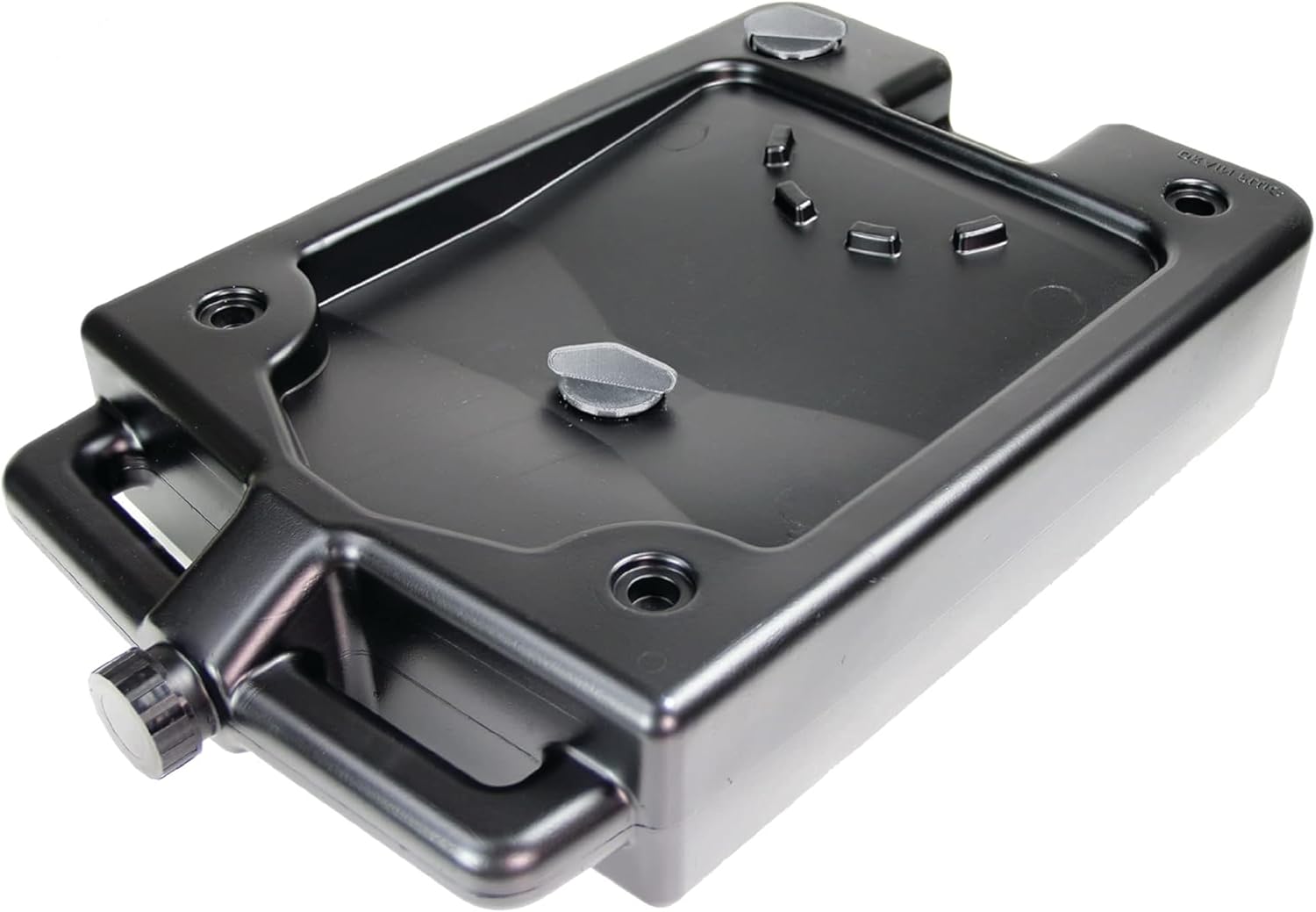
| Capacity | 12 Quarts |
|---|---|
| Manufacturer | Chapin |
The Chapin 78005 is a simple, purpose-built drain pan for DIY oil and coolant changes on ATVs, lawn mowers, motorcycles and other low-clearance equipment. Its under-5-inch low-profile shape slides into tight service spaces and the wide splash-free target area helps collect fluids without making a mess. Molded carry handles make it easy to lift and pour into a recycling container, and the 12-quart capacity covers most single-service jobs so you do not need to empty it mid-change. Built from recycled polymer, the pan is rigid and leak-free in normal use, though it is a basic plastic container so it will not resist heavy impacts or high-heat exposure. The product is made in the United States and aimed at homeowners and hobby mechanics who want a dependable, no-fuss fluid collection tool rather than a heavy-duty shop-grade basin.
Best for: Home mechanics who want a simple, reliable drain pan that balances roomy capacity and low‑profile clearance for routine oil and fluid changes without fuss.
Less Ideal for: Professional shops or users who need heavy-duty, heat-resistant metal pans or integrated drain valves for high-volume repeated service.
- Low-profile design fits under vehicles with less than 5 inches of clearance.
- Large splash-free target area reduces spills during draining.
- Molded carry handles make lifting and pouring easier and safer.
- 12-quart capacity holds enough fluid for most single oil or coolant changes.
- Made in the USA from recycled polymer and described as leak-free.
- Plastic construction is not impact- or high-heat-resistant like metal alternatives.
- No built-in spout or valve for controlled draining into disposal containers.
Verdict: The best all-around drain pan that balances capacity, durability, ease of use, and affordability for most home mechanics doing routine oil changes.
WirthCo Funnel King 6.5-Quart Oil Drain Pan (Model 32950)
Best Budget Drain Pan for DIY Mechanics

| Capacity | 6.5 Quarts |
|---|---|
| Material Type | Plastic |
| Brand Name | WirthCo |
| Model Number | 32950 |
The WirthCo Funnel King 6.5-quart drain pan is a simple, purpose-built tray for collecting used oil, coolant, and other fluids during routine service. Its molded polypropylene construction resists common shop chemicals while keeping the pan lightweight and easy to position under low-clearance vehicles and small equipment. The open basin and poured spout edge simplify transferring collected fluid into a recycling container without large spills, and the 6.5-quart capacity covers most passenger car oil changes. Because it is small and shallow it fits under mowers and many cars but will require more frequent emptying on larger jobs. The plastic build is durable for everyday DIY use but not intended for heavy industrial abuse or extremely hot drains straight from a running engine. Made in the USA and sized for convenience, this pan is a no-frills tool that prioritizes portability and tidy fluid transfer for home mechanics.
Best for: A budget-conscious DIYer who needs a simple, compact drain pan for occasional oil changes and small-equipment maintenance and prioritizes low cost and straightforward functionality over extra features.
Less Ideal for: Professional shops or users who need high-capacity, heavy-duty pans for frequent multi-vehicle service or pouring extremely hot fluids should choose a larger commercial-grade option.
- Chemical-resistant polypropylene construction suitable for common shop fluids
- Compact, shallow profile fits under many low-clearance vehicles and small equipment
- 6.5-quart capacity covers typical passenger car oil changes
- Open basin with pour-friendly spout simplifies draining into a recycling jug
- Smaller capacity requires frequent emptying for large vehicles or multiple oil changes back-to-back
- Not designed for handling extremely hot oil straight from a running engine
Verdict: The best low-cost drain pan that provides adequate capacity and basic durability for occasional DIY oil changes without unnecessary features.
VEVOR 15-Gallon Low-Profile Oil Drain Pan with Pump and Casters
Best Large-Capacity Drain Pan

| Capacity | 15 gallons |
|---|---|
| Includes | Manual rotary pump and 7.2 ft evacuation hose |
| Wheels | Two 6" fixed wheels and two 3" swivel casters with brake |
| Construction | Thickened steel with powder-coated finish |
This VEVOR 15-gallon oil drain pan is built for DIYers who do frequent oil and fluid changes and need a high-capacity, mobile collector. The low-profile tray fits under most passenger cars without lifting the vehicle, while the built-in manual rotary pump and 7.2-foot evacuation hose let you transfer collected fluid quickly to a waste container. A full-width mesh grille prevents fittings and debris from entering the reservoir and the extended cover reduces splash during draining. Mobility comes from two fixed 6-inch wheels and two 3-inch swivel casters with a brake for stable parking, and the foldable handle makes repositioning and storage easier. The steel construction and powder-coated finish aim to resist corrosion in a garage setting. Trade-offs are the manual pump rather than an electric option and the unit’s bulk when full, which requires care moving on ramps or tight spaces. For routine home-shop oil and coolant changes this pan speeds cleanup and reduces trips to a disposal drum.
Best for: DIYers and small-shop technicians who perform full oil changes on cars, SUVs, or multiple vehicles and want a high-capacity, low-profile drain pan that reduces trips to empty and simplifies fluid transfer and disposal.
Less Ideal for: Casual users who only change oil occasionally or technicians needing a compact, lightweight pan for tight spaces should consider smaller or electric-drain options.
- Large 15-gallon capacity handles multiple oil changes before emptying
- Low-profile design allows drainage without raising most cars
- Integrated manual rotary pump and long hose speed fluid transfer
- Mesh grille and splash cover reduce contamination and mess
- Swivel casters with brake and foldable handle for easy movement and storage
- Pump is manual rotary type rather than electric, so pumping takes effort
- When full the tank is bulky and requires care moving in confined spaces
Verdict: A drain pan with extra-large volume designed for users who need to handle full oil changes, multiple vehicles, or larger engine/container flushes without frequent emptying.
MaxWorks Low Profile Oil Drain Container (11 Qt)
Best Compact Drain Pan

| Capacity | 11 Quarts |
|---|---|
| Material | High Density Polyethylene (HDPE) |
The MaxWorks Low Profile Oil Drain Container is a compact, molded HDPE catch tank made for scraping under ATVs, lawn tractors, motorcycles and other low-clearance machines to collect used oil and fluids. Its shallow profile and wide target funnel make lining up drains easier and reduce splash during extraction. Built-in oversized handles and an integrated pour spout with wing plugs let you transport and empty the 11 quart reservoir without needing extra funnels or siphons. The polyethylene construction resists solvents and stays lightweight for storage while handling repeated oil changes. Limitations are the modest 11 quart capacity, which means you may need to empty it mid-job on larger vehicles, and the absence of wheels or a built-in drain hose can make disposal messier than rolling or pump-style drains. For DIYers working on small engines or single-vehicle maintenance this is a practical, easy-to-store option; for frequent shop use you may prefer a larger or wheeled unit.
Best for: DIY mechanics and small-shop technicians who need a low-profile, compact drain pan that fits under ATVs, lawn mowers, motorcycles, and other tight-clearance machines and that stores easily between jobs.
Less Ideal for: High-volume shops or users who perform frequent multi-vehicle servicing and need larger capacity or wheeled, hands-free draining systems.
- Low-profile shape fits under low-clearance machines for easier drain access
- Wide funnel/target area reduces spills and helps align the drain
- Dish-resistant HDPE construction handles oil and common additives
- Integrated handles and wing-plug drains simplify carrying and emptying
- 11 quart capacity may require emptying during larger jobs
- No wheels or integrated drain hose for hands-free disposal
Verdict: A small, low-profile drain pan that prioritizes tight fit and easy storage for mechanics with limited space or working in cramped areas.
ATD Tools 5183 Heavy Duty 30-Quart Drain Tub
Best Heavy-Duty Drain Pan

| Brand | ATD Tools |
|---|---|
| Model | 5183 |
| Capacity | 30 quarts |
The ATD Tools 5183 is a simple heavy-duty drain tub built for routine fluid changes and workshop tasks. It holds about 30 quarts and is used by positioning it under the vehicle or component to catch drained liquids, then pouring into a disposal container using the tub's tapered edges and pouring lip. Notable features include a large apron for wiping or washing parts and a wide shallow basin shape that makes it easy to reach drains and funnels. The molded construction keeps the tub lightweight while resisting deformation during normal use. Limitations are its basic design with no built-in pump, spout cap, or measurement markings, so transferring fluids for disposal requires an extra pour or separate tool and monitoring volume is manual. For DIY mechanics who perform regular oil, coolant, and transmission drains this tub is a rugged, no-frills catcher that simplifies cleanup but does not replace more advanced waste-handling equipment.
Best for: DIY mechanics and home shop users who need a tough, no-nonsense drain pan for frequent fluid changes and messy projects, especially those who value a sturdy, impact-resistant container that handles radiator, transmission, and differential drains without cracking or leaking.
Less Ideal for: Users who need integrated transfer features, precise fluid measurement, or hands-free disposal solutions should consider drain pans with pumps or measurement systems instead.
- 30-quart capacity suitable for most passenger vehicle oil and coolant drains
- Large apron provides a convenient surface for washing or supporting small parts
- Molded heavy-duty construction resists bending and stays stable during use
- No built-in spout cap or valve, so pouring requires care or an external funnel
- Lacks volume markings which makes measuring drained fluid imprecise
Verdict: A rugged, thick-walled drain pan built to withstand drops, impacts, and rough garage use while resisting cracks, warping, and leaks.
Spill-Less DrainMate 3.5 Gallon Sealed Oil Drain Container
Best Sealed/No-Spill Drain Pan

| Capacity | 3.5 gallons (14 quarts) |
|---|---|
| Spout size | 3/4 inch |
| Material | 90mil HDPE plastic |
| Made in | USA |
The Spill-Less DrainMate is a purpose-built oil drain and transport container that replaces open pans and messy funnels for DIY oil changes. You drain directly into its wide-mouth receptacle, which reduces splatter and captures the drain plug and filter with an integrated screen. When finished you secure the screw-down lid with an NBR gasket to contain odors and prevent drips, then use the 3/4" precision spigot for controlled pouring into a recycling jug or tank. The HDPE body and heavy-duty metal handle make it easy to carry to a parts store or storage area, and redundant spigot gaskets plus automotive-grade seals minimize the chance of leaks during transport. The sealed design and large capacity mean fewer trips and less cleanup versus traditional open pans, but its narrower use case is limited to fluid collection and transfer rather than on-the-car underneath positioning like low-profile pans. For home mechanics who want a cleaner, safer way to handle used oil, it speeds tidy maintenance and simplifies recycling.
Best for: DIY mechanics and home garage users who prioritize a tidy, odor-free oil change process and want a sealed, easy-to-transport container for storing and recycling used oil.
Less Ideal for: Shoppers needing an ultra-low pan for draining oil while the car is on ramps or jack stands should look at low-profile drain pans instead.
- Sealed screw-down lid with NBR gasket keeps odors contained and prevents spills during transport
- Precision 3/4" spigot enables controlled, funnel-free pouring into recycling containers
- Integrated screen catches drain plug and holds filter to avoid contamination of collected oil
- Durable 90mil HDPE construction and metal handle designed for long-term, easy transport
- Large 3.5 gallon capacity reduces the number of disposal trips for most passenger vehicle oil changes
- Not a low-profile design so it cannot easily fit under vehicles with minimal ground clearance
Verdict: A drain pan designed with secure lids, spouts, or valve systems to minimize splashes and make transferring or storing used oil cleaner and safer.
Lincoln 3669 17-Gallon Low-Profile Truck Drain with 120V Electric Pump
Best Premium Drain Pan

| Capacity | 17 gallons |
|---|---|
| Pump | 120V electric |
| Hose length | 6 ft |
| Material | High-impact polypropylene |
The Lincoln 3669 is a professional low-profile truck drain designed to sit under cars, trucks, and buses to collect and evacuate used fluids. Its 7.75-inch height lets it slide under low-clearance vehicles while the built-in 120V electric pump moves fluid quickly through the included 6-foot discharge hose with a steel J-hook end. The high-impact polypropylene reservoir resists shop abuse and the removable metal filter screen keeps debris out of the pump and the disposal stream. Typical use is drive-over or roll-under positioning for oil changes, transmission or coolant drains, followed by pump-out into a waste container. The unit’s design reduces manual lifting and spillage compared with pour-out pans and speeds turnaround on fleet or frequent maintenance jobs. Limitations are its relatively large footprint for small home garages and the need for a 120V power source, which makes it less portable for roadside or remote work without mains power.
Best for: DIY mechanics who do frequent oil and fluid service and want a heavy-duty, professional-grade drain that slides under low-clearance vehicles and speeds clean fluid evacuation with an integrated electric pump and removable filter.
Less Ideal for: Casual users who need a lightweight, highly portable drain for occasional roadside work or for use where mains power is not available should consider simpler gravity pans or battery-powered evacuators.
- Low 7.75-inch profile allows access under vehicles with limited clearance
- Integrated 120V electric pump speeds fluid evacuation and reduces manual handling
- 6-foot discharge hose with steel J-hook provides a secure, flexible outlet into waste containers
- High-impact polypropylene construction withstands shop conditions and resists dents
- Removable metal filter screen captures debris to protect the pump and improve fluid cleanliness
- Requires a 120V mains connection, limiting use in remote or off-grid locations
- Large footprint may be cumbersome in very small home garages or tight storage spaces
Verdict: A high-end drain pan that offers superior materials, refined features like integrated funnels or drain valves, and long-term durability for frequent DIY mechanics.
How We Chose the Best Drain Pan
We focused on drain pans that solve the real problems DIY mechanics run into during oil changes, fluid transfers, and cleanup. First, we looked at capacity, since the pan needs enough room for typical passenger vehicles while leaving a margin that reduces slosh and overflow. Second, we considered profile height, because a pan that sits too tall can be difficult to position under lower cars. Third, we evaluated splash control features such as wide catch areas, directional channels, and enclosed or semi-enclosed designs that help contain fluid.We also weighed pouring and transport, including spout design, handle placement, and how easy the pan is to carry without drips. Material durability mattered too, especially resistance to cracking, staining, and warping after repeated contact with used oil. Finally, we considered cleanup and storage, since a pan should be practical to empty, wipe down, and tuck away between services. We excluded designs with awkward drain-back control, unstable shapes, or limited usability for common DIY garage work.
Our full evaluation process is outlined in our review methodology.
What Size Drain Pan Do You Need?
Capacity is the first decision, and it should match the types of vehicles you service most often. A pan that barely meets the oil volume of your engine leaves very little room for splashing, shifting, or accidental overfill if the drain stream changes direction. In practice, extra capacity gives you a cleaner margin of safety.
For most DIY users, it makes sense to choose a drain pan that exceeds your largest expected oil change rather than matching it exactly. If you also handle transmission fluid, coolant, or multiple small engines, a slightly larger pan can be more versatile. The trade-off is that bigger pans take up more storage space and may be less convenient to maneuver in tight areas.
- Choose capacity with headroom, not just the minimum listed fluid volume.
- Consider your largest vehicle, not only your most common one.
- Larger pans are more forgiving, but they can be bulkier to store and carry.
Why Pan Height and Footprint Matter Under the Vehicle
A drain pan can have the right capacity and still be frustrating to use if it does not fit comfortably under the vehicle. Low-profile designs are easier to slide under sedans and lowered cars, while taller pans may work fine under trucks or vehicles on ramps. The footprint also matters because the oil stream does not always fall straight down as the drain plug comes out.
A wider catch area can reduce misses and splashes, especially when oil first exits with force. At the same time, very wide pans may be harder to position around crossmembers, jacks, or stands. The best approach is to think about both clearance and target area, not height alone.
- Low vehicles benefit from lower pan height more than from extra depth.
- A broad catch area helps when the drain stream shoots sideways at first.
- Measure your available space if you work in a crowded garage bay.
Open Pan Vs Enclosed Drain Pan Designs
Traditional open pans are simple, easy to clean, and straightforward to position. They work well when you want maximum visibility and quick access, especially for basic oil changes. The downside is that open designs are more likely to spill during transport or while pouring into a recycling container.
More enclosed designs can reduce slosh and make it easier to move used oil across the garage. They are often a better match for users who want less mess during transfer and storage. However, enclosed pans can be harder to inspect and may require more deliberate cleaning after use. Your best choice depends on whether your priority is easy access during draining or better control after the oil is collected.
- Open designs are simple and easy to rinse or wipe out.
- Enclosed styles usually improve transport and pouring control.
- If you often carry used oil across a workspace, enclosed designs can be worth the extra complexity.
Features That Make Cleanup Easier
The most frustrating part of using a drain pan often comes after the oil has drained. A well-shaped pour spout, secure cap, and balanced handles can make disposal much cleaner. If the pan is awkward to lift or the spout dribbles, even a good catch pan becomes messy at the final step.
Surface shape matters too. Interior contours that direct fluid toward the outlet can reduce residue and make emptying more complete. Smooth materials are easier to wipe down, while sharp corners and deep recesses can trap dirty oil. For DIY mechanics who perform regular maintenance, these small usability details add up over time.
- Look for handles that stay comfortable when the pan is full.
- A defined spout helps control flow into a waste container.
- Simple interior shapes are usually easier to empty and clean thoroughly.
Material and Durability Considerations
Most drain pans rely on molded plastic, and quality can vary more than many buyers expect. A durable pan should hold its shape when full, resist cracking if bumped on the floor, and tolerate repeated contact with used oil and shop grime. Thin material may feel acceptable at first but can become a weak point after regular use.
For garage use, durability is less about impact resistance alone and more about long-term practicality. A pan that warps, stains heavily, or develops stress points around the handles becomes harder to trust when carrying used fluid. If you service vehicles often, sturdier construction is usually the better value because reliability matters every time the pan is full.
- Thicker plastic generally feels more stable when lifting a full pan.
- Reinforced handle areas can improve long-term reliability.
- A pan that keeps its shape is easier to pour and store.
Storage, Safety, and Used Oil Handling
Even the best drain pan needs safe handling habits. Used oil should be transferred into an approved container and taken to a proper recycling location. Letting a full pan sit for long periods increases the chance of accidental spills, especially in busy garages where it may be kicked or stepped on.
Storage is another practical concern. If your garage is tight on space, a stackable or compact shape may matter almost as much as drainage performance. Choose a pan you are actually willing to use every time, because convenience encourages better cleanup and safer disposal.
- Transfer used oil promptly instead of storing it in an open pan.
- Keep the pan away from walkways and work areas after draining.
- If storage space is limited, prioritize compact dimensions and easy handling.
FAQ
What capacity drain pan is best for DIY oil changes?
Choose a pan that comfortably exceeds the oil volume of the largest vehicle you plan to service. Extra room helps control splashing and gives you a margin if the initial drain stream is forceful or off-center. Matching the exact oil capacity is usually less practical than choosing a pan with some reserve space.
Do I need a low-profile drain pan?
If you work on sedans, coupes, or any vehicle with limited ground clearance, a low-profile pan is usually the safer choice. It is easier to position without lifting the vehicle higher than necessary. For taller vehicles or use with ramps, profile height is less critical.
Are enclosed drain pans better than open ones?
They are often better for transport and controlled pouring because they reduce slosh and drips after the oil is collected. Open pans are simpler and can be easier to clean and position during the drain itself. The better choice depends on whether you value straightforward access or cleaner movement and disposal.
Can I use the same drain pan for oil and other fluids?
You can, but it is best to avoid mixing fluids if you want cleaner recycling and easier disposal practices. If you handle multiple automotive fluids, dedicated pans or clearly separated use is the better approach. At minimum, clean the pan thoroughly between tasks.
What makes a drain pan easier to pour without spilling?
A defined spout, good handle placement, and a shape that keeps the fluid balanced during lifting all help. Some designs also guide fluid internally toward the outlet, which reduces sudden surges when pouring. Ease of pouring is one of the most important differences between pans that seem similar at first glance.
How should I clean and store a drain pan after use?
Empty it fully into an approved waste container, wipe off residue, and store it in a stable spot away from foot traffic. Do not leave used oil sitting in the pan longer than necessary. If the pan has a cap or closure, make sure it is secure before moving or storing it.
Final Verdict
The right drain pan comes down to a few practical trade-offs: enough capacity for your vehicles, a profile that fits your working clearance, and a design that makes carrying and pouring less messy. Small convenience features can matter just as much as raw size when you use the pan regularly.For most DIY mechanics, the best choice is the one that fits under the vehicle easily, gives you safe overflow margin, and stays manageable when full. Focus on clean handling, stable construction, and disposal-friendly design, and you will end up with a drain pan that makes routine maintenance simpler every time.
