

Note: This article contains affiliate links. If you click on these links and make a purchase, I may earn a small commission at no extra cost to you. This helps support my research and content. Read my full affiliate disclosure here.
Repair Snapshot
Use a mechanic if the exhaust is welded rather than clamped, fasteners are heavily rusted into the catalytic converter or manifold area, or you cannot safely support the vehicle. A shop is also the better choice if the repair may affect emissions components or oxygen sensor wiring.
This article is part of our Exhaust and Emissions Maintenance & Repair Guides.
Replacing a damaged exhaust pipe or muffler is a manageable DIY repair if the vehicle uses clamped connections and the rusty hardware will come apart without damaging nearby components.
A leaking or broken exhaust section can make the car much louder, allow exhaust fumes to escape under the vehicle, and sometimes trigger check-engine lights if the leak changes sensor readings. On many vehicles, the muffler and rear pipe sections can be replaced at home with basic lifting equipment, penetrating oil, and careful fitment checks.
The key is to confirm which section is actually bad, support the vehicle safely, and install the new parts with the correct orientation, clamp placement, and clearance around the body, suspension, fuel tank, and heat shields.
Before You Start
Work only on a completely cool exhaust system. Exhaust pipes, catalytic converters, and mufflers stay hot long after the engine is shut off. Park on level ground, set the parking brake, chock the wheels, and raise the vehicle only at approved lift points. Always support it with jack stands before going underneath.
If your vehicle has severe corrosion near the catalytic converter, oxygen sensors, or manifold flange, the job can quickly get more difficult. Broken studs, seized fasteners, and thin rusted pipe can turn a simple clamp-on repair into a welding job. If the replacement section is sold as a weld-in part, plan accordingly or let an exhaust shop handle it.
- Let the exhaust cool fully before touching any pipes or hangers.
- Spray all nuts, bolts, clamps, and rubber hanger rods with penetrating oil 15 to 30 minutes before removal.
- Compare the new part with the old one before disassembly if possible.
Confirm Which Exhaust Section Needs Replacement
Common Signs of a Failed Pipe or Muffler
- Much louder exhaust noise, especially from the middle or rear of the vehicle.
- Rattling from loose internal muffler baffles or broken hangers.
- Visible rust holes, cracks, or separated seams.
- Black soot marks around a leak point.
- Exhaust smell under or around the car.
Inspect the system from the front to the rear. A muffler may look bad, but the real failure can be the inlet pipe, outlet pipe, flange, or hanger bracket. Tap lightly on suspect sections and look for soft, flaky metal. If one area has rusted through, nearby sections may also be thin enough to fail soon.
Make Sure the Replacement Part Is Correct
Check engine size, wheelbase, body style, drivetrain, and whether the vehicle has a single or dual exhaust. Some models have different rear exhaust layouts depending on trim level or emissions package. A part that is even slightly wrong can create alignment issues, bumper contact, or leaks at the slip joints.
Prepare the Vehicle and Hardware
Raise the vehicle high enough to access the damaged section and remove it without forcing it around the suspension or axle. For many rear muffler replacements, lifting the rear is enough. For mid-pipe repairs, you may need the entire vehicle level for better access and alignment.
Spray penetrating oil on flange bolts, clamp threads, and hanger rods again once the vehicle is in the air. If the repair uses rubber hangers, a little silicone spray or soapy water on the hanger rods can make removal much easier. Keep the lubricant off surfaces where a clamp must grip the pipe securely.
Before loosening anything, note the routing of the old exhaust. Pay attention to where the muffler body sits, which direction the drain hole faces if equipped, and how much clearance exists around the spare tire well, heat shields, rear axle, and bumper cutout.
Remove the Damaged Exhaust Pipe or Muffler
Loosen Clamped or Flanged Connections
Start at the connection points nearest the damaged section. If the muffler or pipe uses a flange, remove the flange nuts or bolts first and save any hardware that is still reusable, though replacing rusty hardware is usually smarter. If there is a gasket between flanges, plan to install a new one during reassembly.
If the section is held by U-bolt or band clamps, loosen them fully. On heavily rusted systems, the clamp may release but the pipes can still be fused together by corrosion. Gentle twisting helps, but avoid bending adjoining pipes that you plan to reuse.
Remove the Exhaust Hangers
Support the muffler or pipe with one hand or a stand before pulling the hangers free. Exhaust sections can drop suddenly once the last hanger is released. Use hanger pliers or a pry bar to slide the rubber isolators off the metal rods. If the rubber is cracked, stretched, or oil-soaked, replace it now instead of reusing it.
Cut the Old Section if Needed
Many original exhaust systems are one piece from the catalytic converter back, while aftermarket replacements are designed to be cut and clamped into place. If the old pipe will not separate cleanly, cut it at the location specified by the new part instructions. A reciprocating saw with a metal-cutting blade or an exhaust pipe cutter works well.
Measure carefully before cutting. Leave enough straight pipe for the new slip joint or clamp to seat properly. Cutting too short is one of the easiest ways to turn an afternoon repair into a more expensive replacement.
Tools That Make This Job Easier


Inspect Related Parts Before Installation
With the damaged section off the vehicle, inspect the remaining exhaust pipe ends. Clean off loose rust, old sealant, and burrs so the new parts can slip together squarely. If a reused pipe end is badly out of round, paper-thin, or cracked near the cut, it may not seal even with a new clamp.
- Check heat shields for looseness or rusted mounting points.
- Inspect nearby oxygen sensor wires for melted insulation or abrasion.
- Look at the catalytic converter shell for impact damage or severe corrosion.
- Replace missing or weak rubber hangers that could let the new muffler sag.
This is also the time to compare the old and new sections side by side. Verify pipe diameter, bend shape, hanger rod position, and overall length before you start installing clamps.
Install the New Exhaust Section
Dry-fit Everything First
Do not fully tighten any clamps or flange hardware at the start. Slide the new pipe or muffler into place loosely, install the hangers, and assemble all joints so the system can still move. A loose fit-up lets you rotate the pipes and center the muffler before final tightening.
If the connection uses a flange, install a new gasket and start the nuts by hand. If it uses a slip fit, slide the clamp onto the pipe before joining the sections. Some replacements may call for a small amount of exhaust assembly paste or sealant, but use it only if the manufacturer recommends it. Many modern band-clamp joints are designed to seal dry.
Set Hanger Position and Clearance
Install the rubber hangers and make sure the exhaust is naturally supported rather than twisted into place. The muffler should not touch the body, rear axle, springs, differential, crossmember, hitch, or bumper. Aim for even clearance on all sides, because the system moves as the engine torques and the vehicle goes over bumps.
If the tailpipe exits near a bumper opening, center it visually before tightening. A slightly crooked alignment may not leak, but it can melt trim, cause rattles, or look obviously off once the vehicle is back on the ground.
Tighten From Front to Rear
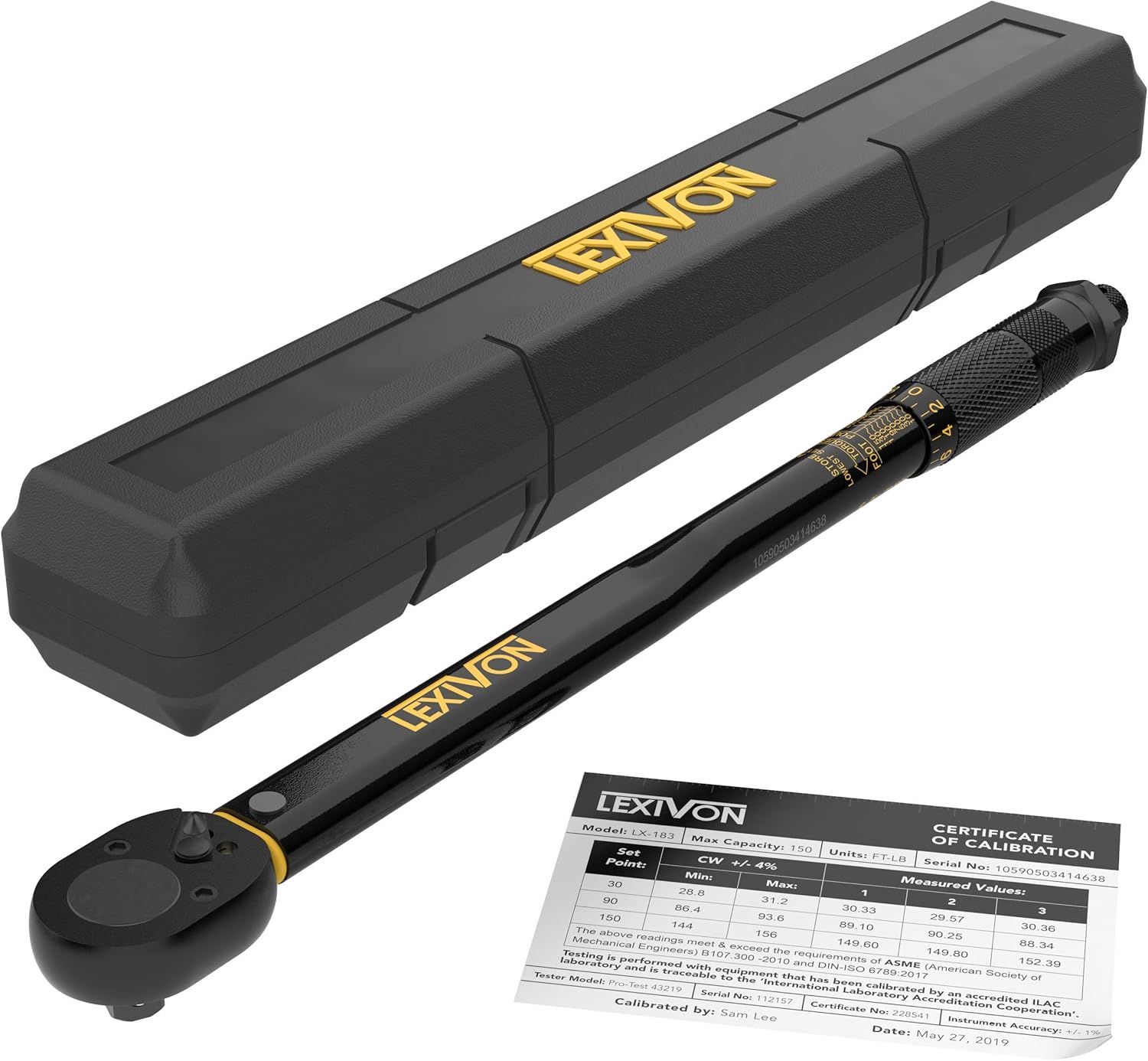
Once the system is aligned, tighten the front connection first, then work toward the rear. This helps keep the pipes nested correctly and prevents one joint from pushing another out of alignment. Use a torque wrench where specs are available. If the replacement instructions list clamp torque, follow that number instead of guessing.
Apply a light amount of anti-seize to clamp threads or non-gasketed fasteners if appropriate, but do not contaminate gasket surfaces or pipe sealing areas. On U-bolt clamps, tighten evenly so the saddle sits square. On band clamps, make sure the clamp is centered over the joint before final torque.
Torque, Sealing, and Final Checks
Exact torque specs vary widely by vehicle and by clamp manufacturer, so the safest rule is to use the factory service information or the replacement part instructions. Flange fasteners are especially important because over-tightening can distort the flange or crush the gasket unevenly. Clamp hardware that is too loose will leak; too tight can deform the pipe and make future service harder.
Double-check that every hanger is engaged, every clamp faces an accessible direction, and the new section has adequate clearance around moving or heat-sensitive parts. If you installed a gasket, make sure the flanges are parallel as you tighten. If the joint is cocked to one side, loosen it and realign before continuing.
Recommended Tools for This Job


Start the Engine and Check for Leaks
Lower the vehicle enough to start it safely, or fully lower it if you have completed the installation. Start the engine and listen around each joint. A leaking connection often makes a sharp ticking, puffing, or hissing sound. Keep hands and clothing clear of hot or moving parts, and never place your face directly under a running exhaust.
You can usually detect small leaks by feeling for pulses of exhaust near the joint with a gloved hand held nearby, not touching the pipe. Another method is to listen while a helper briefly covers the tailpipe with a rag for a second or two; increased backpressure can make a minor leak more obvious. Do not fully block the exhaust for more than a moment.
If a joint leaks, shut the engine off, let the exhaust cool, then retighten and realign the connection. A persistent leak may mean the clamp is in the wrong position, the pipe end is damaged, the flange gasket is misaligned, or the replacement part does not match the original well enough to seal.
Road-Test and Recheck
Take a short test drive on smooth and bumpy roads. Listen for rattles when accelerating, decelerating, and going over dips. If you hear knocking from the rear, the muffler or tailpipe may be contacting the axle, heat shield, or body under movement even though it looked fine while parked.
After the test drive and a full cool-down, recheck clamp torque and inspect the joint positions again. Some new exhaust parts settle slightly into the rubber hangers after their first heat cycle. A quick retorque can prevent a small leak from developing later.
Common Problems During This Repair
The Old Exhaust Will Not Come Apart
If penetrating oil and twisting do not separate the joint, cutting is usually faster and cleaner. Just confirm the cut location based on the new part instructions and preserve enough straight pipe for the replacement to fit.
The New Part Does Not Line Up
Leave all joints loose and install every hanger before judging the fit. Many systems need to be rotated slightly at each slip joint before they settle into the correct position. If the bends, length, or hanger rods still look wrong, recheck the part number and application.
There Is Still a Leak After Tightening
Inspect for thin rust on the pipe you reused, a missing gasket, an out-of-round pipe end, or a clamp placed too far from the overlap area. Some severely rusted systems need an additional upstream section replaced to create a solid sealing surface.
The Exhaust Rattles After Installation
Rattles usually come from insufficient clearance or weak hangers. Reposition the system while the clamps are slightly loose, then retighten. Replace any hanger that allows the muffler to swing too much.
When This Job Is Better Left to a Shop
A professional exhaust shop is often the better option if the system needs welding, if the broken section is integrated with the catalytic converter, or if fasteners near the manifold are likely to snap. Shops also have lifts that make alignment easier and can fabricate a custom section when an exact bolt-on part is not available.
If your vehicle lives in the Rust Belt and the pipe is flaking apart in multiple places, replacing only one section may be temporary. A technician can evaluate the rest of the system and tell you whether a piecemeal repair or a larger exhaust replacement makes more financial sense.
Key Takeaways
- Confirm the exact failed section before buying parts, because nearby pipes, flanges, and hangers often fail together.
- Keep all joints loose during installation so you can align the muffler and tailpipe before final tightening.
- Use new gaskets, clamps, and worn hangers whenever possible to reduce leaks and rattles.
- Check clearance around the body, axle, and heat shields before and after the first test drive.
- If the repair involves welding, catalytic converter sections, or severely rusted hardware, a shop is usually the safer and faster choice.
FAQ
Can I Replace Just the Muffler Without Replacing the Whole Exhaust System?
Yes, if the rest of the system is solid and the replacement muffler is designed to fit your existing pipe layout. The connecting pipes must still be in good enough condition to seal and support the new muffler.
Do I Need to Weld a New Exhaust Pipe or Muffler?
Not always. Many aftermarket replacement sections are made for clamp-on installation. Welding may be required if the original system has no service joint, if the replacement part is sold as a weld-in piece, or if corrosion leaves no solid pipe for a clamp to seal.
How Do I Know if My Exhaust Leak Is From the Muffler or From a Pipe Joint?
Look for rust holes, soot marks, separated seams, or obvious cracks on the muffler body and nearby pipes. Leaks at joints often show black deposits around the flange or slip connection and may change as you move the pipe by hand when the system is cool.
Should I Use Exhaust Sealant on Every Joint?
No. Use sealant only if the replacement part instructions or service information call for it. Many band-clamp and gasketed connections are intended to seal dry, and extra sealant can interfere with proper fitment.
What Causes a New Muffler to Rattle After Installation?
The most common causes are poor alignment, reused weak rubber hangers, contact with a heat shield or suspension part, or a clamp that pulled the pipe into a twisted position during tightening.
Is It Safe to Drive with a Damaged Exhaust Pipe or Muffler?
It is not ideal. A leak can allow exhaust gases to escape under the vehicle, increase noise, and sometimes affect emissions operation. If the exhaust is hanging low or contacting the road or suspension, it should be repaired immediately.
How Tight Should Exhaust Clamps Be?
Tighten them to the vehicle service spec or the clamp manufacturer’s spec whenever available. Clamp style and pipe diameter matter, so avoid guessing or over-tightening, which can crush the pipe and still fail to seal properly.
Need Parts for This Repair?
The right parts and supplies vary by vehicle.
Select your make and model to find compatible parts and accessories for your car.
Exact Fit
Parts that fit your make and model
Quality You Can Trust
Top brands and OEM quality options
Fast Shipping
Get the parts you need, delivered fast