

Note: This article contains affiliate links. If you click on these links and make a purchase, I may earn a small commission at no extra cost to you. This helps support my research and content. Read my full affiliate disclosure here.
Repair Snapshot
Use a mechanic if your vehicle has a non-serviceable in-tank filter, badly rusted fuel lines, severe corrosion around fittings, or if you cannot safely relieve fuel pressure. A pro is also the better choice if you smell strong fuel fumes afterward or see any leaks you cannot stop.
This article is part of our Fuel System Maintenance & Repair Guides.
Replacing a fuel filter after bad gas can restore fuel flow, reduce hesitation, and help prevent repeat stalling if contaminated fuel has clogged the filter media.
Bad gasoline often carries water, sediment, rust, or degraded fuel that can plug a serviceable fuel filter surprisingly fast. If your engine began stumbling, losing power, taking longer to start, or dying shortly after a bad tank of fuel, a restricted filter is a realistic next step after draining contaminated fuel and refilling with fresh gas.
Before you begin, confirm your vehicle actually has a replaceable external fuel filter. Many newer vehicles use an in-tank filter that is part of the fuel pump module and may not be a routine service item. Always check a repair manual or parts listing for your year, make, engine, and fuel system before taking anything apart.
Before You Start
Fuel system work is more sensitive than many basic maintenance jobs because gasoline is flammable and the system may remain pressurized even with the engine off. Work outside or in a very well-ventilated area, keep all ignition sources away, and never smoke while doing this repair.
Also, replacing the filter will not fix every bad-gas problem by itself. If the tank still contains contaminated fuel, if water remains in the system, or if the injectors were damaged, the engine may still run poorly. Treat this repair as one part of a clean-fuel recovery process, not a guaranteed cure-all.
- Verify whether your vehicle uses a serviceable inline or canister fuel filter.
- Buy the exact filter by VIN, engine size, and production date when possible.
- Check whether the new filter comes with clips, O-rings, or sealing washers.
- Plan for spilled fuel by keeping a drain pan, towels, and a fuel-safe container nearby.
Signs the Fuel Filter Is Clogged After Bad Gas
A clogged fuel filter usually causes fuel starvation under load. The engine may idle acceptably but stumble, surge, or lose power when accelerating because the pump cannot push enough fuel through the restricted filter.
- Long crank time before the engine starts
- Stalling shortly after startup or at stoplights
- Hesitation or bucking during acceleration
- Noticeable power loss on hills or highway merges
- A whining fuel pump caused by excess strain
These symptoms overlap with other issues like a failing pump, contaminated injectors, water in fuel, or ignition faults. If the vehicle set fuel-pressure or lean-condition codes, test results become even more valuable. Still, if the problem began right after known bad gas and your vehicle has a serviceable filter, replacement is a reasonable DIY step.
How to Confirm the Filter Is Replaceable
Common Fuel Filter Locations
On older and some mid-era vehicles, the filter may be mounted along the frame rail, near the fuel tank, inside the engine bay, or underneath the car near the driver-side door area. Diesel systems may use multiple filters or a filter housing with a water separator. Gasoline vehicles most often use an inline canister style if externally serviceable.
When Not to Proceed
If your vehicle uses an in-tank filter integrated into the pump assembly, replacement may involve dropping the fuel tank or removing an interior access panel. That job can still be done by experienced DIYers, but it is a different repair than simply swapping an external inline filter. Do not assume every listed ‘fuel filter’ is separately replaceable.
How to Relieve Fuel Pressure Safely
Relieving fuel pressure is the most important prep step. Even a small amount of residual pressure can spray fuel when the line is opened. The exact process varies by vehicle, but one of the following methods is usually specified by the manufacturer.
- Park on level ground, set the parking brake, and let the engine cool.
- Remove the fuel pump fuse or relay, then start the engine and let it run until it stalls. Crank for a few extra seconds to reduce remaining pressure.
- Turn the key off and disconnect the negative battery cable.
- If your vehicle has a Schrader-type fuel pressure test port, use a rag and the proper tool to carefully bleed any remaining pressure into a safe container.
- Open the fuel filler cap to help release tank vapor pressure, but do not assume this alone depressurizes the fuel rail.
Always consult service information if available. Some direct-injection or specialty systems require a more specific depressurization procedure. If you are unsure whether pressure is fully relieved, stop and verify before disconnecting the filter.
Tools That Make This Job Easier


Raise and Access the Vehicle
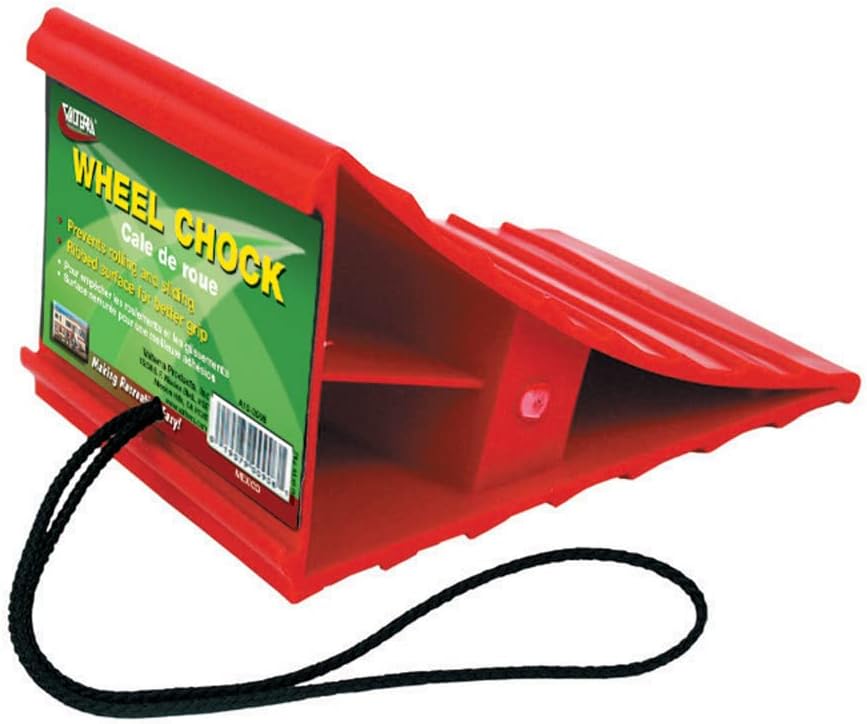
If the filter is underneath the vehicle, chock the wheels and raise the car only at approved jack points. Support it with jack stands on solid ground. Never work under a vehicle held up only by a floor jack.
Locate the filter and inspect the area before loosening anything. Note the fuel flow arrow on the old filter, the direction of the lines, the mounting bracket style, and whether the connections use flare nuts, banjo bolts, quick-connect fittings, or retaining clips.
If the filter and fittings are rusty, lightly spray penetrating oil on threaded fasteners and bracket bolts first. Avoid soaking plastic quick-connect ends in chemicals if possible, and keep penetrant away from hot exhaust parts.
Remove the Old Fuel Filter
Set Up for Spilled Fuel
Place a drain pan underneath the filter and keep rags ready. Even after depressurizing the system, some fuel will spill from the filter and lines.
Disconnect the Fuel Lines
For quick-connect lines, use the correct disconnect tool and pull the line straight off once the internal retainer releases. For threaded fittings, use line wrenches when possible to reduce the chance of rounding the nuts. If the filter uses a banjo-style fitting, be prepared to replace the sealing washers with new ones.
Support the filter body while loosening the lines so you do not twist or kink the fuel tubing. On stubborn fittings, do not force them to the point of bending the hard line. A damaged fuel line creates a much bigger repair and a serious fire risk.
Remove the Bracket or Clamp
Once the lines are free, loosen the bracket bolt or clamp and slide the old filter out. Compare the old and new parts immediately to confirm overall length, inlet and outlet size, mounting points, and flow direction.
Install the New Fuel Filter Correctly
The most common installation mistake is reversing the filter. Almost every inline filter has a directional arrow that must point toward the engine, which means away from the tank on most gasoline vehicles.
- Install the new filter into the bracket with the flow arrow facing the correct direction.
- Reconnect the fuel lines by hand first to avoid cross-threading or misalignment.
- Install any new clips, O-rings, or sealing washers included with the filter or required by the manufacturer.
- Tighten fittings and bracket hardware to factory specification if torque data is available.
- Make sure each quick-connect fitting is fully seated and locked with a distinct click or stop.
Do not reuse damaged retaining clips or crushed sealing washers. These small parts are often the difference between a dry repair and a dangerous fuel leak. If your service information lists a specific torque for banjo bolts or bracket fasteners, follow it rather than tightening by feel.
Recommended Tools for This Job


Prime the Fuel System and Check for Leaks
After the new filter is installed, reconnect the negative battery cable and reinstall the fuel pump fuse or relay. Do not start the engine immediately. First, cycle the ignition to the ON position for a few seconds and then back off. Repeat this several times to prime the system and build pressure.
Now inspect the filter and all line connections carefully. Use a bright light and check for wetness, drips, or fuel odor at both ends of the filter. If anything is damp, turn the key off and fix the issue before attempting to start the engine.
Once no leaks are visible, start the engine and let it idle. Recheck again while the system is running. Some leaks show up only after full pressure is restored. If the engine cranks longer than normal the first time, that can be expected after the filter was changed, but it should quickly settle into a stable idle.
What to Do If the Engine Still Runs Poorly
If drivability problems continue after replacing the filter, bad fuel may have affected more than just the filter. Contaminated gasoline can leave water in the tank, clog injectors, stress the fuel pump, or trigger misfire and lean codes.
- Make sure the tank contains fresh fuel and not a remaining mix of contaminated gas.
- Inspect for kinked lines, half-seated quick-connects, or a backward filter installation.
- Check fuel pressure with a gauge if your system allows external testing.
- Consider injector cleaning or professional diagnosis if hesitation and stalling remain.
- Listen for a loud fuel pump, which may indicate restriction damage or pump wear.
A severely clogged filter can overwork the pump, and a weak pump may still fail to deliver correct pressure even after the new filter is in place. Likewise, water-contaminated fuel may require draining the tank rather than simply diluting it with fresh gas.
Torque, Disposal, and Final Road Test Notes
Fuel filter torque specs vary widely by fitting type and vehicle design, so the safest rule is simple: use factory torque data whenever available. This is especially important for banjo bolts, flare fittings, and bracket fasteners mounted to thin sheet metal or aluminum components.
Dispose of the old filter, fuel-soaked rags, and contaminated gasoline according to local hazardous-waste rules. Do not pour old gasoline on the ground, into a storm drain, or into regular household trash. Most municipalities or auto parts stores can direct you to a proper disposal site.
For the road test, begin with a short drive near home. Watch for hesitation, stumbling, fuel smell, or a check engine light. After the drive, perform one more visual leak inspection at the filter before considering the repair complete.
Common Mistakes to Avoid
- Skipping the fuel pressure relief step and getting sprayed with gasoline
- Installing the filter backward relative to the flow arrow
- Reusing old clips, O-rings, or sealing washers that no longer seal properly
- Twisting a hard fuel line while loosening a stuck fitting
- Starting the engine before checking for leaks after priming the system
Any one of these errors can turn a straightforward repair into a no-start condition or a dangerous leak. Slow, careful work matters more here than speed.
Key Takeaways
- Confirm your vehicle has a replaceable external fuel filter before buying parts or removing lines.
- Always relieve fuel pressure, disconnect the battery, and work in a ventilated area away from sparks or flames.
- Install the new filter in the correct flow direction and replace any required clips, O-rings, or sealing washers.
- Prime the system and inspect carefully for leaks before and after starting the engine.
- If poor running continues after the filter change, test fuel pressure and consider contaminated fuel, injector issues, or a weak pump.
FAQ
Will Replacing the Fuel Filter Fix Bad Gas Problems by Itself?
Sometimes, but not always. If bad gas clogged the filter, replacement can restore proper fuel flow. However, if contaminated fuel is still in the tank, water is present, or the injectors or pump were affected, more work may be needed.
How Do I Know if My Car Has a Serviceable Fuel Filter?
Check your owner’s manual, a repair manual, or a parts catalog using your exact year, make, model, and engine. Many newer vehicles have an in-tank filter that is not serviced separately from the pump module.
Can I Drive with a Clogged Fuel Filter After Getting Bad Gas?
It is not a good idea. A clogged filter can cause stalling, poor acceleration, and extra strain on the fuel pump. Driving it may leave you stranded and can worsen fuel system problems.
Which Direction Does the Fuel Filter Arrow Face?
The arrow usually points toward the engine, which means fuel flow is moving from the tank to the engine. Always verify the line routing before installation rather than guessing.
Do I Need to Replace Clips or Sealing Washers with the Filter?
Yes, if your vehicle uses them and the manufacturer or filter kit calls for replacement. Old clips, O-rings, or sealing washers may not reseal correctly and can cause dangerous leaks.
Why Won’t My Car Start Right Away After Replacing the Fuel Filter?
The system may need to be primed. Cycle the key to ON for a few seconds several times before cranking so the pump can refill the filter and pressurize the lines. If it still will not start, recheck the connections and filter orientation.
How Often Should a Fuel Filter Be Replaced?
It depends on the vehicle. Some serviceable filters are replaced every 30,000 to 60,000 miles, while many newer vehicles do not list routine replacement for the in-tank filter. Use the maintenance schedule for your specific model.
Need Parts for This Repair?
The right parts and supplies vary by vehicle.
Select your make and model to find compatible parts and accessories for your car.
Exact Fit
Parts that fit your make and model
Quality You Can Trust
Top brands and OEM quality options
Fast Shipping
Get the parts you need, delivered fast