

Note: This article contains affiliate links. If you click on these links and make a purchase, I may earn a small commission at no extra cost to you. This helps support my research and content. Read my full affiliate disclosure here.
Repair Snapshot
Use a mechanic if you cannot safely raise and level the vehicle, if the fill or cover bolts are seized, or if the differential is already noisy, leaking heavily, or showing metal damage.
This article is part of our Transmission and Drivetrain Maintenance & Repair Guides.
Changing differential fluid is one of the most overlooked drivetrain services on many cars, trucks, and SUVs. Fresh gear oil helps protect ring-and-pinion gears, bearings, and clutches inside limited-slip differentials, while old fluid can lead to noise, wear, overheating, and expensive repairs.
The basic job is simple in theory: remove the old fluid, inspect what comes out, seal the housing or plugs correctly, and refill with the exact fluid your vehicle requires. In practice, the details matter. Using the wrong viscosity, forgetting a limited-slip additive, or over-tightening the cover bolts can create more problems than the old fluid ever did.
This guide walks you through a typical rear differential fluid change, with notes for front differentials and housings that use drain and fill plugs instead of a removable cover. Always verify the exact procedure, fluid specification, and torque values for your vehicle before you start.
Before You Start
Differentials vary more than many DIY owners expect. Some have both drain and fill plugs. Others have only a fill plug, which means the cover must be loosened or removed to drain the fluid. Many trucks and performance vehicles also require a specific gear oil rating, and some limited-slip units need a friction modifier additive.
Check the Correct Fluid First
Before buying anything, confirm the factory specification in your owner’s manual, service information, or axle tag. Look for the required viscosity, such as 75W-90 or 75W-140, whether synthetic fluid is required, and whether the differential uses a limited-slip clutch pack. If the manufacturer says the additive is built into the fluid, do not add extra unless the service information calls for it.
Know the Signs This Service Is Overdue
- Whining, humming, or growling from the axle area that changes with vehicle speed.
- Chatter or binding during slow turns on a limited-slip differential.
- Dirty, dark, or burnt-smelling gear oil.
- A visible leak around the cover, axle seals, or pinion area.
- Mileage has reached the service interval listed by the manufacturer or severe-use schedule.
If the differential is already making loud, constant noise or leaving heavy metal debris in the old oil, fresh fluid may not fix the problem. In that case, treat the fluid change as an inspection step, not a guaranteed repair.
Safety and Vehicle Setup
You need the vehicle safely raised and kept as level as possible, because most differentials are filled to the bottom edge of the fill hole. If the vehicle is nose-up or leaning, the fill level can end up wrong.
- Park on a flat surface and set the parking brake unless your service information says otherwise.
- Chock the wheels that will stay on the ground.
- Lift the vehicle at approved jack points and support it securely with jack stands.
- Wear gloves and safety glasses, because gear oil has a strong odor and can splash when the cover breaks loose.
Never rely on a hydraulic jack alone. If you are working on a front differential in a four-wheel-drive vehicle, confirm you have enough clearance to access the fill plug before committing to the job.
Locate the Fill Plug Before Draining
This is the most important habit in differential service: always loosen the fill plug first. If you drain the fluid and then discover the fill plug is seized or rounded off, the vehicle may be stuck until you fix that problem.
What to Look For
The fill plug is usually on the differential cover, the front face of the housing, or the side of the case. It may use a square-drive recess, hex head, Allen socket, or standard bolt head. Clean around the plug before removal so dirt does not fall inside.
Use the correct tool and apply steady force. If the plug is stubborn, a breaker bar can help. Avoid rounding the plug by using ill-fitting tools. Once the fill plug loosens, thread it back in lightly while you prepare to drain the old fluid.
Tools That Make This Job Easier


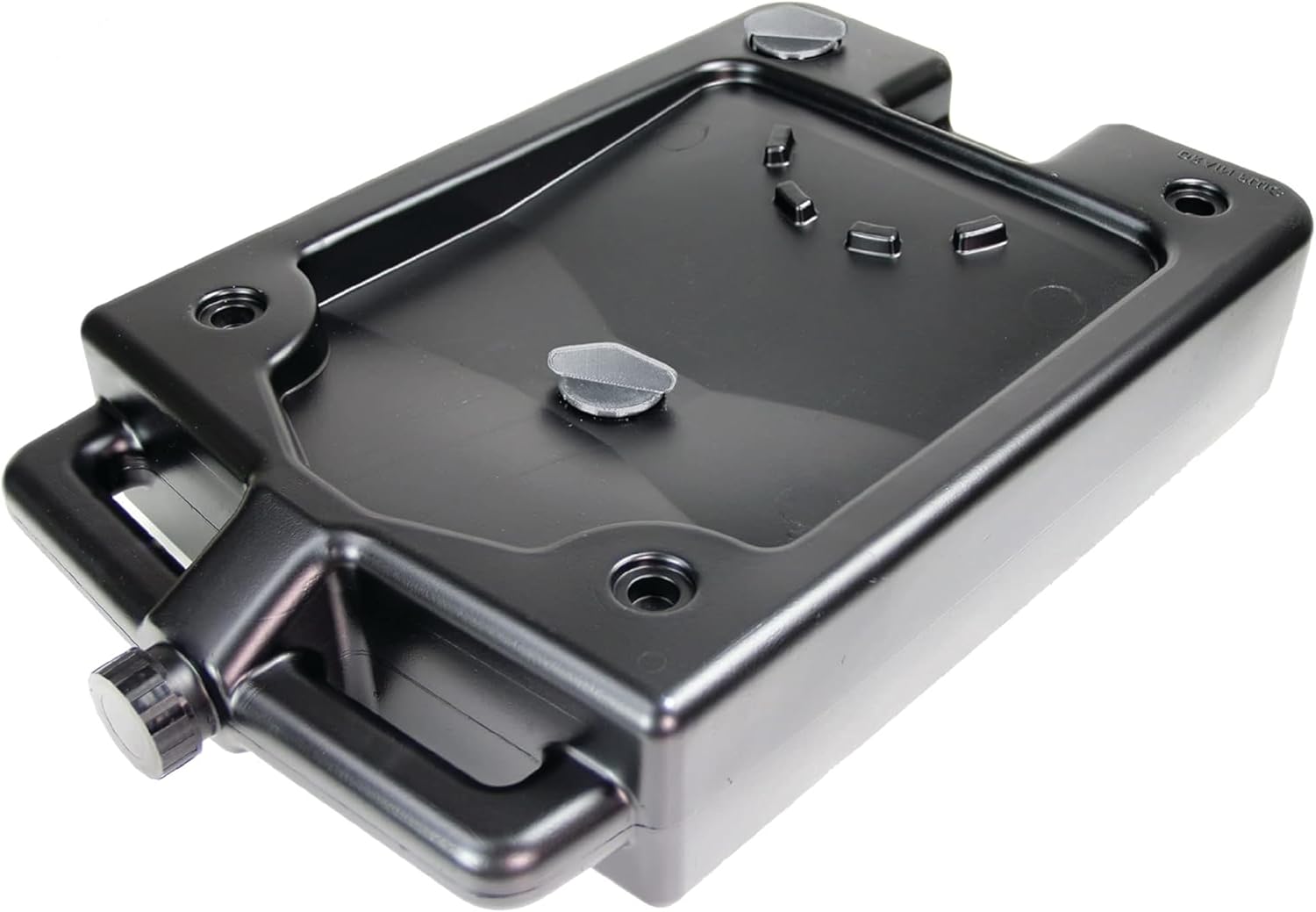
Drain the Old Differential Fluid
If Your Differential Has a Drain Plug
Place a drain pan underneath, remove the fill plug completely, then remove the drain plug. Let the gear oil drain fully. Inspect the drain plug for a magnet and note any buildup. A light paste of fine metallic material can be normal wear, but large flakes or chunks are a warning sign.
If Your Differential Uses a Removable Cover
Place the drain pan under the cover. Remove the fill plug first, then loosen the cover bolts, leaving the top bolts threaded in a few turns. Gently pry the bottom of the cover away from the housing to let the oil drain out in a controlled way. Once most of the fluid has drained, remove the remaining bolts and take the cover off.
Gear oil can come out fast and at an angle once the seal breaks, so position the pan wider than you think you need. This is one of the messiest parts of the job.
Inspect the Housing and Old Fluid
A fluid change is also a chance to judge the condition of the differential. Pay attention to what the fluid looked like, smelled like, and left behind.
- Dark fluid with a strong burnt smell can indicate overheating or overdue service.
- Milky fluid suggests water contamination.
- A small amount of gray sludge on a magnetic plug is usually normal.
- Shiny metal flakes, chips, or broken gear teeth point to internal damage.
If the cover is off, inspect the visible gear teeth and the inside of the housing. You are not performing a full rebuild, but you can often spot heavy scoring, discoloration, or obvious broken parts. If you find those issues, reassembly with fresh oil may only be a temporary step before major repair.
Clean and Reseal the Differential
Proper cleaning matters because leaks often start after a fluid change due to leftover gasket material or excess RTV. Take your time here.
For Plug-style Housings
Clean the drain and fill plugs. If the plugs use sealing washers, replace them if damaged or flattened. Apply thread sealant only if the manufacturer calls for it. Reinstall the drain plug and tighten it to the proper torque.
For Cover-style Housings
Use a gasket scraper or plastic scraper to remove all old gasket material or RTV from both mating surfaces. Do not gouge the metal. Wipe the surfaces clean with brake cleaner and a lint-free rag. If your vehicle uses a cut gasket, install a new one. If it uses RTV, apply a continuous, even bead around the cover, circling each bolt hole as required by the product instructions or factory service procedure.
Install the cover and hand-thread all bolts before tightening. Snug them in a crisscross pattern so the cover seats evenly. Then torque the bolts to specification. Over-tightening can distort the cover, squeeze out too much sealant, and create a leak.
If RTV is used, some products require a short skin-over time before final assembly or a waiting period before refilling. Follow the sealant instructions and your vehicle’s service information.
Refill the Differential Correctly
Most differentials are refilled through the fill hole using a fluid pump attached to the gear oil bottle. This is often the easiest method because space around the axle can be tight.
- Remove the fill plug fully if you threaded it back in earlier.
- Pump in the correct fluid slowly to reduce spills and air pockets.
- Add the limited-slip modifier if your vehicle requires it and it is not already blended into the gear oil.
- Fill until the fluid level reaches the bottom edge of the fill hole, or follow the exact factory fill quantity if the service information specifies a measured amount.
- Install the fill plug with the proper washer or sealant if required, then torque it to specification.
Do not assume more is better. Overfilling can cause foaming and fluid push-out, while underfilling leaves gears and bearings unprotected. A level vehicle and the correct fill method matter.
Recommended Tools for This Job


Special Notes for Front Differentials and Limited-Slip Units
Front differentials on all-wheel-drive and four-wheel-drive vehicles can be harder to access than rear axles. Skid plates, crossmembers, exhaust routing, and tight plug access can turn a simple fluid change into a frustrating one.
Limited-slip differentials deserve extra attention. If the wrong fluid or no friction modifier is used, the clutches can chatter during low-speed turns. If the manufacturer calls for a limited-slip compatible fluid, use that exact type. Adding friction modifier to a fluid that already includes it may not improve anything and can change the friction behavior.
Some vehicles have separate front and rear differentials plus a transfer case. These are different components and often use different fluids. Do not assume one bottle works for all three.
Final Checks After the Fluid Change
Once the plugs or cover are tightened and the area is wiped clean, lower the vehicle and take a short test drive. Then inspect the differential again.
- Look for seepage around the fill plug, drain plug, or cover perimeter.
- Listen for abnormal whining, growling, or clunking on acceleration and deceleration.
- On limited-slip units, make several slow turns in a parking lot and check for chatter.
- Recheck for leaks after the first drive and again over the next few days.
A small residual drip can simply be leftover oil from the service, but fresh wetness around the sealing surface usually means the gasket, RTV bead, washer, or plug torque needs attention.
Common Mistakes to Avoid
- Draining the differential before confirming the fill plug can be removed.
- Using the wrong gear oil viscosity or the wrong specification.
- Forgetting limited-slip additive when it is required.
- Over-tightening cover bolts or plugs and damaging threads or sealing surfaces.
- Leaving old gasket material on the housing.
- Filling the differential with the vehicle sitting at an angle.
- Ignoring heavy metal debris that signals internal wear.
If a plug feels like it may strip, stop and reassess before forcing it. Damaged fill or drain threads can quickly turn a routine fluid service into a more involved repair.
When to Stop and Call a Mechanic
DIY differential service is reasonable for many owners, but some situations are better handled by a pro.
- The fill or drain plug is seized, rounded off, or located in a very tight space.
- The differential is already whining loudly or making grinding noises.
- You find metal chunks, water contamination, or damaged gear teeth inside.
- The housing sealing surface is bent, rust-pitted, or previously over-tightened.
- You cannot safely keep the vehicle level and properly supported.
A shop can also help if the service interval was missed for a very long time and you want the axle inspected for bearing or gear wear at the same time.
Key Takeaways
- Loosen the fill plug before draining anything so you do not end up with an empty differential you cannot refill.
- Use the exact gear oil specification and limited-slip additive requirement listed for your vehicle, not a guess based on bottle labels alone.
- Clean the cover and housing carefully and torque bolts evenly to prevent leaks after reassembly.
- Fill the differential with the vehicle level and stop at the correct fluid height rather than overfilling it.
- If the old oil contains heavy metal debris or the axle already whines, treat the fluid change as an inspection and plan for professional diagnosis.
FAQ
How Often Should Differential Fluid Be Changed?
It depends on the vehicle and how it is used. Many manufacturers list intervals anywhere from about 30,000 to 60,000 miles for severe service, while some normal-use schedules go longer. Towing, off-roading, heavy loads, frequent short trips, or water exposure usually mean the fluid should be changed more often.
Can I Use Any Gear Oil in My Differential?
No. You need the exact viscosity and specification required for your axle, such as 75W-90 or 75W-140, and you must confirm whether the differential is open or limited-slip. Using the wrong fluid can cause poor lubrication, noise, overheating, or clutch chatter.
What Happens if I Forget the Limited-slip Additive?
A limited-slip differential may chatter, bind, or shudder during low-speed turns if it needs friction modifier and does not get it. Some gear oils already include the additive, so always read the label and check the manufacturer requirement before adding anything extra.
Is It Normal to See Metal on the Drain Plug Magnet?
A small amount of fine metallic paste is often normal wear, especially if the fluid has been in service a long time. Large flakes, chips, or shiny chunks are not normal and can indicate bearing or gear damage that needs further diagnosis.
Should I Flush the Differential with Solvent?
Usually no. Most DIY fluid changes involve draining the old oil, cleaning the housing or plugs, and refilling with fresh gear oil. Pouring solvent into the differential can leave residue behind or remove lubrication from surfaces that need it.
Why Does My Differential Still Make Noise After a Fluid Change?
Fresh fluid can help if the old oil was degraded, but it will not fix worn bearings, damaged gears, improper backlash, or advanced internal wear. If the noise remains or gets worse, the differential likely needs inspection and repair beyond a fluid service.
Can I Drive Right Away After Resealing a Differential Cover with RTV?
Maybe, but it depends on the sealant and the service procedure. Some RTV products need time to skin over or cure before fluid is added or before the vehicle is driven. Follow the RTV instructions and your vehicle’s service information to avoid creating a leak.
Need Parts for This Repair?
The right parts and supplies vary by vehicle.
Select your make and model to find compatible parts and accessories for your car.
Exact Fit
Parts that fit your make and model
Quality You Can Trust
Top brands and OEM quality options
Fast Shipping
Get the parts you need, delivered fast