

Note: This article contains affiliate links. If you click on these links and make a purchase, I may earn a small commission at no extra cost to you. This helps support my research and content. Read my full affiliate disclosure here.
Repair Snapshot
Use a mechanic if the tank must be lowered significantly, the fasteners are heavily rusted, or you smell raw fuel but cannot clearly locate the leak. A pro is also the safer choice if you are not comfortable working around gasoline vapors.
This article is part of our Fuel System Maintenance & Repair Guides.
Replacing a fuel filler neck is usually necessary when rust, cracks, or damaged hose connections cause fuel smells, EVAP leaks, or visible seepage while refueling. On many trucks, SUVs, and older cars, the neck rusts near the wheel well or where it meets the rubber filler hose, especially in areas that use road salt.
The job is straightforward on some vehicles and frustrating on others because access can be tight behind the rear wheel, inside the quarter panel, or above the fuel tank. Before you buy parts, compare the new neck to the old one and confirm whether the filler hose, vent hose, clamps, and mounting screws should also be replaced.
Because you are working around gasoline and vapors, safety matters more than speed. Work outside or in a very well-ventilated area, keep all sparks and flames far away, and do not begin this repair with a full tank.
When a Fuel Filler Neck Needs Replacement
A filler neck is the metal or plastic tube that connects the fuel door opening to the tank through a large filler hose and one or more smaller vent or EVAP hoses. If it rusts through, cracks, or separates at a connection, fuel can drip during filling, vapors can escape, and the check engine light may come on with EVAP-related trouble codes.
- You smell raw fuel near the rear wheel or fuel door area.
- Fuel leaks or runs back out while filling the tank.
- The filler neck is visibly rusted, flaky, split, or perforated.
- The gas station nozzle keeps clicking off because venting is restricted.
- An EVAP leak code appears after you have already checked the gas cap.
Do not assume the neck is the only problem. A cracked filler hose, split vent line, loose clamp, damaged tank grommet, or rotten mounting flange can create similar symptoms. Once you have access, inspect every hose and seal in the area.
Before You Start
Reduce Fuel Level and Pressure
This repair is easier and safer when the tank is below one-quarter full. Less fuel means less weight, less chance of spillage, and more room for vapor expansion. You usually do not need to relieve fuel rail pressure for a filler neck replacement, but you should remove the gas cap to release any tank vapor pressure before disconnecting hoses.
Choose a Safe Work Area
Work on a flat surface outdoors if possible. Do not smoke, weld, grind, or use incandescent drop lights near the vehicle. Keep a class B fire extinguisher nearby. If you need to raise the vehicle, chock the front wheels, lift at the proper jacking point, and support it securely on jack stands before climbing underneath.
Check Access on Your Vehicle
Some filler necks come out through the wheel well after removing a splash shield. Others require loosening the inner fender liner, dropping the spare tire, or partially lowering the fuel tank to free the hose connection. Review a service manual or look at the replacement part shape so you know the direction it has to come out.
How to Diagnose the Problem Before Replacing Parts
Spend a few minutes confirming the neck is actually bad before tearing into the vehicle. Open the fuel door and inspect the visible tube area with a flashlight. Rust bubbles, scaling, pinholes, or wet fuel stains around the upper neck are strong signs of failure.
Next, look underneath near the rear wheel and tank connection. The large filler hose should be flexible and smooth, not cracked, sticky, swollen, or hardened. Smaller vent hoses should be intact and fully seated. Heavy rust near the bracket where the neck bolts to the body is also common.
If you only have a fuel smell after filling the tank, the leak may be higher up near the fuel door or at the upper vent nipple. If fuel drips during refueling, the lower connection between the neck and rubber hose is often the issue. If the check engine light is on, scan for EVAP codes and inspect the gas cap seal too.
Tools That Make This Job Easier


Removal Steps
Disconnect the Battery and Open the Area
Disconnect the negative battery cable to reduce the chance of accidental sparks. Open the fuel door and remove the gas cap. If your vehicle has a plastic trim bezel or screws around the fuel door pocket, remove them first. Under the vehicle or inside the wheel well, remove any splash shields, inner liners, or covers blocking access to the filler neck.
Soak Rusty Fasteners
Spray penetrating oil on the filler neck mounting screws, bracket bolts, and hose clamp screws. Let it work for several minutes. Rusted screws at the fuel door are easy to strip, so use the correct driver bit and steady pressure.
Remove the Mounting Hardware
Most filler necks are held to the body by a small flange near the fuel door with two to four screws or bolts. Remove these first but keep one loosely threaded if the neck is awkward and you want it supported while you loosen the lower hose connections.
Loosen the Filler and Vent Hose Clamps
At the lower end of the neck, loosen the large clamp on the rubber filler hose. Then loosen the smaller vent hose clamp or quick-connection, depending on design. Twist the hoses gently to break them free. If a hose is stuck, do not pry hard against a plastic tank nipple. Work the hose carefully with pliers, a pick, or a small amount of silicone-safe lubricant around the outer neck only.
Be ready with rags because a small amount of fuel may drain from the neck or hose. If the hose is brittle or starts tearing, plan to replace it instead of forcing reuse.
Withdraw the Old Filler Neck
Once the hoses and fasteners are free, remove the remaining mounting screw and carefully snake the filler neck out through the wheel well or down past the tank, whichever path your vehicle allows. Compare its orientation to the new part immediately so you can transfer brackets, rubber isolators, anti-squeak pads, or rollover valves in the correct position.
Inspect Related Parts While Everything Is Apart
This is the best time to inspect parts that commonly fail with the filler neck. Reusing damaged hoses or rusty hardware can turn a clean repair into a repeat job a few weeks later.
- Check the large rubber filler hose for cracking, swelling, hardening, or soft spots.
- Inspect all vent and EVAP hoses for splits, loose ends, or collapsed sections.
- Look at the tank-side inlet and vent nipples for rust, distortion, or damage.
- Replace badly corroded clamps and mounting screws instead of reusing them.
- Clean dirt and rust flakes from the mounting area so the new flange sits flat.
If the tank-side metal inlet is also rusted through, the job becomes more involved and may require tank service or replacement components beyond the filler neck. That is a good point to stop and reassess whether the repair is still practical as a DIY project.
Installation Steps
Match the New Part Before Installing
Lay the old and new filler necks side by side. Compare tube diameter, bends, vent port locations, mounting flange angle, bracket positions, and hose bead shapes. If anything looks different, verify the part number before forcing the installation. Small differences in neck angle can make the fuel door fit poorly or cause refueling problems.
Transfer Hardware and Seals
Move over any brackets, insulators, grommets, vent fittings, or guards that are not included with the replacement neck. Clean reusable parts and replace any rubber pieces that are cracked or flattened. A tiny amount of light lubricant can help hoses slide on, but do not soak them or use anything that could damage rubber.
Route the New Neck Into Position
Guide the new neck in using the same path the old one came out. Avoid scraping fresh coatings off the tube or kinking attached vent lines. Start the upper mounting screws by hand but leave them slightly loose so the lower hose connection can align naturally.
Reconnect the Lower Filler Hose and Vent Hose
Push the large filler hose fully onto the lower neck until it seats past the bead. Do the same with the vent hose. Position each clamp behind the bead where it can grip securely without slipping off the end of the hose. Tighten worm-drive clamps firmly, but do not crush a plastic neck or strip the screw. Spring clamps should return to their original clamp area.
Tighten the Body Fasteners
Once the hose alignment looks natural and the fuel door opening sits correctly, tighten the filler neck flange screws and any support bracket bolts. If you have factory torque specs, use them. These fasteners are usually small, so snug is often enough. Over-tightening can strip body inserts or crack plastic trim.
If the vehicle uses self-tapping screws into rusty sheet metal, make sure the flange is seated evenly and the neck is not under side load. A crooked mounting position can stress the lower hose and cause future leaks.
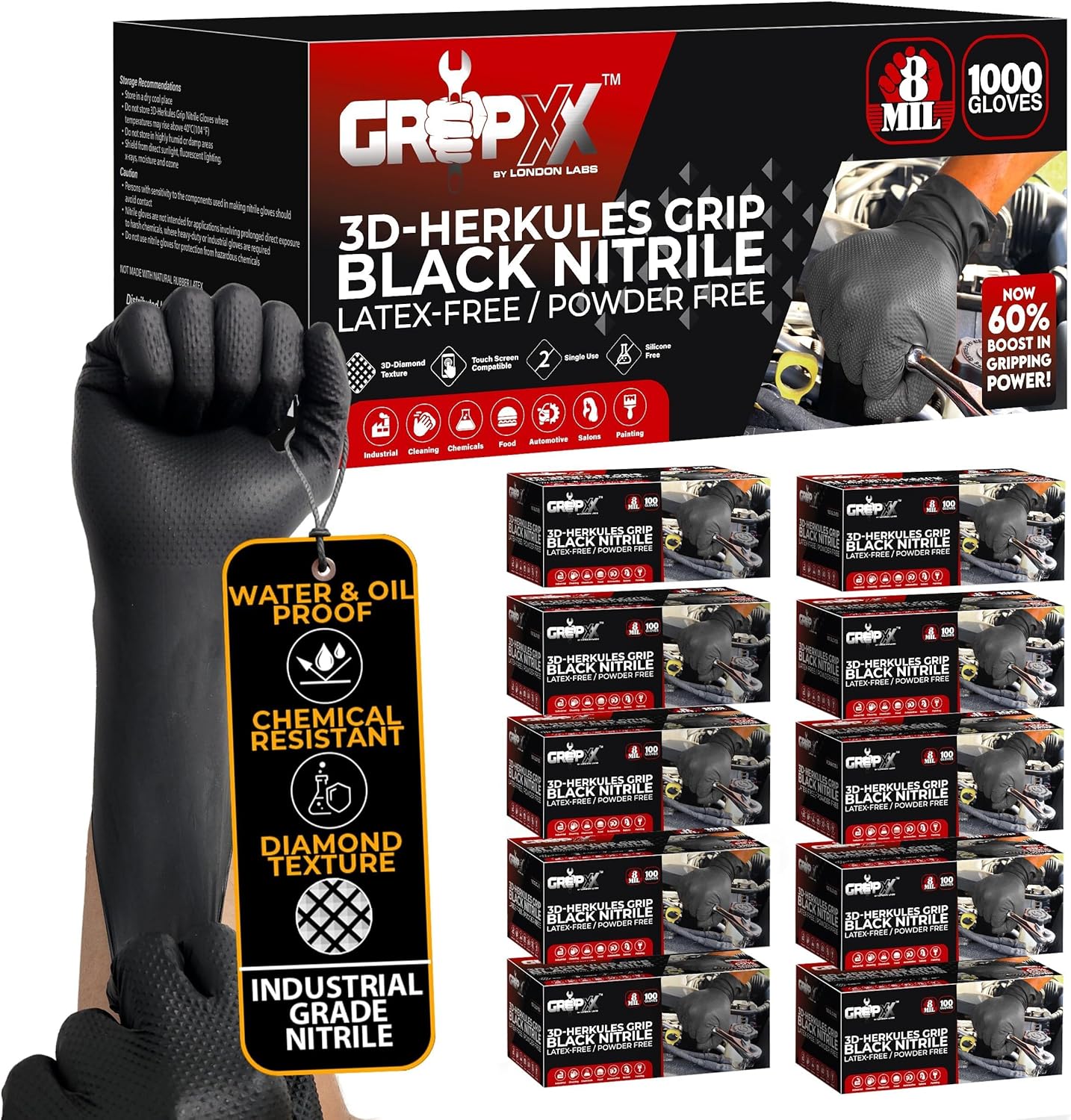
Recommended Tools for This Job


Torque Notes, Alignment, and Common Mistakes
Torque values for filler neck hardware vary widely by vehicle, and many DIYers will not find a universal spec stamped on the part. The safest approach is to use the service information for your exact model. In general, hose clamps should be tight enough to seal without cutting into the rubber, and flange fasteners should be snug enough to hold the neck firmly without distorting the mounting area.
- Do not leave the neck twisted inside the filler hose.
- Do not position clamps on top of the bead instead of behind it.
- Do not reuse cracked vent hoses just because they are hard to reach.
- Do not pinch EVAP lines behind splash shields or inner liners.
- Do not ignore loose brackets that allow the neck to vibrate.
A poorly aligned filler neck can cause hard refueling, premature hose wear, and visible gaps around the fuel door opening. Before reassembling covers, close the fuel door and verify the cap threads on smoothly and the neck sits centered.
Final Checks Before Driving
Reassemble and Inspect
Reinstall any splash shields, wheel well liners, trim panels, and the gas cap. Reconnect the negative battery cable. Double-check that no tools or rags remain near the tank or exhaust.
Add a Small Amount of Fuel First
Before filling the tank completely, add a small amount of fuel and look underneath for seepage around the lower filler hose, vent hose, and flange area. If dry, continue by adding more fuel slowly while watching for drips or fuel smell.
Road Test and Monitor
Drive the vehicle, then recheck for leaks and odor after parking. If the check engine light was on for an EVAP code, it may take several drive cycles to clear on its own, or you may need to erase the code with a scan tool after confirming the leak is fixed.
When the Job Gets Bigger Than Expected
Stop and consider professional help if the lower hose connection is inaccessible without lowering the fuel tank, the tank straps or nearby brake lines are heavily rusted, or the filler neck mounting area in the body is rusted away. Severe corrosion can turn a simple parts swap into fabrication work.
Also be cautious if you find fuel pooling on top of the tank, a damaged pump module seal, or a broken EVAP canister line. Those repairs can overlap with emissions components and may require more disassembly, specialty parts, and leak-testing equipment.
Key Takeaways
- Replace the filler neck only after checking the filler hose, vent hose, gas cap, and tank-side connections for the actual source of the leak or odor.
- Do the job with the fuel level low and in a well-ventilated area because spilled gasoline and vapors create a real fire risk.
- Always compare the old and new neck side by side so the bends, vent ports, and mounting flange line up correctly before installation.
- Use new clamps and replace any cracked or hardened hoses while access is open to avoid repeating the repair.
- Test with a small amount of fuel first and inspect carefully for seepage before returning the vehicle to normal use.
FAQ
Can I Drive with a Leaking Fuel Filler Neck?
It is not a good idea. Even a small leak can release flammable vapors, drip fuel during turns or refueling, and trigger EVAP faults. If you smell raw fuel or see wetness near the neck, repair it as soon as possible.
Do I Have to Drop the Fuel Tank to Replace the Filler Neck?
Not always. Many vehicles allow access through the wheel well or behind a splash shield, but some require partial tank lowering to reach the lower hose clamps or free the neck from its routing path.
Should I Replace the Filler Hose and Vent Hose at the Same Time?
If the hoses are cracked, swollen, brittle, or heavily contaminated with rust debris, yes. Replacing worn hoses while the area is apart is cheap insurance against another leak.
Will a Bad Filler Neck Cause a Check Engine Light?
Yes. A rusted or cracked filler neck can create an EVAP leak that sets a check engine light, especially if vapors escape near the tank or vent connection.
Why Does the Gas Pump Keep Clicking Off when I Fill Up?
A restricted or damaged filler neck or vent line can slow fuel flow and trap air in the tank, causing the nozzle to shut off repeatedly. Kinked vent hoses and internal rust can both contribute.
Can I Patch a Rusty Fuel Filler Neck Instead of Replacing It?
A patch is usually not a durable or safe long-term repair. Once the neck has rusted through, nearby metal is often thin as well. Replacement is the proper fix.
Do I Need Special Sealant on the Hoses or Clamps?
Usually no. The hose and clamp are designed to seal mechanically. Use clean parts, correct clamp placement, and proper tightening. Avoid random sealants that can degrade rubber or contaminate the fuel system.
How Do I Know the Repair Worked?
You should be able to add fuel without leakage, strong fuel odor, or repeated nozzle shutoff. After a short drive, recheck the area for seepage and monitor whether any EVAP code returns.
Need Parts for This Repair?
The right parts and supplies vary by vehicle.
Select your make and model to find compatible parts and accessories for your car.
Exact Fit
Parts that fit your make and model
Quality You Can Trust
Top brands and OEM quality options
Fast Shipping
Get the parts you need, delivered fast