

Note: This article contains affiliate links. If you click on these links and make a purchase, I may earn a small commission at no extra cost to you. This helps support my research and content. Read my full affiliate disclosure here.
Repair Snapshot
Use a mechanic if the linkage is severely worn, the transmission still will not engage correctly after adjustment, or access requires working under the vehicle without safe support points. Professional help is also a good idea if the issue may be internal to the transmission rather than the external linkage.
This article is part of our Transmission and Drivetrain Maintenance & Repair Guides.
Adjusting shifter linkage restores the proper relationship between your shifter and the transmission so Park, Reverse, Neutral, and the drive gears line up correctly again. When the linkage is out of adjustment, the shifter may feel vague, the indicator may point to the wrong gear, or the vehicle may not start in Park or Neutral.
On many vehicles, the problem is not the transmission itself but a stretched cable, worn bushing, loose clamp, or linkage that shifted slightly after repair work. A careful adjustment can often fix hard gear selection, incorrect gear indication, or a shifter that will not fully engage the selected range.
Because designs vary between column shifters, floor shifters, cable-operated systems, and solid rod linkages, always compare these steps with your factory procedure. The basic approach is the same: confirm the transmission and shifter are both in the same gear position, set the linkage length or clamp point, then verify every gear before driving.
How Shifter Linkage Problems Show Up
Shifter linkage connects the shift lever inside the vehicle to the selector lever on the transmission. On newer vehicles this is often a cable. On older trucks and rear-wheel-drive vehicles, it may be a series of rods, pivots, and bushings. If any part loosens, wears, bends, or shifts out of position, the transmission may not match what the shifter says.
Common symptoms include a shifter that feels loose, a vehicle that starts only in Neutral but not Park, a mismatch between the gear indicator and actual gear, trouble getting into Park, or reverse lights that come on at the wrong time. These symptoms can also overlap with worn mounts, a damaged shift cable, or an internal transmission issue, so diagnosis matters before adjustment.
- The shifter points to one gear but the transmission is actually in another.
- You must move the shifter slightly off Park or Neutral to get the engine to crank.
- Park does not fully hold the vehicle, or the shifter will not travel fully into Park.
- Manual gear positions on an automatic transmission do not line up correctly.
- The linkage feels sticky or sloppy because bushings or clips are worn.
Before You Start: Safety and Setup
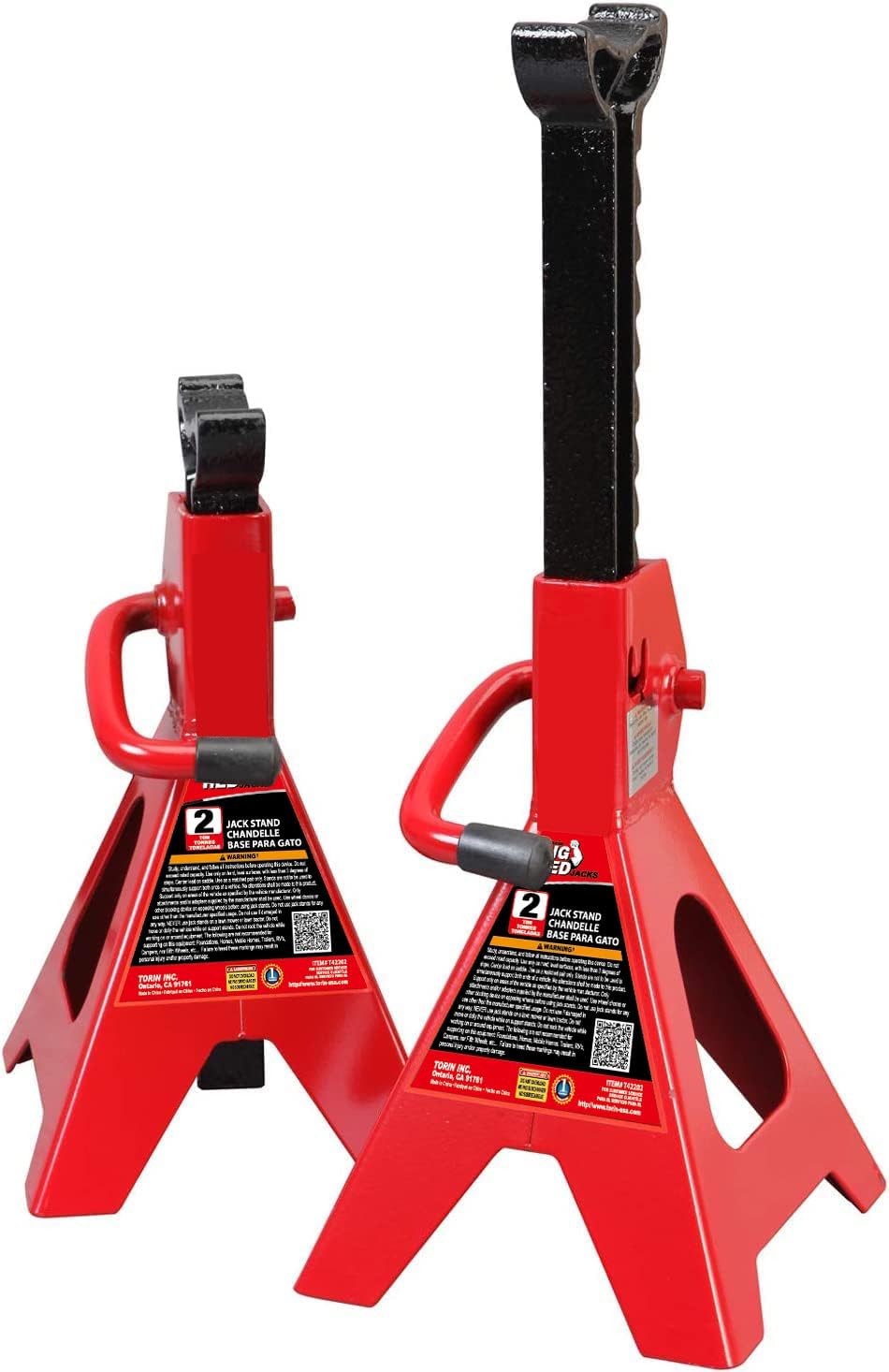
Work on a level surface and set the parking brake firmly. Chock the wheels before moving the shifter or crawling under the vehicle. If you need under-vehicle access, raise the vehicle only at approved lift points and support it securely on jack stands. Never rely on a floor jack by itself.
If the vehicle can roll because Park is not engaging correctly, take extra care. Keep clear of the drive wheels and do not start the engine unless you are sure the transmission is in Park or Neutral and the area around the vehicle is clear.
Helpful Prep Steps
- Look up the exact shift adjustment procedure if possible, especially for cable-locking or self-adjusting designs.
- Take photos before loosening anything so you can compare lever positions later.
- Mark the current linkage position with a paint marker before adjustment.
- Check for damaged bushings, cracked cable ends, or missing clips before assuming a simple adjustment will solve it.
Diagnose the Cause Before Adjusting Anything
A linkage adjustment works only if the linkage is still mechanically sound. If the cable housing is broken, the bushings are falling apart, the transmission lever is loose on its shaft, or the engine and transmission mounts have collapsed, you may adjust it once only to have the problem return immediately.
Check the Shifter Inside the Cabin
Move the shifter slowly through all positions with the engine off. Feel for excess play, sticking, or a position that does not click cleanly into place. Remove trim if needed and inspect the shifter base for loose bolts, broken plastic, or a cable end that is not seated correctly.
Inspect the Transmission-side Linkage
At the transmission, check whether the selector lever moves smoothly by hand once the cable or rod is disconnected. If it binds, the issue may be at the transmission manual lever or internal mechanism. If the external lever moves cleanly but the cable does not, the cable may be stretched or damaged.
Look for Wear Points
- Worn rubber or plastic bushings
- Bent shift rods or brackets
- Missing retaining clips
- Cable housings pulling out of their mounts
- Loose fasteners at the shifter assembly or transmission bracket
- Damaged engine or transmission mounts changing linkage geometry
If any of those problems are present, fix them first. Adjustment should be the final alignment step, not a bandage for failed hardware.
Tools That Make This Job Easier


Locate the Neutral or Park Reference Position
Most shift linkage adjustments are made by placing both the shifter and the transmission in the same known reference position. That position is usually Neutral, though some vehicles specify Park. Neutral is often easier because you can feel the detent more clearly and it reduces tension in the linkage.
To identify the transmission position, manually rotate or move the selector lever at the transmission through each detent. Count the clicks if necessary from one end of travel to the other. Then place the lever in the specified reference gear. Do the same with the cabin shifter.
Tips for Confirming the Correct Detent
- Do not force the transmission lever past its natural stops.
- If the shift indicator is clearly wrong, trust the transmission detents more than the dashboard pointer.
- On cable systems, make sure the cable housing is fully seated in its bracket before setting the adjustment.
- If your vehicle has a shifter locking pin hole, use the specified pin or drill bit size only if the service procedure calls for it.
How to Adjust Cable-Style Shifter Linkage
Cable-operated linkage is common on front-wheel-drive vehicles and many newer cars and SUVs. These systems usually adjust at the cable end, a locking tab, or an adjustable trunnion near the transmission or shifter assembly.
Basic Cable Adjustment Procedure
- Set the parking brake, chock the wheels, and turn the ignition off.
- Place the shifter in the manufacturer-specified reference position, usually Neutral.
- At the transmission, move the selector lever by hand into the same reference position.
- Release the cable adjuster lock, retaining tab, or clamp without moving the lever positions.
- Allow the cable end to settle naturally into alignment with no preload, then lock the adjuster.
- Reconnect any clips or retainers and make sure the cable housing is seated fully in its bracket.
- Cycle the shifter through all gear positions and verify the transmission lever reaches every detent cleanly.
The key is to avoid forcing the cable shorter or longer while the lock is loose. If the shifter and transmission are truly in the same reference position, the cable should line up naturally. If it does not, recheck for binding, incorrect detent selection, or worn mounting points.
Common Mistakes on Cable Systems
- Adjusting the cable while the transmission lever is between detents
- Locking the cable with the housing partly unseated in its bracket
- Ignoring broken cable-end bushings that create play even after adjustment
- Confusing an indicator cable adjustment with the actual transmission shift cable
How to Adjust Rod-Style or Column Shifter Linkage
Older rear-wheel-drive vehicles, trucks, and some column-shift designs use rods, pivots, and bellcranks rather than a single shift cable. Adjustment typically involves loosening a clamp, threaded rod end, or linkage sleeve, then matching the transmission lever and shifter position.
Basic Rod Linkage Adjustment Procedure
- Place both the shifter and transmission in the specified reference gear, usually Neutral or Park.
- Loosen the adjustment point at the linkage rod, sleeve, or clamp.
- Center the linkage so the rod slips into place without pushing or pulling the transmission lever.
- Tighten the adjustment hardware to specification if available.
- Lubricate pivots lightly if the service information allows it and the joints are not sealed.
- Recheck movement through all positions, especially Park, Reverse, and Neutral.
Rod systems are especially sensitive to worn bushings and sloppy joints. If you can twist a linkage rod significantly by hand or see a pivot moving before the transmission lever responds, adjustment alone will not restore crisp gear selection.
Column Shifter Note
With column shifters, some looseness may come from wear inside the steering column or shift tube rather than the lower linkage. If the lever at the column has excessive play before the lower rod moves, inspect the column components before spending time on repeated external adjustments.
Recommended Tools for This Job


Check the Gear Indicator and Interlock Operation
After adjusting the main linkage, verify related systems that depend on correct shift position. On many vehicles, the neutral safety switch, transmission range sensor, reverse light switch, and PRNDL indicator all rely on proper alignment. A vehicle may shift correctly but still show the wrong gear or fail to start if one of these related parts is out of adjustment.
What to Verify After Adjustment
- The engine starts in Park and Neutral only.
- Reverse lights operate only in Reverse.
- The gear indicator points accurately at each selection.
- The ignition key release and shift interlock work normally if equipped.
- Park fully engages and holds the vehicle on level ground.
If the transmission now shifts correctly but the indicator is still off, the indicator cable or display mechanism may need separate adjustment. Do not compensate for a bad indicator by misadjusting the transmission linkage.
Test the Repair Before Driving Normally
Do not assume the repair is complete just because the shifter feels better in the driveway. A proper test confirms that each shifter position matches the transmission range under real operating conditions.
Static Checks
- With the engine off, move the shifter slowly through every position and count the detents.
- Confirm the transmission lever reaches its full stop or detent in each position.
- Start the engine with the brake pedal pressed and verify it starts only in Park and Neutral.
- Check for any binding, delayed engagement, or abnormal looseness.
Short Road Test
On a safe, level route, verify Drive engages normally, Reverse engages smoothly, and manual lower gear selections work if your transmission has them. Return and recheck the linkage fasteners, clips, and bracket seating one more time. If the shift cable lock was not fully seated, the adjustment can drift immediately.
When Adjustment Will Not Fix the Problem
If the linkage is adjusted correctly and symptoms remain, the fault may be outside the adjustment range. A stretched cable, failed bushing, broken transmission range sensor mount, worn shift lever assembly, or internal transmission damage can all mimic simple misadjustment.
Signs You Likely Need Parts, Not Adjustment
- The shifter goes out of adjustment again after a short time.
- A bushing is cracked, missing, or loose at either end of the linkage.
- The cable sheath moves with the inner cable because the mount is broken.
- The transmission lever does not match internal gear engagement even when moved by hand.
- Park, Neutral, or manual gear ranges still do not line up after repeated careful adjustment.
At that point, replacing worn linkage components is usually more effective than trying to fine-tune the existing setup. If the transmission itself does not respond correctly when the selector lever is moved directly by hand, have the unit diagnosed professionally.
Tips to Make the Adjustment Last
A good adjustment should stay stable unless something is worn or loose. Once you have the shift positions aligned, take a few minutes to correct the root causes that may have led to the problem.
- Replace worn bushings and retaining clips instead of reusing weak ones.
- Tighten shifter base and linkage bracket fasteners to spec.
- Clean rust and old debris from exposed linkage joints before lubricating them lightly.
- Inspect engine and transmission mounts if the shifter position changes when the powertrain moves.
- Avoid forcing the shifter if it does not want to enter a gear; forcing it can bend rods or damage cable ends.
Key Takeaways
- Always place both the shifter and the transmission in the same reference gear before loosening the linkage adjuster.
- Replace worn bushings, clips, or damaged cable mounts before adjusting, or the problem will usually return.
- After adjustment, verify Park, Neutral start function, reverse lights, and full detent engagement in every gear.
- Do not use the gear indicator as your only guide; confirm the transmission lever position directly at the transmission.
- If the transmission still will not select gears correctly when the external lever is moved by hand, the issue may be internal and needs professional diagnosis.
FAQ
What Are the Signs That Shifter Linkage Is Out of Adjustment?
Typical signs include the gear indicator not matching the selected gear, difficulty getting into Park or Reverse, the engine starting only in Neutral, or a loose shifter that does not line up with transmission detents.
Can I Adjust Shifter Linkage Without Replacing Parts?
Yes, if the linkage is only misaligned and the cable, rods, bushings, and clips are still in good condition. If any wear points are loose or broken, adjustment alone usually will not hold.
Should I Adjust the Linkage in Park or Neutral?
Many vehicles use Neutral, but some specify Park. Always check the factory procedure for your vehicle because using the wrong reference position can create a new misalignment.
Why Does My Car Start in Neutral but Not Park?
That often points to misadjusted shifter linkage or a related neutral safety switch or range sensor issue. If the transmission is not fully reaching the Park position, the starter interlock may not recognize it.
Will Adjusting Shifter Linkage Fix a Slipping Transmission?
No. Linkage adjustment can correct gear selection alignment, but it will not fix internal slipping, delayed shifts caused by low fluid pressure, or worn clutch packs and bands inside the transmission.
How Much Play in the Shifter Is Too Much?
A small amount of movement can be normal, but obvious looseness before the transmission lever responds usually means worn bushings, a stretched cable, or wear in the shifter assembly. If the shifter feels vague or inaccurate, inspect it closely.
Can Bad Engine or Transmission Mounts Affect Shifter Linkage?
Yes. Excessive powertrain movement can change the relationship between the shifter and transmission, especially on rod-style systems. Bad mounts can create shifting problems that seem like a linkage adjustment issue.
Is It Safe to Drive with Misadjusted Shifter Linkage?
Not really. The vehicle may not fully engage Park, may select the wrong gear, or could start unexpectedly if the neutral safety function is affected. Fix the issue before regular driving.
Need Parts for This Repair?
The right parts and supplies vary by vehicle.
Select your make and model to find compatible parts and accessories for your car.
Exact Fit
Parts that fit your make and model
Quality You Can Trust
Top brands and OEM quality options
Fast Shipping
Get the parts you need, delivered fast