

Note: This article contains affiliate links. If you click on these links and make a purchase, I may earn a small commission at no extra cost to you. This helps support my research and content. Read my full affiliate disclosure here.
Repair Snapshot
Use a mechanic if the leak appears to come from the rear main seal, timing cover, oil pan sealed to a subframe, or any area requiring major disassembly. Professional help is also smart if oil is leaking onto the exhaust or you cannot confirm the source after cleaning and inspection.
This article is part of our Engine Maintenance & Repair Guides.
Engine oil leaks can range from a minor mess in your driveway to a serious threat to your engine if the oil level drops too far. The key to fixing one correctly is not guessing. You need to find the exact source first, because oil often runs down the engine and makes a small leak look like a major failure somewhere else.
Most DIY owners can handle common leaks such as a loose drain plug, worn drain plug washer, oil filter seal, or valve cover gasket. Harder repairs, like a rear main seal or timing cover leak, may require advanced tools and significant disassembly. This guide will help you inspect the engine, narrow down the leak source, and decide whether the repair is realistic at home.
If you notice burning oil smell, smoke from the engine bay, fresh oil on the ground, or a low oil warning, do not ignore it. Confirm the oil level before driving any farther, then work through the checks below in a clean and systematic way.
How Serious an Oil Leak Is
Some oil leaks are slow enough that you can monitor the level and schedule a repair soon. Others are urgent. If oil is dripping onto the exhaust manifold or exhaust pipe, the leak can create smoke, a strong burning smell, and in rare cases a fire risk. If the leak leaves large spots after every drive or the dipstick is regularly low, stop treating it as a nuisance and diagnose it right away.
- Check the dipstick before and after diagnosis so you know whether the engine is safe to run.
- Do not drive the vehicle if the oil pressure warning light is on or the engine is making ticking, knocking, or rattling noise from low oil.
- Expect oil to travel downward and backward with airflow, especially while driving, so the lowest wet area is rarely the true source.
- A fresh cleaning step is one of the most important parts of diagnosing the leak correctly.
Common Places Engine Oil Leaks Start
Before taking anything apart, know the usual leak points. On many engines, the most common sources are high on the engine, such as the valve cover gasket, oil cap seal, or PCV-related blow-by pushing oil out of weak seals. Lower leaks are often the oil pan gasket, drain plug washer, oil filter seal, oil cooler lines, or oil pressure sensor. Front-of-engine leaks can come from the timing cover or front crankshaft seal, while leaks between the engine and transmission may suggest a rear main seal.
Common Leak Sources to Inspect First
- Oil filter gasket that is loose, double-gasketed, or damaged
- Drain plug or crush washer that is worn or over-tightened
- Valve cover gasket leaking down the cylinder head
- Oil filler cap seal or spilled oil from a recent oil change
- Oil pan gasket or RTV-sealed pan joint
- Oil pressure sensor or sender leaking through its body
- Oil cooler housing gasket, adapter seal, or oil cooler lines
- Timing cover gasket or front crankshaft seal
- Rear main seal leaking from the bellhousing area
If the engine has high mileage or a clogged PCV system, extra crankcase pressure can make minor gasket seepage much worse. That means replacing the visible gasket may not fully solve the problem unless you also check the ventilation system.
How to Confirm the Leak Source
Start with a Cold Engine and a Clean Surface
Park on level ground, let the engine cool, and check the oil level. If it is low, top it off to the safe range before running the engine for diagnosis. Raise the front of the vehicle securely if needed and use a flashlight to inspect the engine from top to bottom. Look for fresh wet oil, not just old grime.
Clean the Engine Before Hunting the Leak
Spray oily areas with degreaser or brake cleaner, wipe them down, and clean the underside if it is heavily coated. You do not need a show-quality engine bay, but you do need to remove the old oil film that hides the true source. After cleaning, drive the vehicle briefly or let it idle for several minutes, then reinspect.
Use UV Dye if the Leak Is Small or Hard to Trace
If the source still is not obvious, add engine-oil-safe UV dye according to the kit instructions. Run the engine, then inspect with the UV light. Dye is especially useful for slow seepage around the timing cover, oil pan seam, oil cooler housing, and rear main seal area. Follow the brightest fresh trail upward to the first point where it begins.
- Check the highest visible wet point on the engine.
- Inspect around the oil cap, valve cover perimeter, and PCV hoses.
- Move downward to the oil filter, oil cooler housing, and sensor ports.
- Inspect the oil pan rail and drain plug area.
- Check the bellhousing opening and front crank pulley area for seal leaks.
Tools That Make This Job Easier

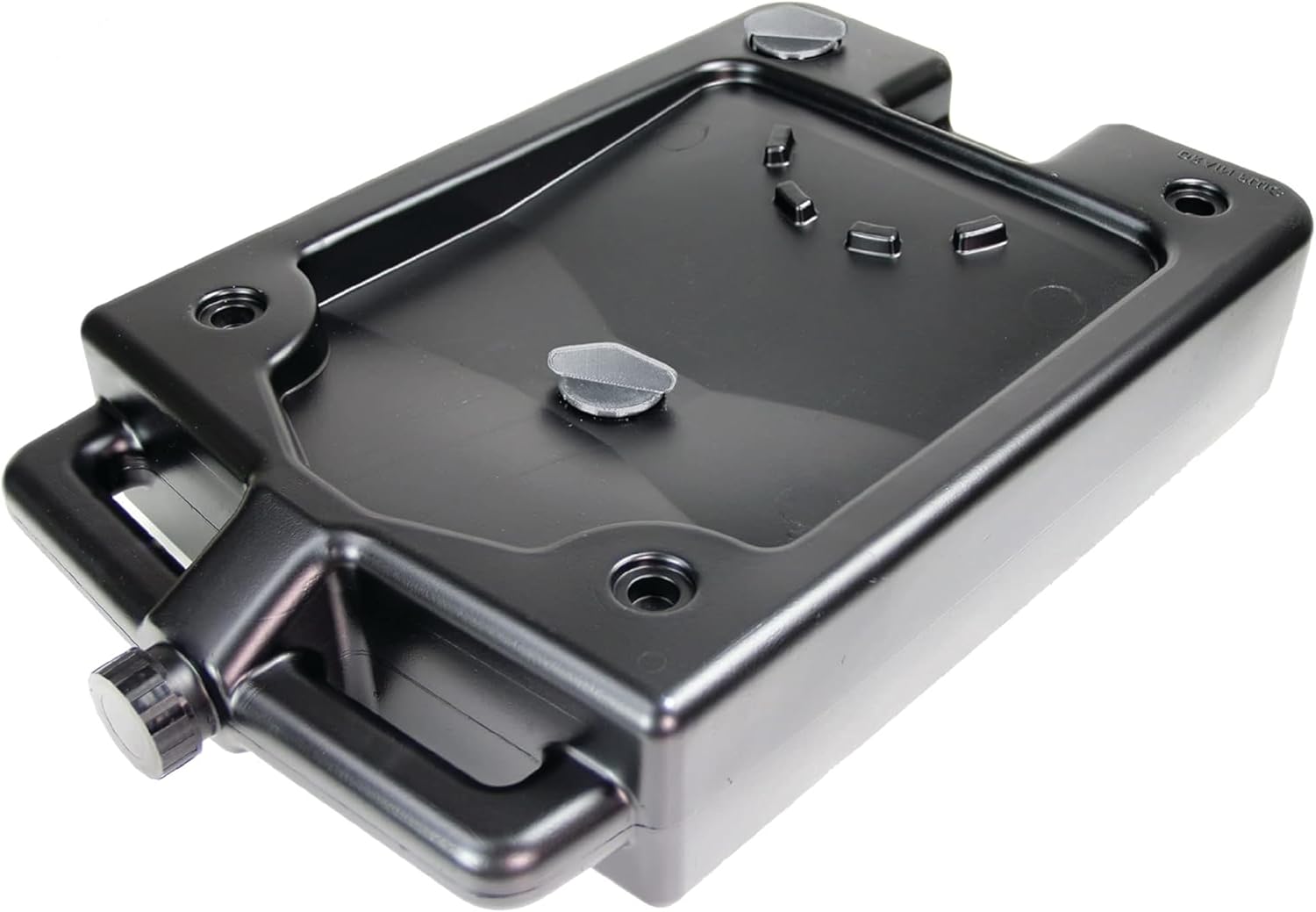

Fixes for the Most Common DIY Oil Leaks
Oil Filter Leak
A leaking oil filter is often one of the easiest fixes. Make sure the old filter gasket did not stick to the engine during the last oil change. A double gasket can cause a major leak. Remove the filter, clean the sealing surface, lightly oil the new filter gasket, and install the new filter to the manufacturer’s specification. Hand-tight is common, but some cartridge-style housings require an exact torque.
Drain Plug or Washer Leak
If the drain plug area is wet, inspect the plug threads and sealing washer. Replace a crushed, cracked, or missing washer. If the plug was overtightened, the oil pan threads may be damaged. In mild cases, a new plug may help. If the pan threads are stripped, the repair may require a thread insert, oversized plug, or oil pan replacement.
Valve Cover Gasket Leak
Valve cover gasket leaks are very common and often drip down onto the exhaust or front of the engine. Remove any components blocking access, unplug ignition coils if needed, and remove the valve cover bolts evenly. Clean the cover and cylinder head mating surfaces completely. Install the new gasket dry unless the service information calls for small dabs of RTV at corners or timing cover joints. Reinstall the cover and torque the bolts in sequence if specified. Over-tightening is a common reason new gaskets leak.
Oil Pan Gasket Leak
Oil pan leaks can range from straightforward to frustrating depending on the vehicle. Some pans come off easily after draining the oil. Others are blocked by crossmembers, exhaust parts, or the subframe. If your engine uses RTV instead of a preformed gasket, remove all old sealant completely and apply a continuous bead exactly where specified. Let the sealant cure for the required time before refilling with oil. This repair often fails when surfaces are not perfectly clean or when bolts are tightened unevenly.
Oil Pressure Sensor or Cooler Housing Leak
These leaks can look severe because pressurized oil spreads quickly. If the sensor body is wet or oil is collecting around the connector, replace the sensor. If the leak comes from an oil cooler housing or adapter, replace the housing gasket or seals and inspect for cracks in plastic housings. Follow torque specs carefully, because many of these parts are easy to crack.
Repairs That Are Usually Better Left to a Professional
Not every oil leak is a good driveway repair. Rear main seals usually require separating the transmission from the engine. Timing cover leaks may require removing engine mounts, accessories, pulleys, or even re-timing components on some engines. Front crank seals often need special pullers and installers, and a mistake can damage the new seal or the crank surface.
- Rear main seal leaks from the engine-to-transmission junction
- Timing cover leaks on engines with complex chain or belt layouts
- Front crankshaft seal leaks requiring pulley removal tools
- Oil pan removal that requires lowering the subframe or lifting the engine
- Any leak you cannot clearly confirm after cleaning and UV dye inspection
If you are unsure whether a leak is engine oil, transmission fluid, or power steering fluid, get a second opinion before replacing parts. Color and smell can help, but modern fluids are often hard to identify once they are dirty.
Recommended Tools for This Job
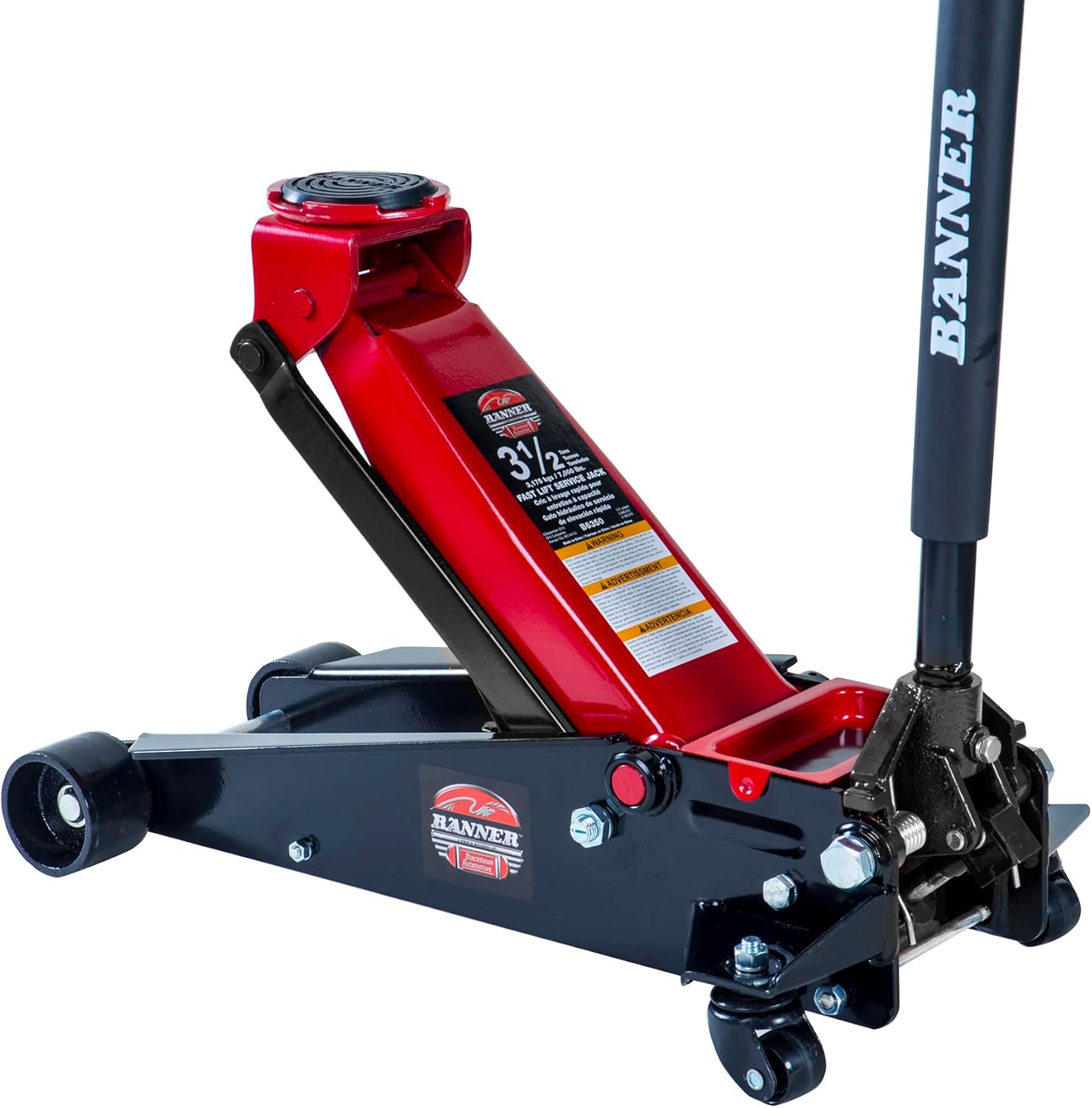


Important Tips During Reassembly
A lot of repeat leaks are caused by installation mistakes rather than bad parts. Use the service information for your specific engine whenever possible. Gaskets that should be installed dry are often ruined by excessive sealant, while RTV-only joints fail if the bead is too thin, interrupted, or applied to oily surfaces.
- Clean both mating surfaces fully and remove old gasket material without gouging aluminum.
- Use only the amount of RTV called for, and place it only where specified.
- Torque fasteners evenly in stages instead of tightening one side all at once.
- Replace sealing washers and O-rings instead of trying to reuse flattened ones.
- Refill the correct oil quantity and verify the dipstick level before startup.
After the repair, start the engine and let it idle while watching the repaired area closely. Then take a short test drive, recheck for fresh oil, and inspect the oil level again after the engine sits for a few minutes. A clean final inspection confirms the repair and helps you catch any missed secondary leak.
How to Prevent Future Oil Leaks
You cannot stop every gasket from aging, but you can reduce the odds of future leaks. Regular oil changes help prevent sludge, which can trap heat and harden seals. The correct oil viscosity matters too. Oil that is too thin for the application can sometimes worsen seepage, while oil that is too thick can affect cold-start flow.
- Use the oil grade and specification listed for your vehicle.
- Replace the PCV valve or service the crankcase ventilation system when required.
- Do not overfill the engine oil.
- Check for leaks after every oil change, especially around the filter and drain plug.
- Fix small seepage early before oil contaminates belts, hoses, or ignition components.
When It Is Safe to Drive Before the Repair
If the leak is minor and the oil level remains full, you may be able to drive short distances while monitoring the level closely. Keep a quart of the correct oil in the car and check the dipstick frequently. However, do not continue driving if oil is hitting the exhaust, if the leak rate suddenly increases, or if the warning light comes on.
A practical rule is simple: if the engine loses more than a small amount between checks, or if you are leaving obvious fresh puddles each time you park, the vehicle needs repair before normal use. Running low on oil is far more expensive than fixing even a difficult gasket leak.
Key Takeaways
- Clean the engine first, because old grime can make oil appear to leak from the wrong part.
- Trace the highest fresh wet point or use UV dye to confirm the real source before buying parts.
- Easy DIY fixes include the oil filter, drain plug washer, valve cover gasket, and some sensor or cooler seals.
- Rear main seal, timing cover, and subframe-blocked oil pan leaks are often better handled by a professional.
- Never keep driving with a low oil level, burning oil smell on the exhaust, or an oil pressure warning light.
FAQ
Can I Drive with an Engine Oil Leak?
Only if the leak is minor, the oil level stays in the safe range, and oil is not contacting hot exhaust parts. Check the dipstick often and avoid driving if the oil pressure light comes on or the leak rate increases.
How Do I Know if the Leak Is From the Valve Cover Gasket or Oil Pan?
Start at the highest wet point. A valve cover leak usually begins near the top of the engine and runs downward, while an oil pan leak starts at the pan rail or drain plug area. Cleaning the engine first makes the difference much easier to see.
Why Does My Car Smell Like Burning Oil but Not Leave a Big Puddle?
Oil may be leaking onto the exhaust manifold, heat shield, or exhaust pipe and burning off before it reaches the ground. Valve cover gasket leaks commonly cause this symptom.
Is UV Dye Safe for Diagnosing Oil Leaks?
Yes, if you use a dye specifically made for engine oil and follow the instructions. It is a common and effective way to find small leaks that are hard to see with the naked eye.
Can an Overfilled Engine Cause an Oil Leak?
Yes. Too much oil can increase crankcase pressure and aeration, which may force oil past weak seals or gaskets. Correct the oil level before diagnosing further.
What Is the Most Expensive Engine Oil Leak to Fix?
A rear main seal is often one of the most expensive because the transmission usually has to be removed to access it. Timing cover leaks can also be costly on engines with complex front-end disassembly.
Should I Use Stop-leak Additives for an Oil Leak?
They may slow minor seepage in some cases, but they are not a reliable fix for torn gaskets, damaged seals, cracked housings, or stripped drain plug threads. Mechanical repair is the better long-term solution.
Why Did My New Gasket Still Leak After Replacement?
Common causes include dirty mating surfaces, incorrect sealant use, over-tightened bolts, warped covers, poor-quality parts, or a second leak source nearby. Excess crankcase pressure from a PCV problem can also cause repeat leaks.
Need Parts for This Repair?
The right parts and supplies vary by vehicle.
Select your make and model to find compatible parts and accessories for your car.
Exact Fit
Parts that fit your make and model
Quality You Can Trust
Top brands and OEM quality options
Fast Shipping
Get the parts you need, delivered fast