

Note: This article contains affiliate links. If you click on these links and make a purchase, I may earn a small commission at no extra cost to you. This helps support my research and content. Read my full affiliate disclosure here.
What You’ll Need
A quick look at the tools and supplies commonly used for this job.
Tools
- OBD-II scan tool with ABS data capability
- Floor jack
- Jack stands
- Wheel chocks
- Lug wrench or impact socket set
- Flashlight or inspection light
- Small mirror
- Brake cleaner
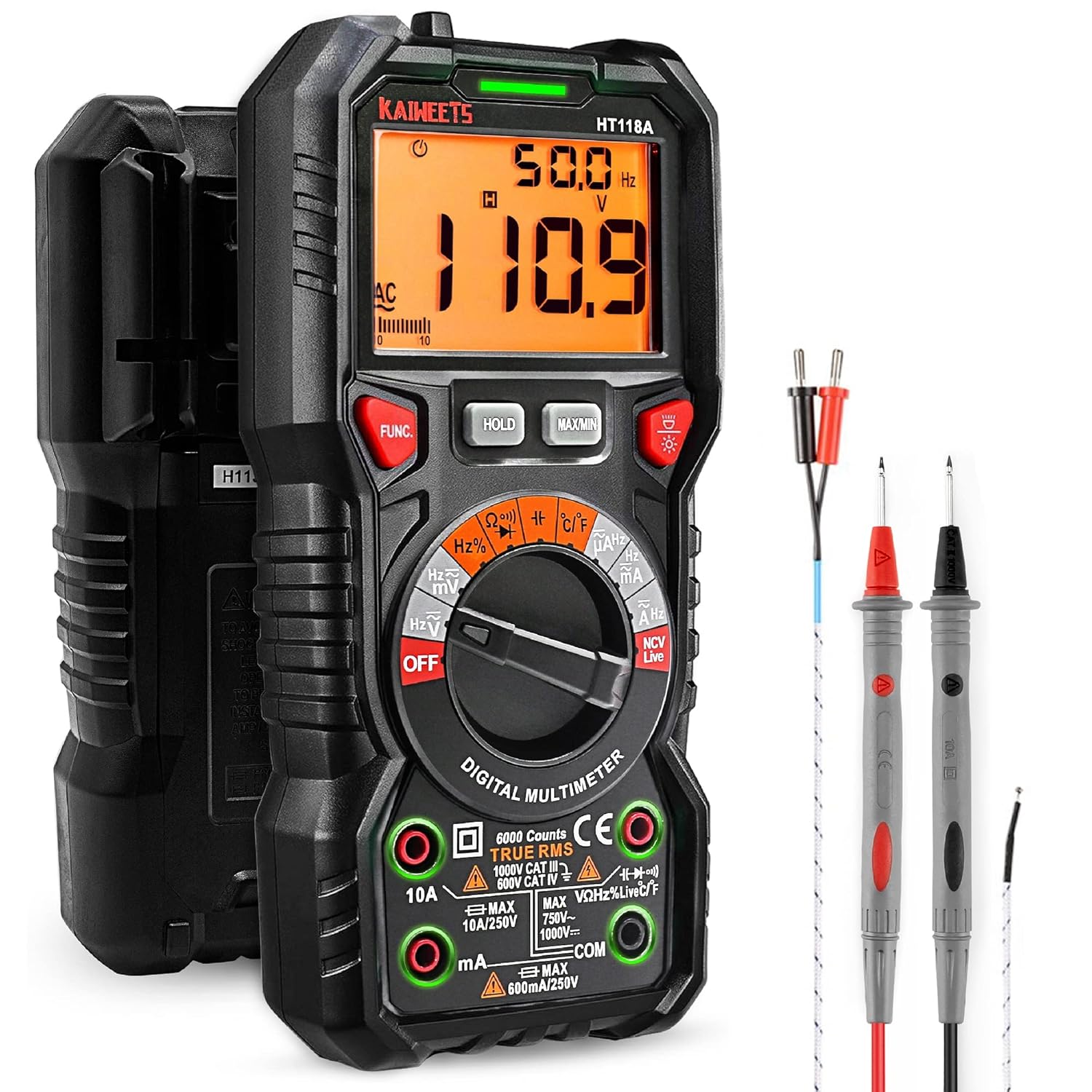
- Digital multimeter
- Shop rags
- Feeler gauge or non-metallic gap gauge
Parts & Supplies
- Replacement wheel speed sensor if needed
- Wheel bearing or hub assembly if the tone ring is integrated
- Replacement ABS tone ring or reluctor ring
- Penetrating oil
- Anti-seize compound
This article is part of our Brake System Maintenance & Repair Guides.
A bad ABS tone ring can trigger the ABS warning light, cause traction or stability control issues, and create false wheel speed readings that feel like a brake or sensor problem. The challenge is that many ABS faults look similar, so replacing the wheel speed sensor first can waste time and money.
The tone ring, also called a reluctor ring, works with the wheel speed sensor to create a signal the ABS module uses to compare wheel speeds. If the ring is cracked, corroded, bent, packed with debris, or has damaged teeth, the module may think one wheel is suddenly slowing down or locking up when it is not.
This guide walks you through a practical DIY diagnostic process so you can tell whether the tone ring is actually the problem, or whether the fault is coming from the sensor, wiring, wheel bearing, or another ABS component.
What the ABS Tone Ring Does
The ABS tone ring is a toothed or magnetized ring that rotates with the wheel, axle, CV joint, or hub assembly. As it passes the wheel speed sensor, it creates a repeating signal. The ABS control module reads that signal to calculate wheel speed in real time.
On some vehicles, the tone ring is an exposed toothed metal ring mounted on the axle shaft or outer CV joint. On others, it is built into the wheel bearing or hub assembly and may not be fully visible. Rear-wheel-drive trucks, front-wheel-drive cars, and all-wheel-drive vehicles can all use different designs, so it helps to know your exact setup before you start.
- If the ring cracks or loses teeth, the sensor signal becomes irregular.
- If rust builds under the ring, it can swell and change the sensor gap.
- If debris sticks to the ring, the sensor may misread wheel speed.
- If the wheel bearing has play, the signal can drop out even when the ring looks acceptable.
Common Signs of a Bad ABS Tone Ring
Most drivers first notice an ABS warning light, traction control light, or stability control light. In some cases, there are no obvious braking issues during normal driving, but the warning returns as soon as the vehicle starts moving.
Symptoms That Point Toward a Tone Ring Issue
- ABS activates at very low speed even on dry pavement.
- The brake pedal pulses while stopping gently near a full stop.
- One wheel speed reading drops out or shows a different speed than the others.
- ABS, traction control, and stability control lights come on together.
- The fault appears after driving in wet, salty, or rusty conditions.
A classic clue is false ABS activation at parking-lot speed. That often happens when a cracked or rust-jacked ring causes a distorted signal only at slower wheel rotation, where the module has a harder time filtering out irregularities.
These symptoms can also be caused by a bad wheel speed sensor, damaged wiring, excessive bearing play, or a contaminated sensor tip. That is why data checking and visual inspection matter before parts replacement.
Safety and Setup Before You Inspect Anything
Work on a flat surface and secure the vehicle before lifting it. Chock the wheels that stay on the ground, use the correct lifting points, and support the vehicle with jack stands. Never rely on a jack alone while inspecting rotating or brake-related parts.
If you are testing after a road drive, let the brakes and nearby components cool enough to avoid burns. Keep the key off when unplugging sensors unless the service procedure specifically says otherwise.
- Scan for ABS codes before disconnecting anything.
- Note which wheel the code points to, but do not assume the sensor itself is bad.
- Inspect both sides when possible, because comparing left to right helps you spot damage.
Start With ABS Trouble Codes and Live Data
The fastest way to narrow down the problem is to use a scan tool that can read ABS codes and live wheel speed data. A basic code reader may not access the ABS module, so this step may require a better scanner.
What to Look for in the Codes
Look for wheel speed sensor circuit codes, implausible signal codes, or intermittent signal loss codes tied to a specific corner of the vehicle. A code naming the left front, right rear, or another wheel gives you a starting point for inspection.
Keep in mind that many modules can only report the affected sensor circuit, not the exact failed part. A bad tone ring can create the same fault pattern as a sensor with an internal failure.
How to Use Live Wheel Speed Data
Safely monitor wheel speed readings during a short road test or while rotating the wheels off the ground if your tool and setup allow it. Under steady driving, all four wheel speeds should stay very close to each other.
- If one wheel drops to zero briefly, suspect a signal dropout.
- If one wheel reads lower than the others at low speed, suspect ring damage or excessive sensor gap.
- If the reading is erratic only during turns, check for axle movement, bearing wear, or harness movement.
- If the reading is dead all the time, suspect a failed sensor, broken wire, or severe ring damage.
A tone ring fault often appears as an intermittent or distorted reading, especially at lower speeds. That pattern is one of the strongest clues that the ring or its air gap is the real issue.
Tools That Make This Job Easier


Perform a Visual Inspection of the Tone Ring
After identifying the likely wheel, remove the wheel if needed and locate the sensor and tone ring. Use a flashlight and mirror to inspect the full circumference as much as possible.
What Bad Tone Ring Damage Looks Like
- Cracks in the ring, especially on press-fit axle-mounted rings.
- Missing, rounded, or chipped teeth.
- Heavy rust buildup under the ring causing it to expand.
- A ring that wobbles as the wheel or axle turns.
- Grease, mud, or metallic debris packed into the teeth.
Rust expansion is especially common on older vehicles in snowy or coastal areas. Corrosion forms under the ring, pushes it outward slightly, and changes the distance between the sensor and the ring. That small change can be enough to weaken the signal and trigger low-speed ABS activation.
If the ring is integrated into the bearing seal and not fully visible, look for external clues such as bearing play, rust staining, physical impact damage, or a speed reading that drops out despite a clean sensor and intact wiring.
Check the Sensor Gap and Sensor Condition
A good tone ring can still create a bad signal if the sensor gap is wrong. Compare the suspected side to the opposite side if the vehicle uses the same design on both sides.
Inspect the sensor mount for rust buildup, looseness, or debris. On some vehicles, corrosion under the sensor itself pushes it away from the ring and creates the same symptoms as a swollen tone ring.
- Check whether the sensor is fully seated.
- Look for a bent mounting bracket.
- Clean dirt and rust from the sensor mounting surface.
- Inspect the sensor tip for metal filings or damage.
- Measure and compare the gap if specifications are available.
If cleaning and reseating the sensor restores the gap and the signal returns to normal, the ring may still be usable. If the gap changes as the ring rotates, that usually points to a warped ring, bearing movement, or a ring that has lifted from corrosion.
Rule Out Sensor and Wiring Problems
Before calling the tone ring bad, check the wheel speed sensor harness carefully. A broken wire near the steering knuckle, control arm, or rear axle is common and can mimic ring failure.
Quick Checks That Help Separate the Fault
- Inspect the harness for rubbing, stretching, or torn insulation.
- Check connectors for corrosion, moisture, or loose pins.
- Use a multimeter to verify continuity or sensor resistance if the design allows it.
- Wiggle the harness while watching live wheel speed data for dropouts.
- Compare readings or resistance values with the opposite side when possible.
Active sensors and passive sensors are tested differently, so avoid resistance checks unless you know the sensor type. Some newer sensors require power and signal verification rather than simple ohms testing.
If the wiring and sensor test good, but the affected wheel still shows an erratic speed pattern and the ring has visible damage or gap issues, the tone ring becomes the most likely cause.
Test by Rotating the Wheel or Axle Slowly
With the vehicle safely raised, rotate the suspect wheel or axle by hand while watching the tone ring and sensor. This can reveal problems that are easy to miss when the vehicle is stationary.
- Spin the wheel slowly and watch for side-to-side wobble or out-of-round movement in the ring.
- Stop at several points and inspect for damaged teeth or cracked sections.
- Listen and feel for roughness in the wheel bearing.
- Watch the scan tool, if available, to see whether the speed signal cuts in and out during rotation.
A ring that looks acceptable at first glance may have one damaged segment that only appears once per rotation. If the scan data drops out repeatedly at the same point each turn, that is a strong indicator of localized tone ring damage.
Recommended Tools for This Job


How to Interpret What You Find
Signs the Tone Ring Is the Likely Failure
- Visible crack, missing teeth, or heavy rust expansion on the ring.
- Erratic wheel speed signal with no obvious wiring fault.
- ABS activates at low speed and the suspect wheel speed drops abnormally.
- Sensor gap changes as the ring rotates.
- The opposite side looks normal and reports stable speed data.
Signs Something Else May Be the Real Cause
- No signal at all from the wheel, with damaged wiring or a corroded connector present.
- Sensor mounting rust or debris is preventing the sensor from seating.
- Bearing play is excessive and changing the gap even though the ring is intact.
- Multiple wheel speed codes appear at once, suggesting a module, power, or network issue.
If the tone ring is built into the hub or bearing, you may not see obvious damage. In that case, unstable wheel speed data plus bearing noise or looseness often points to replacing the hub assembly rather than the sensor alone.
Repair Options and What Usually Gets Replaced
The right repair depends on the design of your vehicle. Some tone rings can be replaced separately. Others are part of the CV axle, wheel bearing, or complete hub assembly.
- If the ring is a separate press-fit part on an axle, replace the ring or the axle assembly depending on cost and condition.
- If the ring is integrated into a hub or bearing, replace the complete hub or bearing assembly.
- If corrosion under the sensor caused the gap issue, clean the mounting surface and reinstall or replace the sensor as needed.
- If wiring damage is found, repair the harness and secure it away from moving parts.
Do not ignore wheel bearing looseness. Even if the tone ring is damaged, bearing play can be the reason it failed or the reason the signal went unstable. Replacing only the sensor will not fix that.
After repairs, clear the ABS codes and road test the vehicle while monitoring live wheel speed data. Confirm that all wheel speeds match closely, the ABS light stays off, and there is no low-speed false activation.
Mistakes to Avoid During Diagnosis
- Replacing the wheel speed sensor first without checking the tone ring.
- Assuming the code identifies the failed component rather than the affected circuit.
- Missing rust buildup under the sensor or under the tone ring.
- Skipping a live data road test and relying only on stored codes.
- Ignoring wheel bearing play or axle movement.
The most expensive diagnostic mistake is replacing parts based only on the warning light. ABS faults often require matching the code, data pattern, and physical inspection before the answer becomes clear.
When to Stop DIY Diagnosis and Get Professional Help
If you cannot access ABS live data, the tone ring is hidden inside a sealed assembly, or the fault only appears under specific road conditions, a professional shop may be able to confirm the issue faster with a lab scope or advanced scan tool.
You should also consider professional help if the repair involves pressing bearings, replacing an axle nut that requires high torque and staking procedures, or dealing with severe rust that could damage related components during disassembly.
Key Takeaways
- Use ABS codes and live wheel speed data first, because a bad tone ring often shows up as an intermittent or low-speed signal dropout.
- Inspect the full ring for cracks, missing teeth, wobble, and rust expansion before replacing the sensor.
- Check sensor seating, harness condition, and wheel bearing play, since all three can mimic tone ring failure.
- If the ring is integrated into the hub or bearing, the correct repair is often a complete hub or bearing assembly.
- After any repair, clear the codes and confirm stable matching wheel speed readings on a road test.
FAQ
Can a Bad ABS Tone Ring Cause the ABS Light to Come on Without Any Brake Problems?
Yes. The ABS light can come on even if normal braking feels fine. The system may only detect an abnormal wheel speed signal, especially at startup or low vehicle speed, before you notice any drivability symptoms.
Will a Bad Tone Ring Always Set a Wheel Speed Sensor Code?
Not always. Many vehicles set a wheel speed sensor or implausible signal code because the module only sees a bad signal from that wheel. The code often points you to the affected corner, not necessarily the exact failed part.
What Is the Difference Between a Bad ABS Tone Ring and a Bad Wheel Speed Sensor?
A bad tone ring usually causes an irregular or distorted signal because the ring is cracked, rusty, bent, or missing teeth. A bad sensor or damaged harness is more likely to cause a dead signal, intermittent signal loss with movement, or electrical test failures.
Can Rust Alone Make a Tone Ring Fail?
Yes. Rust can build up under a metal tone ring, expand it slightly, and change the air gap to the sensor. That is a common cause of low-speed ABS activation on older vehicles in rust-prone areas.
Do I Have to Replace the Whole Hub if the Tone Ring Is Bad?
It depends on the vehicle design. Some tone rings are replaceable by themselves, while others are built into the wheel bearing or hub assembly. If it is integrated, the complete hub or bearing usually has to be replaced.
Can I Drive with a Bad ABS Tone Ring?
The vehicle may still have normal base braking, but ABS, traction control, and stability control may not work correctly. Driving may be possible, but it is not ideal, especially in rain, snow, or emergency braking situations.
Why Does ABS Activate Only when I Am Almost Stopped?
That is a common sign of a weak or distorted wheel speed signal. At low speed, the ABS module may interpret the bad signal from a damaged tone ring or incorrect sensor gap as a locking wheel and pulse the brakes unnecessarily.
Need Parts for This Repair?
The right parts and supplies vary by vehicle.
Select your make and model to find compatible parts and accessories for your car.
Exact Fit
Parts that fit your make and model
Quality You Can Trust
Top brands and OEM quality options
Fast Shipping
Get the parts you need, delivered fast