

Note: This article contains affiliate links. If you click on these links and make a purchase, I may earn a small commission at no extra cost to you. This helps support my research and content. Read my full affiliate disclosure here.
What You’ll Need
A quick look at the tools and supplies commonly used for this job.
Tools
- OBD-II scan tool
- Flashlight
- Floor jack
- Jack stands
- Wheel chocks
- Basic socket set
- Multimeter
- Safety glasses
- Screwdrivers or trim tools
- Pliers
- Hand vacuum pump or low-pressure test pump
- Nitrile gloves
Parts & Supplies
- Replacement fuel cap if needed
- Replacement EVAP vent valve if needed
- Replacement EVAP hoses if needed
- Electrical contact cleaner
- Shop towels
- Penetrating oil
This article is part of our Fuel System Maintenance & Repair Guides.
Fuel tank venting problems usually show up as hard refueling, a strong whoosh when removing the gas cap, EVAP codes, or fuel odor around the vehicle. In most modern cars and trucks, the tank does not vent directly to open air. Instead, vapors are routed through the EVAP system, where a vent valve, purge valve, charcoal canister, and connecting lines control pressure and store fuel vapors until the engine can burn them.
When one part of that system sticks closed, gets clogged with dust or spider webs, fills with liquid fuel, or loses electrical control, the tank may not breathe correctly. That can create vacuum or pressure in the tank, trigger a check engine light, and make the pump nozzle click off repeatedly during fill-ups. The good news is that many venting faults can be narrowed down with a careful visual inspection, a scan tool, and a few basic tests.
This guide walks through a safe DIY diagnostic process so you can separate a bad gas cap from a restricted vent line, failed vent solenoid, saturated charcoal canister, or a control issue. The goal is diagnosis first, not guess-and-replace.
What Fuel Tank Venting Problems Feel Like
A venting problem changes how air moves in and out of the fuel tank as fuel level and temperature change. That usually creates one or more very specific symptoms.
- The gas pump shuts off repeatedly even when the tank is not full.
- You hear a strong hiss or whoosh every time you remove the fuel cap.
- The check engine light is on with EVAP-related trouble codes.
- The vehicle may be harder to start right after refueling.
- Fuel smell may be present near the rear of the vehicle.
- In severe cases, the tank can build noticeable vacuum or pressure.
A single symptom does not prove the cause, but the pattern matters. Repeatedly hard filling points more toward a blocked vent path or saturated charcoal canister. A pressure or vacuum sound at the cap can happen occasionally, but if it is strong and frequent, suspect a vent restriction or control fault. EVAP leaks can also trigger similar codes, so diagnosis should include both restriction and leak checks.
Safety Before You Start
Work on the EVAP and fuel tank area only in a well-ventilated space away from sparks, open flames, heaters, cigarettes, or hot work lights. Fuel vapors ignite easily, and some tests require access under the vehicle near the tank and canister.
- Let the vehicle cool down before working near the exhaust.
- Wear safety glasses and gloves.
- Support the vehicle securely on jack stands if you need underbody access.
- Do not apply high compressed air pressure into EVAP hoses or the fuel tank.
- Avoid probing connectors aggressively enough to spread terminals or create new faults.
If you smell strong raw fuel, see liquid fuel leaking, or the tank appears physically damaged, stop and repair that issue before continuing with vent diagnosis.
How the System Works
On most vehicles, fuel vapors leave the tank through a vent line and move into a charcoal canister. The canister stores those vapors. When driving conditions are right, the engine control module opens the purge valve so manifold vacuum pulls the stored vapors into the engine to be burned. A vent valve, often mounted near the canister, allows filtered air into the system during normal operation and closes during self-tests.
If the vent valve stays closed, the tank and canister may not breathe during refueling, which commonly causes the gas nozzle to click off. If the canister is full of liquid fuel from overfilling the tank, vapors and air flow poorly. If a hose is kinked, crushed, or packed with dirt, the result is similar. Electrical faults can also keep the vent valve from opening or responding when commanded.
Common Causes to Check First
- Faulty or incorrect fuel cap.
- Stuck EVAP vent valve or vent solenoid.
- Clogged vent filter or dirt-packed vent opening.
- Charcoal canister saturated with fuel or contaminated with debris.
- Pinched, collapsed, disconnected, or damaged EVAP hoses.
- Corroded vent valve wiring or poor electrical ground.
- Purge valve stuck open, creating unusual pressure behavior and driveability symptoms.
Start with the easiest and most visible checks. A lot of venting complaints are solved by finding a clogged vent filter, damaged hose near the tank, or a canister that was soaked with fuel after repeated topping off at the pump.
Initial Checks With the Gas Cap and Fuel Door Area
Inspect the Cap
Remove the gas cap and inspect the seal for cracks, flattening, or debris. Make sure the cap is the correct type for the vehicle. An aftermarket cap that does not seal or vent correctly can create EVAP codes and pressure complaints. Clean dirt from the sealing area and reinstall the cap until it clicks fully.
Notice the Pressure at Removal
A mild hiss once in a while is not unusual, especially with temperature changes. A strong recurring vacuum or pressure release suggests the tank is not equalizing normally. That points you toward the EVAP vent path, not just the cap.
Check for Filler Neck Restrictions
Look down the filler neck area as much as safely possible with a flashlight. Damage, a bent anti-siphon flap, or foreign debris can affect refueling and mimic a vent problem. Rust flakes or a partially collapsed filler hose can also cause pump shutoff complaints.
Tools That Make This Job Easier


Scan for Trouble Codes and Live Data
Use an OBD-II scan tool before disconnecting anything. Stored and pending codes help narrow the direction of the test plan.
- P0440: general EVAP system fault.
- P0441: incorrect purge flow.
- P0442 or P0456: small EVAP leak.
- P0455: large EVAP leak.
- P0446: vent control fault or restricted vent path.
- P0451, P0452, P0453: fuel tank pressure sensor range or signal issues.
If your scan tool can command EVAP components, check whether the vent valve and purge valve respond. Also review freeze-frame data to see when the fault occurred. A code like P0446 often aligns well with a stuck vent valve, blocked vent filter, or canister restriction, while purge flow codes may involve both purge and vent behavior.
Do not replace parts based on a code name alone. A vent control code can be caused by the valve itself, its wiring, a blocked hose, or even a bad pressure reading from the tank pressure sensor.
Visual Inspection Under the Vehicle
Raise the vehicle safely if needed and locate the charcoal canister, vent valve, vent filter, and EVAP lines. Their exact locations vary, but many are mounted near the rear axle or next to the fuel tank.
- Look for cracked or disconnected vapor hoses.
- Check for pinched lines after recent repairs or impact damage.
- Inspect for mud, dust, or road salt buildup around the vent valve and filter.
- Check the canister housing for cracks or signs of liquid fuel leakage.
- Look for corrosion at electrical connectors and harness clips.
On some trucks and SUVs, the vent valve sits low enough to collect dirt and water. A clogged vent filter or debris-packed valve inlet is a very common reason for hard refueling. If the system is visibly dirty, clean the area before disconnecting components so contamination does not get pulled deeper into the lines.
Testing for a Blocked Vent Path
Simple Symptom Check
If the vehicle is hard to fill and the nozzle clicks off repeatedly, suspect a blocked vent path first. During refueling, displaced air and vapor from the tank need somewhere to go. If the vent line, canister, or vent valve is restricted, pressure backs up the filler neck and the pump senses it as a full tank.
Low-pressure Flow Check
Disconnect the vent line or hose sections as service information allows and check whether air passes through the expected path with very low pressure only. Never blast shop air into the tank or canister. You are checking for obvious blockage, not pressure-testing the system. A line that will not pass air gently may be kinked, packed with debris, or blocked by a failed valve.
Check the Vent Filter
Some systems use a separate vent filter or a filtered vent valve assembly. If that filter is packed with dust, spiders, or mud, the tank cannot breathe correctly. Remove and inspect it. If the filter is plugged, replace it or the full assembly if the filter is not serviced separately.
Testing the EVAP Vent Valve
A vent valve usually sits open during normal operation and closes only when the computer runs an EVAP self-test. If it is stuck closed mechanically or held closed electrically, the tank cannot vent properly.
Bench-style Functional Check
After removal, inspect the valve for dirt intrusion and corrosion. Apply the specified voltage if you have confirmed the correct pins and rating from service data. You should hear or feel a distinct click. Then verify whether the air path changes state. A valve that does not click, clicks weakly, or remains restricted in both positions is suspect.
Electrical Check on the Vehicle
With a multimeter, check for power supply, ground, and connector condition. Some systems provide constant power and switch ground through the control module; others are configured differently. Compare the measured values to a wiring diagram. An open circuit, high resistance, or corroded ground can make a good valve act bad.
Command Test with a Scan Tool
If your tool supports output control, command the vent valve open and closed while listening or feeling for operation. If the scan tool command changes but the valve does not respond, check power, ground, and wiring before condemning the valve. If the valve responds electrically but air flow is still poor, look for contamination or blockage in the connected hoses or canister.
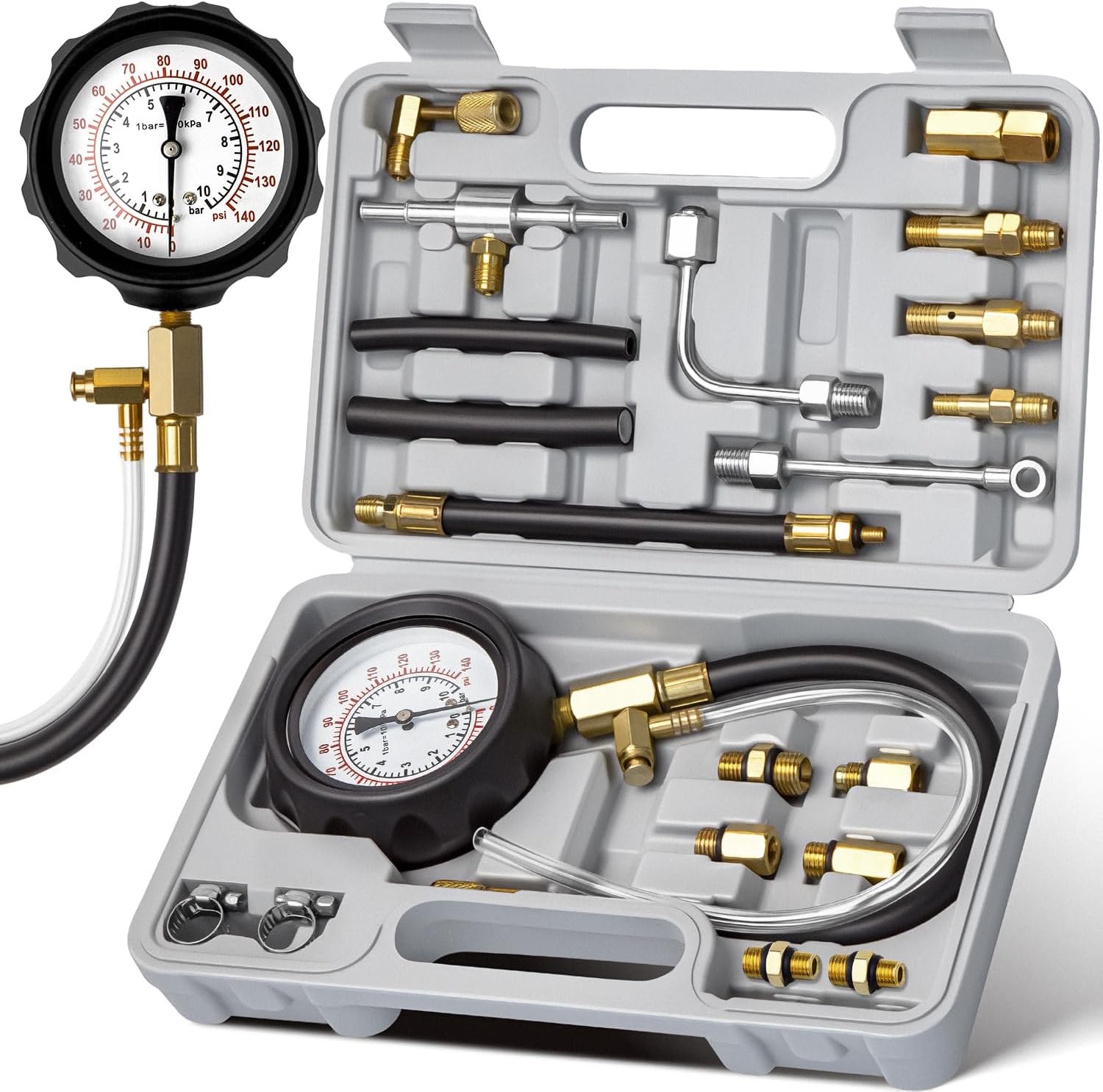
Recommended Tools for This Job


Checking the Charcoal Canister
A charcoal canister stores fuel vapor, not liquid fuel. If the tank has been repeatedly topped off after the nozzle clicked off, liquid fuel can enter the canister and ruin it. A saturated canister can cause hard refueling, fuel odor, rich running after refueling, or repeated EVAP faults.
- Smell the canister area for strong raw fuel odor.
- Check whether the canister feels unusually heavy for its size.
- Look for charcoal pellets or black dust in disconnected hoses.
- Inspect for liquid fuel signs in the vapor lines.
If charcoal pellets are breaking loose, the canister is failing internally and can contaminate valves and lines. In that case, replacing only one valve may not fix the problem. You may need to replace the canister and clean affected hoses or related valves.
Do Not Ignore the Purge Valve
Although the vent side is the most common cause of hard refueling, a purge valve stuck open can add confusion. It can create hard starts after fill-up, rough idle, lean or rich codes, and EVAP test failures. If the engine is drawing vapor all the time, fuel tank pressure behavior may not look normal.
Check whether the purge valve seals when it should be closed. Many DIYers miss this because the symptom feels like a tank problem, but the purge side can be part of the chain. If the purge valve leaks vacuum at idle when uncommanded, replace it and clear codes before retesting the vent system.
Interpreting Your Findings
- If the gas cap is damaged and no other faults are found, replace the cap and retest after several drive cycles.
- If the vent filter or vent opening is clogged with dirt, clean or replace the affected part and verify refueling improves.
- If the vent valve has proper power and ground but does not switch airflow correctly, replace the valve.
- If hoses are pinched, cracked, or collapsed, repair the routing problem and replace damaged lines.
- If the canister contains liquid fuel or loose charcoal, replace the canister and inspect connected components for contamination.
- If no hardware fault is obvious but tank pressure sensor codes are present, diagnose the pressure sensor and its wiring next.
The most important step is matching the symptom to the failed function. Hard refueling points strongly toward vent restriction. Fuel odor and leak codes may point more toward sealing faults. Hard starts after refueling raise suspicion for purge valve leakage or a saturated canister.
What to Do After the Repair
After replacing or cleaning the failed part, clear any stored trouble codes and verify the issue under the same conditions that caused it. Fill the tank normally at a station, paying attention to whether the nozzle still clicks off prematurely. Then complete a few normal drive cycles so the EVAP monitor can run.
- Make sure all hoses are fully seated and routed away from sharp edges.
- Recheck connector locks and wiring clips near the tank.
- Confirm the fuel cap is tightened correctly.
- Do not top off the tank after the pump clicks off.
If the same code returns quickly, revisit the system as a whole instead of replacing a second part blindly. Many EVAP problems involve contamination or multiple weak points, especially on older vehicles exposed to dirt and road salt.
When a DIY Diagnosis Should Stop
Some cases need professional equipment. If your testing points toward a tank pressure sensor issue, intermittent wiring fault, or a leak that only shows under smoke testing, a shop with an EVAP smoke machine and factory-level scan data can save time and parts cost.
You should also hand the job off if tank removal is required, corrosion makes line disconnection risky, or the vehicle has severe rust near fuel or brake lines. Safety matters more than finishing the diagnosis in your driveway.
Key Takeaways
- Repeated pump shutoff during refueling usually points to a blocked EVAP vent path, not just a bad gas cap.
- Check the vent valve, vent filter, canister, and hose routing before replacing parts based only on a code.
- A canister soaked by topping off the tank can cause hard filling, fuel odor, and recurring EVAP faults.
- Use only gentle airflow checks and basic electrical testing around the EVAP system to avoid creating new damage.
- If codes return after a basic repair, professional smoke testing and pressure sensor diagnosis are the next smart steps.
FAQ
Can a Bad Gas Cap Cause Fuel Tank Venting Symptoms?
Yes. A damaged or incorrect gas cap can trigger EVAP codes and sometimes contribute to pressure issues, but repeated hard refueling more often points to a vent restriction, vent valve problem, or saturated canister.
Why Does the Gas Pump Keep Clicking Off when My Tank Is Not Full?
Usually because air and vapor cannot leave the tank fast enough during refueling. Common causes are a clogged vent valve or filter, restricted EVAP hose, faulty canister, or filler neck problem.
Is It Normal to Hear a Hiss when Removing the Gas Cap?
A small occasional hiss can be normal due to temperature and vapor changes. A strong, repeated vacuum or pressure release is more suspicious and should prompt inspection of the EVAP venting system.
Can I Drive with a Fuel Tank Venting Problem?
Often yes for a short time, but it is not ideal. You may have trouble refueling, increased fuel vapor odor, a check engine light, and possible EVAP monitor failure. Severe pressure or vacuum issues should be fixed promptly.
What EVAP Code Most Often Points to a Venting Issue?
P0446 commonly points toward a vent control or vent restriction problem, but it is not a guaranteed vent valve diagnosis. Wiring faults, blockages, and pressure sensor issues can also set related codes.
Can Topping Off the Fuel Tank Damage the EVAP System?
Yes. Repeatedly adding fuel after the pump clicks off can force liquid fuel into the charcoal canister, saturating it and causing hard refueling, fuel odor, and recurring EVAP faults.
Do I Need a Smoke Machine to Diagnose Fuel Tank Venting Problems?
Not always. Many venting faults can be found with a scan tool, visual inspection, and simple airflow and electrical checks. A smoke machine becomes more useful when the problem is intermittent or involves a hidden leak.
Need Parts for This Repair?
The right parts and supplies vary by vehicle.
Select your make and model to find compatible parts and accessories for your car.
Exact Fit
Parts that fit your make and model
Quality You Can Trust
Top brands and OEM quality options
Fast Shipping
Get the parts you need, delivered fast