

Note: This article contains affiliate links. If you click on these links and make a purchase, I may earn a small commission at no extra cost to you. This helps support my research and content. Read my full affiliate disclosure here.
What You’ll Need
A quick look at the tools and supplies commonly used for this job.
Tools
- Floor jack
- Jack stands
- Wheel chocks
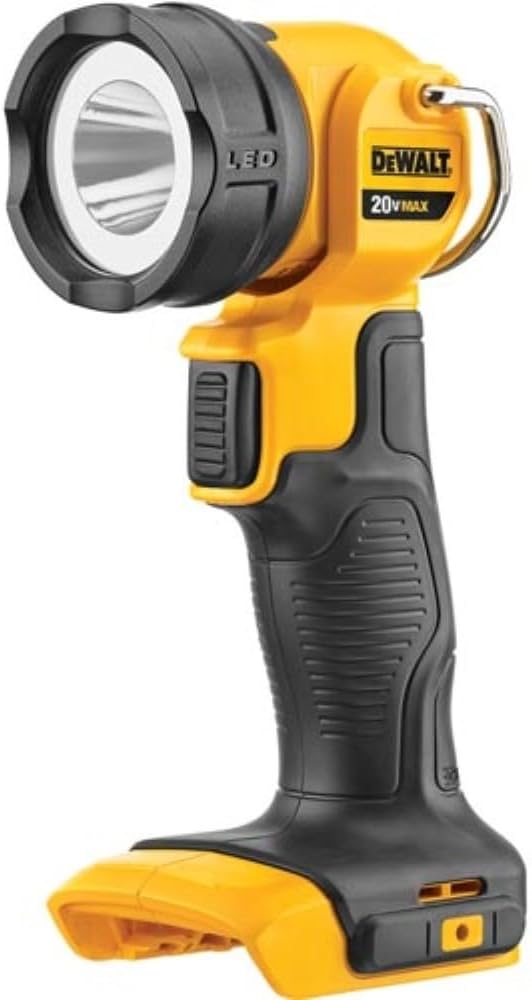
- Flashlight or work light
- Pry bar
- Safety glasses
- Mechanic’s gloves
- Dial indicator with magnetic base
- Marker or paint pen
- Socket and wrench set
Parts & Supplies
- Brake cleaner
- Shop rags
- Thread locker if specified by the manufacturer
- Replacement U-joint straps or bolts if removed and required by service information
This article is part of our Transmission and Drivetrain Maintenance & Repair Guides.
A driveshaft runout check helps you find whether the shaft is bent, installed incorrectly, or contributing to a vibration that shows up at speed. If your truck, SUV, or rear-wheel-drive car has a shake under acceleration or a steady highway-speed buzz, measuring runout is one of the most useful inspections you can do before replacing parts.
Runout is the amount the driveshaft wobbles as it rotates. A shaft that is straight will turn with very little side-to-side movement. A shaft with too much runout can cause vibration, premature U-joint wear, seal leaks, and even transmission or differential damage over time.
This guide walks through the inspection in a DIY-friendly way: how to prepare the vehicle, where to measure, what pass/fail signs to look for, and when the results mean the driveshaft should be repaired, balanced, or replaced.
What Driveshaft Runout Means
Driveshaft runout is the amount of deviation from true center as the driveshaft turns. Think of it as wobble. If the tube is bent, dented, poorly balanced, or mounted with alignment issues, the indicator reading will rise and fall as the shaft rotates.
Excessive runout does not always mean the shaft tube itself is bent. It can also come from rust or debris on the mounting flange, worn U-joints, damaged slip yokes, an impact dent in the shaft, improper indexing after previous service, or a problem at the transmission output or differential pinion flange.
- A speed-related vibration that gets worse as road speed increases is a common clue.
- A clunk on takeoff may point more toward U-joint play than shaft runout, but both should be checked together.
- A fresh dent, missing balance weight, or recent drivetrain work raises suspicion immediately.
Symptoms That Make a Runout Check Worthwhile
Before measuring anything, make sure the complaint fits a driveshaft-related pattern. Runout inspection is most valuable when the vibration is felt through the seat or floor, occurs in a narrow speed range, and does not change much with engine RPM alone.
- Vibration around 35 to 70 mph, especially under light acceleration
- Shudder after hitting road debris or an off-road obstacle
- Visible dent, scrape, or crushed section on the driveshaft tube
- Recent U-joint, transmission, differential, or driveshaft service followed by vibration
- Leaking rear transmission seal or pinion seal paired with driveline vibration
If the vibration changes mainly with engine speed while parked, the problem is more likely engine- or accessory-related. If it shows up mainly during braking, look at brake components and wheel bearings first. Matching the symptom pattern helps you avoid chasing the wrong system.
Safety and Vehicle Setup
Work on a Stable, Level Surface
Park on flat ground, set the parking brake if appropriate for the axle you are lifting, chock the wheels that stay on the ground, and support the vehicle securely with jack stands. Never rely on a floor jack alone. You need enough clearance to rotate the driveshaft by hand and position the dial indicator safely.
Transmission and Driveline Precautions
On most vehicles you will need the transmission in neutral so the driveshaft can be rotated by hand. Follow normal safety precautions to keep the vehicle from rolling. If you are unsure how to safely set up your specific drivetrain, stop and consult service information before continuing.
Clean Before Measuring
Wipe dirt, rust flakes, and grease from the driveshaft tube where the dial indicator tip will touch. A dirty surface can create a false reading. Clean the flange area too if you suspect the shaft may need to be removed and reindexed.
Initial Visual Inspection Before You Measure
Always do a visual and hands-on inspection first. Many driveline problems are obvious before the dial indicator ever comes out.
- Look for dents, flattened spots, cracked welds, or gouges on the shaft tube.
- Check for missing balance weights or shiny witness marks where a weight may have broken off.
- Inspect U-joints for rust powder at the caps, torn seals, binding, or looseness.
- Check the slip yoke or slip joint for excessive play, scoring, or signs of impact damage.
- Inspect the rear pinion flange and transmission output area for looseness or leakage.
- Make sure retaining straps, flange bolts, and companion flange hardware are tight and undamaged.
Use a pry bar carefully at the U-joints if needed to check for movement. There should be no noticeable looseness in a healthy U-joint. If a joint has play or binds through rotation, fix that first. A bad U-joint can create vibration and can also skew runout readings.
Tools That Make This Job Easier


Where to Measure Driveshaft Runout
Most driveshafts should be checked at several points along the tube, not just in one spot. A bent shaft may have its highest runout near the center, close to a weld seam, or near one end after impact damage.
- Near the front of the tube, a few inches behind the front weld or yoke
- Near the center of the tube
- Near the rear of the tube, a few inches ahead of the rear weld or flange
Avoid placing the indicator tip directly on a weld, heavy rust scale, or an obviously rough section. On a two-piece driveshaft, inspect each shaft section separately and also inspect the center support bearing and its mount if equipped.
How to Measure Runout with a Dial Indicator
Set Up the Indicator Correctly
Attach the magnetic base to a solid, unmoving part of the chassis or axle housing. Position the indicator tip so it contacts the driveshaft tube at a right angle, with slight preload on the tip. The base must not shift while the shaft is turned.
Zero the Gauge
Rotate the bezel so the needle starts at zero, or note your starting point if using a digital indicator. Mark the driveshaft with a paint pen so you can track one full revolution and identify the high spot later.
Rotate the Shaft Slowly
Turn the driveshaft by hand through one full revolution. Watch the indicator carefully and record the total movement from the lowest reading to the highest reading. That total indicator movement is the runout at that point.
Repeat at Multiple Points
Move the indicator to the front, center, and rear measurement points and repeat the process. If one location shows much more runout than the others, that section is the likely trouble area.
Mark the High Spot
When the indicator shows the maximum reading, mark that point on the shaft. If the vehicle manufacturer provides indexing or clocking procedures, that high spot mark can help determine whether the issue follows the shaft or stays with the flange or yoke.
How Much Runout Is Too Much
The exact limit depends on vehicle design, shaft length, shaft material, and manufacturer specifications. Always use the factory service information when available. Many light-duty vehicles allow only a small amount of runout, often around 0.010 inch to 0.020 inch at the tube, but the correct specification for your vehicle may be tighter or looser.
If you do not yet have the exact spec, use the reading as a screening tool rather than an absolute verdict. A shaft with almost no visible indicator movement is unlikely to be your main problem. A shaft with clearly excessive movement, especially paired with a dent or vibration complaint, deserves correction even before you have the official number.
- Pass clue: consistent low readings at all points with no visible wobble
- Borderline clue: one area slightly higher than the rest but no damage seen
- Fail clue: one or more readings clearly above spec, or obvious wobble and damage
Common Reasons for Excessive Runout
If your readings are high, do not assume the tube itself is always the only issue. The shaft can be straight but mounted in a way that creates runout or vibration.
- Bent or dented driveshaft tube from road impact
- Missing balance weight
- Worn, seized, or loose U-joints
- Debris, rust, or burrs between the flange faces
- Improper shaft indexing after removal
- Damaged slip yoke or excessive slip joint play
- Bent pinion flange or transmission output flange
- Failed center support bearing on a two-piece shaft
This is why the best inspection combines visual checks, hand-feel checks, and dial indicator readings. One test by itself can point you in the right direction, but the full picture helps you avoid replacing a shaft when the real fault is a U-joint or flange problem.
Recommended Tools for This Job


What to Do If the Reading Is High
Recheck Your Setup First
Before condemning the shaft, make sure the magnetic base did not move, the indicator tip stayed square to the tube, and the contact point was clean. A poor setup can create a fake high reading.
Inspect and Correct Simple Causes
If hardware is loose, the flange faces are dirty, or the U-joints have clear wear, address those issues first. Then measure again. Sometimes runout improves after correcting a mounting issue or replacing worn joints.
Try Reindexing if Appropriate
Some manufacturers allow the shaft to be removed and rotated relative to the flange to find the best position. If service information permits it, mark the original orientation before removal, rotate the shaft one bolt position at a time, and remeasure. This can reduce vibration caused by tolerance stack-up between the shaft and flange.
Repair, Rebalance, or Replace when Necessary
A dented or bent tube usually needs professional straightening and balancing or complete replacement. If a balance weight is missing, a driveline shop can often rebalance the assembly. If the shaft uses staked U-joints or has severe corrosion, replacement may be the more practical and reliable option.
Special Notes for Two-Piece Driveshafts
Two-piece driveshafts add another possible source of vibration: the center support bearing and its rubber mount. Even if the shaft tubes measure well, a sagging or torn center support can alter driveshaft angles and create a vibration that feels similar to runout.
- Check the center support bearing for roughness or play.
- Inspect the rubber support for tearing, sagging, or separation.
- Make sure both shaft sections are phased correctly if they were previously separated.
- Measure each shaft section individually rather than treating the assembly as one tube.
Incorrect phasing on a two-piece shaft can create major vibration even if runout readings are acceptable. If the slip sections were separated during service, verify alignment marks and assembly orientation.
When to Stop Driving and Fix It Right Away
Some driveline issues move beyond an inspection item and become a safety concern. If any of these conditions show up, repair the problem before regular driving.
- Noticeable U-joint looseness or binding
- Cracked welds, severe dents, or a visibly bent shaft
- Loose flange bolts or damaged retaining straps
- Heavy vibration that rapidly worsens with speed
- Contact marks showing the driveshaft has been hitting nearby components
A failed driveshaft or U-joint can cause major damage under the vehicle and can leave you stranded without warning. If the shaft has obvious structural damage, skip the test drive and plan the repair.
Key Takeaways
- Measure driveshaft runout at the front, center, and rear of the tube after cleaning the contact areas.
- Do a full visual and U-joint inspection first, because worn joints or flange debris can mimic a bent shaft.
- Use factory specifications whenever possible, but obvious wobble, dents, or missing balance weights are clear warning signs.
- Recheck indicator setup and mounting surfaces before condemning the shaft based on one high reading.
- Repair or replace the driveshaft promptly if runout is excessive and paired with structural damage or severe vibration.
FAQ
Can I Check Driveshaft Runout Without a Dial Indicator?
You can do a basic visual check by rotating the shaft and watching for wobble, dents, or a missing weight, but you cannot accurately measure runout without a dial indicator. For a real diagnosis, the indicator is the right tool.
What Is the Normal Driveshaft Runout Specification?
There is no single number for every vehicle. Many light-duty vehicles allow only a few thousandths to a few hundredths of an inch, but you should use the factory service specification for your exact make, model, and drivetrain.
Will a Bad U-joint Cause High Runout Readings?
It can. A worn or binding U-joint may let the shaft sit or rotate abnormally, and it can also create vibration that feels similar to a bent shaft. If the U-joint is bad, replace it and recheck runout.
Can a Driveshaft Be Straightened Instead of Replaced?
Sometimes, yes. A driveline specialty shop can often straighten and rebalance certain shafts, especially steel shafts with limited damage. Severe dents, cracks, rust damage, or compromised welds usually make replacement the better choice.
What Causes a Driveshaft to Go Out of True?
Common causes include impact damage, missing balance weights, incorrect installation, dirty flange mating surfaces, worn U-joints, slip yoke wear, and problems with the pinion or transmission output flange.
Should I Mark the Driveshaft Before Removing It?
Yes. Marking the original orientation helps preserve shaft indexing and gives you a reference if you need to try a different clocking position during diagnosis. It also reduces the chance of introducing a new vibration during reassembly.
Can Tires or Wheels Feel Like a Driveshaft Vibration?
Absolutely. Tire imbalance, broken belts, bent wheels, and wheel bearing issues can all feel similar. If your driveshaft checks out, inspect the tires, wheels, and suspension next.
Need Parts for This Repair?
The right parts and supplies vary by vehicle.
Select your make and model to find compatible parts and accessories for your car.
Exact Fit
Parts that fit your make and model
Quality You Can Trust
Top brands and OEM quality options
Fast Shipping
Get the parts you need, delivered fast