

Note: This article contains affiliate links. If you click on these links and make a purchase, I may earn a small commission at no extra cost to you. This helps support my research and content. Read my full affiliate disclosure here.
What You’ll Need
A quick look at the tools and supplies commonly used for this job.
Tools
- Flashlight or work light
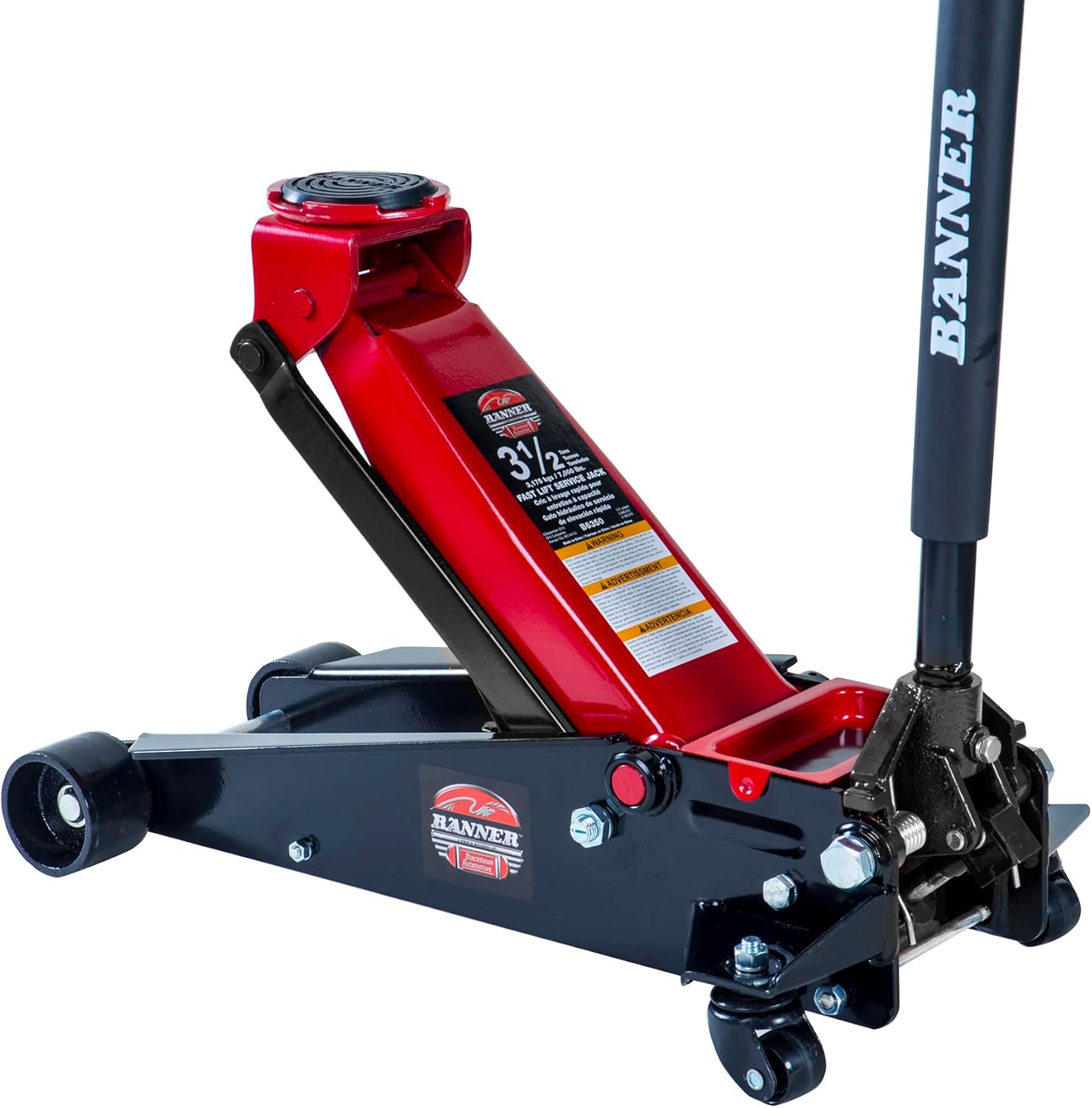
- Floor jack
- Jack stands
- Wheel chocks
- Pry bar
- Mechanic’s gloves
- Safety glasses
- Tape measure
- Creeper or cardboard
- Camera or phone for reference photos
Parts & Supplies
- Penetrating oil
- Chalk or paint marker
- Shop rags
- Rust remover or wire brush
This article is part of our Suspension and Steering Maintenance & Repair Guides.
Leaf spring problems usually show up as a sagging rear end, clunking over bumps, uneven ride height, axle shift, or a truck that suddenly feels loose when loaded. Because the springs support vehicle weight and help keep the axle located correctly, small issues can turn into tire wear, poor handling, and unsafe braking if ignored.
The good news is that many leaf spring faults can be diagnosed at home with a careful visual inspection, a few ride-height measurements, and some simple checks of related hardware like shackles, bushings, U-bolts, and spring hangers. The goal is to confirm whether the spring pack itself is damaged, whether the problem is in the mounting points, or whether another suspension part is creating similar symptoms.
This guide walks you through what to look for, how to inspect the suspension safely, how to interpret common findings, and when a repair is urgent enough that the vehicle should not be driven.
Common Signs of Leaf Spring Trouble
Leaf spring issues rarely appear as one isolated symptom. More often, the vehicle develops a combination of ride height, noise, handling, and tire wear changes. Start by noticing what has changed recently and whether the issue is worse with cargo, towing, or passengers.
- One side of the rear sits lower than the other when parked on level ground.
- The rear of the vehicle sags noticeably when loaded compared with how it used to sit.
- You hear clunks, bangs, squeaks, or popping sounds from the rear suspension over bumps.
- The truck feels unstable, wanders, or steers oddly under acceleration or braking.
- The axle appears shifted in the wheel well or the vehicle dog-tracks down the road.
- Rear tires show uneven wear that started after suspension symptoms appeared.
- You see cracked leaves, missing clips, broken center bolts, or rust flakes around the spring pack.
If the vehicle leans, bottoms out, or produces a hard metallic bang from the rear, move quickly. Those symptoms can mean a broken leaf, failed shackle, or severely weakened spring pack.
Safety Before You Inspect
Leaf springs hold vehicle weight and store energy, so inspection should be deliberate and controlled. Never crawl under a vehicle supported only by a jack, and do not loosen suspension fasteners just to inspect unless the vehicle is properly supported and you are following service procedures.
- Park on a flat, hard surface.
- Set the parking brake and chock the wheels that will stay on the ground.
- Use jack stands placed under solid frame points if you need more access.
- Keep fingers away from pinch points near shackles and spring eyes.
- Do not drive the vehicle if a leaf is broken, a hanger is cracked, or the axle is no longer sitting square.
How the Leaf Spring System Works
A leaf spring suspension is more than the curved stack of steel mounted under the truck. The system usually includes the spring pack, center bolt, spring clips, front spring eye, rear shackle, bushings, hangers, and U-bolts that clamp the axle to the spring. Any of these can cause similar symptoms.
When the spring pack weakens, the vehicle rides lower and may bottom out more easily. When bushings or shackles wear, the axle can shift slightly and create clunks. When U-bolts loosen or hardware corrodes, the axle may move on the spring. A good diagnosis separates spring fatigue from mounting or alignment problems.
Initial Checks You Can Do on the Ground
Compare Ride Height Side to Side
With the vehicle unloaded and parked on level ground, measure from the ground to a fixed point on the frame or from the center of the wheel to the fender lip on both rear sides. Use the same exact points on each side. A noticeable difference side to side strongly suggests a weak or damaged spring, but confirm that tire pressures and cargo load are equal before blaming the spring.
Look at the Spring Arch
From the side of the vehicle, compare the shape of the left and right spring packs. A flatter spring on one side usually indicates fatigue, overload history, or damage. If both sides are unusually flat and the truck sags under normal use, both spring packs may be worn out.
Check Axle Position in the Wheel Opening
Stand back and compare the rear wheel position on each side. If one wheel looks shifted forward or backward in the wheel opening, inspect the shackles, spring eyes, bushings, and center bolt closely. A shifted axle can also create steering pull or a dog-tracking feel.
Listen During a Low-speed Bounce or Roll Test
Push down on the rear bumper or bed corner if accessible, or slowly roll over a driveway edge or speed bump while a helper listens. Metallic clunks often point to broken leaves, loose U-bolts, worn bushings, or shackle movement. Dry squeaks can come from leaf-to-leaf friction, worn bushings, or rust between leaves.
Tools That Make This Job Easier


Detailed Visual Inspection Under the Vehicle
If the quick checks suggest suspension trouble, inspect both rear spring assemblies closely. It helps to take photos of the left and right sides so you can compare shape, hardware, and wear patterns.
Inspect Each Leaf for Cracks and Breaks
Look along the full length of every leaf, especially near the spring eyes, center bolt area, and leaf ends where stress is highest. Broken leaves may separate slightly, shift sideways, or leave sharp rust lines where the fracture has been working for a while. Fresh breaks usually show shiny metal, while older breaks are darker and rusty.
Check for Missing Clips and Shifted Leaves
Leaf spring clips or retainers keep the leaves aligned. If a clip is broken or missing, the leaves can fan apart, rub unevenly, or shift under load. Misaligned leaves are a strong sign the pack needs repair or replacement.
Inspect the Center Bolt Area
The center bolt locates the axle on the spring pack. If it is broken, heavily rusted, or no longer centered in the axle perch, the axle can move and cause clunks, alignment issues, or wheel position changes. This is not a condition to ignore.
Look for Rust Jacking and Severe Corrosion
Surface rust is common, but heavy flaking, deep scaling, and separation between leaves can weaken the spring pack. Severe corrosion around the spring eyes, around the center bolt, or where leaves taper is more concerning than light rust on exposed surfaces.
Inspect Bushings, Shackles, and Hangers
Worn rubber bushings may be cracked, crushed, split, or missing material. Metal sleeves may shift out of place. Shackles can bend, crack, or sit at a strange angle if the spring is sagging badly. Hangers can rust through around the frame attachment points. Any of these can mimic a bad spring or worsen an already weak one.
Check U-bolts and Axle Seat Contact
Look for rust trails, shiny movement marks, uneven gaps, or damaged hardware where the axle clamps to the spring. These signs suggest the axle may have shifted on the spring perch. Loose or stretched U-bolts should be treated as a serious problem because axle movement affects handling and braking.
Hands-On Checks for Movement and Wear
Once the vehicle is safely supported and the suspension is accessible, you can use light force to check for looseness. Do not pry aggressively against thin brackets or put yourself in a position where the tool can slip toward you.
Pry Gently at the Spring Eye and Shackle Bushings
Use a pry bar to apply light pressure near the spring eye and shackle. Small controlled movement in rubber is normal, but obvious slop, metal-to-metal contact, or a bushing sleeve moving independently from the mount means the bushing is worn.
Check for Side-to-side Leaf Movement
A broken clip, worn isolator, or damaged leaf pack can allow unusual side movement. If the leaves have shifted sideways or no longer stack neatly, replacement is usually the correct fix.
Inspect for Contact Marks
Shiny rub marks on the frame, bed, shock, bump stop, or leaf pack indicate abnormal travel or misalignment. These clues help confirm whether the issue is sagging, axle shift, or bottoming out from overload.
Road Test Clues That Point to Specific Faults
A short, careful road test can help narrow the issue, but do not road test a vehicle with a visibly broken spring, loose axle hardware, or a failed hanger.
- A rear-end clunk when starting or stopping can indicate shackle or bushing play, axle movement on the spring, or a broken leaf shifting under torque.
- A squeak over small bumps often points to dry leaf contact, worn bushings, or rust between leaves.
- A harsh bottoming sensation with moderate loads usually suggests weak spring arch or overloaded suspension.
- A vehicle that wanders or feels like the rear steers itself may have shifted axle location, worn bushings, or broken mounting hardware.
- A lean that becomes more obvious with cargo strongly suggests spring fatigue on the lower side.
Recommended Tools for This Job


How to Tell Which Part Is Actually Bad
Weak or Sagging Spring Pack
Most likely when ride height is low, the spring arch is flatter than normal, both mounts look intact, and the vehicle bottoms out more easily. This is especially common on trucks that regularly carry heavy loads or tow.
Broken Leaf
Most likely when you hear metallic clunks, see one leaf end out of alignment, find a crack or complete fracture, or notice one side suddenly sitting lower than before. A broken main leaf near the eye is especially serious.
Worn Bushings or Shackles
Most likely when noise and looseness are present but the spring arch still looks normal. You may see cracked rubber, excessive movement during pry testing, or a shackle angle that differs sharply side to side.
Loose or Shifted Axle on the Spring
Most likely when the axle looks off-center, the wheel position changed in the wheel opening, or there are movement marks at the axle perch and U-bolts. This needs prompt attention because the axle must remain tightly located on the spring pack.
Corroded Hangers or Frame Mounts
Most likely when the spring itself seems intact but the mounting bracket is cracked, flaky, separating from the frame, or visibly distorted. Mount failure can create many of the same symptoms as a broken spring and is equally unsafe.
When the Problem Is Not the Leaf Spring
Several rear suspension and chassis issues can look like leaf spring trouble. Before replacing springs, check the basics so you do not solve the wrong problem.
- Underinflated or mismatched rear tires can make one side sit lower.
- A severely worn shock absorber can exaggerate bouncing and noise but will not usually change static ride height by itself.
- Frame damage, accident repairs, or bent mounts can create lean and axle alignment problems.
- Uneven cargo load or permanent heavy equipment installed on one side can mimic a bad spring.
- Trailer tongue weight or overload conditions may expose weak springs that feel normal when unloaded.
Repair Decisions and Next Steps
Once you confirm the fault, decide whether the vehicle is safe to drive and whether the repair should involve just hardware or complete spring replacement.
Replace Springs in Pairs when Appropriate
If one spring pack is clearly weak from age or load fatigue, replacing both rear spring packs is often the best way to restore even ride height and balanced handling. Replacing only one side can leave the vehicle sitting unevenly or responding differently side to side.
Renew Related Hardware
Bushings, shackles, U-bolts, and worn mounting hardware are commonly replaced during spring service. Reusing severely rusted or stretched hardware can shorten the life of the repair or allow persistent noise and movement.
Do Not Ignore Structural Damage
If a hanger, bracket, or frame attachment point is cracked or heavily rusted, the repair may involve welding, frame work, or bracket replacement beyond a typical driveway job. Structural mounting issues should be corrected before the vehicle returns to normal use.
Get an Alignment Check if Axle Position Changed
After major spring or shackle repair, especially if the axle shifted or the truck dog-tracked, an alignment and ride-height check is a smart follow-up. This helps confirm the axle is located properly and prevents uneven tire wear.
When to Stop Driving Immediately
Some leaf spring faults are annoying; others are unsafe enough that the vehicle should not be driven except for loading onto a trailer or moving a very short distance for repair.
- A main leaf is broken, especially near the spring eye.
- The axle has shifted on the spring pack or the center bolt appears failed.
- A spring hanger or shackle is cracked, bent, or separating from the frame.
- The vehicle leans severely or a tire is contacting the body or suspension.
- U-bolts are obviously loose, missing, or heavily damaged.
Key Takeaways
- Measure rear ride height on level ground and compare both sides before assuming the spring pack is bad.
- Inspect the full leaf pack, bushings, shackles, hangers, center bolt, and U-bolts because several parts can create the same symptoms.
- A broken leaf, shifted axle, or cracked hanger is a safety issue and should not be treated as a drive-it-later problem.
- If one spring is fatigued from age or load use, replacing both rear spring packs usually gives the best long-term result.
- Take photos and compare left to right so subtle sagging, hardware damage, and axle position changes are easier to confirm.
FAQ
How Do I Know if My Leaf Spring Is Bad or if It Is Just the Shock Absorber?
A bad shock usually causes extra bouncing and poor damping, but it does not normally cause the truck to sit lower on one side. A bad leaf spring more often shows up as reduced ride height, flattening of the spring arch, bottoming out under load, or visible cracking and shifted leaves.
Can a Leaf Spring Squeak Without Being Broken?
Yes. Squeaks can come from rust between leaves, dry contact points, or worn bushings even when the spring is not cracked. Still inspect carefully, because a squeak combined with lean, clunking, or axle shift can indicate more serious damage.
Should I Replace Only One Leaf Spring or Both?
If one spring failed because of impact damage, replacing one may be possible. If the spring failed from age, corrosion, or load fatigue, replacing both rear springs is usually the better choice to keep ride height and handling even.
What Causes a Leaf Spring to Sag?
Repeated heavy loads, towing, age, corrosion, off-road impacts, and simple metal fatigue can all reduce spring arch over time. Overloading the vehicle is one of the fastest ways to weaken leaf springs.
Can I Drive with a Cracked Leaf Spring?
It is not recommended. A cracked leaf can break fully, shift position, damage a tire, let the axle move, or cause unstable handling. If the main leaf or mounting area is damaged, the vehicle should be repaired before normal driving.
What Does It Mean if the Rear Axle Looks Off-center in the Wheel Well?
That can point to a broken center bolt, shifted axle seat, worn shackle or bushing, bent hardware, or a damaged spring pack. Axle position changes should be taken seriously because they affect alignment and vehicle control.
Do Leaf Spring Problems Cause Tire Wear?
They can. If the axle shifts, ride height changes significantly, or the vehicle dog-tracks, rear tire wear can increase. Uneven loading from a sagging spring can also change how the tires contact the road.
Need Parts for This Repair?
The right parts and supplies vary by vehicle.
Select your make and model to find compatible parts and accessories for your car.
Exact Fit
Parts that fit your make and model
Quality You Can Trust
Top brands and OEM quality options
Fast Shipping
Get the parts you need, delivered fast