

Note: This article contains affiliate links. If you click on these links and make a purchase, I may earn a small commission at no extra cost to you. This helps support my research and content. Read my full affiliate disclosure here.
What You’ll Need
A quick look at the tools and supplies commonly used for this job.
Tools
- Torque wrench
- Floor jack
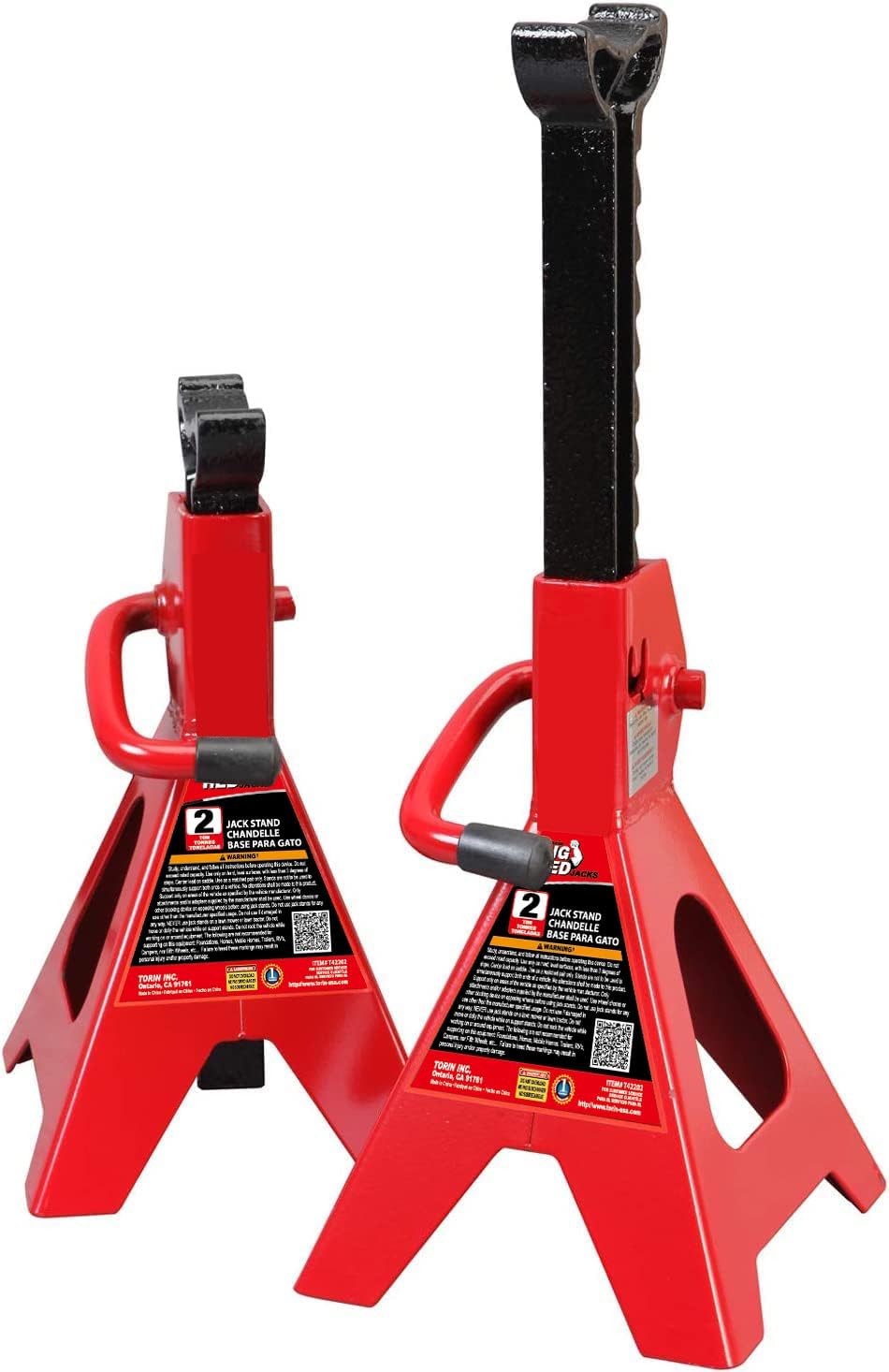
- Jack stands
- Wheel chocks
- Flashlight or work light
- Breaker bar or lug wrench
- Straightedge
- Tape measure or caliper
- Wire brush
- Marker or chalk
Parts & Supplies
- Brake cleaner
- Correct lug nuts or lug bolts for the wheel seat type
- Hub-centric rings if required
- Anti-seize compound if permitted by the vehicle manufacturer
- Shop towels
This article is part of our Wheels and Tires Maintenance & Repair Guides.
Improper wheel mounting or wheel fitment problems can cause vibration, clunking, uneven tire wear, rubbing, damaged studs, and in severe cases wheel loosening. If a problem started right after installing new wheels, spacers, tires, or lug hardware, fitment should be one of the first things you check.
A wheel can look like it fits and still be unsafe. The bolt pattern may be close but not exact, the center bore may not sit correctly on the hub, the lug nuts may have the wrong seat style, or the wheel offset may place the tire too close to the strut, fender, or brake caliper. Even rust or debris trapped between the wheel and hub can prevent the wheel from clamping flat.
This guide walks you through a practical DIY inspection so you can separate a simple installation issue from a wheel that is fundamentally incompatible with your vehicle. Always work on a cool vehicle, park on level ground, and support it securely before inspecting underneath or removing wheels.
Common Signs of a Wheel Mounting or Fitment Problem
Wheel mounting and fitment issues often show up immediately after a tire rotation, wheel swap, suspension work, brake service, or installation of aftermarket wheels. The symptoms may feel similar to tire balance or alignment problems, but the clues are usually tied to recent work or visible clearance issues.
- Steering wheel shake or vehicle vibration that started after wheels were installed.
- A clunk, click, or knocking sound from one corner, especially on turns or over bumps.
- Scraping or rubbing noises when turning, braking, or hitting dips.
- Visible gap between the wheel and hub or uneven seating around the mounting face.
- Loose lug nuts, broken studs, or lug nuts that do not fully engage.
- Tire sidewall rubbing the strut, inner fender, fender liner, brake hose, or sway bar.
- Wheel weights contacting brake components or caliper-to-wheel interference.
- Uneven tire wear after a wheel and tire change.
If the vehicle was driving normally before wheel-related work and the issue appeared right after, start with installation and fitment before chasing suspension or drivetrain faults.
Safety Before You Begin
Do not continue driving if you suspect the wheel is not seated correctly, if lug hardware is loosening, or if the tire is rubbing badly enough to damage the sidewall. A small fitment mistake can become a major safety issue very quickly.
- Park on a level surface and set the parking brake.
- Chock the wheels that will stay on the ground.
- Loosen lug nuts slightly before lifting the vehicle.
- Support the vehicle with jack stands, not just a jack.
- Never put your body under a vehicle that is supported only by a floor jack.
- Use the manufacturer torque specification when reinstalling wheels.
Verify the Basics Before Removing Anything
Check when the Problem Started
Ask a simple question: did the problem begin after new wheels, tires, spacers, adapters, brake work, or a recent wheel-off repair? If yes, improper mounting or incompatible fitment becomes much more likely than a sudden unrelated suspension failure.
Look for Visible Mismatch or Contact
With the vehicle on the ground, turn the steering wheel from lock to lock if inspecting the front. Use a flashlight to look for shiny rubbed spots on the inner sidewall, strut body, spring perch, fender liner, control arm, brake caliper, or inside barrel of the wheel. Fresh rub marks are one of the clearest fitment clues.
Check Lug Hardware Style
Not all lug nuts or lug bolts are interchangeable. Common seat types include conical, ball, and flat or mag style. If the seat shape on the hardware does not match the wheel, the wheel may center poorly, clamp unevenly, or loosen. Also check thread pitch and shank length where applicable.
Inspect the Wheel-to-Hub Mounting Surface
One of the most common causes of improper wheel mounting is debris, corrosion, or paint buildup preventing the wheel from sitting flush against the hub. This can create vibration and false torque readings even if the lugs seem tight.
Remove the Wheel and Inspect the Contact Areas
- Safely lift the vehicle and remove the wheel.
- Inspect the hub face, rotor hat, and back side of the wheel mounting pad.
- Look for rust scale, dirt, old anti-seize buildup, burrs, dents, paint drips, or trapped debris.
- Clean the mating surfaces with a wire brush and shop towels.
- If permitted, apply only a very light film of anti-seize to the hub pilot area, not thick enough to interfere with seating.
If there is a raised rust ridge around the hub or rotor hat, the wheel may sit cocked. Cleaning that corrosion away often fixes a vibration that appeared right after service.
Check for Wheel Mounting Pad Damage
Look at the rear mounting pad of the wheel for cracks, gouges, deformation, or signs that the wheel was tightened while misaligned. A damaged mounting pad can prevent proper clamping and is not something to ignore.
Tools That Make This Job Easier


Check Center Bore and Hub Fit
A wheel should either be correctly hub-centric on the vehicle hub or designed to mount safely with the proper hardware and tolerances. If the center bore is too small, the wheel simply will not seat. If it is too large and the setup depends on hub-centric rings, missing or damaged rings can cause vibration and poor centering during installation.
What to Look For
- The wheel should slide onto the hub pilot without forcing or hanging crooked.
- If hub-centric rings are required, they should fit snugly in the wheel and on the hub.
- Cracked plastic rings, bent metal rings, or missing rings can allow off-center mounting.
- If the center bore is visibly too tight, do not force the wheel onto the hub.
A wheel that must be hammered on or that only goes on partway is the wrong bore size or has corrosion damage. Forcing it can damage the wheel and make removal difficult later.
Confirm Bolt Pattern and Lug Engagement
A nearly correct bolt pattern is not a correct bolt pattern. Some wheels may appear to line up but place the studs or bolts in a bind. This can cause hard installation, poor centering, broken studs, or loosening after a short drive.
Signs of a Bolt Pattern Problem
- Lug nuts do not thread by hand smoothly for several turns.
- The wheel only lines up when you force one side first.
- Studs appear angled in the holes.
- You see ovaling, fresh metal marks, or damaged finish around the lug holes.
Check Thread Engagement
You need adequate thread engagement for safe clamping. While exact requirements vary by stud size and manufacturer guidance, a common rule is that the lug nut should engage at least about the diameter of the stud in thread length. Very short engagement is unsafe, especially if spacers are installed.
If you are using spacers, confirm whether longer studs or different bolts are required. A wheel that fits physically but leaves too few engaged threads is not a safe fit.
Measure Offset, Backspacing, and Clearance
Wheel offset and backspacing determine where the wheel sits relative to the hub. Even with the correct bolt pattern, a wheel with the wrong offset can contact the suspension on the inside or stick out far enough to hit the fender on the outside.
Inner Clearance Checks
With the wheel installed, inspect the gap between the inner tire or wheel barrel and the strut, spring perch, control arm, sway bar link, and brake hose bracket. Rotate the wheel by hand if it is off the ground. Any touching is a hard fail. Even a very small gap can become contact under cornering or suspension compression.
Outer Clearance Checks
Look at how close the tire sits to the fender lip and liner. Turn the steering from lock to lock on the front and inspect for rubbing points. If possible, look for witness marks after a short careful roll or low-speed turn. Contact may occur only at full lock or over bumps.
Brake Caliper Clearance
The face or spokes of some wheels can contact larger brake calipers even if the wheel bolts on. Also inspect the inside barrel for contact with caliper corners or wheel weights. Bright scraped metal, chipped paint, or grinding marks indicate interference.
Recommended Tools for This Job


Install the Wheel Correctly and Recheck Torque
A good wheel can still cause problems if installed incorrectly. The wheel must sit flat against the hub and be tightened evenly using the correct lug hardware and torque pattern.
- Place the wheel on the hub and make sure it sits flush before threading any lug nut or bolt.
- Start all lug nuts or bolts by hand to avoid cross-threading.
- Snug them in a star or crisscross pattern.
- Lower the vehicle enough to keep the wheel from spinning and torque to specification in stages.
- After driving 25 to 100 miles, recheck torque if recommended for the wheel or hardware.
If one lug becomes tight much earlier than the others, stop and investigate. The wheel may not be seated correctly, the hardware may be wrong, or the threads may be damaged.
How to Interpret What You Find
Likely Improper Mounting
- Rust or debris was trapped between the wheel and hub.
- The wheel seated unevenly but fits correctly after cleaning and reinstalling.
- Lug nuts were loose, torqued unevenly, or had false torque due to poor seating.
- Vibration improves after proper reinstallation with correct torque.
Likely Wheel Compatibility Problem
- Center bore is too small or requires rings that are missing or incorrect.
- Lug seat type does not match the wheel.
- Bolt pattern is wrong or only partially aligns.
- Brake caliper, suspension, or body contact is present.
- Offset or backspacing leaves inadequate inner or outer clearance.
- Spacers are used without proper stud length or approved hardware.
Possible Secondary Damage
If the wheel has been driven while loose or rubbing, also inspect for damaged studs, stretched lug nuts, elongated lug holes, tire sidewall cuts, brake hose abrasion, bent dust shields, and wheel cracks. At that point, fixing the original fitment issue may not be enough.
When the Problem Is Not Wheel Fitment
If all fitment and mounting checks pass, the symptom may come from a different cause. Tire balance, bent wheels, out-of-round tires, worn wheel bearings, loose suspension parts, or alignment problems can mimic wheel fitment complaints.
- A vibration at highway speed with no rubbing may point to balance, a bent rim, or tire variation.
- A growl or hum that changes with vehicle speed may be a wheel bearing issue.
- Clunks over bumps may come from ball joints, sway bar links, or loose brake components.
- Pulling or uneven tire wear without interference may relate to alignment or suspension geometry.
Still, rule out the mounting basics first whenever a symptom appears immediately after wheel or tire work.
What to Do Next
If you found a simple installation issue, correct it and test-drive carefully at low speed before returning to normal use. Listen for rubbing, confirm the steering feels normal, and recheck torque afterward.
If you found the wrong wheel hardware, the wrong center bore, poor brake clearance, or obvious offset problems, do not keep driving and hope it wears in. Replace the incompatible part with one that matches the vehicle and wheel specifications.
Seek professional help if the wheel was loose in motion, the studs or bolt holes are damaged, the tire sidewall has been rubbed, or you are unsure whether a spacer or adapter setup is safe. Those cases can become dangerous fast and are worth having inspected by a reputable tire or suspension shop.
Key Takeaways
- If symptoms started right after wheel or tire work, check wheel seating, lug hardware, and hub fit before chasing other causes.
- A wheel must sit flush on a clean hub and use the correct bolt pattern, center bore, and lug seat style to be safe.
- Any rubbing on the suspension, brake caliper, fender, or tire sidewall means the wheel or tire setup is not acceptable as installed.
- Spacers, adapters, and aftermarket wheels must still provide proper thread engagement, clearance, and torque retention.
- Do not drive on a wheel that loosens, mounts crooked, or shows contact marks because failure can happen with little warning.
FAQ
Can Wrong Lug Nuts Really Cause Vibration?
Yes. If the lug seat shape does not match the wheel, the wheel may not center correctly and can clamp unevenly. That can cause vibration, loosening, and damage to the wheel or studs.
How Do I Know if My Wheel Is Not Sitting Flush on the Hub?
Look for a visible gap between the wheel and hub, uneven spacing around the mounting face, or a wheel that tightens on one lug before the others. Removing the wheel often reveals rust, debris, or paint buildup preventing full contact.
Are Hub-centric Rings Required on Aftermarket Wheels?
They are required if the wheel was designed with a larger center bore and the application depends on rings to match the vehicle hub. Missing, cracked, or incorrect rings can lead to off-center installation and vibration.
What Happens if the Wheel Offset Is Wrong?
Incorrect offset can move the wheel inward into the strut or brake components, or outward into the fender and liner. It can also affect steering feel, bearing load, and tire clearance during turns and suspension travel.
Can I Keep Driving if the Tire Rubs Only at Full Lock?
It is not a good idea. Even occasional rubbing can damage the tire, fender liner, brake hose, or suspension components. A setup that rubs at full lock may also rub more severely over bumps or with passengers in the vehicle.
How Tight Should Lug Nuts Be After Reinstalling a Wheel?
Use the vehicle manufacturer’s torque specification and tighten in a star or crisscross pattern with a torque wrench. Avoid guessing or using an impact gun alone for final tightening.
Can a Wheel with the Wrong Bolt Pattern Still Bolt On?
Sometimes it may appear to, especially if the mismatch is slight, but it is unsafe. The hardware may bind, the wheel may not center properly, and studs or lug holes can be damaged.
Should I Suspect Wheel Fitment if the Issue Appeared Right After Installing New Tires on the Same Wheels?
Possibly, but start by checking wheel seating and torque first. If the same wheels were reused, vibration could also come from tire balance, a bent wheel, or a tire defect rather than a true fitment mismatch.
Need Parts for This Repair?
The right parts and supplies vary by vehicle.
Select your make and model to find compatible parts and accessories for your car.
Exact Fit
Parts that fit your make and model
Quality You Can Trust
Top brands and OEM quality options
Fast Shipping
Get the parts you need, delivered fast