

Note: This article contains affiliate links. If you click on these links and make a purchase, I may earn a small commission at no extra cost to you. This helps support my research and content. Read my full affiliate disclosure here.
What You’ll Need
A quick look at the tools and supplies commonly used for this job.
Tools
- Tire pressure gauge
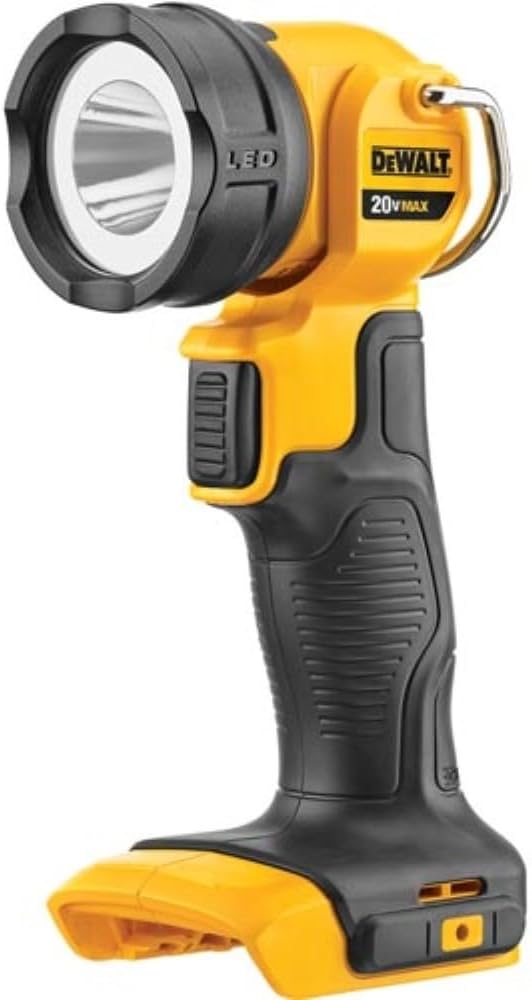
- Flashlight
- Tread depth gauge
- Tape measure
- Notepad or phone for recording observations
- Straight, flat road for a road test
Parts & Supplies
- Chalk or tire marking crayon
- Owner’s manual or door-jamb tire pressure specifications
This article is part of our Suspension and Steering Maintenance & Repair Guides.
A wheel alignment problem usually shows up as uneven tire wear, a crooked steering wheel, or a car that drifts when you want it to track straight. The good news is that you can check for most alignment clues at home before paying for a shop inspection.
Alignment refers to the angles of the wheels relative to the road and to each other. When those angles are out of spec, your tires scrub instead of rolling cleanly, the steering can feel off, and fuel economy may suffer. Hitting potholes, curbs, road debris, or worn suspension parts can all knock alignment out.
This guide walks you through the most useful DIY checks, how to avoid false conclusions, and when the symptoms point to an alignment issue versus tires, brakes, or suspension wear.
What a Wheel Alignment Actually Affects
A proper alignment mainly involves three angles: toe, camber, and caster. You do not need to measure these at home to spot a problem, but it helps to know what they influence.
- Toe affects whether the tires point slightly inward or outward, and bad toe is one of the fastest ways to create feathered tire wear.
- Camber is the inward or outward tilt of the wheel when viewed from the front, and excessive camber often causes inside-edge or outside-edge wear.
- Caster affects steering stability and return-to-center, and problems here can contribute to wandering or a steering wheel that feels unstable.
In real-world driving, you are usually diagnosing the symptoms of bad alignment rather than the exact angle that is wrong. That is why tire wear patterns, steering-wheel position, and road-test behavior matter so much.
Common Signs Your Car May Need a Wheel Alignment
The Car Pulls to One Side
If the car drifts left or right on a flat road even when you lightly hold the wheel, alignment is a strong possibility. A constant pull is one of the most common alignment complaints, but it can also be caused by uneven tire pressure, a bad tire, or a sticking brake caliper.
The Steering Wheel Is Off-center
When you are driving straight but the steering wheel sits noticeably crooked, the alignment may be out. Even a small off-center steering wheel matters because it often means toe is not set correctly.
Uneven Tire Wear
Tires that wear more on one edge than the other, or feel smooth one direction and sharp the other, often point to alignment issues. Feathering, inner-edge wear, and outer-edge wear are more useful clues than overall low tread.
The Car Wanders or Feels Loose
If you need frequent small steering corrections on a straight road, the car may have an alignment problem. Wandering can also happen with worn tie rods, ball joints, bushings, or low tire pressure, so take this symptom as part of the full picture rather than proof by itself.
You Recently Hit a Pothole, Curb, or Road Debris
A hard impact can knock alignment out immediately. If symptoms started right after a road hazard strike, get the alignment checked soon, especially if the steering changed or the tire sidewall was damaged.
You Installed New Tires or Suspension Parts
New tires can reveal an old alignment issue because they have fresh tread and sharper response. Suspension work such as replacing struts, control arms, tie rods, or springs often changes alignment and usually requires a professional adjustment afterward.
Before You Diagnose Alignment, Rule Out the Easy Stuff
Many drivers assume alignment is the problem when the real cause is simpler. Before you road-test or inspect tire wear, take a few minutes to eliminate common false alarms.
- Set all four tires to the pressure listed on the door sticker, not the maximum pressure shown on the tire sidewall.
- Make sure tire sizes match side to side on the same axle and ideally match all around unless your vehicle uses a factory staggered setup.
- Check that wheel lug nuts are properly tightened if wheels were recently removed or rotated.
- Look for obvious tire damage such as bulges, separated tread, or cords showing.
- Remove unusually heavy cargo if the vehicle is loaded far beyond normal driving conditions.
If the pull disappears after correcting tire pressure, you may not have an alignment problem at all. If the symptoms remain, continue with the checks below.
Tools That Make This Job Easier


DIY Checks You Can Do at Home
Check Steering-wheel Position on a Straight Road
Drive on a smooth, flat road at a steady speed where traffic allows safe observation. Keep a light grip on the wheel and note whether the car tracks straight and whether the steering wheel is centered. Slight road crown can cause a gentle drift to the right, so repeat this test on more than one road before deciding.
Inspect Tire Wear Across the Tread
Turn the front wheels outward for better access and inspect the inner edge, center, and outer edge of each front tire. Then inspect the rear tires as well. Use a tread depth gauge if you have one and compare readings at the inside, middle, and outside of the tread.
- More wear on both outer edges often points to underinflation, not alignment.
- More wear in the center usually points to overinflation, not alignment.
- Wear mostly on one inner or outer edge can indicate camber or toe issues.
- Feathered tread blocks often suggest incorrect toe.
Feel for Feathering
Run your hand gently across the tread from front to back, then back to front. If the tread feels smooth in one direction and sharp or saw-toothed in the other, that is classic feathering and often points to a toe problem.
Compare Left and Right Tire Condition
If one front tire looks significantly different from the other, alignment is possible, but a bad tire or suspension issue is also on the table. Record what you see rather than guessing, because patterns matter more than a single worn spot.
Look at Wheel Angle From the Front
Park on flat ground with the wheels pointed straight. Step back several feet and compare the visible inward or outward tilt of the front wheels. This is only a rough check, but if one wheel clearly leans more than the other, you may have a camber problem or damaged suspension part.
How to Do a Simple Road Test
A short road test can tell you more than a driveway inspection if you do it carefully. Choose a dry day, normal tire pressures, and roads you know well.
- Start at neighborhood speed and note whether the steering wheel sits centered when the car is moving straight.
- Increase to a moderate steady speed on a smooth road and see whether the vehicle drifts left or right with a light grip on the wheel.
- After a normal turn, notice whether the steering wheel returns naturally toward center.
- Pay attention to whether the car feels settled and straight or whether you keep making small corrections.
Do not perform any test that requires taking your hands fully off the wheel. Also remember that road crown, crosswinds, heavily grooved pavement, and tire design can all influence tracking. What you want to identify is a consistent pull or crooked steering wheel, not one moment of drift on a bad road.
Symptoms That Look Like Alignment but May Be Something Else
Tire-related Causes
Radial tire pull can mimic an alignment issue even when the alignment is within spec. A damaged or unevenly built tire may cause a pull despite correct alignment angles. If symptoms started after tire replacement or rotation, ask the shop about swapping front tires side to side as a diagnostic step.
Brake-related Causes
A sticking caliper or dragging brake hose can pull the car during driving or braking. If one wheel feels much hotter than the others after a short drive, or the pull changes noticeably when braking, inspect the brakes before assuming it is alignment.
Suspension and Steering Wear
Worn tie rods, ball joints, control-arm bushings, wheel bearings, or struts can create wandering, tire wear, and unstable steering. In these cases, an alignment alone will not hold. The worn parts must be repaired first.
Bent Components
After a hard curb hit or crash, a bent wheel, strut, tie rod, or control arm can cause symptoms that no simple adjustment can fix. If the vehicle suddenly drives very differently after impact, have it inspected promptly.
Recommended Tools for This Job


When You Should Get a Professional Alignment Right Away
DIY checks are useful, but some situations justify immediate professional service instead of further home diagnosis.
- The vehicle pulls hard enough that you constantly fight the steering wheel.
- The steering wheel is clearly crooked after suspension or steering repairs.
- You see rapid inner-edge or outer-edge tire wear.
- The car hit a large pothole, curb, or road hazard and now drives differently.
- One tire is wearing much faster than the others.
- There is visible looseness, clunking, or play in the steering or suspension.
A professional shop uses alignment equipment that measures angles precisely. That matters because a vehicle can be only slightly out of spec and still eat tires over time, especially if toe is wrong.
What to Expect From the Alignment Shop
A proper alignment service should include more than simply adjusting the front wheels. On most modern vehicles, the shop will check all four wheels and verify whether the rear alignment influences the steering wheel position or pull.
- Initial inspection of tires, steering, and suspension parts
- Measurement of current alignment angles before adjustment
- Adjustment of toe and, where applicable, camber and caster
- Centering of the steering wheel
- A printout showing before-and-after measurements
If the shop says the alignment cannot be set correctly because parts are worn or bent, that is useful information. Fix those issues first, then align the vehicle afterward.
How Often Alignment Problems Cause Tire Damage
Not every minor alignment drift destroys tires immediately, but bad toe can wear expensive tires much faster than many drivers expect. Even when the car still feels drivable, a small alignment problem can shorten tire life and reduce fuel economy over thousands of miles.
That is why uneven tire wear should be taken seriously. If you catch alignment issues early, you may only need a standard alignment. If you ignore them, you may end up buying tires sooner than planned.
Practical Next Steps If You Suspect an Alignment Problem
- Check and correct tire pressures first.
- Inspect all four tires for edge wear, feathering, and abnormal tread depth differences.
- Do a careful road test on at least two reasonably flat roads.
- If the pull, crooked steering wheel, or uneven wear remains, schedule a four-wheel alignment inspection.
- Ask for the alignment printout and ask whether any suspension wear was found during inspection.
If the symptoms are mild but your tires are new, do not wait too long. Fresh tires can mask damage at first, then show abnormal wear surprisingly quickly once the tread starts scrubbing.
Key Takeaways
- A crooked steering wheel, steady pull, and uneven edge wear are the strongest signs your car may need an alignment.
- Always check tire pressure and basic tire condition first so you do not mistake a simple issue for an alignment problem.
- Feathered tread and inside-edge or outside-edge wear are more useful alignment clues than general low tread depth.
- If symptoms started after a pothole, curb strike, or suspension repair, getting a professional alignment soon is the safest move.
- An alignment will not fix worn or bent suspension parts, so ask the shop to inspect for looseness before making adjustments.
FAQ
Can I Tell if I Need an Alignment Just by Looking at the Tires?
Sometimes. Uneven inner-edge or outer-edge wear and feathering are strong clues, but tire pressure problems, worn shocks, and bad suspension parts can create similar patterns. Tire wear is best used along with a road test and steering-wheel check.
Will Bad Alignment Make My Steering Wheel Crooked?
Yes. A steering wheel that is off-center while the car is moving straight is one of the most common signs of incorrect alignment, especially toe misadjustment.
How Quickly Can Poor Alignment Wear Out Tires?
That depends on how far the alignment is out and which angle is affected. Bad toe can wear tires relatively quickly, sometimes over just a few thousand miles, while milder issues may take longer to show obvious damage.
Does a Car Pulling to One Side Always Mean It Needs an Alignment?
No. Uneven tire pressure, radial tire pull, a dragging brake, road crown, or worn suspension parts can also cause a pull. That is why basic checks should come before scheduling an alignment.
Should I Get an Alignment After Replacing Tires?
It is a smart idea, especially if the old tires wore unevenly or you noticed any pull or crooked steering wheel before the replacement. New tires are expensive, and an alignment helps protect that investment.
Do I Need a Two-wheel or Four-wheel Alignment?
Most modern vehicles benefit from a four-wheel alignment check because rear-wheel alignment can affect tracking and steering-wheel position. Even if only the front is adjustable, checking all four corners gives a more complete picture.
Can I Drive with a Minor Alignment Problem?
You usually can for a short time if the vehicle is stable, but it is not ideal. The main risk is accelerated tire wear, and if the problem is actually a worn or bent suspension component, handling and safety can worsen.
Need Parts for This Repair?
The right parts and supplies vary by vehicle.
Select your make and model to find compatible parts and accessories for your car.
Exact Fit
Parts that fit your make and model
Quality You Can Trust
Top brands and OEM quality options
Fast Shipping
Get the parts you need, delivered fast