

Note: This article contains affiliate links. If you click on these links and make a purchase, I may earn a small commission at no extra cost to you. This helps support my research and content. Read my full affiliate disclosure here.
Repair Snapshot
Use a mechanic if the wheel rubs brake parts or suspension, the wheel will not seat flush, or you are unsure about offset, spacer safety, or lug hardware compatibility.
This article is part of our Wheels and Tires Maintenance & Repair Guides.
Wheel fitment problems can cause vibration, rubbing, loose wheels, uneven tire wear, poor handling, and in severe cases a dangerous wheel mounting failure. The fix is not just “making it fit.” You need to confirm that the wheel matches your vehicle’s bolt pattern, center bore, offset, width, brake clearance, and lug hardware requirements.
Many fitment issues happen after installing aftermarket wheels, using the wrong lug nuts, changing tire sizes, or stacking spacers without verifying measurements. Some problems show up immediately when the wheel will not sit flush on the hub, while others only appear during turns, over bumps, or at highway speed.
This guide walks you through how to inspect wheel fitment safely, identify the exact mismatch, and choose the right correction instead of guessing. If any wheel does not fully seat against the hub or contacts brake or suspension parts, stop driving until the issue is corrected.
How to Tell You Have a Wheel Fitment Problem
Wheel fitment problems usually show up as noise, vibration, visible interference, or trouble during installation. The exact symptom often points to the part of the fitment that is wrong.
- The wheel will not slide onto the hub or stops short before reaching the mounting surface.
- The wheel sits crooked, does not seat flush, or requires force to pull it into place with the lug nuts.
- You feel steering wheel vibration after installing new wheels or tires.
- You hear rubbing during turns, over bumps, or when the suspension compresses.
- The inner barrel or spokes contact the brake caliper, tie rod, strut, or control arm.
Other clues include wheels sticking too far out past the fender, tires contacting the fender liner, lug nuts bottoming out before clamping the wheel, or a wheel that seems centered poorly on the hub. Never assume these symptoms will “wear in.” A bad fitment setup can damage studs, brake parts, tires, wheel bearings, and suspension components.
Safety Before You Start
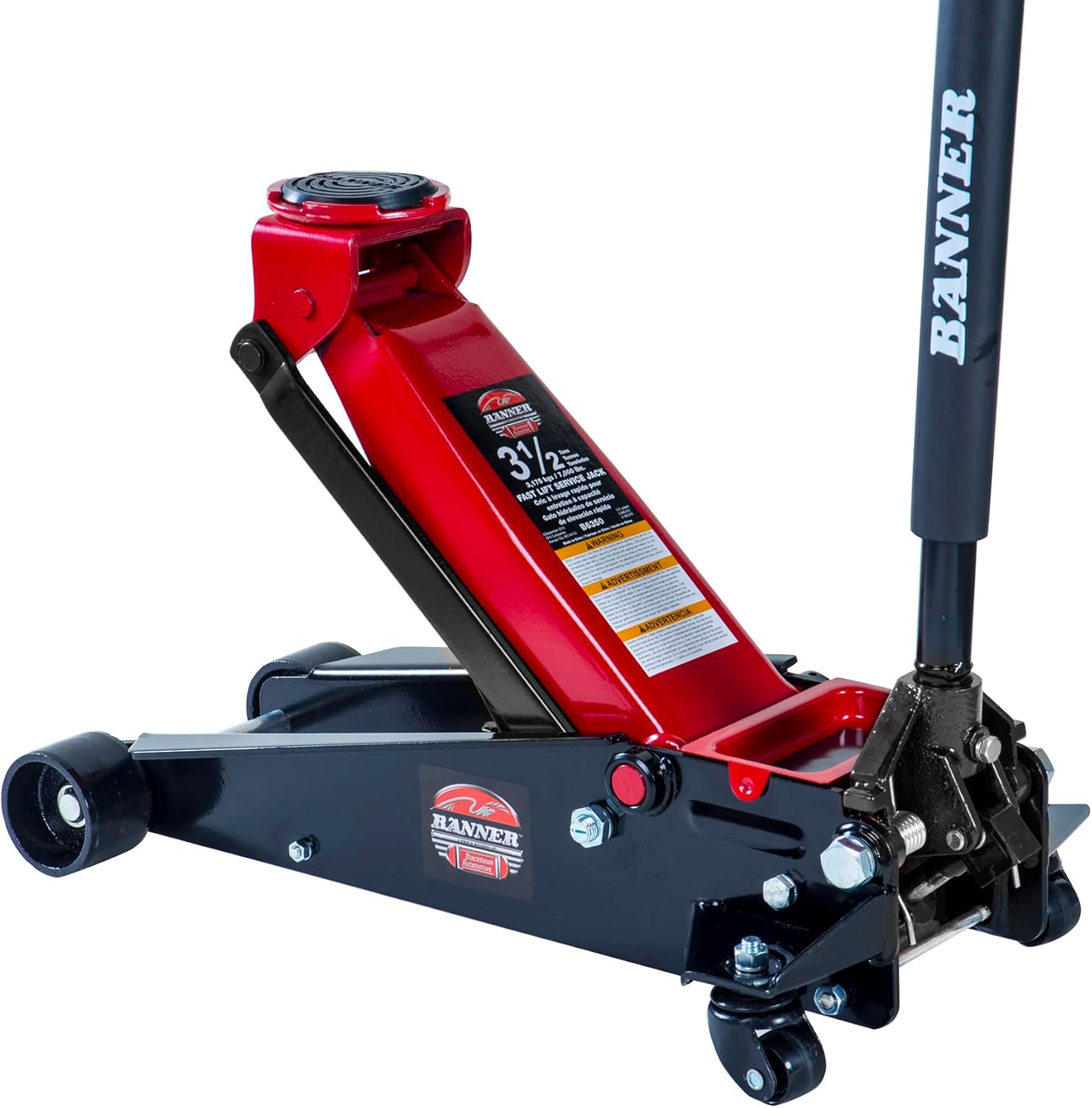
Work on level ground, chock the wheels, and support the vehicle with jack stands before inspecting anything closely. Do not crawl under a car that is supported only by a jack.
If the wheel is obviously loose, the lug nuts do not match the wheel seat, or the wheel touches brake or suspension parts at rest, do not drive the vehicle. Remove the wheel and verify all specs before continuing.
- Use the factory jacking points and proper jack stand placement.
- Wear gloves and eye protection when inspecting sharp wheel and brake edges.
- Torque lug nuts only with a torque wrench, not an impact gun alone.
- Never use the lug nuts to force an incorrect wheel onto the hub.
The Fitment Specs You Must Check
Bolt Pattern
The bolt pattern must match exactly. This is the number of lugs and the circle diameter they form, such as 5×114.3 or 5×112. A wheel with the wrong pattern may seem close enough to start threading, but it will not center correctly and can damage studs or bolts.
Center Bore
The wheel’s center bore must be large enough to fit over the hub. If it is too small, the wheel will not seat. If it is larger than the hub, the wheel can still mount, but it should use the correct hub-centric ring when required to center the wheel properly during installation.
Offset
Offset determines where the wheel sits inboard or outboard relative to the hub. Too much positive offset can push the inner barrel into the strut or brake components. Too little offset can push the tire outward into the fender and increase scrub radius or bearing load.
Wheel Width and Diameter
A wider wheel changes both inner and outer clearance. Diameter affects brake caliper clearance and tire sidewall profile. Even if the bolt pattern matches, a wheel that is too wide or too small in diameter may still rub or fail to clear the brakes.
Tire Size
The tire matters as much as the wheel. An overly tall or wide tire can contact the fender, liner, suspension, or spring perch even if the wheel itself clears everything.
Lug Seat Type and Hardware Length
The lug nuts or lug bolts must match the wheel seat style, usually conical, ball, or mag seat. Using the wrong style prevents proper clamping. Stud engagement or bolt length must also be correct, especially when spacers are installed.
Tools That Make This Job Easier


How to Diagnose the Exact Problem
Compare the Wheel Specs to Vehicle Requirements
Start with the known-good factory specs for your vehicle: bolt pattern, hub bore, wheel diameter, wheel width, offset range, and original tire size. Then compare the specs stamped on the aftermarket wheel or listed by the seller. If any core spec is wrong, stop there and plan the correct fix.
Test-fit the Wheel Without Forcing It
With the vehicle safely supported, remove one wheel and test-fit the new or suspect wheel by hand. The wheel should slide onto the hub and sit flat against the mounting surface. Rotate it by hand and watch the inner barrel and spokes relative to the brake caliper and suspension.
Check for Flush Seating
Look behind the wheel where it meets the hub face. Rust scale, debris, a too-small center bore, or an incorrect mounting pad can keep the wheel from sitting flush. There should be no visible gap once the wheel is fully seated by hand.
Measure Inner and Outer Clearance
Use a straightedge and measuring tool to inspect gap between the wheel or tire and nearby parts. Pay attention to the strut, spring perch, brake caliper, control arm, fender lip, and inner liner. Suspension movement and steering angle reduce these clearances, so what barely clears at rest may rub while driving.
Inspect the Lug Hardware
Confirm that the lug seat shape matches the wheel. Check that enough threads engage on studs or that lug bolts are the correct length. If the hardware bottoms out or only catches a few turns, the wheel is not safely mounted.
- Verify bolt pattern and center bore first.
- Confirm the wheel sits flush on the hub by hand.
- Check inner brake and suspension clearance while rotating the wheel.
- Check outer tire and fender clearance with steering turned left and right.
- Verify lug nut or lug bolt seat style and proper thread engagement.
Common Wheel Fitment Problems and Their Fixes
Wrong Bolt Pattern
If the bolt pattern is wrong, the correct fix is replacing the wheel with one that matches your vehicle. Do not slot holes, force the hardware, or rely on “close enough” alignment. While specialty adapters exist for some applications, they add thickness and complexity and should only be used when they are specifically engineered for the vehicle and wheel setup.
Center Bore Too Small
A center bore that is too small prevents the wheel from fitting over the hub. The proper fix is a wheel with the correct bore or professional machining by a qualified wheel specialist if the wheel design safely allows it. If you are not absolutely sure, replace the wheel.
Center Bore Too Large
A larger center bore is common on aftermarket wheels. In that case, install the correct hub-centric rings so the wheel centers properly on the hub during mounting. The rings do not replace proper lug torque, but they help prevent off-center installation and vibration.
Wheel Contacts Brake Caliper
If the spokes or inner barrel contact the caliper, you need more brake clearance. The best fix is using a wheel designed with proper caliper clearance. In some cases, a carefully selected spacer can create enough room, but it also changes offset and requires correct hardware length and safe thread engagement.
Wheel or Tire Rubs Strut or Suspension
Inner rubbing usually means the wheel offset is too high, the wheel is too wide, the tire is too wide, or the sidewall shape is too bulky. Possible fixes include a wheel with different offset, a narrower tire, or a properly sized spacer if there is still adequate outer clearance afterward.
Tire Rubs Fender or Liner
Outer rubbing often points to too little positive offset, too much wheel width, or an oversized tire diameter or section width. The safest correction is choosing the proper tire size or wheel offset. Minor liner contact on modified vehicles sometimes can be addressed by trimming plastic liners, but that should never be used to mask a fundamentally wrong fitment.
Wrong Lug Nuts or Lug Bolts
If the wheel uses conical seats and your car has factory ball-seat hardware, or vice versa, replace the hardware with the exact seat style required by the wheel manufacturer. Also confirm shank length or thread pitch. Incorrect hardware is a common cause of loose wheels and vibration.
Vibration After Installing Wheels
Post-install vibration can come from poor centering, incorrect lug torque sequence, damaged wheels, poor balancing, or mounting a lug-centric wheel improperly. Recheck hub fit, use the proper rings if applicable, torque lugs in a star pattern, and have the wheel and tire assembly road-force balanced if needed.
Recommended Tools for This Job


Step-by-Step Procedure to Correct Fitment
Use this process to correct most DIY-diagnosable wheel fitment issues. Do not continue if you discover a wheel that cannot safely seat on the hub or one that clearly contacts brake parts.
- Park on level ground, set the parking brake, chock the wheels, loosen the lug nuts slightly, then raise and support the vehicle on jack stands.
- Remove the wheel and clean the hub face and wheel mounting pad so rust or debris does not create a false fitment issue.
- Verify the wheel’s bolt pattern, center bore, size, and offset against your vehicle’s required specifications.
- Test-fit the wheel by hand without lug nuts first and confirm it fully seats against the hub face with no rocking or gap.
- Rotate the wheel and inspect for contact with the caliper, tie rod, strut, control arm, and inner fender.
- If the center bore is larger than the hub, install the correct hub-centric ring before final mounting.
- If you are using spacers, confirm they are the correct thickness, hub-centric when required, and paired with proper stud engagement or bolt length.
- Install the correct lug nuts or bolts for the wheel seat type and tighten them gradually in a star pattern.
- Lower the vehicle enough for the tire to contact the ground lightly, then torque the lug nuts to the vehicle or wheel manufacturer specification.
- Turn the steering from lock to lock and inspect tire clearance at the fender liner and suspension.
- Drive slowly in a safe area and listen for rubbing or vibration before returning to normal driving.
- Retorque the lug nuts after 25 to 100 miles if recommended by the wheel manufacturer.
When Spacers and Hub Rings Are Appropriate
Hub-centric rings are commonly appropriate when an aftermarket wheel has a larger center bore than the vehicle hub. They help center the wheel during installation and can reduce the chance of vibration caused by off-center mounting.
Spacers are more complicated. They can solve some inner clearance issues, but they also reduce positive offset and move the wheel outward. That can create new rubbing at the fender, change steering feel, and place more load on wheel bearings and studs.
- Use spacers only when the wheel otherwise fits correctly except for a small inner clearance issue.
- Choose quality spacers designed for your hub and wheel type.
- Verify that stud length or lug bolt length remains safe after installation.
- Avoid stacking multiple spacers or using universal parts with questionable fit.
- If you need a large spacer to make the wheel fit, the better solution is usually a wheel with the correct offset.
Mistakes to Avoid
- Do not use the lug nuts to pull a wheel onto the hub when it will not seat by hand.
- Do not assume all 5-lug patterns are interchangeable because the holes look close.
- Do not reuse factory lug nuts unless the seat type matches the new wheel exactly.
- Do not ignore minor rubbing because it can become tire damage under load or steering input.
- Do not judge fitment with the car in the air only; suspension compression changes clearance.
- Do not skip final torque or use only an impact gun for final tightening.
Most unsafe wheel setups come from rushing the install or trying to adapt an incompatible wheel instead of confirming measurements first. A clean hub, correct specs, correct hardware, and proper torque matter more than appearance.
Final Checks After the Repair
Once you believe the fitment issue is fixed, perform a final inspection before normal driving. Check every wheel, not just the one that showed the most obvious problem.
- Each wheel sits flush against the hub with no visible gap.
- The lug nuts or bolts match the wheel seat and were torqued to spec.
- The wheel rotates freely with no caliper or suspension contact.
- The tire clears the fender liner and body at full steering lock.
- No vibration, clunking, or rubbing appears during a short road test.
- Lug torque is rechecked after the initial drive interval.
When to Replace the Wheel Instead of Trying to Make It Work
Replace the wheel if it has the wrong bolt pattern, an unsafe center bore mismatch, severe brake interference, extreme offset error, or requires excessive spacer thickness to fit. Also replace it if the wheel is bent, cracked, or poorly machined.
Trying to “almost fit” a wheel usually costs more in the long run through damaged tires, vibration diagnosis, added parts, and safety risk. The right wheel for the vehicle is almost always the best fix.
Key Takeaways
- Always verify bolt pattern, center bore, offset, wheel size, and tire size before trying to correct a fitment issue.
- A wheel must seat flush on the hub by hand; never use lug nuts to force it into place.
- Use the correct lug seat style and proper torque, because wrong hardware can loosen even if the wheel seems to fit.
- Hub-centric rings can help center wheels with oversized bores, but large spacers usually mean the wheel is the wrong fit.
- If the wheel contacts brakes or suspension, or if fitment is still uncertain, stop driving and use a qualified wheel or suspension technician.
FAQ
Can I Drive with Slight Wheel Rubbing?
No. Even light rubbing can cut a tire, damage the liner, wear through wiring, or become much worse during turns and suspension compression. Fix the clearance problem before regular driving.
Do Hub-centric Rings Make an Unsafe Wheel Safe?
No. Hub-centric rings only help center a wheel with a larger center bore. They do not correct the wrong bolt pattern, wrong offset, bad brake clearance, or incorrect lug hardware.
What Happens if I Use the Wrong Lug Nuts on Aftermarket Wheels?
The wheel may not clamp correctly, can loosen over time, and may vibrate or damage the seat area. Always match the lug seat style, thread pitch, and shank or overall length to the wheel and vehicle.
Are Wheel Spacers Safe?
Quality spacers used for a properly measured application can be safe, but they must be the correct type and thickness with proper stud or bolt engagement. If a large spacer is needed just to make the wheel fit, a different wheel is usually the better answer.
Why Do My New Wheels Vibrate Even Though They Bolt On?
Common causes include an oversized center bore without correct rings, improper lug torque sequence, wrong lug seat type, bent wheels, or balancing issues. A wheel that bolts on is not automatically a correctly fitted wheel.
How Much Clearance Should There Be Between the Wheel and Brake or Suspension Parts?
More clearance is always better because components flex and move during driving. There is no single universal number for every vehicle, but any contact or near-contact at rest is unacceptable and should be corrected before driving.
Can Tire Size Alone Cause a Wheel Fitment Problem?
Yes. A tire that is too wide or too tall can rub the fender, liner, strut, or spring perch even if the wheel itself has the correct bolt pattern and offset.
Need Parts for This Repair?
The right parts and supplies vary by vehicle.
Select your make and model to find compatible parts and accessories for your car.
Exact Fit
Parts that fit your make and model
Quality You Can Trust
Top brands and OEM quality options
Fast Shipping
Get the parts you need, delivered fast