

Note: This article contains affiliate links. If you click on these links and make a purchase, I may earn a small commission at no extra cost to you. This helps support my research and content. Read my full affiliate disclosure here.
Repair Snapshot
Use a mechanic if cords are showing, the car pulls hard, steering feels loose, or you find worn suspension or steering parts. A shop is also the right choice if the vehicle needs an alignment rack or tire machine.
This article is part of our Wheels and Tires Maintenance & Repair Guides.
Uneven tire wear is usually a sign that something besides the tire itself needs attention. Low or high tire pressure, missed rotations, bad alignment, worn suspension parts, or an out-of-balance wheel can all wear the tread in different patterns.
The good news is that you can do a lot of the diagnosis at home with basic tools. If you catch the problem early, you may be able to correct the cause, rotate the tires, and get more safe miles out of them. If the wear is advanced, the fix may include replacing the damaged tires after repairing the underlying problem.
This guide walks through the common wear patterns, how to inspect your tires and chassis, what repairs make sense for a DIYer, and when it is smarter to stop driving and schedule a professional alignment or suspension repair.
How to Tell What Kind of Uneven Wear You Have
Before you replace anything, identify the wear pattern. The shape of the wear often points directly to the cause. Check all four tires in good light, and run your hand across the tread to feel for high and low spots.
- Center wear: Usually caused by overinflation, where the middle of the tread carries more of the load.
- Both outer edges worn: Commonly caused by underinflation, which lets the shoulders of the tire do more work.
- Inner edge or outer edge wear on one side: Often points to alignment problems, especially excessive camber or toe issues.
- Feathered tread blocks: Usually related to incorrect toe alignment and can feel sharp in one direction and smooth in the other.
- Cupping or scalloping: Often caused by worn shocks, struts, ball joints, or an out-of-balance tire.
If one tire is much worse than the others, focus on that corner of the vehicle first. A single bad tire can still be caused by a local problem such as a bent wheel, worn strut, loose tie rod, or dragging brake.
Safety Check Before You Start
Do not treat uneven wear as only a cosmetic issue. Once tread wears through the normal surface, traction drops fast, especially in rain. A badly worn tire is also more likely to overheat or fail.
- Do not drive on any tire with exposed cords, bulges, sidewall cracks, or a tread depth at or below 2/32 inch.
- Work on level ground and support the vehicle with jack stands, not only a jack.
- Set the parking brake and chock the wheels before lifting the vehicle.
- If steering feels loose or the vehicle wanders sharply, inspect before driving at highway speed.
Inspect Tire Pressure First
The fastest fix for uneven wear starts with tire pressure. Check all four tires when they are cold, meaning the car has been parked for several hours or driven less than a mile. Use the pressure listed on the driver’s door placard, not the maximum number molded into the tire sidewall.
Record the pressure in each tire and compare the numbers. A tire that is consistently low may have a slow leak, a bad valve stem, or bead sealing problem. A tire that is overinflated by habit can wear the center long before the rest of the tread is used up.
- Remove the valve cap and press the gauge squarely onto the valve stem.
- Add or release air until the pressure matches the factory placard.
- Recheck after adjustment and reinstall the valve cap.
- Repeat for the spare if your vehicle uses a full-size spare.
If edge wear matches an obvious inflation problem and the tires are still structurally sound, correcting the pressure may slow future wear. It will not restore tread that is already gone, but it can prevent the new or rotated tires from wearing the same way.
Measure Tread Depth and Compare All Four Tires
Use a tread depth gauge to measure the inner edge, center, and outer edge of each tire. Write the readings down. This gives you a clear picture of what is happening and helps you decide whether the tire can stay in service.
A healthy tire should have fairly even readings across its width and should not vary dramatically from one side of the vehicle to the other. Large differences between the inner and outer edges usually point to alignment, while differences front to rear often point to missed rotation intervals or a front-end problem.
- At 4/32 inch, wet-weather grip is already reduced.
- At 2/32 inch, the tire is legally worn out in most states and should be replaced.
- If one area is much lower than the rest, replace the tire even if other spots still look acceptable.
- If the tread is chopped or scalloped, assume a chassis or balance issue is also present.
Tools That Make This Job Easier

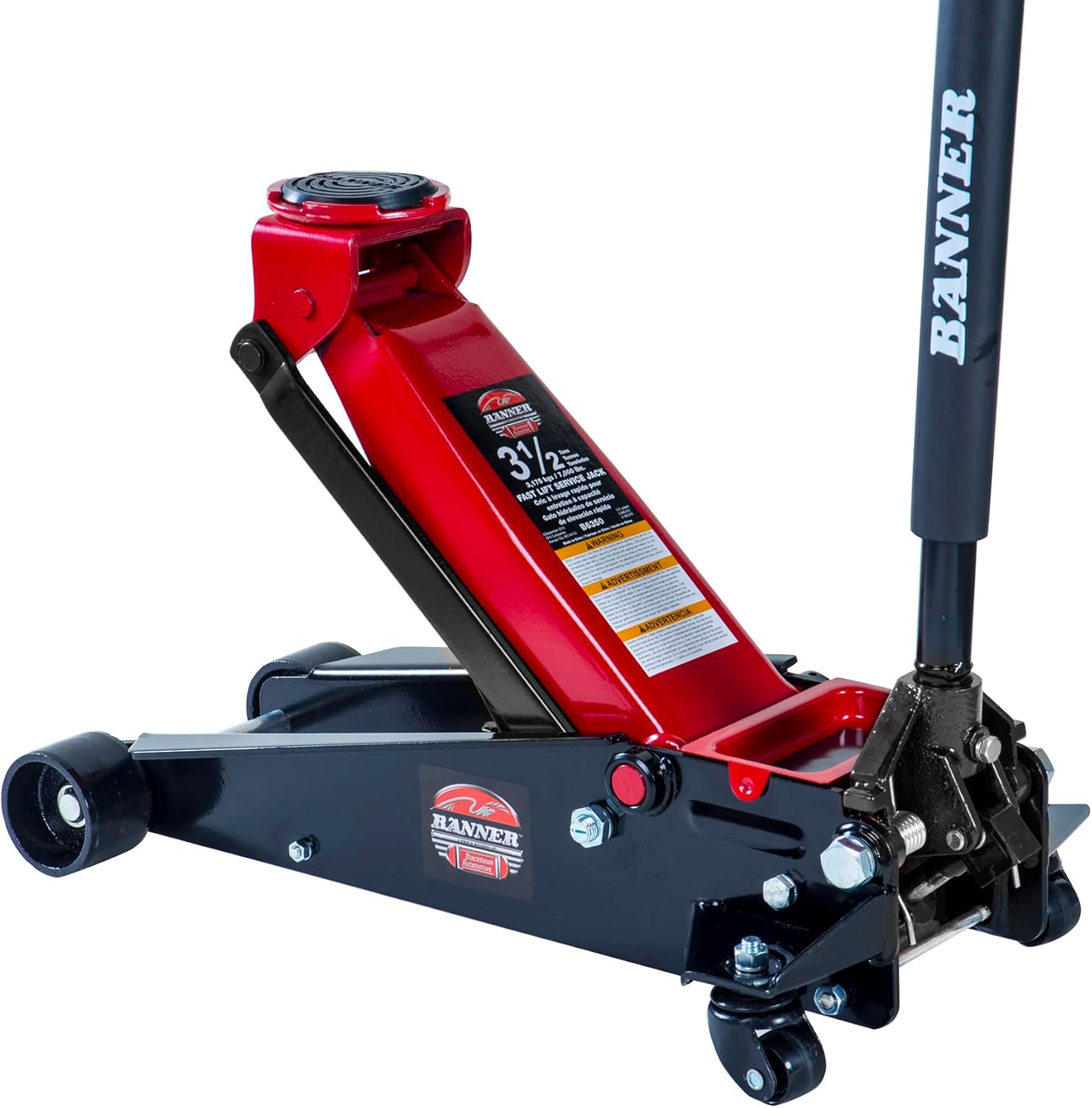

Rotate the Tires If the Wear Pattern Allows It
Tire rotation does not fix the root cause, but it can help even out normal wear if you catch the problem early. If the tire has severe edge wear, exposed cords, or deep cupping, do not rotate it and hope for the best. Replace it after correcting the cause.
When Rotation Helps
Rotation makes sense when the wear is mild, the tires still have safe tread depth, and you have already corrected inflation or confirmed there is no major suspension damage. Follow the rotation pattern recommended by your vehicle or tire manufacturer. Many front-wheel-drive vehicles use a front-to-back cross pattern, while directional tires must stay on the same side unless remounted.
Basic DIY Rotation Steps
- Loosen the lug nuts slightly before lifting the vehicle.
- Raise the vehicle safely and support it on jack stands.
- Move the tires according to the correct pattern for your drivetrain and tire type.
- Hand-thread all lug nuts first to avoid cross-threading.
- Torque the lug nuts to specification in a star pattern.
- Recheck torque after a short drive if your manufacturer recommends it.
Check for Alignment Problems
Alignment issues are one of the most common causes of uneven tire wear. Camber affects whether the tire leans inward or outward. Toe affects whether the tires point slightly toward or away from each other. Even a small toe error can scrub tread off quickly.
At home, you can look for clues, but a precise correction usually requires a professional alignment rack. If your steering wheel is off-center, the car pulls to one side on a level road, or the inner edges are wearing faster than the rest of the tread, alignment is high on the list.
- Inside edge wear on both front tires often suggests too much negative camber or incorrect toe.
- Outside edge wear can point to positive camber or hard cornering, but alignment should still be checked.
- Feathering across the tread usually indicates toe is out of spec.
- A crooked steering wheel after hitting a pothole or curb often means the alignment changed or a part bent.
If the vehicle recently hit a pothole, curb, or road debris, inspect carefully for bent suspension parts or wheel damage before paying for an alignment. A shop cannot set alignment correctly if something is bent or loose.
Inspect Suspension and Steering Components
Uneven wear that returns after alignment often means a suspension or steering part has play in it. Worn parts allow the wheel to move as you drive, changing alignment dynamically and chewing up the tread.
What to Inspect
- Tie rod ends
- Lower and upper ball joints
- Control arm bushings
- Wheel bearings
- Struts and shocks
- Sway bar links if they are visibly loose or damaged
How to Check for Looseness
With the vehicle safely lifted, grab the tire at the 3 and 9 o’clock positions and rock it side to side. Excess play can indicate tie rod or steering looseness. Then grab it at the 12 and 6 o’clock positions and rock it in and out. Movement there can point to a wheel bearing, ball joint, or suspension issue depending on the design.
Use a flashlight to inspect rubber bushings for tears and separation. Look for oil leaking from struts or shocks, dented components, and broken spring coils. A weak strut may not show obvious looseness by hand, but repeated bouncing, poor damping, or cupping on the tire are strong clues.
If you find a worn part, replace it before getting the alignment done. Otherwise the new alignment may not hold, and the tire wear will return.
Check Wheel Balance, Wheel Condition, and Tire Condition
A wheel that is out of balance usually causes vibration, but it can also contribute to cupping or patchy wear over time. Missing wheel weights, a bent rim, or internal tire damage can all create repeated bounce and uneven contact with the road.
- Look for missing clip-on or adhesive wheel weights.
- Inspect the rim lip for bends, cracks, or impact damage.
- Check for tread separations, bulges, or high spots in the tire.
- Notice whether vibration gets worse at certain speeds, which often suggests balance or tire uniformity problems.
Wheel balancing is usually a shop job unless you have specialized equipment. If the tire shows cupping with no obvious suspension play, balance the wheel and inspect the strut or shock on that corner. Those two issues often show up together.
Recommended Tools for This Job


Look for Brake and Hub Problems on One Corner
If only one tire is wearing oddly, do not overlook brake drag or hub issues. A sticking caliper can overheat a wheel and change how the tire wears. A bad wheel bearing can also let the wheel wobble and create uneven tread wear.
After a short drive, carefully compare wheel temperatures without touching hot brake components directly. One wheel that is much hotter than the others can suggest a dragging brake. Listen for growling or humming that changes with speed, which can point to a wheel bearing.
These problems are more serious than simple pressure issues. If you suspect a dragging brake or noisy bearing, limit driving until the vehicle is inspected and repaired.
Decide Whether the Tire Can Be Saved
Once you fix the cause, you still need to decide whether the tire is worth keeping. Tires do not heal after the wear source is corrected. You are deciding whether the remaining tread is safe and whether the tire can wear back into a usable pattern over time.
- Keep the tire only if tread depth remains safely above the wear bars and the wear is mild and even enough to monitor.
- Replace the tire if belts or cords are exposed, the wear is heavily one-sided, or cupping is deep enough to cause noise and vibration.
- Replace in pairs on the same axle at minimum when required by your vehicle and tire type.
- On AWD vehicles, match tire size and circumference closely to avoid drivetrain stress.
If you are unsure, a tire shop can measure and inspect the tire quickly. Spending money on an alignment while leaving a dangerous tire in place is not a good tradeoff.
Typical Repair Paths for Common Uneven Wear Patterns
Center Tread Worn More than Edges
Set all tires to factory pressure and monitor monthly. If the tire is badly center-worn, replace it. Overinflation damage will not reverse.
Both Shoulders Worn
Correct underinflation, check for leaks, and inspect the tire bead and valve stem. Replace the tire if shoulder wear is deep or the tread is near the bars.
Inside Edge Wear
Inspect steering and suspension parts, then get a professional alignment. Inside edge wear is one of the strongest signs of camber or toe problems.
Feathering Across Tread Blocks
Have toe checked and corrected. Inspect tie rods and other steering parts for looseness. Rotate only if the tread remains safe.
Cupping or Scalloping
Inspect shocks or struts, balance the wheel, and check for worn bushings or bearings. If the cupping is advanced, plan on replacing the tire because road noise usually remains.
How to Prevent Uneven Tire Wear From Coming Back
Once the immediate problem is fixed, prevention is straightforward. Tires usually wear evenly when pressure, alignment, rotation intervals, and suspension condition are all kept under control.
- Check tire pressure at least once a month and before long trips.
- Rotate tires about every 5,000 to 7,500 miles unless your owner manual or tire maker says otherwise.
- Get an alignment after replacing steering or suspension parts, after a hard pothole impact, or when the car starts pulling.
- Inspect tread across all four tires during oil changes.
- Fix vibration, looseness, and clunks early before they turn into expensive tire wear.
Many uneven-wear problems start small and become obvious only after thousands of miles. A quick monthly tire check is much cheaper than replacing a full set of tires early.
Key Takeaways
- Match the wear pattern first, because center, edge, feathered, and cupped wear each point to different root causes.
- Correct tire pressure immediately, but do not assume pressure alone caused one-sided or feathered tread wear.
- Replace worn steering or suspension parts before paying for an alignment, or the new alignment may not hold.
- Do not rotate or keep using a tire with exposed cords, severe one-edge wear, bulges, or deep cupping.
- After repairs, maintain monthly pressure checks and regular rotations to keep the new tires from wearing the same way.
FAQ
Can Uneven Tire Wear Be Fixed Without Replacing the Tire?
You can fix the cause of uneven wear, such as low pressure or bad alignment, but you cannot restore tread that has already worn away. Mild wear may still be usable after the root issue is corrected, but severe wear usually means the tire needs replacement.
Will an Alignment Fix Uneven Tire Wear?
An alignment fixes one common cause of uneven wear, but it does not fix every case. You should also check tire pressure, balance, and suspension or steering parts, especially if the wear is feathered, one-sided, or cupped.
How Do I Know if My Shocks or Struts Are Causing Tire Wear?
Cupping or scalloped tread is a common clue. You may also notice extra bouncing, poor control over bumps, fluid leakage from the strut or shock, or a tire that loses contact with the road over rough pavement.
Is It Safe to Drive with Uneven Tire Wear?
It depends on the severity. Mild wear may be drivable for a short time, but cords showing, deep edge wear, cupping, bulges, or very low tread depth make the tire unsafe and should be addressed immediately.
What Causes Inside Tire Wear More than Outside Tire Wear?
Inside tire wear is often caused by excessive negative camber, incorrect toe, or worn suspension parts that let the wheel lean or steer slightly out of spec. It is one of the most common signs that an alignment check is needed.
How Often Should I Rotate Tires to Prevent Uneven Wear?
A good general interval is every 5,000 to 7,500 miles, though your owner’s manual may list a specific schedule. Regular rotation helps equalize normal front-to-rear wear but will not overcome a pressure or alignment problem.
Can Bad Wheel Balance Cause Uneven Tire Wear?
Yes. An out-of-balance wheel can contribute to cupping, patchy wear, and vibration. Balance problems often show up alongside weak shocks or struts, so inspect both if the tread is scalloped.
Need Parts for This Repair?
The right parts and supplies vary by vehicle.
Select your make and model to find compatible parts and accessories for your car.
Exact Fit
Parts that fit your make and model
Quality You Can Trust
Top brands and OEM quality options
Fast Shipping
Get the parts you need, delivered fast