

Note: This article contains affiliate links. If you click on these links and make a purchase, I may earn a small commission at no extra cost to you. This helps support my research and content. Read my full affiliate disclosure here.
What You’ll Need
A quick look at the tools and supplies commonly used for this job.
Tools
- Tire pressure gauge
- Flashlight
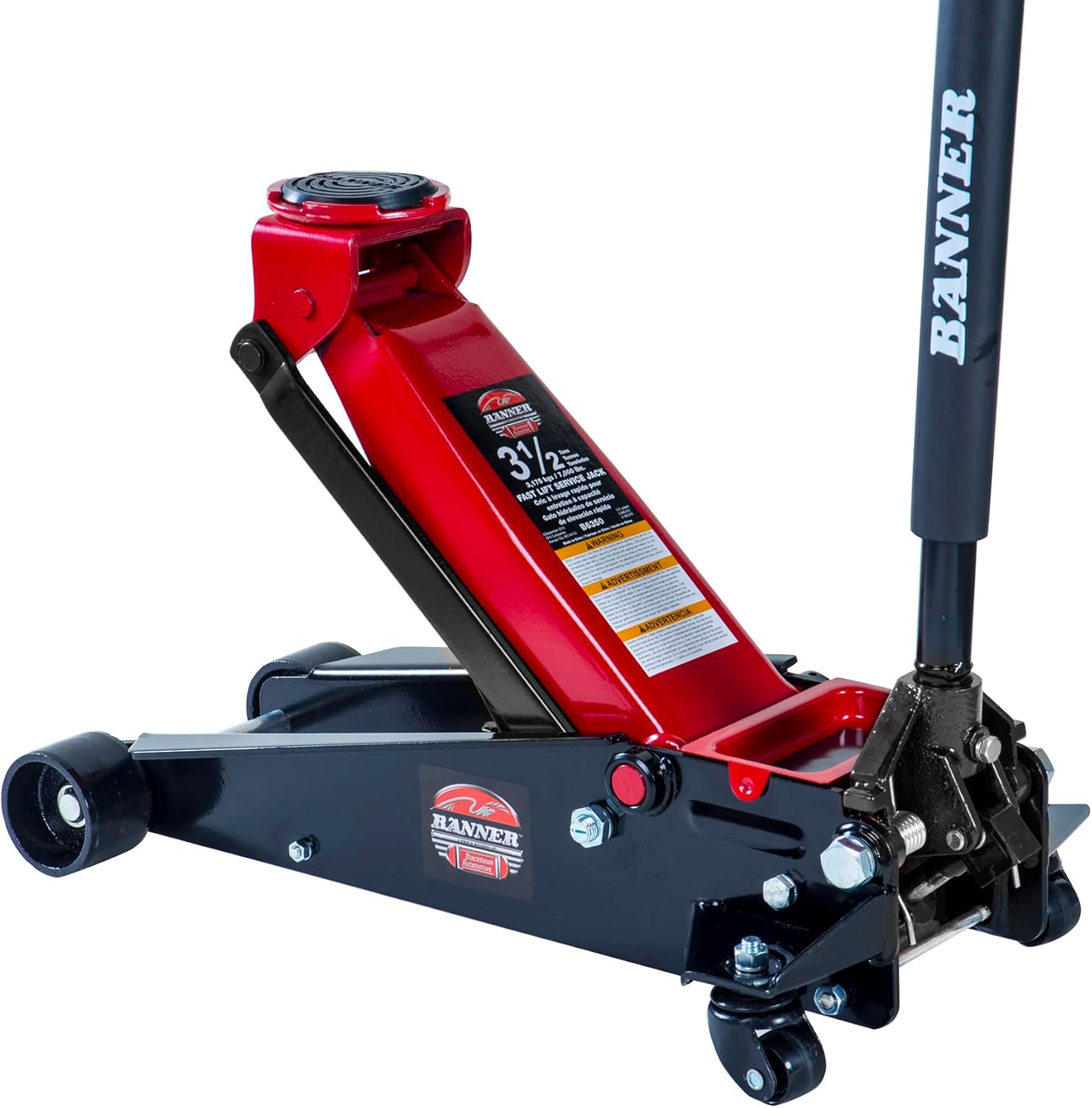
- Floor jack
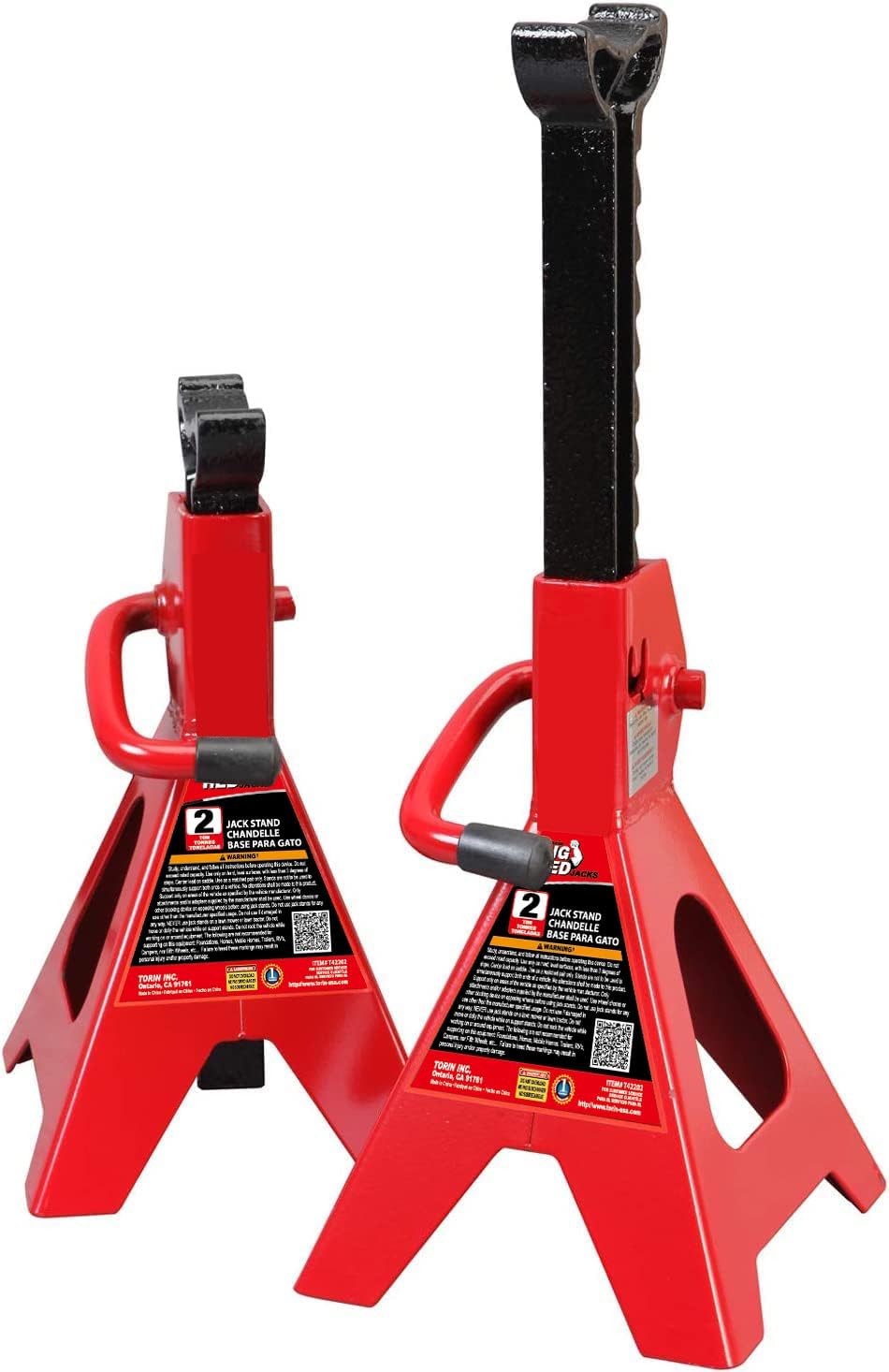
- Jack stands
- Work gloves
- Tread depth gauge
- Chalk or paint marker
- Tape measure
- Lug wrench or torque wrench
Parts & Supplies
- Vehicle manufacturer tire pressure specification
- Shop rags
- Soapy water spray bottle
- Replacement valve caps
This article is part of our Wheels and Tires Maintenance & Repair Guides.
Uneven tire wear is one of the easiest warning signs to miss and one of the most useful clues your car can give you. A tire that wears differently across its tread is often pointing to a pressure problem, alignment issue, worn suspension part, balance problem, or driving habit that needs attention.
The good news is that you can diagnose a lot of uneven tire wear at home with a careful visual inspection and a few basic tools. The goal is not just to identify that a tire is wearing badly, but to match the wear pattern to the most likely cause before you spend money on new tires, an alignment, or suspension work.
This guide walks through the most common tire wear patterns, how to inspect each wheel, what related symptoms matter, and when the evidence points to a simple fix versus a deeper steering or suspension issue.
Why Uneven Tire Wear Matters
Uneven tire wear is more than a cosmetic issue. It can shorten tire life, increase road noise, reduce wet-weather traction, and make braking or handling less predictable. In many cases, the tire is only the symptom. The real problem may be incorrect inflation, a bad alignment angle, weak shocks or struts, bent components, or loose steering parts.
If you catch the pattern early, you may be able to correct the cause and save the remaining tread through rotation or adjustment. If you wait too long, the tire may become permanently noisy or unsafe even after the underlying issue is fixed.
- Rapid wear on one edge often points to alignment problems.
- Wear in the center or both shoulders usually suggests inflation problems.
- Cupping or scalloping often indicates a suspension or balance issue.
- Feathering across the tread can indicate toe misalignment or loose steering parts.
Common Symptoms That Help Narrow the Cause
Before measuring anything, pay attention to how the vehicle feels on the road. Tire wear patterns become easier to interpret when you match them with symptoms during driving.
- Vehicle pulls left or right on a level road.
- Steering wheel is off-center when driving straight.
- Vibration appears at certain speeds.
- Ride feels bouncy or unstable over bumps.
- Tire noise grows louder and changes with road speed.
- One tire keeps losing pressure.
- The car feels loose, wanders, or needs frequent steering correction.
A pull and an off-center steering wheel strongly support an alignment issue. A bounce after hitting a bump can point toward weak shocks or struts. Speed-related vibration may suggest imbalance, a tire defect, or worn front-end parts. Repeated low pressure can create shoulder wear and may mean a puncture, leaking valve stem, or bead leak.
Safety and Preparation Before You Inspect
Park on level ground, set the parking brake, and inspect the tires when they are cold if you plan to check pressure. Cold means the vehicle has been parked long enough that the tires are near ambient temperature, usually several hours.
If you need to lift the vehicle for a better look, use the correct jack points and support it securely with jack stands. Never rely on a jack alone. Turn the steering wheel to expose the front tread and inner shoulders, which are easy to miss during a quick driveway inspection.
- Check all four tires, not just the one that looks worst.
- Compare left and right sides on the same axle.
- Inspect the inside edge as carefully as the outside edge.
- Record pressure and tread depth before making corrections.
How to Inspect the Tires Step by Step
Check Tire Pressure First
Use the pressure listed on the driver’s door jamb sticker, not the maximum pressure molded into the tire sidewall. Measure all four tires and the spare if equipped. Write down the readings. A tire that has been running significantly underinflated or overinflated often shows a wear pattern that matches the pressure history.
Measure Tread Depth Across the Width
Use a tread depth gauge and measure at the inner edge, center, and outer edge of each tire. Take several readings around the tire circumference. This matters because some wear patterns only show up in certain spots, especially cupping or localized flat spots.
Mark each tire position as LF, RF, LR, and RR. Then compare the numbers. The difference between the inner and outer edges usually tells you more than the absolute tread depth alone.
Look and Feel for Pattern Changes
Run your hand lightly across the tread from front to back and back to front. If the tread blocks feel smooth one way and sharp the other way, that feathering often points to toe problems. Also look for cupped dips, one-sided wear, center wear, or both shoulders wearing faster than the middle.
Inspect the Sidewalls and Valve Area
Check for bulges, cuts, impact damage, exposed cords, or cracking. Spray soapy water around the valve stem and bead area if you suspect a slow leak. A tire that loses air over time may develop shoulder wear long before the leak becomes obvious.
Check Wheel and Suspension Clues
With the vehicle safely lifted, grab the tire at the 12 and 6 o’clock positions and then at 3 and 9 o’clock. Excess play may indicate a wheel bearing, ball joint, tie rod, or other steering and suspension issue. Look for leaking struts or shocks, torn bushings, bent components, or anything loose.
Tools That Make This Job Easier


How to Read Common Tire Wear Patterns
Inner Edge Wear
Wear concentrated on the inside edge often points to excessive negative camber or toe settings out of spec. It can also happen when worn suspension parts allow the wheel angle to change under load. Rear tires can show this too, especially on vehicles with independent rear suspension.
If the vehicle drives straight but the inner edge is worn badly, do not assume alignment is the only issue. A bent arm, sagging spring, or worn bushing can cause the alignment to drift and will keep ruining tires unless repaired first.
Outer Edge Wear
Outer shoulder wear is often caused by positive camber, toe error, or aggressive cornering. On front tires, underinflation can also contribute because the shoulders carry more load when the tire is soft.
Wear on Both Shoulders
If both outer shoulders are worn more than the center, underinflation is the most common cause. Confirm the pressures with the tires cold and look for a leak if one tire is much lower than the others. Repeated short trips on low pressure can damage a tire quickly.
Center Tread Wear
Wear down the center with more tread remaining on both shoulders usually points to overinflation. The tire crowns in the middle and carries more load there. This can happen even when the tires only look slightly overfilled, especially if someone inflated them to the sidewall max instead of the vehicle specification.
Cupping or Scalloping
Cupping looks like alternating high and low spots around the tread and often creates a droning or helicopter-like noise. Common causes include worn shocks or struts, poor wheel balance, loose suspension parts, or a tire that has been bouncing instead of maintaining even contact with the road.
Feathering
Feathering happens when the tread blocks develop a saw-tooth feel across the surface. Toe misalignment is a common cause. If the steering feels loose or the vehicle wanders, check tie rods and other steering components before assuming an alignment alone will solve it.
Patchy or Localized Wear
Flat spots, diagonal wear, or isolated rough areas may come from hard braking, a temporary lockup, imbalance, belt separation, or a damaged wheel. These patterns deserve extra attention because they can mimic alignment issues while actually being tire or wheel defects.
Likely Causes and How to Confirm Them
Incorrect Tire Pressure
Pressure-related wear is usually the easiest to confirm. Compare current cold readings to the door sticker and look at the tread shape. Both shoulders worn means likely underinflation. Center worn means likely overinflation. If only one tire is affected, check for a leak, damaged valve stem, or rim sealing problem.
Wheel Alignment Problems
Alignment issues often show up as one-edge wear, feathering, pulling, or an off-center steering wheel. Toe tends to scrub the tread quickly. Camber usually loads one side of the tire more than the other. Caster does not directly wear tires as often, but it can contribute to pulling and steering feel. A four-wheel alignment check is the best way to confirm the actual angles.
Worn Suspension or Steering Parts
Bad shocks or struts can allow the tire to bounce and cup. Worn ball joints, control arm bushings, tie rods, or wheel bearings can let the wheel wobble or change angle while driving. If the alignment changes after bumps or the tire wear returns quickly after service, worn hardware is likely part of the story.
Wheel Balance or Tire Defects
A balance issue often causes vibration at specific speeds and can contribute to uneven or patchy wear over time. A tire with an internal belt problem may show unusual bulging, diagonal wear, or a persistent shake that balancing does not cure. If the tire was recently damaged by a pothole, inspect the wheel for bends as well.
Missed Rotations
Some differences in wear are normal because front and rear tires do different jobs. Front tires usually wear faster on front-wheel-drive vehicles because they steer, brake, and drive the car. If rotations are overdue, a normal front-rear difference can turn into severe irregular wear that cannot be corrected later.
Recommended Tools for This Job

Simple At-Home Checks Beyond the Tire Itself
Bounce Test for Weak Dampers
Push down firmly on one corner of the car and release. If the vehicle continues bouncing more than once or feels unusually floaty on the road, the shocks or struts may be weak. This is not a perfect test, but it can support a cupping diagnosis.
Visual Ride Height Comparison
Measure from the ground to the wheel arch on both sides of the same axle. A notable difference can suggest a sagging spring or suspension issue that affects camber and tire loading. Use this as a clue, not a final verdict, because vehicle loading and ground slope can skew readings.
Steering Play Check
With the engine running if required for power assist, gently turn the steering wheel left and right while parked and note any excessive free play before the wheels respond. Combined with feathering or wandering, that can point toward worn steering parts.
Rotation Pattern Review
Look at your maintenance records. If the tires have not been rotated at the recommended interval, usually around every 5,000 to 8,000 miles depending on the vehicle and tire type, uneven wear may be partly maintenance-related rather than a single major fault.
How to Decide What to Do Next
Once you identify the wear pattern, the next step is to decide whether the tire can stay in service and what repair should happen before more driving. Some causes are simple and low-risk to address, while others mean the tire may already be unsafe.
- Correct pressure first if the wear pattern clearly matches overinflation or underinflation.
- Schedule an alignment if you see one-edge wear, feathering, pulling, or an off-center steering wheel.
- Inspect suspension and steering parts before alignment if there is looseness, clunking, cupping, or repeated alignment drift.
- Balance the wheels if vibration is the main symptom and no major suspension play is found.
- Replace the tire if cords are visible, the sidewall is damaged, or irregular wear has made it severely noisy or unsafe.
Do not install new tires without fixing the root cause if the old set shows obvious abnormal wear. New tires can begin wearing incorrectly almost immediately if alignment angles are off or suspension parts are loose.
When Uneven Wear Means the Tire Should Be Replaced
A tire is not automatically saved just because you found the cause. Some wear patterns permanently damage the tread surface. Cupped tires may stay noisy after shocks, balance, or alignment are corrected. A tire worn deeply on one shoulder may have too little tread left to be safe in rain.
- Replace any tire with exposed cords or fabric.
- Replace tires with sidewall bulges, deep cuts, or impact damage.
- Replace tires worn below legal minimum tread depth or below a safe level for wet traction.
- Replace any tire with suspected belt separation or a serious out-of-round condition.
- Consider replacing tires in pairs on the same axle if wear differences are large.
If the vehicle uses all-wheel drive, check the manufacturer’s limits on tread depth variation. Large differences between tires can strain the AWD system and may require replacing more than one tire.
Mistakes to Avoid During Diagnosis
The most common DIY mistake is looking only at the visible outer shoulder while the real clue is hidden on the inner edge. Another mistake is blaming alignment when the actual cause is loose suspension hardware that prevents the alignment from staying correct.
- Do not use the sidewall max pressure as your normal inflation target.
- Do not judge wear from one spot on one tire.
- Do not rotate badly damaged or cord-exposed tires and keep driving.
- Do not ignore vibration, steering looseness, or repeated air loss.
- Do not pay for repeated alignments if worn parts have not been fixed.
Key Takeaways
- Measure tread at the inner edge, center, and outer edge of every tire because the wear pattern usually points directly to the likely cause.
- Both shoulders usually suggest underinflation, center wear usually suggests overinflation, and one-edge wear or feathering often indicates alignment issues.
- Cupping, bouncing, or repeated uneven wear after alignment should make you suspect shocks, struts, bushings, or steering components.
- Fix the cause before buying new tires or the replacement set may develop the same wear pattern quickly.
- Replace any tire with exposed cords, sidewall damage, or severe irregular wear that compromises traction or safety.
FAQ
Can Uneven Tire Wear Be Caused by Bad Wheel Alignment Alone?
Sometimes, yes, but not always. Alignment problems commonly cause one-edge wear and feathering, but worn suspension or steering parts can create the same symptoms or keep the alignment from holding. If there is looseness, clunking, or cupping, inspect the hardware before assuming alignment is the only fix.
Is It Safe to Keep Driving on a Tire with Uneven Wear?
It depends on how severe the wear is. Mild uneven wear may allow short-term driving while you schedule repairs, but exposed cords, sidewall damage, severe shoulder wear, or major cupping mean the tire may no longer be safe. If traction, vibration, or handling are affected, limit driving until it is repaired.
Will Rotating the Tires Fix Uneven Tire Wear?
Rotation can help slow further wear and may reduce how quickly the pattern gets worse, but it does not fix the root cause. If the problem is pressure, alignment, balance, or suspension related, the wear will continue on the new tire position unless that issue is corrected.
How Often Should I Check Tire Pressure to Prevent Uneven Wear?
Check tire pressure at least once a month and before long trips, always when the tires are cold. Regular checks are especially important during seasonal temperature swings, because pressure changes with temperature and low pressure can cause shoulder wear surprisingly fast.
What Does It Mean if Only the Inside Edge of One Front Tire Is Worn?
That often points to a camber or toe issue on that corner, but it can also mean a bent part, worn bushing, weak spring, or damage from a pothole. A single-tire inside-edge problem deserves a close suspension inspection along with an alignment check.
Can Bad Shocks or Struts Wear Tires Unevenly?
Yes. Weak shocks or struts can let the tire bounce instead of staying planted on the road, which often causes cupping or scalloped wear. If the vehicle feels floaty, keeps bouncing after bumps, or the tires hum loudly, worn dampers are a strong possibility.
Should I Replace Tires Before Getting an Alignment?
If the current tires are still safe, it is usually smart to diagnose and fix the cause first, then align the vehicle before or at the time new tires are installed. If the tires are already unsafe due to cords, severe wear, or damage, replace them and correct the underlying issue immediately.
Need Parts for This Repair?
The right parts and supplies vary by vehicle.
Select your make and model to find compatible parts and accessories for your car.
Exact Fit
Parts that fit your make and model
Quality You Can Trust
Top brands and OEM quality options
Fast Shipping
Get the parts you need, delivered fast