

Note: This article contains affiliate links. If you click on these links and make a purchase, I may earn a small commission at no extra cost to you. This helps support my research and content. Read my full affiliate disclosure here.
What You’ll Need
A quick look at the tools and supplies commonly used for this job.
Tools
- Tire pressure gauge
- Flashlight
- Floor jack
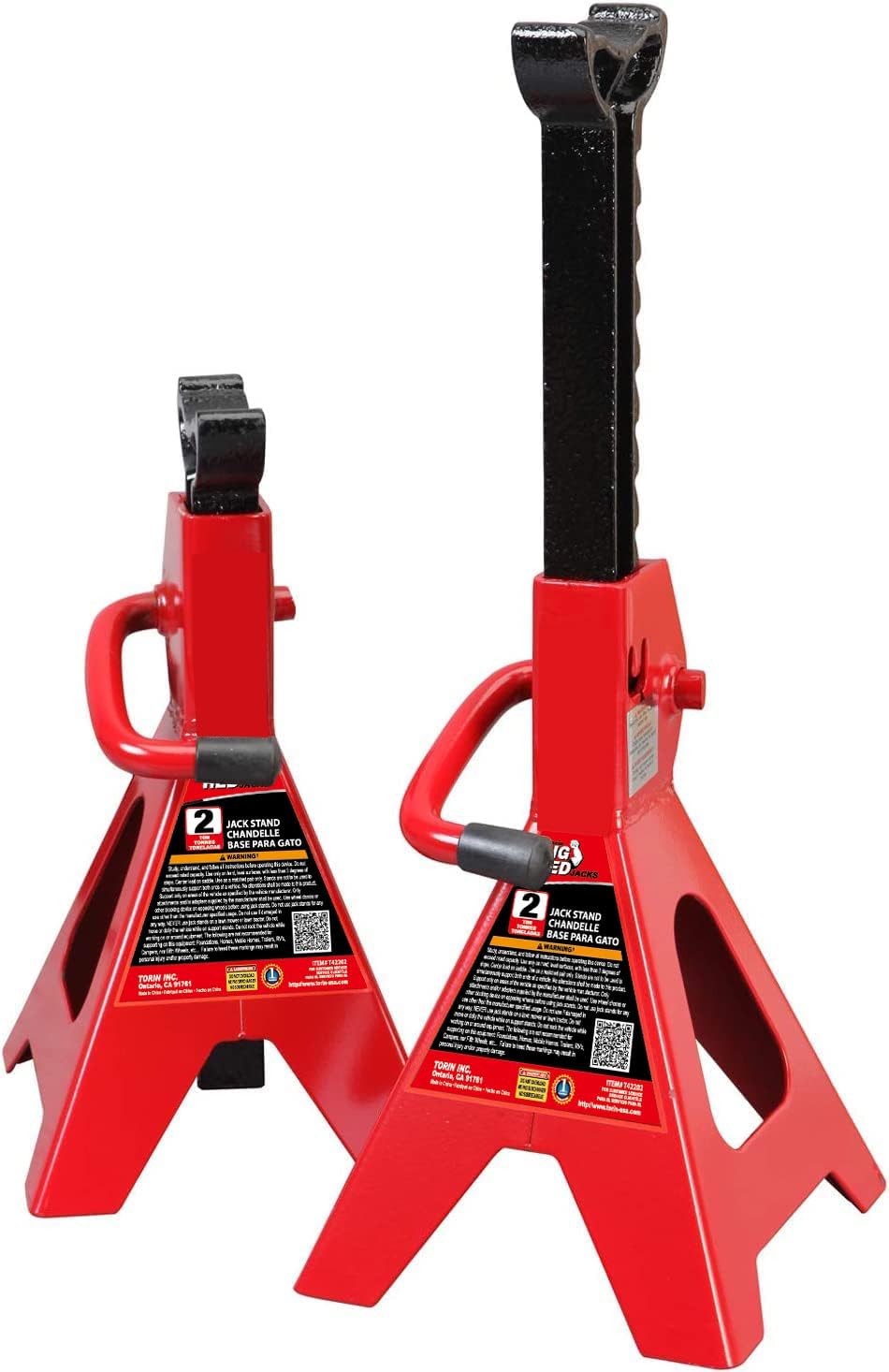
- Jack stands
- Torque wrench
- Tread depth gauge
- Chalk or tire marking pen
Parts & Supplies
- Wheel weights
- Replacement tire valve caps
- Shop rags
This article is part of our Wheels and Tires Maintenance & Repair Guides.
Tire balance problems usually show up as a vibration that gets worse at certain speeds, especially on smooth roads where other noises are easier to notice. A wheel and tire assembly that is out of balance does not spin evenly, so the car starts to shake, the steering wheel may tremble, and tread wear can increase over time.
The challenge for DIY owners is that tire balance issues can feel a lot like bad alignment, uneven tire wear, bent wheels, worn suspension parts, or even brake problems. The goal of diagnosis is not just to notice a shake, but to narrow down when it happens, where it is felt, and what other signs appear with it.
This guide walks you through the common symptoms, the checks you can do at home, what your results mean, and when the problem points to professional wheel balancing versus a different repair.
What Tire Balance Problems Usually Feel Like
A tire balance problem happens when the weight of the tire and wheel assembly is unevenly distributed around the axis of rotation. Even a small imbalance becomes noticeable at highway speeds because that extra mass swings outward with every revolution. The result is a repeating vibration rather than a random shake.
Common Symptoms
- Steering wheel vibration, usually most noticeable between about 50 and 75 mph.
- Seat or floor vibration instead of steering wheel shake, often pointing to a rear wheel issue.
- A shake that appears at a specific speed range, then improves above or below that range.
- A bouncing or fluttering feel on smooth pavement with no obvious engine misfire or brake pulsation.
- Cupping, scalloping, or patchy tread wear if the problem has gone on long enough.
Front Versus Rear Clues
If the vibration is strongest in the steering wheel, suspect a front wheel and tire assembly first. If the steering wheel is fairly calm but you feel the shake through the seat, floor, or rear of the cabin, a rear tire is more likely. This is not a perfect rule, but it is a useful starting point.
When It Is Most Likely Balance-related
Balance issues are especially likely if the vibration started soon after getting new tires, hitting a pothole, losing a wheel weight, or rotating tires. They are also common when mud, packed snow, or road debris sticks inside a wheel and changes the wheel’s effective weight distribution.
Tools and Preparation
You do not need a balancing machine to diagnose likely tire balance problems, but you do need to eliminate simple variables before drawing conclusions. Start with cold tires, park on a level surface, and verify all tire pressures before the road test.
Before You Begin
- Check and set all four tire pressures to the door-jamb specification unless your specific setup requires something different.
- Remove heavy cargo that could confuse your impressions during the road test.
- Make sure lug nuts are properly tightened to spec if the wheels were recently removed.
- Inspect the tires when they are cool so bulges, cuts, and wear patterns are easier to see.
If the car has a known suspension issue, severely worn tires, or a recent curb impact, keep in mind that you may be diagnosing more than one problem at the same time. Tire balance can cause vibration, but it cannot explain every shake.
Road Test the Vibration Carefully
A controlled road test gives you the best clues. Choose a smooth, safe road where you can steadily increase speed. The key is to notice exactly when the vibration starts, where you feel it, and whether braking, acceleration, or turning changes it.
How to Perform the Test
- Drive at neighborhood speed and note whether the car feels normal below about 35 mph.
- Increase to 45, 55, 65, and 75 mph if safe and legal, holding each speed long enough to feel for a pattern.
- Lightly rest your hands on the steering wheel and note whether the wheel itself shimmies.
- Pay attention to whether the seat or floor vibrates more than the steering wheel.
- When safe, let off the throttle and coast at the same speed to see if the vibration changes.
- Apply the brakes lightly from the problem speed range and notice whether the shake becomes a brake pulsation instead.
What Your Observations Suggest
If the vibration is strongest in a narrow speed window and does not depend much on engine load, tire balance is high on the list. If it appears mainly during braking, warped brake rotors or rear brake issues may be involved. If it changes sharply while accelerating versus coasting, look harder at driveline, axle, or engine mount problems.
If the shake comes and goes with different road surfaces, suspect tire wear, tire construction problems, or suspension looseness in addition to possible balance. A true imbalance usually produces a very repeatable speed-related vibration.
Tools That Make This Job Easier


Inspect the Tires and Wheels
A close visual inspection often reveals why a wheel that used to be smooth now shakes. You are looking for missing wheel weights, damage, abnormal wear, and anything stuck to the wheel or tire.
Check for Missing Wheel Weights
Look at both the outer and inner wheel barrel. Clip-on weights may be visibly missing, while adhesive weights often leave a clean rectangular patch or leftover tape residue. A wheel that recently lost a weight can start vibrating almost immediately, especially at highway speed.
Look for Obvious Tire Defects
- Bulges or bubbles in the sidewall
- Tread separation or a raised section in the tread
- Flat spots from hard braking or long storage
- Cupped or scalloped tread blocks
- Uneven shoulder wear from alignment or inflation problems
A damaged tire can mimic or worsen a balance problem, but rebalancing will not fix a separated belt or sidewall bulge. If you see those conditions, the tire is unsafe and should be replaced.
Inspect the Wheel Itself
Check for bends, cracks, or dents from pothole impact. Look at the inner wheel lip too, since that area is commonly damaged and harder to see. Also inspect for dried mud, packed snow, tar, or gravel stuck inside the wheel. Anything that changes the rotating mass can cause a noticeable imbalance.
Check for Tire and Wheel Runout
Balance is only one source of vibration. A wheel or tire can also be out of round or wobble side to side, which is called radial or lateral runout. You can do a basic check at home even without a dial indicator.
Simple At-home Runout Check
- Safely raise one corner of the vehicle and support it with a jack stand.
- Spin the wheel by hand and watch the tread and wheel lip closely.
- Hold a fixed reference point near the tire, such as a block, screwdriver handle, or similar non-contact marker secured safely nearby.
- Watch for the gap between the rotating tire and the reference point to change noticeably.
- Repeat on any wheel that may be causing the vibration.
If the tire rises and falls as it spins, or the wheel lip moves side to side, you may have more than a balance problem. A bent wheel, shifted belt, or tire that is not seated correctly on the rim can all create a shake that balancing alone will not solve.
What This Means
A small amount of visible movement can still be normal, but anything obvious to the naked eye deserves attention. If the wheel is straight yet the tread seems to wander, suspect the tire. If the wheel lip itself wobbles, suspect wheel damage. In either case, the assembly may still need balancing, but that is probably not the only repair needed.
Use Tire Rotation as a Diagnostic Test
If the tires are not directional and your vehicle allows a normal rotation pattern, moving the wheels can help confirm whether the vibration follows a specific tire or wheel assembly. This is one of the most useful DIY tests for a suspected balance issue.
What to Do
Mark each tire position with chalk before moving anything. Rotate front tires to the rear and rear tires to the front according to an approved pattern for your tire type. Torque the lug nuts properly, then repeat the same road test on the same route if possible.
How to Interpret the Results
- If a steering wheel shimmy becomes more of a seat vibration after rotation, the problem likely followed a tire or wheel assembly from front to rear.
- If the vibration gets much worse or moves to the steering wheel after a rear tire is moved to the front, that tire or wheel is a strong suspect.
- If the vibration does not change much at all, look more closely at suspension, alignment, or driveline issues.
- If one tire shows abnormal wear and the vibration changes when that tire changes position, that tire may have both wear-related and balance-related problems.
Recommended Tools for This Job


Rule Out Problems That Feel Similar
Many owners assume any highway-speed shake means wheel balance, but a few other faults can feel very close. Separating them now helps you avoid paying for a rebalance when the real issue is elsewhere.
Alignment Problems
Poor alignment usually causes the vehicle to pull, the steering wheel to sit off-center, or the tires to wear on one edge. Alignment can contribute to vibration indirectly by creating uneven tread wear, but it does not usually create the classic speed-specific shake of a simple imbalance by itself.
Brake Rotor Issues
Warped rotors or uneven brake deposits typically show up as vibration during braking, not steady cruising. If the steering wheel is calm until you touch the brake pedal, investigate the brakes before blaming wheel balance.
Suspension and Steering Wear
Loose tie rods, ball joints, wheel bearings, or worn control arm bushings can amplify even a small tire imbalance. They can also create their own shimmy. If you hear clunks, feel looseness over bumps, or notice wandering steering, inspect the front end carefully.
Driveline Vibration
On rear-wheel-drive, all-wheel-drive, and some front-wheel-drive vehicles, a bad axle shaft, CV joint, driveshaft issue, or worn mount can cause vibration that feels speed-related. These problems often react more to throttle input than a tire balance problem does.
When Professional Balancing Is the Right Next Step
If your inspection does not reveal serious tire or wheel damage, and the symptoms point strongly to one or more wheel assemblies, professional balancing is the logical next step. A shop can use a dynamic balancer to measure exactly where weight needs to be added.
Signs a Rebalance Is Likely to Fix It
- The vibration appears mainly at moderate-to-high speed.
- You found a missing weight or evidence of one.
- The issue began right after new tires, rotation, or a pothole hit.
- The vibration moved when you rotated tires.
- The tires and wheels look structurally sound with no bulges or major runout.
Ask the Shop to Check More than Balance
When you take the vehicle in, ask for the suspect wheel assemblies to be checked for wheel damage, excessive road-force variation, and tire runout if the machine supports those tests. A tire can sometimes balance on the machine and still cause a shake on the road because the tire itself has a structural issue.
If your vehicle has aftermarket wheels, make sure the correct centering hardware is installed. Hub-centric rings, proper cone mounting on the balancer, and correct lug torque all matter. A wheel mounted slightly off-center can act like an imbalance.
What to Do After the Diagnosis
Once you have a strong diagnosis, the next step depends on what you found. The important part is not to keep driving indefinitely with a shake, because vibration accelerates tire wear and can mask other developing problems.
- If you found missing weights and no other damage, schedule a rebalance soon.
- If a tire has a bulge, tread separation, or severe uneven wear, replace it rather than rebalancing it.
- If a wheel is bent, have it repaired or replaced before balancing.
- If the vibration stays after balancing, inspect alignment, suspension, bearings, and driveline components.
- If the tires are worn irregularly, plan for an alignment and suspension check so the same problem does not return.
After the repair, repeat your road test on the same route and speed range. A successful balance repair should noticeably reduce or eliminate the vibration. If it only improves slightly, there may be a second issue in the same corner of the vehicle.
Key Takeaways
- A tire balance problem usually causes a repeatable vibration at certain speeds, not a random shake at all times.
- Steering wheel vibration often points to a front tire or wheel, while seat or floor vibration often points to the rear.
- Missing wheel weights, stuck debris, bent wheels, and damaged tires can all create or mimic balance issues.
- Rotating the tires and seeing whether the vibration moves is one of the best DIY diagnostic tests.
- Do not rebalance a tire with a bulge, tread separation, or obvious structural damage; replace the damaged part first.
FAQ
Can Tire Balance Problems Cause Shaking Only at Highway Speed?
Yes. That is one of the most common patterns. Many imbalances are barely noticeable at low speed but become obvious between roughly 50 and 75 mph.
Will an Alignment Fix a Tire Balance Vibration?
Not usually. Alignment corrects wheel angles, not rotating mass imbalance. However, bad alignment can create uneven tread wear that later causes vibration, so both services may be needed.
Can a Tire Be Balanced and Still Vibrate?
Yes. A tire with internal belt damage, excessive road-force variation, severe runout, or a bent wheel can still cause vibration even after a machine shows the assembly is balanced.
How Do I Know if the Problem Is in the Front or Rear Tires?
A front-related issue is more likely to shake the steering wheel. A rear-related issue is more likely to be felt through the seat or floor. Rotating the tires front to rear can help confirm it.
Is It Safe to Keep Driving with a Tire Balance Problem?
Short trips may be possible, but it is not a good idea to ignore it. The vibration can increase tire wear, reduce comfort, and make it harder to notice more serious issues like tire damage or worn suspension parts.
What Can Throw Off Tire Balance Suddenly?
Common causes include losing a wheel weight, hitting a pothole, getting mud or snow packed inside the wheel, improper mounting after tire service, or damage to the tire or wheel.
Can Low Tire Pressure Feel Like a Balance Problem?
Sometimes. Underinflated tires can feel squirmy, noisy, or uneven, and they can contribute to vibration. Always verify pressure first before diagnosing a balance issue.
Need Parts for This Repair?
The right parts and supplies vary by vehicle.
Select your make and model to find compatible parts and accessories for your car.
Exact Fit
Parts that fit your make and model
Quality You Can Trust
Top brands and OEM quality options
Fast Shipping
Get the parts you need, delivered fast