

Note: This article contains affiliate links. If you click on these links and make a purchase, I may earn a small commission at no extra cost to you. This helps support my research and content. Read my full affiliate disclosure here.
Repair Snapshot
Use a mechanic if the vehicle is unsafe to lift, the wheel is seized to the hub, or you find damaged studs, cracked wheels, or severe corrosion on the hub or rotor hat.
This article is part of our Wheels and Tires Maintenance & Repair Guides.
Cleaning wheel mounting surfaces is a simple maintenance step that helps the wheel sit flat against the hub. When rust, dirt, scale, or old debris builds up between those surfaces, the wheel may not clamp evenly, which can lead to vibration, inaccurate lug torque, rotor runout, or a wheel that seems to loosen after driving.
This job is usually done during brake service, tire rotation, or whenever a wheel is removed. The goal is not to grind metal away or coat everything with lubricant. The goal is to remove loose corrosion and contamination so the wheel, rotor hat, and hub face mate cleanly and squarely.
If you work carefully, use the right cleaning method, and torque the lug nuts to spec, this is one of the easiest ways to prevent recurring wheel and brake complaints. Below, you will learn what to clean, what to avoid, and how to put everything back together correctly.
Why Clean Wheel Mounting Surfaces Matters
The wheel mounting surface is the flat area where the back of the wheel contacts the rotor hat or hub face. That contact area must be clean and flat so the clamping load from the lug nuts is spread evenly. Even a small amount of rust scale or packed debris can keep the wheel from seating fully.
On many vehicles, especially those driven in wet or salty conditions, corrosion forms on the hub face and around the hub-centric lip. That buildup can create a slight gap. Once the wheel is tightened, it may seem secure, but the wheel can settle after driving, changing torque and causing vibration.
- Rust flakes between the wheel and hub can cause the wheel to sit slightly crooked.
- Uneven seating can feel like a tire balance problem even when the tire is fine.
- Corrosion around the center bore can make the wheel stick to the hub and become hard to remove later.
- A dirty mounting face can contribute to brake pulsation complaints by affecting rotor alignment.
Before You Start
Park and Support the Vehicle Safely
Park on a flat, solid surface. Set the parking brake and chock the wheels that will stay on the ground. Loosen the lug nuts slightly before lifting the vehicle, then raise it at the proper jack point and support it securely on jack stands. Never rely on the jack alone.
Know What You Are Cleaning
You are cleaning the hub face, the rotor hat where the wheel touches it, the hub-centric lip if equipped, and the matching mounting pad on the back side of the wheel. You are not trying to polish the brake rotor friction surface or remove heavy base metal from the hub.
Check the Service Information First
Some manufacturers allow a very light film of anti-seize on the hub-centric lip only, while others recommend dry assembly. Most do not want lubricant on the lug stud threads or on the flat wheel-to-hub clamping surfaces unless the service manual specifically says otherwise. If you cannot confirm the procedure, dry and clean is the safer default for the flat mating surfaces.
What to Inspect With the Wheel Off
Once the wheel is removed, take a minute to inspect the area before cleaning. Surface rust is common and usually easy to handle. What matters is whether the corrosion is only superficial or severe enough to damage the mating surfaces.
- Look for raised rust scale on the hub face or rotor hat.
- Check the center lip for corrosion that could prevent the wheel from sitting flush.
- Inspect wheel studs for damaged threads, stretching, rust swelling, or cross-threading.
- Look at the back of the wheel for packed dirt, corrosion, or gouges in the mounting pad.
- Check for cracks in the wheel near the lug holes or center bore.
If you see deep pitting, flaking metal, bent studs, elongated lug holes, or obvious damage to the wheel or hub, stop and correct that issue before reassembly. Cleaning alone will not fix a damaged mating surface.
Tools That Make This Job Easier


How to Clean the Hub and Rotor Mounting Face
Remove Loose Rust and Debris
Start with a dry wire brush or nylon abrasive pad. Scrub the hub face and rotor hat where the wheel makes contact. Focus on removing raised rust, caked dirt, and any loose corrosion. Work evenly around the full face rather than concentrating heavily in one small spot.
If the rotor stays installed on the hub, clean the visible mounting face carefully around the studs. If the rotor is off during brake work, clean the hub face directly and then clean the backside of the rotor hat where it contacts the hub. Both surfaces matter.
Clean the Center Lip
Use the brush to clean the raised center lip that helps locate the wheel. Corrosion here commonly causes wheels to stick. Remove rust scale, but do not aggressively grind the lip smaller. The wheel should fit properly on the original dimensions of the hub.
Wipe with Brake Cleaner
After brushing, spray a small amount of brake cleaner onto a towel or directly onto the surface and wipe away dust and residue. The final surface should be clean, dry, and smooth to the touch. Some staining is fine. The main concern is raised material, not cosmetic discoloration.
Avoid Removing Metal Unnecessarily
Do not use a grinding wheel aggressively on the hub face. Power tools can remove too much metal and create an uneven surface if used carelessly. A light-duty abrasive disc designed for hub cleaning can be acceptable in experienced hands, but for most DIY owners, a hand brush and pad are safer.
How to Clean the Back of the Wheel
The back side of the wheel is just as important as the hub. If dirt, corrosion, old anti-seize, or hardened debris remains on the wheel’s mounting pad, the wheel may still fail to seat properly even if the hub face is clean.
- Lay the wheel flat or support it safely so it cannot tip over.
- Brush the flat mounting pad on the back side of the wheel.
- Clean around the center bore and lug seat areas without gouging the metal.
- Wipe the area with brake cleaner and a clean towel.
- Inspect for burrs, cracks, or damage near the lug holes before reinstalling.
If the wheel has aluminum corrosion or stuck-on contamination, use a nylon abrasive pad rather than a harsh steel tool that may dig into the wheel surface. The wheel mounting pad should remain flat and undamaged.
Should You Use Anti-Seize or Lubricant?
This is where many DIY owners create problems. In most cases, the flat mating surfaces between the wheel and hub should be assembled clean and dry. Coating those surfaces with grease or anti-seize can alter clamping behavior and allow the wheel to shift slightly as the material spreads.
A very thin film of anti-seize is sometimes used on the hub-centric lip only to help prevent the wheel from sticking to the hub in rust-prone areas. If you do this, apply the smallest amount possible and keep it off the flat clamping faces, lug seats, brake rotor friction surfaces, and studs unless your manufacturer specifies otherwise.
- Do not smear anti-seize across the whole hub face.
- Do not get lubricant on the wheel’s lug nut seats unless required by the service manual.
- Do not lubricate lug stud threads unless the torque spec is specifically for lubricated threads.
- Wipe off any excess immediately before reinstalling the wheel.
Reinstalling the Wheel Correctly
Seat the Wheel Evenly
Place the wheel onto the hub and make sure it sits flush. Thread the lug nuts on by hand first. They should spin on smoothly. If one binds, back it off and check for cross-threading or misalignment.
Snug in a Star Pattern
With the wheel just off the ground or while the vehicle is still supported, snug the lug nuts in a star or crisscross pattern. This helps center the wheel and pulls it against the hub evenly.
Torque to Specification
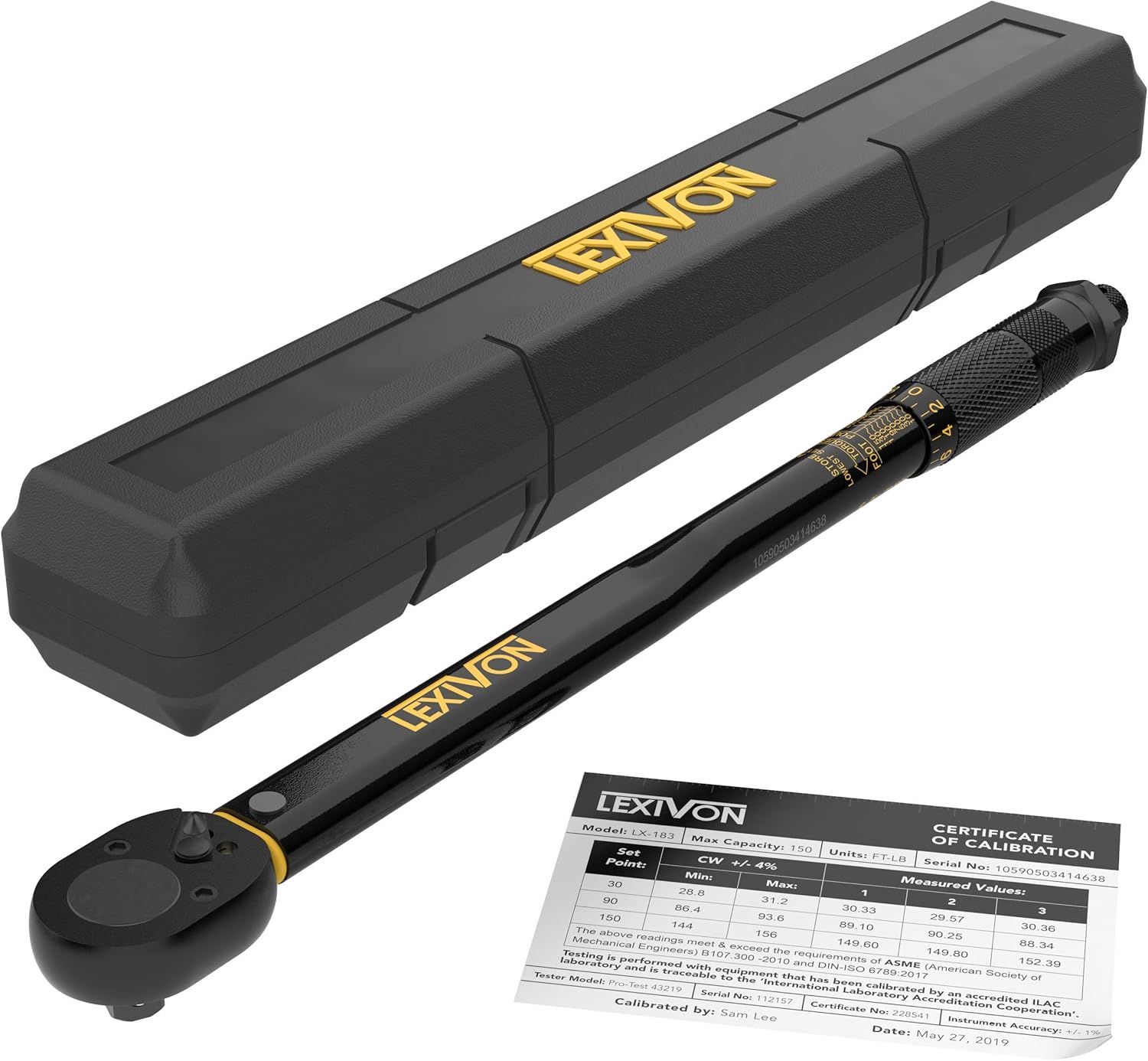
Lower the vehicle enough to keep the wheel from turning, then torque the lug nuts with a torque wrench to the vehicle manufacturer’s specification, again using a star pattern. Proper torque is the final step that ensures the now-clean surfaces clamp evenly.
Recheck After Driving if Recommended
Some wheel and service procedures recommend rechecking lug nut torque after 50 to 100 miles, especially after wheel service or seasonal wheel changes. This is a good idea whenever you have corrected corrosion buildup or the wheel was previously stuck to the hub.
Recommended Tools for This Job


Mistakes to Avoid
- Do not reinstall a wheel over loose rust flakes or packed dirt.
- Do not use an impact gun as the final torque method.
- Do not over-clean with aggressive grinding tools that can remove base metal.
- Do not ignore damaged studs, cracked wheels, or deformed lug seats.
- Do not apply thick anti-seize to the clamping faces.
- Do not forget to clean the back side of the wheel itself.
Many wheel vibration complaints come from one of these mistakes rather than from the tire itself. A wheel that is torqued correctly on dirty surfaces can still cause problems. Cleanliness and proper torque work together.
When This Service Should Be Done
There is no universal mileage interval for cleaning wheel mounting surfaces, but it is smart to inspect and clean them whenever the wheels come off. That includes brake jobs, tire rotations, flat repairs, seasonal tire swaps, and wheel replacement.
Vehicles driven in snow, road salt, coastal climates, muddy conditions, or long periods without wheel removal will benefit the most. In those environments, corrosion buildup can become noticeable in just one or two seasons.
- Inspect at every brake service.
- Inspect during each tire rotation if corrosion is common in your area.
- Clean whenever a wheel was difficult to remove from the hub.
- Clean before diagnosing unexplained wheel vibration after wheel or brake work.
Signs the Mounting Surfaces May Be Causing a Problem
A dirty or corroded wheel mounting surface does not always create obvious symptoms right away. Sometimes the issue shows up only after a recent tire or brake service.
- A steering wheel shake appears after tire rotation or wheel installation.
- A wheel seems stuck to the hub whenever you try to remove it.
- Lug nut torque changes noticeably after a short drive.
- You have recurring brake pulsation after rotor replacement.
- Visible rust scale is present on the hub face or around the center lip.
These symptoms do not prove the mounting surface is the only cause, but it is one of the simplest issues to inspect and correct before chasing more expensive repairs.
When to Stop and Call a Mechanic
This is normally a straightforward DIY task, but some situations go beyond routine cleaning. If the wheel is seized so badly that it will not come off without heavy force, or the hub face has severe corrosion and pitting, professional evaluation is a better move.
- A stud is stripped, bent, or spinning in the hub.
- The wheel has cracked metal, elongated lug holes, or a damaged center bore.
- The rotor or hub face is deeply pitted or visibly uneven.
- You suspect a brake pulsation or vibration issue that remains after proper cleaning and torque.
- You do not have a safe way to lift and support the vehicle.
If any of those conditions are present, the repair may involve parts replacement or measurement of rotor and hub runout rather than simple cleaning.
Key Takeaways
- Clean both the hub face and the back of the wheel so the wheel can seat fully and clamp evenly.
- Remove rust scale and debris with a brush or pad, but do not aggressively grind away hub or wheel metal.
- Keep flat clamping surfaces clean and dry unless the manufacturer specifically calls for a lubricant.
- Always hand-start lug nuts and torque them in a star pattern to the correct factory specification.
- Stop and inspect further if you find damaged studs, cracked wheels, or severe hub corrosion.
FAQ
Can Dirty Wheel Mounting Surfaces Really Cause Vibration?
Yes. If rust or debris prevents the wheel from sitting perfectly flat, the wheel can clamp unevenly and create vibration that feels similar to an out-of-balance tire.
Do I Need to Remove the Brake Rotor to Clean the Mounting Surface?
Not always. If you are only removing the wheel, you can clean the exposed rotor hat and hub area where the wheel contacts. If the rotor is already off for brake work, clean the hub face and the backside of the rotor hat as well.
Is It Okay to Use a Wire Wheel or Drill Attachment?
It can be, but only with care. Aggressive power tools can remove metal and create uneven surfaces if used improperly. For most DIY owners, a hand wire brush or nylon abrasive pad is safer.
Should I Put Anti-seize on the Hub Face?
Usually no. The flat wheel-to-hub mating surfaces are typically assembled clean and dry. Some manufacturers allow a tiny amount on the center lip only, but you should verify that before applying anything.
Should Lug Nut Threads Be Lubricated After Cleaning the Wheel Mount?
Only if the manufacturer specifically calls for lubricated threads and provides a torque spec for that condition. Most vehicles use clean, dry threads unless otherwise stated.
How Clean Do the Surfaces Need to Be?
They do not need to look new or polished. They need to be free of raised rust, loose scale, dirt, and residue so the wheel can sit flat against the hub.
How Often Should I Clean Wheel Mounting Surfaces?
Inspect them any time the wheel is removed. Cleaning is especially worthwhile during brake jobs, tire rotations, seasonal wheel swaps, and anytime corrosion is visible.
What if the Wheel Is Stuck to the Hub and Will Not Come Off?
Light corrosion can sometimes be freed with controlled tapping from the back side of the tire or by using approved release methods, but severe seizure can damage the wheel or studs. If the wheel will not come off safely, have a mechanic handle it.
Need Parts for This Repair?
The right parts and supplies vary by vehicle.
Select your make and model to find compatible parts and accessories for your car.
Exact Fit
Parts that fit your make and model
Quality You Can Trust
Top brands and OEM quality options
Fast Shipping
Get the parts you need, delivered fast