

Note: This article contains affiliate links. If you click on these links and make a purchase, I may earn a small commission at no extra cost to you. This helps support my research and content. Read my full affiliate disclosure here.
Repair Snapshot
Use a mechanic if your transmission requires major valve body disassembly, special programming, or internal diagnosis beyond a basic solenoid swap. Professional help is also the safer choice if the vehicle has severe slipping, metal debris in the pan, or hard-to-access drivetrain packaging.
This article is part of our Transmission and Drivetrain Maintenance & Repair Guides.
Replacing a transmission shift solenoid can restore proper gear changes, eliminate certain transmission fault codes, and help prevent further drivability problems when the failed solenoid is correctly identified.
On many vehicles, the shift solenoid is mounted in or on the valve body inside the transmission pan. That means this job is often less about removing the whole transmission and more about careful diagnosis, clean disassembly, correct fluid service, and precise reassembly. The exact procedure varies by transmission model, so always compare these steps with a service manual for your year, make, engine, and transmission code.
Before you start, understand that not every shift problem is caused by a bad solenoid. Low fluid, wiring faults, valve body problems, internal clutch damage, or a failing transmission control module can cause similar symptoms. Taking a few minutes to verify the fault first can save you from replacing the wrong part.
When a Shift Solenoid Is the Likely Problem
A shift solenoid is an electrically controlled valve that directs transmission fluid through the valve body to apply different gears. When it sticks, shorts, opens electrically, or responds slowly, the transmission may shift harshly, stay in one gear, skip a gear, or go into limp mode.
Common Symptoms
- Check engine light or transmission warning light is on.
- Stored trouble codes such as P0750 through P0770 series, depending on the affected solenoid and transmission design.
- Harsh upshifts or downshifts.
- Delayed engagement into drive or reverse.
- Transmission stuck in one gear or failsafe mode.
- Noticeable flare or slipping during a specific shift event.
Problems That Can Mimic a Bad Solenoid
Do not assume a code automatically means the solenoid itself is defective. The code may indicate an electrical circuit issue, low hydraulic pressure, dirty fluid, a clogged filter, corrosion in the harness connector, or internal valve body wear. If the fluid is badly burnt, the pan contains heavy metal debris, or the transmission already slips in multiple gears, replacing a solenoid alone may not fix the problem.
Confirm the Diagnosis Before Taking Anything Apart
A good diagnosis is what separates a successful repair from wasted parts and time. Start by scanning for powertrain and transmission codes, then look at freeze-frame or live data if your scan tool supports it.
Basic Checks to Perform
- Verify the transmission fluid level using the correct OEM method. Some units are checked hot, some cold, and some through a level plug rather than a dipstick.
- Inspect fluid condition. Dark fluid with a burnt smell suggests overheating or internal wear.
- Check the external transmission harness for broken insulation, fluid contamination, rodent damage, or loose connectors.
- Look up the exact trouble code definition for your vehicle. Some codes refer to shift timing or pressure control behavior, not only a failed electrical coil.
- If possible, measure solenoid resistance at the transmission connector or directly at the solenoid and compare it to specification.
- Use a bidirectional scan tool, if available, to command the solenoid on and off and watch whether the transmission responds.
If resistance is out of spec, the circuit tests good, and the code and symptoms match the failed solenoid location, replacement is reasonable. If tests are inconclusive, stop and gather model-specific service information before opening the transmission.
Prepare the Vehicle and Work Area
This job requires a clean workspace because dirt inside the transmission can create new shift problems. Plan enough time so you are not rushing while the valve body or pan is open.
Before Lifting the Vehicle
- Park on a level surface.
- Set the parking brake and chock the wheels.
- Let the exhaust and transmission cool if the vehicle was just driven.
- Disconnect the negative battery cable if the service information calls for it.
- Have the correct replacement solenoid, fluid type, filter, and gasket on hand before you drain anything.
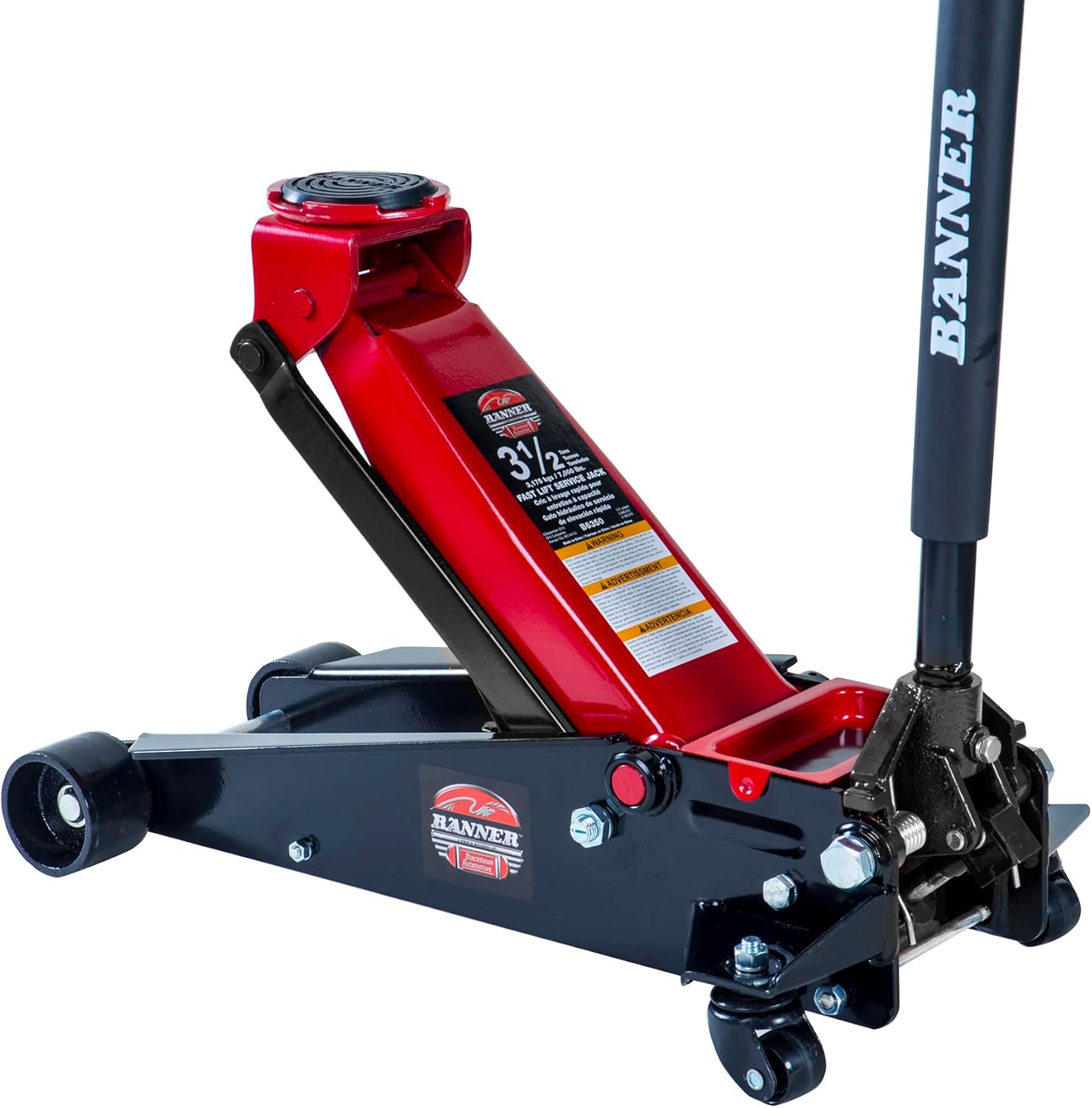
Raise the vehicle with a floor jack only at approved lift points, then support it securely on jack stands. Never work under a vehicle supported only by a jack. If a splash shield, crossmember brace, or underbody panel blocks access to the transmission pan, remove it now and set hardware aside in order.
Drain the Fluid and Remove the Transmission Pan
Many transmissions do not have a drain plug, so expect fluid to spill when the pan is loosened. Position a large drain pan underneath before removing bolts.
Pan Removal Steps
- Loosen the pan bolts gradually, leaving a few threaded in at one end so the pan can tilt and drain in a controlled way.
- Support the pan with one hand while removing the last bolts.
- Lower the pan carefully and pour the remaining fluid into the drain container.
- Inspect the pan contents, magnet, and fluid before cleaning anything away.
What to Look for in the Pan
A light paste-like coating of fine metallic material on the magnet is normal in many transmissions. Large shiny flakes, needle-bearing fragments, clutch chunks, or excessive sludge are not. Heavy debris suggests internal damage that a solenoid replacement may not solve. If you find major debris, reconsider proceeding until the transmission condition is evaluated further.
Clean the pan thoroughly with brake cleaner and lint-free rags. Remove old gasket material from the pan rail and transmission case using a plastic scraper where possible. Avoid gouging sealing surfaces.
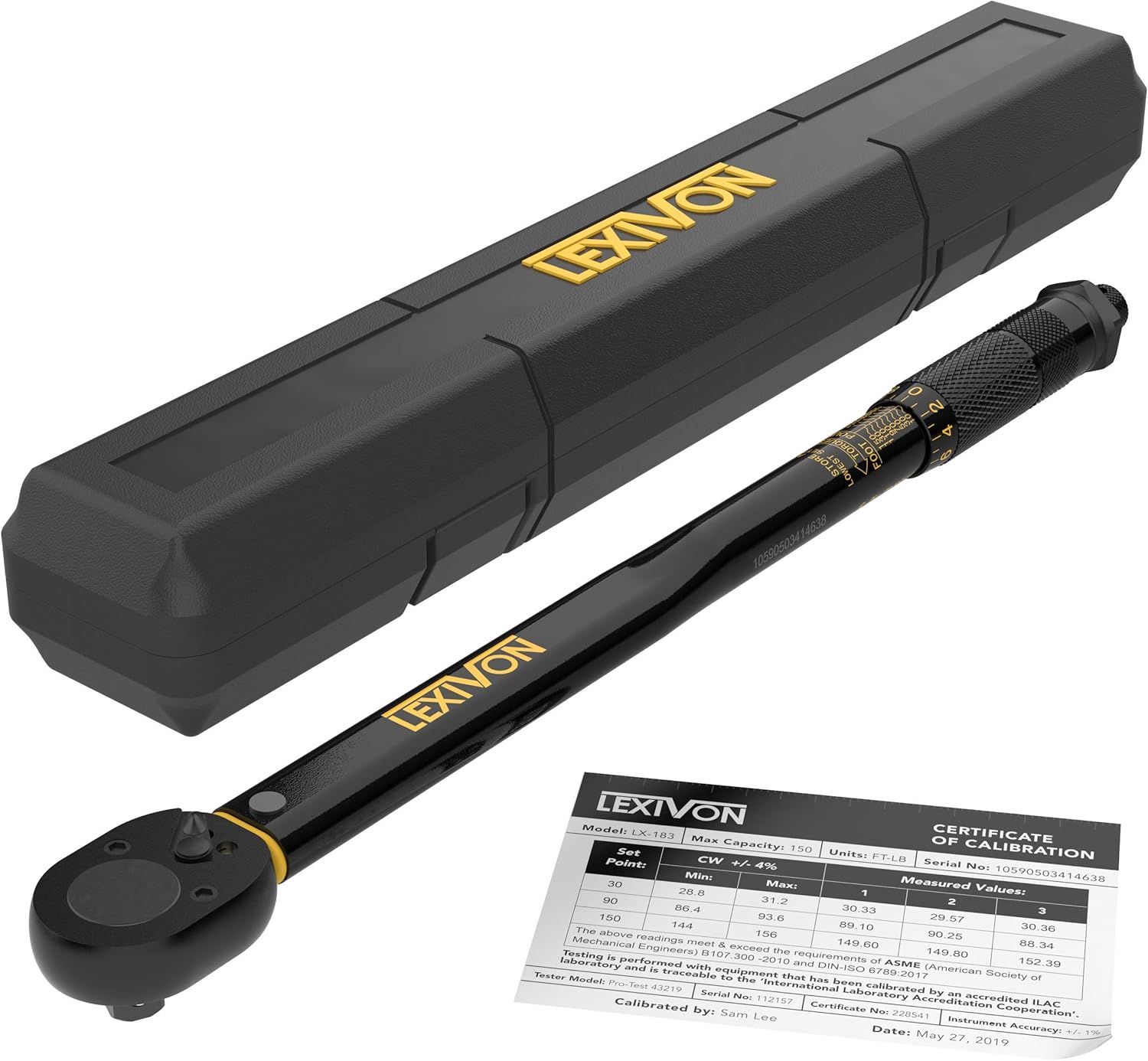
Tools That Make This Job Easier


Access the Solenoid and Identify the Correct One
Once the pan is off, you may see the filter and valve body assembly. Some transmissions place the shift solenoids in plain view, while others require removing the filter, a wiring retainer plate, or part of the valve body. Solenoids may be labeled by letter or position, but do not rely only on appearance because several can look nearly identical.
Get Positive Identification
- Compare the old part to the new one before removal.
- Use a factory diagram or reputable service manual to match the exact solenoid location.
- Mark connectors and bolt locations if multiple components will be removed.
- Take clear reference photos before unplugging anything.
If the transmission uses a separate internal harness, inspect it closely for brittle insulation, fluid intrusion, green corrosion, or damaged connector locks. In some cases, a harness or case connector failure is the real cause of the code.
Remove the Old Shift Solenoid
The exact mounting method depends on the transmission. A shift solenoid may be held in place by a retaining clip, small bolts, a bracket, or the valve body itself.
Typical Removal Process
- Remove the transmission filter if it blocks access. Be ready for additional fluid to drain out.
- Disconnect the solenoid electrical connector by releasing the lock tab carefully. Do not pry so hard that the plastic cracks.
- Remove the retaining clip, screws, or bracket holding the solenoid.
- Twist and pull the solenoid straight out if it uses an O-ring seal.
- Catch any small seals, spacers, or check balls only if your transmission design uses them in that area, and verify their positions in the service manual.
If the solenoid resists removal, do not force it with pliers in a way that damages the valve body bore. A gentle twisting motion is usually safer. Once removed, compare the connector, length, sealing lands, and O-rings with the new part.
Install the New Solenoid Correctly
Cleanliness matters here. Even a small amount of dirt can affect hydraulic control passages. Keep rags and tools clean, and do not use sealants unless the procedure specifically calls for them.
Installation Tips
- Lubricate new O-rings lightly with fresh transmission fluid before insertion.
- Seat the solenoid squarely into its bore without forcing it.
- Reconnect clips, brackets, or fasteners exactly as removed.
- Torque any fasteners to manufacturer specification rather than guessing.
- Reconnect the electrical plug until the lock clicks fully into place.
If your transmission requires valve body bolt removal for access, tighten bolts in the correct sequence and to the exact torque spec. Over-tightening can warp components or strip threads in the case. Under-tightening can create internal leaks that cause worse shifting problems than the original fault.
Replace the Filter and Reinstall the Pan
This is the right time to install a new transmission filter if the design uses one. Many filters seal with a neck seal or O-ring that stays in the bore when the old filter is removed, so check carefully and remove the old seal if needed before installing the new filter.
Reassembly Steps
- Install the new filter and confirm it seats fully.
- Position the cleaned pan and new gasket, or apply RTV only if your transmission uses sealant instead of a formed gasket.
- Start all pan bolts by hand to prevent cross-threading.
- Tighten pan bolts in a crisscross pattern and in stages.
- Use a torque wrench because pan bolts are easy to over-tighten.
Do not overtighten the pan in an effort to stop leaks. That often bends the pan rail and creates chronic seepage. If a steel pan flange is distorted around bolt holes, flatten it gently before reinstallation.
Recommended Tools for This Job


Refill the Transmission With the Correct Fluid
Using the wrong fluid can cause poor shift quality or long-term transmission damage, so confirm the exact OEM fluid specification before refilling. Start by adding less than the full estimated amount, because some fluid remains in the transmission during a pan-drop service.
Safe Refill Procedure
- Lower the vehicle if needed for the correct fluid-check procedure.
- Add the initial amount of fluid through the dipstick tube or fill port.
- Start the engine with your foot on the brake.
- Move the shifter slowly through each gear range and pause briefly in each position.
- Return to park and check the fluid level using the manufacturer’s temperature and level-check procedure.
- Add fluid in small increments until it reaches the correct range.
On sealed transmissions, the level may need to be checked through an overflow plug at a specified fluid temperature, often using a scan tool. That is a major reason this job can shift from moderate to hard depending on the vehicle.
Clear Codes and Perform Post-Repair Checks
After the transmission is full and leak-free, clear the diagnostic trouble codes with a scan tool. Some vehicles will also benefit from a transmission adaptive relearn or shift adaptation reset, but only if the service information recommends it.
What to Verify After Replacement
- No active transmission codes return immediately.
- The transmission engages drive and reverse normally.
- There are no leaks from the pan, connector, or cooler lines.
- Shift quality improves during a careful road test.
- Fluid level remains correct after the transmission reaches operating temperature.
Road test the vehicle gently at first. Monitor for harsh shifts, flare, delayed gear changes, or limp mode. Recheck for leaks and reverify fluid level afterward. If the same code returns immediately, the issue may be in the wiring, valve body, control module, or internal transmission hydraulics rather than the solenoid itself.
Torque Notes, Programming, and Model-Specific Warnings
There is no universal torque spec for pan bolts, filter screws, valve body bolts, or solenoid retainers. Always use the specification for your exact transmission. Many transmission fasteners are tightened to relatively low values, and stripping threads in the case can turn a manageable repair into a major one.
Important Cautions
- Some transmissions use both shift solenoids and pressure control solenoids; do not confuse them.
- Some units require replacing the entire solenoid pack rather than a single individual solenoid.
- Certain valve bodies contain check balls, separator plates, and gaskets that must stay in the correct order and orientation.
- A few newer transmissions may require control module initialization, coding, or adaptive learn procedures after repair.
- If the vehicle has an internal transmission wiring pass-through connector, fluid migration into the connector can cause repeat faults even after a new solenoid is installed.
If your transmission design requires removing the valve body, separator plate, or channel plate, proceed only with a reliable manual in hand. Those jobs are still possible for an experienced DIYer, but the chance of assembly errors rises sharply.
When Replacing the Solenoid Will Not Fix the Problem
A successful solenoid replacement should improve the specific shift or code-related issue that led to the repair. However, transmissions with broader internal wear may continue to act up even after the electrical fault is corrected.
Signs of a Larger Transmission Problem
- Burnt fluid returns quickly after service.
- The transmission slips in multiple gears.
- You found heavy metal or friction material in the pan.
- Line pressure or gear ratio codes remain after wiring and solenoid replacement.
- The vehicle bangs into gear or loses drive when hot.
In those cases, the transmission may have worn clutches, sticking valves, pump issues, or mechanical damage that requires professional diagnosis or overhaul. Replacing more solenoids without confirming the root cause often becomes expensive guesswork.
Key Takeaways
- Confirm the fault with codes, fluid checks, wiring inspection, and resistance testing before opening the transmission.
- Keep the work area and internal parts extremely clean because contamination can create new shift problems.
- Use the exact solenoid location diagram, torque specs, and OEM fluid specification for your transmission model.
- Replace the filter and service the pan carefully while you are inside to reduce repeat labor and fluid leaks.
- If the pan contains heavy debris or the transmission slips in several gears, stop and consider professional diagnosis instead of a simple solenoid swap.
FAQ
Can I Replace a Transmission Shift Solenoid Without Removing the Transmission?
Usually yes. On many vehicles, the shift solenoid is accessible by removing the transmission pan and sometimes the filter or valve body components. However, some transmissions use integrated solenoid packs or tighter packaging that make access much harder.
How Do I Know Which Shift Solenoid Is Bad?
Use the stored trouble code, wiring diagram, and service information for your exact transmission. Many units have several similar-looking solenoids, so positive identification should come from a service manual, resistance testing, and connector location rather than appearance alone.
Should I Replace All Transmission Solenoids at the Same Time?
Not always. If your transmission has individually replaceable solenoids and only one has failed, replacing just that unit is often acceptable. If the transmission uses a solenoid pack, has high mileage, or requires major labor to access them, replacing the full assembly may be more practical.
Do I Need to Change the Transmission Fluid and Filter when Replacing a Shift Solenoid?
In most cases, yes. Since the pan is already off, replacing the filter and refilling with the correct fluid is smart preventive maintenance. It also helps remove debris and gives you a chance to inspect the pan for signs of larger internal problems.
What Happens if I Use the Wrong Transmission Fluid After the Repair?
The wrong fluid can cause harsh shifting, delayed engagement, converter shudder, or long-term wear. Always use the exact fluid specification listed by the vehicle manufacturer, not a generic substitute unless it explicitly meets the required standard.
Will I Need a Scan Tool After Replacing the Solenoid?
A scan tool is strongly recommended. You will want it to clear fault codes, confirm they do not return, monitor transmission temperature on sealed units, and perform any adaptive relearn procedure required by the vehicle.
Why Did My Transmission Code Come Back After Replacing the Solenoid?
The code may be caused by a wiring fault, connector corrosion, valve body issue, low hydraulic pressure, incorrect fluid level, or internal mechanical transmission damage. A returned code means the system still sees a fault, not necessarily that the new solenoid is bad.
Need Parts for This Repair?
The right parts and supplies vary by vehicle.
Select your make and model to find compatible parts and accessories for your car.
Exact Fit
Parts that fit your make and model
Quality You Can Trust
Top brands and OEM quality options
Fast Shipping
Get the parts you need, delivered fast