

Note: This article contains affiliate links. If you click on these links and make a purchase, I may earn a small commission at no extra cost to you. This helps support my research and content. Read my full affiliate disclosure here.
Repair Snapshot
Use a mechanic if the fittings are severely rusted, access requires major component removal, or your vehicle uses specialty quick-connect fittings you cannot identify. A pro is also the safer choice if you are not comfortable checking fluid level using a manufacturer-specific procedure.
This article is part of our Transmission and Drivetrain Maintenance & Repair Guides.
Replacing transmission cooler lines is usually a straightforward repair when you work carefully, use the correct fittings, and refill the transmission with the right fluid afterward. The job matters because even a small cooler line leak can lower fluid level enough to cause slipping, overheating, or internal transmission damage.
Most transmission cooler lines run from the transmission to the radiator tank or an external cooler at the front of the vehicle. They may be steel, rubber, or a hybrid design with crimped flexible sections. The exact routing and fitting style vary by vehicle, so compare the new parts to the old ones before installation and follow any factory service information for torque specs and fluid level procedure.
This guide covers safe removal, installation, routing, and leak checking. It also points out the places DIYers most often create problems, including stripped flare fittings, damaged quick-connect clips, and incorrect fluid level after the repair.
Before You Start
Confirm the Cooler Line Is Actually Leaking
Transmission fluid can travel along the underside of the vehicle, so the wet area is not always the leak source. Clean the suspected area first, then inspect the line connections at the transmission, radiator, and any external cooler. Look for wet crimps, rust pinholes, rubbed-through sections, or seepage around threaded or quick-connect fittings.
Match the Replacement Parts Carefully
Compare the new line length, bends, mounting tabs, fittings, and retaining clip style to the original. Some vehicles have separate feed and return lines that look similar but are bent differently. If you are replacing only one line, make sure you have the correct side before taking the vehicle apart.
Plan for Fluid Loss
Removing the lines usually spills some transmission fluid, and more may drain if a cooler sits lower than the transmission. Have a drain pan ready, and check your owner’s manual or service information for the exact transmission fluid specification. Using the wrong fluid can cause shift quality problems or transmission damage.
- Park on level ground and let hot components cool before working near the radiator or transmission.
- Set the parking brake, chock the wheels, and support the vehicle securely on jack stands.
- Take photos of line routing, brackets, and clip locations before removal.
- If the fittings are heavily rusted, spray them with penetrating oil and give it time to work.
How Transmission Cooler Lines Are Attached
Most transmission cooler lines connect in one of three ways: threaded flare fittings, threaded fittings with seals, or quick-connect fittings that use an internal spring or external retaining clip. Identifying the style first helps prevent broken parts and stripped threads.
- Flare fittings: Use a line wrench whenever possible to reduce the chance of rounding the nut.
- Threaded fittings with seals: These may require a new sealing washer or O-ring during reassembly.
- Quick-connect fittings: Many require a small clip to be removed first, while others release with a special disconnect tool.
If your vehicle uses quick-connects, inspect the service replacement line packaging. Some new lines include new clips or seals, and some do not. Reusing brittle clips is risky because a line that appears seated can pop loose under pressure.
Vehicle Preparation and Access
Raise and Support the Vehicle
Lift the front of the vehicle at the recommended lift points and place it securely on jack stands. On trucks and SUVs, you may need extra height to follow the lines along the frame rail. Never work under a vehicle supported only by a jack.
Remove Shields and Splash Panels
Many cooler lines run behind lower splash shields, radiator air deflectors, or wheel-well liners. Remove only the panels needed for access and keep track of the hardware. If plastic fasteners break, replace them so the panels do not rub the new line later.
Support Nearby Components if Necessary
Some vehicles route cooler lines around the radiator support, engine cradle, or under battery trays and air boxes. Remove only what is necessary for a clear path. If brackets or retainers secure multiple lines together, note their original position so the replacement line does not contact exhaust parts or moving components.
Tools That Make This Job Easier


Removing the Old Transmission Cooler Lines
Disconnect the Line at the Easiest End First
Place a drain pan under the connection you plan to open. In many cases, starting at the radiator or external cooler gives better access and lets the line move slightly when you disconnect the transmission end. Loosen threaded fittings slowly and keep the wrench square on the nut.
Release Quick-connect Fittings Correctly
If a retainer clip is visible, remove it carefully with a pick without gouging the fitting bore. If the fitting uses an internal spring, push the line inward slightly first, then use the correct disconnect tool and pull the line straight out. Do not twist aggressively or pry on aluminum cooler fittings.
Free the Line From All Retainers and Brackets
Follow the line along its full route and release every plastic clip, metal bracket, or frame retainer before trying to remove it. Long pre-bent steel lines can snag easily. If you force them out, you may bend nearby brake lines or damage wiring loom.
Remove the Line Without Damaging Surrounding Parts
Work the old line out in the same general direction it was installed. On tight applications, rotating it a little at a time can help. If the original line is badly rusted and you are replacing it completely, cutting the old line may create space, but only do this if you are certain no nearby hose, wire, or sensor will be damaged.
- Cap or cover open fittings if dirt might enter while you work.
- Inspect the cooler ports for old O-rings, broken clip pieces, or damaged threads.
- If a fitting comes out with the line, transfer or replace it only if the service procedure calls for it.
Preparing the New Lines for Installation
Lay the old and new lines side by side and compare every bend, tab, fitting, and end shape. Slight differences are sometimes normal on service parts, but major routing changes usually mean the wrong part was supplied.
If the replacement uses O-rings or sealing washers, install new ones and lightly lubricate O-rings with fresh transmission fluid before assembly. Do not reuse flattened seals unless the manufacturer specifically allows it. For threaded fittings, start them by hand to avoid cross-threading, especially when threading into aluminum radiator or cooler ports.
If you are using an aftermarket universal repair section instead of a full pre-bent line, make sure the hose and fittings are specifically rated for transmission cooler use, pressure, and temperature. Route it exactly like the original and keep it away from exhaust heat, steering shafts, suspension travel, and sharp edges.
Installing the New Transmission Cooler Lines
Route the Line Before Tightening Either End
Feed the new line into place and loosely position it in the factory retainers or brackets first. On long lines, this helps the bends settle naturally and keeps the ends aligned. If you tighten one end fully too early, the opposite end may sit at the wrong angle and cross-thread or fail to seat.
Start All Threaded Fittings by Hand
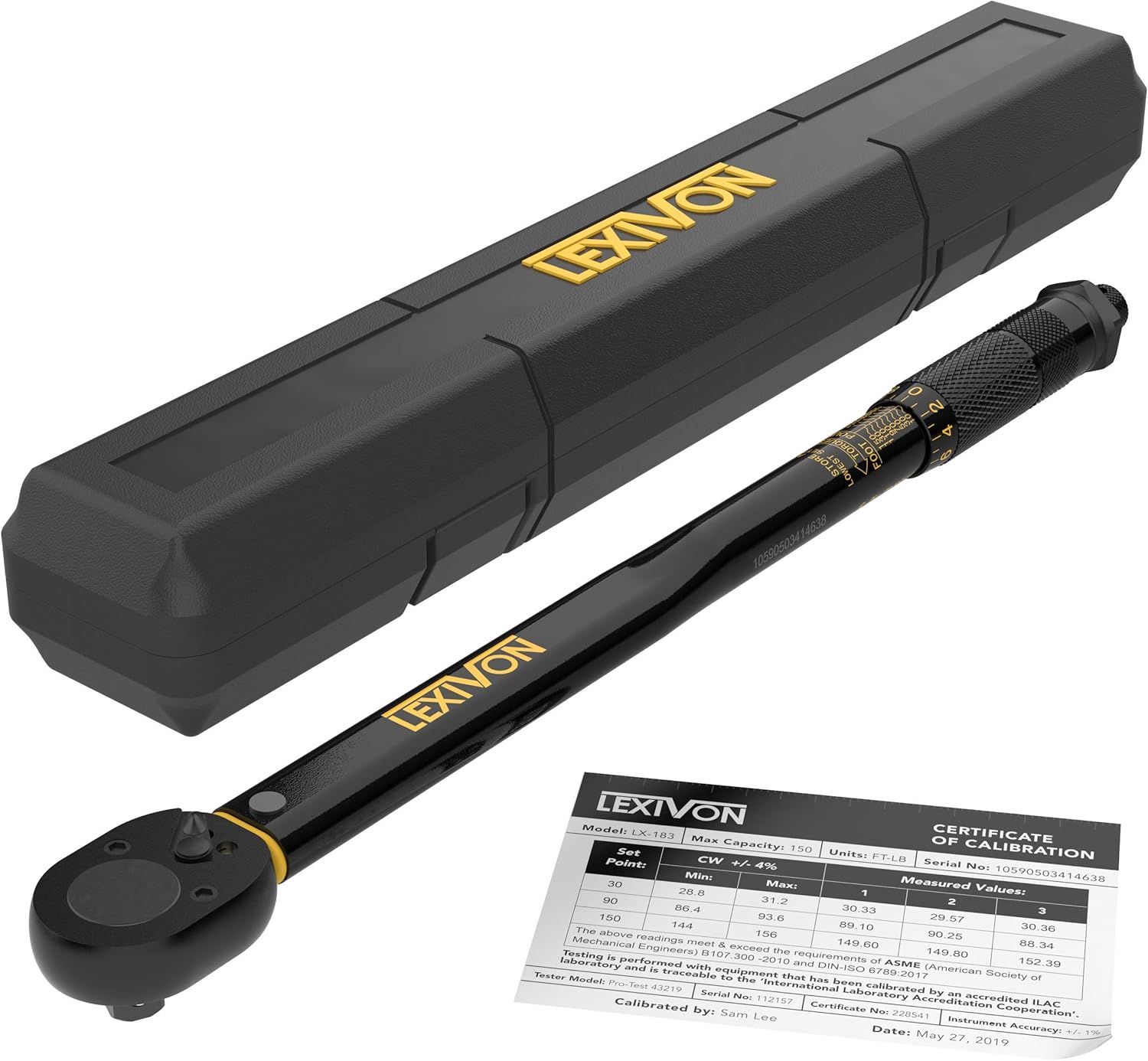
Thread each fitting in by hand several turns before using a wrench. If resistance appears immediately, back it out and realign it. Once properly started, tighten the fitting with the correct wrench and torque it to specification if a factory torque spec is available. Do not overtighten flare nuts or aluminum cooler fittings.
Seat Quick-connect Lines Fully
Push the line straight into the fitting until it clicks or bottoms fully. Install the new retaining clip if the design uses one, then pull back gently on the line to verify it is locked. A line that is almost seated can leak or blow out once the transmission builds pressure.
Secure the Line in All Original Retainers
Reinstall every bracket, insulator, and clip that held the old line. These supports prevent vibration fatigue and chafing. If a retainer broke during removal, replace it or use a safe factory-style alternative. Do not leave the line hanging free near the radiator fan, belts, axle shafts, or exhaust.
- Maintain at least the original clearance from exhaust components.
- Make sure rubber hose sections are not twisted after tightening the ends.
- Check that the line does not rub body seams, frame edges, or cooler brackets.
- If two lines run together, keep them in their original separators so they do not wear through.
Recommended Tools for This Job


Refilling Transmission Fluid and Checking Level
After the lines are installed, lower the vehicle if your fluid check procedure requires a level surface. Add the correct transmission fluid through the fill tube or designated fill port. Start with a conservative amount because final level must be checked according to the manufacturer procedure.
On many vehicles, you will start the engine, hold the brake, and slowly move the shifter through each gear range before returning to park or neutral. This helps fill the cooler lines and purge air from the circuit. Then check the level with the transmission at the specified temperature range. Some transmissions use a dipstick, while others use an overflow plug or scan-tool-based temperature check.
Do not assume the fluid level is correct just because the leak has stopped. Underfilling can cause slipping and delayed engagement, while overfilling can aerate the fluid and create shifting problems or venting leaks.
Leak Testing and Final Inspection
Check for Leaks with the Engine Running
With the vehicle safely on level ground, let the engine idle and inspect each cooler line connection. Use a flashlight and watch for wetness forming at the transmission ports, radiator ports, external cooler fittings, and along any crimped hose sections. A dry paper towel can help confirm whether a connection is truly sealed.
Road Test and Recheck
After the initial inspection, take a short test drive while paying attention to transmission operation. Park on a clean surface, let the vehicle idle, and inspect again. Then recheck fluid level using the proper hot-check procedure if your vehicle requires it. Many leaks only show up once fluid has reached full operating temperature.
Reinstall All Shields and Panels
Once the system is dry and the fluid level is correct, reinstall splash shields, air deflectors, wheel-well liners, and any removed intake or battery components. Verify none of the panels press against the new line.
Common Mistakes to Avoid
- Using an open-end wrench on a stubborn flare nut and rounding it off instead of using a line wrench.
- Cross-threading fittings by starting them with a wrench instead of by hand.
- Reusing damaged retaining clips or old O-rings on quick-connect fittings.
- Routing the new line too close to the exhaust or leaving it unsecured in broken clips.
- Filling with the wrong transmission fluid or skipping the manufacturer-specific level check procedure.
- Assuming a dry fitting means the repair is done without taking a full warm road test.
When Replacement Gets More Complicated
Some vehicles make this job harder than it sounds. Rust-belt trucks may have cooler lines seized into fittings that require line replacement and adapter replacement together. Certain front-wheel-drive vehicles route the lines through crowded areas near the subframe, requiring more disassembly than expected. Hybrids and newer vehicles with sealed transmissions may also have strict fluid temperature procedures that are easy to get wrong without a scan tool.
Stop and consider professional help if a cooler port is damaged, a radiator fitting starts turning in the tank, or the transmission uses a fill/check process you cannot verify properly. A correct installation is much cheaper than repairing a transmission after fluid starvation.
Key Takeaways
- Confirm the leak source first, because transmission fluid often travels and can make another component look like the failed part.
- Match the replacement cooler line exactly and start every fitting by hand to prevent cross-threading or poor alignment.
- Replace clips, O-rings, and sealing washers when required, especially on quick-connect fittings that can pop loose if reused.
- Secure the new line in every factory retainer so vibration, heat, or rubbing does not create another leak.
- Finish the job by checking fluid level with the manufacturer-specified procedure and inspecting for leaks after a full warm road test.
FAQ
Can I Drive with a Leaking Transmission Cooler Line?
It is risky. Even a small leak can lower fluid level enough to cause slipping, overheating, or internal transmission damage. If the leak is active, repair it before driving any significant distance.
Do I Have to Replace Both Transmission Cooler Lines at the Same Time?
Not always, but it is often smart if both lines are the same age and one has already rusted or failed. Replacing both can save labor later and reduces the chance of a second leak soon after the first repair.
What Fluid Should I Use After Replacing the Lines?
Use only the exact transmission fluid specification listed for your vehicle. Do not guess based on color or generic labeling. The wrong fluid can affect shift quality and long-term transmission durability.
How Much Transmission Fluid Will I Lose when Changing Cooler Lines?
It varies by vehicle and how long the lines are, but expect at least some fluid loss and sometimes more than a quart. Have extra correct fluid on hand and always verify final level using the factory procedure.
Why Is My New Cooler Line Still Leaking at the Fitting?
Common causes include a damaged or missing O-ring, reused retainer clip, fitting not fully seated, cross-threaded connection, dirty sealing surface, or a cracked cooler port. Clean the area, identify the exact source, and correct the connection before driving.
Can I Use Rubber Hose Instead of a Factory Steel Cooler Line?
Only if the repair parts are specifically designed and rated for transmission cooler service, pressure, and heat. A generic fuel or vacuum hose is not a safe substitute. Factory-style pre-bent lines are usually the best long-term fix.
Do Transmission Cooler Lines Need Torque Specs?
Many do, especially threaded fittings into aluminum components. If your service information provides a torque spec, use it. If no spec is available, tighten carefully and avoid overtightening, which can strip threads or distort sealing surfaces.
Need Parts for This Repair?
The right parts and supplies vary by vehicle.
Select your make and model to find compatible parts and accessories for your car.
Exact Fit
Parts that fit your make and model
Quality You Can Trust
Top brands and OEM quality options
Fast Shipping
Get the parts you need, delivered fast