

Note: This article contains affiliate links. If you click on these links and make a purchase, I may earn a small commission at no extra cost to you. This helps support my research and content. Read my full affiliate disclosure here.
Repair Snapshot
Use a mechanic if your transmission requires valve body removal, programming, or exact fluid level setting at a specified temperature. A shop is also safer if the pan is hard to access or you are not comfortable working under a raised vehicle.
This article is part of our Transmission and Drivetrain Maintenance & Repair Guides.
A torque converter clutch solenoid replacement is a transmission repair that usually involves removing the transmission pan and accessing the valve body area. On many vehicles, the TCC solenoid controls when the torque converter locks up during cruising, which improves fuel economy and lowers transmission heat.
When the solenoid fails, you may notice a check engine light, shuddering at steady speeds, poor fuel economy, stalling when stopping, or trouble codes such as P0740, P0741, or related TCC performance codes. The exact procedure varies by transmission design, but the overall job is similar: safely raise the vehicle, drain fluid, remove the pan and filter, replace the solenoid, then refill and verify operation.
Before starting, make sure you have the correct replacement part for your transmission code, not just your vehicle model. Many transmissions use several similar-looking solenoids, and installing the wrong one can create new shift problems.
Before You Start
This repair is more sensitive to cleanliness than many other DIY jobs. Dirt, lint, gasket debris, or the wrong fluid can cause harsh shifting, slipping, or delayed engagement. If your vehicle uses a sealed transmission with a fluid temperature fill procedure, read the factory method before loosening a single bolt.
Confirm the Fault First
A TCC solenoid code does not always mean the solenoid itself is bad. Low fluid, burnt fluid, internal valve body wear, wiring faults, a bad brake switch, or torque converter problems can trigger similar symptoms. Scan for codes, check freeze-frame data, inspect wiring at the transmission connector, and verify fluid condition before replacing parts.
- Look for codes related to TCC performance, stuck off, stuck on, or electrical faults.
- Check transmission fluid level and condition according to the manufacturer procedure.
- Inspect the external transmission connector for corrosion, bent pins, or fluid intrusion.
- Review service information to see whether the TCC solenoid is separately replaceable on your transmission.
Know Your Transmission Layout
On some transmissions, the TCC solenoid is easy to reach once the pan and filter are removed. On others, it sits behind the valve body, under a solenoid pack, or inside a complete electro-hydraulic control module. If the repair requires valve body disassembly, separator plate removal, or special reprogramming, a professional repair may be the better route.
Prepare the Vehicle and Work Area
Park on level ground, set the parking brake, and allow the exhaust and transmission to cool enough to work safely. Chock the wheels and disconnect the negative battery cable if your service information recommends it. Raise the vehicle with a floor jack and support it securely on jack stands placed under approved lift points.
Transmission fluid spreads quickly and is difficult to clean up once it reaches the floor. Place a large drain pan under the transmission before loosening anything. Keep lint-free towels nearby and avoid using shop rags that shed fibers into open transmission parts.
Remove Shields or Braces if Needed
Some vehicles have splash shields, cross braces, or exhaust brackets that block the pan. Remove only what is necessary, and keep bolts organized by location. If a bracket supports the transmission or exhaust, do not remove it until you confirm no additional support is needed.
Drain the Transmission and Remove the Pan
If your pan has a drain plug, remove it first and let the fluid drain fully. If there is no drain plug, loosen the pan bolts gradually, leaving a few bolts threaded at one end so the pan tilts and drains in a controlled way. Expect a mess even with careful planning.
Once most of the fluid is out, support the pan with one hand and remove the remaining bolts. Lower the pan carefully. Many pans contain a magnet that catches fine metal particles; a gray paste on the magnet is usually normal wear, but large metal flakes or chunks can point to internal transmission damage.
Inspect What You Find
- Dark fluid with a burnt smell may indicate overheating or clutch wear.
- A light coating of fine metallic sludge on the magnet is common.
- Large metal pieces, heavy friction material, or copper-colored debris suggest deeper internal problems.
- If severe debris is present, replacing only the solenoid may not solve the issue.
Clean the pan thoroughly with brake cleaner and wipe it dry. Clean the magnet and reinstall it in the original location. Do not scrape sealing surfaces aggressively enough to gouge the pan or transmission case.
Tools That Make This Job Easier


Remove the Filter and Access the Solenoid
Most automatic transmissions require filter removal before the solenoids are visible. Pull the filter straight down or remove its retaining bolts, depending on design. More fluid will usually spill when the filter comes out, so keep the drain pan in place.
After the filter is removed, identify the TCC solenoid using a service diagram or the replacement part as a visual reference. Do not guess based only on shape. Many shift solenoids and pressure control solenoids look similar but perform different functions.
Watch for Electrical Connectors and Clips
The solenoid may be retained by a small bolt, metal clip, plastic lock, or integrated bracket. Disconnect electrical connectors carefully so you do not damage the harness, seals, or connector tabs. If the transmission uses an internal harness, inspect it closely for brittle insulation, fluid intrusion, or loose pins.
Replace the Torque Converter Clutch Solenoid
Remove the retaining fastener or clip and slide the old TCC solenoid out of its bore. Compare the old and new parts carefully before installation. Verify connector style, length, O-ring position, and any part numbers or color markings.
If the new solenoid uses O-rings, lightly coat them with fresh transmission fluid before installation. This helps prevent tearing during assembly. Push the solenoid into place squarely and do not force it. Reinstall the retaining clip or fastener and tighten to the manufacturer torque specification, which is often very low on valve body components.
If the Valve Body Must Come Down
Some transmissions place the TCC solenoid above the valve body or inside a larger solenoid assembly. If you must remove the valve body, take extra care with bolt length, bolt pattern, check balls, separator plates, and gaskets. Even one misplaced bolt or dropped check ball can create major shift problems. Use a factory diagram and torque sequence, and stop if the layout is unclear.
Inspect Related Parts While You Are There
- Check the internal harness for damaged wires or loose connectors.
- Inspect the case connector seal for leaks or swelling.
- Look at adjacent solenoids for cracked housings or broken locks.
- Make sure the valve body area stays clean and free of gasket debris.
Reinstall the Filter and Transmission Pan
Install the new transmission filter and any new seal or neck grommet supplied with the kit. Make sure the old filter seal did not stay stuck in the transmission case, because a double-sealed filter can cause suction leaks and low line pressure.
Position the pan gasket according to the design. Some gaskets install dry, while some transmissions call for a small amount of sealant only in specific corners. Do not smear RTV around the entire pan unless the service procedure specifically says to do so. Excess sealant can squeeze inward and contaminate the valve body.
Install all pan bolts finger-tight first, then tighten them in a crisscross pattern. Use an inch-pound torque wrench and follow the spec for your transmission. Overtightening pan bolts is a common mistake and often causes warped pans, stripped threads, or repeat leaks.
Recommended Tools for This Job

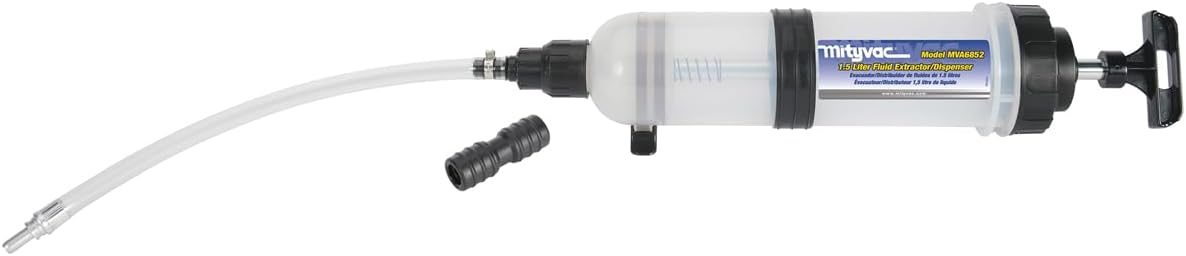

Refill the Transmission Correctly
Lower the vehicle enough to fill it safely if your transmission uses a dipstick, or keep it level on stands if your transmission uses a side fill or overflow plug. Add only the correct fluid specification for your transmission. Using the wrong ATF can cause shift complaints, converter clutch issues, and internal damage.
Start by adding slightly less fluid than you think was drained out. Reconnect the battery if it was disconnected, start the engine, and with your foot on the brake, slowly move the shifter through each gear range for a few seconds. This helps fill the filter and hydraulic circuits.
Set the Final Fluid Level by the Correct Method
Some transmissions are checked hot in park, some in neutral, and some with a fluid temperature window using a scan tool and overflow plug. Do not rely on guesses. An overfilled transmission can aerate the fluid, while an underfilled one can slip or lose pressure. Top off the fluid only after following the exact checking procedure for your vehicle.
Clear Codes and Verify the Repair
Use a scan tool to clear stored trouble codes. On some vehicles, the transmission control module may adapt to the old solenoid behavior, so a short relearn drive or adaptive reset may be helpful if the service information allows it.
Test drive the vehicle only after verifying there are no leaks and the fluid level is correct. During the drive, pay attention to shift quality, converter clutch apply feel, and whether the engine RPM drops as the converter locks during steady cruising. Recheck for leaks afterward and verify no codes return.
What a Successful Repair Should Feel Like
- No transmission fluid leaks from the pan or connector area.
- Normal engagement into drive and reverse.
- Smooth cruising with no TCC shudder or hunting.
- No check engine light or returning TCC-related codes after the road test.
Common Mistakes to Avoid
- Replacing the solenoid without confirming fluid condition, wiring, and codes first.
- Installing the wrong solenoid because it looked similar to another valve body solenoid.
- Letting dirt, rag lint, or gasket material enter the open transmission.
- Overtightening pan bolts or valve body fasteners.
- Using universal fluid instead of the exact specified transmission fluid.
- Skipping the final level check at the proper fluid temperature.
- Ignoring heavy metal debris that points to internal transmission failure.
If the same TCC code returns immediately after replacement, stop and diagnose rather than continuing to drive. The problem may be in the harness, control module, valve body passages, lockup circuit, or the torque converter itself.
When This Job Is Better Left to a Shop
A professional repair is often the right call if your transmission uses a sealed fill system, requires scan-tool monitoring of fluid temperature, or houses the TCC solenoid inside a complete solenoid body. Some vehicles also require module programming, adaptation resets, or highly precise fluid fill procedures that are hard to duplicate in a home garage.
You should also consider a shop if the transmission pan contains major debris, the vehicle already has slipping or delayed engagement, or the wiring diagnosis is uncertain. In those cases, the TCC solenoid may not be the only fault.
Key Takeaways
- Confirm the TCC solenoid is actually faulty before opening the transmission, because fluid, wiring, or converter problems can cause the same symptoms.
- Keep the transmission interior extremely clean and use the exact solenoid and fluid specification for your transmission code.
- Torque the pan and any valve body fasteners to spec, since overtightening is a common cause of leaks and damaged threads.
- Set the final fluid level using the manufacturer procedure, especially on sealed transmissions that require a temperature-based check.
- If you find heavy metal debris or the code returns right away, stop and diagnose deeper internal or electrical issues.
FAQ
Can I Replace a Torque Converter Clutch Solenoid Without Removing the Transmission?
On many vehicles, yes. The solenoid is often accessible by removing the transmission pan, filter, and sometimes part of the valve body. On other transmissions, the solenoid is inside a larger solenoid pack or requires more extensive internal disassembly.
What Symptoms Point to a Bad TCC Solenoid?
Common symptoms include a check engine light, torque converter clutch codes, shudder at steady speeds, poor fuel economy, stalling when coming to a stop, or RPM staying higher than normal on the highway because the converter is not locking.
Do I Need to Replace the Transmission Fluid and Filter Too?
Usually yes. Since the pan must come off for access on many transmissions, replacing the filter, pan gasket, and lost fluid is part of the repair. Using fresh, correct-spec fluid also helps protect the replacement solenoid and valve body.
Will Replacing the TCC Solenoid Fix Code P0741 Every Time?
No. P0741 and similar codes can also be caused by low fluid, a restricted valve body passage, internal wear, wiring faults, control module issues, or a failing torque converter clutch. Proper diagnosis is important before replacing parts.
How Much Transmission Fluid Will I Need After Replacing the Solenoid?
It depends on how much fluid drains when the pan is removed and whether the transmission has a drain plug. Many pan-drop services use several quarts, but the exact amount varies widely by transmission. Always refill by the manufacturer procedure rather than by guess.
Can I Drive with a Bad Torque Converter Clutch Solenoid?
Sometimes the vehicle will still move, but continued driving can cause overheating, poor fuel economy, harsh operation, or stalling. If the converter clutch is applying or releasing incorrectly, it is better to diagnose and repair the issue soon.
Do I Need a Scan Tool for This Repair?
A basic scan tool is strongly recommended to confirm codes and clear them afterward. For some vehicles, a more advanced scan tool is needed to monitor transmission fluid temperature or perform adaptive relearn procedures.
Need Parts for This Repair?
The right parts and supplies vary by vehicle.
Select your make and model to find compatible parts and accessories for your car.
Exact Fit
Parts that fit your make and model
Quality You Can Trust
Top brands and OEM quality options
Fast Shipping
Get the parts you need, delivered fast